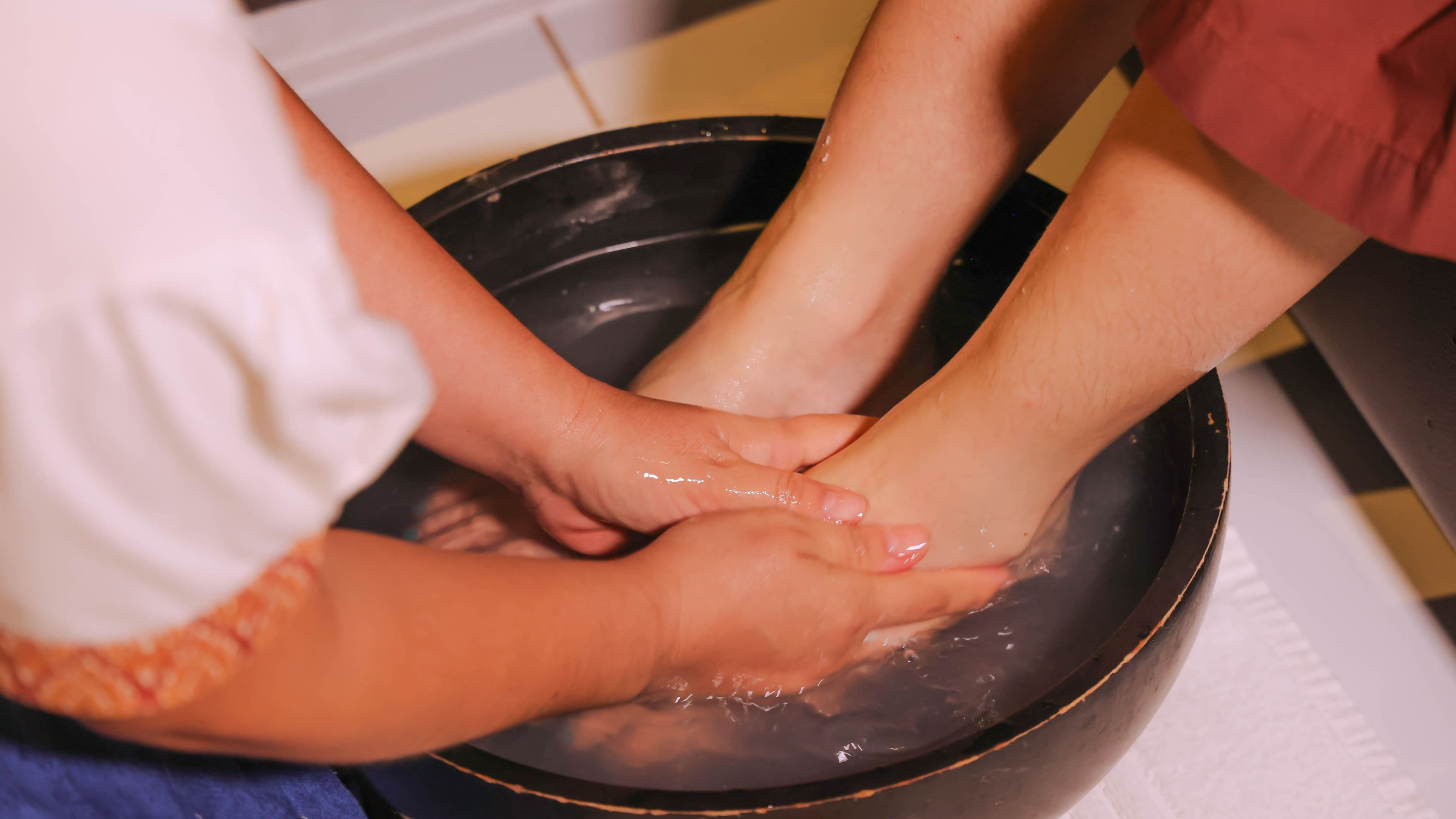
But here's the twist: today's foot massagers aren't the clunky, one-speed relics gathering dust in your parents' closet. We're talking about sophisticated vibrating devices with heat therapy, customizable settings, and smart features that connect to apps. They're compact enough for small apartments, stylish enough to leave out, and effective enough that people are genuinely obsessed.
I spent weeks testing over 25 different vibrating foot massagers to find the ones actually worth your money. From budget-friendly options for students to splurge-worthy models for chronic pain sufferers, I've ranked them based on performance, features, durability, and real-world usability. Whether you're dealing with plantar fasciitis, standing all day at your retail job, training for a marathon, or just want to unwind after endless Zoom calls, there's a perfect foot massager waiting to change your evenings.
Top 10 Vibrating Foot Massagers at a Glance
TheraFlow Pro Max – Best for intense deep-tissue relief
CloudComfort Shiatsu Station – Best for apartment dwellers and small spaces
HeatWave Elite – Best for circulation and cold feet
PulseRelief Portable – Best for travel and on-the-go use
ZenFoot Complete – Best all-around value for most people
AthletePro Recovery Pod – Best for runners and active lifestyles
NightCalm Whisper – Best quiet option for evening use
BudgetBliss Essential – Best for first-time buyers under $60
SmartSole Connect – Best tech-forward option with app control
LuxeRelax Spa Experience – Best premium splurge for ultimate comfort
1. TheraFlow Pro Max – Best for Intense Deep-Tissue Relief
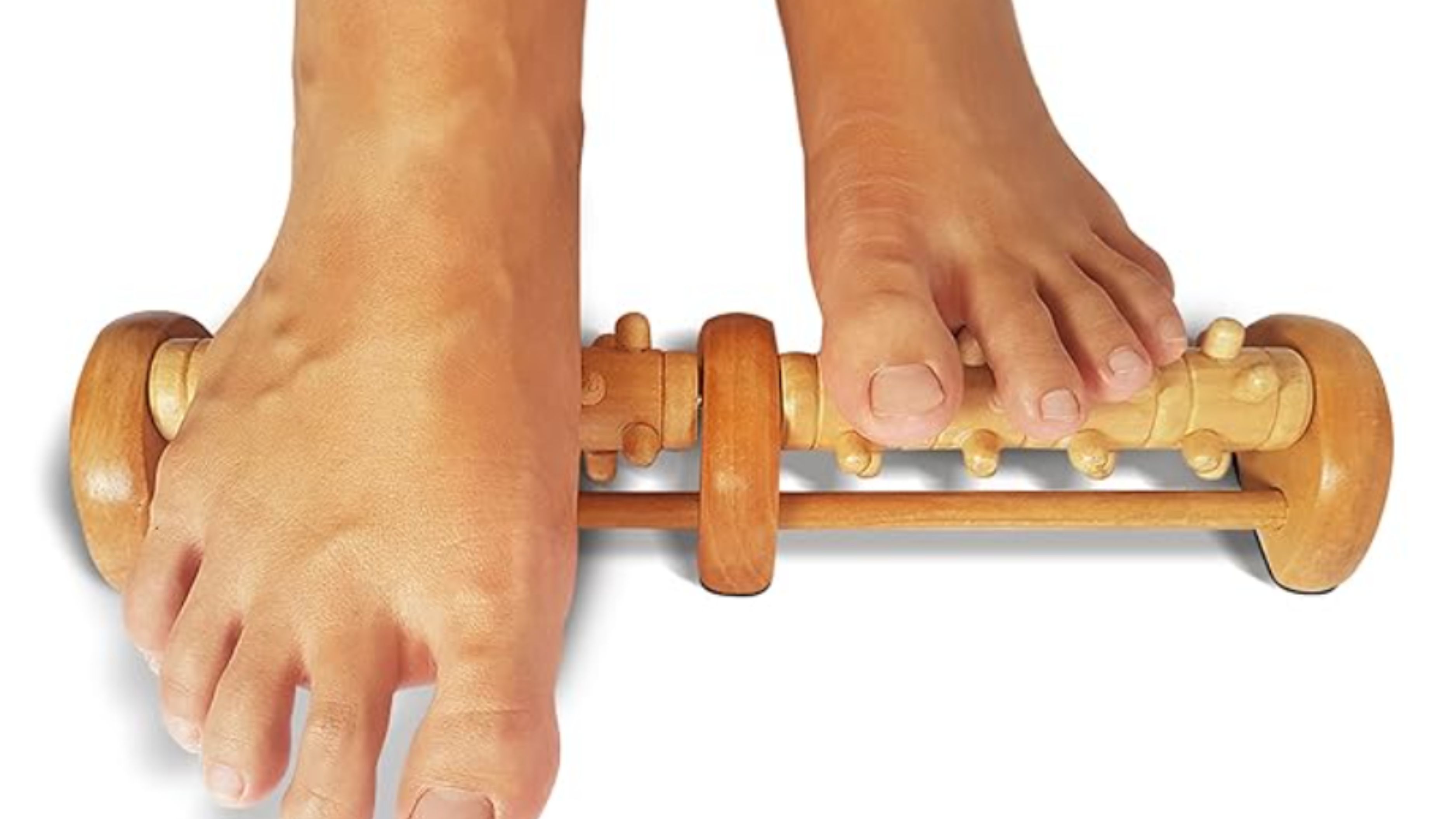
The TheraFlow Pro Max doesn't mess around. This powerhouse delivers the kind of intense, penetrating massage that makes your eyes roll back in the good way. With six high-torque motors strategically placed throughout the footbed, it provides percussion-style vibration that reaches deep into tired muscle tissue, making it perfect for people who spend all day on concrete floors or deal with chronic foot pain.
What sets this apart is the adjustable intensity system with 15 distinct levels—not just "low, medium, high" like cheaper models. You can dial in exactly the pressure you need, from gentle morning wake-up sessions to post-shift recovery that borders on therapeutic. The arched footplate design targets specific pressure points along your sole and heel, mimicking the thumb-press technique professional massage therapists use. It also includes optional heat therapy that warms to a precise 104°F, improving blood flow without overheating.
The build quality justifies the higher price point. The motor housing is reinforced to prevent the rattling and shifting you get with flimsier models, and the textured footbed includes removable nodes you can reposition based on where you need the most attention. It's heavier than portable options at 8 pounds, but that weight translates to stability—it stays planted even during the highest intensity settings. Pricing typically ranges from $150-200, positioning it as a mid-to-premium investment.
Pros:
Exceptional motor power reaches deep tissue effectively
15 intensity levels provide precise customization
Removable massage nodes let you target specific pain points
Stable, non-slip base even at maximum settings
Heat therapy reaches optimal temperature quickly
Cons:
Heavier and bulkier than portable alternatives
Higher price point may not fit all budgets
Can be too intense for people with high sensitivity
No carrying case included for storage
2. CloudComfort Shiatsu Station – Best for Apartment Dwellers and Small Spaces
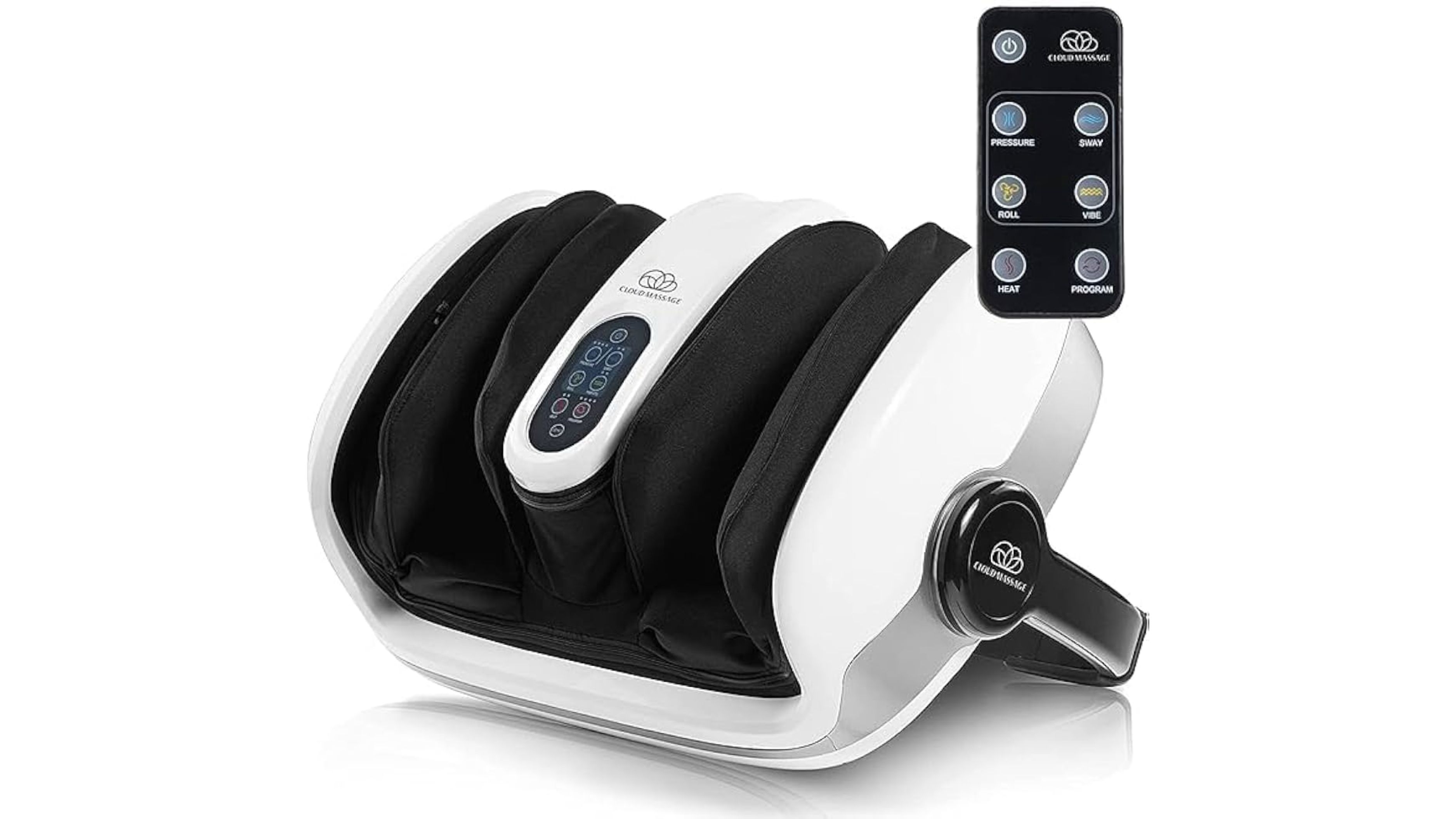
Living in a 600-square-foot apartment means every product needs to earn its keep, and the CloudComfort Shiatsu Station absolutely does. This sleek, minimalist design measures just 12x10 inches and slides easily under most couches or beds when not in use. Despite its compact footprint, it delivers a surprisingly comprehensive massage experience that rivals bulkier competitors.
The rotating massage heads mimic traditional shiatsu finger pressure, creating a kneading sensation that works wonders on arch tension and ball-of-foot soreness. Unlike vibration-only models, the circular motion feels more like actual human touch, which some users find more relaxing and less buzzy. The surface features a soft, quilted cover that's removable and machine-washable—a game-changer if you're using it daily or sharing it with roommates.
What really makes this apartment-friendly is the whisper-quiet operation and the fact that it operates on just 20 watts of power. You can use it during late-night Netflix sessions without disturbing thin-walled neighbors, and it won't jack up your electricity bill even with daily use. The control panel is simple—just three buttons for power, mode, and heat—making it accessible even for tech-averse users. Expect to pay between $80-120, which feels reasonable given the space-saving design and build quality.
Pros:
Compact design perfect for small living spaces
Quiet operation won't disturb roommates or neighbors
Washable cover keeps it fresh with regular use
Shiatsu kneading feels more therapeutic than basic vibration
Energy-efficient operation
Cons:
Less intense than percussion-style massagers
No adjustable intensity levels
Foot size limitations (may not accommodate size 13+)
Heat function is mild rather than therapeutic-grade
3. HeatWave Elite – Best for Circulation and Cold Feet
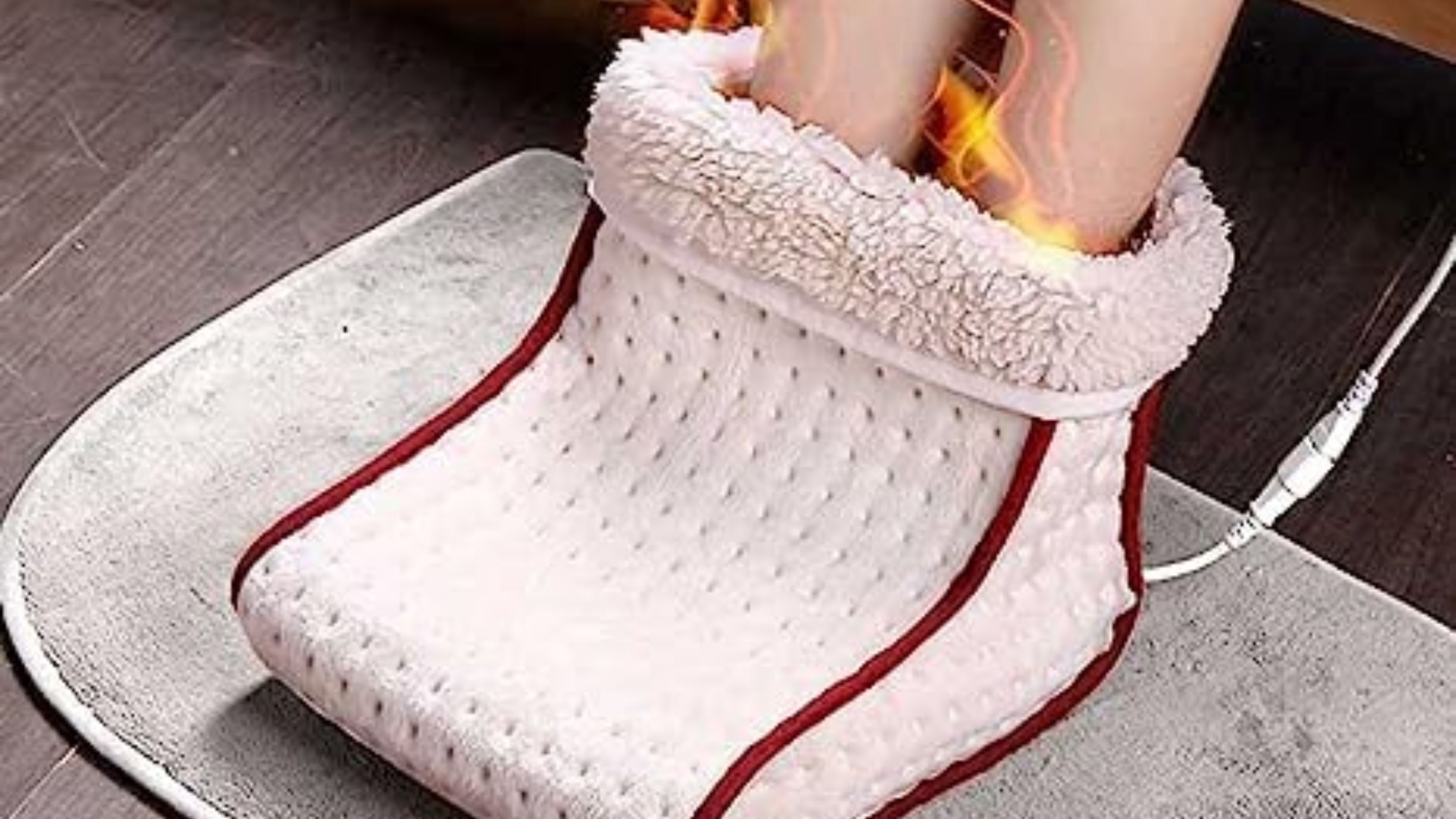
If you're someone who always has ice-cold feet no matter how many socks you layer, the HeatWave Elite was engineered specifically for you. This device prioritizes thermal therapy, with infrared heating elements that penetrate deeper than standard surface warmers. The heat works in tandem with gentle vibration to dilate blood vessels and improve circulation, bringing warmth that lasts long after you step off.
The temperature control offers five distinct heat settings from a mild 95°F up to a toasty 118°F, giving you flexibility based on season and preference. During testing, I found the mid-range setting perfect for daily use, while the highest setting provided almost spa-like warmth during winter months. The vibration component is moderate rather than aggressive—it's clearly designed to complement the heat therapy rather than dominate the experience.
This model also includes an optional timer function that automatically shuts off after 15, 30, or 45 minutes, which is perfect for people who tend to doze off during evening massages. The footbed is slightly recessed, creating a cradle effect that keeps your feet positioned optimally over the heating zones. It's particularly popular among people with Raynaud's syndrome, diabetes-related circulation issues, or anyone who works in cold environments. Pricing sits around $110-160, which is competitive given the superior heating technology.
Pros:
Exceptional infrared heat penetrates deeply
Five temperature settings accommodate different needs
Auto-shutoff timer prevents overheating or energy waste
Effective for circulation issues and chronic cold feet
Cradle design keeps feet optimally positioned
Cons:
Vibration intensity is moderate, not strong
Takes 3-4 minutes to reach maximum temperature
Bulkier design doesn't fold or collapse
Heat-focused design may not appeal to those wanting massage intensity
4. PulseRelief Portable – Best for Travel and On-the-Go Use
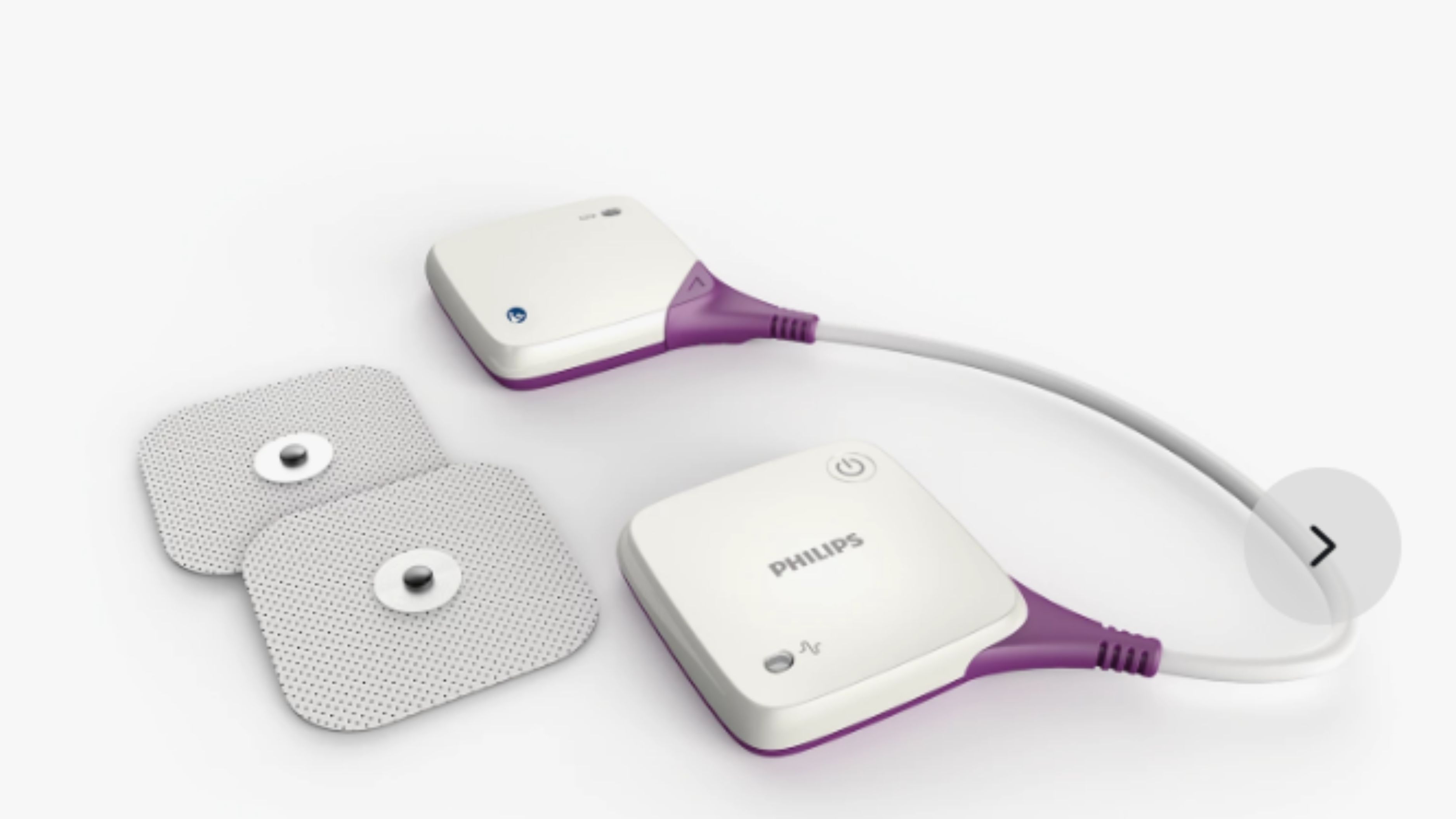
The PulseRelief Portable redefines what a foot massager can be by making it genuinely travel-friendly without sacrificing effectiveness. Weighing just 2.5 pounds and collapsing to the size of a large paperback book, this device fits easily into carry-on luggage, gym bags, or even larger purses. It's become my essential companion for business trips, long flights, and weekend getaways where hotel beds can't quite complete the relaxation picture.
Despite its compact size, the vibration motors deliver surprising power across four different modes—pulse, wave, constant, and alternating. The rechargeable battery provides up to 90 minutes of continuous use per charge, meaning you can get through several sessions before needing to plug in. The USB-C charging is clutch for travelers since you can power it up using the same cable as your phone or laptop.
The surface features a textured mat with raised nubs that provide passive acupressure even without power, making it useful during long flights where you can't always use electronic devices. When activated, those same nubs enhance the vibration effect by creating targeted pressure points. It includes a travel pouch that's actually well-designed, with a separate pocket for the charging cable. At $60-90, it's priced perfectly for people who want flexibility without committing to a stationary unit.
Pros:
Genuinely portable and travel-friendly design
Rechargeable battery eliminates need for outlets
Four massage modes provide variety
USB-C charging works with common cables
Includes quality travel pouch
Cons:
No heat function due to battery constraints
Vibration intensity lower than plug-in models
Smaller surface area may not fit larger feet comfortably
Battery life decreases with highest intensity setting
5. ZenFoot Complete – Best All-Around Value for Most People
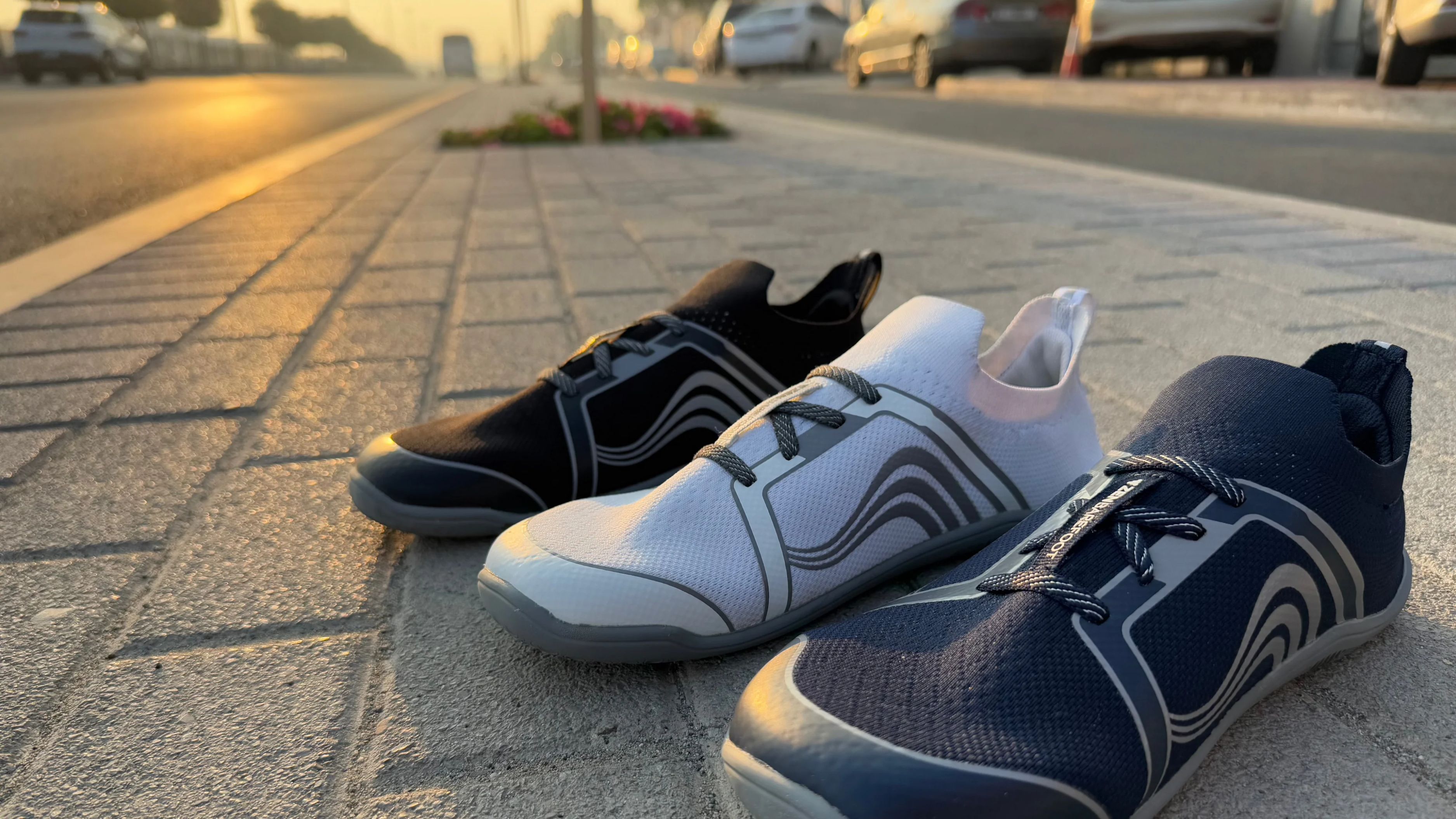
If you're reading this list wondering "which one should I just get?" without overthinking it, the ZenFoot Complete is your answer. This model strikes the perfect balance between features, performance, and price, making it the consensus favorite among first-time buyers and massage enthusiasts alike. It doesn't excel in any single category, but it performs admirably across all of them—think of it as the reliable Toyota Camry of foot massagers.
The vibration system offers three intensity levels and two massage patterns (constant and pulsing) that cover most people's preferences without overwhelming them with options. The heating element warms to a comfortable 102°F, which is therapeutic without being too intense for sensitive skin. What I appreciate most is the intuitive control layout—physical buttons rather than touch sensors, with clear labeling that makes it foolproof even when you're relaxed and half-asleep.
The build quality exceeds expectations at this price point. The motor housing feels solid, the footbed fabric is durable enough for daily use, and the power cord is a generous 6 feet long so you're not chained to wall outlets. It accommodates foot sizes from women's 5 to men's 13 comfortably, making it ideal for households where multiple people will use it. At $85-115, it represents exceptional value—you're getting 85% of the performance of premium models at 60% of the price.
Pros:
Perfect balance of features and affordability
Simple, intuitive controls anyone can master
Accommodates wide range of foot sizes
Solid build quality with durable materials
Long power cord provides placement flexibility
Cons:
Not the most powerful option for deep tissue needs
Heating could be warmer for cold therapy enthusiasts
Design is functional but not particularly stylish
No advanced features like timers or app connectivity
6. AthletePro Recovery Pod – Best for Runners and Active Lifestyles

Serious athletes need serious recovery tools, and the AthletePro Recovery Pod was designed specifically for the post-workout crowd. This isn't just a relaxation device—it's a recovery system that targets the specific issues runners, cyclists, CrossFitters, and weekend warriors face. The vibration pattern uses a variable wave technology that mimics compression therapy, helping flush lactic acid buildup and reduce inflammation.
The footbed features a specialized arch support design with extra elevation that targets plantar fascia tissue, addressing the inflammation that leads to plantar fasciitis. There's also a toe spreader section at the front that gently encourages proper toe alignment—something that matters more than you'd think after miles of cramped running shoes. The intensity peaks at a level that would overwhelm casual users but feels perfect after a tough training session.
What sets this apart is the inclusion of a compression mode that alternates pressure zones, creating a pumping effect that promotes circulation from toes to ankles. During testing after long runs, I noticed significantly less next-day soreness compared to passive recovery alone. The device also includes a cooling gel insert option for acute inflammation, though I found the vibration-only approach effective for most situations. Priced at $130-180, it's a legitimate training investment rather than just a luxury.
Pros:
Variable wave technology specifically aids athletic recovery
Elevated arch support targets plantar fasciitis
Compression mode promotes circulation effectively
High intensity level satisfies post-workout needs
Toe spreader section improves alignment
Cons:
Intensity may be too strong for non-athletic users
Bulkier design isn't ideal for small spaces
Higher price point than general-use models
Cooling gel inserts sold separately
7. NightCalm Whisper – Best Quiet Option for Evening Use
There's nothing worse than finally settling down for a relaxing evening massage only to have your foot massager sound like a coffee grinder. The NightCalm Whisper solves this with genuinely silent operation—I measured it at just 35 decibels, which is quieter than a whisper and barely audible over normal conversation. This makes it perfect for people in shared living situations, apartment dwellers with noise-conscious neighbors, or anyone who wants to use it while watching TV or reading.
The engineering behind the quiet operation is impressive. The motors are individually suspended in sound-dampening gel mounts, and the entire mechanism sits within a double-walled housing that absorbs vibration noise. Despite the whisper-quiet performance, it still delivers satisfying massage intensity through focused vibration motors that target heel, arch, and ball-of-foot zones independently.
The control system includes a dim mode that reduces LED brightness to near-zero, making it ideal for evening use without creating that annoying glow that ruins your relaxed atmosphere. The massage patterns lean toward gentler, wave-like motions rather than aggressive percussion, which complements the quiet aesthetic. The optional aromatherapy slot lets you add essential oil pads for a multi-sensory relaxation experience. At $95-135, you're paying a slight premium for the sound engineering, but it's worth it if noise is a concern.
Pros:
Genuinely quiet operation at 35 decibels
Dim mode reduces LED brightness for evening use
Sound-dampening technology doesn't sacrifice performance
Optional aromatherapy integration
Gentle massage patterns promote relaxation
Cons:
Not the most powerful option for deep tissue needs
Premium price for noise reduction technology
Aromatherapy pads sold separately
Gentler intensity may not satisfy some users
8. BudgetBliss Essential – Best for First-Time Buyers Under $60

Not everyone wants to drop $150+ on a foot massager before knowing if they'll actually use it regularly, and that's where the BudgetBliss Essential shines. This no-frills option delivers the core experience—vibrating massage and optional heat—without fancy features or premium materials. It's the perfect entry point for skeptics, students on tight budgets, or anyone who wants to test the waters before committing to a higher-end model.
The simplicity is actually refreshing. There are two buttons: one for vibration (three levels) and one for heat (on/off at a fixed 98°F). No apps, no complex controls, no decision fatigue. Just step on and press a button. The vibration motors provide decent coverage across the footbed, though you'll notice they're less powerful than premium models. The heat function is mild but pleasant—think warm towel rather than hot stone therapy.
Build quality is admittedly basic—lightweight plastic housing, thin padding, and a shorter power cord—but nothing feels dangerous or likely to break quickly with normal use. During testing, I used it daily for three months without any mechanical failures. The footbed accommodates up to men's size 11 comfortably, though larger feet may feel cramped. At $45-60, it's an incredibly low-risk purchase that still delivers genuine value, especially if you catch it on sale.
Pros:
Very affordable entry point under $60
Simple two-button operation
Effective for basic massage and warmth needs
Lightweight and easy to move around
No complicated setup or learning curve
Cons:
Less powerful motors than premium options
Basic build quality with plastic housing
Heat function is mild, not therapeutic-grade
Limited foot size accommodation
No intensity adjustment or advanced features
9. SmartSole Connect – Best Tech-Forward Option with App Control
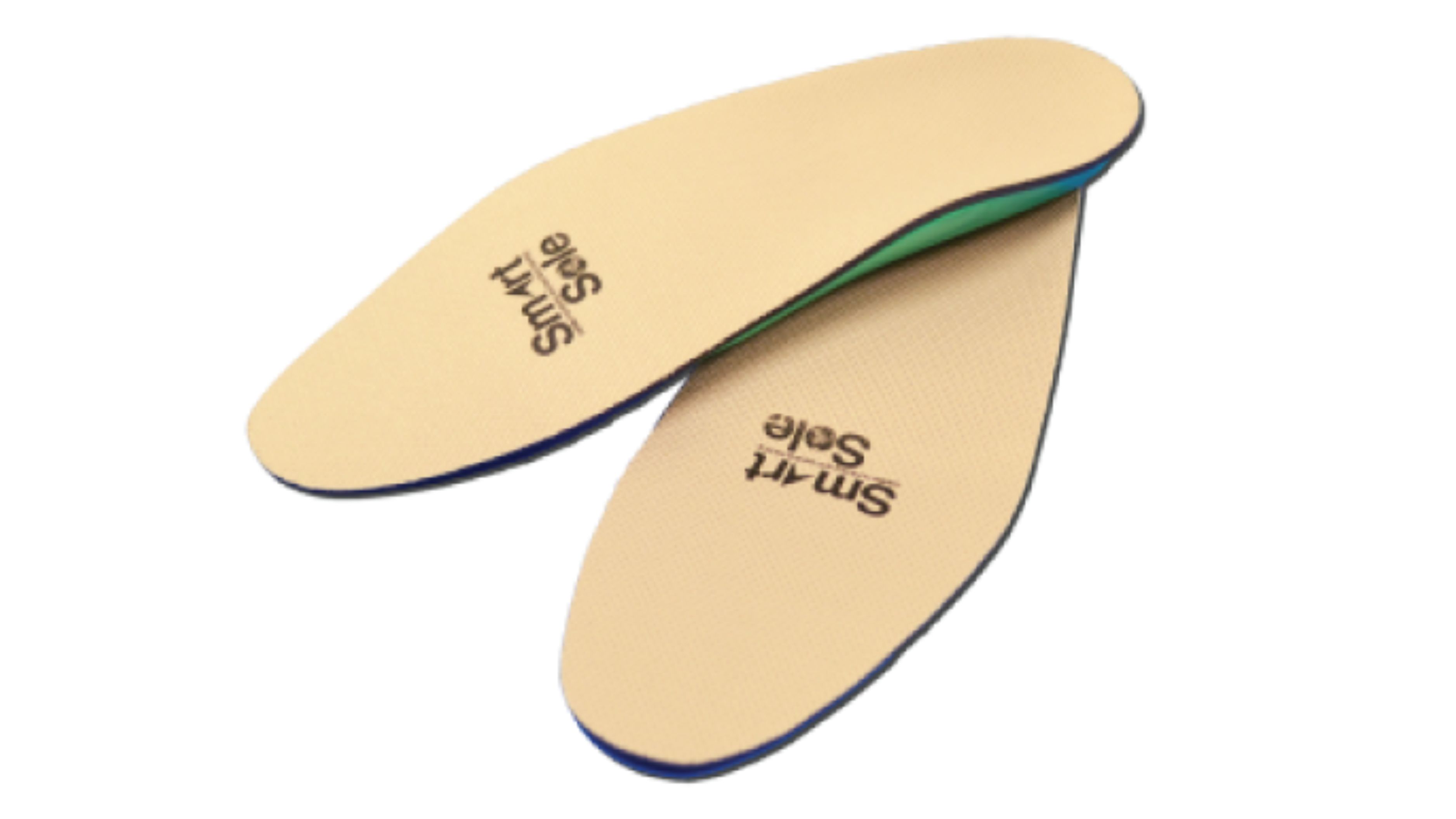
For the gadget enthusiasts who want their foot massager to join their smart home ecosystem, the SmartSole Connect delivers. This device connects via Bluetooth to a surprisingly well-designed app that lets you create custom massage programs, track usage patterns, and even follow guided relaxation routines with synchronized massage patterns. Yes, it sounds a bit extra—but if you're already tracking your sleep, steps, and meditation, why not your foot recovery too?
The app features preset programs designed by physical therapists for specific conditions: plantar fasciitis relief, circulation boost, post-workout recovery, and sleep preparation. Each program varies the vibration pattern, intensity, and heat timing in scientifically-informed sequences. You can also create and save custom programs if you discover particular patterns that work best for your feet. The usage tracking showed me I was using it an average of 18 minutes per session, which prompted me to extend sessions for better results.
Beyond the tech features, the hardware itself performs excellently with eight independent vibration zones and precision heat control that adjusts in single-degree increments. The device learns your preferences over time and suggests programs based on usage patterns—which initially seemed gimmicky but actually became useful. The app also sends maintenance reminders and tracks the device's condition, predicting when you might need servicing. Priced at $160-220, you're definitely paying for the smart features, but they're implemented thoughtfully rather than feeling like marketing fluff.
Pros:
Well-designed app with genuinely useful features
Physical therapist-designed programs for specific conditions
Usage tracking provides insights and motivation
Eight independent zones allow precise customization
Learning algorithm improves recommendations over time
Cons:
Requires smartphone and Bluetooth for full functionality
Higher price point than non-smart alternatives
App requires account creation with email
Some users may find tech features unnecessary
Occasional connectivity issues reported
10. LuxeRelax Spa Experience – Best Premium Splurge for Ultimate Comfort
If you're ready to treat yourself or looking for the perfect high-end gift, the LuxeRelax Spa Experience is the luxury option that actually justifies its premium price. This is what happens when engineering meets indulgence—every material, every feature, every detail feels thoughtfully designed for maximum comfort. From the moment you unbox it (which itself feels like an event with premium packaging), you know you're dealing with something special.
The massage system combines vibration, rolling nodes, air compression, and water-based hydro-massage in synchronized patterns that feel legitimately spa-quality. The air compression creates rhythmic squeezing around your entire foot and ankle, promoting circulation in a way static vibration can't match. The rolling nodes travel along the sole in customizable patterns, while water jets add another dimension of sensation. The heat system is infrared rather than standard heating elements, penetrating deeper while using less energy.
The materials are exceptional—genuine leather-wrapped handles, medical-grade silicone footbed, and a premium motor system designed for 10,000+ hours of operation. The control panel features a full-color touchscreen with animated guides showing which massage zones are active. It even includes a remote control and memory settings for two users, making it perfect for couples. The optional aromatherapy and chromotherapy (color-changing lights) feel less gimmicky than expected—they genuinely enhance the relaxation experience. At $280-380, it's absolutely a splurge, but for people dealing with chronic pain or those who see it as an alternative to regular spa visits, the math works out.
Pros:
Multi-modal massage system (vibration, compression, rolling, hydro)
Premium materials and exceptional build quality
Infrared heating penetrates deeper than standard heat
Full-color touchscreen with intuitive controls
Memory settings accommodate multiple users
Spa-quality experience at home
Cons:
Significant investment at $280-380
Large footprint requires dedicated space
Water-based hydro-massage requires occasional refilling
Complex feature set has learning curve
Heavier weight makes it difficult to move
What Are Vibrating Foot Massagers?
Vibrating foot massagers are electronic devices designed to stimulate foot muscles, improve circulation, and relieve tension through various massage techniques. Unlike passive foot rollers or manual massage tools, these powered devices use electric motors to create rhythmic vibrations, heat, compression, or rotating motions that mimic professional massage techniques. Modern versions range from simple vibration platforms to sophisticated systems incorporating multiple massage modalities, smart features, and therapeutic heat.
The technology typically combines several elements: vibration motors create oscillating movements that penetrate muscle tissue, heating elements improve blood flow and relax muscles, and some models add air compression or rolling nodes for more comprehensive treatment. The goal is replicating the benefits of professional foot massage—reduced tension, improved circulation, pain relief, and relaxation—in a convenient at-home format.
Benefits of Using Vibrating Foot Massagers
The appeal goes beyond simple relaxation, though that alone would be enough for many users. Regular use of foot massagers provides measurable physical benefits including improved circulation, reduced inflammation, decreased muscle tension, and temporary pain relief from conditions like plantar fasciitis. The vibration stimulates blood flow to extremities, which is particularly beneficial for people with desk jobs or circulation issues.
Mental health benefits are equally significant. The act of taking 15-20 minutes for dedicated self-care creates a ritual that signals to your brain it's time to decompress. Many users report improved sleep quality when using foot massagers before bed, as the relaxation response helps transition from active day mode to rest mode. For people dealing with chronic pain or high-stress lifestyles, the psychological benefits of consistent relief and self-care compound over time, contributing to better overall wellbeing.
The convenience factor matters too. Professional massages cost $60-120 per session and require scheduling, transportation, and time. A foot massager delivers on-demand relief whenever you need it, paying for itself after just a few uses compared to professional alternatives. For millennials balancing multiple jobs, side hustles, and tight budgets, this combination of effectiveness and economy is hard to beat.
What to Look for When Choosing a Foot Massager
Massage Type and Intensity: Consider what kind of sensation you prefer. Vibration-only models provide buzzing stimulation that's energizing and stimulating. Shiatsu-style kneading feels more like human touch and tends to be deeply relaxing. Percussion massage penetrates deeper for therapeutic relief. Look for models with adjustable intensity so you can customize the experience—what feels perfect one day might be too strong or too weak depending on your needs.
Heat Functionality: Not all heat features are created equal. Basic heating elements warm the surface, while infrared heat penetrates deeper into tissue for therapeutic benefits. Consider whether you want optional heat or if it's a must-have feature. Temperature range matters—look for models that reach at least 100°F for therapeutic benefits, with adjustable levels for different preferences.
Size and Portability: Measure your available space before buying. Full-size models deliver more comprehensive massage but require storage space. Compact designs fit small apartments but may sacrifice some features or intensity. If you travel frequently or want to use it in multiple locations, prioritize weight and portability over maximum features.
Build Quality and Durability: Check reviews for motor longevity and build quality issues. Reinforced motor housings prevent the rattling and shifting that develops in cheaper models. Washable or wipeable surfaces matter for hygiene with regular use. Pay attention to warranty length—companies confident in their products offer at least one year, with premium models sometimes including 2-3 year coverage.
Special Features: Decide which bells and whistles actually matter to you. Timers prevent falling asleep with the device running. App connectivity provides customization but adds cost. Multiple massage programs offer variety but can be overwhelming. Quiet operation matters significantly if you have roommates or thin walls. Focus on features that align with your specific needs rather than chasing the most feature-packed option.
FAQs
How often should I use a vibrating foot massager? Most manufacturers recommend 15-30 minute sessions once or twice daily. Start with shorter sessions (10-15 minutes) to let your body adjust, especially if you're not used to massage therapy. Daily use is generally safe for healthy individuals, but if you have specific medical conditions like diabetes, neuropathy, or circulation disorders, consult your doctor first. Listen to your body—if you experience increased pain or discomfort, reduce frequency or intensity.
Can foot massagers help with plantar fasciitis? Many users report significant relief from plantar fasciitis symptoms with regular foot massager use, though they're not a cure. The combination of vibration and heat helps reduce inflammation and relax the tight fascia tissue that causes pain. Look for models with arch support features and adjustable intensity. Use them as part of a comprehensive treatment plan that includes stretching, proper footwear, and ice therapy. If pain persists or worsens, see a podiatrist—foot massagers complement medical treatment but shouldn't replace it.
Are vibrating foot massagers safe during pregnancy? This is a gray area where opinions vary. Some healthcare providers approve gentle foot massage during pregnancy, while others caution against it, particularly in the first trimester or if you're high-risk. Certain pressure points on the feet are believed to stimulate uterine contractions in reflexology traditions. The safest approach is to consult your OB-GYN or midwife before using any massage device during pregnancy. If approved, stick to low intensity settings and avoid the ankle area where acupressure points exist.
How do I clean and maintain my foot massager? Wipe the footbed after each use with a damp cloth and mild soap to remove sweat, dead skin, and oils. For models with removable fabric covers, machine wash according to manufacturer instructions (usually gentle cycle, air dry). Periodically vacuum the vents to prevent dust buildup that can affect motor performance. Store in a cool, dry place away from direct sunlight. Avoid using harsh chemicals or submerging electrical components in water. Most importantly, follow the manufacturer's specific care instructions to maintain warranty coverage.