The devices on this list aren't just step counters. They're changing what health monitoring means: from reactive (something's wrong, see a doctor) to proactive (here's what's happening in real time, here's what to do about it). Here are the ten wearables making the biggest difference right now.
Top 10 at a Glance
Apple Watch Series 9 – Best all-around health smartwatch
Oura Ring Gen 3 – Best for sleep and recovery tracking
Whoop 4.0 – Best for serious athletes and strain tracking
Fitbit Charge 6 – Best budget-friendly health tracker
Garmin Fenix 7 – Best for outdoor and endurance athletes
Samsung Galaxy Watch 6 – Best for Android users
Levels CGM (Continuous Glucose Monitor) – Best for metabolic health insights
Withings ScanWatch 2 – Best hybrid watch with medical-grade sensors
Muse S Headband – Best for sleep quality and meditation tracking
Abbott FreeStyle Libre 3 – Best clinical-grade glucose monitoring for diabetics
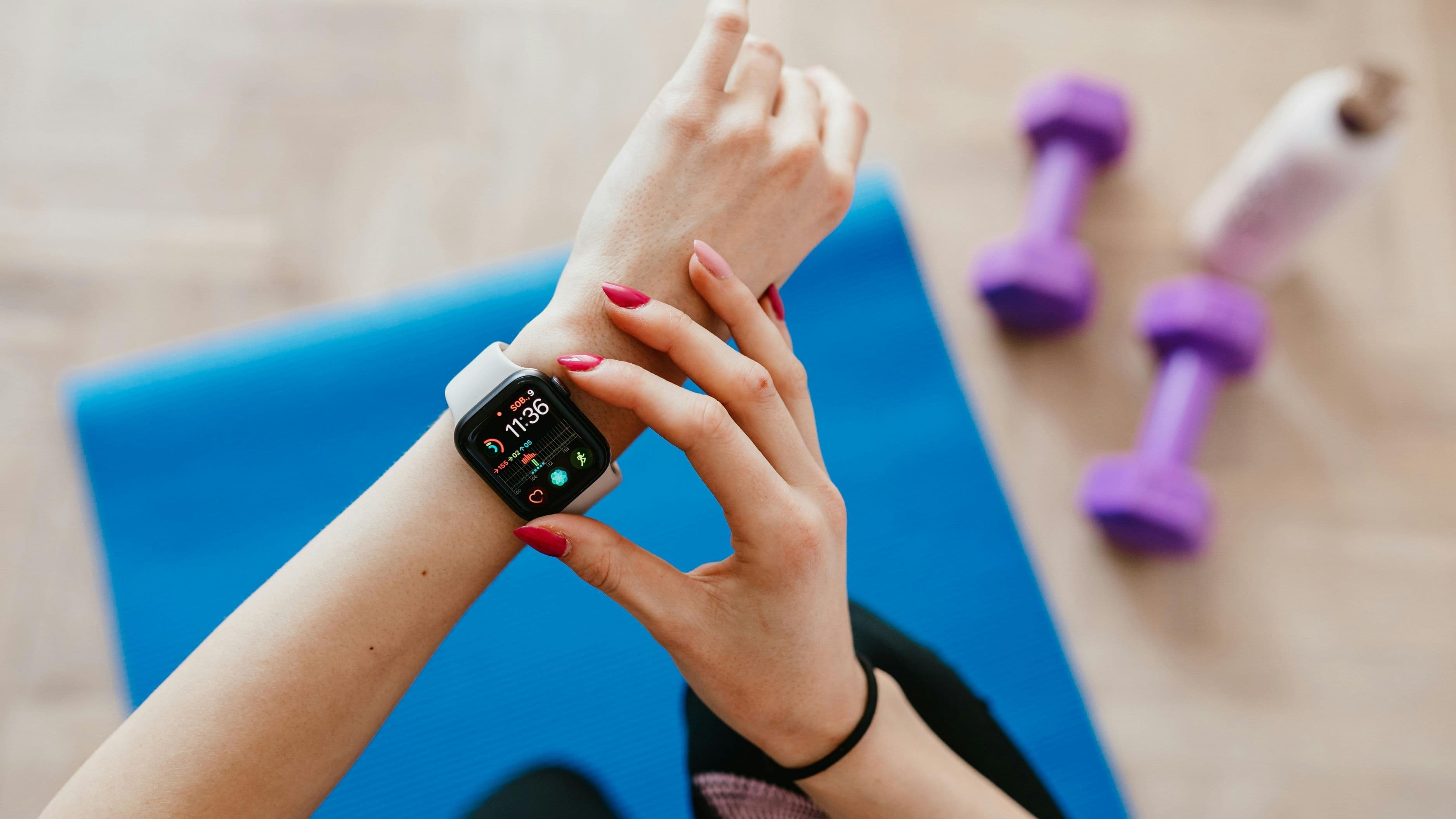
1. Apple Watch Series 9
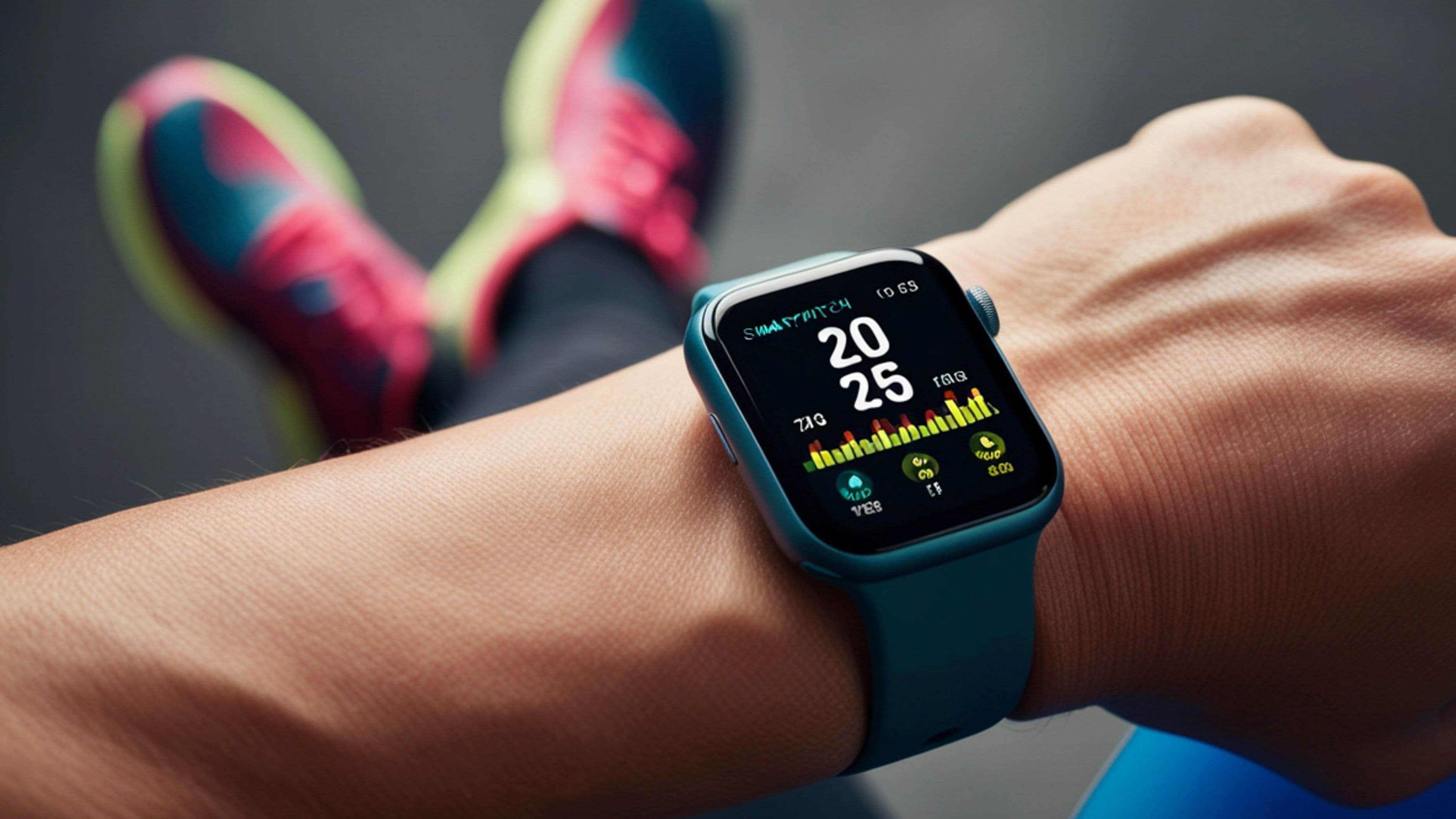
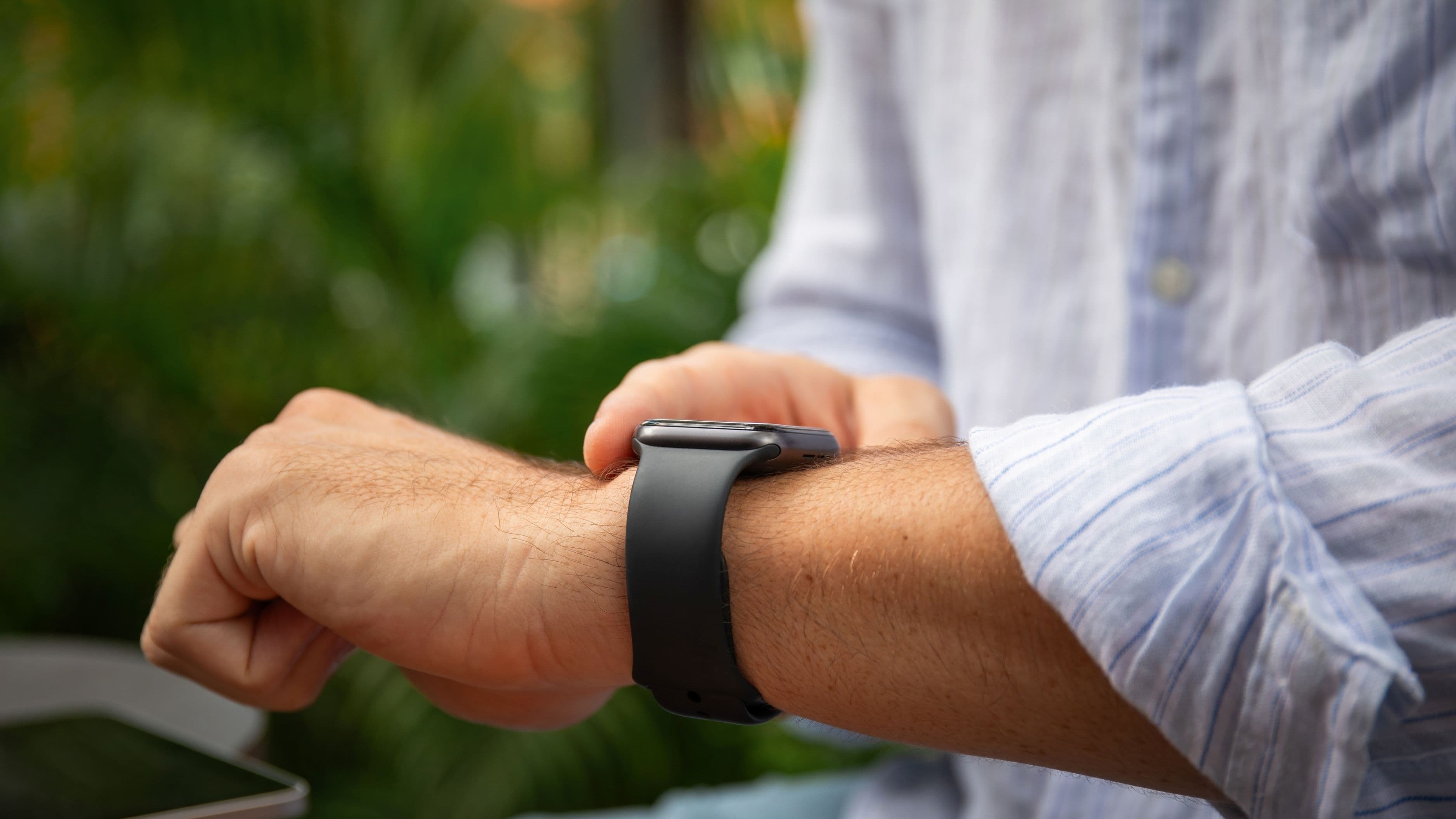
What it is: Apple's flagship smartwatch, now with a double-tap gesture, an upgraded S9 chip, and a first-party health suite that includes ECG, blood oxygen monitoring, crash detection, irregular heart rhythm notifications, and temperature sensing for cycle tracking.
Why it matters: Apple Watch sits at the center of wearable health tech because it combines serious sensor hardware with a health app ecosystem that genuinely works. The ECG feature has helped users detect atrial fibrillation that would have otherwise gone unnoticed for years. Apple's health platform feeds data to your doctor, integrates with hospital records in many regions, and supports a growing library of third-party health apps built on top of its sensor data. The Series 9 also introduced on-device processing for Siri health queries, which keeps your data local rather than sending it to the cloud.
How to use it for health: Set up irregular heart rhythm notifications in the Health app. Enable the sleep tracking and check your sleep stages in the morning. Review your trends weekly, not daily – one bad night doesn't mean much; a three-week pattern does.
Best for: iPhone users who want a comprehensive health monitoring device they'll actually wear every day.
Key benefit: The breadth of sensors, the quality of the ecosystem, and the FDA clearances behind the health features make this the most clinically credible consumer smartwatch available.
One tip: Enable Emergency SOS and fall detection – two features that have genuinely saved lives and cost nothing extra to use.
2. Oura Ring Gen 3
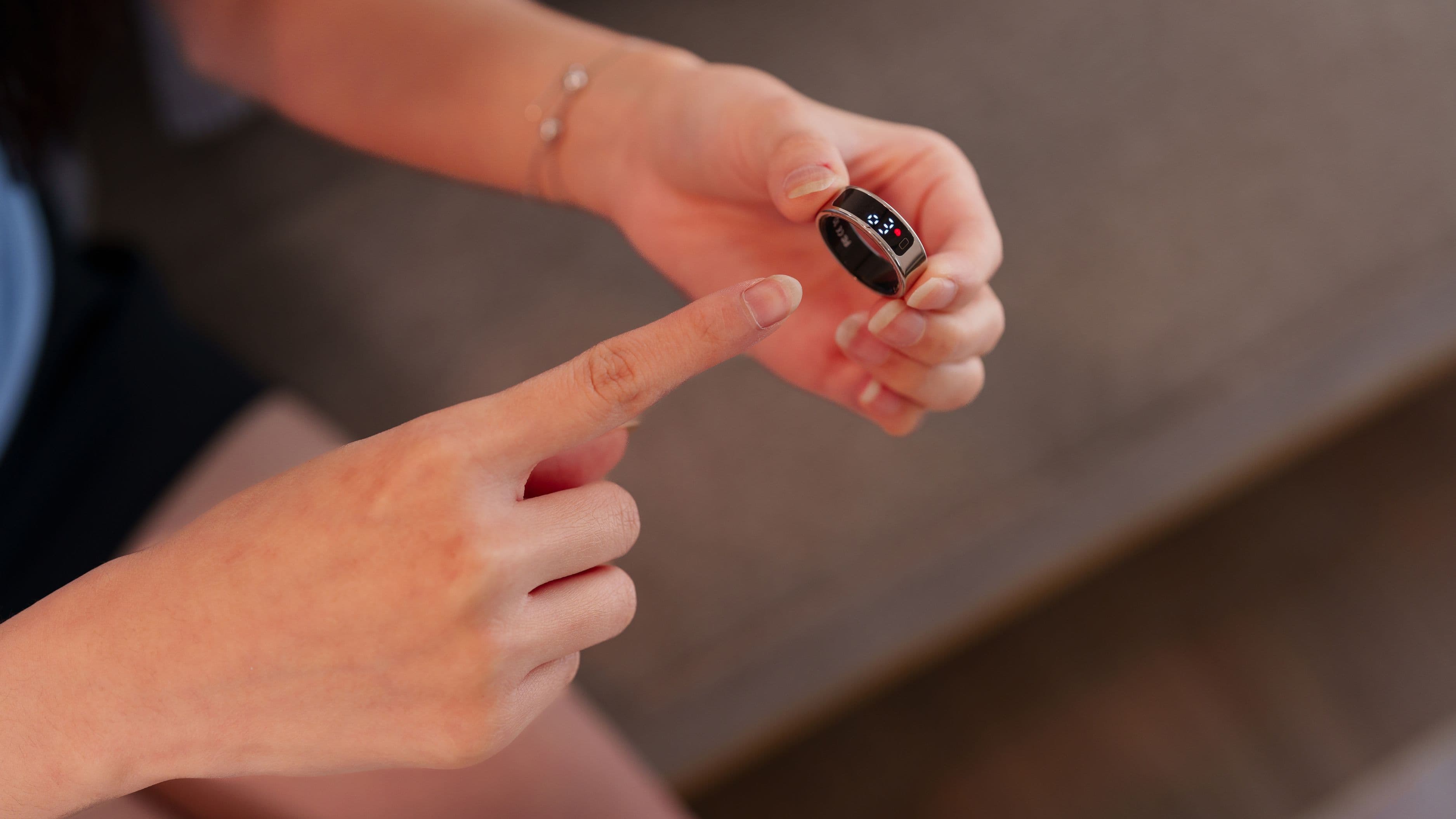
What it is: A lightweight titanium ring with sensors that track heart rate, heart rate variability (HRV), body temperature, blood oxygen, respiration rate, and movement. It synthesizes everything into three daily scores: Readiness, Sleep, and Activity.
Why it matters: The Oura Ring makes sleep tracking genuinely useful rather than just interesting. The Readiness Score – a composite measure of how recovered your body is – helps you understand whether today is a day to push hard or a day to back off. That kind of data is particularly valuable for people dealing with chronic fatigue, burnout, illness recovery, or training load management. Because it's a ring rather than a watch, it's more comfortable to sleep in, and many users find the data more consistent than wrist-based trackers.
How to use it for health: Check your Readiness Score each morning before planning your day. Pay attention to your HRV trend over time – it's one of the most reliable indicators of systemic stress and recovery. If your temperature deviates, that often signals illness before you feel sick.
Best for: Anyone who wants deep sleep analytics, illness early-warning data, or a discreet device they can wear 24/7 without it looking like a fitness tracker.
Key benefit: HRV and temperature trending over time gives you a genuinely predictive picture of your health and recovery that most wristbands can't match.
One tip: The monthly subscription ($5.99/month) is required for most useful features after the first six months. Factor that into the cost before buying.
3. Whoop 4.0
What it is: A screenless, subscription-based fitness and recovery wearable that tracks strain, sleep, recovery, and HRV continuously. It has no display – all data is viewed through the app. The band is included with the subscription, which starts at $30/month.
Why it matters: Whoop is built around a single idea: how hard did you push, and how well did you recover? It quantifies daily physiological strain on a 0–21 scale and gives you a Recovery score each morning that factors in HRV, resting heart rate, sleep quality, and sleep duration. The Sleep Coach feature tells you exactly what time to go to bed to hit a target recovery level. For athletes – from serious recreational runners to professional sports teams – it's become a standard tool for managing training load and preventing overtraining.
How to use it for health: Take the Daily Strain and Recovery scores seriously. Don't train hard on low-recovery days if you can help it. Use the Sleep Coach to align your bedtime with your actual recovery needs rather than just social convention.
Best for: Athletes, coaches, and health-focused individuals who want hard data on training load and recovery, and who don't need a display on their wrist.
Key benefit: Strain and recovery quantification is more actionable for training decisions than most wearables offer. It's the clearest answer to "should I work out hard today?" available in a consumer device.
One tip: Commit to at least 30 days before judging it. The longer Whoop has your data, the more personalized and accurate the insights become.
4. Fitbit Charge 6
What it is: Google-backed Fitbit's current flagship tracker – a slim wristband with continuous heart rate monitoring, ECG, skin temperature sensing, blood oxygen tracking, stress management score, GPS, and Google Maps and Wallet integration.
Why it matters: The Fitbit Charge 6 hits a sweet spot that most health wearables miss: genuinely useful health tracking at a price that doesn't require a major commitment. The Daily Readiness Score (similar in concept to Whoop's Recovery score) tells you whether your body is primed for exercise or needs rest. Stress management scoring uses heart rate data to estimate how your body is responding to stress throughout the day. The ECG app is FDA-cleared for atrial fibrillation detection.
How to use it for health: Enable the Daily Readiness Score and use it to structure your workout intensity. Track your resting heart rate trend over weeks – a rising baseline often precedes illness or overtraining. Use stress management scores alongside activity data to spot patterns in when your body is under most strain.
Best for: Budget-conscious buyers who want serious health monitoring without a smartwatch price tag, and anyone who finds a full smartwatch too bulky.
Key benefit: You get FDA-cleared ECG, sleep tracking, readiness scoring, and stress monitoring for under $160 – more health feature density per dollar than almost anything else in the category.
One tip: Fitbit Premium ($10/month) unlocks the Daily Readiness Score and more detailed health reports. The free tier is functional, but Premium adds meaningful depth.
5. Garmin Fenix 7
What it is: Garmin's premium multisport GPS watch, built for serious outdoor and endurance athletes. Beyond navigation and sport tracking, it includes pulse oximetry, HRV status, training readiness, Body Battery (an energy reserve metric), advanced sleep tracking, and health snapshot reporting.
Why it matters: The Fenix 7 does something most health wearables don't: it tracks your health in the context of serious athletic performance. Body Battery – Garmin's energy metric – pulls together HRV, sleep, and stress data into a single number that tells you how much physiological fuel you have left. Training Status tells you whether your recent workouts are building your fitness, maintaining it, or pushing you into overreaching. For trail runners, cyclists, mountaineers, and triathletes, this is health monitoring in a form designed around actual performance goals.
How to use it for health: Use Body Battery as a daily energy gauge and schedule demanding training sessions when it's high. Monitor your HRV Status trend weekly – sustained downward trends signal recovery debt before performance drops. Use the Health Snapshot feature to take a regular five-minute baseline reading.
Best for: Endurance athletes and outdoor enthusiasts who want serious health analytics embedded in a GPS watch built for rugged use.
Key benefit: No subscription fees. All data and advanced health analytics are included with the watch, no monthly charges required.
One tip: Wear it to bed. Garmin's sleep tracking and overnight HRV measurement are where the most valuable health data comes from, and many owners skip this step.
6. Samsung Galaxy Watch 6
What it is: Samsung's flagship health smartwatch for Android users, featuring a BioActive sensor that handles heart rate, ECG, blood oxygen, and body composition analysis (skeletal muscle, body fat, body water). It also tracks sleep with sleep coaching, stress, and irregular heart rhythm detection.
Why it matters: The Galaxy Watch 6 makes a feature previously found only in medical-grade equipment – body composition analysis – available on a consumer wearable. The ability to track muscle-to-fat ratio trends over months gives users context that weight alone never provides. It's also one of the most tightly integrated health experiences for Android and Samsung Health users, feeding data into a well-designed ecosystem that can share records with healthcare providers.
How to use it for health: Run a body composition scan under consistent conditions (same time of day, same hydration level) weekly for accurate trend data. Use the sleep coaching feature and follow the personalized sleep goals it sets. Enable irregular heart rhythm monitoring in the Samsung Health Monitor app.
Best for: Android and Samsung users who want Apple Watch-level health features without switching ecosystems.
Key benefit: Body composition analysis in a consumer smartwatch is genuinely novel and provides health context that basic fitness trackers simply can't offer.
One tip: Body composition accuracy improves with consistency. Always scan at the same time of day and hydration level – variance in those factors will skew your readings more than any sensor limitation.
7. Levels Health CGM (Continuous Glucose Monitor)
What it is: Levels is a metabolic health platform that pairs a continuous glucose monitor (a small sensor worn on the upper arm) with an app that shows your real-time blood glucose levels in response to food, exercise, stress, and sleep. No finger pricks required.
Why it matters: Blood glucose is one of the most powerful and undermonitored indicators of metabolic health. Persistent spikes and poor glucose regulation are linked to type 2 diabetes, weight gain, brain fog, energy crashes, and long-term cardiovascular risk – yet most people have no idea how their body responds to specific foods until they see it live. Levels makes this visible in real time, showing you exactly how a bowl of oatmeal, a glass of orange juice, or a night of poor sleep affects your glucose, and coaching you on what to do about it.
How to use it for health: Wear the sensor for at least two weeks and log meals to build a personalized glucose response map. Test the same meal at different times of day – glucose response to the same food can vary significantly by circadian timing, stress, and sleep. Use the data to identify your personal blood sugar spikes rather than following generic dietary advice.
Best for: People interested in metabolic health optimization, those with prediabetes or insulin resistance, and anyone who wants to understand how diet and lifestyle affect their body at a cellular level.
Key benefit: Real-time, personalized metabolic feedback that no fitness tracker can replicate – and that most people never access until they're already managing a diagnosis.
One tip: Combine CGM data with exercise tracking. A 10-minute walk after meals significantly blunts glucose spikes in most people – seeing that effect in real time in the app is one of the most motivating health insights available.
8. Withings ScanWatch 2
What it is: A hybrid smartwatch that looks like a traditional analog watch but contains medical-grade sensors: ECG, blood oxygen, respiratory scan (for sleep apnea detection), heart rate, skin temperature, and activity tracking. Battery life runs up to 30 days.
Why it matters: The ScanWatch 2 fills a specific and underserved gap: people who want serious health monitoring without wearing something that looks like a fitness device. The analog watch face is genuinely attractive; the sensors underneath are genuinely medical-grade. The respiratory scan feature – which can flag signs of sleep apnea – is cleared by the FDA and the EU's CE medical device authority, making it one of the few consumer wearables with dual regulatory recognition for a health feature.
How to use it for health: Use the respiratory scan feature weekly to track your sleep apnea risk score over time. Enable the irregular heart rhythm detection and AFib notifications. Check your blood oxygen overnight to spot downward trends that might indicate respiratory or cardiovascular issues.
Best for: Professionals, style-conscious users, or anyone who wants to wear a health monitor in formal or workplace settings where a sport watch would look out of place.
Key benefit: Thirty-day battery life combined with medical-grade sensors is a combination nobody else in the category offers. You charge it once a month and it monitors your health continuously the rest of the time.
One tip: Withings Health Mate app is where most of the insight lives. Spend time in the Trends section after a few weeks of wear – the longitudinal data is where the real value appears.
9. Muse S Headband
What it is: A soft, fabric EEG (electroencephalogram) headband that reads your brain activity, heart rate, and breathing in real time. It's primarily designed for guided meditation, but its sleep tracking uses actual brainwave data – not just movement – to measure sleep stages more accurately than wrist-based devices.
Why it matters: Almost every other wearable on this list infers sleep quality from movement and heart rate data. The Muse S reads your brain's electrical activity directly, which is meaningfully closer to how sleep labs measure sleep stages. For people dealing with insomnia, anxiety, or stress-driven sleep disruption, that precision matters. The guided meditation features use real-time brainwave feedback to tell you when your mind is focused versus wandering, giving you biofeedback that traditional meditation apps can't provide.
How to use it for health: Use the sleep tracking feature for at least two weeks to establish a baseline. Try the real-time meditation sessions and pay attention to the calm/neutral/active mind breakdown – it shows you objectively whether your practice is actually working. Use the Go-to-Sleep journeys for meditation-guided sleep onset.
Best for: People dealing with stress, anxiety, or sleep quality issues who want data-backed mental health monitoring alongside physical health metrics.
Key benefit: EEG-based sleep staging is more accurate than accelerometer-based tracking – if sleep quality is your primary concern, this is the most scientifically rigorous consumer option available.
One tip: The headband takes a few nights to get used to sleeping in. Give it a week before judging the comfort – most users adapt fully and stop noticing it.
10. Abbott FreeStyle Libre 3
What it is: Abbott's third-generation continuous glucose monitoring system – a sensor the size of two stacked pennies worn on the upper arm that reads glucose every minute and streams data directly to a smartphone app. It's FDA-approved for diabetes management and available by prescription.
Why it matters: The FreeStyle Libre 3 represents the clinical end of the wearable health spectrum. For the 37 million Americans managing diabetes and the estimated 96 million with prediabetes, continuous glucose visibility is transformative – it eliminates finger prick guesswork, provides real-time alerts for dangerous glucose highs and lows, and gives endocrinologists a complete 14-day glucose picture rather than a single point-in-time A1C reading. The Libre 3 is the smallest, most accurate CGM in its class and sends automatic alerts when readings cross user-set thresholds.
How to use it for health: Share your LibreView data with your doctor before every appointment – it provides a far more complete clinical picture than A1C alone. Set custom high and low alerts and test your response protocols. Use the meal tagging feature to build a personalized map of how specific foods affect your glucose curve.
Best for: People with Type 1 or Type 2 diabetes, those with prediabetes working to prevent progression, and anyone under medical supervision for metabolic health management.
Key benefit: Real-time glucose streaming with one-minute resolution and automatic threshold alerts gives diabetics the safety net and the data quality that older monitoring methods couldn't provide.
One tip: The sensor is water-resistant but not waterproof. Avoid prolonged submersion (long baths, swimming) to maintain consistent adhesion and sensor accuracy.
How to Choose the Right Wearable for Your Health Goals
The best wearable depends on what you're actually trying to monitor:
General health awareness and everyday tracking: Apple Watch Series 9 (iPhone) or Samsung Galaxy Watch 6 (Android)
Sleep and recovery optimization: Oura Ring Gen 3 or Whoop 4.0
Metabolic health and blood glucose: Levels CGM (general wellness) or FreeStyle Libre 3 (clinical/diabetic management)
Athletic performance and training load: Whoop 4.0 or Garmin Fenix 7
Budget-friendly comprehensive tracking: Fitbit Charge 6
Discreet, professional-setting monitoring: Withings ScanWatch 2
Mental health and sleep quality focus: Muse S Headband
You don't need multiple devices – pick the one that targets your primary health concern, use it consistently for at least 60 days, and actually review the trends it generates rather than just collecting data.
What to Avoid
Don't buy based on features you won't use. A device with 50 health metrics you ignore is worth less than one with five you actually check.
Don't treat single-day data as meaningful. Trends over weeks are what matter; one bad reading doesn't tell you anything useful.
Don't skip calibration and setup steps. Most wearables need a few weeks of baseline data before their scores and predictions become accurate.
Don't replace medical care with wearable data. These devices are monitoring tools, not diagnostic instruments – if something concerning shows up consistently, talk to a doctor.
Don't forget about subscription costs. Whoop, Oura, Levels, and others have ongoing fees that meaningfully affect the real cost of ownership.
FAQ
Can wearable health devices actually detect serious conditions? Some can – Apple Watch and Withings ScanWatch 2 have FDA-cleared features for detecting atrial fibrillation, which is a real cardiac condition. FreeStyle Libre 3 is a medical device used for diabetes management. However, consumer wearables are screening and monitoring tools, not diagnostic devices. Any concerning reading should prompt a conversation with a healthcare provider, not a self-diagnosis.
How accurate are wrist-based heart rate monitors? At rest and during steady-state activity, wrist optical heart rate sensors are generally accurate within a few beats per minute. Accuracy drops during high-intensity exercise with lots of wrist movement. For medical-grade accuracy, chest straps or ECG-based readings are more reliable.
Is wearable health data private? Most manufacturers have privacy policies that govern how health data is stored and shared. Apple Health data is stored on-device and encrypted. Others sync to cloud servers. Read the privacy policy of any device you're considering, particularly if the data involves sensitive health conditions.
What's the difference between a CGM and a regular fitness tracker? A CGM (continuous glucose monitor) measures actual blood chemistry via a subcutaneous sensor – it requires FDA approval and, in most cases, a prescription. Fitness trackers measure external signals like movement, skin temperature, and optical heart rate. CGMs are medically validated tools; fitness trackers are consumer wellness devices.
Do I need a subscription to get value from these devices? Some devices – like Whoop and Levels – are entirely subscription-based and require ongoing payment for any meaningful features. Others like Apple Watch, Garmin, and Withings offer full functionality without subscriptions. Fitbit and Oura have free tiers with optional paid upgrades. Factor in total annual cost, not just purchase price.
Wearable health tech has moved well past counting your steps. The devices on this list are tracking your heart's electrical rhythm, your brain's sleep architecture, your metabolic response to food, and your body's recovery from stress – and making that data genuinely actionable. You don't need all ten. Pick the one that addresses what you actually want to understand about your health, wear it consistently, and use the data to make decisions. That's when these devices stop being gadgets and start being useful.
📚 Sources
Apple – Apple Watch health features overview: https://www.apple.com/apple-watch-series-9/health/
Oura – Oura Ring Gen 3 health features: https://ouraring.com/blog/oura-ring-gen3/
Whoop – How Whoop measures recovery and strain: https://www.whoop.com/thelocker/whoop-4-0-new-health-monitor/
Garmin – Fenix 7 health and wellness features: https://www.garmin.com/en-US/p/735520
Withings – ScanWatch 2 medical-grade health monitoring: https://www.withings.com/us/en/scanwatch
Levels Health – How continuous glucose monitoring works: https://www.levelshealth.com/blog/what-is-continuous-glucose-monitoring
Abbott – FreeStyle Libre 3 overview: https://www.freestyle.abbott/us-en/products/freestyle-libre-3.html
Muse – Muse S headband sleep and meditation tracking: https://choosemuse.com/muse-s/
CDC – National Diabetes Statistics Report: https://www.cdc.gov/diabetes/data/statistics-report/index.html