Top 10 Vintage Eras at a Glance
1990s Grunge & Minimalism
1970s Bohemian & Disco
1980s Power Dressing
Early 2000s Y2K
1960s Mod & Space Age
1950s Rockabilly & New Look
Late 1990s–2000s Sportswear & Streetwear
1940s Wartime Utility & Glamour
1930s Art Deco Elegance
1980s–90s Japanese Streetwear
1. 1990s Grunge & Minimalism
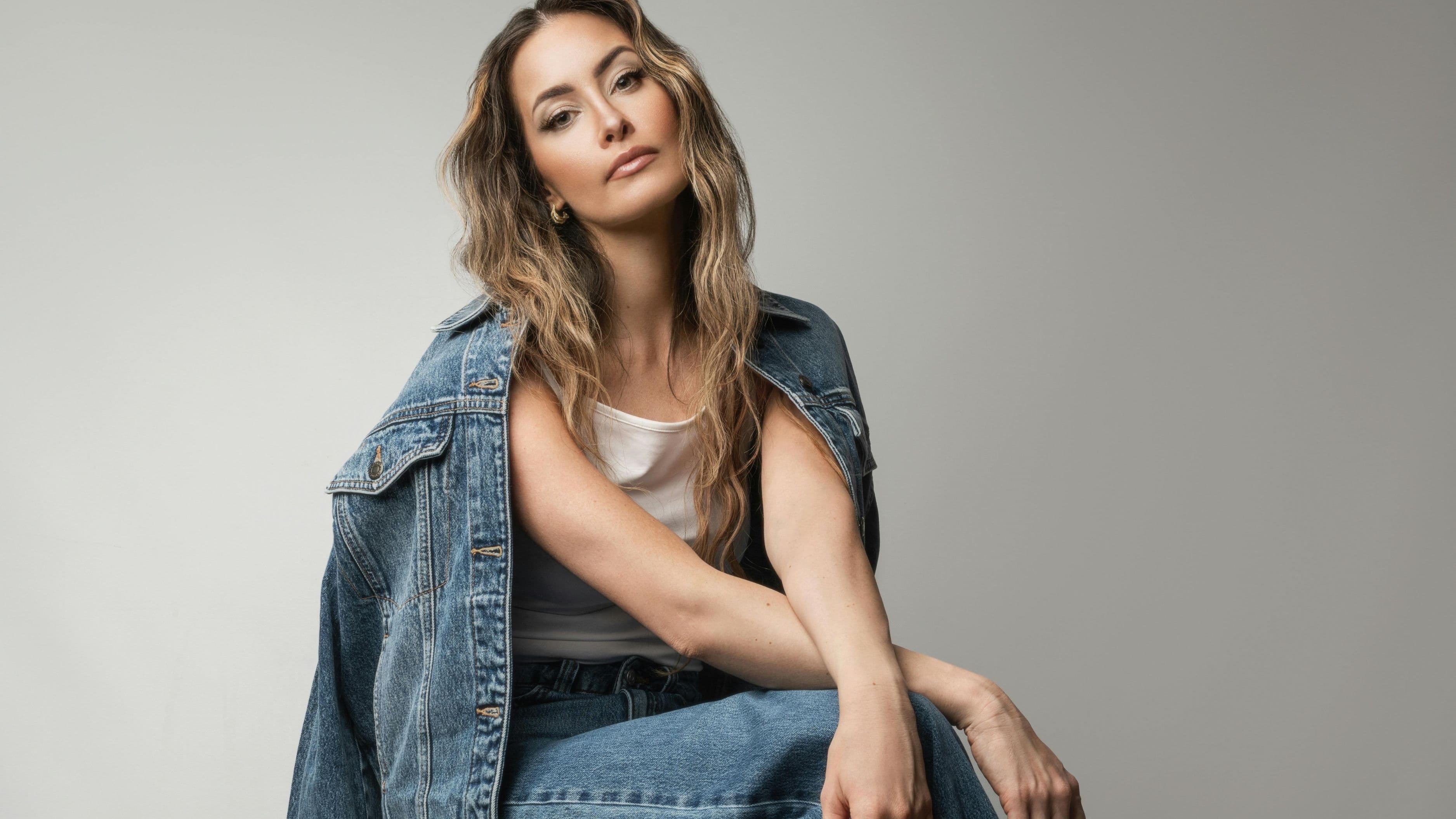
Why it's hot right now: The '90s are fully back – not as nostalgia, but as a dominant influence on current mainstream fashion. Oversized flannel shirts, slip dresses, wide-leg jeans, chunky boots, and minimalist Calvin Klein basics are all appearing on runways and in fast fashion simultaneously. That runway interest is driving up resale prices, which means the time to buy is now before the best pieces get priced out of thrift range.
What to look for: Band tees from actual concerts (not reprints), original Levi's 501s and 550s in larger cuts, slip dresses in silk or satin, Dr. Martens boots, and '90s Calvin Klein denim. Labels like DKNY, Ralph Lauren, and Tommy Hilfiger from this era are especially sought after.
Who it's best for: Anyone building a casual everyday wardrobe who wants pieces that look current without buying new. Also great for resellers – '90s pieces still move fast on platforms like Depop and Poshmark.
Tip: Check men's sections for oversized flannels and denim even if you wear women's sizing – the cuts are often more authentic to the era.
2. 1970s Bohemian & Disco
Why it's hot right now: The '70s aesthetic – flowing silhouettes, earthy tones, wide lapels, and high-waisted everything – has maintained steady demand for years and shows no sign of slowing. Vintage '70s pieces are increasingly being pulled into "quiet luxury" styling alongside modern minimalism, giving them broader appeal than ever.
What to look for: High-waisted wide-leg trousers, wrap dresses (the Diane von Furstenberg wrap dress is the holy grail), suede and leather pieces, printed polyester blouses, platform shoes, and shearling jackets. Halston and Norma Kamali pieces from this era are genuine collector finds.
Who it's best for: People who love dramatic silhouettes and rich textures. Also ideal for anyone building a vintage capsule wardrobe – '70s pieces layer beautifully with both vintage and contemporary items.
Tip: Polyester from this era is actually excellent quality compared to modern versions – it holds color and structure remarkably well after 50 years. Don't dismiss it.
3. 1980s Power Dressing
Why it's hot right now: '80s power dressing – bold shoulders, structured blazers, cinched waists, and unapologetically loud prints – is cycling back hard. The "office siren" and "corporate chic" trends currently dominating TikTok fashion are directly pulling from this era. Structured blazers in particular are everywhere right now, and vintage versions are far better constructed than modern fast fashion equivalents.
What to look for: Shoulder-padded blazers (especially oversized ones in bold colors or plaids), silk blouses, high-waisted trousers, statement belts, and leather skirts. Labels to watch: Jones New York, Liz Claiborne, and Donna Karan from this era are underrated and easy to find.
Who it's best for: Anyone building a work wardrobe on a budget or chasing the current "power dressing" aesthetic. The construction quality on '80s office wear is genuinely impressive compared to what's available new at similar price points.
Tip: Shoulder pads can be removed or reduced by a tailor for a few dollars if the look feels too extreme – don't pass on a great blazer just because of the shoulders.
4. Early 2000s Y2K
Why it's hot right now: Y2K is the era most actively dominating resale platforms right now. Low-rise jeans, velour tracksuits, logo-heavy pieces, butterfly prints, and rhinestone everything are all in heavy demand from Gen Z shoppers who want the look without fast fashion prices. The window to find genuinely affordable Y2K pieces at thrift stores is closing as pickers and resellers have gotten savvy to the demand.
What to look for: Von Dutch hats and trucker caps, Juicy Couture velour tracksuits, low-rise bootcut or flared jeans, Baby Phat pieces, BCBG going-out tops, and anything with visible logo hardware. Early iPod-era tech accessories and tiny bags are also in demand.
Who it's best for: Anyone under 35 who wants to engage with a trend-forward look. Also strong for resellers – Y2K is currently one of the highest-velocity categories on Depop, Poshmark, and eBay.
Tip: Check thrift stores in suburban areas and smaller towns – Y2K pieces haven't been picked as aggressively there as in major cities. Estate sales and online estate auctions are also underutilized sources.
5. 1960s Mod & Space Age
Why it's hot right now: '60s mod – geometric prints, shift dresses, bold color blocking, and clean A-line silhouettes – offers a distinct visual identity that stands out in a thrift rack. Demand has been growing steadily as "retro-chic" aesthetics gain traction on social media, and authentic '60s pieces in good condition are increasingly hard to find at accessible prices.
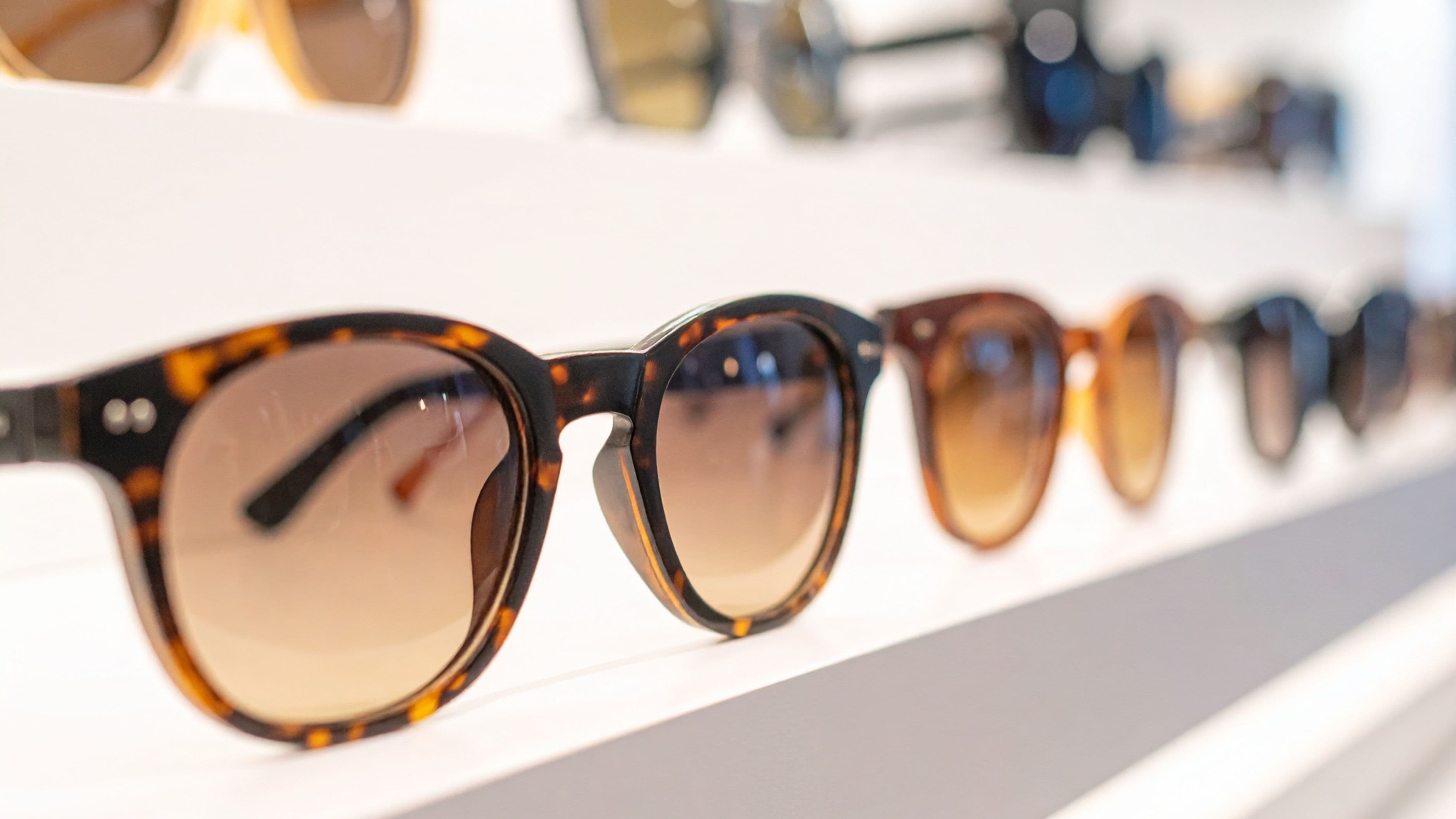
What to look for: A-line shift dresses, geometric print separates, boxy jackets in bold solids, go-go boots (if you can find them), and mod-era accessories like large round sunglasses. Labels like Lilly Pulitzer (early prints), Geoffrey Beene, and Courreges pieces are significant finds.
Who it's best for: People with a bold, graphic personal style who want pieces that photograph well and genuinely turn heads. The clean lines of '60s mod also translate surprisingly well into contemporary professional settings.
Tip: Because this era predates modern sizing conventions significantly, pay less attention to size labels and more attention to measurements. A "size 14" from 1965 is not a modern size 14.
6. 1950s Rockabilly & New Look
Why it's hot right now: '50s silhouettes – full circle skirts, nipped-waist dresses, pedal pushers, and structured bodices – have a dedicated and passionate collector base that keeps demand stable. The rockabilly subculture keeps '50s fashion actively relevant, and the New Look silhouette has influenced contemporary designers repeatedly in recent years.
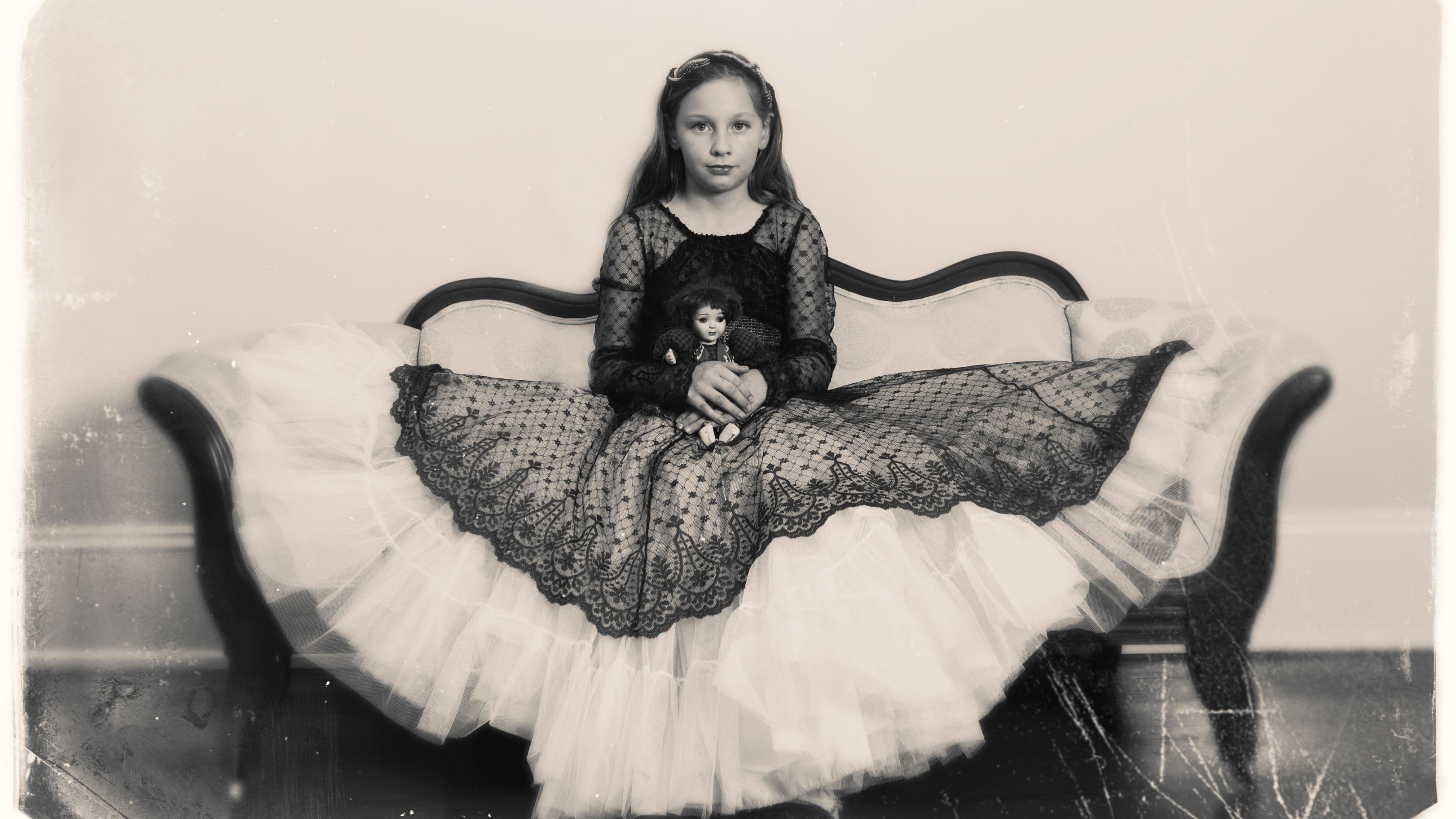
What to look for: Full-skirted day dresses, swing coats, high-waisted capri pants, wiggle dresses, and early synthetic fabric novelty prints. Cotton house dresses from this era in good condition are increasingly scarce and valuable. Genuine '50s crinoline slips are both practical and collectible.
Who it's best for: Anyone who wants a genuinely feminine, structured silhouette with serious vintage authenticity. Also ideal for collectors – authentic '50s pieces in excellent condition are appreciating in value.
Tip: Check the construction inside the garment. Authentic '50s pieces typically have fully lined bodices, boning in some cases, and hand-sewn finishing details. These construction markers are easy ways to confirm authenticity.
7. Late 1990s–2000s Sportswear & Streetwear
Why it's hot right now: Early Nike, Adidas, Champion, and FILA pieces from this era are moving fast on every resale platform. The athleisure and streetwear trends that have dominated the past decade are pushing collectors and everyday buyers to seek out authentic vintage sportswear rather than modern reissues. Original colorways and older logo treatments are specifically valued over newer versions of the same brands.
What to look for: Vintage Nike Air Max sneakers and apparel, early 2000s Adidas tracksuits in original colorways, Champion reverse-weave hoodies with the old-style logo, FILA tennis gear, and early Supreme or Stüssy pieces if you can find them at thrift prices (rare but not impossible).
Who it's best for: Streetwear enthusiasts and casual dressers who want quality basics with resale potential. Authentic vintage sportswear often has better fabric weight and construction than modern versions.
Tip: The tag tells a lot. Learn to identify the production eras of your favorite brands by their label design – there are detailed guides for Nike, Adidas, and Champion label dating online that help you confirm what you're actually buying.
8. 1940s Wartime Utility & Glamour
Why it's hot right now: '40s fashion occupies a unique space: utilitarian cuts born from wartime fabric rationing that somehow produced incredibly flattering silhouettes. Tailored trousers, structured button-down blouses, and A-line skirts from this era are genuinely wearable today with minimal styling effort. The "old money" and "quiet luxury" aesthetics currently trending both draw heavily from '40s sensibilities.
What to look for: Tailored high-waisted trousers, structured blouses with interesting collar details, A-line wool skirts, platform shoes from the era, and the occasional evening gown if you're shopping estate sales. Gabardine and crepe pieces from this decade have held up extraordinarily well.
Who it's best for: Vintage purists and collectors who appreciate craftsmanship. Also excellent for anyone building a professional wardrobe with real staying power – '40s tailoring translates beautifully to contemporary office settings.
Tip: Authentic '40s pieces are rare at standard thrift stores and more commonly found at estate sales, specialized vintage dealers, and auction houses. Budget accordingly – quality pieces from this era command real prices.
9. 1930s Art Deco Elegance
Why it's hot right now: 1930s fashion represents the pinnacle of bias-cut draping, intricate beadwork, and pure textile craftsmanship. These pieces are increasingly crossing from "vintage clothing" into "wearable art" territory, and serious collectors are paying attention. As sustainability in fashion gains cultural weight, the investment value of genuine Art Deco pieces is climbing.
What to look for: Bias-cut silk or rayon evening gowns, beaded cocktail dresses, velvet separates, and early Art Deco-influenced accessories. Condition is paramount – lace and silk from this era can be fragile, so inspect carefully before buying.
Who it's best for: Serious collectors, special occasion dressers, and anyone who treats fashion as an investment. This isn't everyday thrifting territory – it's for people who know what they're looking at.
Tip: When buying online, always request detailed photos of seams, closures, and any beading. Fragile pieces from this era can look perfect in photos but show significant stress damage up close.
10. 1980s–90s Japanese Streetwear
Why it's hot right now: Japanese streetwear from the late '80s through the '90s – brands like Comme des Garçons, Yohji Yamamoto, Issey Miyake, and Kenzo – is having a major collector moment. These pieces were made in limited quantities, constructed to extraordinary standards, and carry design philosophies that still feel ahead of their time. Western fashion's ongoing obsession with Japanese aesthetics is pushing prices upward rapidly.
What to look for: Early Comme des Garçons pieces (particularly pre-2000 archive items), Issey Miyake Pleats Please pieces (these are also exceptionally wearable day-to-day), vintage Kenzo prints, and early Yohji Yamamoto. Also worth hunting: lesser-known Japanese domestic brands from this era that haven't been fully "discovered" in Western markets yet.
Who it's best for: Fashion-forward buyers, serious collectors, and resellers with an eye for quality. These pieces require knowledge to identify and authenticate, but the reward – both in wearing them and in potential resale value – is significant.
Tip: Japanese vintage is most reliably sourced through Japanese resale platforms like Mercari Japan and Rakuten (accessible via proxy services), or through specialized vintage dealers who import directly. Domestic US thrift stores rarely carry this material.
Quick Takeaway
The best vintage eras to shop right now are the ones where demand is rising but prices haven't fully caught up yet – '80s power dressing and late '90s sportswear are in that window right now. For investment buying, '30s and '40s pieces offer the most long-term value appreciation. For everyday wearability at accessible prices, '90s grunge and '70s boho remain the most practical entry points.
Whatever era you focus on, learn its construction markers, understand its sizing conventions, and buy condition over quantity every time.
FAQ
Is vintage clothing a good financial investment? Some eras – particularly pre-1950s pieces, Japanese designer archive items, and authenticated designer vintage from the '70s and '80s – have shown meaningful appreciation in value. However, most vintage buying should be treated as a lifestyle choice first and a financial one second. The market is unpredictable and condition is everything.
Where are the best places to shop each era? It depends on the era. For '90s and Y2K, Depop, Poshmark, and ThredUp are reliable. For mid-century and earlier, estate sales, specialized vintage dealers, and auction houses are better sources. For Japanese designer vintage, Japanese resale platforms accessed via proxy services are the most reliable.
How do I authenticate vintage pieces before buying? Focus on labels (learn the production eras of specific brands), construction details (hand-finishing, fabric quality, hardware), and sizing conventions for the era. For high-value pieces, consult a specialized vintage dealer or authentication service before committing.
What condition should I accept when buying vintage? For everyday wear, minor wear is acceptable and expected. For collector or investment pieces, condition is critical – staining, structural damage, or significant fabric degradation substantially reduces value. Always ask for detailed condition disclosures when buying online.
How should I care for vintage clothing? Hand wash or dry clean depending on the fabric. Store folded or hanging in a cool, dry, dark space – avoid plastic garment bags, which trap moisture. Cedar blocks are better than mothballs for natural fiber pieces. For delicate or high-value items, acid-free tissue and archival storage boxes are worth the investment.
📚 Sources
The RealReal – 2024 Luxury Resale Report: https://www.therealreal.com/resale-report
ThredUp – 2024 Resale Report: https://www.thredup.com/resale-report
Vogue – The History of Power Dressing: https://www.vogue.com/article/history-of-power-dressing
Business of Fashion – The Vintage Market Is Growing: https://www.businessoffashion.com/articles/retail/the-secondhand-clothing-market-is-booming
Smithsonian Magazine – The History of American Fashion: https://www.smithsonianmag.com/history/the-history-of-american-fashion
VICE – Why Y2K Fashion Is Back: https://www.vice.com/en/article/y2k-fashion-comeback
Harper's Bazaar – The Return of '70s Fashion: https://www.harpersbazaar.com/fashion/trends/a70s-fashion-trends