These 10 tips are the real ones: practical, tested, and specific enough to actually change how your next family trip goes.
Top 10 at a Glance
Plan less than you think you need to
Master the carry-on like your sanity depends on it
Book accommodations with kitchens
Build buffer time into every single day
Front-load the best stuff
Use divide-and-conquer at busy attractions
Manage screen time strategically, not guiltily
Feed them before they're hungry
Let kids have skin in the game
Know your reset moves
1. Plan Less Than You Think You Need To
The instinct when traveling with kids is to fill every hour so nobody gets bored. This is the instinct that destroys family trips. Kids travel slower, need more breaks, have unexpected interests, and hit walls that no itinerary can predict.
A realistic day for most families with children under 10 is one or two focused activities — not five. If you're visiting a city for four days, pick four things you genuinely want to do and plan those. Leave the rest of the time unstructured. What fills that space is usually the stuff your kids will actually talk about later: the random playground you stumbled on, the bakery where the owner gave them a free pastry, the afternoon you all swam in the hotel pool instead of going to the museum.
Over-planning also creates resentment. When you've scheduled an 8:00 AM historic site visit and nobody slept well, the day starts as a battle instead of an adventure. Build in permission to change the plan — it's not wasted money, it's preserved sanity.
Key benefit: A looser itinerary absorbs the chaos that's coming without derailing the whole trip.
Tip: Pick one non-negotiable per day and treat everything else as optional.
2. Master the Carry-On Like Your Sanity Depends on It
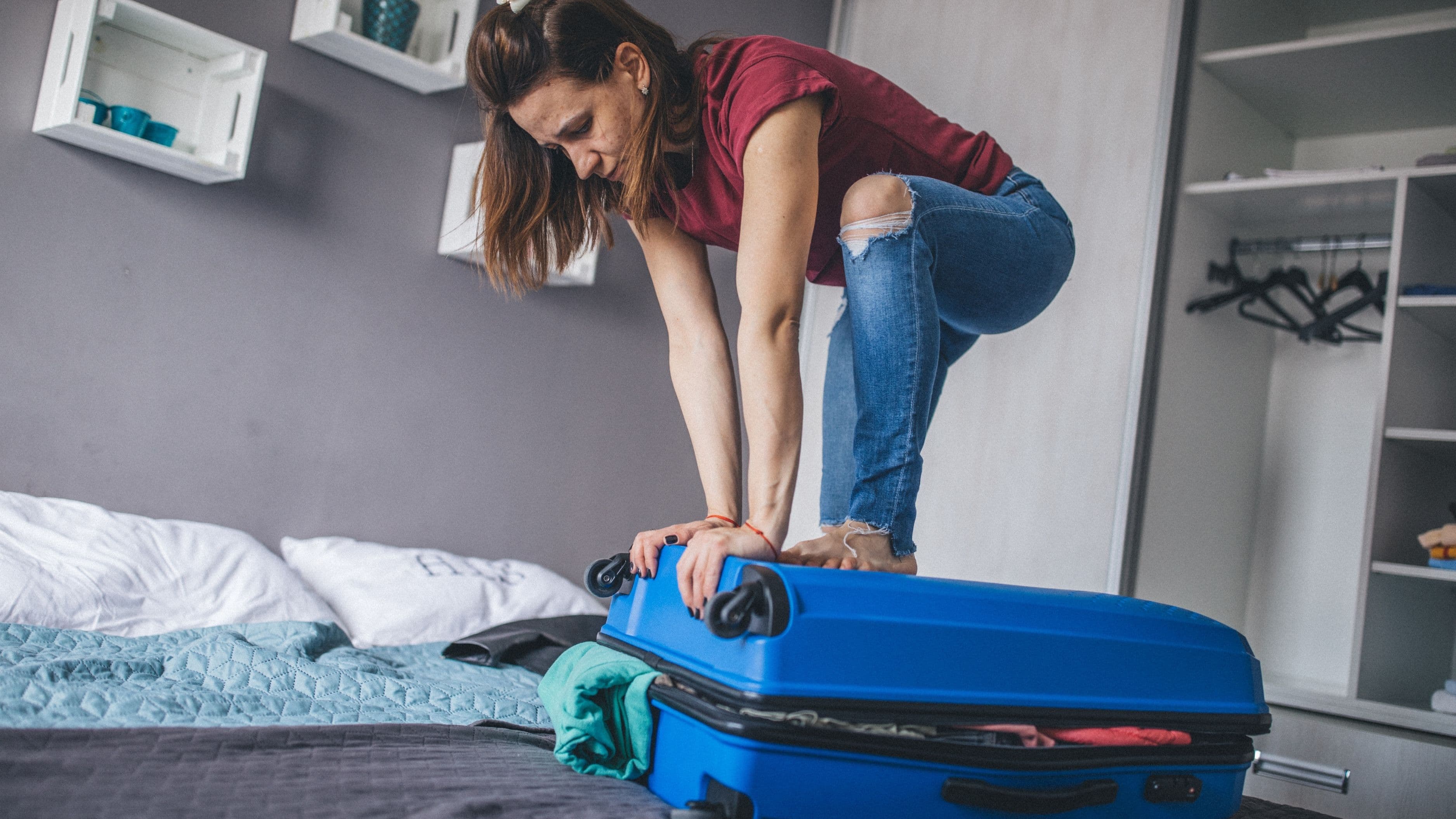
It does. Whether you're flying, taking a train, or driving, the bag that travels with you in the cabin or seat is your lifeline for the first few hours of any journey. Most families under-pack this bag until they've had one terrible flight where nobody had anything to do and the snacks ran out at hour two.
A well-stocked carry-on for kids should include: a change of clothes for each child (flight delays, spills, and carsickness are not hypothetical), snacks that travel well and that your kids will actually eat, headphones for each child with their own device or tablet loaded with offline content, one or two small new toys or activity books that haven't been seen yet (the novelty factor buys serious quiet time), and a basic first-aid kit with children's pain reliever, band-aids, and motion sickness tablets if relevant.
The new toy trick deserves its own emphasis. A $3 activity book or a small toy you pick up at the dollar store and save specifically for the journey creates a reliable window of engaged quiet. Wrap it if you want maximum impact — kids will spend time just unwrapping it.
Key benefit: You're self-sufficient for delays, disruptions, and long waits without needing to find or buy anything.
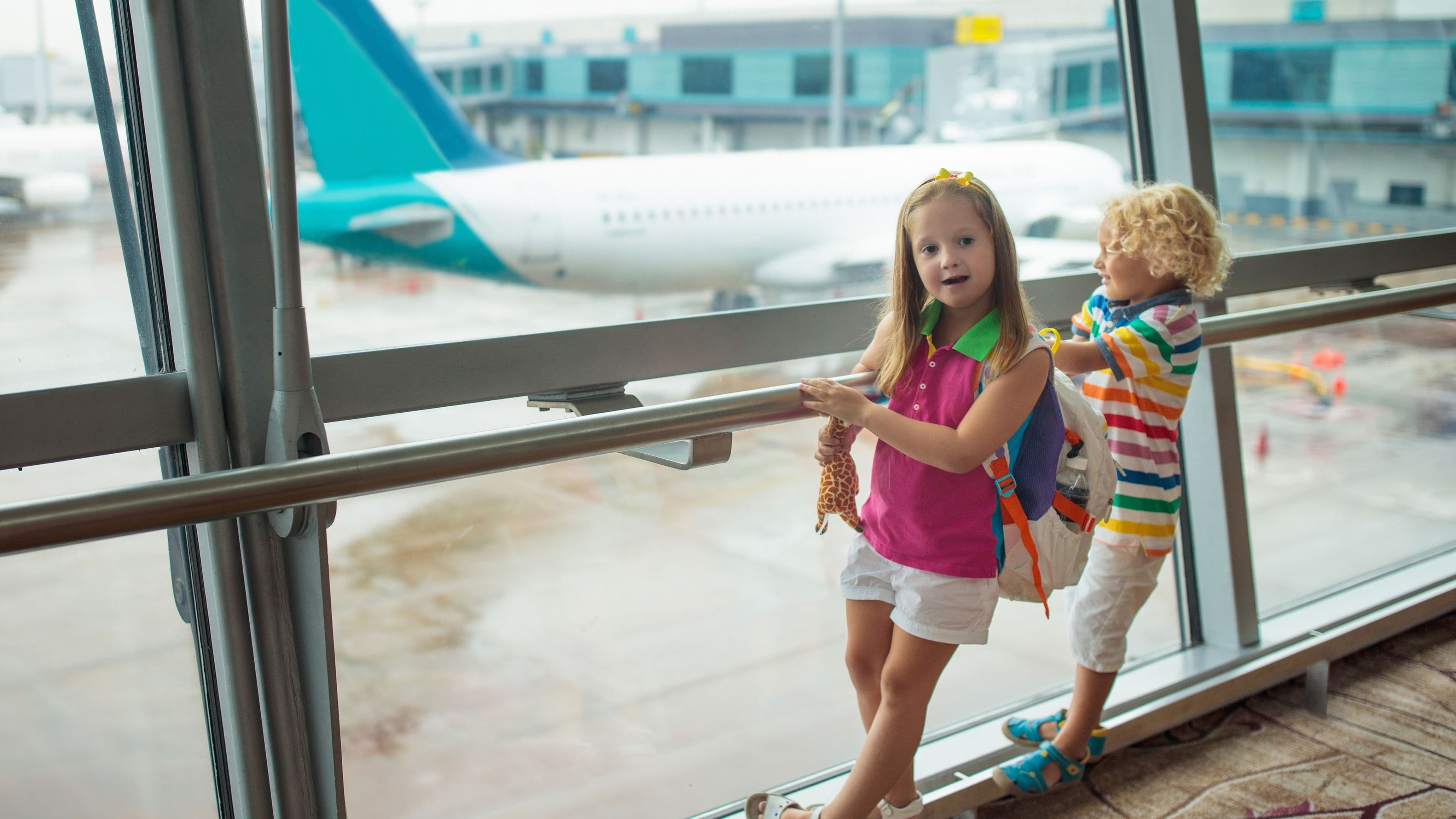
Tip: Each child old enough to carry a backpack should have their own with their personal entertainment and snacks — it gives them ownership and distributes the load.
3. Book Accommodations With Kitchens
This tip saves money, reduces mealtime stress, and dramatically improves the quality of your trip — and yet it's consistently underused by families who default to standard hotel rooms.
A vacation rental, apartment, or suite with a kitchen means you can stock it with the breakfast foods your kids will actually eat without a negotiation, keep snacks and drinks on hand so you're not paying $6 for airport water every three hours, and have a fallback dinner option on the nights when everyone is too tired to sit through a restaurant. It also means bedtime doesn't require everyone to whisper in a single dark room while the adults stare at the ceiling.
Platforms like Airbnb, Vrbo, and Booking.com all make it easy to filter for kitchen-equipped properties. In most destinations, a two-bedroom apartment is comparable in price to two standard hotel rooms and gives you dramatically more space and flexibility. For trips longer than three or four nights, the kitchen access essentially pays for itself in reduced restaurant spending alone.
Key benefit: You control food, space, and schedule in a way that hotel rooms simply don't allow.
Tip: On your first day, do a quick grocery run and stock the kitchen with breakfast staples and snacks. Twenty minutes of shopping buys you three days of easier mornings.
4. Build Buffer Time Into Every Single Day
If you think getting from your accommodation to the museum takes 20 minutes, plan for 35. If the restaurant reservation is at 7:00 PM, make sure you're ready to leave at 6:30. Kids operate on a completely different time scale than adults — shoes go missing, someone needs to go to the bathroom the moment you lock the door, and meltdowns have no respect for your schedule.
Buffer time isn't wasted time. It's the gap that determines whether a minor delay becomes a crisis or just a small bump. When you have it, you absorb problems calmly. When you don't, everything becomes high-stakes and stressful, and that stress transmits directly to your kids and amplifies their behavior.
The same principle applies to the overall trip structure. Don't book a flight that requires a 6:00 AM departure when you have three kids under eight. Don't plan a two-city itinerary with a travel day sandwiched between full activity days on both sides. Give the trip room to breathe and you'll enjoy it more, full stop.
Key benefit: Small delays stay small instead of cascading into ruined afternoons.
Tip: When packing up to leave any accommodation, add 30 minutes to whatever you think you need. Something always gets left under a bed.
5. Front-Load the Best Stuff
Kids have a limited window of energy, patience, and cooperative behavior — and it's usually in the first half of the day. The morning hours, before hunger and tiredness set in, are when your most ambitious or important plans have the best chance of success.
Schedule the big-ticket attractions, the longer hikes, the museum visits, and the activities that require focus or standing in line for the morning. By early afternoon, you want to be wrapping up or heading somewhere low-pressure — a beach, a park, a hotel pool, or a gelato crawl. Don't save the highlight of the day for 4:00 PM when everyone's running on fumes.
This applies to the overall trip structure too. Put your most exciting destination or activity in the first half of the trip, not the last day. Saving the "best thing" for the end is a common mistake — by that point, everyone's exhausted, bags are half-packed in their minds, and nobody has the energy to fully enjoy it.
Key benefit: You see and experience what matters most when your family is at their best.
Tip: Book first entry or morning slots at popular attractions — you beat the crowds and capitalize on everyone's best mood simultaneously.
6. Use Divide-and-Conquer at Busy Attractions
Two adults traveling with multiple kids don't have to move as a single unit everywhere. At busy attractions — theme parks, large museums, zoos, markets — splitting up by interest or energy level saves enormous amounts of time and frustration.
One parent takes the older kids on the ride with the 45-minute queue while the other explores the less-crowded section with the toddler. One adult goes ahead to hold a spot at a popular restaurant while the other navigates the stroller through the crowded street. At airports, one person handles check-in or security while the other handles kids and carry-ons. These small tactical splits add up to significantly smoother days.
This also gives each child more individual attention. Family trips can sometimes devolve into crowd management, where everyone is herded from place to place without much one-on-one connection. A morning where a parent takes one child to do something they specifically love — without having to accommodate the interests of a sibling — is often what kids remember most.
Key benefit: You cover more ground, spend less time waiting, and give each child more personalized experience.
Tip: Set a clear meeting point and time before splitting up, and make sure both adults have location-sharing enabled on their phones.
7. Manage Screen Time Strategically, Not Guiltily
A lot of parents arrive at a family trip with a silent plan to keep screens away as much as possible. This is a reasonable aspiration that tends to collapse around hour three of a long travel day, at which point the guilt about handing over a tablet makes the whole moment worse than it needs to be.
Screens are a tool. On travel days — planes, long drives, train journeys — they are a completely legitimate and effective tool for keeping kids calm and occupied. The key is being intentional about when you use them rather than defaulting to them the moment things get difficult. Reserve screen time for the genuinely long waits and travel legs, not as the first response to minor boredom.
Loading tablets with offline content before you leave is non-negotiable. Streaming doesn't work in the air or in areas with poor connectivity, and arriving at the airport to discover your child's shows aren't downloaded is the kind of preventable disaster that haunts you. Download movies, shows, and games in advance, charge everything fully, and bring a portable charger.
Key benefit: Screens deployed strategically keep everyone sane during the genuinely hard stretches without becoming the whole trip.
Tip: Use a set of child-friendly, over-ear headphones rather than earbuds — they're more comfortable for long use and reduce the chances of your child turning the volume up to distressing levels.
8. Feed Them Before They're Hungry
Hunger in children doesn't announce itself gradually. It arrives as a sudden personality change — from cooperative to impossible in about four minutes flat — and once it hits, you're in damage control mode rather than prevention mode. The solution is simple but requires consistent discipline: stay ahead of hunger rather than responding to it.
Keep accessible snacks on your person or in the day bag at all times. Not just for emergencies — proactively offer a snack mid-morning and mid-afternoon before anyone starts to flag. When you're heading somewhere you know will involve waiting (a line, a drive, a ferry), make sure everyone has eaten or is eating before you start. Never begin a long transit stretch when any child is within two hours of their last meal.
Restaurant meals are also easier when kids aren't arriving at the table starving. A small snack 30–45 minutes before a restaurant reservation means they can sit and look at a menu without immediately dissolving. It sounds counterintuitive — feeding them before a meal — but it consistently produces calmer restaurant experiences.
Key benefit: You eliminate one of the most common and predictable triggers for kid meltdowns before it happens.
Tip: Pack snacks that have some protein — nuts, cheese, jerky — not just carbs. Protein sustains blood sugar longer and prevents the crash that follows a sugar-only snack.
9. Let Kids Have Skin in the Game
Children who have some ownership over the trip are more invested in it going well. It sounds simple, but most family trips are designed entirely by adults and presented to kids as a schedule to comply with. Giving kids genuine choices — not fake ones — changes the dynamic.
Before the trip, let each child pick one activity or destination that's specifically for them, within realistic constraints. During the trip, let them make small decisions: which restaurant to try for lunch, which path to take through the park, whether to visit the castle or the beach in the afternoon. These choices give kids a sense of agency without requiring you to hand over the whole itinerary.
Older kids can participate in actual trip research and planning. Looking up what to do in a city, finding a restaurant that looks interesting, or mapping a walking route gives them a stake in the plan and often surfaces ideas you wouldn't have found yourself. Kids who helped plan the trip are also more patient when parts of it don't go perfectly — they understand that travel involves tradeoffs, because they made some of them.
Key benefit: Invested kids are more cooperative, more engaged, and complain less about the parts of the trip that aren't their favorite.
Tip: Give each child a small daily budget for something of their choice — a snack, a souvenir, an activity. It teaches money management and gives them something to look forward to every day.
10. Know Your Reset Moves
Every family trip hits a wall at some point. Everyone's tired, someone's been crying, the plan isn't working, and the general mood has soured. The parents who navigate this well aren't the ones with better kids — they're the ones who know how to reset without escalating.
A reset move is whatever reliably shifts the group's energy without requiring a big commitment. For most families it's one of a handful of things: a snack break somewhere with seating, a short walk with no destination, returning to the accommodation for an hour of downtime, finding a playground and letting kids run, or simply stopping and doing nothing for 20 minutes. The specifics depend on your family, but the principle is universal: when things are deteriorating, stopping and resetting is almost always faster than pushing through.
The trap most parents fall into is trying to salvage the plan rather than abandoning it. If the afternoon itinerary isn't working, letting it go completely and doing something low-key is not failure — it's experienced family travel. Some of the best moments on any family trip happen in the unplanned spaces when everyone finally stops trying to make something happen.
Key benefit: You recover from bad travel moments quickly instead of letting them define the whole day.
Tip: Identify your reset moves before the trip starts, so when you need them you're not having to think creatively while already stressed.
Quick Takeaway
Family travel doesn't have to be a survival exercise. The trips that go well share a common pattern: less overpacking of the itinerary, more preparation for the logistics, and a realistic acceptance that flexibility is the actual strategy. When you stop trying to make every moment perfect and start giving the trip room to unfold, kids surprise you — and so does the trip itself.
FAQ
What's the best age to start traveling with kids? There's no universally right answer, but many parents find ages 3–5 surprisingly manageable — kids are past the most intensive infant care needs but young enough to be delighted by new experiences without teenager-level opinions. Infants under 12 months travel more easily than toddlers in some ways (they sleep a lot, they don't run away), so don't assume you have to wait.
How do I handle jet lag with kids? Get onto the destination time zone as quickly as possible. Keep kids awake until a reasonable local bedtime on arrival day, even if it's hard. Blackout curtains in the accommodation help. Most children adapt within two to three days — faster than adults, actually.
Is travel insurance worth it for family trips? Absolutely. With kids in the mix, the probability of a trip disruption — illness, injury, missed connections — is significantly higher than solo travel. A policy that covers trip cancellation, medical expenses, and emergency evacuation is worth every dollar when you're traveling with children.
How do I keep costs reasonable on family trips? Book accommodation with a kitchen, travel in shoulder season (spring or fall for most destinations), look for family admission pricing at attractions, and prioritize free or low-cost activities like parks, beaches, and markets. Kids under a certain age are often free at museums and on public transport — always check before paying.
What do you do when a child has a full meltdown in public? Don't try to reason through it in the moment — it doesn't work. Move to a quieter space if possible, lower your own voice and energy (escalation is contagious), and wait it out rather than trying to accelerate through it. The meltdown has a lifespan. Your job is to not make it longer.
📚 Sources
AAA – Family Travel Survey and Trends – newsroom.aaa.com/tag/family-travel
American Academy of Pediatrics – Traveling With Children – healthychildren.org/English/safety-prevention/on-the-go/Pages/Travel-Safety-Tips.aspx
US Travel Association – Family Travel Research – ustravel.org/research
Sleep Foundation – Children and Jet Lag – sleepfoundation.org/travel-and-sleep/jet-lag
Vrbo Family Travel Guide – vrbo.com/blog/family-travel