
Whether you're a frequent business traveler, a family planning annual vacations, or someone who simply wants to maximize everyday spending, the right travel card can deliver thousands of dollars in annual value through sign-up bonuses, ongoing rewards, and valuable travel perks like lounge access and travel insurance.
Top 10 Best Travel Rewards Credit Cards
Chase Sapphire Reserve – Best for premium travelers seeking luxury perks
Capital One Venture X Rewards – Best for flexible redemption options
American Express Platinum Card – Best for frequent flyers and airport lounge access
Chase Sapphire Preferred – Best for beginners and moderate spenders
Citi Premier Card – Best for everyday bonus categories
Capital One Venture Rewards – Best for simple, straightforward earning
Bank of America Premium Rewards – Best for existing Bank of America customers
Wells Fargo Autograph Journey – Best for no annual fee premium benefits
Bilt Mastercard – Best for renters and everyday spending
U.S. Bank Altitude Reserve – Best for mobile wallet users
Our Methodology
We evaluated these travel rewards credit cards based on five critical criteria to ensure our recommendations serve real-world traveler needs. First, we analyzed the earning potential by calculating the effective return on spending across various categories and redemption methods. Second, we assessed annual fees against the tangible value of included benefits to determine true net value. Third, we examined the flexibility of redemption options, including transfer partners, statement credits, and booking portals. Fourth, we evaluated additional perks such as airport lounge access, travel credits, insurance coverage, and elite status benefits. Finally, we considered user reviews and complaint ratios from the Consumer Financial Protection Bureau to gauge customer satisfaction and service quality. Our analysis focused on cards available to U.S. residents with good to excellent credit scores.
Detailed Reviews
1. Chase Sapphire Reserve
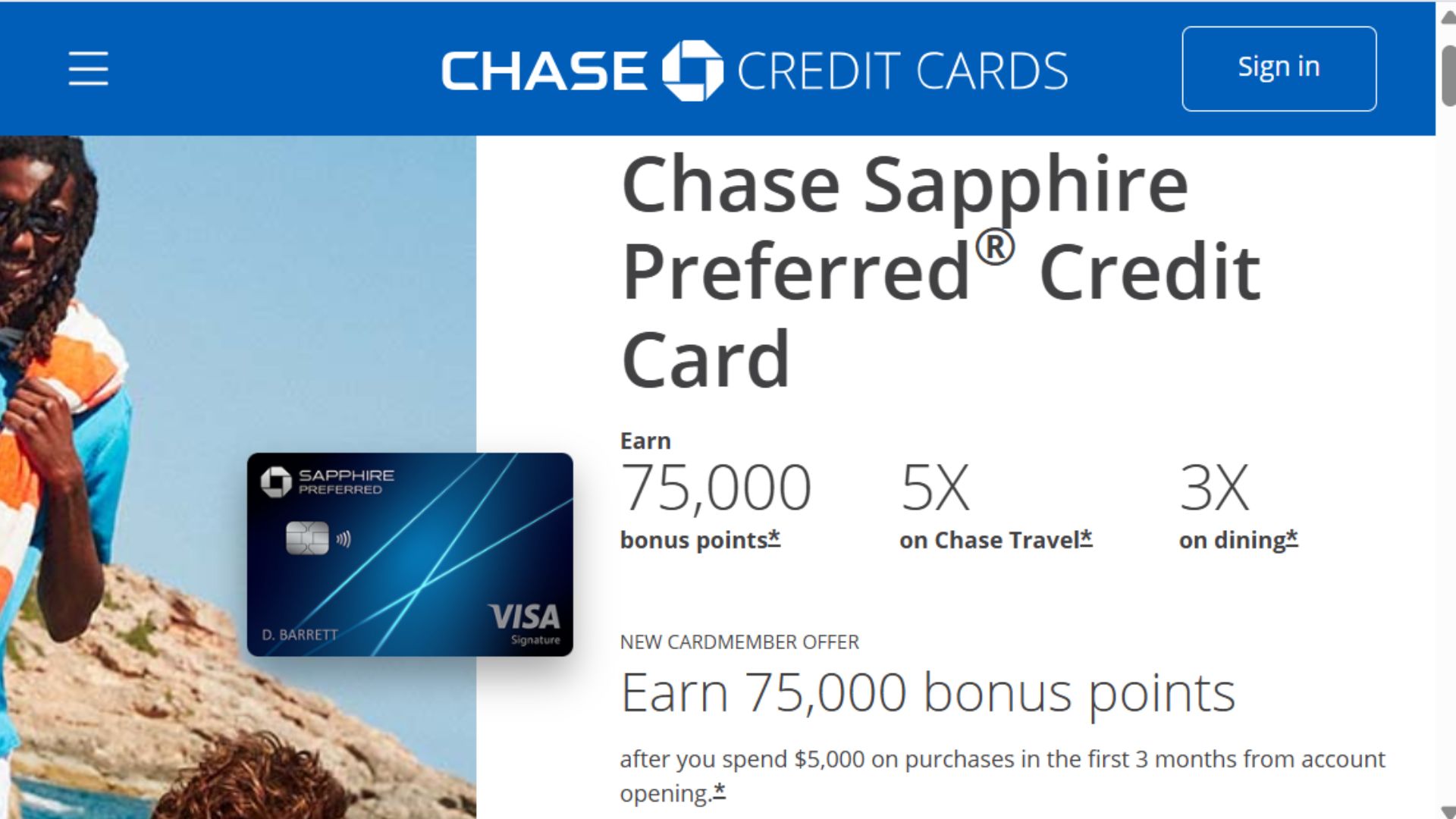
Best for: Premium travelers seeking luxury perks | Annual Fee: $550 | Welcome Bonus: 60,000 points after $4,000 spend
The Chase Sapphire Reserve stands as the gold standard for premium travel credit cards, offering an unmatched combination of high earning rates, flexible redemption options, and luxury travel benefits. Cardholders earn 10x points on hotels and car rentals booked through Chase Travel, 5x on flights booked through Chase Travel, 3x on dining and travel purchases, and 1x on everything else. The $300 annual travel credit applies automatically to any travel purchase, effectively reducing the annual fee to $250.
What truly sets this card apart is its comprehensive benefit package: Priority Pass Select membership with unlimited free visits for you and two guests, access to over 1,300 airport lounges worldwide through Chase's partnership network, complimentary DoorDash DashPass membership, and Lyft Pink membership. The card also provides exceptional travel insurance, including primary rental car coverage (saving you from needing additional insurance), trip cancellation and interruption insurance up to $10,000 per trip, and baggage delay coverage. Points transfer to 14 airline and hotel partners at a 1:1 ratio, offering exceptional flexibility for maximizing redemption value.
Key Features: 10x on Chase Travel hotels/cars, $300 travel credit, Priority Pass Select, primary rental car insurance, 14 transfer partners
Pros:
Exceptional earning rates on travel and dining
Premium travel benefits justify the annual fee
Primary rental car insurance saves money
Points transfer to valuable airline partners
$300 travel credit applies automatically
Cons:
High $550 annual fee may not suit light travelers
Requires good to excellent credit for approval
Foreign transaction fees waived but some competitors offer better international benefits
Annual credits require active use to maximize value
2. Capital One Venture X Rewards

Best for: Flexible redemption options | Annual Fee: $395 | Welcome Bonus: 75,000 miles after $4,000 spend
Capital One's Venture X emerged as a serious competitor to premium travel cards by offering similar benefits at a lower annual fee. Cardholders earn 10x miles on hotels and rental cars booked through Capital One Travel, 5x on flights booked through Capital One Travel, 2x on all other purchases—making it one of the most rewarding cards for non-category spending. The card provides a $300 annual travel credit through Capital One Travel and up to $100 credit toward TSA PreCheck or Global Entry.
The Venture X excels in flexibility with Capital One's transfer program, featuring 15 airline partners including popular options like Air Canada Aeroplan and Turkish Airlines. You can also redeem miles at 1 cent per mile for any travel purchase as a statement credit, providing a solid baseline value. Additional benefits include Priority Pass membership with unlimited free guests (unlike many competitors that limit guests), 10,000 anniversary bonus miles worth $100, Plaza Premium lounges access, and complimentary Capital One Lounge access. The card's rental car insurance, travel accident insurance, and purchase protection round out a compelling package.
Key Features: 2x on all purchases, $300 travel credit, unlimited Priority Pass guests, Capital One Lounge access, 10,000 anniversary bonus miles
Pros:
Simple 2x earning on all purchases outside bonus categories
Lower annual fee than competing premium cards
Unlimited free guests at Priority Pass lounges
Capital One Lounges offer premium experience
10,000 anniversary miles help offset fee
Cons:
Transfer partners limited compared to Chase or Amex
Some benefits require Capital One Travel booking
No dining category bonus
Relatively new card with evolving benefit structure
3. American Express Platinum Card

Best for: Frequent flyers and airport lounge access | Annual Fee: $695 | Welcome Bonus: 80,000 points after $8,000 spend
The American Express Platinum Card reigns supreme in the luxury travel card category, though its $695 annual fee requires careful benefit utilization to achieve value. Cardholders earn 5x points on flights booked directly with airlines or through Amex Travel, 5x on prepaid hotels booked through Amex Travel, and 1x on other purchases. The card's true value lies in its extensive credits and unparalleled lounge access rather than earning rates alone.
Annual credits include $200 for airline incidentals (seat selections, baggage fees, in-flight purchases), $200 for Uber Cash, $189 for CLEAR Plus membership, $100 toward Saks Fifth Avenue purchases, $155 for Walmart+ membership, and up to $199 for premium subscriptions including Peacock, Audible, and The New York Times. The lounge access is unmatched: complimentary access to American Express Centurion Lounges (the gold standard of domestic lounges), Delta Sky Clubs when flying Delta, Priority Pass membership, Plaza Premium lounges, and Lufthansa and Air France lounges. Membership Rewards points transfer to 21 airline and hotel partners, providing excellent redemption flexibility for international premium cabin travel.
Key Features: Best-in-class lounge access, $695 annual fee with multiple credits, 21 transfer partners, premium travel insurance, hotel elite status benefits
Pros:
Unmatched airport lounge access globally
Multiple annual credits can exceed annual fee
Strong Membership Rewards transfer partners
Complimentary hotel elite status with Marriott and Hilton
Premium concierge service available 24/7
Cons:
Highest annual fee among major travel cards
Credits require active tracking and usage
Lower earning rates on everyday spending
Many benefits favor specific brands or airlines
Foreign transaction fees waived but acceptance less universal internationally
4. Chase Sapphire Preferred
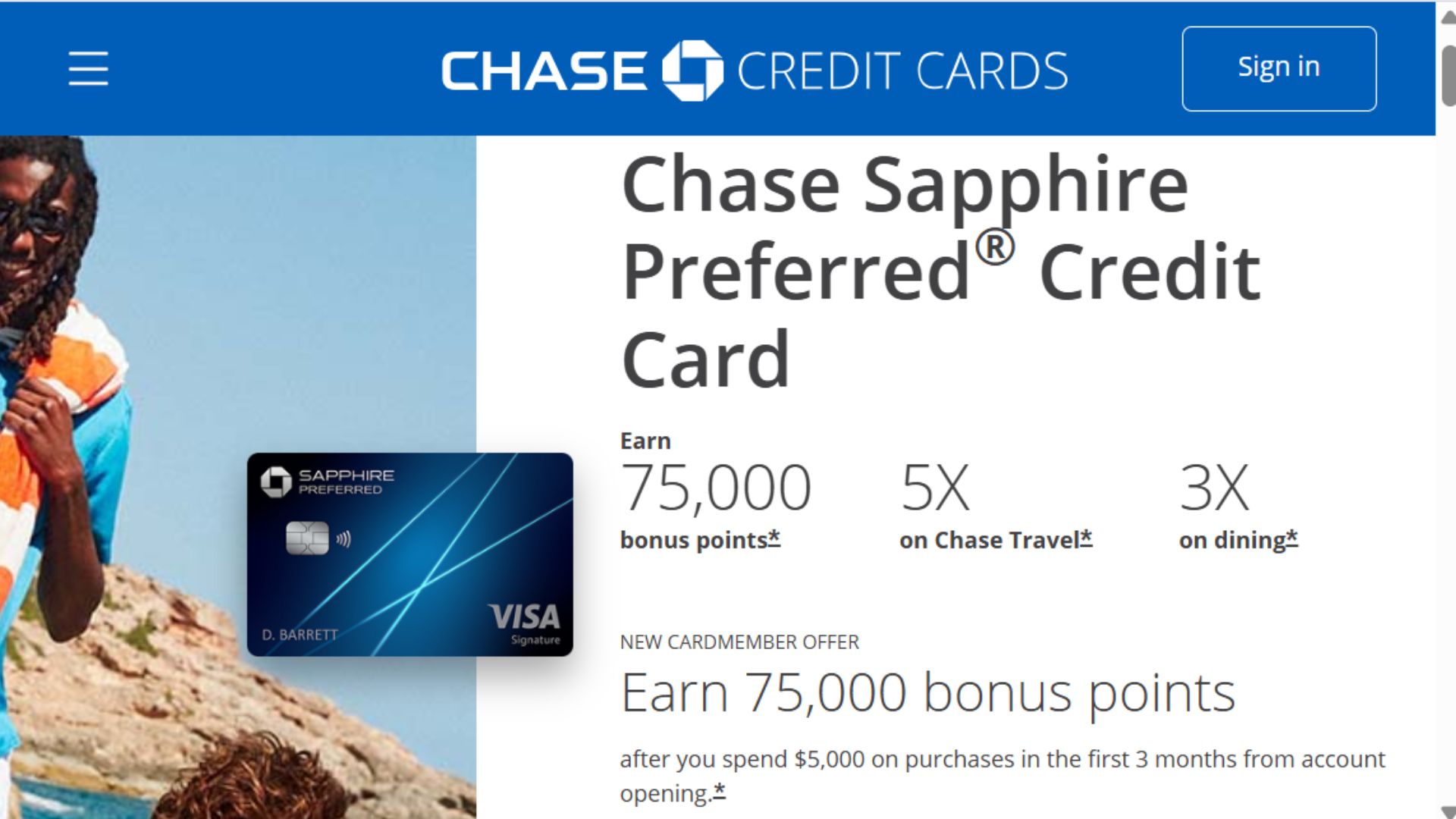
Best for: Beginners and moderate spenders | Annual Fee: $95 | Welcome Bonus: 60,000 points after $4,000 spend
The Chase Sapphire Preferred serves as the entry point to Chase's Ultimate Rewards ecosystem, offering premium benefits at an accessible price point for those new to travel rewards. Cardholders earn 5x points on Chase Travel purchases, 3x on dining (including takeout and delivery), 3x on select streaming services, 2x on all other travel purchases, and 1x on everything else. The low $95 annual fee makes this card appealing for moderate spenders who want solid rewards without commitment to a premium product.
Points redeem through Chase's travel portal at 1.25 cents per point, or transfer to the same 14 airline and hotel partners as the Reserve card at 1:1 ratios, providing access to premium redemption opportunities. The card includes valuable travel protections like trip cancellation/interruption insurance, baggage delay insurance, and purchase protection. While it lacks lounge access and premium travel credits, the Sapphire Preferred delivers strong value for its annual fee and serves as an excellent card for building Ultimate Rewards points that can be combined with business cards or upgraded to the Reserve later.
Key Features: 3x dining and streaming, $95 annual fee, same transfer partners as Reserve, 1.25x portal redemption value
Pros:
Low annual fee with strong earning potential
Same valuable transfer partners as premium cards
Solid travel insurance package included
No foreign transaction fees
Easy approval for those with good credit
Cons:
No airport lounge access included
Lower earning rates than premium competitors
No annual travel credits
Portal redemption value lower than premium cards
Limited premium travel benefits
5. Citi Premier Card
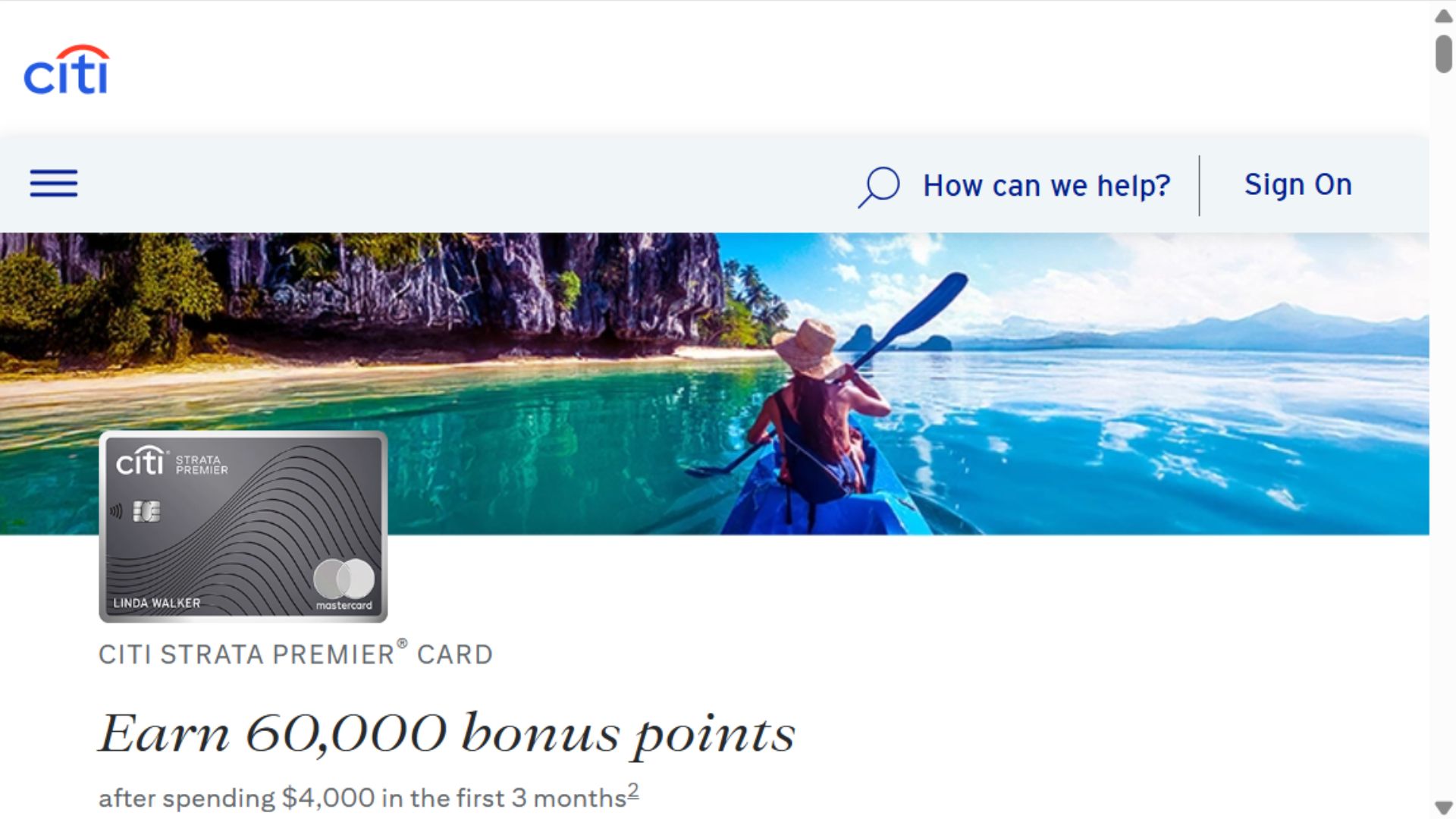
Best for: Everyday bonus categories | Annual Fee: $95 | Welcome Bonus: 60,000 points after $4,000 spend
The Citi Premier Card distinguishes itself with bonus earning categories that extend beyond typical travel and dining, making it excellent for maximizing everyday spending. Cardholders earn 3x points on travel (including gas stations), 3x on dining and restaurants, 3x on supermarkets, 3x on air travel and hotels, and 1x on all other purchases. This broad definition of bonus categories means most spending outside of general merchandise earns triple points, providing strong ongoing value.
Citi ThankYou points transfer to 18 airline partners at 1:1 ratios, including valuable programs like JetBlue, Turkish Airlines, and Singapore Airlines. Points also redeem through Citi's travel portal at 1.25 cents per point, matching the Chase Sapphire Preferred's redemption rate. The card includes a $100 hotel credit when booking through CitiTravel.com, effectively reducing the annual fee to break-even for those who book one hotel stay annually. Additional benefits include trip cancellation/interruption insurance, travel and emergency assistance services, and no foreign transaction fees, making it a well-rounded option for travelers who want strong earning across multiple categories.
Key Features: 3x points in four bonus categories, 18 transfer partners, $100 hotel credit, $95 annual fee
Pros:
Broad bonus categories including supermarkets
Strong transfer partner options
$100 hotel credit offsets annual fee
Competitive earning rates across multiple spending types
No foreign transaction fees
Cons:
No airport lounge access
Hotel credit requires booking through Citi portal
Transfer partners less established than Chase or Amex
Limited premium travel benefits
Customer service can be inconsistent per reviews
6. Capital One Venture Rewards
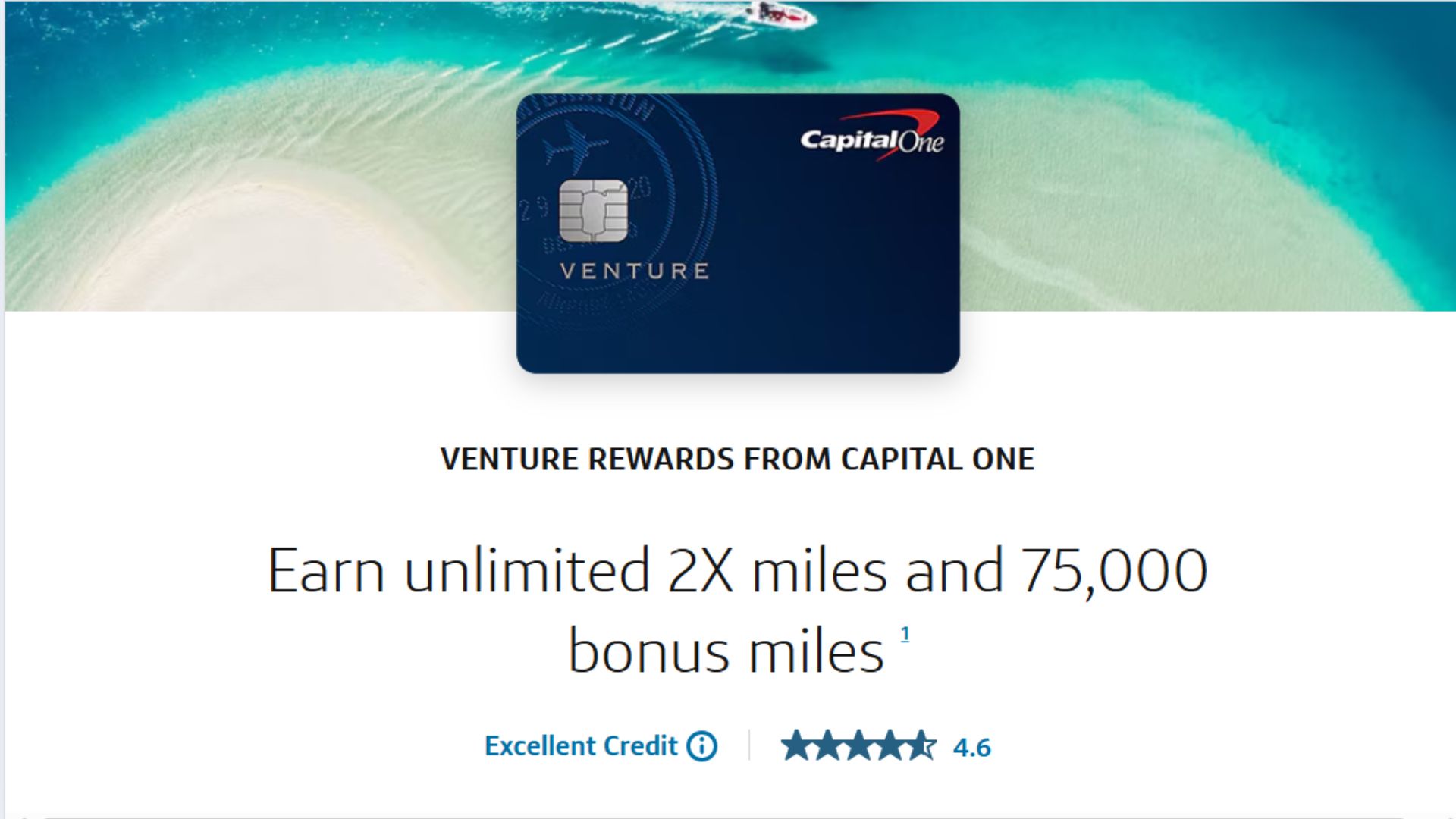
Best for: Simple, straightforward earning | Annual Fee: $95 | Welcome Bonus: 75,000 miles after $4,000 spend
The Capital One Venture Rewards Card embraces simplicity with its flat 2x miles on every purchase—no rotating categories, no tracking required. This straightforward approach appeals to travelers who want consistent rewards without complexity. Miles redeem at 1 cent each for any travel purchase as a statement credit, or transfer to Capital One's 15 airline partners for potentially higher value.
What makes the Venture particularly attractive is its combination of no-hassle earning with solid travel benefits. The card provides up to $100 credit for TSA PreCheck or Global Entry (covering the membership for both spouses), 5x miles on hotels and rental cars booked through Capital One Travel, and comprehensive travel insurance including trip cancellation coverage and rental car collision coverage. The annual fee of $95 is reasonable given the earning rate, and Capital One frequently offers competitive welcome bonuses. The card's transfer partners include several international carriers that can offer exceptional value for long-haul business class redemptions, though the baseline 1 cent per mile redemption provides a safety net for simpler bookings.
Key Features: 2x miles on all purchases, simple redemption model, TSA PreCheck/Global Entry credit, 15 transfer partners
Pros:
No category tracking needed with flat 2x earning
Flexible redemption for any travel purchase
Reasonable $95 annual fee
TSA PreCheck/Global Entry credit included
Good approval odds for those with good credit
Cons:
No airport lounge access
Earning rate modest compared to category cards
Limited premium benefits
Transfer partners less extensive than top competitors
No additional travel credits included
7. Bank of America Premium Rewards
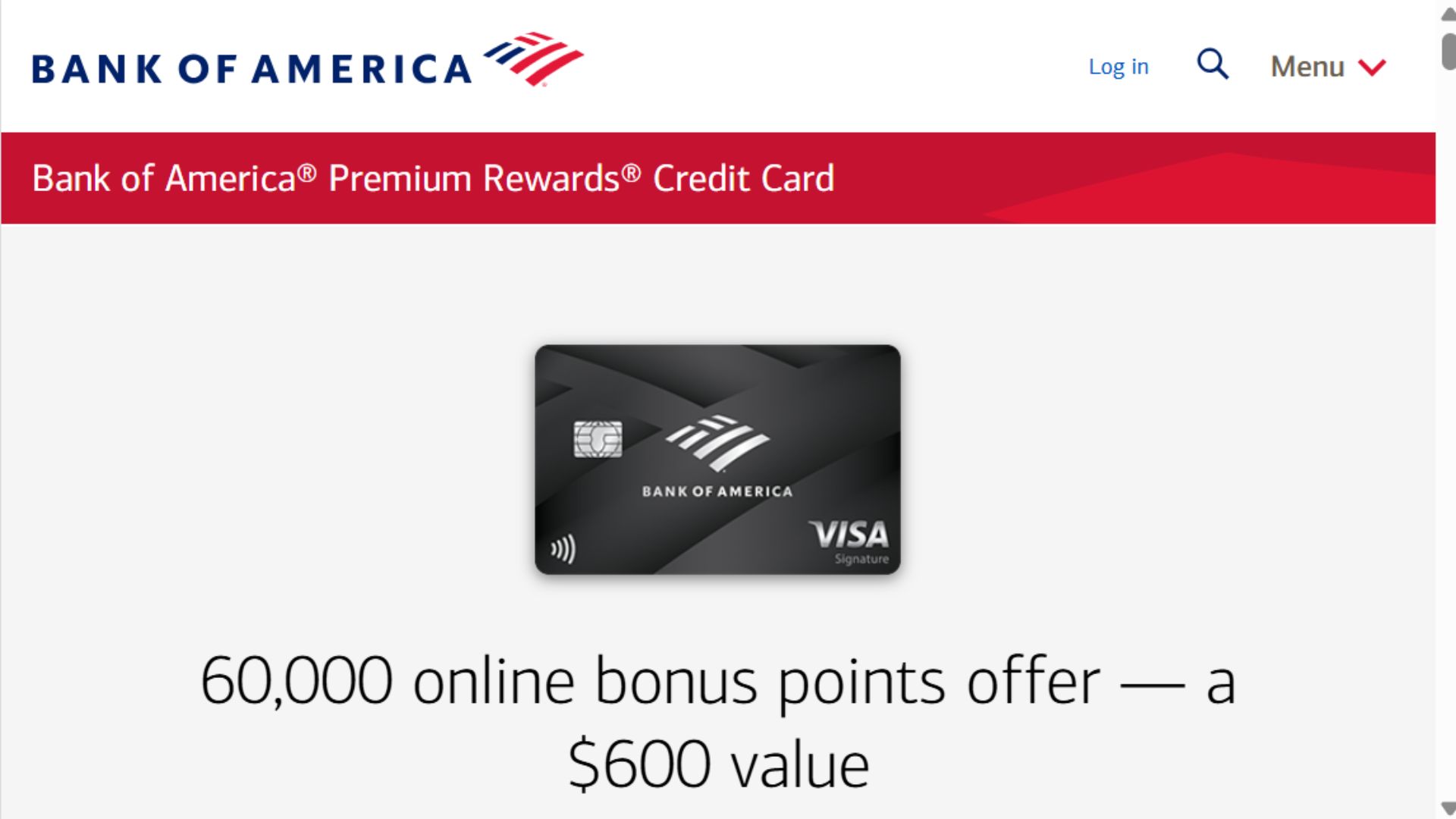
Best for: Existing Bank of America customers | Annual Fee: $95 | Welcome Bonus: 60,000 points after $4,000 spend
Bank of America Premium Rewards delivers exceptional value for customers enrolled in the bank's Preferred Rewards program, which provides earning bonuses based on your combined deposit and investment balances. Base earning is 2x points on travel and dining and 1.5x on everything else, but Preferred Rewards members earn up to 75% more, boosting potential returns to 3.5x on travel and dining for Platinum Honors members with $100,000+ in combined balances.
The card provides a $100 annual airline incidental credit (covering baggage fees, seat selections, and in-flight purchases), a $100 TSA PreCheck or Global Entry credit every four years, and comprehensive travel insurance including trip cancellation, travel accident insurance, and rental car coverage. Points redeem at 1 cent each for travel purchases as a statement credit, or can be transferred to travel partners, though Bank of America's transfer program is less robust than competitors. The true value proposition appears when combining this card with Bank of America's Preferred Rewards program, where the earning multipliers make it competitive with premium cards at a fraction of the annual fee.
Key Features: Up to 3.5x with Preferred Rewards, $100 airline incidental credit, $100 TSA PreCheck credit, $95 annual fee
Pros:
Enhanced earning with Preferred Rewards status
$100 airline incidental credit annually
No foreign transaction fees
Solid travel insurance package
Low annual fee relative to benefits
Cons:
Maximum value requires significant Bank of America deposits
Limited transfer partner options
Base earning rates uncompetitive without Preferred Rewards
Fewer premium benefits than higher-fee cards
Airline credit restrictions can be limiting
8. Wells Fargo Autograph Journey

Best for: No annual fee premium benefits | Annual Fee: $0 | Welcome Bonus: 60,000 points after $4,000 spend
Wells Fargo Autograph Journey represents exceptional value as one of the few $0 annual fee cards offering premium travel benefits. Cardholders earn 5x points on hotels, 4x on airlines, 3x on other travel and dining (including gas stations and transit), and 1x on all other purchases. These earning rates rival cards with substantial annual fees, making the Autograph Journey compelling for cost-conscious travelers who want strong rewards without ongoing costs.
The card includes several benefits typically reserved for fee-based cards: cell phone protection up to $600 per claim (when you pay your phone bill with the card), complimentary roadside dispatch, travel and emergency assistance services, and trip cancellation/interruption insurance. Points redeem at 1 cent each for cash back, travel purchases, or gift cards, with a 10% redemption bonus when redeeming through the Wells Fargo Travel Portal. While it lacks airport lounge access and annual travel credits, the combination of high earning rates, solid travel insurance, and zero annual fee makes this card a strong option for travelers who want to minimize costs while maximizing rewards.
Key Features: 5x on hotels, 4x on airlines, no annual fee, cell phone protection, travel insurance
Pros:
No annual fee with premium earning rates
Strong bonus categories for travelers
Cell phone protection saves on insurance costs
Comprehensive travel insurance included
10% redemption bonus through travel portal
Cons:
No airport lounge access
No annual travel credits
Wells Fargo brand reputation issues may concern some applicants
Limited transfer partner options
Customer service quality can be inconsistent
9. Bilt Mastercard

Best for: Renters and everyday spending | Annual Fee: $0 | Welcome Bonus: Varies (typically double points on rent for 3 months)
The Bilt Mastercard revolutionizes rewards earning by allowing renters to earn points on rent payments without transaction fees—the first card to accomplish this feat. Cardholders earn 1x point per dollar on rent payments (up to 100,000 points per calendar year), 3x on dining, 2x on travel, and 1x on other purchases. Since rent typically represents the largest monthly expense for millions of Americans, the ability to earn rewards on these payments provides substantial value that was previously inaccessible.
Bilt points transfer to over 100 airline and hotel partners, including all major U.S. airlines and hotels, plus international carriers like Air France-KLM and Emirates. The transfer ratios are 1:1, and points can also redeem toward rent payments, fitness classes through the Bilt Fitness program, or even as a down payment on a home through the Bilt Home Rewards program. The card has no annual fee and no foreign transaction fees. Bilt Rewards Day on the 1st of each month offers bonus earning opportunities and exclusive experiences. The only significant requirement is making at least five transactions per statement period to earn points, encouraging cardholders to use the card beyond just rent payments.
Key Features: 1x on rent with no fees, 3x dining, over 100 transfer partners, no annual fee, path to homeownership
Pros:
Earn rewards on rent without transaction fees
No annual fee with extensive transfer partners
Unique home down payment redemption option
Strong dining and travel earning categories
Monthly bonus opportunities on Rent Day
Cons:
Must make 5 transactions per month to earn points
Not all landlords work with Bilt's payment system
Rent earning capped at 100,000 points annually
Relatively new program with evolving partnerships
Limited premium travel benefits
10. U.S. Bank Altitude Reserve
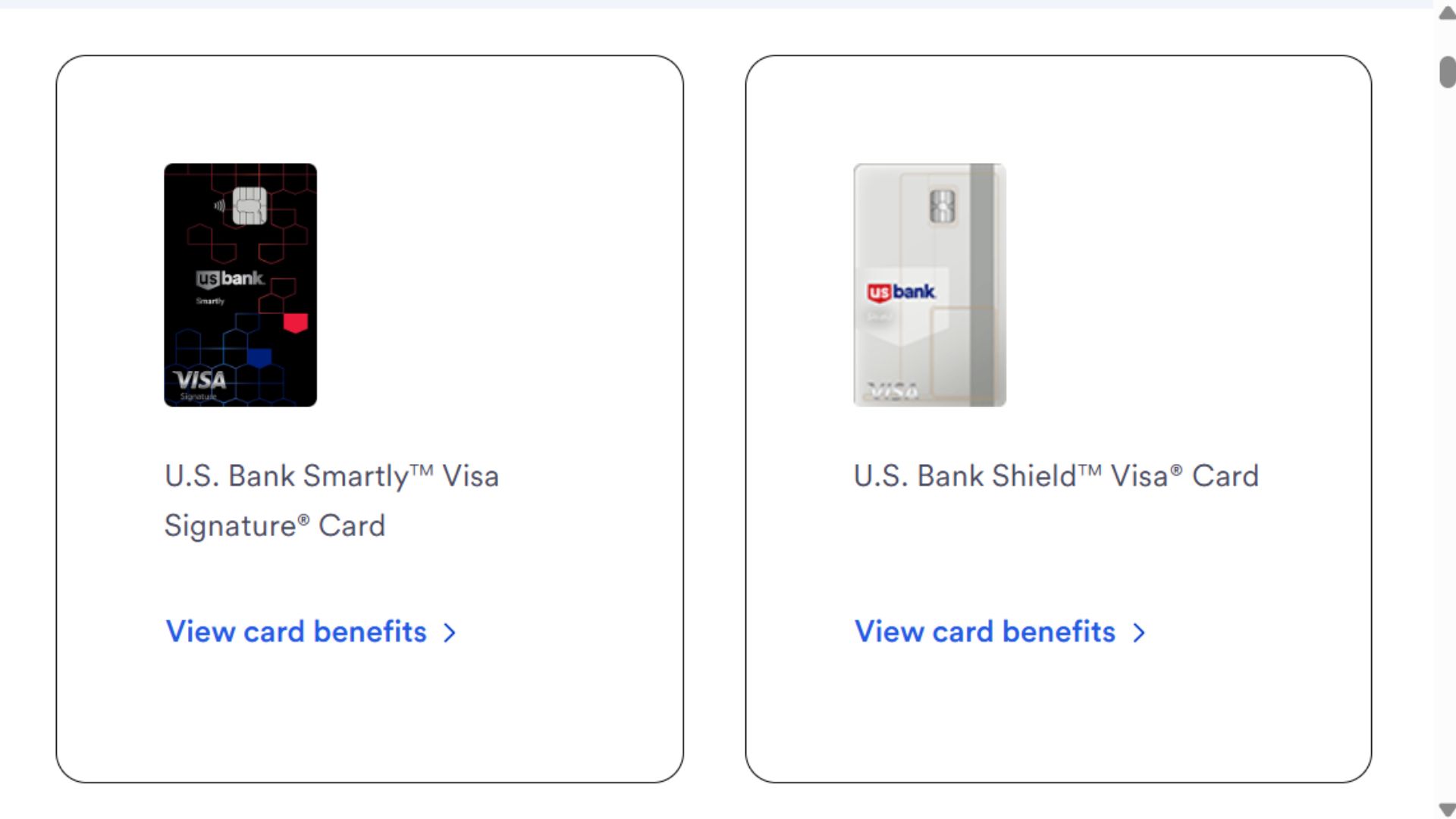
Best for: Mobile wallet users | Annual Fee: $400 | Welcome Bonus: 50,000 points after $4,500 spend
The U.S. Bank Altitude Reserve targets tech-savvy travelers who use mobile wallets for purchases, offering 5x points on prepaid hotel and travel booked through the Altitude Rewards Center and 3x points on all mobile wallet purchases (Apple Pay, Google Pay, Samsung Pay), including everyday categories like groceries, gas, and dining. This unique earning structure means virtually all in-person spending can earn 3x points if you use mobile payments, providing exceptional return on everyday purchases.
The card includes a $325 annual travel credit that applies to any travel purchase (automatically applied as a statement credit), Priority Pass membership with unlimited restaurant and lounge visits, a $100 TSA PreCheck or Global Entry credit, and 12 Gogo Inflight Wi-Fi passes annually. Points redeem at 1.5 cents each for travel through the Altitude Rewards Center, providing strong baseline value, though they don't transfer to airline partners like many competitors. The card also offers comprehensive travel insurance, including primary rental car coverage, trip cancellation insurance, and lost luggage reimbursement. The effective annual fee after the travel credit is $75, making it one of the better value propositions among premium cards for those who embrace mobile payments.
Key Features: 3x on mobile wallet purchases, $325 annual travel credit, Priority Pass with unlimited dining, 1.5x travel redemption value
Pros:
Unique mobile wallet earning makes everyday spending lucrative
$325 travel credit reduces effective annual fee to $75
Priority Pass includes restaurant credits
Strong redemption value at 1.5 cents per point
Primary rental car insurance included
Cons:
Requires mobile wallet adoption for maximum value
No transfer partners for premium redemptions
U.S. Bank requires existing banking relationship for some applicants
Limited brand recognition compared to major issuers
Fewer luxury travel benefits than competing premium cards
Comparison Summary
When comparing these travel rewards cards, annual fees and value propositions vary significantly. Premium cards like the American Express Platinum ($695) and Chase Sapphire Reserve ($550) justify their higher fees through extensive credits and luxury benefits, while mid-tier options like Chase Sapphire Preferred and Citi Premier charge $95 annually with solid earning and benefits. No-fee options like the Bilt Mastercard and Wells Fargo Autograph Journey provide strong earning without annual costs.
Earning structures differ substantially. Cards like Capital One Venture offer simple flat-rate earning (2x everywhere), while others like Citi Premier provide multiple 3x bonus categories. Premium cards typically offer 5x-10x on travel booked through their portals. The Chase Sapphire Reserve delivers 10x on Chase Travel hotels while the U.S. Bank Altitude Reserve offers 3x on all mobile wallet purchases, favoring different spending patterns.
The best card for you depends on your travel frequency and spending habits. Frequent travelers who value lounge access should consider the American Express Platinum or Chase Sapphire Reserve. Those seeking simplicity prefer Capital One Venture or Venture X. Renters benefit most from the Bilt Mastercard. Bank of America customers with Preferred Rewards status maximize value with the Premium Rewards card. Budget-conscious travelers who want premium benefits without annual fees should examine the Wells Fargo Autograph Journey, while mobile payment enthusiasts benefit from the U.S. Bank Altitude Reserve.
Travel Rewards Credit Cards Buying Guide
Who Needs a Travel Rewards Credit Card?
Travel rewards credit cards serve anyone who travels at least once or twice annually and wants to reduce travel costs or upgrade experiences. These cards particularly benefit frequent business travelers who can earn substantial points on employer expenses (check company policies first), families planning annual vacations who want to offset airfare or hotel costs, and digital nomads or remote workers who travel regularly for lifestyle purposes. Even occasional travelers benefit if they can maximize welcome bonuses and use the card for everyday spending to accumulate points. The key consideration is whether you can pay the balance in full each month—travel rewards lose value quickly if you carry a balance and pay interest.
How Travel Rewards Credit Cards Work
Travel rewards credit cards operate on a simple principle: you earn points or miles for every dollar spent, then redeem those rewards for travel expenses. Most cards offer 1-5x points per dollar depending on spending category, with higher multipliers on travel and dining purchases. Welcome bonuses provide substantial point injections—often 50,000-80,000 points worth $500-$1,000 or more—after meeting minimum spending requirements within the first few months.
Redemption methods vary by card. Some cards allow point transfers to airline and hotel partners at 1:1 ratios, potentially offering 1.5-3+ cents per point value for premium cabin flights. Others let you book through card-branded travel portals at fixed redemption rates (typically 1-1.5 cents per point), or provide statement credits at 1 cent per point for any travel purchase. Understanding these redemption options is crucial because the same 50,000 points might be worth $500 as a statement credit, $750 through a travel portal, or $1,500+ when transferred to an airline partner for business class international flights.
Key Features to Consider
Transfer partners represent one of the most valuable features for maximizing redemption value. Cards that transfer to multiple airline alliances (Star Alliance, OneWorld, SkyTeam) provide flexibility for booking premium cabin international flights at exceptional value. Chase, American Express, and Capital One maintain the strongest transfer partner networks, while some bank cards limit you to their own travel portals.
Annual credits and benefits can justify higher annual fees. Look for automatic credits that apply to broad travel purchases versus restrictive credits requiring specific merchant usage. Evaluate whether you'll actually use benefits like airport lounge access (valuable for frequent travelers, wasted if you fly twice annually), hotel elite status, travel insurance coverage, and statement credits for services like TSA PreCheck, streaming subscriptions, or ride-sharing.
Earning rates matter less than your actual spending patterns. A card offering 3x on dining benefits you only if you dine out frequently. Analyze your annual spending across categories—travel, dining, groceries, gas, general purchases—and calculate potential earnings across different cards. Sometimes a simple 2x flat-rate card outperforms a category-heavy card if your spending doesn't align with bonus categories. Also consider earning caps and restrictions that might limit rewards on certain categories.
Pricing Overview and Considerations
Travel rewards credit cards range from $0 to $695 in annual fees, with most falling into three tiers. No-fee cards like the Bilt Mastercard and Wells Fargo Autograph Journey offer solid earning rates without annual costs, making them ideal for building a rewards foundation. Mid-tier cards ($95-$150 annual fee) like Chase Sapphire Preferred and Citi Premier provide enhanced earning and some premium benefits while remaining accessible. Premium cards ($400-$695) like Chase Sapphire Reserve, American Express Platinum, and Capital One Venture X deliver luxury benefits, extensive credits, and lounge access that can exceed their annual fees for frequent travelers.
The DIY approach involves managing rewards yourself—tracking earnings, comparing redemption options, and booking your own travel. This gives you maximum flexibility and often better value if you're willing to invest time learning optimal redemption strategies. Most cardholders take this approach, using online resources and communities to maximize value. The "professional" alternative involves travel agents or luxury credit card concierge services (included with premium cards) that can handle complex bookings, though you sacrifice some point value for convenience. Some premium cards also offer travel portal agents who can book using your points, though redemption rates through portals typically offer less value than transfer partners for premium redemptions.
Calculate your break-even point before applying for fee-based cards. If a $95 annual fee card earns 2x additional points on $10,000 annual spending compared to a free card (20,000 extra points worth $200), you're $105 ahead. A $550 premium card needs to deliver $550+ in used benefits annually to justify the cost—possible through travel credits, lounge access, and enhanced earning, but only if you actively use these benefits.
Frequently Asked Questions
Do travel rewards credit cards charge foreign transaction fees?
Most travel rewards cards waive foreign transaction fees, which typically run 3% on international purchases. This is standard for travel-focused cards and saves significant money when traveling abroad. However, always verify before traveling, as some co-branded airline cards or basic rewards cards still charge these fees. Cards like Chase Sapphire Preferred, Capital One Venture, and American Express Platinum all waive foreign transaction fees, making them excellent for international travel.
How do I maximize travel credit card welcome bonuses?
Time your application strategically before planned large purchases or when you know you can meet minimum spending requirements organically without overspending. Plan major expenses like insurance premiums, tax payments (if fees don't exceed rewards value), or home repairs around your welcome bonus period. Never manufacture spending through unnecessary purchases just to hit thresholds. Read terms carefully—some bonuses require spending within three months, others within six, and purchases must fully post before the deadline. Consider holding off on applying until you can genuinely meet requirements to avoid wasting the opportunity.
Should I pay my annual fee or downgrade my card?
Evaluate whether you're actually using the benefits that justify the annual fee. If you haven't visited an airport lounge all year, aren't redeeming travel credits, and could earn similar rewards with a lower-fee card, downgrading makes sense. Many issuers allow downgrading to no-fee versions of cards (like Chase Sapphire Preferred to Freedom) without closing your account, preserving your credit history. However, if you're earning 2-3x the annual fee in value through credits, bonuses, and enhanced earning, keeping the premium card makes financial sense. Calculate your actual benefit usage annually before your renewal date.
Can I have multiple travel rewards credit cards?
Yes, and many experienced rewards travelers maintain several cards to maximize earning across different categories and access diverse transfer partners. A common strategy involves holding one premium card for its benefits and transfer partners, one strong category card for dining or groceries, and possibly a no-fee card for non-bonus spending. Be mindful of annual fees adding up, credit utilization across multiple cards, and the impact of applications on your credit score. Space out new applications (typically 3-6 months apart) to minimize credit score impact, and ensure you can manage multiple cards responsibly without missing payments.
How do I choose between points, miles, and cash back for travel?
Points and miles offer higher potential value through transfer partners and premium redemptions but require more effort and knowledge. If you're willing to research airline award charts, transfer partners, and optimal redemption strategies, points typically deliver 1.5-3+ cents per point value. Cash back (or fixed-value points redeemed as statement credits) provides simplicity and guaranteed value at 1-2 cents per point but limits your upside. For most travelers, flexible points programs (Chase Ultimate Rewards, Capital One miles, Amex Membership Rewards) offer the best balance—you can transfer for premium value or redeem simply for cash back if you prefer. Choose based on your willingness to optimize rather than card features alone.