Share:


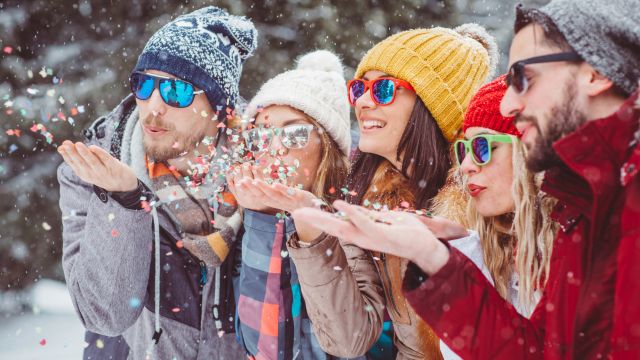
Everyone knows about Aspen, New York City at Christmas, and Caribbean beach escapes, but some of the best winter vacations happen in places that fly under the radar. These hidden gems offer incredible experiences without the crowds, inflated prices, and tourist traps that plague more famous destinations. We've researched weather patterns, travel costs, activities, and visitor reviews to bring you 10 winter destinations that deserve far more attention than they get. Whether you're seeking snow-covered adventure, mild winter sunshine, cultural experiences, or simply a change of scenery, these underrated spots deliver memorable vacations without the typical winter travel hassles.
Bend, Oregon – Best for outdoor adventure without Colorado crowds
San Antonio, Texas – Best for mild weather and cultural experiences
Quebec City, Canada – Best for European charm without the flight
Sedona, Arizona – Best for desert hiking and spiritual retreats
Mackinac Island, Michigan – Best for Victorian winter wonderland
Hot Springs, Arkansas – Best for thermal baths and national park access
Asheville, North Carolina – Best for mountain charm and craft beer
Moab, Utah – Best for uncrowded red rock adventures
Charleston, South Carolina – Best for southern hospitality and mild winters
Leavenworth, Washington – Best for Bavarian Christmas village vibes
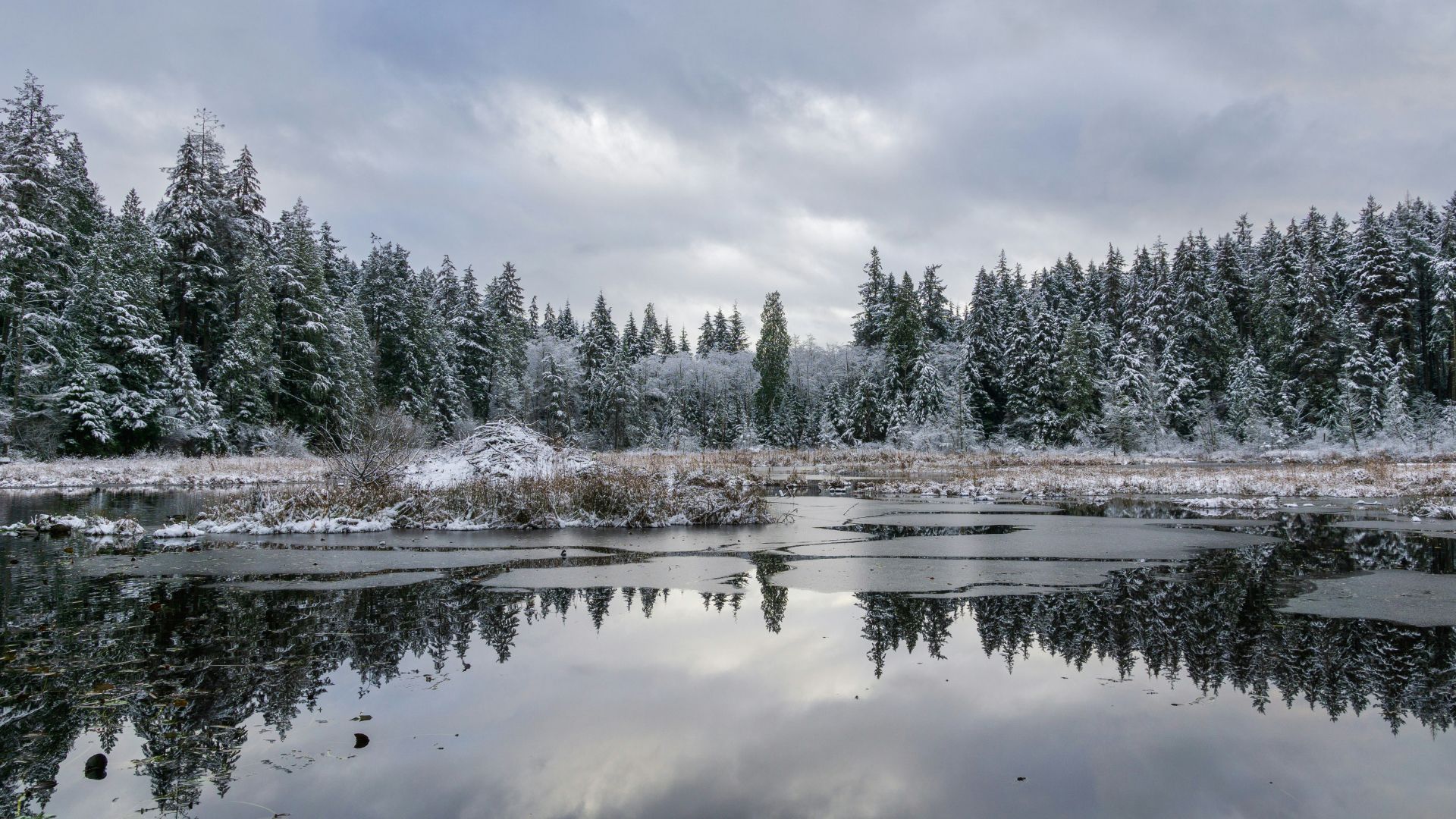
Bend sits in the high desert of Central Oregon, offering world-class skiing, snowboarding, and winter outdoor activities without the crowds and expense of Colorado resorts. The town combines mountain adventure with craft brewery culture, creating a laid-back vibe that feels authentic rather than tourist-manufactured. With over 300 days of sunshine annually, you get reliable snow conditions with clearer skies than many mountain destinations.
Who It's For: Outdoor enthusiasts who want variety beyond skiing, craft beer lovers, couples seeking adventure mixed with relaxation, and anyone tired of overcrowded Colorado resorts.
Key Features: Mount Bachelor offers exceptional skiing with an average of 462 inches of snowfall annually and far fewer crowds than major Colorado or Utah resorts. The town itself features over 30 breweries, more per capita than almost anywhere in America. Winter activities include snowshoeing, cross-country skiing, fat tire biking, and ice climbing. The Old Mill District provides shopping and dining along the Deschutes River. Nearby hot springs offer post-adventure relaxation. The high desert climate means drier snow and more sunny days than Pacific Northwest destinations. Direct flights from major cities make access easier than you'd expect. Accommodation options range from budget motels to luxury resorts.
Pricing: Lift tickets $100-$140 per day, hotel rooms $100-$250 per night, dining $15-$40 per person, overall moderate pricing compared to major ski destinations.
Pros:
Excellent skiing without major resort crowds
Incredible craft brewery scene
Diverse winter activities beyond slopes
More sunshine than typical mountain towns
Authentic local culture, not tourist-manufactured
Easier on the wallet than Colorado
Cons:
Can get very cold (teens to 30s Fahrenheit)
Limited direct flights from East Coast
Smaller town with fewer luxury amenities
Nightlife options limited compared to bigger resorts
Need rental car to explore area fully
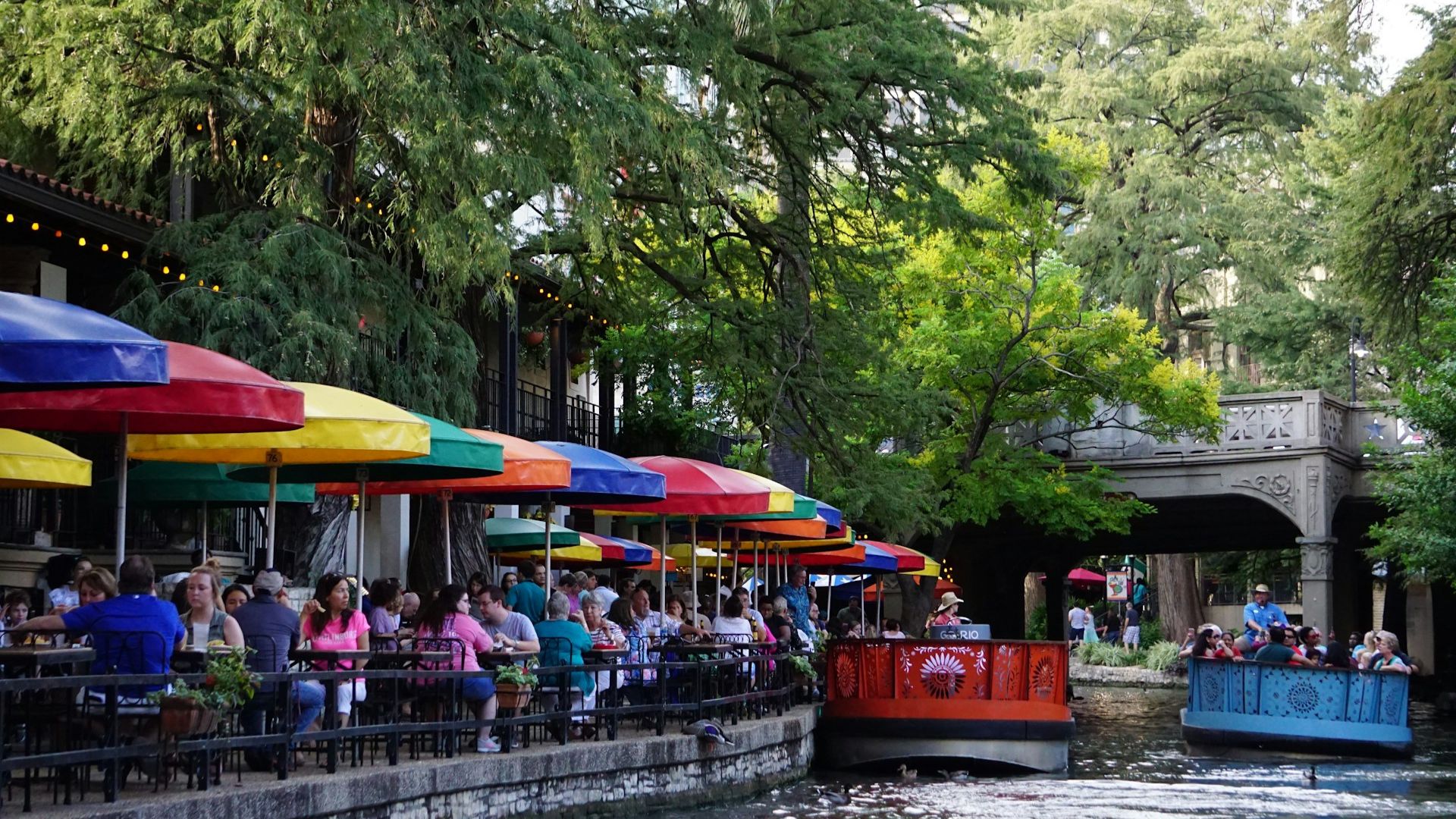
San Antonio offers mild winter temperatures (50s-60s°F) perfect for exploring without freezing, making it ideal for those seeking winter escape without flying to expensive beach destinations. The city's rich blend of Spanish colonial history, vibrant culture, and authentic Tex-Mex cuisine creates an experience that feels genuinely different from typical American cities.
Who It's For: Families with kids wanting educational experiences, history enthusiasts, foodies seeking authentic Tex-Mex, and anyone wanting warm-ish weather without beach resort prices.
Key Features: The famous River Walk takes on magical quality during winter with holiday lights and fewer crowds than summer. The Alamo and four other Spanish missions (UNESCO World Heritage Sites) offer profound historical experiences. Market Square provides authentic Mexican marketplace atmosphere. Natural Bridge Caverns stay 70°F year-round. SeaWorld San Antonio and Six Flags Fiesta Texas operate on winter schedules with smaller crowds. The Pearl District offers upscale dining and shopping. Winter is prime time for exploring without oppressive heat. Holiday events include river parades and Fiesta de las Luminarias. Hotel prices drop significantly compared to summer peak season.
Pricing: Hotels $80-$180 per night, dining $12-$35 per person, attractions $15-$80 per person, very affordable major city destination.
Pros:
Mild winter weather perfect for exploring
Rich cultural and historical experiences
Authentic Tex-Mex food scene
Family-friendly with numerous attractions
Significantly cheaper than summer
Fewer tourists than peak season
Cons:
Can still get chilly or rainy occasionally
Not a snow or beach destination
Some outdoor attractions have limited winter hours
Theme parks operate reduced schedules
Downtown can feel touristy around River Walk
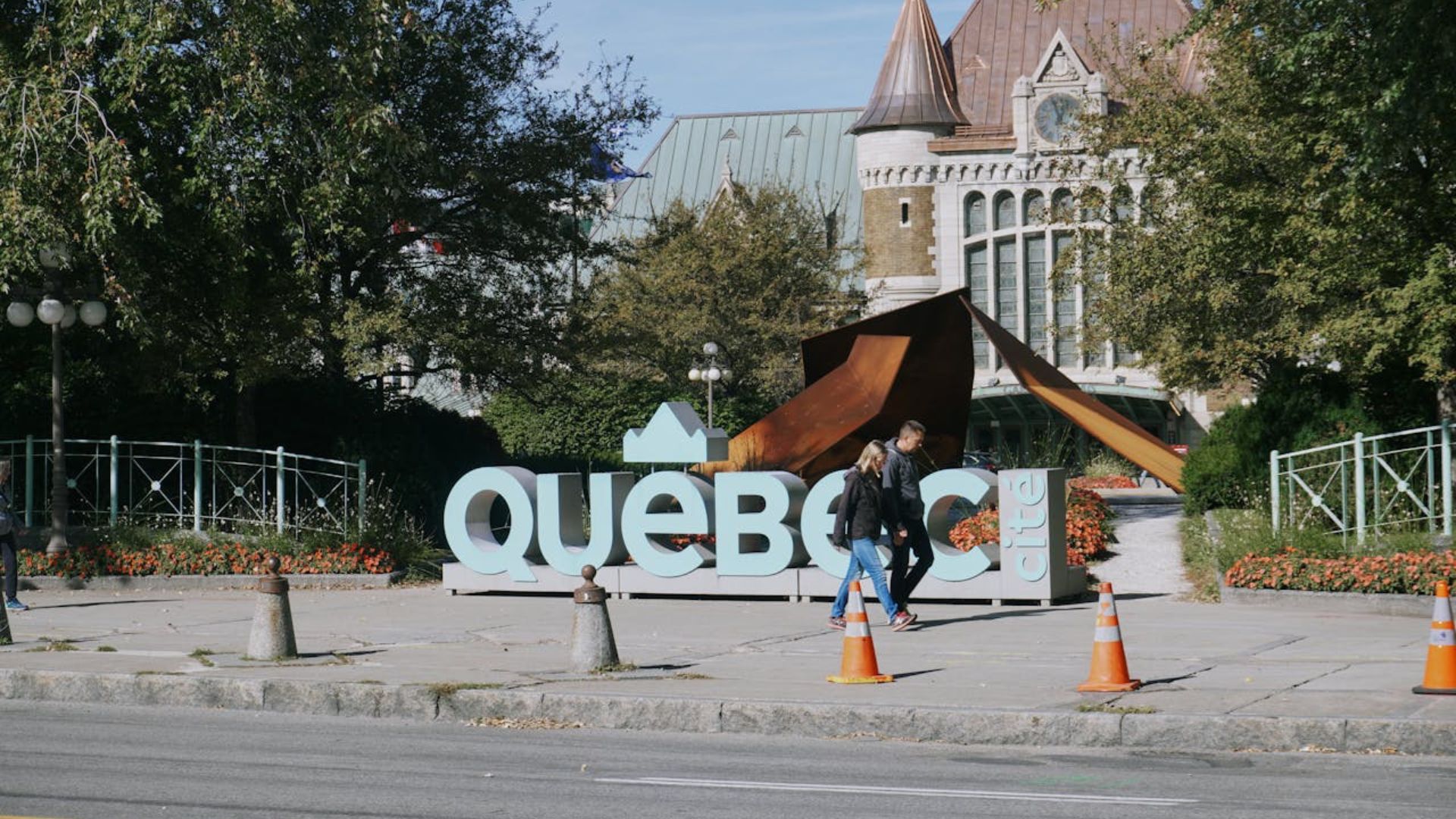
Quebec City delivers authentic European atmosphere just a short flight or drive from the northeastern United States. Winter transforms the city into a fairy-tale landscape with historic stone architecture dusted in snow, creating one of North America's most photogenic winter destinations. The annual Winter Carnival (late January to mid-February) is one of the world's largest winter festivals.
Who It's For: Couples seeking romantic getaways, Francophiles who can't afford European trips, families wanting cultural immersion, and anyone craving Old World charm without transatlantic flights.
Key Features: The UNESCO-listed Old Quebec features cobblestone streets, 17th-century architecture, and the iconic Château Frontenac hotel. Winter Carnival includes ice palace, snow sculptures, canoe races on frozen river, and night parades. Outdoor activities include ice skating on Place D'Youville, tobogganing on Dufferin Terrace, and snowshoeing on Plains of Abraham. The fortified city walls create dramatic winter backdrops for photography. French cuisine and culture permeate restaurants and shops. December Christmas markets rival European versions. Hotel Ice (ice hotel) operates January through March for unique overnight experience. Cross-country skiing and downhill skiing available nearby at Mont-Sainte-Anne. Surprisingly walkable even in snow with good winter infrastructure.
Pricing: Hotels $100-$250 per night (CAD), dining $20-$50 per person (CAD), Winter Carnival pass $20 (CAD), moderate to expensive depending on activities.
Pros:
Authentic European experience in North America
Spectacular winter beauty and atmosphere
World-class Winter Carnival festival
Rich French culture and cuisine
Very walkable compact Old Town
Cheaper than actually going to Europe
Cons:
Very cold (can reach -15°F with wind chill)
Need passport for U.S. citizens
Language barrier for non-French speakers
Winter driving can be challenging
Some attractions close in deep winter
Currency exchange adds complexity
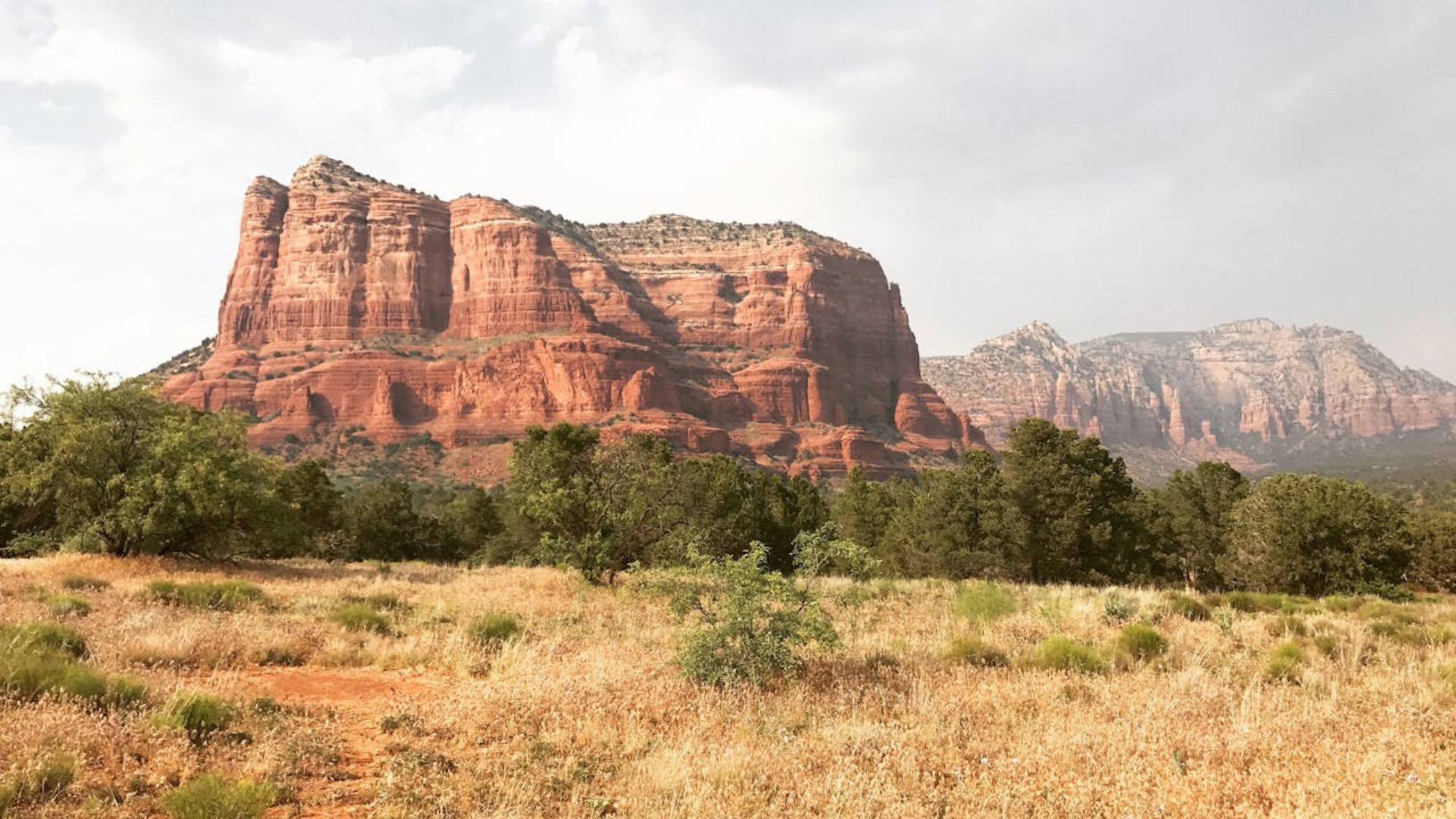
Sedona's famous red rock formations take on even more dramatic beauty when dusted with occasional snow, creating surreal color contrasts. Winter brings mild daytime temperatures (50s-60s°F) perfect for hiking without the scorching heat that makes summer visits challenging. The spiritual and wellness scene thrives year-round, making it ideal for rejuvenation-focused getaways.
Who It's For: Hikers seeking comfortable temperatures, spiritual seekers interested in vortex sites and wellness, photographers chasing unique landscapes, and couples wanting romantic natural beauty.
Key Features: World-class hiking with trails like Cathedral Rock, Bell Rock, and Devil's Bridge become accessible without extreme heat. The Chapel of the Holy Cross offers architectural marvel with stunning views. Spiritual vortex sites attract those seeking energy and meditation experiences. Uptown Sedona and Tlaquepaque Arts & Shopping Village provide galleries and southwestern shopping. Oak Creek Canyon scenic drive spectacular in winter. Spa resorts offer world-class wellness treatments. Nearby Verde Valley wine region provides tasting opportunities. Occasional snow creates magical red-and-white landscapes. Night sky viewing exceptional due to dark sky initiatives. Day trips to Grand Canyon (2 hours) or Flagstaff skiing possible.
Pricing: Hotels $150-$400+ per night (luxury resort focused), dining $20-$60 per person, activities mostly free (hiking) to moderate (spas $100-$300), overall expensive for accommodations.
Pros:
Perfect hiking weather in winter
Stunning red rock landscapes
World-class spa and wellness options
Unique spiritual and energy experiences
Occasional snow creates magical scenery
Less crowded than summer
Cons:
Expensive lodging with resort focus
Nights get quite cold (30s-40s°F)
Somewhat remote location
Limited budget accommodation options
Can feel touristy and commercialized
Winter nights very short for outdoor activities
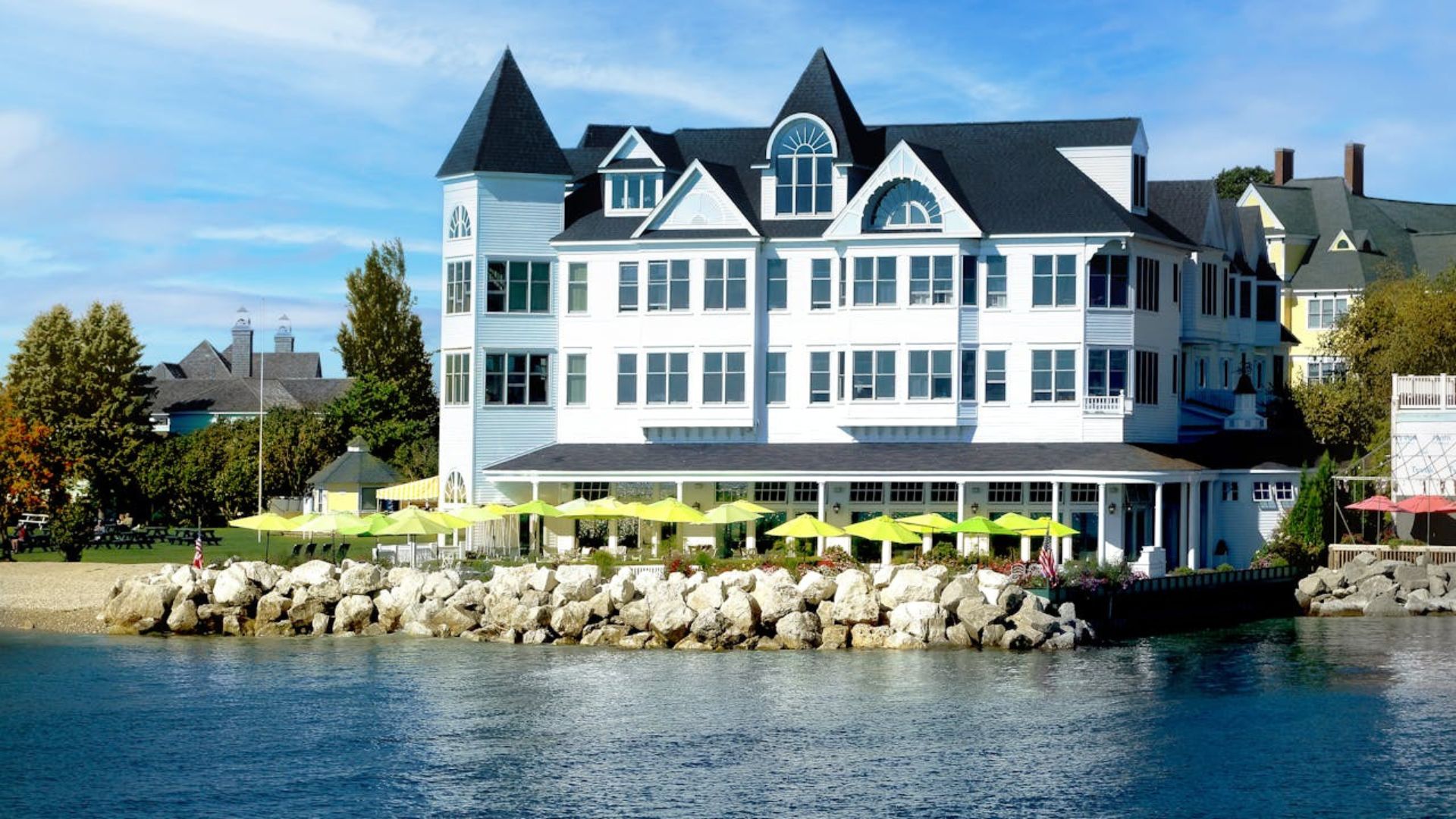
Mackinac Island transforms into a Victorian winter wonderland when tourism dies down and snow blankets the island. With no cars ever allowed, winter travel happens via horse-drawn sleigh, cross-country skis, snowshoes, or snowmobiles on the frozen straits. The Grand Hotel and other historic buildings create a magical step back in time.
Who It's For: Romantic couples seeking unique winter escapes, history enthusiasts who love Victorian architecture, adventurers wanting unusual winter activities, and anyone seeking true escape from modern life.
Key Features: The entire island is a National Historic Landmark with preserved Victorian architecture. The Grand Hotel operates winter programs with special packages and events. No automobiles means genuine peace and quiet enhanced by snow. Winter activities include horse-drawn sleigh rides, snowshoeing, cross-country skiing the island's 70+ miles of trails, and ice fishing. When straits freeze completely, snowmobile rides to the island become possible. Fort Mackinac offers winter tours. Famous Mackinac Island fudge shops remain open. Dog sledding experiences available. The isolation creates genuine disconnection from everyday life. Winter rates dramatically lower than peak summer season. Northern lights occasionally visible on clear nights.
Pricing: Hotels $100-$300 per night (winter rates much lower than summer), dining $15-$50 per person, ferry or plane access $30-$80 round trip, very reasonable for unique experience.
Pros:
Truly unique car-free winter experience
Romantic Victorian atmosphere
Dramatic winter savings over summer
Genuine peace and isolation
Unique winter activities like sleigh rides
Historic charm amplified by snow
Cons:
Very cold (highs in 20s-30s°F)
Limited ferry access (flights more common in winter)
Many businesses close for season
Weather-dependent access can cause delays
Limited dining options in winter
Not for those seeking nightlife or modern amenities

Hot Springs combines natural thermal baths with the only national park in an urban setting, creating a unique wellness-focused winter destination. The historic Bathhouse Row features eight bathhouses from the early 1900s, with several still offering traditional thermal bathing experiences. Mild winter temperatures (40s-50s°F) make it comfortable for exploring between bath sessions.
Who It's For: Wellness seekers wanting affordable spa experiences, couples seeking relaxation, older travelers with mobility considerations (thermal baths are gentle), and national park enthusiasts seeking something different.
Key Features: Hot Springs National Park protects the thermal springs that have drawn visitors for centuries. Bathhouse Row's historic bathhouses range from museums to functioning spas offering thermal baths, massages, and traditional treatments at reasonable prices. Lake Ouachita nearby offers winter fishing and hiking. Garvan Woodland Gardens features holiday lights display. Downtown Hot Springs has vintage character with antique shops and local restaurants. Hiking trails through the park showcase Ouachita Mountain scenery. The Arlington Hotel and other historic hotels maintain period charm. Casino gaming available for entertainment. Mid-America Science Museum good for families. The thermal water temperature stays constant 143°F year-round, making winter perfect for soaking.
Pricing: Hotels $70-$150 per night, bathhouse experiences $30-$100, dining $12-$30 per person, very affordable destination overall.
Pros:
Affordable thermal spa experiences
Unique national park setting
Historic character and architecture
Comfortable winter temperatures
Good value for money
Combines wellness with outdoor activities
Cons:
Small town with limited dining variety
Not much nightlife or entertainment
Can feel dated rather than historic
Not ideal for families with young kids
Limited direct flight access
Some bathhouses showing age
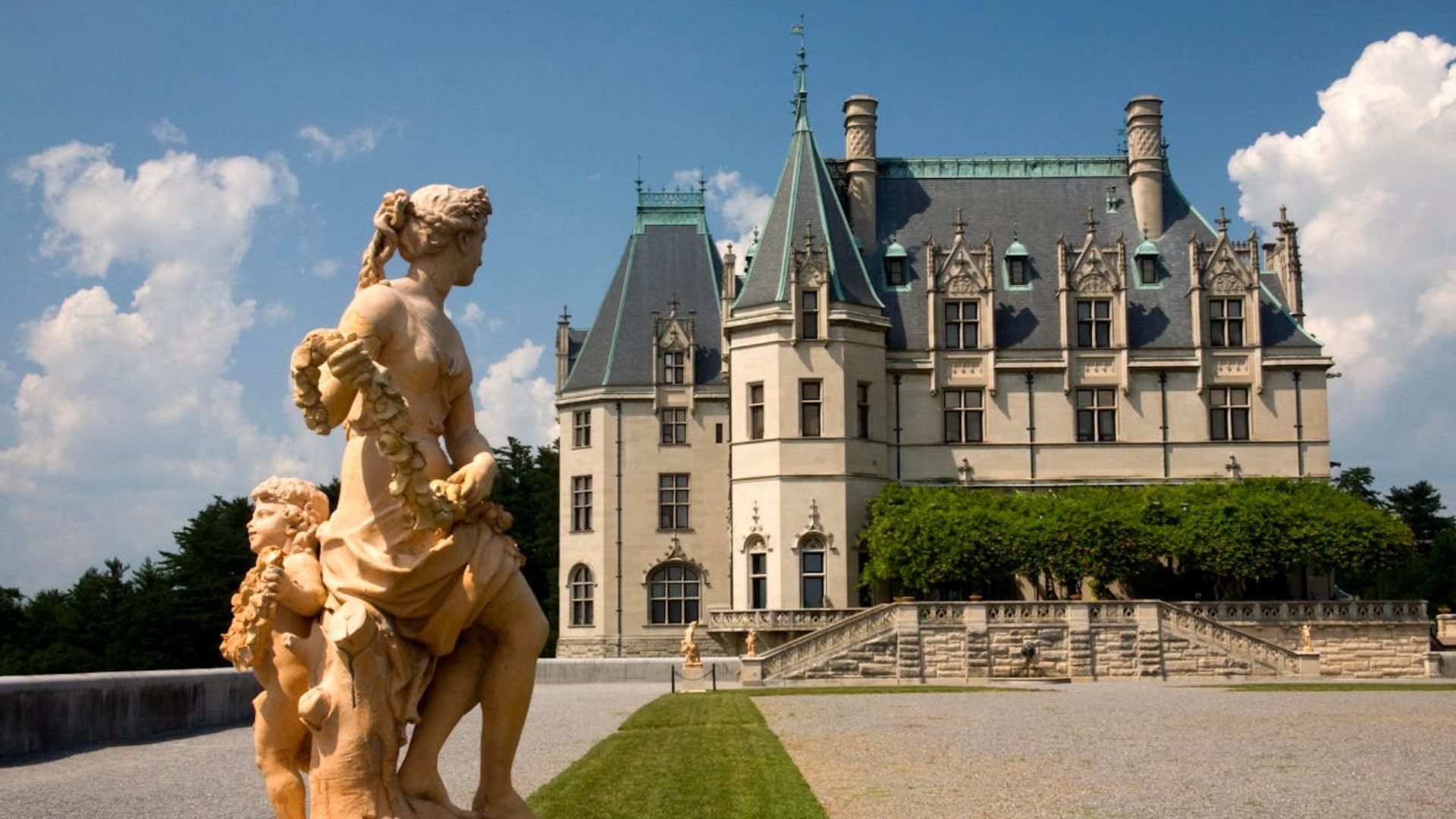
Asheville nestled in the Blue Ridge Mountains offers mountain charm with milder winter than northern destinations (highs in 40s-50s°F). The city's thriving arts scene, farm-to-table dining, and incredible craft brewery concentration (nicknamed "Beer City USA") create vibrant culture rarely found in mountain towns. The surrounding national forests provide winter hiking without extreme conditions.
Who It's For: Craft beer enthusiasts, foodies seeking farm-to-table cuisine, couples wanting mountain charm with culture, and outdoor lovers who prefer moderate winter conditions.
Key Features: Over 100 breweries and cideries make Asheville a beverage destination. The Biltmore Estate (America's largest home) is spectacular during winter with holiday decorations and reduced crowds. Downtown Asheville features art galleries, boutiques, street musicians, and diverse restaurants in historic Art Deco buildings. Blue Ridge Parkway accessible from Asheville offers winter hiking and scenic drives (weather permitting). Pisgah National Forest provides waterfall hikes and trail systems. The River Arts District houses working artist studios in converted industrial spaces. Live music scene rivals cities ten times its size. Hot springs nearby for post-hiking relaxation. Occasional snow creates beautiful scenery without disruptive amounts. Easy drive from Charlotte or Atlanta for weekend trips.
Pricing: Hotels $100-$200 per night, dining $15-$40 per person, Biltmore Estate $70-$90 per person, brewery tours free to $20, moderate
overall cost.
Pros:
Incredible craft beer and food scene
Beautiful mountain setting with mild winters
Rich arts and music culture
Biltmore Estate spectacular in winter
Good balance of outdoor and cultural activities
More affordable than major ski destinations
Cons:
Can get icy roads in mountains
Expensive for the South
Blue Ridge Parkway sometimes closes
Parking downtown challenging
Increasingly discovered (more crowded)
Limited snow activities compared to northern mountains
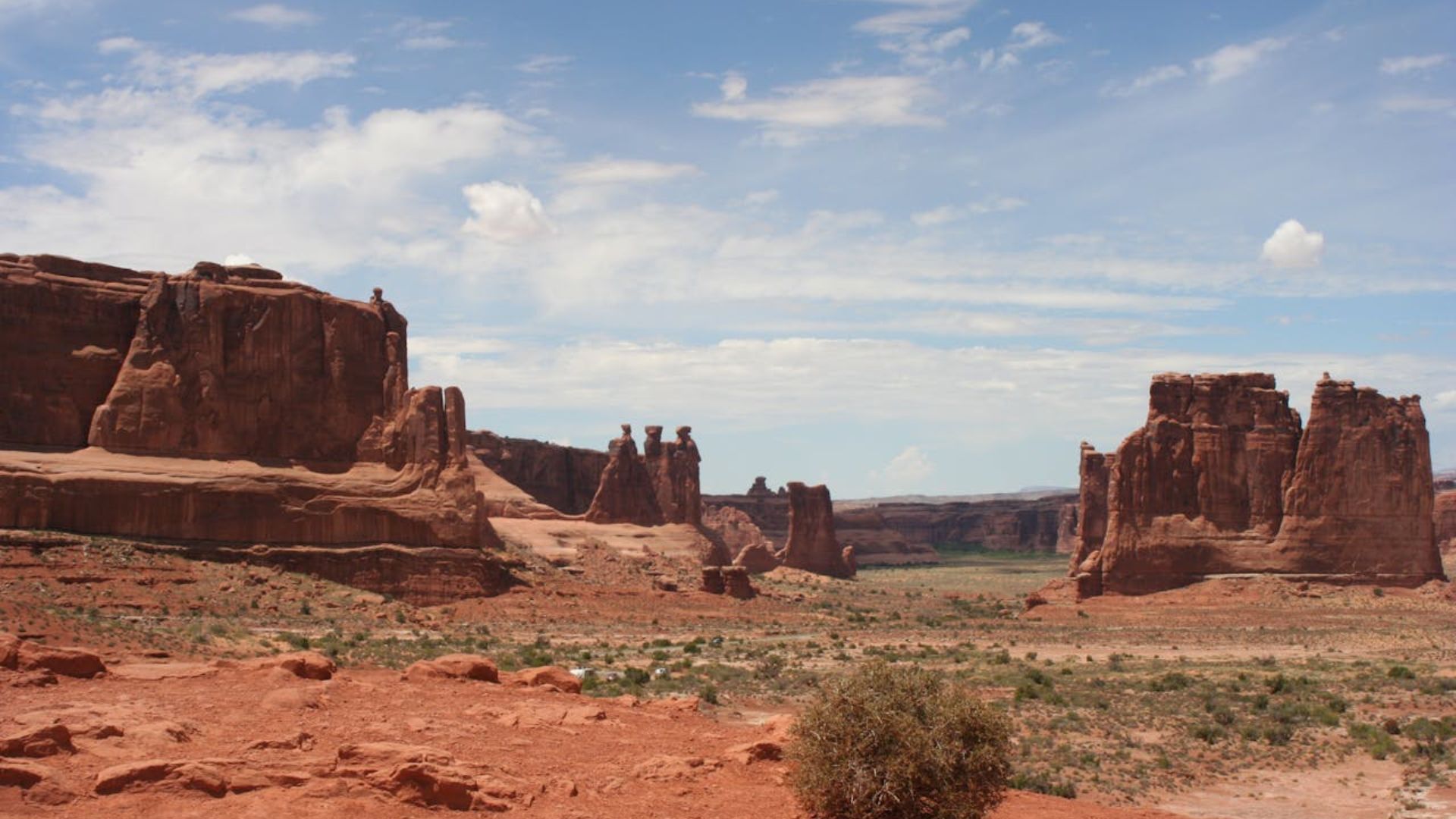
Moab becomes a winter paradise when summer's oppressive heat and massive crowds disappear. Winter temperatures (40s-50s°F) make hiking Arches and Canyonlands National Parks comfortable, with far fewer visitors than peak seasons. The iconic red rock landscapes take on special beauty with occasional dustings of snow creating surreal color contrasts.
Who It's For: Hikers and outdoor photographers, adventurers seeking solitude in famous parks, budget travelers (lower winter rates), and anyone who finds summer desert heat unbearable.
Key Features: Arches National Park's famous Delicate Arch and other formations become accessible without extreme heat or crowds. Canyonlands National Park's vast mesa and canyon country offers dramatic winter vistas. Hiking temperatures comfortable for all-day adventures. Rock climbing conditions ideal in winter. Mountain biking on slickrock trails possible on warmer days. Winter stargazing spectacular due to dark skies and clear weather. Downtown Moab maintains restaurants and breweries year-round despite some seasonal closures. Dead Horse Point State Park offers stunning overlooks. Colorado River rafting limited but some outfitters operate. Photography opportunities exceptional with low winter sun angles. Occasional snow creates temporary magical landscapes. Hotel rates drop 40-60% from peak season.
Pricing: Hotels $60-$150 per night (winter rates), dining $12-$35 per person, national park passes $30-$35 per vehicle, very affordable winter destination.
Pros:
Iconic national parks without crowds
Perfect hiking temperatures
Dramatic winter savings on lodging
Exceptional photography opportunities
Comfortable weather for outdoor activities
Genuine solitude in famous locations
Cons:
Nights very cold (teens to 30s°F)
Some outdoor activities limited
Can get snow/ice making driving challenging
Some restaurants/shops close for season
Limited indoor entertainment options
Very dry climate bothers some visitors

Charleston offers southern charm with mild winter weather (50s-60s°F) perfect for walking historic streets and exploring plantations without summer's humidity and heat. The city's preserved antebellum architecture, world-class dining scene, and rich history create an elegant winter escape. Winter is arguably the best time to visit, with fewer crowds and comfortable temperatures for outdoor exploration.
Who It's For: History buffs fascinated by American history, foodies seeking elevated southern cuisine, couples wanting romantic getaways, and anyone seeking culture with comfortable weather.
Key Features: The Historic District features rainbow-row houses, cobblestone streets, and preserved antebellum architecture perfect for walking tours. Plantation tours (Magnolia, Middleton Place, Boone Hall) are comfortable in winter without oppressive heat. The Charleston City Market offers local crafts and sweetgrass baskets. Waterfront Battery and parks showcase harbor views. Fort Sumter boat tours operate year-round. The culinary scene rivals any American city with innovative southern cuisine at restaurants like Husk and FIG. Carriage tours provide historical context and romantic atmosphere. Ghost tours capitalize on the city's haunted reputation. Beach access at Sullivan's Island and Folly Beach (too cold for swimming but nice for walks). Winter restaurant weeks and events offer culinary value. Beaufort and Savannah make easy day trips.
Pricing: Hotels $120-$250 per night, dining $20-$60 per person (upscale dining city), attractions $15-$45 per person, moderate to expensive destination.
Pros:
Beautiful mild winter weather
Rich history and architecture
World-class dining scene
Romantic southern charm
Comfortable for walking and exploring
Fewer crowds than spring/summer
Cons:
Can get cold snaps (30s-40s°F)
Expensive dining compared to other southern cities
Occasional winter rain
Too cold for beach activities
Parking challenging downtown
Some find pace too slow
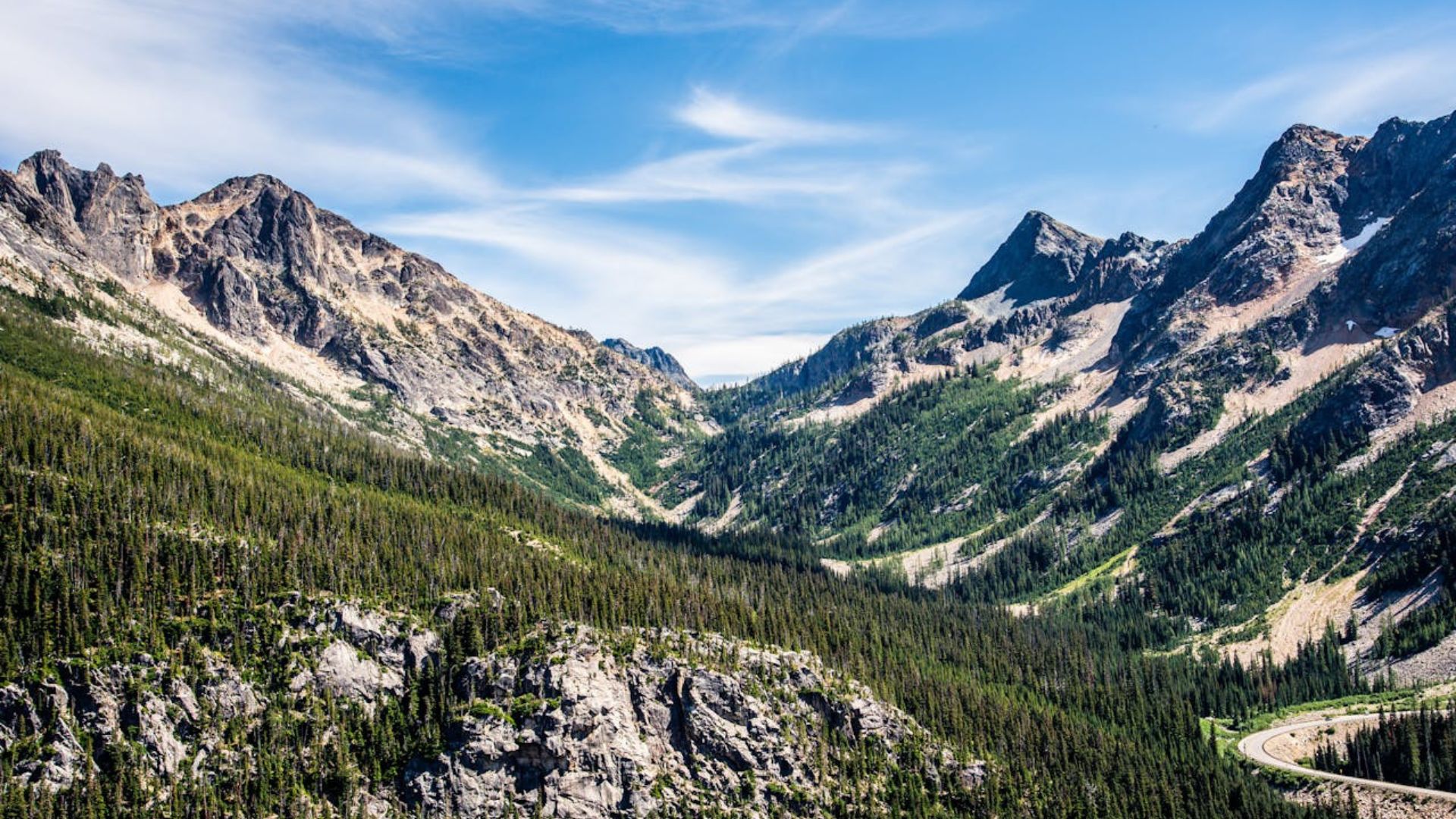
Leavenworth transformed itself from dying logging town into Bavarian-themed village, and winter is when this strategy truly shines. The town goes all-in on Christmas and winter celebrations with elaborate lighting festivals, German-style Christmas markets, and authentic Bavarian architecture blanketed in Cascade Mountain snow. It's like visiting Germany without the transatlantic flight.
Who It's For: Families seeking magical Christmas experiences, couples wanting romantic winter getaways, beer and German food enthusiasts, and anyone seeking unique small-town charm.
Key Features: The Christmas Lighting Festival (weekends November-December) transforms the town with over half a million lights switched on simultaneously during ceremonies. Authentic Bavarian architecture lines every street, creating immersive European atmosphere. German restaurants serve schnitzel, sausages, and pretzels alongside locally brewed beers. Winter activities include cross-country skiing, snowshoeing, tubing, and sledding nearby. Stevens Pass ski resort 35 miles away offers downhill skiing. Icicle Ridge Winery and other tasting rooms provide winter wine experiences. Nutcracker Museum showcases 7,000+ nutcrackers. Sleigh rides through snowy landscapes available. The Wenatchee River provides scenic winter beauty. Leavenworth Summer Theater building hosts winter events. Local shops sell German imports and Christmas decorations year-round. Dog-friendly town with many outdoor activity options.
Pricing: Hotels $100-$250 per night (higher during lighting festivals), dining $15-$40 per person, activities $20-$80, moderate overall with budget and luxury options.
Pros:
Magical Christmas atmosphere
Authentic Bavarian village experience
Beautiful Cascade Mountain setting
Variety of winter activities nearby
Great German food and beer
Family-friendly with lots to do
Cons:
Very crowded during lighting festivals
Can be kitschy for some tastes
Accommodation books up far in advance for holidays
Snowy winter driving from Seattle (2+ hours)
Theme can feel overwhelming
Higher prices during peak winter weekends
An underrated winter destination is a place that offers excellent experiences, value, or unique qualities but receives far less attention than more famous alternatives. These destinations often lack major marketing budgets or haven't been discovered by mainstream travel media, meaning they maintain authentic character, reasonable prices, and manageable crowds despite offering experiences equal to or better than popular spots.
Choosing underrated destinations means avoiding the crowds, lines, and inflated prices that plague famous winter getaways. You'll experience more authentic interactions with locals who aren't burned out by mass tourism. Accommodations and restaurants often try harder to earn your business rather than coasting on reputation. You're more likely to discover hidden gems, have unique experiences, and feel like you're actually exploring rather than following a pre-programmed tourist path. These destinations also tend to be more sustainable, as the tourism burden is spread across more places rather than overwhelming a few famous spots.
Consider your priorities for winter travel. If you want snow activities, research average snowfall and conditions for your travel dates. For warm winter escapes, check historical weather data to avoid visiting during cold snaps. Look at crowd levels by reading recent reviews mentioning wait times and packed attractions. Evaluate accessibility—some underrated spots require longer drives or connections that may not suit everyone. Research the strength of winter activities and whether enough businesses remain open during off-season. Consider whether you want bustling small-town atmosphere or genuine solitude. Check accommodation options to ensure adequate choices in your budget range. Finally, read recent traveler reviews to verify that the destination matches your expectations and hasn't been recently discovered by mass tourism.
What's the best underrated destination for families with young children?
San Antonio, Texas offers the best combination of family-friendly attractions, mild weather, educational experiences, and value. The River Walk is stroller-friendly, SeaWorld and Six Flags provide entertainment, the missions offer history without being boring for kids, and winter prices are reasonable. Leavenworth, Washington is also excellent for families seeking Christmas magic with lots of snow activities.
Which destination offers the best value for money?
Hot Springs, Arkansas and Moab, Utah (in winter) offer exceptional value. Hot Springs provides unique thermal bathing experiences and national park access at very affordable prices. Moab's winter rates drop dramatically while offering access to two incredible national parks. Both feature budget-friendly dining and accommodation compared to more famous destinations.
Can you visit these places without a rental car?
Charleston, South Carolina and Quebec City, Canada are the most walkable destinations on this list with good public transportation or easy walking to most attractions. San Antonio has decent public transit and rideshare options. The other destinations really require rental cars to explore fully, as they're spread out or in areas with limited public transportation infrastructure.
What's the best underrated destination for avoiding cold weather?
San Antonio, Texas offers the mildest winter weather with average highs in the 60s and rarely freezing temperatures. Charleston, South Carolina runs a close second with similar mild conditions. Sedona, Arizona provides comfortable daytime hiking weather though nights get cold. If you want true warmth, these three beat flying to expensive Caribbean or Mexican beach destinations.