The tips below are practical, repeatable, and ranked so you can start with what delivers the fastest results. No gimmicks, no "buy in bulk forever" advice that ignores your actual storage situation – just the methods that genuinely work week over week.
🛒 Top 10 Ways to Save on Groceries – At a Glance
Plan your meals before you shop
Shop with a strict list and stick to it
Compare unit prices, not package prices
Buy store brands over name brands
Use grocery apps and digital coupons
Shop sales and build meals around them
Reduce meat consumption strategically
Buy produce in season (and frozen when not)
Limit pre-made and convenience foods
Audit your fridge before every shop
1. Plan Your Meals Before You Shop
Best for: Everyone. This is the single highest-impact habit on this list.
Meal planning sounds tedious until you realize it's the primary reason some households spend $250/month on groceries while others spend $600 for the same number of people. Without a plan, you buy vaguely, cook inconsistently, and throw away a shocking amount of food – the USDA estimates the average American household wastes about 30–40% of the food it purchases.
The process doesn't need to be elaborate. At the start of each week, spend 10–15 minutes deciding what you'll actually eat for dinners and at least a rough idea of lunches. Build your shopping list from those meals specifically. Every item you're buying has a purpose, which means less impulse buying and far less food waste.
A simple strategy is to plan one or two meals that intentionally generate leftovers – a pot of chili, a roasted chicken, a big grain salad – that carry through the week. This cuts down on the number of separate groceries you need to buy while keeping variety high enough that you actually eat what you bought.
Key benefit: Reduces food waste and eliminates random "what do I do with this?" purchases that add up fast.
2. Shop With a Strict List and Stick to It
Best for: Anyone who regularly leaves the store having spent more than planned.
Grocery stores are designed – deliberately, architecturally, psychologically – to make you spend more than you intended. Essential items like dairy and eggs are placed at the back of the store. End caps display high-margin products at "sale" prices that aren't actually discounted much. The checkout line is lined with impulse items priced low enough to seem harmless.
A list counteracts most of this. But the key is specificity: "chicken" is not a list item – "2 lbs boneless chicken thighs" is. Vague list items leave room for expensive substitutions. Specific list items keep you on track and on budget.
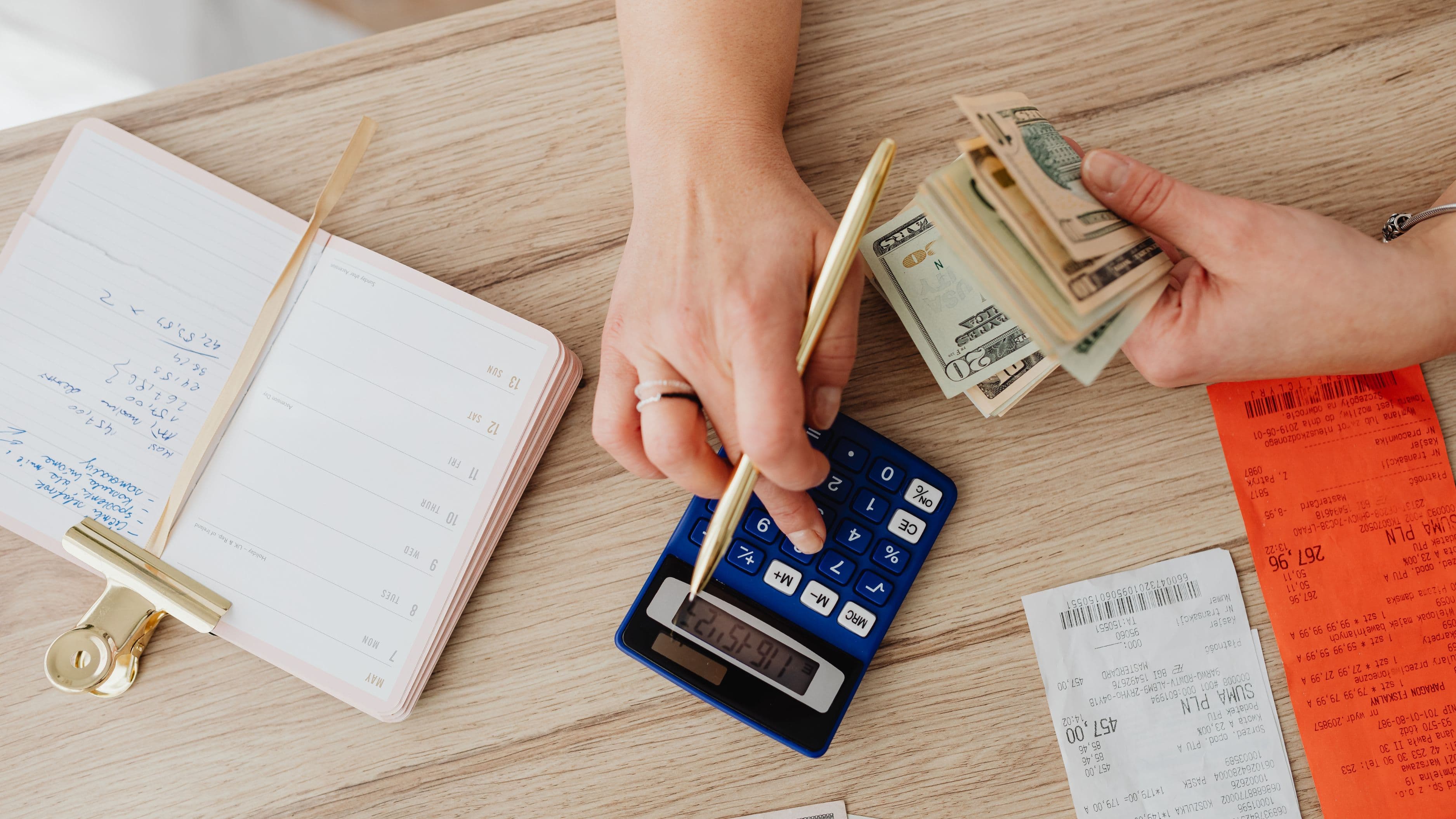
A practical add-on is to set a per-trip budget and use a calculator or your phone to track spending as you shop. It takes about 30 seconds per item and makes overspending almost impossible. People who track as they go consistently come in closer to budget than those who guess and check at the register.
Key benefit: Eliminates impulse purchases, which research consistently shows are the primary driver of grocery overspending.
3. Compare Unit Prices, Not Package Prices
Best for: Shoppers who buy staples, pantry goods, or anything that comes in multiple sizes.
The sticker price tells you almost nothing about value. A 16 oz jar of pasta sauce for $3.49 looks cheaper than a 28 oz jar for $5.29 – but the unit price on the larger jar is lower, making it the better deal if you'll use it. Most grocery stores display the unit price (per ounce, per count, per pound) on the shelf tag, usually in small print in the bottom left corner. That number is what you should be comparing.
This becomes especially useful in the cleaning supply, dry goods, and personal care aisles where the size-to-price relationship is all over the place. Buying the larger size of something you use regularly almost always saves money per use. The caveat is perishables – buying the largest package of something that will go bad before you finish it isn't a deal, it's a waste.
Key benefit: Can reduce per-unit costs by 15–30% on staples simply by buying smarter sizes.
4. Buy Store Brands Over Name Brands
Best for: All shoppers. This is one of the easiest switches with virtually no downside.
Store brand (also called private label) products are manufactured to the same food safety and quality standards as name brands – and in many cases, they're made in the same facilities by the same manufacturers. The price difference exists almost entirely because of marketing, packaging, and brand equity, not product quality.
Consumer Reports and various independent testing organizations have repeatedly found store brand staples – canned goods, dried pasta, frozen vegetables, dairy, spices, cleaning products – to be equal in quality to their name brand counterparts at 20–40% lower prices. The areas where name brands sometimes genuinely differ are highly processed snack foods and specific brand-dependent items like certain condiments. But for the bulk of a typical grocery list, going store brand is a clean swap that saves real money every trip.
Start by switching one or two categories at a time if you're skeptical. Most people find within a few weeks that they can't tell the difference.
Key benefit: Saves 20–40% on switched items with minimal to no quality tradeoff.
5. Use Grocery Apps and Digital Coupons
Best for: Shoppers who regularly buy from one or two specific stores.
Paper coupons are mostly obsolete. Digital coupons, store loyalty apps, and cashback apps have replaced them – and they're significantly more convenient and often more valuable. Most major grocery chains (Kroger, Safeway, Publix, Albertsons, and others) have their own apps where you can clip digital coupons that apply automatically at checkout when you use your loyalty card.
Beyond store apps, cashback platforms like Ibotta offer rebates on specific products that you can claim after uploading your receipt. Fetch Rewards gives you points for any grocery receipt that convert to gift cards. These aren't life-changing savings on their own, but combined with store coupons and smart shopping, they add meaningful savings over a month. Regular Ibotta users report saving $20–$50+ per month with minimal time investment.
The setup takes about 15 minutes. After that, clipping digital coupons before each shop takes 3–5 minutes and pays off every single trip.
Key benefit: Stacks savings on top of your existing shopping with almost no behavior change required.
6. Shop Sales and Build Meals Around Them
Best for: Flexible meal planners who aren't locked into specific recipes.
Most people decide what they want to eat and then buy whatever that costs. Flipping that logic – checking what's on sale first and building meals around those items – can meaningfully change your weekly total. Grocery stores rotate sale items on weekly cycles, and sale prices on protein, produce, and dairy can be 30–50% below regular price.
The easiest way to do this is to check your store's weekly circular (available in-app or at the entrance) before planning meals for the week. If chicken breasts are buy-one-get-one, you build a meal or two around chicken. If salmon is marked down, that's your protein choice. If strawberries are in season and on promotion, they become your fruit for the week.
This approach requires a little more flexibility in your meal planning mindset but doesn't require more time. It just shifts when you make decisions – sales first, meals second.
Key benefit: Aligns your spending with your store's discount cycle instead of paying full price by default.
7. Reduce Meat Consumption Strategically
Best for: Anyone whose grocery bill is heavily driven by protein costs.
Meat is consistently one of the most expensive items in a grocery cart. A pound of ground beef, a pack of chicken breasts, a salmon fillet – these items drive per-meal costs up fast compared to plant-based proteins. Strategically reducing meat frequency or substituting cheaper protein sources is one of the highest-dollar-value changes most households can make.
This doesn't mean going vegetarian. It means being intentional. Swapping one or two weekly dinners from meat-centered to legume or egg-centered – lentil soup, black bean tacos, shakshuka, pasta e fagioli – can cut weekly protein costs by $15–$30 without sacrificing nutrition or satisfaction. Eggs remain one of the most cost-effective protein sources available: a dozen eggs provides around 72 grams of protein at a fraction of the cost of an equivalent amount of chicken or beef.
When you do buy meat, choosing whole cuts over pre-cut, marinated, or individually portioned options consistently costs less per pound. A whole chicken is cheaper per pound than boneless breasts. A pork shoulder is cheaper per pound than tenderloin. The extra prep time is usually minor.
Key benefit: Can reduce weekly grocery costs by $20–$40 for a typical household without eliminating meat entirely.
8. Buy Produce in Season (and Frozen When It's Not)
Best for: Anyone who buys a significant amount of fruits and vegetables.
Out-of-season produce is more expensive for a straightforward reason: it's been shipped from farther away, stored longer, and handled more. Strawberries in December cost more than strawberries in June because they've traveled from Chile or Mexico. Buying what's in season locally means lower prices, better flavor, and fresher product.
When your preferred produce isn't in season, frozen is almost always the smarter choice over out-of-season fresh. Frozen fruits and vegetables are picked at peak ripeness and flash-frozen within hours, which preserves nutritional content as well as or better than fresh produce that's spent days in transit and storage. Frozen spinach, peas, corn, berries, broccoli, and edamame are all excellent quality and significantly cheaper than their fresh counterparts in off-peak months.
A simple seasonal produce calendar for your region (easily found through your state's agricultural extension program) can guide your planning. Shopping by season also naturally encourages variety in your diet throughout the year.
Key benefit: Reduces produce costs by 30–50% on items that are out of season while maintaining nutritional quality.
9. Limit Pre-Made and Convenience Foods
Best for: Households that regularly buy rotisserie chicken, pre-cut vegetables, meal kits, or packaged snacks.
Convenience has a tax. Pre-cut vegetables cost 2–4x more per pound than whole vegetables you cut yourself. Pre-marinated meats charge you for the marinade and the labor of applying it. Single-serve snack packs charge significantly more per ounce than their bulk equivalents. Meal kits from grocery stores or subscription services are convenient, but you're paying a substantial premium for the portion control and assembly.
This doesn't mean cutting out all convenience – it means being aware of which convenience items you're paying for and whether they're actually worth it to you. Pre-cut butternut squash might be worth the premium because cutting raw squash is genuinely difficult. Pre-sliced mushrooms, on the other hand, take 90 seconds to slice at home and cost half as much whole.
A practical approach: do a one-week audit of every convenience or pre-made item in your cart and calculate the per-pound premium you're paying over the whole version. Most people find two or three items they're happy to cut and a few where the convenience genuinely earns its cost.
Key benefit: Eliminating even 3–4 convenience items per week typically saves $15–$30 on an average grocery trip.
10. Audit Your Fridge Before Every Shop
Best for: Anyone who regularly finds forgotten, expired, or unused food in their refrigerator.
This one sounds obvious until you actually do it consistently. Before every shopping trip, spend five minutes looking at what's already in your fridge, freezer, and pantry. Most households have more usable food on hand than they realize – partial bags of grains, a block of cheese, half a can of beans, vegetables that need to be used in the next 2–3 days.
Building one meal per week around "use what's already here" dramatically reduces what you need to buy and directly cuts food waste. The money you've already spent on food in your fridge is recovered when you actually eat it instead of throwing it out. The NRDC estimates that the average family of four throws away approximately $1,500 worth of food per year – much of which is perishable produce and proteins that were bought with good intentions and never used.
A secondary benefit of the fridge audit is that it shapes your list more accurately. If you already have pasta, olive oil, and garlic on hand, you don't need to buy them this week – but you might not know that without checking first.
Key benefit: Eliminates duplicate purchases and recovers money already spent on food you forgot you had.
Quick Takeaway
You don't need to do all ten of these at once. Start with the three that feel most immediately applicable to your current habits – for most people, that's meal planning, sticking to a list, and switching a few items to store brand. Those three changes alone can trim $50–$100 off a monthly grocery bill without much effort. Add the others gradually as they become natural, and the savings compound.
The goal isn't to make grocery shopping harder or more stressful. It's to make it more intentional, so you're spending money on food you'll actually eat at prices that make sense.
FAQ
How much can I realistically save on groceries each week? Most households can cut 20–35% off their current grocery spend by consistently applying meal planning, list discipline, and store brand switching. On a $500/month grocery budget, that's $100–$175 in monthly savings. Higher spenders tend to see larger absolute savings.
Is it really worth switching to store brands? For most grocery categories – canned goods, dry pasta, rice, frozen vegetables, dairy, spices, cleaning products – yes, unequivocally. The quality difference is minimal to nonexistent, and the savings are consistent every trip. For highly processed snack foods or specialty items, you may have a preference for specific brands, which is fine – but switching the bulk of your staples to store brand adds up significantly over a month.
Does buying in bulk actually save money? Bulk buying saves money only when you'll use the full quantity before it expires and you have space to store it properly. For shelf-stable items you use regularly – olive oil, canned tomatoes, pasta, coffee, cleaning supplies – bulk usually makes sense. For perishables, it's only worth it if you have a specific plan for the quantity you're buying.
What's the best grocery cashback app? Ibotta is the most widely used and consistently delivers the most cashback on grocery purchases. Fetch Rewards is a good supplement because it works on any receipt from any store. Using both takes about 2 minutes per week and can add up to $20–$50 per month in savings.
Is meal prepping the same as meal planning? Not exactly. Meal planning is deciding what you'll eat and buying accordingly – it takes 10–15 minutes per week and happens before shopping. Meal prepping is the physical act of cooking or partially preparing those meals in advance. Both are valuable, but meal planning delivers the grocery savings. Meal prepping is about saving time during the week.
How do I stop food waste when I shop less frequently? Plan meals that use perishable items earlier in the week and pantry/freezer items later. Shop for fresh produce twice a week if your store is convenient, or buy more frozen. And always do the fridge audit before you shop so you're building meals around what needs to be used first.
📚 Sources
USDA – Food Loss and Waste in the United States: https://www.usda.gov/foodwaste/faqs
Bureau of Labor Statistics – Consumer Expenditures Survey (Food at Home): https://www.bls.gov/cex/
Consumer Reports – Store Brands vs. Name Brands: https://www.consumerreports.org/cro/news/2010/09/store-brand-vs-name-brand-foods/index.htm
NRDC – Wasted: How America Is Losing Up to 40 Percent of Its Food: https://www.nrdc.org/resources/wasted-how-america-losing-40-percent-its-food-farm-fork-landfill
Ibotta – Grocery Cashback App: https://home.ibotta.com/
Harvard T.H. Chan School of Public Health – Frozen vs. Fresh Vegetables: https://www.hsph.harvard.edu/nutritionsource/frozen-food/