Top 10 at a Glance
TSA PreCheck Enrollment – Best for frequent domestic travelers
Global Entry Program – Best for international travelers who also want PreCheck
CLEAR Membership – Best for skipping identity verification lines
Mobile Boarding Pass Strategy – Best for reducing fumbling at checkpoints
3-1-1 Liquid Rule Mastery – Best for avoiding bag searches
Strategic Packing Technique – Best for quick bin loading
Travel Credit Card with TSA Fee Reimbursement – Best for free expedited screening access
Optimal Airport Arrival Timing – Best for balancing efficiency and safety
Security Line Selection Strategy – Best for choosing fastest lane
Checkpoint-Ready Outfit Planning – Best for minimal metal and quick removal
1. TSA PreCheck Enrollment
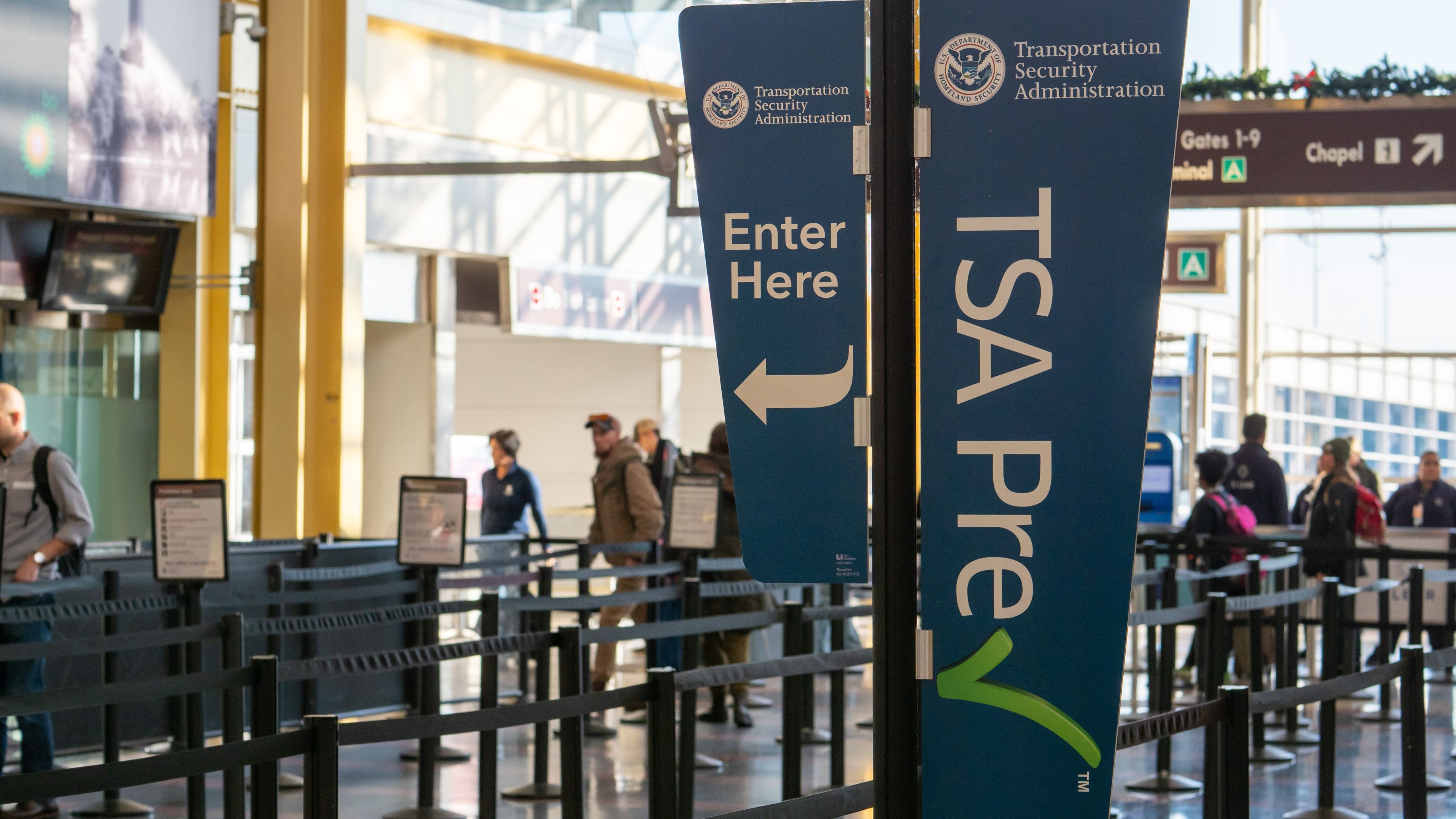
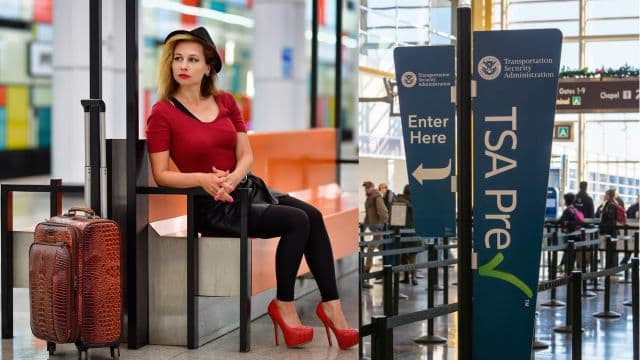
TSA PreCheck is a trusted traveler program that provides expedited security screening at over 200 U.S. airports and with 90+ airlines. Members use dedicated PreCheck lanes where they don't remove shoes, belts, light jackets, laptops, or liquids from bags, dramatically reducing screening time from 30+ minutes to typically under 5 minutes. The five-year membership costs less than $4 per month for frequent flyers.
Who It's For: Anyone flying domestically more than 3-4 times per year, families with children under 12 (who can accompany PreCheck parents through expedited lanes), business travelers, and anyone who values predictable security experiences over gambling with standard line wait times.
Key Features: Application requires scheduling an in-person appointment at enrollment center where you provide fingerprints, identification, and pass background check. Approval typically takes 3-5 days but can extend to several weeks during busy periods. Known Traveler Number (KTN) must be added to airline reservations to trigger PreCheck eligibility. The TSA PreCheck indicator appears on boarding passes when successfully applied. Over 200 airports participate with dedicated lanes, though smaller airports may not have PreCheck lanes during off-peak hours. Children 12 and under can accompany PreCheck parents through expedited screening. Children 13-17 may be randomly included when traveling with PreCheck parents. The program doesn't guarantee PreCheck every time—TSA randomly assigns some members to standard screening for security purposes. Renewal can be done online for approved members after initial in-person enrollment. Some airlines and routes don't participate in PreCheck (verify before booking if it's critical).
Pricing: $78-$85 for 5 years ($15.60-$17 per year); some credit cards reimburse this fee; renewal available online for reduced hassle.
Pros:
Dramatically faster security screening (5 vs 30+ minutes)
Keep shoes, belt, and light jacket on
Laptops and liquids stay in bag
Valid for 5 years (excellent value)
Kids 12 and under travel with you through PreCheck
Available at most major U.S. airports
Many credit cards reimburse enrollment fee
Cons:
Requires in-person enrollment appointment
Not guaranteed every single flight (random standard screening)
Only works for domestic and some international flights departing U.S.
Enrollment processing can take weeks
Smaller airports may lack PreCheck lanes during off-hours
Teens 13-17 need their own membership
Doesn't help with international arrival immigration
2. Global Entry Program

Global Entry includes all TSA PreCheck benefits plus expedited customs and immigration processing when returning to the United States from international travel. Members use automated kiosks at airports instead of waiting in standard customs lines, often reducing international arrival processing from 1-2 hours to under 10 minutes. The program costs more than standalone PreCheck but provides significantly more value for international travelers.
Who It's For: International travelers flying abroad even once or twice yearly, frequent domestic travelers who also want PreCheck benefits, business travelers with global responsibilities, and families who vacation internationally.
Key Features: Includes full TSA PreCheck benefits automatically (separate PreCheck enrollment unnecessary). Returning to U.S., members use automated kiosks at Global Entry locations in most international airports—scan passport, provide fingerprints, answer customs questions on screen, receive receipt, proceed to exit without speaking to officer (unless flagged). Dramatically reduces immigration and customs wait times especially during peak international arrival times. Application requires more extensive background check than PreCheck including in-person interview at enrollment center. Processing time typically 4-6 weeks but can extend several months. Canadian citizens eligible with NEXUS program providing similar benefits. Children of any age need their own Global Entry membership (no "accompany parent" benefit like PreCheck). The program includes membership in NEXUS and SENTRI programs for land border crossings with Canada and Mexico. Mobile Passport Control app provides alternative for non-members but Global Entry kiosks typically faster. Program valid for 5 years like PreCheck. Many premium travel credit cards reimburse the enrollment fee.
Pricing: $100 for 5 years ($20 per year); many premium travel credit cards reimburse this fee; includes TSA PreCheck automatically.
Pros:
All TSA PreCheck benefits included
Dramatically faster international customs/immigration
Automated kiosks avoid officer queues
Valid at most major international airports
Works for land border crossings (Canada/Mexico)
Credit card reimbursement commonly available
Excellent value for any international travel
Cons:
More expensive than standalone PreCheck
More intensive background check required
Processing time can extend several months
Children need their own membership (no accompany benefit)
Requires in-person interview at enrollment center
Not available at all international airports
Conditional approval doesn't guarantee final approval
3. CLEAR Membership

CLEAR uses biometric technology (fingerprints, iris scans, facial recognition) to verify identity, allowing members to skip the ID verification portion of security and proceed directly to physical screening. At airports with both CLEAR and PreCheck, members can combine programs—CLEAR verifies identity instantly, then escorts you to PreCheck lane for expedited physical screening, creating the fastest possible security experience.
Who It's For: Frequent travelers at CLEAR-equipped airports (primarily major hubs), travelers who value absolute minimum wait time, those flying during peak hours when even PreCheck lines back up, and anyone willing to pay premium for speed.
Key Features: Enrollment done entirely online with initial identity verification, then in-person biometric capture at airport CLEAR pod (takes 5 minutes). Members approach CLEAR pod upon arriving at security, provide biometric verification (finger/iris/face scan), receive instant verification, then CLEAR ambassador escorts you to front of either standard or PreCheck lane depending on your PreCheck status. The combination of CLEAR + PreCheck provides fastest possible security experience. Family plan allows adding members for reduced cost. Works at 50+ U.S. airports plus some sports venues and entertainment facilities. The service most beneficial at larger airports where identity verification lines back up significantly. Less beneficial at smaller airports or during off-peak travel times. Annual membership more expensive than PreCheck/Global Entry but provides daily time savings for frequent travelers. Some airports (smaller or less-trafficked) don't have CLEAR installations. The service doesn't replace physical security screening—just expedites identity verification portion. Several premium credit cards and airline elite statuses provide complimentary CLEAR membership.
Pricing: $199 per year ($16.58/month); family members add for $70-$109 each; many premium credit cards and airline elite statuses provide free membership.
Pros:
Fastest identity verification (biometric instant scan)
Combines with PreCheck for ultimate speed
No waiting in ID check queues
Works at sports venues and entertainment facilities
Family pricing available
Many elite travelers get it free via credit card/airline status
Enrollment can start online
Cons:
Significantly more expensive than PreCheck/Global Entry
Only at 50+ airports (not universal)
Requires annual renewal (vs 5 years for PreCheck)
Less valuable at small airports or off-peak times
Biometric data privacy concerns for some travelers
Doesn't eliminate physical screening
Limited benefit if you don't fly frequently
4. Mobile Boarding Pass Strategy
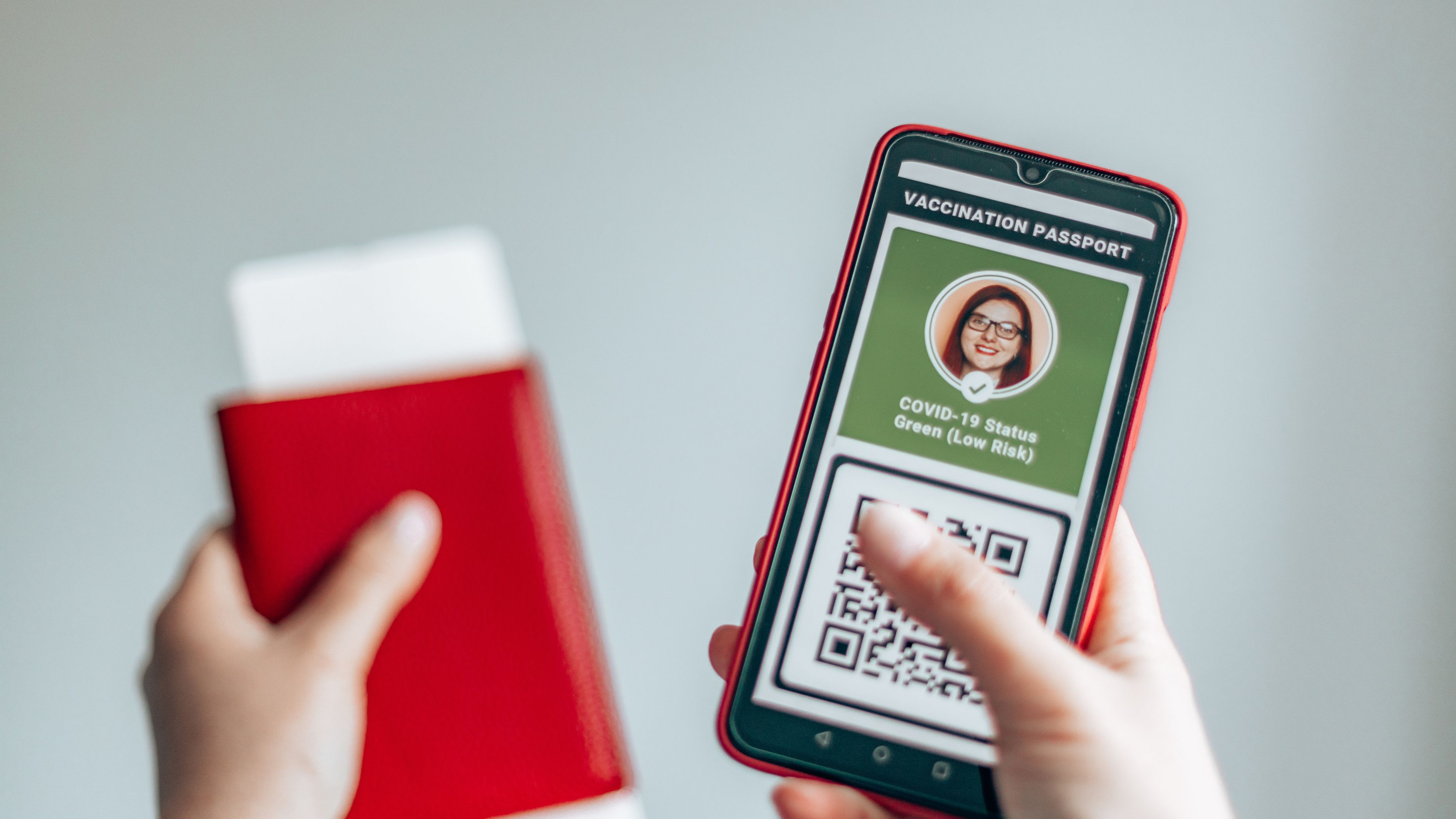
Using mobile boarding passes instead of printed paper eliminates fumbling with documents, speeds up scanning at security and boarding, and reduces risk of losing critical paperwork. The strategy involves downloading airline apps, enabling mobile boarding pass features, adjusting phone brightness for scanner reading, and organizing your phone access before reaching checkpoints.
Who It's For: Smartphone-equipped travelers, frequent flyers juggling multiple connections, environmentally conscious travelers avoiding paper waste, and anyone seeking streamlined checkpoint navigation.
Key Features: Download airline apps and enable boarding pass delivery via app and wallet (Apple Wallet, Google Wallet). Check in exactly 24 hours before departure when most airlines open check-in. Add boarding pass to digital wallet for quick access without opening apps. Increase phone brightness when approaching scanners for reliable reading. Keep phone unlocked or quickly accessible as you approach security and gate. Screenshot boarding pass as backup in case of no WiFi at airport. Many airlines now allow scanning directly from smartwatch. The mobile pass displays in airline app, digital wallet, and often via email/text links. Gate agents and TSA officers familiar with digital passes at all major airports. Reduces checkpoint fumbling—no digging through bags for paper boarding pass and ID. Allows instant updates if gates change (paper passes require checking screens). Real-time notifications of delays, gate changes, and boarding calls. Some airlines don't charge baggage fees if checked in via app versus airport counter. Reduces environmental impact of paper passes.
Pricing: Free through airline apps; no additional cost beyond having compatible smartphone.
Pros:
Faster checkpoint navigation
No lost boarding pass risk
Real-time flight updates
Environmentally friendly (no paper)
Reduces bag fumbling at security
Works with smart watches
Instantly updates with gate changes
Cons:
Requires charged phone (dead battery problematic)
Need cellular or WiFi for initial download
Older TSA agents sometimes unfamiliar with digital passes
Some international airports require printed passes
Phone screen glare can interfere with scanning
Backup paper may still be prudent for international travel
5. 3-1-1 Liquid Rule Mastery

The TSA's 3-1-1 rule allows liquids, gels, and aerosols in containers of 3.4 ounces (100ml) or less, all fitting in one quart-sized clear plastic bag, one bag per passenger. Mastering this rule eliminates the most common cause of bag searches, delays, and confiscations at security. Strategic packing and product selection keep you compliant while maintaining necessary toiletries.
Who It's For: All travelers carrying liquids, frequent flyers tired of bag searches, carry-on only travelers, and anyone wanting to avoid checkpoint delays and confiscations.
Key Features: Purchase travel-sized versions of essential products (3.4 oz or less) or transfer products into small containers. Use TSA-compliant quart-sized clear plastic bags (dimensions typically 6.5 x 6 inches). Place ONE bag per person in easily accessible location in carry-on for quick removal during screening (not required for PreCheck but recommended). Liquids include obvious items (shampoo, toothpaste, contact solution) but also gels (deodorant, hair gel), aerosols (hairspray, dry shampoo), creams (lotion, sunscreen), and pastes (toothpaste). Common overlooked items that violate rules: full-size toothpaste, large deodorant sticks (if gel-based), over 3.4 oz hand sanitizer. Exceptions include medications (any size, declare at checkpoint), baby formula/milk (declare at checkpoint), and breast milk (declare at checkpoint). Medically necessary liquids over 3.4 oz require declaration and possible additional screening but are allowed. Duty-free liquids purchased after security can be carried on flight. Solid forms don't count toward liquid limit (solid deodorant, bar soap, solid lotion bars). Frozen liquids that remain frozen at screening are allowed but must be completely frozen.
Pricing: Minimal cost for travel-sized containers ($1-5 for reusable bottles); quart bags typically free or under $1; travel-sized products slightly more expensive per ounce but avoid confiscation.
Pros:
Eliminates most common bag search cause
Faster screening process
Avoids expensive confiscations
Travel-sized products lighter to carry
Can refill reusable containers
Reduces checkpoint anxiety
Forces minimalist packing (benefit)
Cons:
Travel sizes more expensive per ounce
Requires advance planning and packing
Constant container management
May need to rebuy products if depleted
Quart bag size limiting for long trips
Remembering what counts as liquid challenging
Some products don't come in travel sizes
6. Strategic Packing Technique

How you pack your carry-on directly impacts security speed. Strategic packing places electronics, liquids, and metal objects in easily accessible locations, uses packing cubes or organization systems to avoid dumping entire bags at security, and minimizes metal accessories that trigger additional screening. The technique transforms chaotic bin-loading into smooth, efficient checkpoint navigation.
Who It's For: Frequent travelers, organized packers, families traveling with kids, and anyone frustrated by fumbling through bags at security while people wait behind them.
Key Features: Pack laptop and tablets in outer compartment or on top for quick removal (not required for PreCheck but often requested). Place liquids bag on top or in outer pocket for instant access. Keep phone, keys, wallet in one easily accessible pocket to grab together. Use packing cubes to organize clothing—cubes stay in bag during screening unlike loose clothing. Wear minimal metal jewelry and accessories (pack extras in bag). Place belt in outer pocket if wearing one that must be removed. Pack medications in top section with copy of prescription for declaring if necessary. Organize charging cables and electronics in one pouch rather than scattered. Empty pockets completely before reaching security (no fumbling at checkpoint). Place heavy items like boots in bottom of bag to prevent toppling in overhead bins. Consider using a bag with laptop compartment that lays flat for screening. Remove items that always require separate bins (liquids, laptop, large electronics) and place in easily accessible locations. For families, give each person their own small bag they're responsible for rather than one massive family bag creating chaos. Use clear pouches for small items so TSA can visually inspect without opening.
Pricing: Minimal cost for packing cubes ($15-$30 for set) and organization tools; mainly requires thoughtful packing approach.
Pros:
Dramatically faster bin loading
Reduces checkpoint fumbling and stress
Keeps others in line happy with your speed
Organized bag easier throughout trip
Reduces risk of leaving items at security
TSA screening faster with organized bag
Professional appearance versus chaotic dumping
Cons:
Requires advance packing thought
Packing cubes and organizers add cost
Organization system takes time to develop
May feel over-organized for casual travelers
Strict packing can limit spontaneous packing
Still must adapt to individual airport requirements
7. Travel Credit Card with TSA Fee Reimbursement
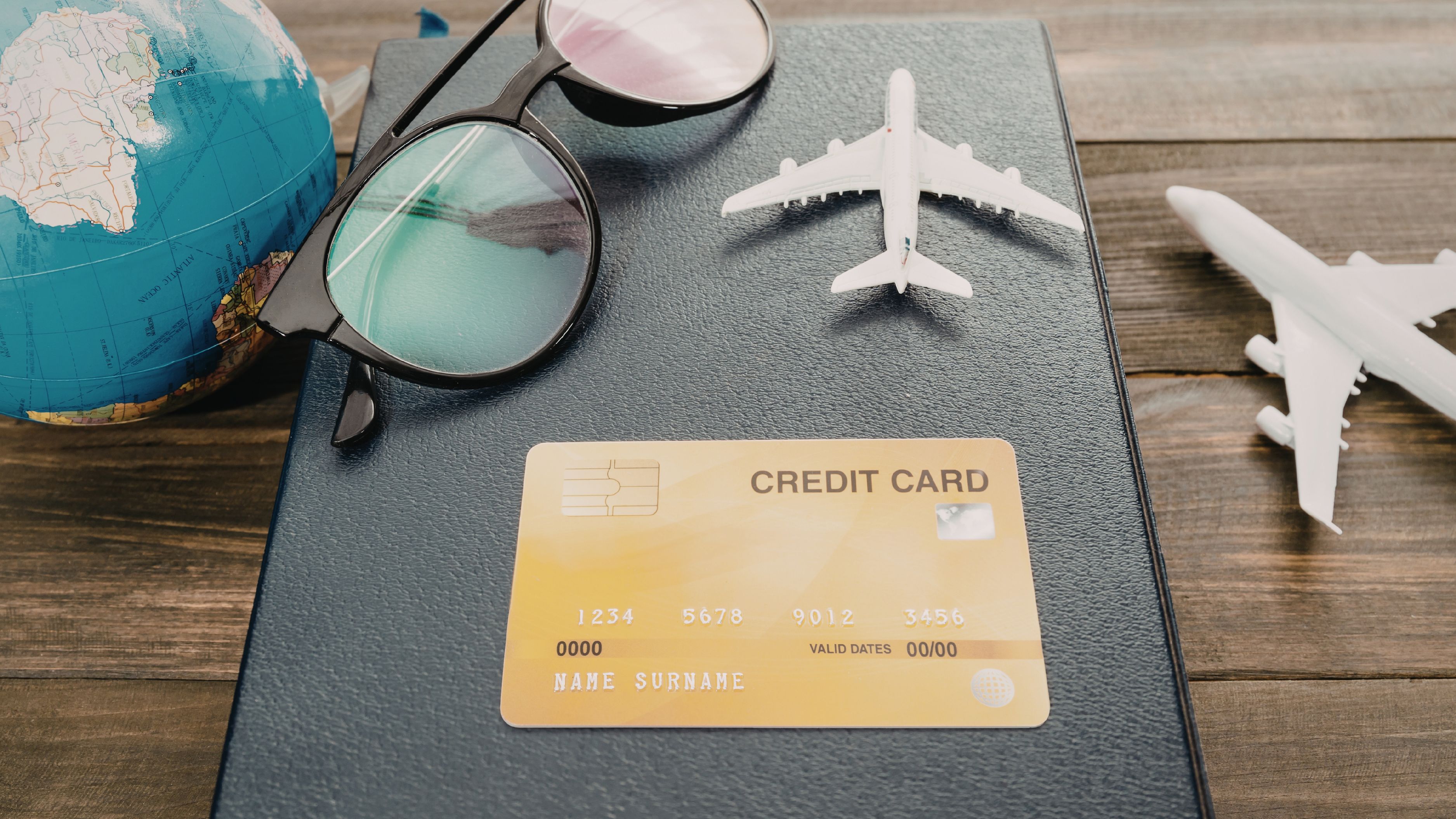
Many premium travel credit cards reimburse TSA PreCheck or Global Entry application fees (typically every 4-5 years), effectively providing free expedited screening access. Cards offering this benefit often include other travel perks like lounge access, travel insurance, and no foreign transaction fees, making them valuable tools beyond just security programs.
Who It's For: Travelers willing to use credit cards strategically, anyone planning to enroll in PreCheck/Global Entry anyway, frequent travelers who can maximize other card benefits, and people seeking to offset travel costs through card perks.
Key Features: Cards like Chase Sapphire Reserve, American Express Platinum, Capital One Venture X, and many others reimburse $85-$100 toward TSA PreCheck or Global Entry enrollment every 4-5 years. Benefit typically credited as statement credit after charging enrollment fee to the card. Some cards also provide CLEAR membership reimbursement or discounts. These cards typically include additional travel benefits: airport lounge access (Priority Pass, Centurion Lounges), travel insurance, trip delay/cancellation coverage, and rental car insurance. Annual fees range from $95-$695 depending on card but comprehensive travel benefits often justify costs for frequent travelers. The cards require good to excellent credit for approval. Benefit timing typically every 4-5 years aligning with PreCheck/Global Entry renewal periods. Some cards allow using the credit for family members' enrollment. The reimbursement processes automatically when charging eligible enrollment fee to the card (no special claim required for most cards). Cards often include other travel credits (Uber, dining, streaming services) that can offset annual fees.
Pricing: Card annual fees $95-$695; PreCheck/Global Entry reimbursement saves $78-$100 every 4-5 years; total value depends on maximizing all card benefits.
Pros:
Free TSA PreCheck or Global Entry enrollment
Additional valuable travel benefits (lounges, insurance)
Annual fee often justified by comprehensive perks
Many cards include other travel credits
No foreign transaction fees
Purchase protections and extended warranties
Rewards points/miles on spending
Cons:
Requires paying annual fee (sometimes high)
Need good credit for approval
Must charge enrollment fee to specific card
Benefit only every 4-5 years (not annual)
May not maximize other benefits if not frequent traveler
Temptation to overspend on credit card
Annual fee due regardless of benefit usage
8. Optimal Airport Arrival Timing

Arriving at the airport with optimal timing balances security efficiency with flight safety—too early wastes time in terminals, too late risks missing flights. Strategic timing considers airline recommendations, TSA PreCheck status, airport size, time of day, and day of week to arrive with minimal wait while ensuring you board comfortably.
Who It's For: All travelers seeking to minimize airport dwell time, anxious flyers who need buffer for peace of mind, business travelers on tight schedules, and families who find airport time with kids challenging.
Key Features: Standard recommendations suggest 2 hours for domestic flights and 3 hours for international flights, but these are conservative estimates designed for worst-case scenarios. With TSA PreCheck, frequent travelers at familiar airports often comfortably arrive 60-75 minutes before domestic flights and 90-120 minutes before international flights. Consider airport size—major hubs (LAX, JFK, ORD) require more time than smaller regional airports. Factor in time of day—early morning (5-7 AM) and evening rush (4-7 PM) see longer security lines than midday. Monday mornings and Friday evenings busiest for business routes. Holiday periods (Thanksgiving, Christmas, Memorial Day) require adding 30-60 minutes to usual timing. TSA publishes wait times on MyTSA app for planning. International flights require additional time for check-in, customs forms, and often earlier gate closures. Southwest, Spirit, and budget airlines often have longer check-in lines than major carriers. Checking bags requires additional time (20-30 minutes minimum, more during peak). Having only carry-on saves significant time. Known travelers can cut timing closer than occasional flyers unfamiliar with specific airports.
Pricing: No cost; purely strategic timing planning based on your specific situation.
Pros:
Minimizes wasted terminal time
Reduces airport stress and boredom
Allows sleeping later or arriving home sooner
More time-efficient travel experience
Reduces expensive airport food/drink purchases
Less time managing kids in terminals
Better scheduling of ground transportation
Cons:
Tight timing creates anxiety for some travelers
No buffer if traffic delays or parking takes longer
Risk of missing flight if security unexpectedly slow
May miss boarding if gate far from security
Doesn't account for airport emergencies/evacuations
Stress if traveling with others who prefer earlier arrival
One bad experience can ruin future trips
9. Security Line Selection Strategy
When multiple security lanes are available, strategic selection of the fastest-moving line saves significant time. Observing line composition, lane types, TSA agent efficiency, and traveler behavior helps identify which queue will process fastest. This skill particularly valuable at large airports with 10+ security lanes.
Who It's For: Observant travelers willing to spend 30 seconds analyzing options, frequent flyers at familiar airports, solo travelers who can maneuver quickly, and anyone without PreCheck trying to optimize standard screening.
Key Features: Avoid lines with large family groups or tour groups (slow to organize belongings and follow instructions). Business travelers in suits generally move faster than leisure tourists with large bags. Observe TSA agents—some work methodically fast while others chat and move slowly. Lines with more experienced frequent travelers (wearing business attire, carrying minimal bags) typically move faster. The leftmost lane often moves slower as it's the default many people choose without thinking. Lanes at the end of the security hall sometimes less crowded than central lanes. Monitor all lanes simultaneously—if one empties while yours stalls, consider switching. Some airports have dedicated family lanes (avoid these if solo). Lanes with full-body scanners typically slower than metal detectors. PreCheck lanes, even when longer, almost always faster than standard lanes. At international terminals, avoid lines with large groups heading to same destination (entire planeload can clog screening). Early morning lines often have less-experienced leisure travelers while business hours have efficient road warriors. Watch for lanes closing or opening—newly opened lanes process backlog quickly before lengthening. Don't just count people—observe bags and complexity (10 families with kids slower than 30 solo business travelers).
Pricing: Free strategy requiring only observation skills and willingness to choose strategically.
Pros:
Can save 10-20 minutes with good selection
Provides sense of control over wait time
Observational skills improve with practice
No cost or membership required
Works even without PreCheck
Helps pass time while waiting
Can be combined with PreCheck for maximum speed
Cons:
Time spent analyzing could be time standing in line
Not always possible to accurately predict fastest lane
Switching lanes can backfire if new line slows
May look indecisive or strange to companions
Some airports direct passengers to specific lanes
Limited effectiveness at small airports with 1-2 lanes
Skill requires practice and observation
10. Checkpoint-Ready Outfit Planning

What you wear directly impacts security screening speed. Clothing and accessories without excessive metal, shoes that slip on and off easily, and pockets that empty completely create the fastest screening experience. Strategic outfit planning eliminates removal, searches, and additional screening that plague travelers wearing complex clothing.
Who It's For: Frequent flyers, business travelers wanting professional appearance without screening hassle, families with young kids who struggle with shoes, and anyone seeking absolute minimum screening friction.
Key Features: Wear slip-on shoes without laces for quick removal and replacement (PreCheck members keep shoes on, but easy removal still helpful). Choose pants/shorts with empty pockets rather than cargo pants with multiple packed pockets. Wear minimal metal jewelry—remove watches, bracelets, and rings before reaching checkpoint or pack them. Select belt-free outfit or easy-remove belt if needed for appearance. Wear socks even with slip-on shoes (walking barefoot on airport floor unpleasant). Choose layered clothing so you can adjust to temperature without bulky jacket requiring removal. Avoid clothing with excessive metal zippers, rivets, buttons, or buckles that trigger scanners. Women should wear bras without underwires (or be prepared for possible pat-down if underwire triggers scanner). Put everything from pockets (phone, wallet, keys, coins, tissues) into carry-on before approaching checkpoint. Wear glasses instead of contacts to avoid carrying contact solution (liquid rule). Consider TSA-approved belts with carbon fiber buckles (don't trigger metal detectors). Travel in athletic/athleisure clothing for comfort and minimal metal. Pack dress shoes or jewelry in bag if needed at destination. The outfit should allow you to walk through scanner/metal detector without setting off alarms or requiring physical pat-down.
Pricing: No cost if you already own appropriate clothing; minimal investment in slip-on shoes or travel clothing designed for security screening.
Pros:
Fastest possible physical screening
No removal beyond standard requirements
Reduces pat-down risk
Comfortable for travel
Professional appearance still achievable
Kids easier to manage with simple shoes
Confidence of no security surprises
Cons:
Limited fashion choices
Business formal difficult without metal/belts
Must plan outfit around travel rather than destination
Some cultures expect formal travel attire
Slip-on shoes less supportive for walking
May feel underdressed for certain trips
Cold airports uncomfortable with minimal layers
What is TSA PreCheck and Security Optimization?
What It Is
TSA PreCheck and security optimization refers to strategies, programs, and techniques that reduce time spent in airport security screening. This includes enrolling in trusted traveler programs (TSA PreCheck, Global Entry, CLEAR), understanding TSA procedures and rules, packing strategically to avoid bag searches, wearing checkpoint-appropriate clothing, and making smart decisions about timing and line selection. The goal is transforming the typically stressful, time-consuming security experience into a predictable, efficient process that adds minimal friction to travel.
Benefits
Optimized security screening saves significant time—PreCheck members average 5-10 minutes through security versus 30-45 minutes for standard screening. This time savings compounds across multiple trips annually, potentially saving dozens of hours yearly for frequent travelers. Reduced stress improves the entire travel experience, starting your trip relaxed rather than frazzled from running to the gate. Financial benefits include avoiding missed flights (rebooking fees $75-$200), arriving at airports closer to departure time (less parking cost, less airport food/drink expense), and making tighter connections possible. The predictability helps with scheduling—you can reliably plan for specific security times rather than building in excessive buffer. For business travelers, more productive use of time at home or office rather than sitting in terminals. Families benefit from less stressful travel with young children who struggle with long security waits.
What to Look For When Choosing Strategies
Consider your travel frequency and patterns—frequent domestic travelers benefit most from TSA PreCheck, international travelers from Global Entry, and ultra-frequent travelers at major hubs from CLEAR. Evaluate cost versus benefit—$85 for 5 years of PreCheck ($17/year) is negligible for anyone flying 3+ times yearly, while CLEAR's $199/year requires significant travel to justify. Look at your home airport(s)—some strategies work better at specific locations (CLEAR only at 50+ airports, PreCheck lanes may not exist during off-hours at small airports). Consider whether you qualify for free enrollment through credit cards, veteran status, or other programs before paying out of pocket. Assess your comfort with technology and biometrics—mobile passes and CLEAR require smartphone comfort and biometric acceptance. Think about travel companions—PreCheck allows kids 12 and under to accompany parents, but teens and other adults need their own memberships. Factor in enrollment effort—PreCheck and Global Entry require in-person appointments that may be inconvenient. Finally, consider combination strategies—the absolute fastest security experience combines Global Entry (includes PreCheck) plus CLEAR plus strategic packing and timing, though this level of optimization only makes sense for very frequent travelers.
FAQs
Is TSA PreCheck worth it if I only fly a few times per year?
Yes, even for 2-3 annual trips. At $78-85 for five years, that's about $16 per year. If PreCheck saves you 25 minutes per trip (conservative estimate), that's 50-75 minutes annually for 2-3 trips. Most people value their time at more than $16 per hour, so the math works. The stress reduction and predictability add value beyond pure time savings. Plus, many credit cards reimburse the fee, making it essentially free. The only travelers who shouldn't get PreCheck are those flying once every few years domestically only.
Can I use TSA PreCheck when traveling internationally?
Partially. TSA PreCheck works for the security screening when departing from U.S. airports on international flights (you still get expedited screening leaving the U.S.). However, it doesn't help when returning to the U.S. (you'll use standard customs/immigration lines) or when going through security at foreign airports (they don't recognize TSA PreCheck). For international travel, Global Entry provides much better value since it includes PreCheck for outbound trips plus expedited U.S. customs/immigration on return. Global Entry costs only $15 more ($100 vs $85 for PreCheck) but provides significantly more benefit for any international travel.
What happens if TSA PreCheck doesn't appear on my boarding pass?
TSA randomly assigns some PreCheck members to standard screening for security purposes, so not having the indicator on your boarding pass happens occasionally to everyone. First, verify your Known Traveler Number (KTN) was correctly entered in your airline reservation—this is the most common reason for missing PreCheck. If the KTN is correct, you'll need to use standard screening lanes for that particular flight. Contact TSA afterward if it happens frequently (should be rare). For important trips, check your boarding pass when it's issued 24 hours before departure so you know which lane to use and can plan timing accordingly.
Should I get TSA PreCheck or Global Entry first?
If you travel internationally even once or twice per year, get Global Entry—it costs only $15 more than PreCheck ($100 vs $85) but includes full PreCheck benefits automatically while adding expedited customs/immigration. You never need both programs since Global Entry includes everything PreCheck offers. The only reason to choose standalone PreCheck is if you're certain you'll never travel internationally in the next five years or if Global Entry interview appointments are unavailable in your area and you need expedited screening immediately. For most travelers, Global Entry is the obvious choice unless cost difference matters significantly.