
We've watched hundreds of hours across every major streaming service to bring you this guide. Whether you're hunting for prestige dramas, binge-worthy sci-fi, laugh-out-loud comedies, or international gems, there's a platform tailored to your tastes. Here are the streaming services delivering the best original series in 2026.
Top 10 at a Glance
Netflix – Best for variety and volume of originals
HBO Max – Best for prestige dramas and limited series
Apple TV+ – Best for high-budget, award-winning productions
Amazon Prime Video – Best for genre diversity and global content
Disney+ – Best for Star Wars and Marvel franchise series
Hulu – Best for next-day network shows and FX originals
Paramount+ – Best for Star Trek fans and CBS exclusives
Peacock – Best for comedy series and NBC vault content
AMC+ – Best for horror, thrillers, and niche dramas
Crunchyroll – Best for anime originals and simulcasts
1. Netflix
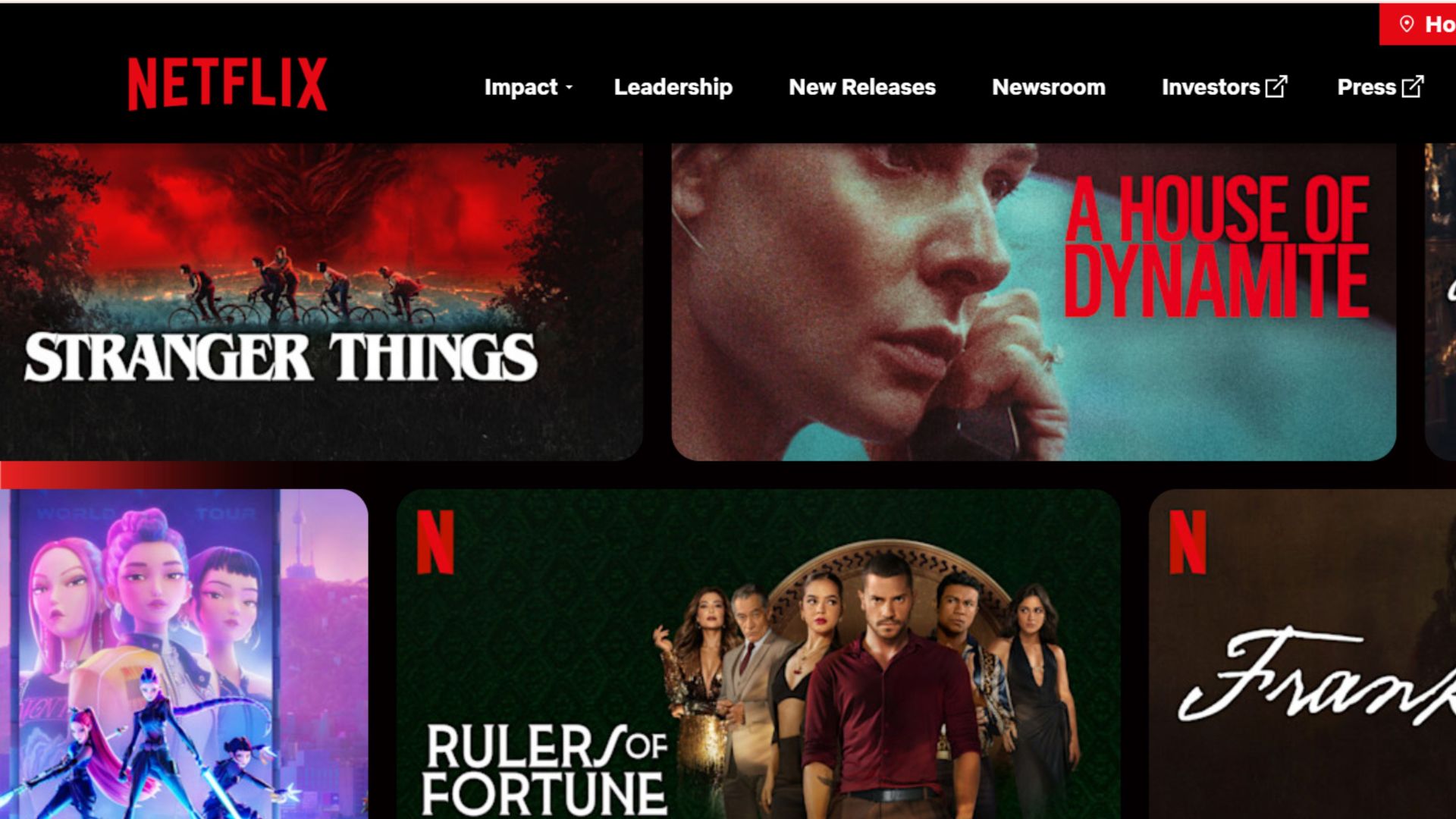
What it is: The streaming giant that started it all continues to lead the pack with the most extensive library of original series across every genre imaginable.
Who it's best for: Subscribers who want something for everyone in the household, from teen dramas to true crime documentaries to international hits. Netflix remains the go-to for binge-watchers who prioritize quantity alongside quality.
Key features: Netflix produces more original content than any other platform, with new series dropping weekly. Their algorithm-driven recommendations have become incredibly sophisticated, and their global production strategy means you'll find acclaimed series from South Korea, Spain, India, and beyond. The platform's commitment to releasing entire seasons at once (rather than weekly episodes) remains a major draw for binge enthusiasts.
Pricing: Plans range from budget-friendly ad-supported options around $7/month to premium 4K plans at approximately $23/month, with a standard ad-free tier in between.
Pros:
Largest selection of original series across all genres
Strong international content with excellent subtitling
Entire seasons released at once for uninterrupted binging
Sophisticated recommendation engine
Multiple user profiles with robust parental controls
Cons:
Quality varies significantly between productions
Tendency to cancel shows after one or two seasons
Rising subscription costs over the years
Rotating catalog means some titles disappear
Can feel overwhelming due to sheer volume of content
2. HBO Max
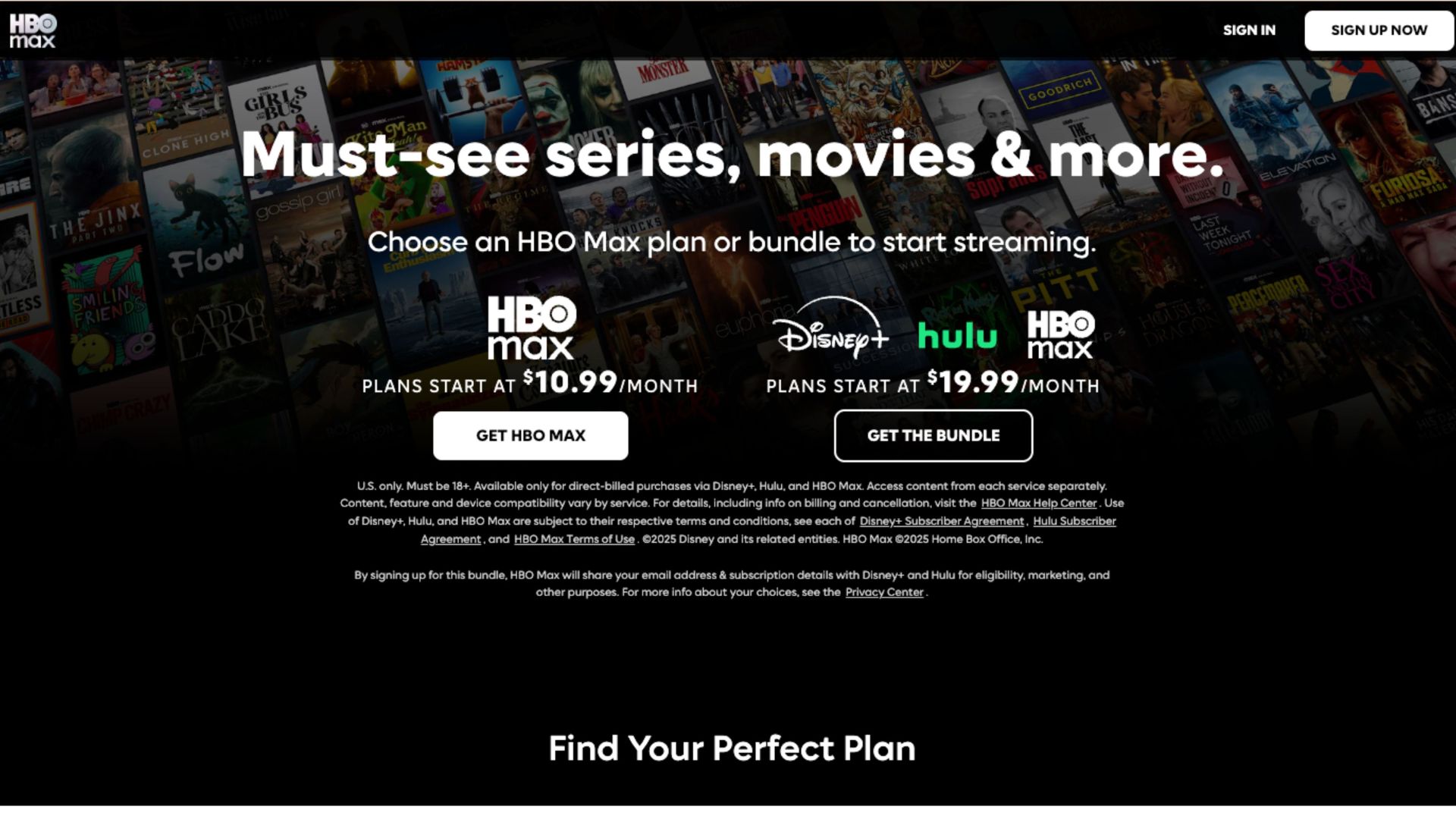
What it is: The premium streaming service from Warner Bros. Discovery, combining HBO's legendary reputation for quality television with an expanded library of originals.
Who it's best for: Viewers who prioritize quality over quantity and gravitate toward sophisticated dramas, thought-provoking limited series, and prestige television that sparks conversation.
Key features: HBO Max continues the HBO tradition of "it's not TV, it's HBO" with meticulously crafted series that often dominate awards season. Their originals include everything from epic fantasy to intimate character studies, and they've maintained their reputation for giving creators the time and budget to realize their vision. The platform also includes the entire HBO back catalog and Max Originals exclusive to the streaming service.
Pricing: Generally runs around $10/month for the ad-supported version and $16/month for ad-free, positioning it as a premium option.
Pros:
Consistently high production values and writing quality
Strong track record at major awards ceremonies
Excellent library of HBO classics alongside new originals
Curated feel makes browsing less overwhelming
Weekly release schedule builds anticipation and community discussion
Cons:
Smaller volume of new releases compared to competitors
Higher price point than many alternatives
Some Max Originals don't match HBO's quality standards
Limited family-friendly content compared to competitors
Fewer international productions than global platforms
3. Apple TV+
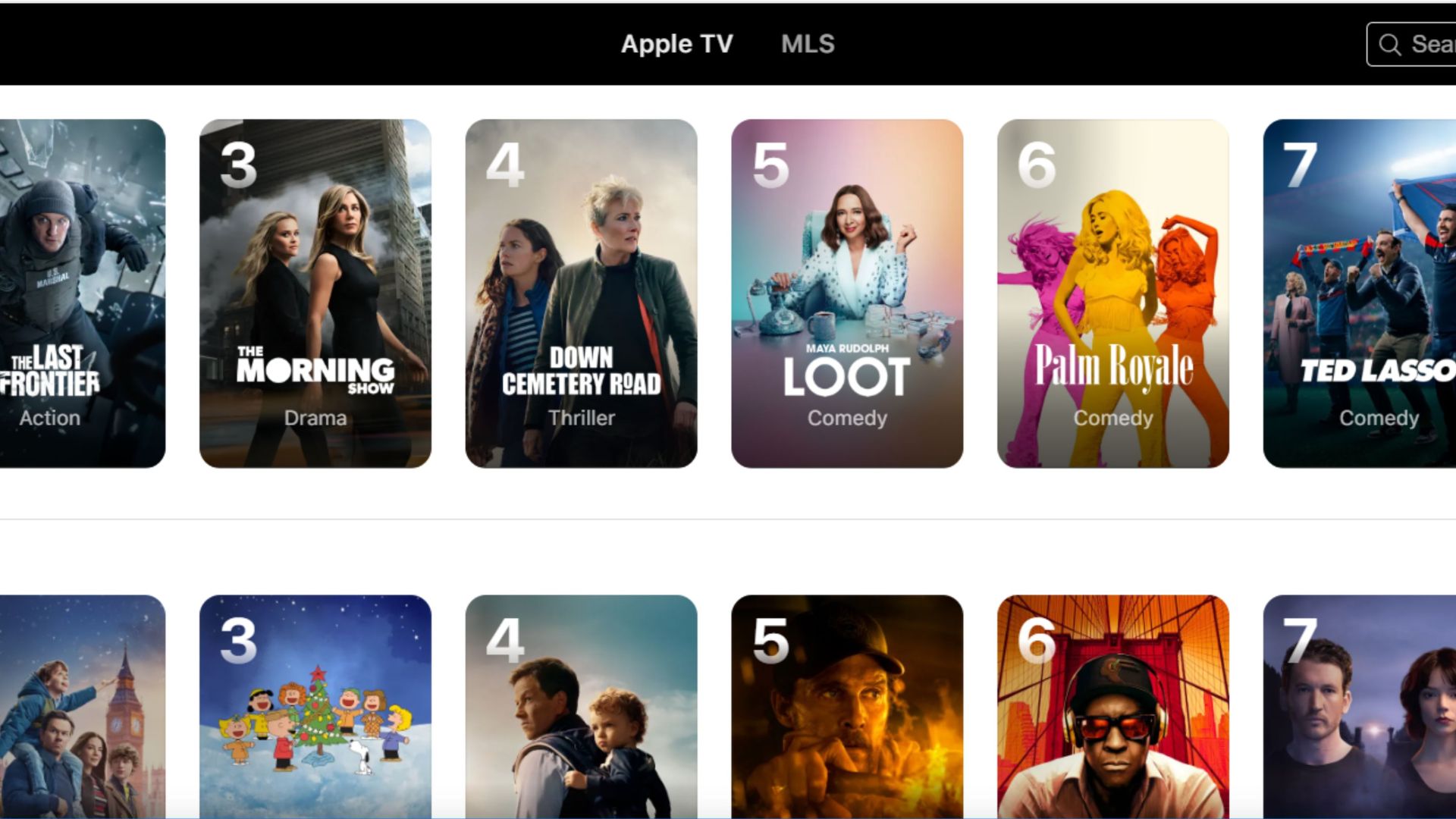
What it is: Apple's premium streaming service focuses exclusively on original content, with no licensed shows cluttering the interface—just Apple's own high-budget productions.
Who it's best for: Subscribers who want cinematic production values, A-list talent, and carefully curated series without wading through filler content. Perfect for those who value quality over endless options.
Key features: Apple TV+ takes a "less is more" approach, releasing fewer series but investing heavily in each one. Nearly every show features movie-level production design, acclaimed directors, and Hollywood's biggest names. The clean, minimalist interface reflects Apple's design philosophy, making it easy to find something worth watching. Their commitment to diverse storytelling has resulted in compelling series across sci-fi, drama, comedy, and documentary formats.
Pricing: One of the most affordable premium services at roughly $10/month, with generous free trial periods and bundles with other Apple services.
Pros:
Exceptional production quality across all originals
No licensed content means everything is exclusive
Affordable compared to other premium services
Family-friendly with excellent parental controls
Included with some Apple device purchases
Cons:
Much smaller library than competitors
May not provide enough content for daily viewing
Limited genre variety compared to larger platforms
Slower release schedule means waiting between favorite shows
Interface works best within Apple ecosystem
4. Amazon Prime Video
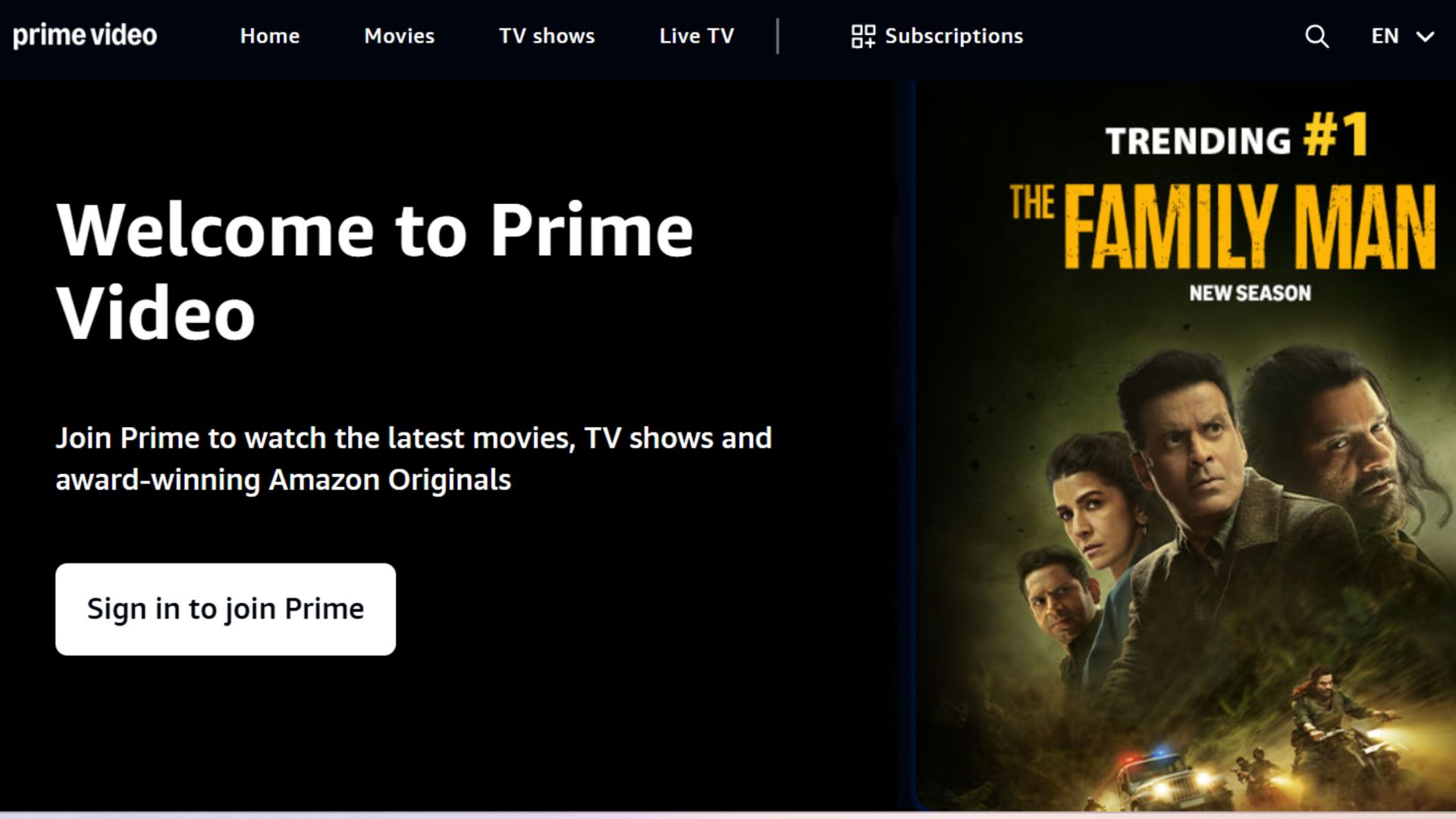
What it is: Amazon's streaming service combines original series with licensed content, included as a perk with Amazon Prime membership or available standalone.
Who it's best for: Prime members looking for solid value and viewers who appreciate genre flexibility, from fantasy epics to gritty dramas to experimental comedies.
Key features: Amazon has ramped up its investment in prestige television, producing everything from massive fantasy adaptations to intimate character dramas. Their willingness to take creative risks has resulted in some of the most unique series on streaming. The platform also excels at global content, with significant investments in series from India, Latin America, and Europe. Integration with live sports and additional channel subscriptions creates a comprehensive entertainment hub.
Pricing: Included with Amazon Prime membership (around $15/month or $139/year), or available standalone for approximately $9/month.
Pros:
Included with Prime membership's other benefits
Strong mix of blockbuster productions and experimental series
Excellent global content across multiple regions
Add-on channels let you customize your subscription
X-Ray feature provides cast and soundtrack information while watching
Cons:
Interface can feel cluttered with rental/purchase options
Inconsistent release schedules across different series
Some regions have limited content libraries
Quality varies significantly between productions
Navigating between included and paid content can be confusing
5. Disney+
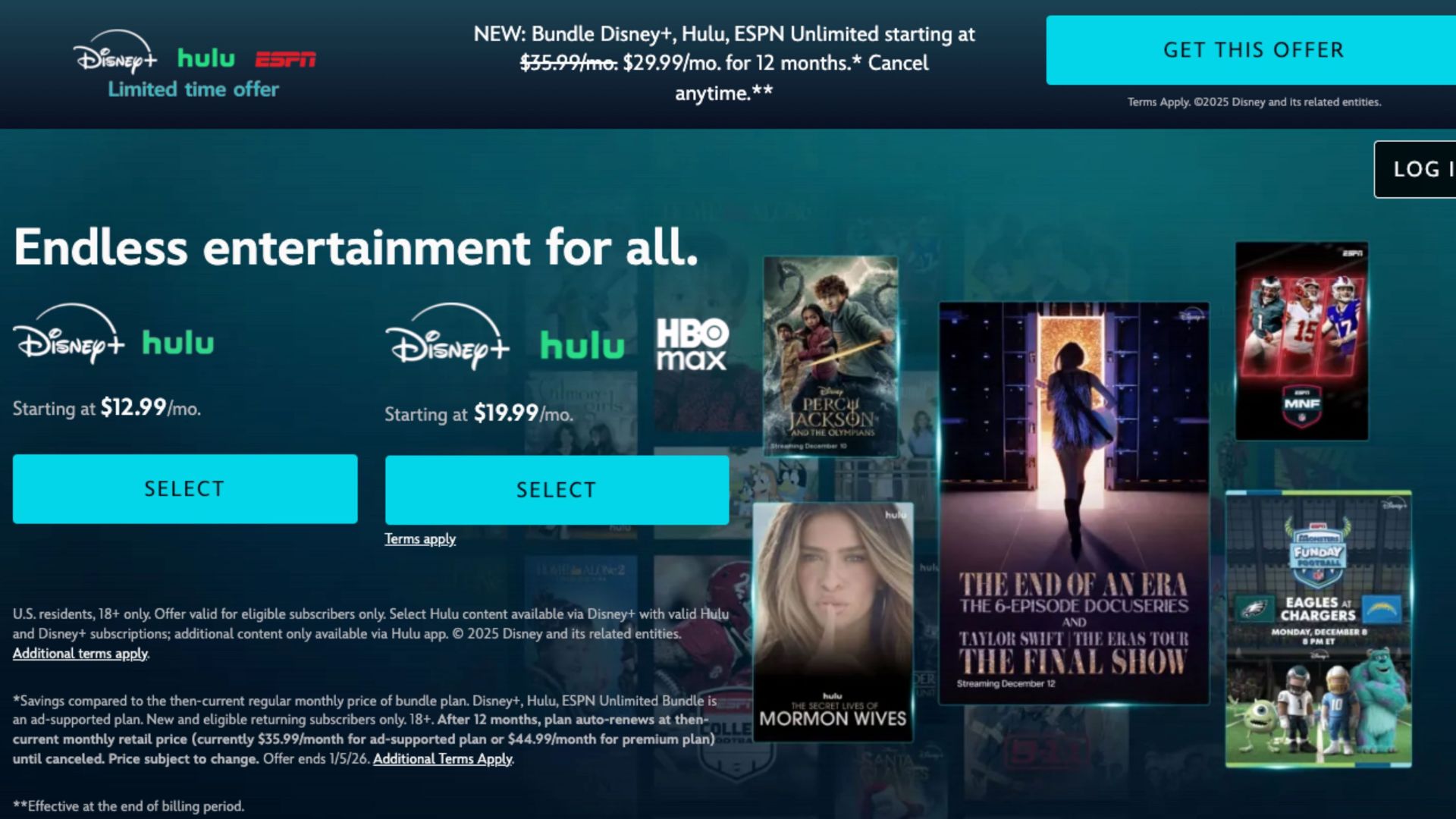
What it is: The streaming home for all things Disney, Marvel, Star Wars, Pixar, and National Geographic, with an increasing focus on high-budget original series within these franchises.
Who it's best for: Families with kids, Marvel superfans, Star Wars enthusiasts, and anyone who wants franchise extensions that feel like theatrical-quality productions.
Key features: Disney+ has revolutionized how major franchises expand beyond film, with series that feel like ten-hour movies rather than traditional television. Their Marvel and Star Wars originals directly connect to theatrical releases, making them essential viewing for fans following these universes. The platform has also begun investing in more adult-oriented content through the integrated Star hub in many regions, diversifying beyond family entertainment.
Pricing: Mid-range pricing around $8-14/month depending on the tier, with bundle options combining Disney+, Hulu, and ESPN+.
Pros:
Unmatched for Marvel and Star Wars franchise content
Excellent family-friendly library with classics and new originals
High production values rivaling theatrical releases
IMAX Enhanced viewing for select titles
Bundle deals provide exceptional value
Cons:
Heavy focus on franchise content over original concepts
Limited appeal if you're not invested in Disney properties
Adult-oriented content still developing in US market
Waiting between seasons can be lengthy
Most originals require franchise familiarity to fully appreciate
6. Hulu
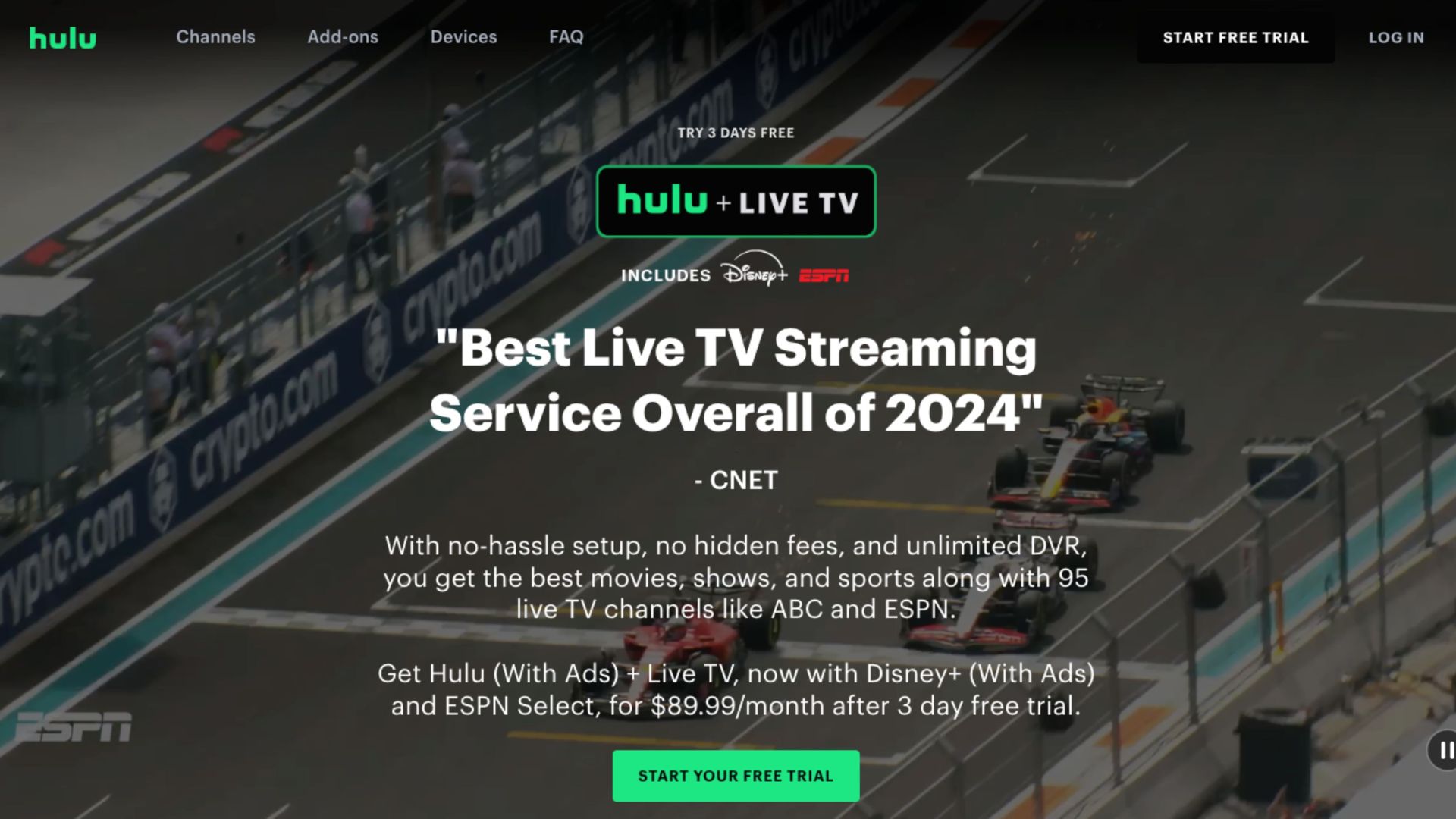
What it is: A streaming service that combines next-day access to current network shows with an impressive slate of original series, particularly from FX.
Who it's best for: Cord-cutters who still want access to current TV seasons, FX fans, and viewers who enjoy a mix of network shows and edgy original content.
Key features: Hulu's unique position allows it to offer both traditional TV convenience and streaming originals. Their partnership with FX has resulted in some of the most critically acclaimed series of recent years, while their own Hulu Originals span comedy, drama, and documentary. The next-day access to ABC, NBC, and Fox shows makes it particularly valuable for those who follow network television. Their interface has improved significantly, making discovery easier than in previous years.
Pricing: Ad-supported plans start around $8/month, with ad-free streaming at roughly $18/month, plus live TV bundle options.
Pros:
Next-day access to current network television
Strong collection of FX originals and exclusives
Good balance of comfort viewing and prestige series
Competitive pricing for ad-supported tier
Live TV options for those wanting cable replacement
Cons:
Ad-supported tier has frequent commercial breaks
Interface not as polished as some competitors
Content library can feel fragmented
Some shows have limited episode availability
Original content doesn't always match HBO or Apple quality
7. Paramount+
What it is: ViacomCBS's streaming platform featuring originals from the Star Trek universe, Paramount movies, and exclusive series from CBS, MTV, and other network brands.
Who it's best for: Star Trek devotees, reality TV fans, and subscribers who want a solid mix of nostalgia-driven franchises and new network content.
Key features: Paramount+ has found its identity by fully embracing the Star Trek universe, producing multiple interconnected series that have revitalized the franchise. Beyond Trek, the platform offers exclusive Taylor Sheridan dramas, reality competitions, and revivals of classic properties. Their investment in international versions of popular formats (like Survivor and The Challenge) provides fresh twists on familiar concepts. The service also includes live sports and news, adding value beyond scripted series.
Pricing: Two tiers available—an ad-supported option around $6/month and ad-free premium at approximately $12/month with Showtime included.
Pros:
Essential for Star Trek fans with multiple ongoing series
Showtime content included in premium tier
Strong reality TV and competition show library
Affordable entry-level pricing
CBS classics and current shows available
Cons:
Heavy reliance on franchise reboots over original concepts
Interface feels dated compared to competitors
Original series output beyond Star Trek is inconsistent
Ad-supported tier has more interruptions than rivals
Limited international appeal outside specific franchises
8. Peacock
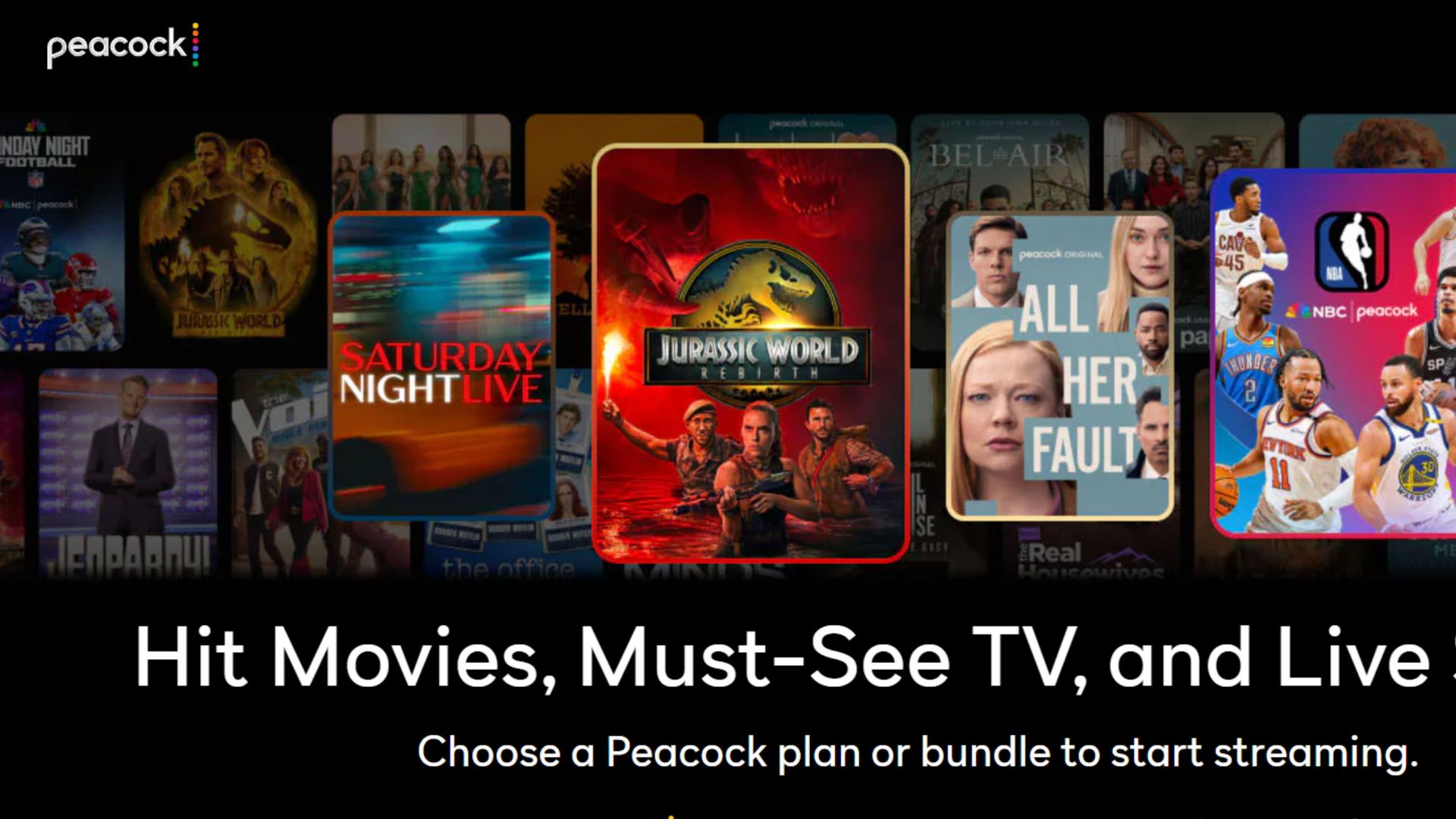
What it is: NBCUniversal's streaming service featuring original comedies, reboots of classic NBC properties, and exclusive series from the network's cable channels.
Who it's best for: Comedy lovers, NBC nostalgia seekers, and subscribers who want access to both classic sitcoms and new original series.
Key features: Peacock has carved out a niche as the comedy-forward streaming service, with original series that emphasize humor and lighter fare. Their commitment to reviving beloved NBC properties with original casts has created genuine must-watch moments. The platform also serves as the streaming home for Universal films and NBC Sports content. Their tiered free option lets viewers sample content before committing, though premium tiers unlock the best originals.
Pricing: Unique free tier with limited content and ads, plus paid tiers around $6/month (with ads) and $12/month (ad-free).
Pros:
Strong emphasis on comedy and lighthearted content
Free tier lets you try before subscribing
Excellent library of classic NBC sitcoms
Revivals often bring back original casts
NBC shows available next-day for premium subscribers
Cons:
Smaller original series library than major competitors
Free tier has very limited content
Original dramas haven't gained much traction
Interface can be difficult to navigate
Content feels heavily skewed toward NBC properties
9. AMC+
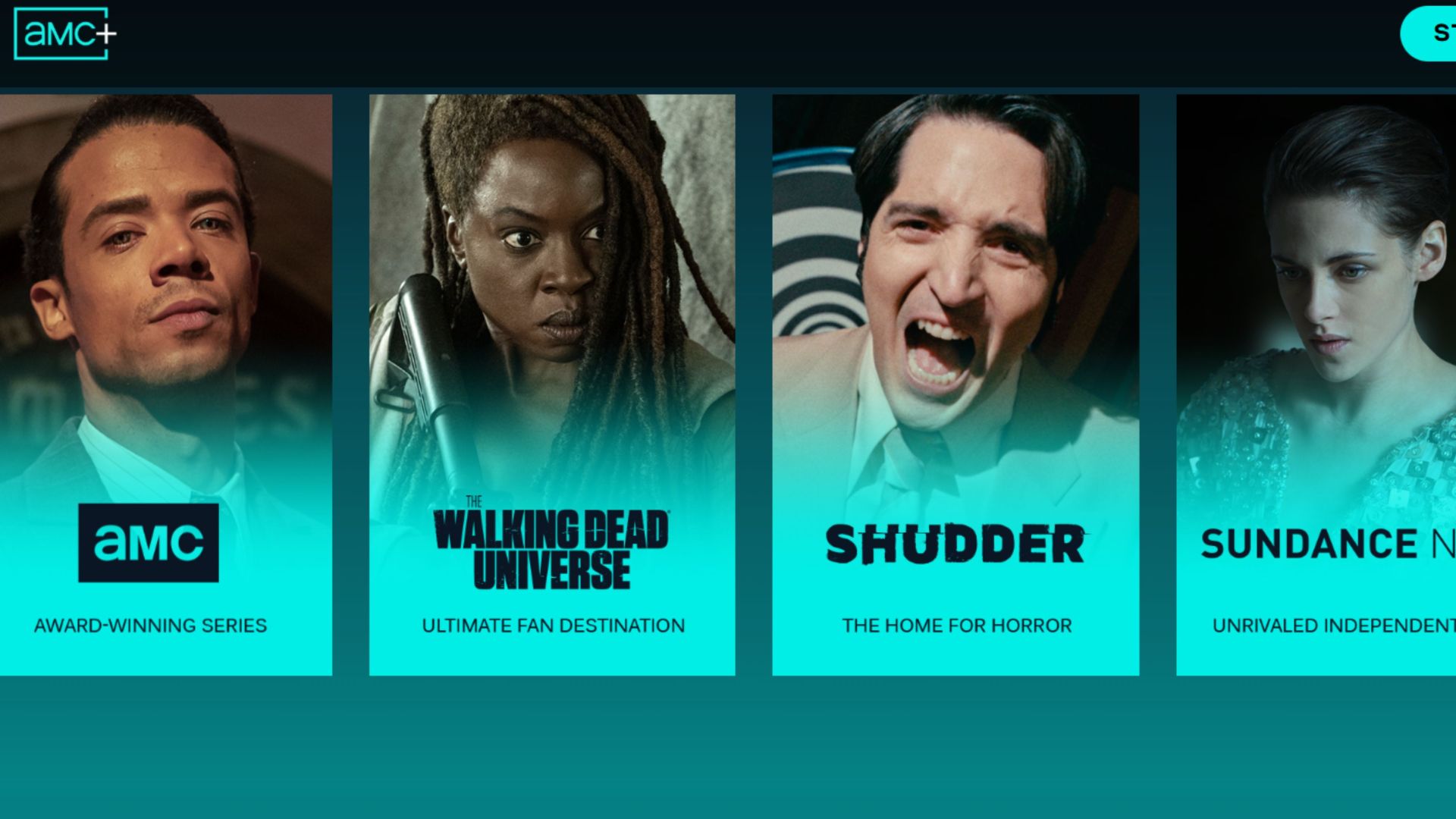
What it is: A niche streaming service from AMC Networks focusing on horror, thrillers, and character-driven dramas, including content from Shudder, Sundance Now, and IFC.
Who it's best for: Horror enthusiasts, fans of darker dramas, and subscribers seeking prestige series outside the mainstream.
Key features: AMC+ targets a specific audience that craves intense, atmospheric storytelling. The platform combines AMC's original series legacy (think The Walking Dead universe) with specialized content from their sub-brands. Shudder's horror collection is unmatched in streaming, while Sundance Now provides international crime dramas and IFC adds offbeat comedies. This curated approach means nearly everything on the platform fits a particular mood and quality level.
Pricing: Typically priced around $9/month, offering good value given the specialized content included.
Pros:
Best horror and thriller content across streaming
Strong international crime drama selection
Walking Dead universe for zombie fans
Curated library means less time browsing
No filler content—everything serves the target audience
Cons:
Very niche appeal limits general audience value
Smaller volume of new originals than major platforms
Dark tone across most content can feel repetitive
Limited family-friendly or comedy options
Some may prefer subscribing to individual services (Shudder, etc.)
10. Crunchyroll
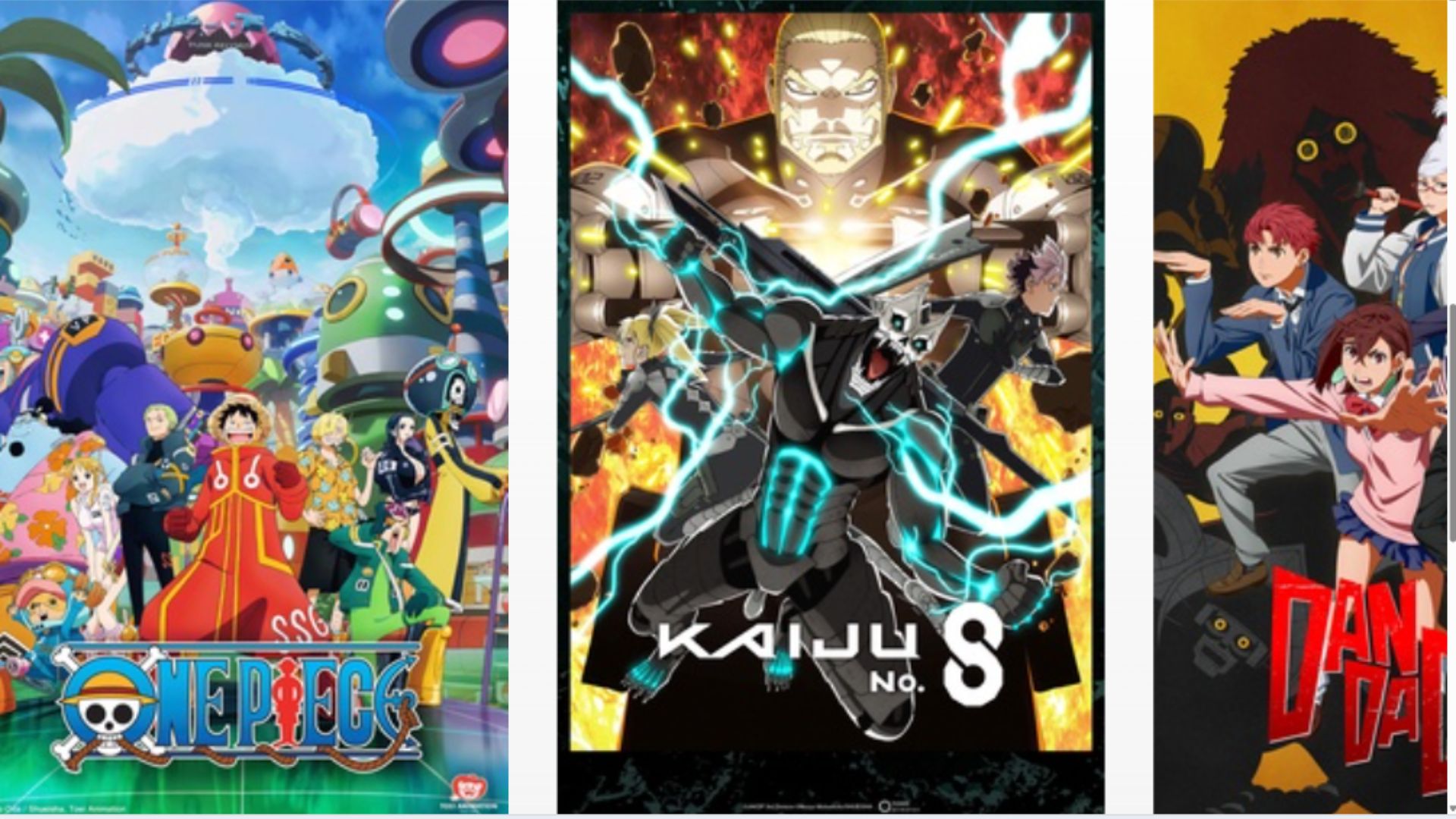
What it is: The leading anime streaming service offering the largest library of Japanese animation, including exclusive simulcasts and original productions.
Who it's best for: Anime fans, manga readers, and viewers interested in Japanese storytelling beyond what mainstream platforms offer.
Key features: Crunchyroll dominates the anime streaming landscape with simultaneous broadcasts of Japanese series (often within hours of their Japanese premiere), extensive back catalogs, and increasing investment in original anime productions. The platform has evolved from a niche service to the definitive anime destination, with exclusive rights to many of the most popular series. Their partnership with Sony has expanded their resources for original productions that rival Japanese studio quality.
Pricing: Ad-supported free tier available, with premium subscriptions around $8-15/month depending on features like offline viewing and premium simulcasts.
Pros:
Largest anime library across all streaming services
Simulcasts keep fans current with Japanese releases
Growing selection of original anime productions
Active community features and manga integration
Multiple subtitle and dub options for most series
Cons:
Exclusively anime content limits broader appeal
Free tier has ads and delayed episode access
Original productions still fewer than licensed content
Interface improvements needed for better discovery
May not satisfy casual anime viewers with mainstream platforms
What Are Streaming Services for Original Series?
Streaming services for original series are subscription-based platforms that produce and distribute their own exclusive television content. Unlike traditional networks or basic streaming libraries that primarily feature licensed shows, these services invest in creating series you can't watch anywhere else. Original series have become the primary battleground where streaming platforms compete for subscribers, with each service developing distinctive programming to stand out.
The "original series" label covers everything from big-budget dramas and sci-fi spectacles to intimate comedies and documentary series. These shows are typically released all at once or on weekly schedules, available on-demand without commercials (on ad-free tiers), and designed to keep subscribers engaged month after month.
Benefits of Subscribing to Streaming Services
On-Demand Viewing: Watch what you want, when you want, without being tied to broadcast schedules or appointment television.
Binge-Watching Freedom: Most streaming originals release entire seasons at once or in large batches, letting you consume stories at your own pace.
Creative Storytelling: Freed from network censorship and traditional runtime restrictions, streaming originals often take more creative risks and tackle complex subjects.
No Commercials: Ad-free tiers provide uninterrupted viewing experiences, while even ad-supported options have fewer interruptions than traditional TV.
Multiple Profiles: Most services allow several user profiles, each with personalized recommendations and separate watch histories.
Device Flexibility: Watch on your TV, laptop, tablet, or phone, picking up where you left off across devices.
Cost-Effective Entertainment: Compared to cable packages, streaming subscriptions offer substantial value, especially when shared among household members.
What to Look for When Choosing a Streaming Service
Content Alignment: Does the platform's original series match your interests? Consider whether you prefer prestige dramas, comedies, sci-fi, international content, or franchise extensions.
Release Volume: Some services drop new originals weekly while others have longer gaps between releases. Consider how much fresh content you need to stay satisfied.
Release Strategy: Do you prefer binge-watching entire seasons or following weekly episode releases that build anticipation?
Existing Subscriptions: Evaluate your current subscriptions to avoid overlap. Many households can get by with 2-4 carefully chosen services.
Bundling Options: Services like Disney+, Hulu, and Apple TV+ offer bundle deals that significantly reduce per-service costs.
Free Trials: Take advantage of trial periods to test interfaces, content libraries, and streaming quality before committing.
Video Quality: If you have a 4K TV, verify which tier includes UHD streaming, as some services charge extra for higher resolutions.
Simultaneous Streams: Check how many devices can stream at once if multiple household members will watch simultaneously.
Download Options: For travelers or those with unreliable internet, offline viewing capability matters.
Price Trajectory: Consider not just current costs but whether the service has a history of frequent price increases.
Frequently Asked Questions
How many streaming services should I subscribe to?
Most households find 2-4 services provides plenty of variety without overwhelming choice or excessive costs. Consider subscribing to one major service (like Netflix or Prime Video) for breadth, one prestige platform (like HBO Max or Apple TV+) for quality, and one specialized service matching your interests (like Crunchyroll for anime or AMC+ for horror). You can also rotate subscriptions, binging one platform's content before switching to another.
Are ad-supported tiers worth it?
Ad-supported tiers make sense if you're budget-conscious and don't mind commercial breaks, or if you're sampling a new service before committing to the premium version. However, the interruptions can diminish cinematic dramas and prestige series where immersion matters. For shows you're casually watching, ads are more tolerable than for your most anticipated series.
What's the difference between licensed content and originals?
Original series are produced by or exclusively for the streaming service—you can't watch them anywhere else. Licensed content consists of shows from other networks or studios that the platform pays to stream but that may eventually move to another service. Originals provide long-term value since they typically remain on the platform permanently, while licensed content rotates in and out.
Should I pay for multiple services or rotate subscriptions?
Both approaches work. Rotating subscriptions lets you binge a service's best content for 1-2 months, then cancel and move to another platform. This maximizes value but requires tracking which shows air when. Maintaining multiple simultaneous subscriptions provides constant variety and lets you follow weekly releases across platforms without waiting. Your choice depends on whether you prefer convenience or maximum cost savings.