Top 10 at a Glance
Yosemite National Park – Best for waterfall viewing at peak flow
Great Smoky Mountains – Best for spring wildflowers and accessibility
Zion National Park – Best for warm weather hiking
Acadia National Park – Best for coastal scenery and fewer crowds
Grand Teton National Park – Best for wildlife watching
Olympic National Park – Best for diverse ecosystems in one trip
Shenandoah National Park – Best for scenic drives and East Coast access
Rocky Mountain National Park – Best for alpine scenery and Trail Ridge Road opening
Joshua Tree National Park – Best for stargazing and desert camping
Cuyahoga Valley National Park – Best for Midwest families seeking easy access
1. Yosemite National Park, California
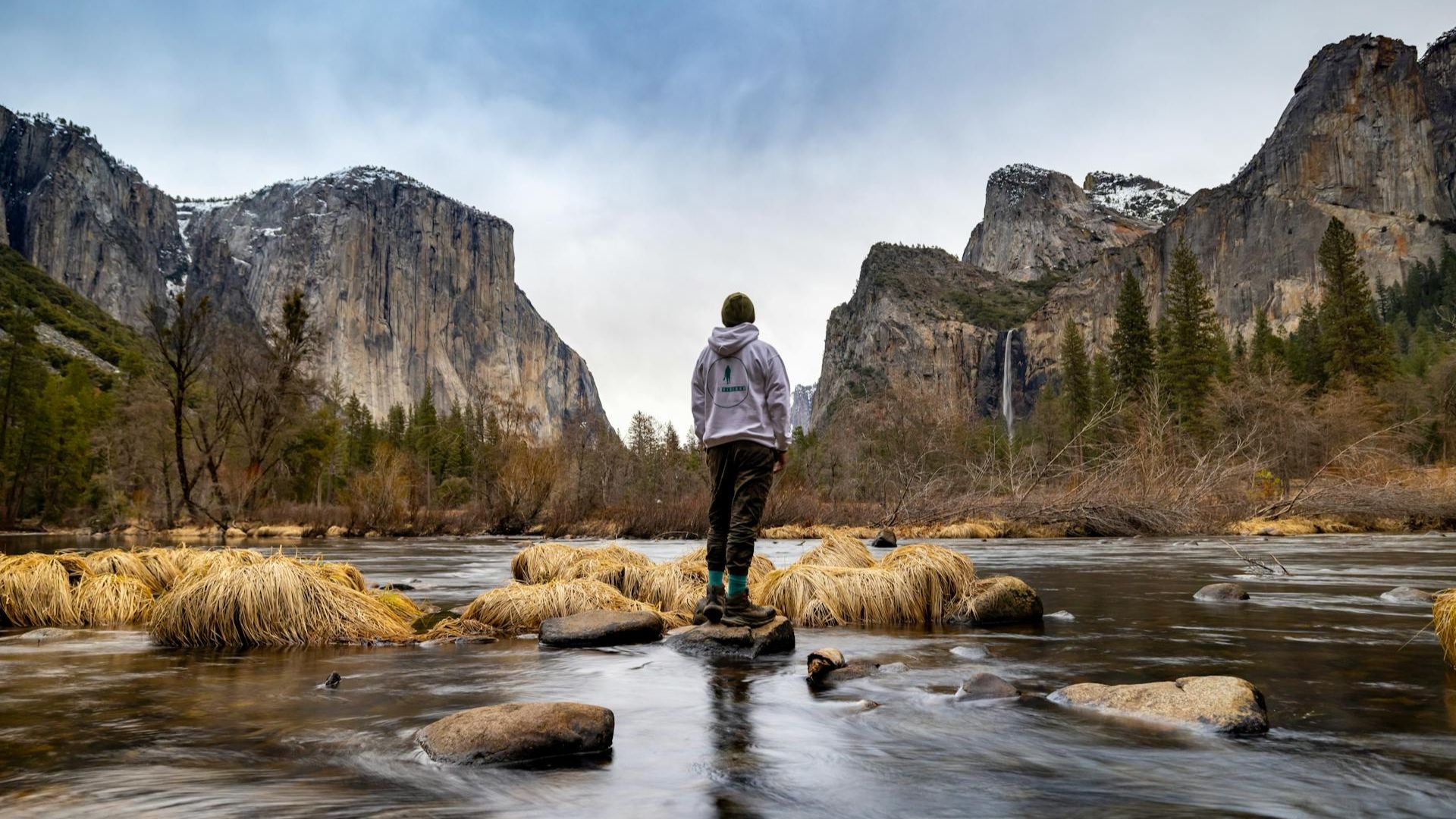
Yosemite during Memorial Day weekend showcases nature's power with waterfalls flowing at or near peak volume from snowmelt. Yosemite Falls, the tallest in North America at 2,425 feet, thunders with such force that mist soaks viewers at the base. The iconic granite formations—Half Dome, El Capitan—provide dramatic backdrops while meadows burst with wildflowers and dogwood trees bloom throughout the valley.
Who It's For: Photographers seeking dramatic waterfall shots, families wanting accessible valley attractions, hikers comfortable with wet and possibly icy higher elevation trails, and anyone who prioritizes natural spectacle over solitude.
Key Features: Yosemite Valley offers concentrated attractions within easy reach—Yosemite Falls, Bridalveil Fall, and multiple other cascades all visible from valley floor. The Mist Trail to Vernal Fall provides close-up waterfall experience (expect to get soaked from spray). Glacier Point Road typically opens by Memorial Day, providing breathtaking valley overlooks. Mariposa Grove of Giant Sequoias offers encounters with the world's largest trees. Rock climbing on El Capitan draws international climbers visible from below. High country trails may still have snow, requiring preparation. The valley shuttle system eliminates parking headaches. Campground and lodging reservations essential (book 5 months ahead). Bears are active—proper food storage mandatory. Tioga Pass usually remains closed (opens June), limiting through-traffic.
Pricing: $35 per vehicle (7-day pass); camping $18-$26 per night; Yosemite Valley lodges $150-$500+ per night; advanced reservations required for holiday weekend.
Pros:
Waterfalls at absolute peak flow and beauty
Valley attractions accessible without difficult hiking
Wildflower blooms throughout meadows
Iconic granite formations and landscapes
Relatively warm valley temperatures (70s-80s°F)
Shuttle system reduces traffic stress
Excellent facilities and visitor services
Cons:
Extremely crowded during holiday weekend
Accommodations book months in advance
High elevation trails may have snow/ice
Bears require vigilant food storage
Parking extremely challenging in valley
Mist from waterfalls makes trails slippery
Tioga Pass closed limits park access
2. Great Smoky Mountains National Park, North Carolina/Tennessee
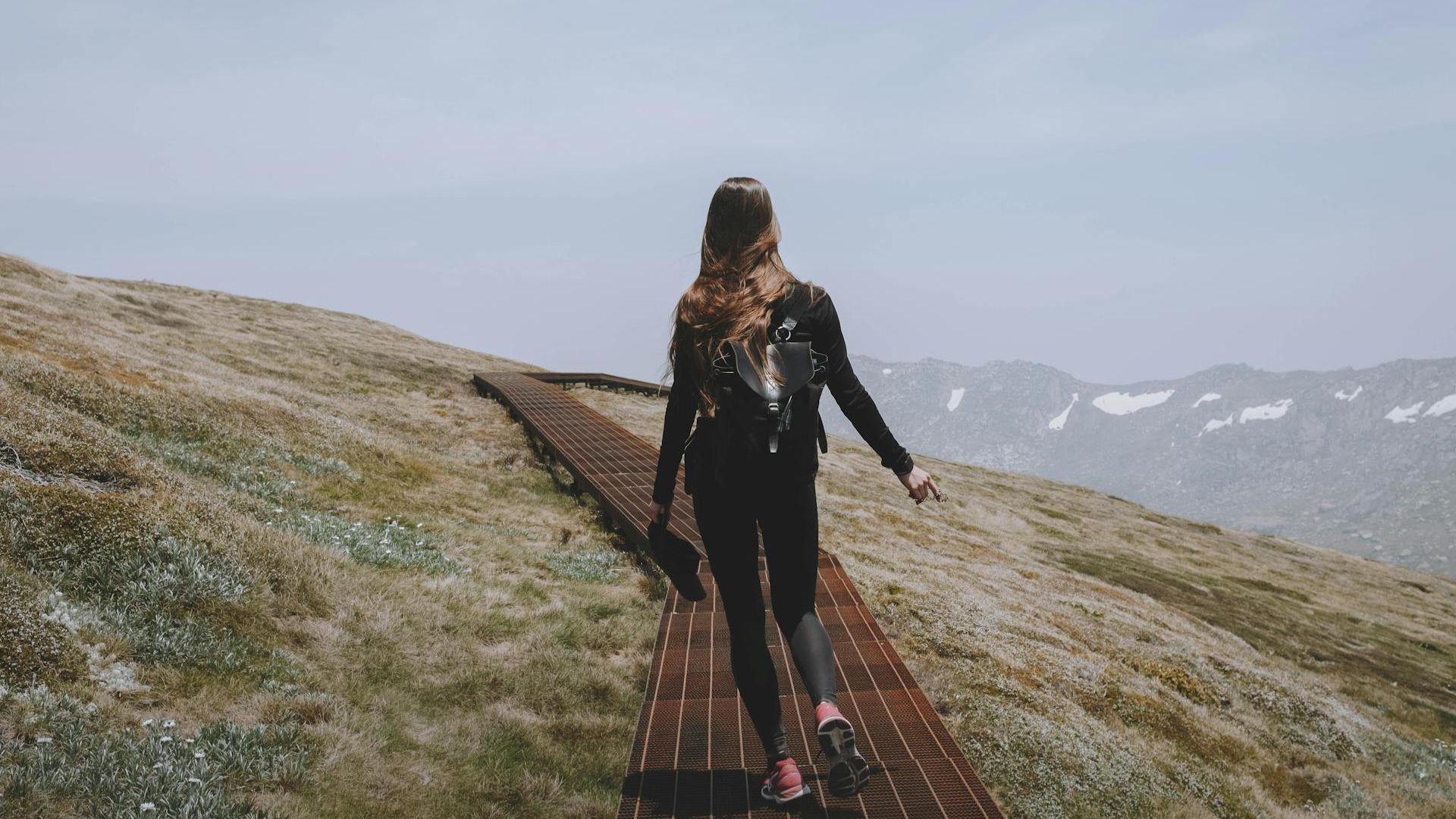
Great Smoky Mountains is America's most-visited national park, and Memorial Day brings spring wildflowers at peak bloom, with over 1,500 flowering plant species creating natural gardens throughout the park. The temperate climate, free entrance (no fee required), and location within a day's drive of major Eastern cities make it exceptionally accessible for long weekend getaways.
Who It's For: East Coast families seeking easy access, wildflower enthusiasts, history buffs interested in Appalachian culture, and budget-conscious travelers (free entrance saves money for families).
Key Features: Cades Cove Loop offers 11-mile scenic drive through historic valley with wildlife viewing (deer, black bears, turkeys) and preserved homesteads and churches. Newfound Gap Road crosses the park connecting Tennessee and North Carolina with pullouts showcasing mountain vistas. Over 800 miles of trails range from easy nature walks to challenging summit hikes. Synchronous fireflies (late May-early June) create natural light shows in specific areas if your timing is perfect. Historic structures including log cabins, barns, and grist mills preserve Appalachian heritage. Laurel and rhododendron blooms peak in late May. The park receives heavy rainfall, creating lush forests but requiring rain gear. Black bears are active—viewing possible but maintain safe distance. Free entrance eliminates per-vehicle fee burden. Gatlinburg and Pigeon Forge nearby provide lodging and dining options.
Pricing: Free park entrance (no entrance fee); camping $17.50-$25 per night; nearby town lodging $100-$300+ per night depending on proximity and quality.
Pros:
Free entrance saves money
Peak wildflower bloom season
Accessible location for Eastern US residents
Rich Appalachian history and culture
Abundant wildlife viewing opportunities
Over 800 miles of trails for all abilities
Nearby towns provide ample lodging
Cons:
Most-visited park means significant crowds
Cades Cove Loop experiences traffic congestion
Weather can be rainy and unpredictable
Cell service limited throughout park
Higher elevations can be cool and foggy
Black bear encounters require caution
Popular trails very crowded on holiday weekend
3. Zion National Park, Utah
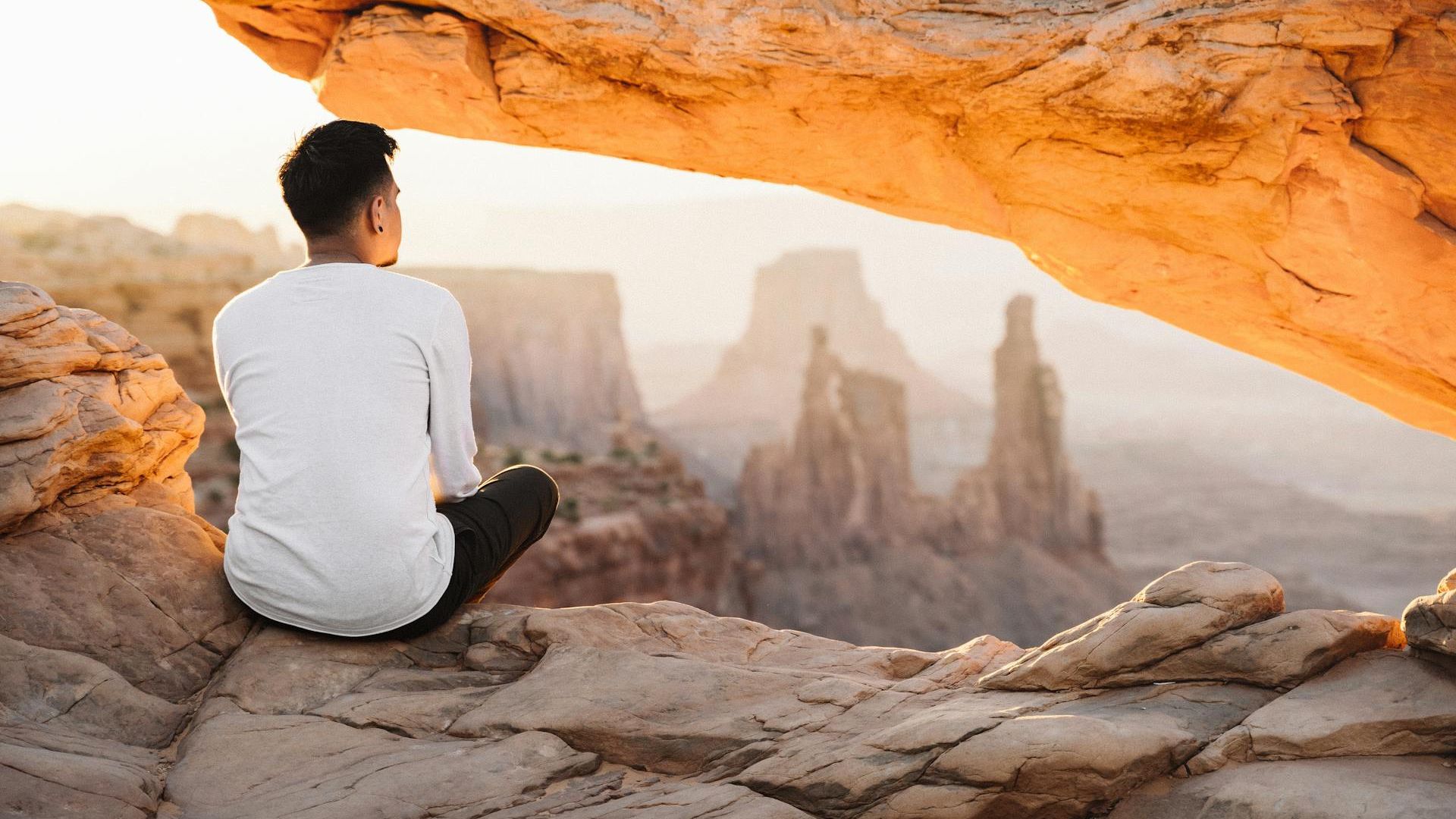
Zion National Park in late May offers ideal hiking weather with warm days (80s-90s°F), flowing waterfalls and creeks from snowmelt, and desert wildflowers blooming. The famous Angels Landing and Narrows hikes are accessible without extreme heat, while the park's shuttle system (mandatory in main canyon) efficiently moves visitors and reduces environmental impact.
Who It's For: Adventurous hikers seeking iconic trails, photographers capturing red rock landscapes, families with older kids ready for moderate hiking, and anyone escaping lingering spring cold in northern states.
Key Features: Angels Landing provides one of America's most thrilling hikes with chains assisting the final exposed climb to stunning summit views (permit now required). The Narrows hike through Virgin River canyon offers unique experience walking in water between towering walls (water levels suitable in late May). Emerald Pools trails provide easier family-friendly hikes to hanging gardens and waterfalls. Canyon Overlook Trail offers spectacular views with minimal effort. Zion Canyon Scenic Drive accessible only via shuttle (eliminates parking stress). Springdale just outside park entrance provides lodging, dining, and outfitter services. Rock climbing on Zion's sandstone walls attracts enthusiasts. Kolob Canyons section in northwest corner offers less-crowded alternative. Weather warm enough for water activities without summer's extreme heat. Sunrise and sunset light on red rock formations creates photographer's paradise.
Pricing: $35 per vehicle (7-day pass); camping $20-$30 per night; Springdale lodging $150-$400+ per night; Angels Landing permit $6 (lottery system).
Pros:
Perfect hiking temperatures (not too hot yet)
Iconic trails like Angels Landing and Narrows accessible
Stunning red rock scenery
Mandatory shuttle reduces traffic congestion
Waterfalls and creeks flowing well
Nearby Springdale provides excellent services
Less crowded than peak summer months
Cons:
Angels Landing requires advance permit (lottery)
Still quite crowded during holiday weekend
Shuttle wait times can be long
Limited camping availability (book early)
Narrows requires proper gear (rent in Springdale)
Exposed trails can be hot midday
Flash flood danger if afternoon storms develop
4. Acadia National Park, Maine
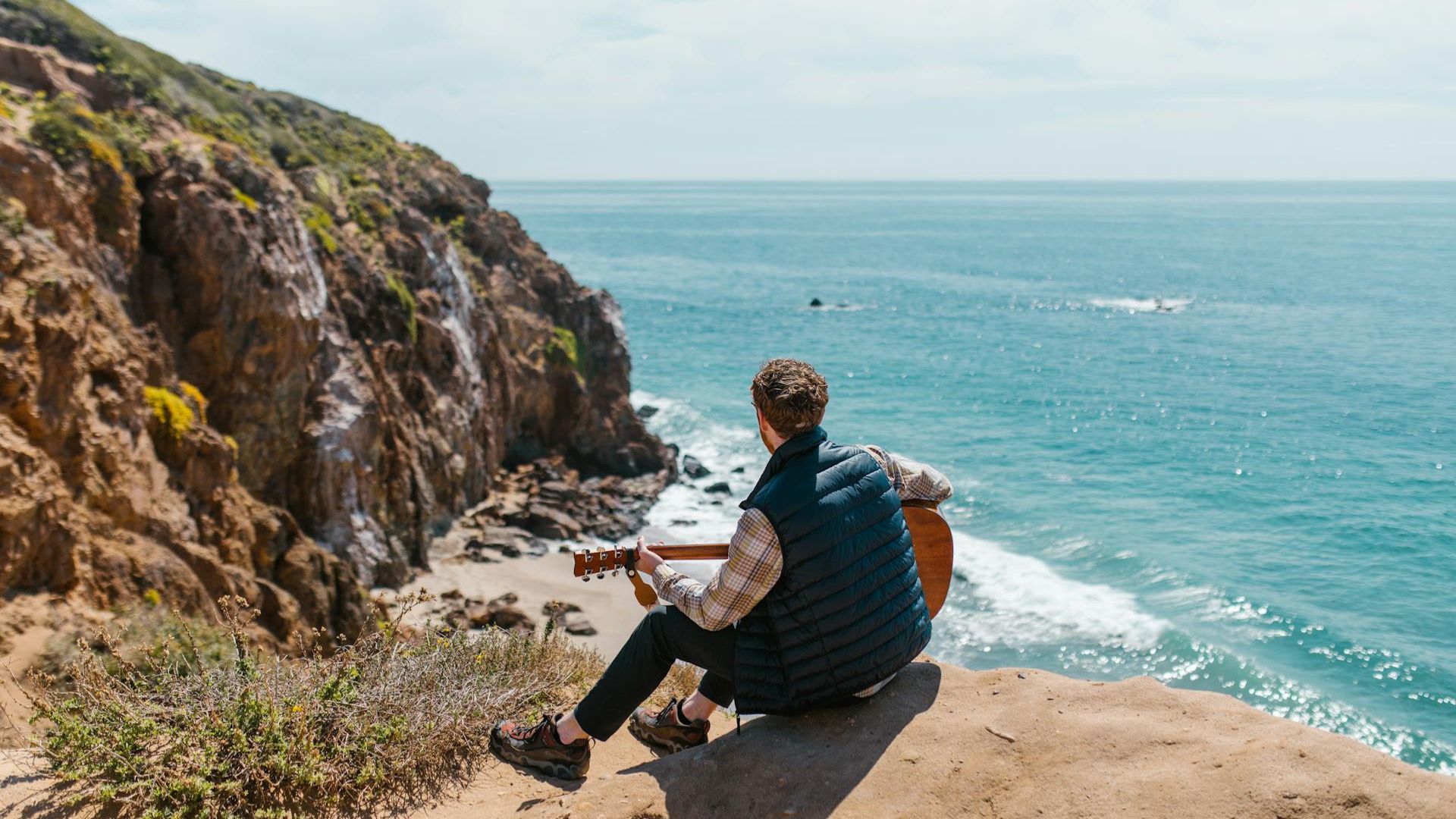
Acadia National Park on Maine's rocky coast offers Memorial Day visitors the perfect combination of accessibility, seasonal beauty, and manageable crowds before peak summer tourism. The park features mountain and coastal scenery, charming nearby Bar Harbor, and the opportunity to watch sunrise from Cadillac Mountain—the first place in the United States to see dawn during certain times of year.
Who It's For: Northeast residents seeking nearby nature, families wanting diverse activities (hiking, biking, coastline exploration), photography enthusiasts capturing coastal landscapes, and travelers seeking cooler temperatures during holiday weekend.
Key Features: Cadillac Mountain summit accessible by car or hiking provides panoramic Atlantic Ocean and island views. Park Loop Road (27 miles) showcases coastal highlights including Thunder Hole where waves crash into natural rock formation. Jordan Pond offers easy loop trail with famous lawn restaurant serving popovers. Carriage roads (45 miles of gravel paths) built by Rockefeller family provide car-free biking and walking. Precipice Trail (when open—often closed for peregrine falcon nesting) offers thrilling iron rung climbing. Sand Beach provides rare sandy Atlantic shoreline (water cold but swimmable for hardy souls). Bar Harbor adjacent to park offers New England charm, restaurants, and lodging. Island Explorer shuttle system (free) operates within park and to Bar Harbor. Spring temperatures mild (50s-60s°F) perfect for active exploration. Lupine wildflowers begin blooming. Less crowded than July-August peak.
Pricing: $30 per vehicle (7-day pass); camping $22-$30 per night; Bar Harbor lodging $150-$400+ per night; free Island Explorer shuttle within park.
Pros:
Dramatic coastal and mountain scenery
Charming Bar Harbor provides excellent services
Free shuttle system within park
Carriage roads perfect for families with kids
Less crowded than summer peak
Diverse activities (hiking, biking, coastline)
Cooler temperatures comfortable for hiking
Cons:
Weather can be cool, rainy, and foggy
Ocean water very cold for swimming
Some trails may be closed for wildlife
Parking challenging at popular spots
Memorial Day marks beginning of tourist season
Accommodations more expensive than off-season
Cadillac Mountain sunrise means 4:30 AM alarm
5. Grand Teton National Park, Wyoming
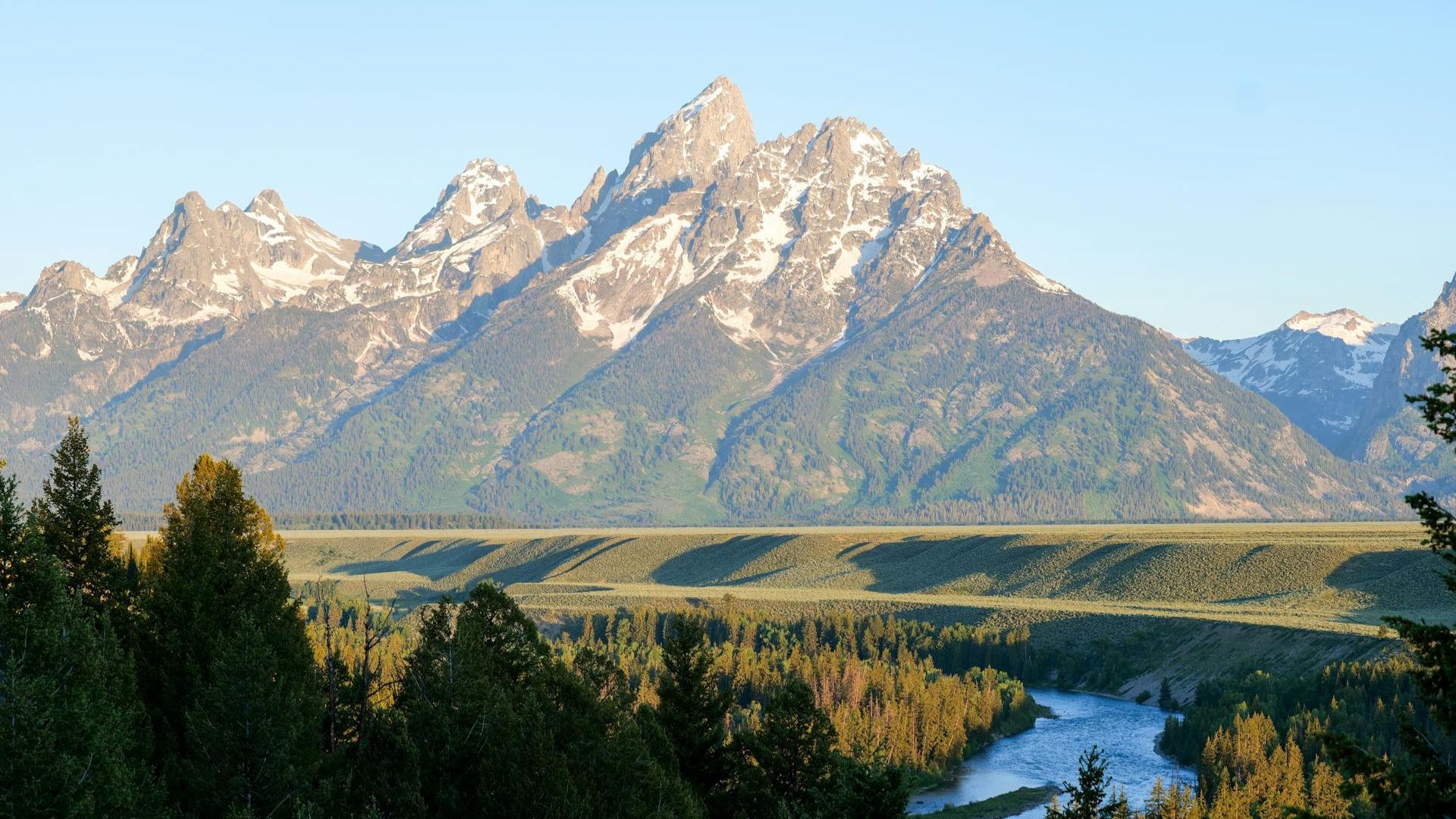
Grand Teton National Park during Memorial Day offers spectacular wildlife watching as animals emerge from winter, dramatic mountain scenery with snow-capped peaks, and fewer crowds than nearby Yellowstone. The valley location provides comfortable temperatures while surrounding mountains retain dramatic snowpack, creating postcard-perfect landscapes with wildflowers beginning to bloom in lower elevations.
Who It's For: Wildlife photographers and enthusiasts, families wanting accessible mountain scenery without extensive hiking, landscape photographers, and travelers seeking Wyoming's iconic Western landscapes.
Key Features: Wildlife viewing exceptional in Antelope Flats area—moose, elk, pronghorn, bison, and black bears commonly spotted. Oxbow Bend provides classic Teton Range reflection photos with Mount Moran backdrop. Jenny Lake offers boat shuttle to Cascade Canyon for moderate hiking without circumnavigating entire lake. Mormon Row historic district features iconic barns with Teton backdrop (photographed endlessly). Signal Mountain Drive provides easy summit access for panoramic views. Taggart Lake and Bradley Lake trails offer accessible hiking with mountain views. Jackson Hole nearby provides western town atmosphere, restaurants, and lodging. Lower elevation trails accessible while high alpine routes remain snow-covered. Wildflowers begin blooming in valley. Cooler temperatures (60s-70s°F days, 30s-40s°F nights) comfortable for hiking. Some campgrounds open by Memorial Day. National Elk Refuge adjacent to park (elk migration mostly complete by late May).
Pricing: $35 per vehicle (7-day pass); camping $27-$34 per night; Jackson Hole lodging $150-$500+ per night depending on season and property.
Pros:
Exceptional wildlife viewing opportunities
Dramatic mountain scenery without difficult hiking
Less crowded than neighboring Yellowstone
Comfortable spring temperatures
Wildflowers beginning to bloom in valleys
Jackson Hole provides western town experience
Photography opportunities around every corner
Cons:
High elevation trails remain snow-covered
Nights can be quite cold (freezing possible)
Wildlife requires safe viewing distance
Some facilities and campgrounds still closed
Weather can change rapidly (snow possible)
Jackson Hole lodging expensive
Bear awareness and food storage critical
6. Olympic National Park, Washington
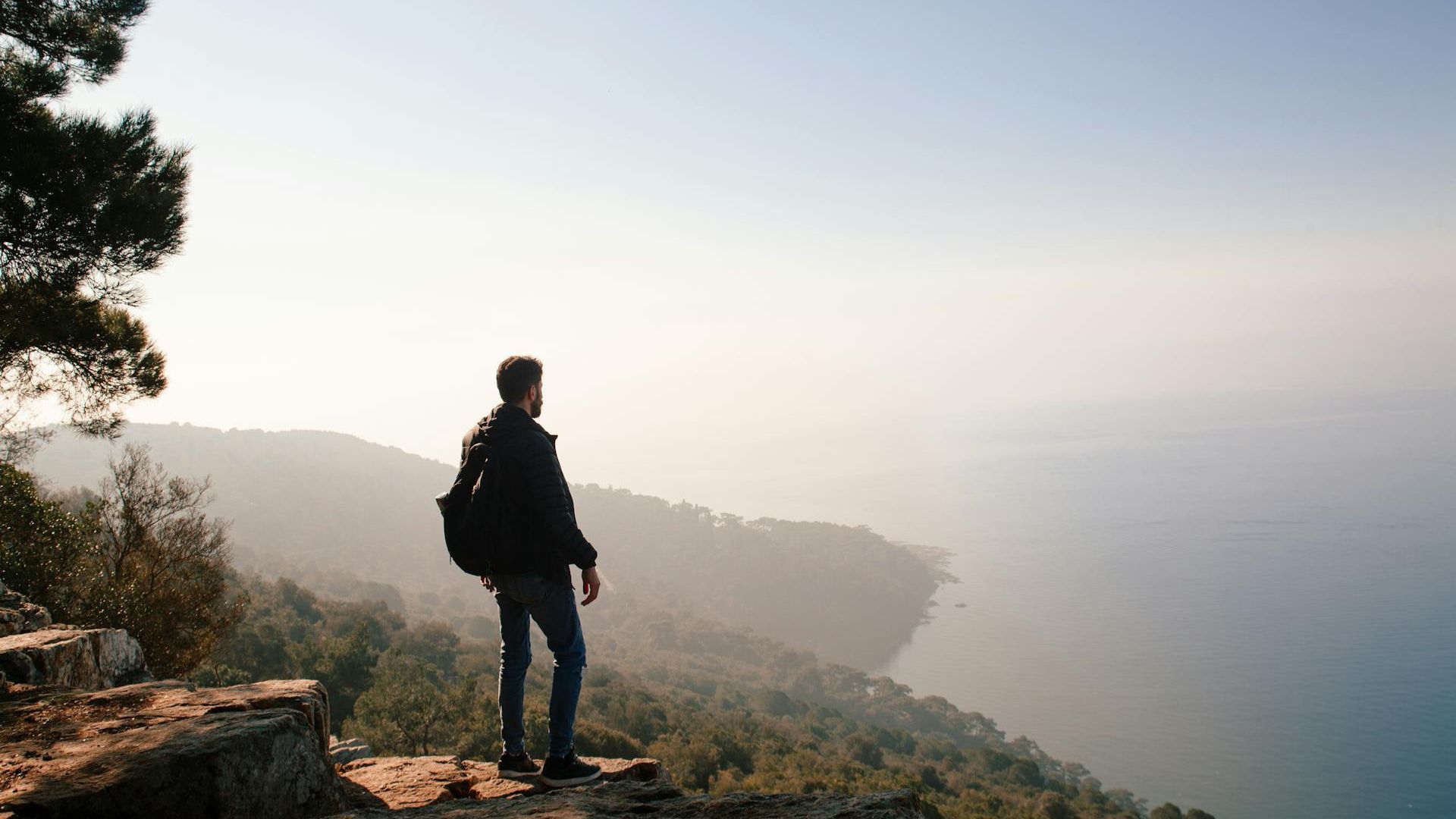
Olympic National Park offers unmatched ecosystem diversity—temperate rainforest, alpine mountains, and rugged Pacific coastline—all within one park visit. Memorial Day timing means the park is transitioning to summer operations with most roads open, wildflowers blooming in subalpine meadows, and comfortable temperatures in lower elevations, though higher trails may retain snow.
Who It's For: Adventurers seeking diverse landscapes in single trip, Pacific Northwest enthusiasts, families wanting variety, and travelers who don't mind potential rain (it's the rainforest, after all).
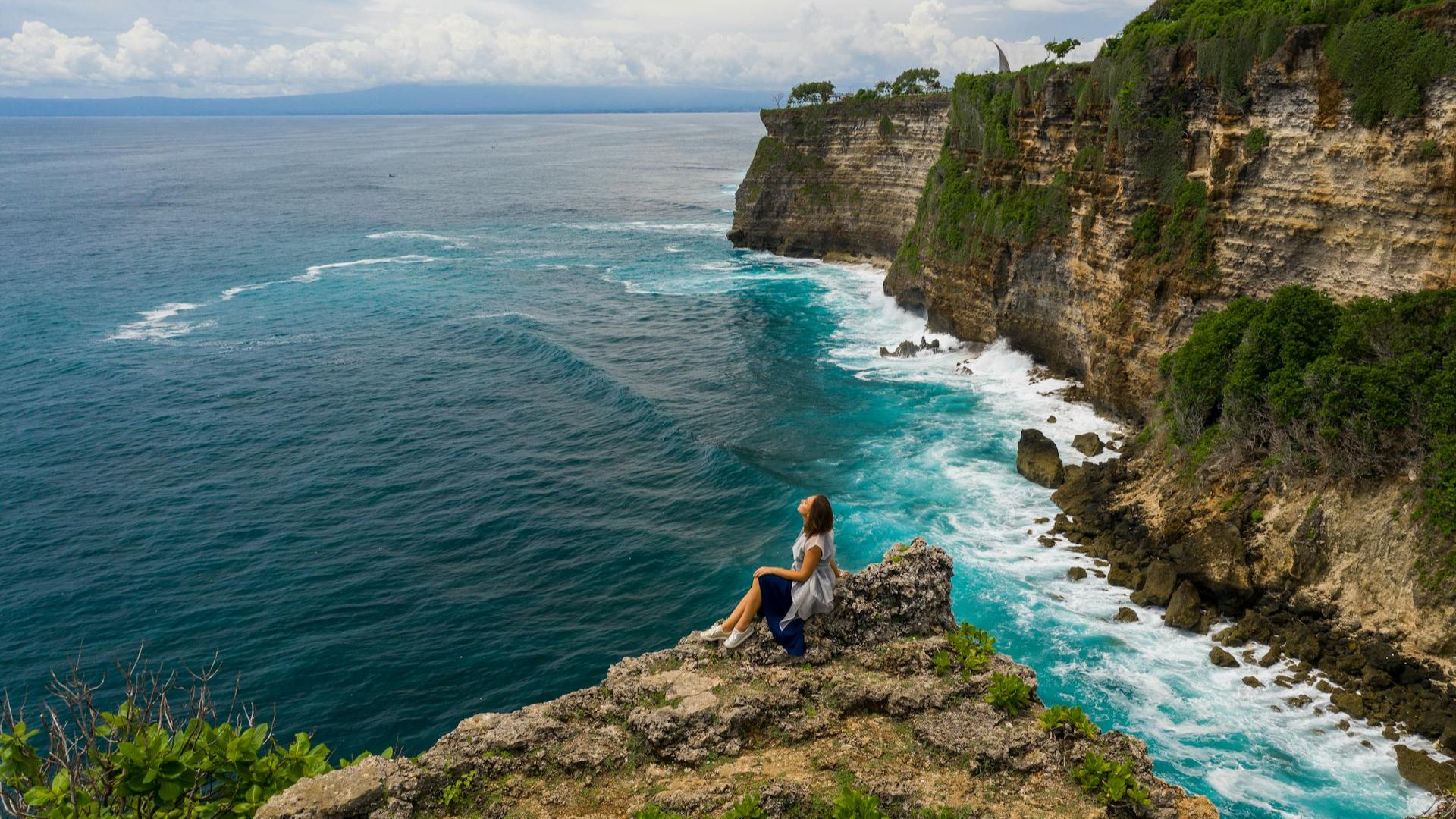
Key Features: Hoh Rain Forest features massive Sitka spruce and western hemlock trees draped with moss in one of few temperate rainforests globally. Hurricane Ridge provides mountain vistas and subalpine meadow wildflowers (road typically open by Memorial Day). Ruby Beach and other coastal areas offer dramatic sea stacks, tide pools, and Pacific Ocean scenery. Sol Duc Hot Springs provides relaxing soaks after hiking (additional fee). Lake Crescent offers pristine mountain lake with clear blue water. Over 600 miles of trails range from easy forest walks to challenging alpine routes. Port Angeles serves as gateway town with services. Three distinct park sections (coast, rainforest, mountains) require planning for efficient visiting. Weather varies dramatically by location—rainforest wet, mountains cool, coast foggy. Black bears common in forest areas. Camping available throughout park.
Pricing: $30 per vehicle (7-day pass); camping $20-$24 per night; Port Angeles lodging $100-$250 per night; Sol Duc Hot Springs $17 day use fee.
Pros:
Three distinct ecosystems in one park
Dramatic Pacific coastline
Unique temperate rainforest experience
Hurricane Ridge offers accessible mountain views
Less crowded than many major parks
Diverse activities for varied interests
Wildlife viewing opportunities
Cons:
Weather often rainy (it's called rainforest)
Park sections spread out (significant driving)
Higher elevation trails may have snow
Cell service very limited
Some roads close seasonally (verify before trip)
Foggy coast reduces visibility
Requires multiple days to see all sections properly
7. Shenandoah National Park, Virginia
Shenandoah National Park's 105-mile Skyline Drive offers one of America's most scenic roadways with overlooks showcasing the Blue Ridge Mountains in spring splendor. Memorial Day brings wildflower blooms, waterfalls flowing well, comfortable temperatures, and accessibility for East Coast residents who can reach the park within hours from major metropolitan areas.
Who It's For: East Coast families seeking accessible mountain escape, scenic drive enthusiasts, waterfall chasers, older travelers wanting beauty without strenuous hiking, and weekend warriors from DC, Maryland, and Virginia.
Key Features: Skyline Drive runs 105 miles along mountain crest with 75 overlooks providing Shenandoah Valley and Piedmont views. Over 500 miles of hiking trails include sections of Appalachian Trail (AT passes through entire park length). Old Rag Mountain provides challenging scramble to summit with 360-degree views (extremely popular—arrive early). Dark Hollow Falls and Whiteoak Canyon offer waterfall hikes. Wildflowers peak in May with azaleas, mountain laurel, and numerous species blooming. Black bears active (viewing common but maintain distance). Big Meadows provides facilities, lodging, and camping centrally located. Entry possible from four different entrances along Skyline Drive. Close proximity to Washington DC (70 miles) makes weekend trip easy. Spring temperatures comfortable (60s-70s°F days). Less crowded than peak fall foliage season. Luray Caverns nearby offers underground attractions.
Pricing: $30 per vehicle (7-day pass); camping $15-$30 per night; Big Meadows Lodge $130-$250 per night; pass valid for 7 consecutive days.
Pros:
Scenic Skyline Drive accessible to all abilities
Close proximity to DC and Eastern cities
Wildflowers and waterfalls at peak
Over 500 miles of trails for all levels
Comfortable spring temperatures
Multiple entry points along park
Wildlife viewing opportunities
Cons:
Skyline Drive traffic can be slow
Popular trails like Old Rag extremely crowded
Weather can be rainy and foggy
Cell service limited along drive
Some facilities still closed seasonally
Black bears require proper food storage
Memorial Day weekend brings significant visitors
8. Rocky Mountain National Park, Colorado
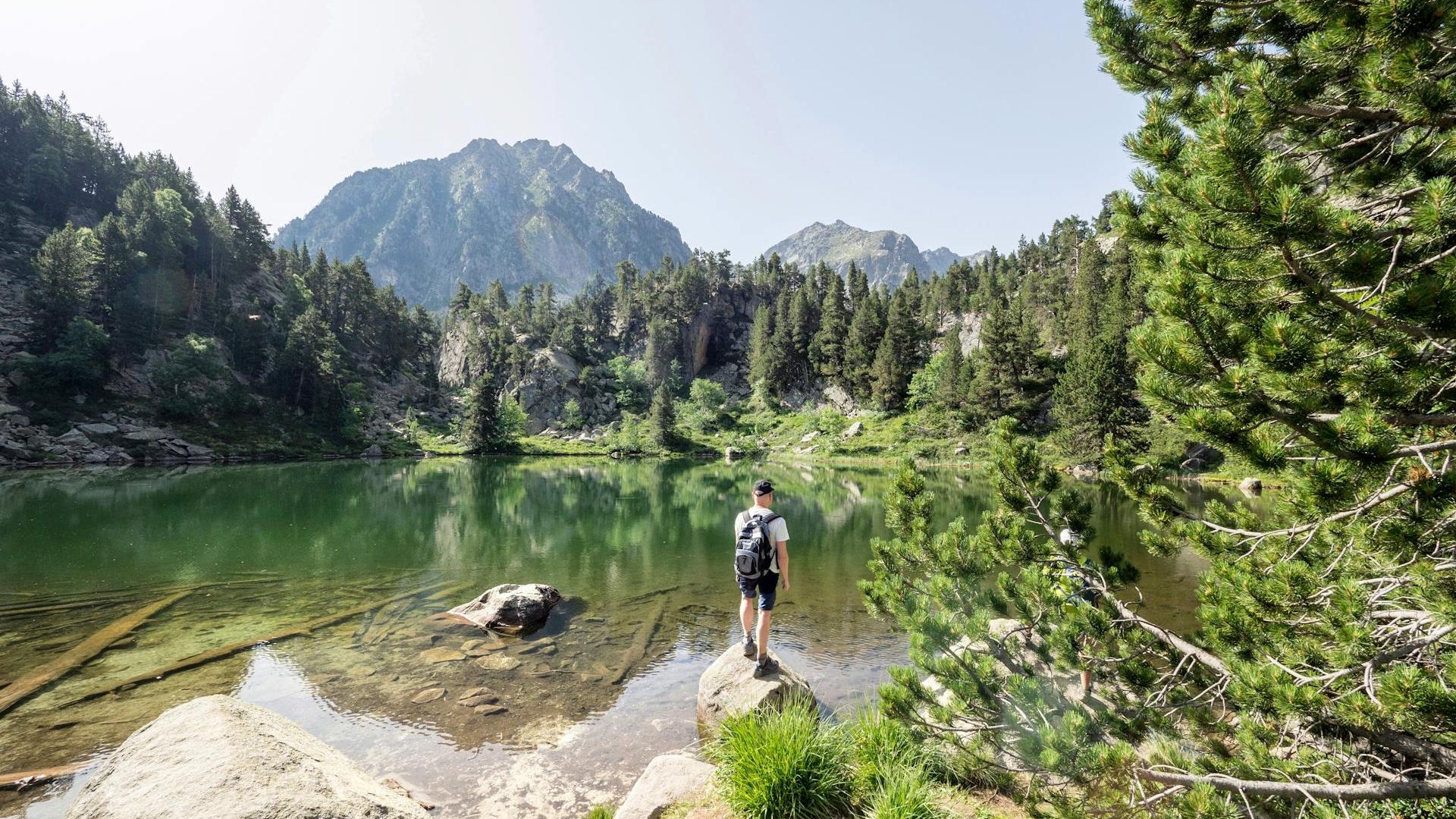
Rocky Mountain National Park typically opens Trail Ridge Road by Memorial Day weekend (weather dependent), providing access to the highest continuous paved road in North America at 12,183 feet. The alpine scenery, abundant wildlife, and accessibility from Denver make it ideal for long weekend mountain getaways, though visitors should prepare for altitude and potentially extreme weather including snow at high elevations.
Who It's For: Mountain enthusiasts, altitude-tolerant hikers, wildlife watchers, photography enthusiasts, and Denver-area residents seeking weekend mountain escape.
Key Features: Trail Ridge Road (when open—verify before trip) provides stunning alpine tundra access and mountain vistas along 48-mile route connecting Estes Park and Grand Lake. Bear Lake area offers accessible trails to alpine lakes including Dream Lake, Nymph Lake, and Emerald Lake. Moraine Park and Horseshoe Park provide excellent wildlife viewing—elk, bighorn sheep, moose, and deer commonly spotted. Alpine wildflowers begin blooming at lower elevations. Longs Peak (14,259 feet) attracts mountaineers but requires serious preparation. Old Fall River Road offers one-way unpaved historic route. Estes Park gateway town provides lodging, dining, and services. Timed entry permit system now required during peak season (Memorial Day through mid-October)—reserve in advance. Altitude affects many visitors (headaches, fatigue, breathlessness). Weather extremely variable—snow possible even in late May at high elevations. Afternoon thunderstorms common in mountains.
Pricing: $30 per vehicle (7-day pass) PLUS $2 timed entry reservation (required May-October); camping $26-$30 per night; Estes Park lodging $120-$400+ per night.
Pros:
Trail Ridge Road (if open) offers unique alpine experience
Abundant wildlife viewing opportunities
Accessible from Denver (90 minutes)
Stunning mountain and alpine lake scenery
Wildflowers beginning to bloom
Variety of trail difficulties
Excellent visitor centers and facilities
Cons:
Timed entry system requires advance reservation
Trail Ridge Road opening weather-dependent
High altitude affects many visitors
Weather extreme and unpredictable (snow possible)
Extremely crowded during holiday weekend
Parking at popular trailheads difficult
Afternoon thunderstorms dangerous at elevation
9. Joshua Tree National Park, California
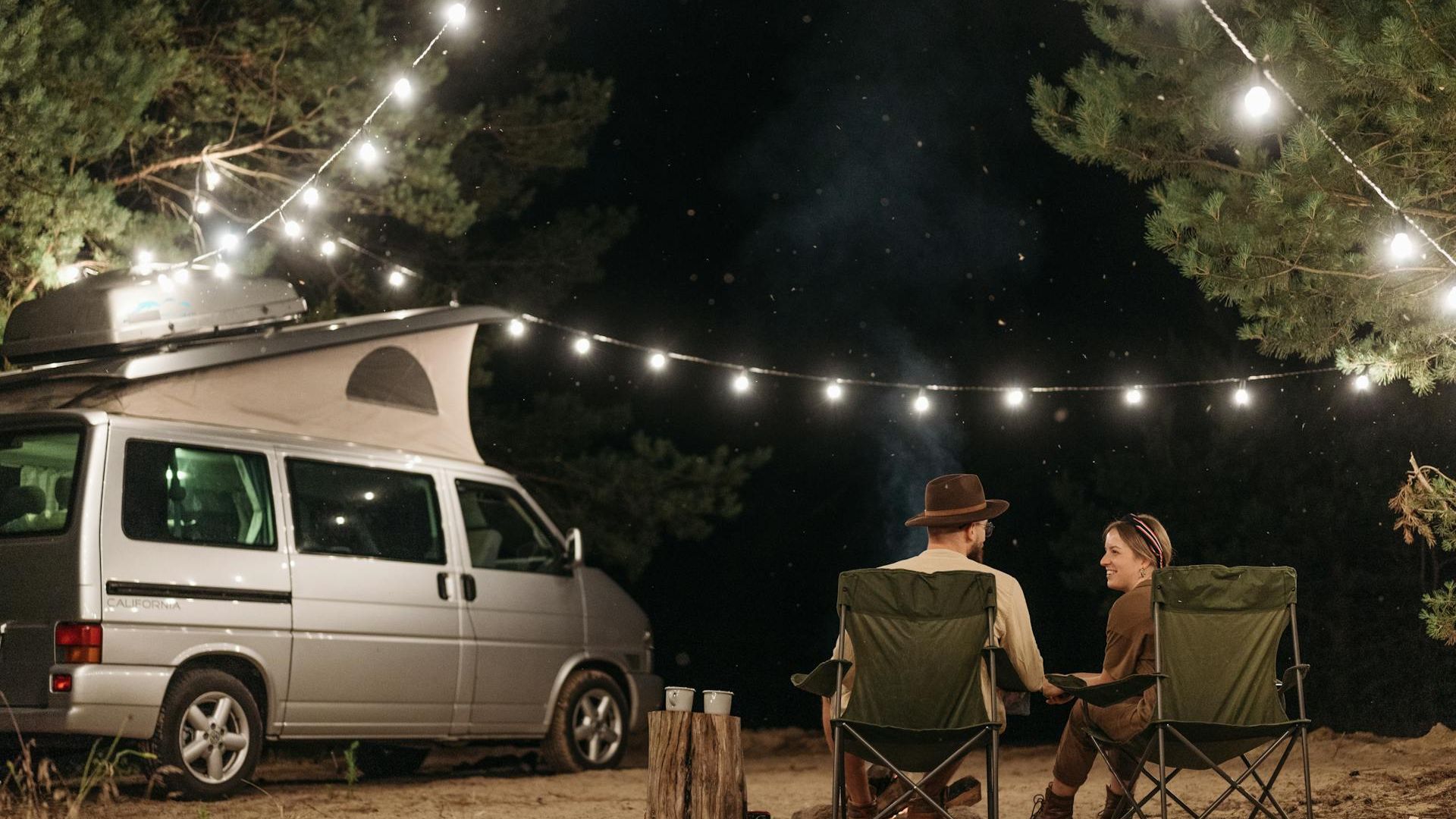
Joshua Tree National Park offers warm desert weather perfect for Memorial Day camping without summer's brutal heat (which makes June-August visits nearly impossible). The unique Joshua trees, dramatic boulder formations, and exceptional night sky viewing create an otherworldly landscape. Cooler spring temperatures make hiking comfortable while wildflowers (if winter rains were adequate) may still be blooming.
Who It's For: Desert lovers, rock climbers, stargazers and astrophotographers, campers comfortable with primitive sites, and Southern California residents seeking nearby weekend escape.
Key Features: Iconic Joshua trees (actually tree-sized yucca plants) create surreal landscape unique to Mojave Desert. Jumbo Rocks, Hidden Valley, and other formations offer world-class rock climbing and bouldering. Keys View overlook provides panoramic desert and mountain vistas extending to Mexico on clear days. Skull Rock and other formations offer Instagram-worthy photo opportunities. Exceptional dark sky viewing—the park is an International Dark Sky Park with minimal light pollution. Cholla Cactus Garden features dense concentration of "teddy bear" chollas (don't touch—spines extremely painful). Desert wildflowers may bloom if winter brought sufficient rain. Over 190 miles of hiking trails. Comfortable spring temperatures (70s-80s°F days, 50s°F nights). Twenty-nine Palms and Joshua Tree towns outside park provide services. Primitive camping (no hookups) available at numerous campgrounds. No water available at campsites—bring all water needed.
Pricing: $30 per vehicle (7-day pass); camping $15-$20 per night at developed sites, $0 (free) at backcountry sites; nearby town lodging $100-$250 per night.
Pros:
Perfect weather (not too hot yet)
Unique desert landscape and Joshua trees
Exceptional stargazing opportunities
Rock climbing for all skill levels
Affordable camping throughout park
Close to Southern California population centers
Wildflowers if winter rains adequate
Cons:
No water at campsites (bring all you need)
Cell service extremely limited
Campgrounds fill quickly (first-come, first-served)
Limited facilities (primitive camping)
Can get hot midday in late May
Rocky terrain challenging for mobility issues
Nearest services 30+ minutes from many areas
10. Cuyahoga Valley National Park, Ohio
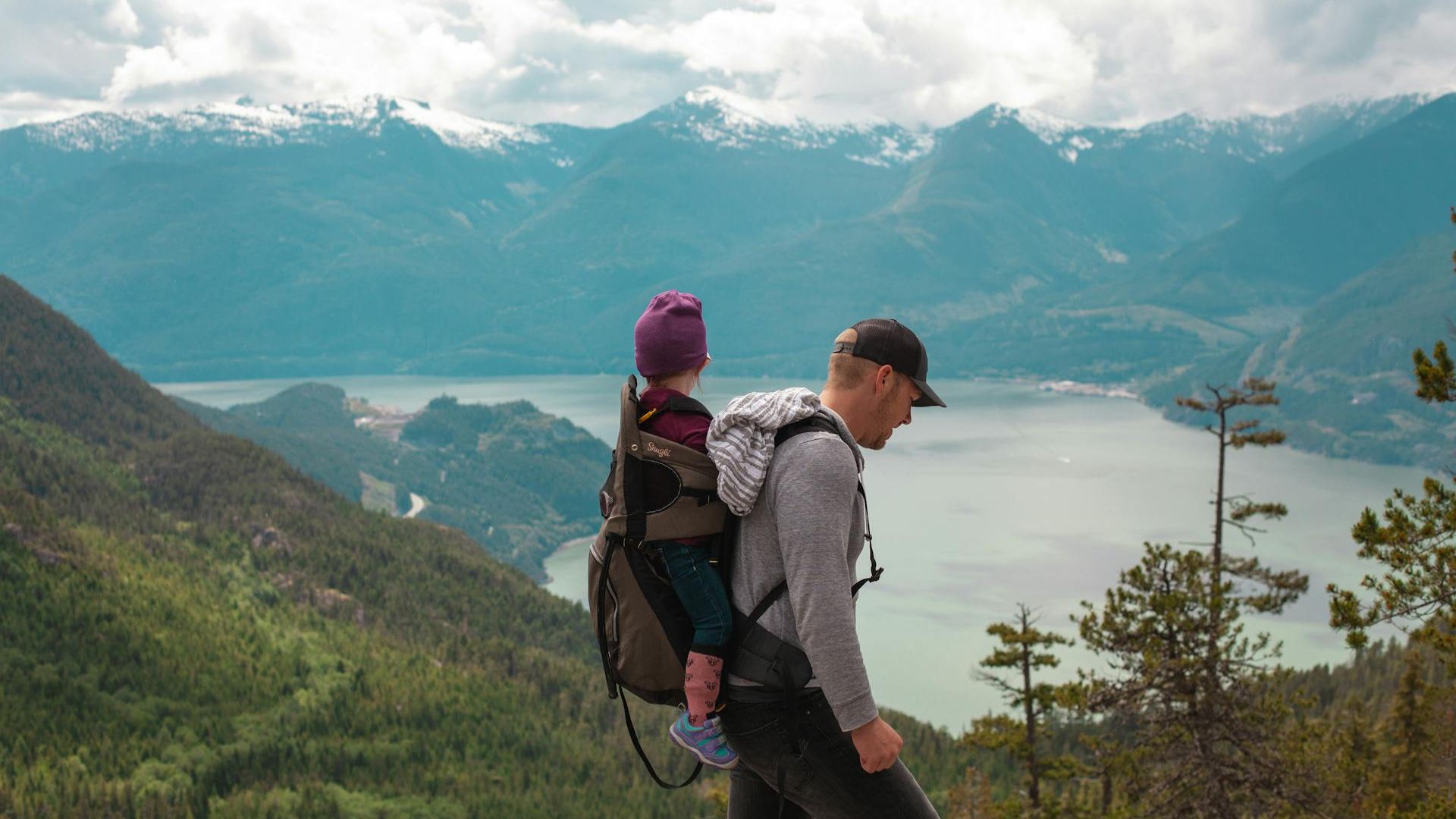
Cuyahoga Valley National Park provides unique accessibility for Midwest families, positioned between Cleveland and Akron with developed trails, scenic railroad, historical sites, and the impressive Brandywine Falls. As Ohio's only national park, it offers a different experience than Western mountain parks—more intimate, historically rich, and easily visited without extensive planning or physical conditioning.
Who It's For: Midwest families seeking accessible nature, beginning hikers, history enthusiasts, bikers (Ohio & Erie Canal Towpath), and anyone wanting national park experience without Western park travel expense and crowds.
Key Features: Brandywine Falls (65-foot waterfall) accessible via easy boardwalk trail suitable for all ages and abilities. Ohio & Erie Canal Towpath Trail offers 20 miles of flat, easy biking and walking along historic canal route. Cuyahoga Valley Scenic Railroad provides vintage train rides through park with bike-on-board options. Ledges Trail features dramatic sandstone ledges and hemlock forests. Boston Store and other historic sites preserve Ohio & Erie Canal heritage. Peninsula village provides charming shops and restaurants within park boundaries. Blossom Music Center (Cleveland Orchestra summer home) just outside park. Over 125 miles of trails for hiking and mountain biking. Spring wildflowers bloom throughout woodlands. Comfortable temperatures (60s-70s°F). Free parking at all trailheads. Several visitor centers provide orientation. Multiple access points along park's north-south orientation. Close proximity to Cleveland and Akron (minutes away).
Pricing: Free entrance (no entrance fee); no camping within park (nearby private campgrounds $30-$50); nearby lodging $80-$200 per night.
Pros:
Free entrance saves money
Extremely accessible from Cleveland/Akron
Trails suitable for beginners and families
Historic sites add educational element
Scenic railroad provides unique experience
No altitude or extreme conditions
Perfect for introducing kids to national parks
Cons:
Not wilderness experience (more suburban-adjacent)
No camping within park boundaries
Less dramatic scenery than Western parks
Can feel crowded on holiday weekends
Limited wildlife compared to other parks
Some trails follow roads
Weather can be rainy in spring
What Makes a National Park Ideal for Memorial Day?
What It Is
An ideal Memorial Day national park combines several factors: weather that's transitioned from winter but hasn't reached peak summer heat, seasonal attractions like waterfalls at maximum flow or wildflowers blooming, accessibility for a three-day weekend without extensive travel, and crowd levels that are manageable compared to peak summer months. The holiday weekend represents a sweet spot in many parks where conditions are excellent but tourism hasn't reached July-August intensity.
Benefits
Memorial Day weekend offers several advantages for national park visits. Spring runoff creates spectacular waterfall displays at parks like Yosemite and Zion. Wildflowers bloom in profusion at Great Smoky Mountains, Rocky Mountain, and other parks. Wildlife is active with newborn animals visible in many locations. Temperatures are comfortable for hiking—warm enough for enjoyable outdoor activities but not the dangerous heat of midsummer. Many seasonal roads and facilities open by Memorial Day, expanding access. Camping and lodging, while requiring advance booking, are more available than peak summer. The three-day weekend provides enough time for meaningful exploration without using significant vacation days.
What to Look For When Choosing
Consider travel distance—a three-day weekend doesn't justify cross-country flights unless combining with additional vacation days. Evaluate weather patterns for potential destinations since late May brings very different conditions to different regions (desert parks warm and ideal, mountain parks may have snow at elevation, coastal parks potentially foggy). Research specific seasonal attractions like peak waterfall flow, wildflower blooms, or wildlife viewing opportunities. Check crowd expectations—some parks (Great Smoky Mountains, Yosemite Valley) are extremely busy on holiday weekends while others (Olympic, Shenandoah) are more moderate. Verify operational status since some roads, campgrounds, and facilities may not open until June. Consider lodging availability and cost since holiday weekends see premium pricing and limited vacancies. Think about activity preferences—some parks favor scenic drives and photography while others reward strenuous hiking. Finally, assess special requirements like timed entry permits (Rocky Mountain), lottery systems (Angels Landing), or shuttle reservations that require advance planning.
FAQs
Do I need to book reservations far in advance for Memorial Day weekend?
Absolutely. Memorial Day is one of the busiest weekends at national parks, second only to Fourth of July in many locations. Campground reservations open exactly 6 months in advance (recreation.gov at 10 AM Eastern) and popular sites book within minutes. Lodge and cabin reservations should be made 6-12 months ahead for holiday weekends. Some parks now require timed entry permits (Rocky Mountain) or specific activity permits (Angels Landing at Zion) that also require advance securing through lottery or reservation systems. If you're planning Memorial Day 2026, start booking in November 2025 for campsites and even earlier for lodges.
What's the weather typically like at national parks during Memorial Day?
It varies dramatically by location and elevation. Desert parks (Joshua Tree, Zion) offer warm to hot temperatures (70s-90s°F) perfect for hiking before summer extremes. Mountain parks (Rocky Mountain, Yosemite high country) may still have significant snow above 8,000-10,000 feet with freezing nighttime temperatures. Coastal parks (Acadia, Olympic coast) tend to be cool (50s-60s°F) with frequent fog and possibility of rain. Lower elevation parks (Great Smoky Mountains, Shenandoah) typically offer comfortable spring conditions (60s-70s°F). Always check specific forecasts before departure and prepare for rapid weather changes, especially at elevation where afternoon thunderstorms and even snow remain possible.
Are national parks more crowded than usual during Memorial Day weekend?
Yes, significantly. Memorial Day marks the beginning of peak visitation season at most parks. Popular destinations like Yosemite Valley, Great Smoky Mountains, and Zion see parking lots fill by 7-8 AM, shuttle wait times exceed an hour, and popular trails become congested. However, even busy parks have less-visited areas—Yosemite's Wawona area sees fewer visitors than the valley, Zion's Kolob Canyons section stays quieter than the main canyon. Arrive at popular spots very early (before 7 AM), consider weekday visits if possible, and explore less-famous trails and viewpoints. Some parks are inherently less crowded (Cuyahoga Valley, Shenandoah) even on holiday weekends.
Can I visit multiple national parks during one Memorial Day weekend trip?
It's possible but requires strategic planning. Grand Teton and Yellowstone are adjacent and could be combined, though you'd only scratch the surface of each. Zion and Bryce Canyon are two hours apart and could work for a quick visit to both. However, most visitors find that three days barely begins to explore one park properly, especially when factoring in travel time to reach the park. Consider focusing on one destination and seeing it thoroughly rather than driving extensively to check multiple parks off a list. If you want variety, choose a park offering diverse ecosystems like Olympic (rainforest, mountains, coast) that provides multiple experiences in one location.