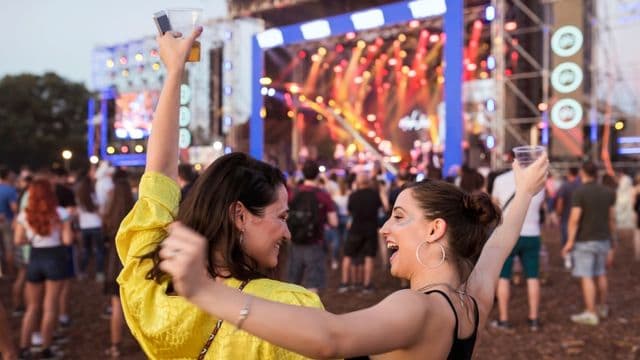
Top 10 Best Summer Music Festivals
Bonnaroo Music & Arts Festival – Best for immersive four-day camping festival experience
Outside Lands Music Festival – Best for urban festival with culinary excellence
Lollapalooza – Best for diverse genre representation and accessibility
Electric Forest – Best for electronic music and production spectacle
Newport Folk Festival – Best for intimate folk and Americana performances
Pitchfork Music Festival – Best for indie music discovery and affordability
Governors Ball – Best for East Coast convenience and emerging artists
Essence Festival – Best for R&B, hip-hop, and cultural celebration
BottleRock Napa Valley – Best for wine country luxury festival experience
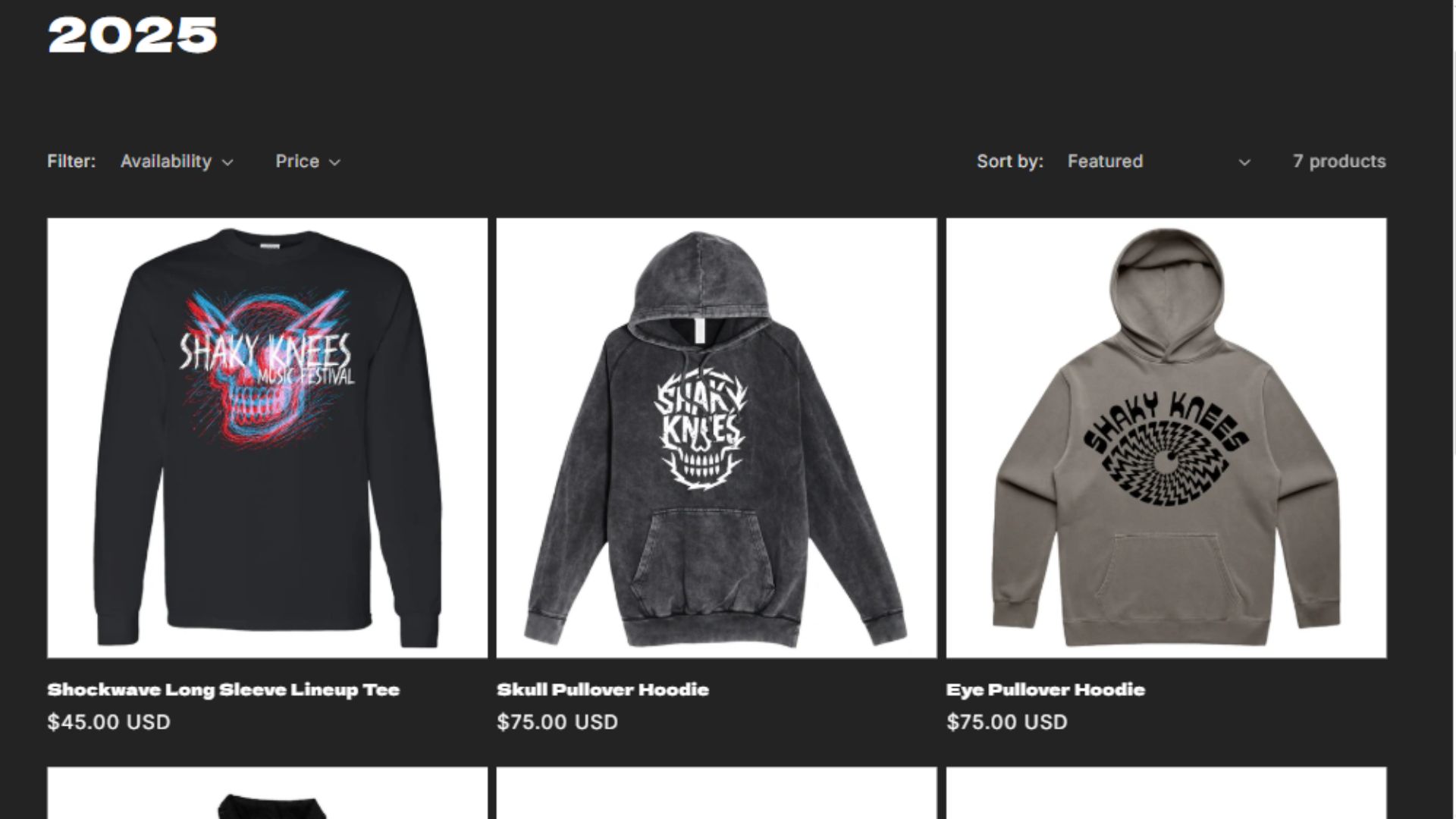
Shaky Knees Music Festival – Best for rock-focused lineup in manageable setting
Methodology
Our evaluation assessed each festival across five critical experience dimensions: lineup quality and genre diversity (headliner caliber, undercard depth, genre variety versus niche focus), logistics and accessibility (location convenience, transportation options, crowd management), value proposition (ticket costs relative to lineup and amenities offered), attendee experience quality (camping versus hotel options, food/beverage quality, production values, crowd atmosphere), and operational reliability (festival history, weather contingency planning, safety record, refund policies). We analyzed 2024 festival data including lineups, ticket pricing, attendee reviews from Reddit's r/festivals community and festival-specific subreddits, logistical reports, and incident records. Festivals were prioritized based on the combination of world-class musical programming, attendee satisfaction metrics, and travel-worthiness—whether the unique experience justifies the substantial investment of time and money to attend from out of state or region.
Detailed Reviews
1. Bonnaroo Music & Arts Festival
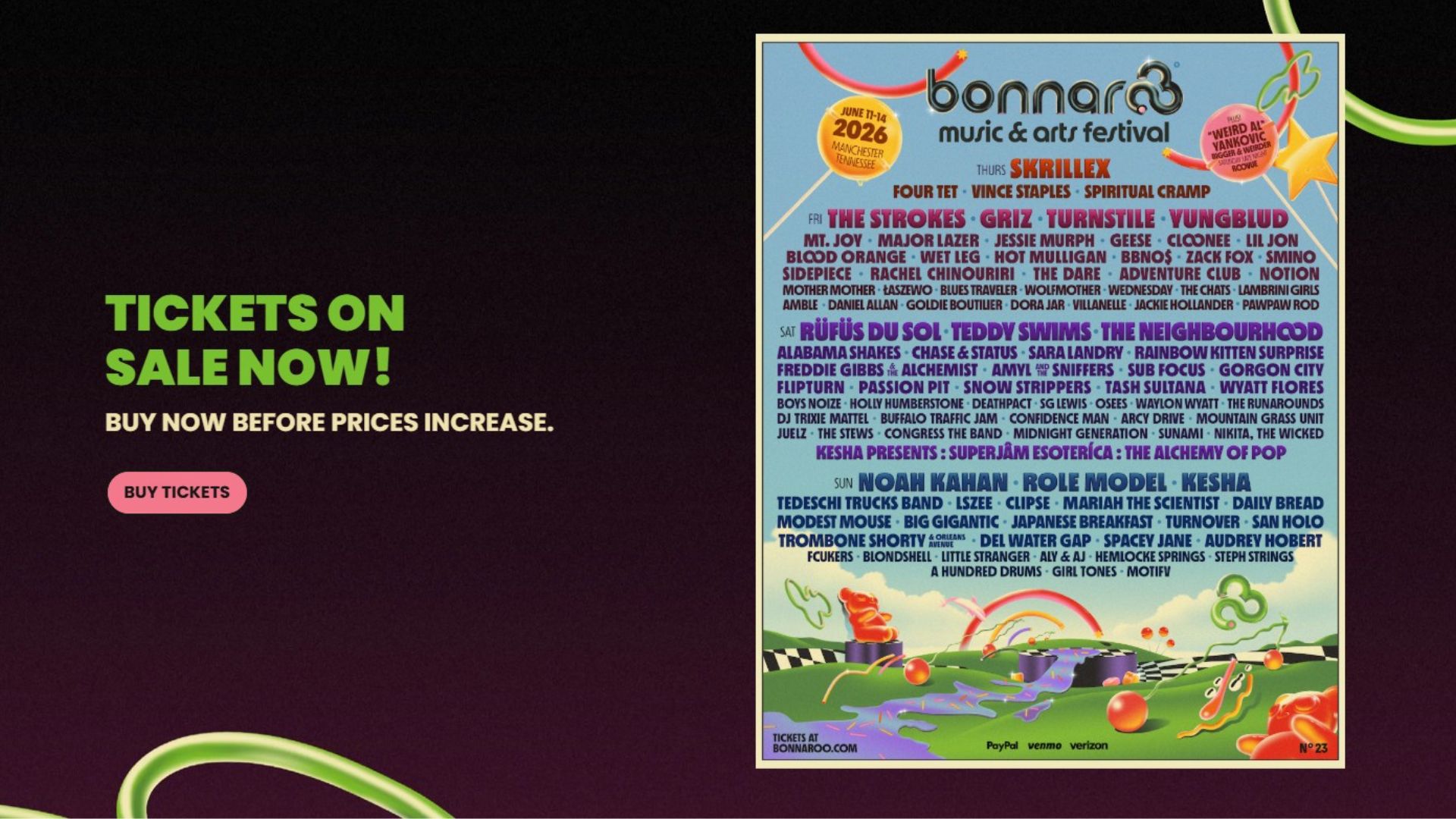
Best for: Festival devotees seeking the quintessential immersive camping festival experience
Pricing from: $349 GA 4-day pass, $1,849 VIP, camping $60-300+ depending on amenities
Key features: 700-acre farm venue in Manchester, Tennessee, 4-day duration (Thursday-Sunday), 150+ artists across 10+ stages, 24-hour campground activities, late-night tent performances until sunrise, art installations, comedy performances, cinema tent, sustainable initiatives
Bonnaroo represents the gold standard for camping festivals, transforming a Tennessee farm into a temporary city of 80,000 residents united by music, art, and community for four days each June. The festival's founding in 2002 established the modern American camping festival template that others emulate—expansive grounds allowing simultaneous performances across a dozen stages, camping integrated into the experience rather than mere lodging, and programming extending beyond music to comedy, film, art installations, and workshops. The lineup diversity is exceptional, spanning jam bands, rock, hip-hop, electronic, pop, and indie across headliners that consistently include both legacy acts and contemporary stars.
The 24-hour nature distinguishes Bonnaroo—performances continue past midnight in dedicated late-night tents where electronic and jam artists play until sunrise, creating a choose-your-own-adventure experience where music never stops. The campground culture fosters community through impromptu performances, art cars, themed camps, and the famous Kalliope art car stage that provides silent disco and DJ sets when official stages close. The infrastructure has matured over two decades, with permanent stage structures, sophisticated sound systems, extensive food vendor options (100+ including local Nashville cuisine), air-conditioned bathrooms for VIP, and medical facilities equipped for the inevitable heat-related challenges of Tennessee summer.
The heat management is critical—June temperatures regularly exceed 95°F with high humidity, requiring significant hydration strategies and heat tolerance. The festival implements cooling stations, misting tents, and shaded areas, but attendees must come prepared with proper camping gear, sun protection, and realistic expectations about physical demands. The investment is substantial when factoring in tickets, camping passes, travel to rural Tennessee (90 minutes from Nashville), and four days of food/beverage, but the complete experience—sunrise sets at The Other stage, spontaneous artist collaborations, and the community atmosphere—justifies the commitment for festival enthusiasts. Bonnaroo is a pilgrimage, not just a concert series.
Pros:
Premier lineup spanning all major genres with 150+ artists
Immersive 24-hour experience with late-night programming
Mature infrastructure with two decades of operational refinement
Strong community culture and campground activities
Exceptional production values and stage designs
Cons:
Extreme heat and humidity create challenging conditions
Rural location requires significant travel logistics
Substantial total cost including camping and supplies
Four-day commitment not ideal for casual festival-goers
Camping requires proper gear and physical stamina
2. Outside Lands Music Festival
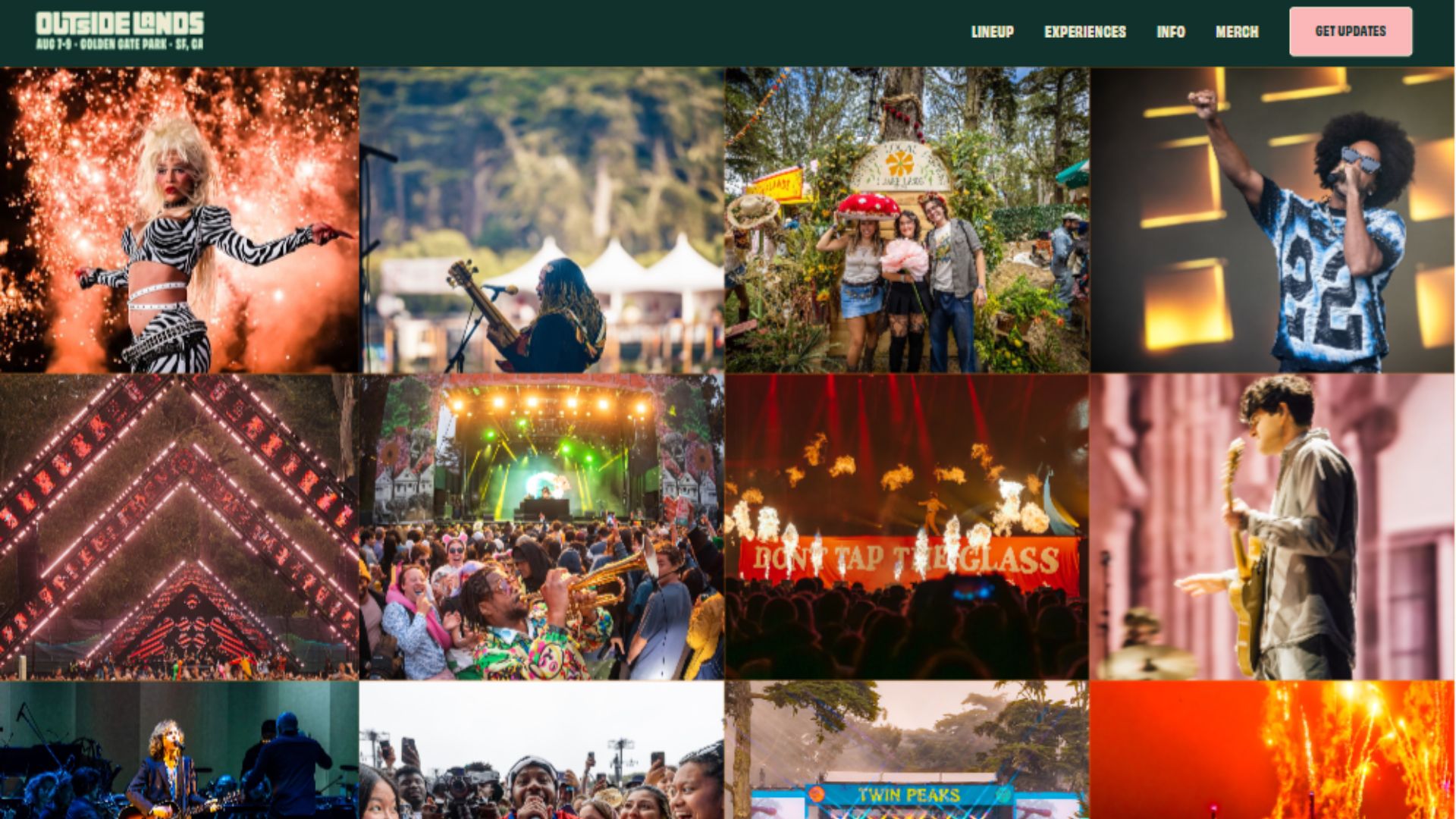
Best for: Festival-goers prioritizing culinary experiences alongside world-class music
Pricing from: $385 GA 3-day pass, $1,095 VIP, single-day tickets available
Key features: Golden Gate Park San Francisco location, 3-day duration (August), 75+ artists across 6 stages, Wine Lands with 50+ wineries, Beer Lands with craft breweries, Choco Lands dessert pavilion, GastroMagic culinary demonstrations, comedy tent, local restaurant partnerships
Outside Lands elevates the festival experience by integrating San Francisco's renowned culinary scene with exceptional musical programming, creating a festival equally celebrated for its food as its artists. The Golden Gate Park setting provides natural beauty without camping requirements—attendees stay in San Francisco hotels and enjoy the city's attractions outside festival hours, making it ideal for those who want festival excitement without camping logistics. The lineup consistently features elite headliners (Radiohead, The Weeknd, Post Malone historically) alongside deep undercard showcasing indie darlings, emerging artists, and legacy acts across rock, hip-hop, electronic, and pop genres.
The culinary programming distinguishes Outside Lands from competitors through curated experiences impossible at typical festivals. Wine Lands features 50+ California wineries offering tastings (VIP ticket holders receive unlimited tastings; GA attendees purchase tokens), while Beer Lands provides 40+ craft breweries from across the region. Choco Lands offers artisan desserts from Bay Area chocolatiers and pastry chefs, and GastroMagic presents live cooking demonstrations by celebrity chefs. The food vendors represent San Francisco's diverse culinary landscape—expect Vietnamese fusion, Mexican street food, artisan pizza, gourmet vegan options, and seafood from local restaurants rather than generic festival fare.
The San Francisco location provides superior climate compared to most summer festivals—August temperatures average 65-70°F without the punishing heat of Southern or Midwestern festivals. The city infrastructure supports easy rideshare, public transit, and taxi access to Golden Gate Park, eliminating parking nightmares common at rural festival sites. The trade-off is higher overall costs when factoring in San Francisco hotel prices ($200-400 nightly) and expensive city dining outside festival hours. Outside Lands is the sophisticated urban festival experience, ideal for attendees who want elite music and culinary culture without camping compromises, but it requires budget flexibility for accommodations and incidentals.
Pros:
Elite musical lineup with consistently excellent headliners
Unmatched culinary programming with wine, beer, and chocolate focus
San Francisco location with ideal climate and city amenities
No camping logistics—stay in hotels with city entertainment
Golden Gate Park provides beautiful natural setting
Cons:
San Francisco hotel costs dramatically increase total expense
Higher GA ticket prices than comparable festivals
City location means noise curfews and earlier end times
Food and beverage costs inside festival expensive
Can feel less immersive than camping festivals
3. Lollapalooza
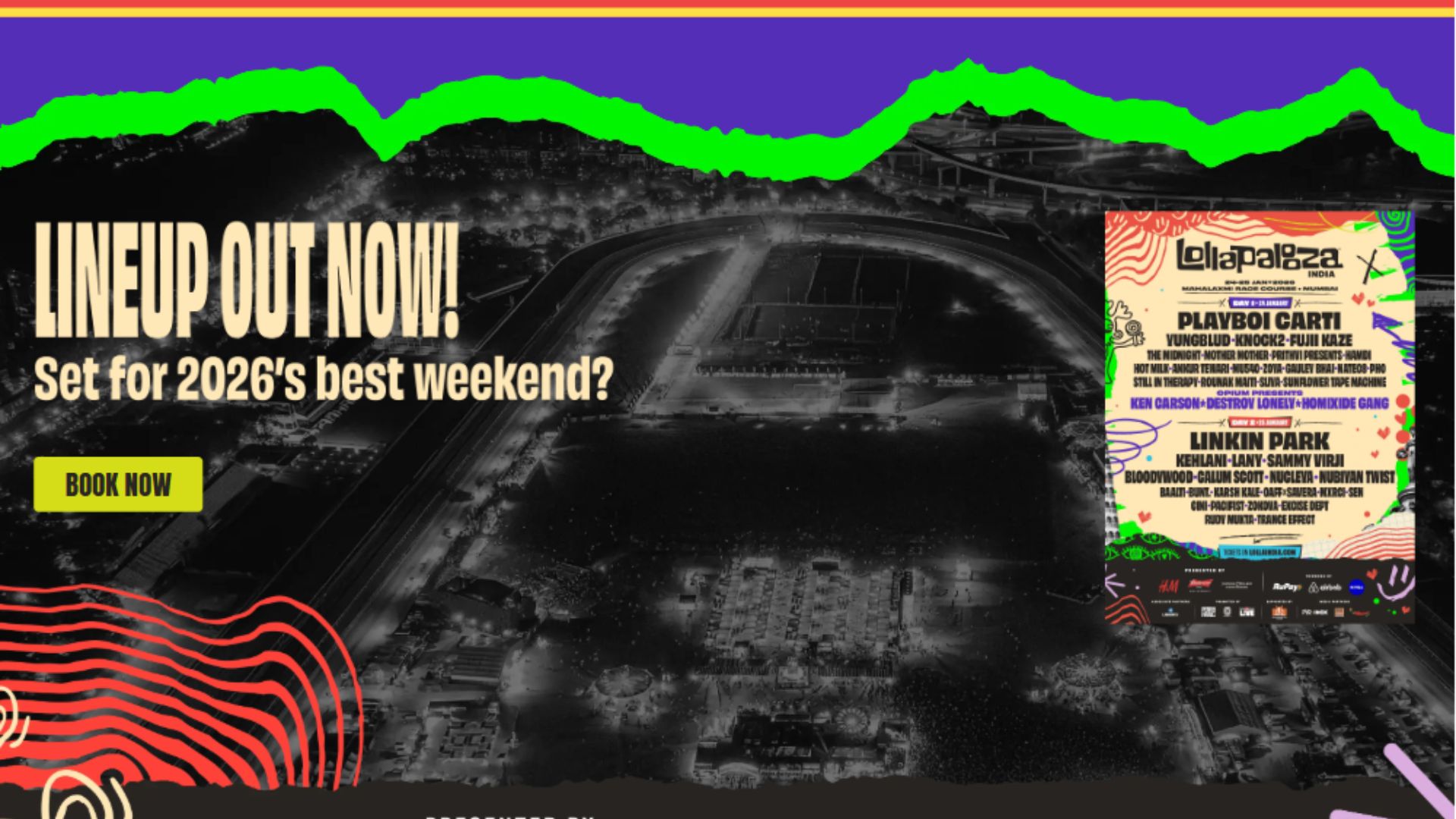
Best for: Festival-goers wanting maximum genre diversity and Chicago accessibility
Pricing from: $375 GA 4-day pass, $1,800 VIP, single-day tickets $140-160
Key features: Grant Park Chicago location, 4-day duration (August), 170+ artists across 8 stages, Kidzapalooza family area, art market, skateboard park, Chow Town food court, nonprofit village, easy public transit access
Lollapalooza's 33-year history (founded 1991) makes it American festival royalty, and its current iteration in downtown Chicago's Grant Park represents the premier urban multi-day festival experience. The lineup diversity is exceptional—headliners span pop (Billie Eilish), hip-hop (Tyler, the Creator), rock (The Killers), and electronic (Swedish House Mafia) with undercard representation across virtually every contemporary genre. The eight-stage setup allows attending without significant conflicts, and the four-day duration provides flexibility to attend specific days targeting your genre preferences rather than committing to the entire festival.
The Chicago location provides unparalleled accessibility—downtown hotels within walking distance, extensive public transit (CTA trains and buses direct to Grant Park), major airport (O'Hare and Midway), and city dining/entertainment outside festival hours. The urban park setting means no camping logistics or rural isolation—you experience world-class festival during the day then enjoy Chicago's restaurants, bars, and cultural attractions at night. The infrastructure is mature with permanent facilities, sophisticated sound systems, and operational expertise from decades of execution. The Kidzapalooza area makes it family-friendly, rare for major festivals, while nonprofit village and art market add cultural dimensions beyond pure music consumption.
The Grant Park grass takes brutal punishment from 100,000 daily attendees during Chicago's August heat, creating dusty or muddy conditions depending on recent rainfall. The urban setting means stages shut down by 10 PM due to noise ordinances, eliminating the late-night programming that camping festivals offer. The sheer scale and downtown location attract large crowds that can feel overwhelming during headliner sets—expect dense crowds, long bathroom lines, and challenging navigation. However, the single-day ticket option allows cherry-picking best lineup days without four-day commitment, providing flexibility other festivals lack. Lollapalooza is the accessible, diverse, urban festival experience ideal for first-timers or those wanting Chicago vacation combined with festival attendance.
Pros:
Exceptional lineup diversity spanning all major genres
Downtown Chicago location with unmatched accessibility
Single-day ticket options allow flexible attendance
No camping requirements with hotel options at all price points
Mature infrastructure and operational reliability
Cons:
Massive crowds (100,000+ daily) create congestion
Grant Park grass conditions deteriorate through the weekend
Urban noise curfews end performances earlier than camping festivals
Higher total cost when factoring Chicago hotel and dining
Can feel less intimate than smaller festival experiences
4. Electric Forest
Best for: Electronic music fans seeking production spectacle and immersive forest environment
Pricing from: $429 GA 4-day pass, $779 VIP, camping included in ticket price
Key features: Double JJ Resort Rothbury Michigan location, 4-day duration (late June), Sherwood Forest with art installations and secret stages, immersive stage production, jam band and electronic fusion, yoga and wellness programming, Silent Disco, The Observatory art installation
Electric Forest creates the most immersive festival environment in North America through its namesake forest transformed into an otherworldly artistic experience where music, art installations, interactive performances, and lighting merge into a singular spectacle. The Sherwood Forest serves as the festival's beating heart—a wooded area filled with secret stages, art cars, hammock lounges, projection-mapped trees, and installations that create constant discovery as you wander between main stage performances. The festival attracts electronic music devotees (Bassnectar historically, though now diverse headliners) while maintaining jam band influence from its founders (String Cheese Incident), creating a unique fusion that distinguishes it from pure electronic festivals like EDC.
The production values are extraordinary with main stages featuring elaborate set designs, synchronized lighting, pyrotechnics, and LED screens that transform performances into multisensory experiences. The Ranch Arena and Sherwood Court stages provide intimate settings for smaller acts, while secret forest stages host surprise appearances and B2B DJ sets throughout the night. The festival culture emphasizes positivity, artistic expression, and community—attendees come in elaborate costumes, create theme camps, and embody the "choose love" ethos that permeates the experience. The yoga and wellness programming, meditation workshops, and intentional spaces provide balance to the late-night electronic intensity.
The Michigan location is remote (3 hours from Detroit, 4 hours from Chicago), requiring significant travel planning and eliminating easy-access convenience of urban festivals. The forest environment creates dense crowds in narrow pathways during peak times, and the camping conditions are primitive compared to Bonnaroo's mature infrastructure. The weather can be unpredictable—Michigan late June brings both unseasonable cold and oppressive heat, requiring diverse wardrobe preparation. The demographic skews young (primarily 18-28), and the intense late-night electronic focus means it's not ideal for those preferring mellower experiences or diverse genre representation. Electric Forest is a pilgrimage for electronic and jam fans seeking transcendent production and immersive environment, but it requires commitment to the culture and tolerance for logistical challenges.
Pros:
Unmatched immersive forest environment with art installations
Extraordinary production values and stage designs
Unique electronic/jam band fusion programming
Strong positive community culture and creative expression
Secret stages and surprise performances create discovery
Cons:
Remote Michigan location requires extensive travel
Weather unpredictability from cold to extreme heat
Primitive camping infrastructure compared to major festivals
Demographic and musical focus may not suit all tastes
Dense forest crowds challenging during peak times
5. Newport Folk Festival
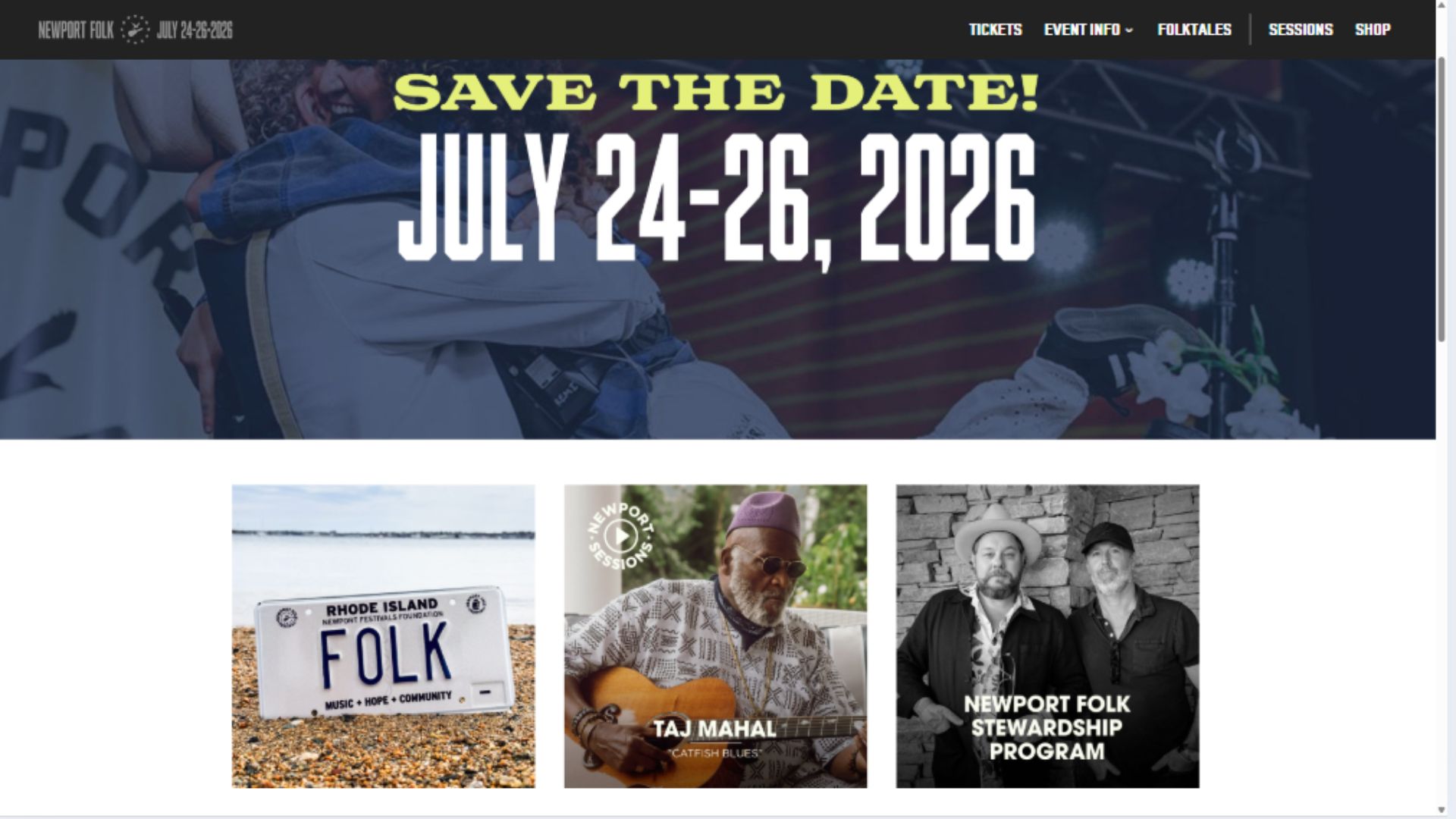
Best for: Folk, Americana, and roots music enthusiasts seeking intimate legendary venue
Pricing from: $115-165 per day, weekend passes $320-360
Key features: Fort Adams State Park Newport Rhode Island location, 3-day weekend (late July), 40+ artists across 4 stages, waterfront setting, historic significance (Bob Dylan went electric here 1965), artist collaborations and surprise appearances, museum stage with historical exhibits, family-friendly atmosphere
Newport Folk Festival represents American music history—founded in 1959, it launched Bob Dylan's career, witnessed his controversial 1965 electric performance, and continues to showcase the evolution of folk, Americana, roots, and adjacent genres through intimate performances in a stunning waterfront setting. The Fort Adams State Park location provides breathtaking Narragansett Bay views, sea breezes that moderate summer heat, and a relaxed atmosphere absent from larger festival chaos. The modest scale (10,000 attendees versus 80,000+ at major festivals) creates intimacy impossible at sprawling events—you can see performers' expressions, hear between-song banter, and feel genuine connection rather than watching distant specks on massive screens.
The programming philosophy prioritizes artistry and discovery over commercial appeal—expect legacy folk icons (Joni Mitchell's surprise 2022 appearance), rising Americana artists, bluegrass virtuosos, singer-songwriters, and genre-blurring acts that push folk boundaries. The festival is renowned for artist collaborations and surprise appearances that happen spontaneously rather than heavily marketed—artists jam together, legendary figures make unannounced appearances, and the relaxed environment encourages musical experimentation. The museum stage showcases music history through artifacts, listening stations, and discussions with historians and artists, adding educational dimensions beyond pure performance.
The smaller scale and folk focus mean it's not for everyone—if you want mainstream pop, hip-hop, or electronic music, Newport isn't appropriate. The higher per-day ticket cost ($115-165 versus $85-100 at larger festivals) reflects the boutique experience, intimate venue, and operational costs of a smaller event. The Newport location requires travel planning—it's accessible from Boston (90 minutes) and Providence (45 minutes) but not convenient for most of the country. However, for folk and Americana enthusiasts, Newport Folk Festival is the annual pilgrimage, offering the perfect combination of historical significance, intimate performances, beautiful setting, and musical excellence that larger festivals can't replicate. This is where music matters more than production spectacle.
Pros:
Intimate 10,000-person capacity creates genuine connection with artists
Stunning waterfront Fort Adams State Park setting
Historic significance and legendary musical moments
Artist collaborations and surprise appearances common
Family-friendly atmosphere and manageable scale
Cons:
Niche folk/Americana focus won't suit diverse genre preferences
Higher per-day cost than larger festivals
Limited camping options (mostly hotel/rental accommodations)
Newport location not centrally accessible for most attendees
Smaller lineup (40 artists versus 150+ at major festivals)
6. Pitchfork Music Festival
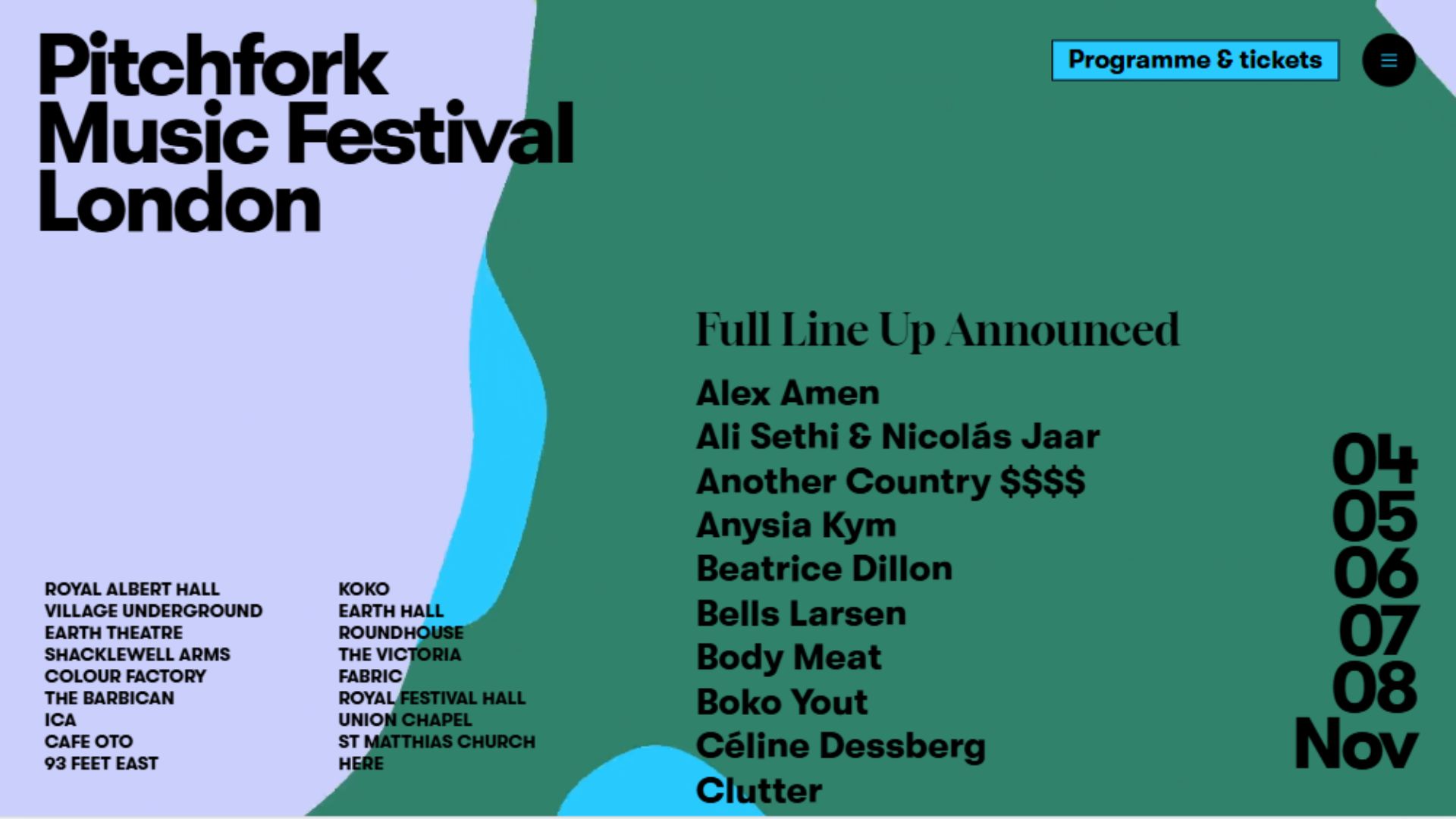
Best for: Indie music fans prioritizing artist discovery and budget-conscious festival experience
Pricing from: $85 per day, $225 3-day GA pass, $425 3-day VIP
Key features: Union Park Chicago location, 3-day weekend (July), 40+ artists across 3 stages, Pitchfork media curation, Record Fair with 30+ vinyl vendors, book fort, free water stations, affordable food vendors, all-ages friendly, sustainability initiatives
Pitchfork Music Festival offers the best value proposition in major festival landscape—$225 for three days of meticulously curated indie, alternative, hip-hop, and experimental music in Chicago's intimate Union Park. The Pitchfork Media curation ensures the lineup emphasizes artistic merit over commercial popularity, introducing attendees to emerging artists alongside established indie royalty. The 2024 lineup typified this approach: Alanis Morissette headlining alongside underground experimental artists, hip-hop innovators, and indie rock darlings that hardcore music fans celebrate but casual listeners might not know. The three-stage setup prevents scheduling conflicts while keeping the festival walkable and manageable.
The Union Park setting (25 acres versus Grant Park's 300+ acres for Lollapalooza) creates intimate atmosphere where you're never far from stages, bathrooms, or food vendors. The Chicago location provides the same accessibility advantages as Lollapalooza—easy public transit, nearby hotels at all price points, and ability to experience the city outside festival hours. The Record Fair with 30+ vinyl vendors appeals to serious music collectors, while the book fort and art installations add cultural dimensions. The festival's commitment to affordability extends beyond ticket prices—food vendors offer reasonable pricing ($8-15 for meals versus $18-25 at some festivals), and free water refill stations reduce beverage costs.
The trade-offs for the low ticket price include smaller production values (stages are functional rather than spectacular), shorter festival days (music typically 2 PM-10 PM versus noon-midnight at larger festivals), and smaller overall artist count (40-45 versus 150+ at Bonnaroo or Lollapalooza). The lawn conditions suffer from 65,000 attendees over three days, and the lack of VIP amenities means everyone experiences the same (sometimes crowded) bathrooms, water stations, and viewing areas unless you purchase VIP. However, for music-focused attendees who prioritize artist quality over production spectacle and want to discover new favorites without breaking the budget, Pitchfork delivers exceptional value. This is the thinking person's festival where music curation trumps mainstream appeal.
Pros:
Best value pricing ($225 for 3 days) among major festivals
Excellent indie and alternative music curation
Intimate Union Park setting with manageable crowds
Chicago accessibility with public transit and hotel options
Affordable food vendors and free water stations
Cons:
Smaller production values versus major festivals
Limited lineup size (40-45 artists total)
Shorter festival days ending around 10 PM
Niche indie focus won't suit mainstream music preferences
Basic amenities with minimal VIP differentiation
7. Governors Ball
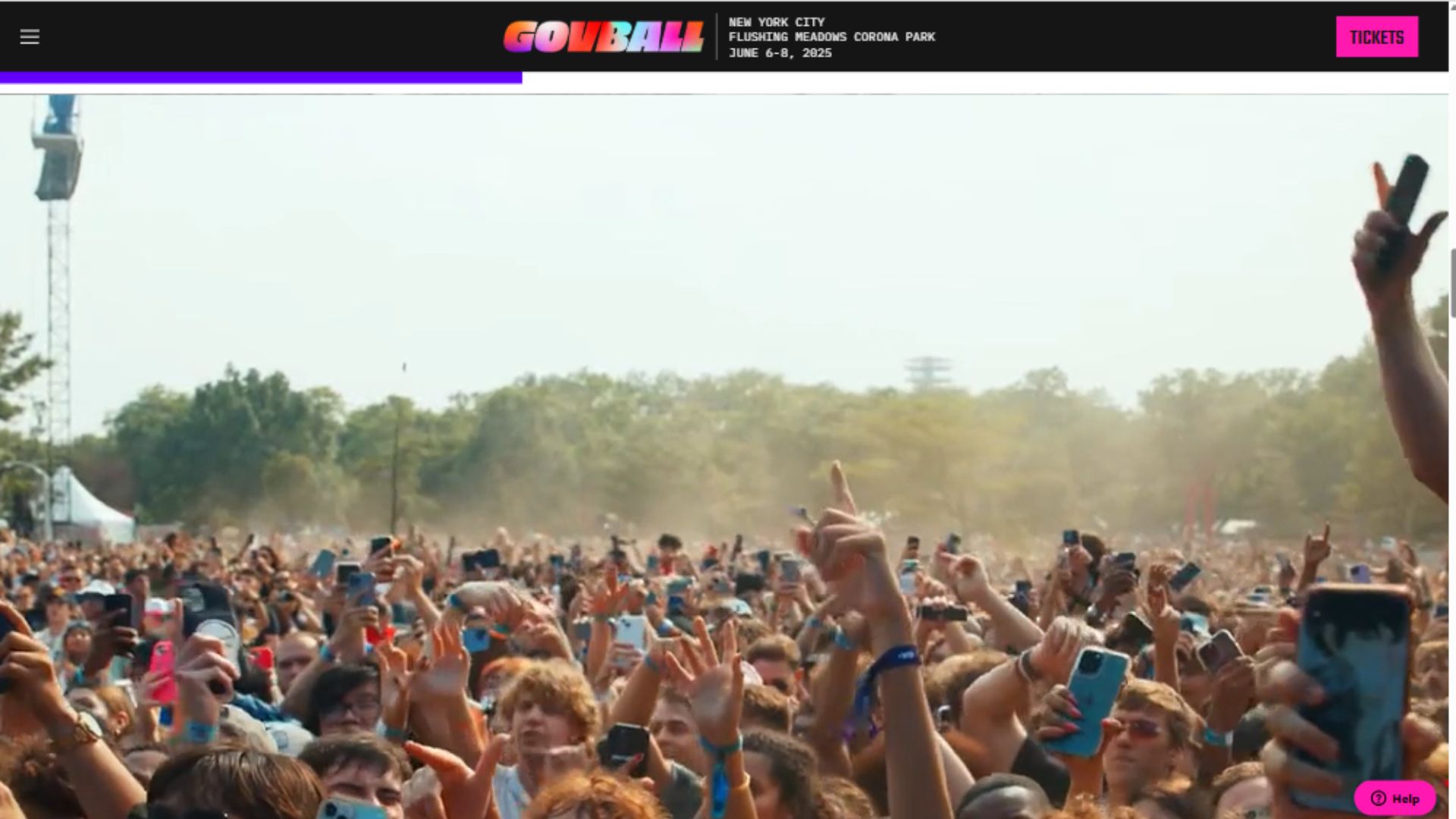
Best for: East Coast attendees wanting diverse lineup without extensive travel
Pricing from: $139 per day, $365 3-day GA pass, $799 3-day VIP
Key features: Flushing Meadows Corona Park NYC location, 3-day weekend (June), 60+ artists across 4 stages, diverse genre representation, local NYC food vendors, art installations, accessibility for disabilities, public transit accessible, rain or shine policy
Governors Ball serves as New York City's premiere music festival, providing East Coast residents a major festival experience without cross-country travel to California or Southern festivals. The Flushing Meadows Corona Park location in Queens offers spacious grounds (1,255 acres with festival using a fraction) while maintaining NYC subway accessibility—you can reach the venue via 7 train from Manhattan in 30-40 minutes, eliminating the parking nightmares of car-dependent festivals. The lineup emphasizes diversity across hip-hop, rock, electronic, pop, and indie with headliners that typically include at least one legacy act, one contemporary superstar, and one genre-defining current artist.
The festival recovered from its troubled early years (weather-related evacuations and cancellations) through improved infrastructure, better weather contingency planning, and operational refinement. The current iteration provides reliable experience with mature stage production, sophisticated sound systems, and efficient crowd management. The NYC location means access to world-class hotels, restaurants, and entertainment outside festival hours—you can enjoy the city during the day, attend afternoon/evening festival performances, then return to Manhattan for late-night activities if you're not exhausted. The local food vendor emphasis brings NYC's culinary diversity to the festival with options far superior to generic festival fare.
The Queens location is less scenic than waterfront or mountain settings, and Flushing Meadows doesn't provide the natural beauty that enhances other festivals. The weather can be unpredictable—June in NYC ranges from beautiful to rainy to unseasonably hot, and the open park setting offers limited natural shade. The festival's history of weather-related issues creates some attendee hesitancy despite recent improvement. The pricing is moderate but NYC hotel costs ($200-500 nightly depending on quality and location) increase total expense significantly. However, for East Coast residents, especially those already planning NYC visits, Governors Ball offers convenient access to quality festival experience without the travel investment required for Coachella, Bonnaroo, or other destination festivals.
Pros:
Convenient East Coast location with NYC accessibility
Subway access eliminates parking hassles
Diverse genre representation with quality headliners
NYC hotel, dining, and entertainment options outside festival
Mature operations after early growing pains
Cons:
Flushing Meadows location lacks scenic beauty
June weather unpredictable (rain, heat, or cold possible)
NYC hotel costs increase total expense significantly
History of weather-related issues creates some uncertainty
Less immersive than camping festivals
8. Essence Festival
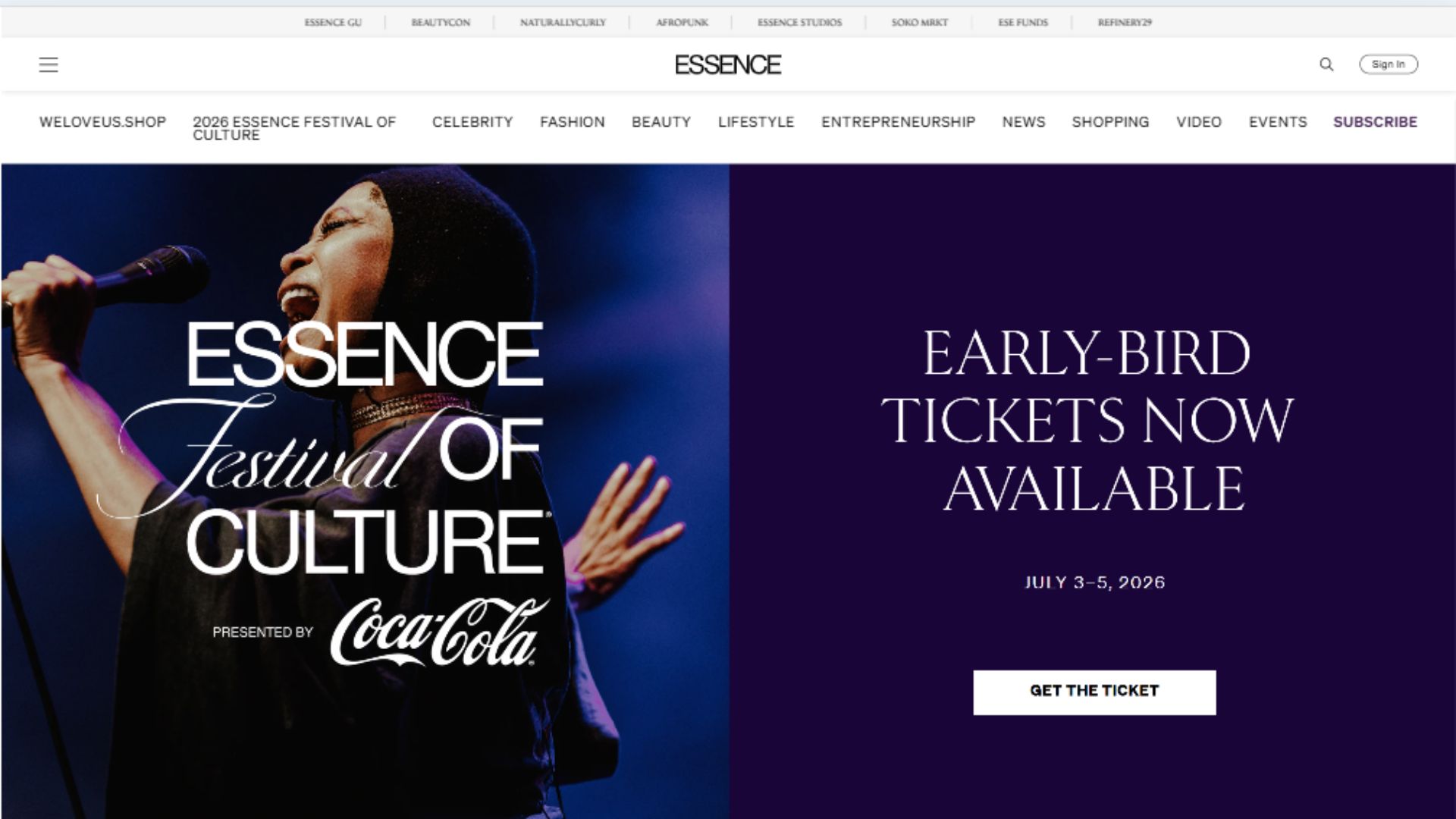
Best for: R&B, hip-hop, and soul music fans celebrating Black culture and empowerment
Pricing from: $275 weekend pass, $125-200 single-day tickets, VIP packages $900+
Key features: New Orleans Superdome/Convention Center location, 4-day duration (July 4th weekend), 100+ artists across multiple stages, daytime empowerment programming with speakers and panels, beauty and fashion experiences, culinary events, nighttime concerts in Superdome, New Orleans cultural immersion
Essence Festival celebrates its 30th anniversary as the premier cultural event for Black music, empowerment, and community, transforming New Orleans into a four-day celebration drawing 500,000 attendees annually. The festival operates on dual tracks—daytime programming at the Convention Center features empowerment seminars, celebrity speakers (Michelle Obama, Oprah historically), beauty experiences, fashion shows, and panels addressing social issues, while nighttime concerts in the Superdome showcase R&B, hip-hop, and soul legends alongside contemporary stars. The integration of music, culture, empowerment, and celebration distinguishes Essence from pure music festivals, creating a holistic experience centered on Black excellence.
The New Orleans location enhances the experience through the city's rich musical heritage, incredible cuisine, and vibrant culture. Unlike festivals requiring isolation at festival grounds, Essence attendees explore New Orleans between events—enjoying Creole and Cajun cuisine, visiting historic jazz clubs on Frenchmen Street, touring the French Quarter, and experiencing the city's unique atmosphere. The July 4th weekend timing means extended holiday break for those traveling, and the Superdome concerts provide air-conditioned comfort during peak Southern summer heat—a significant advantage over outdoor festivals where temperatures reach 95°F+.
The scale creates both advantages and challenges—the massive attendance demonstrates Essence's cultural importance but also means crowds, sold-out hotels (book 6+ months advance), and premium pricing during peak tourism weekend. The Superdome reserved seating for concerts means ticket quality varies dramatically—floor seats provide excellent views while upper deck seats feel distant from performances. The daytime programming requires separate tickets or packages from nighttime concerts, complicating budgeting and planning. However, for fans of R&B, hip-hop, and soul, Essence offers unmatched talent concentration celebrating Black musical heritage alongside empowerment programming, making it a cultural pilgrimage beyond just another music festival.
Pros:
Unmatched R&B, hip-hop, and soul artist concentration
Cultural empowerment programming beyond just music
Air-conditioned Superdome concerts escape summer heat
New Orleans location with incredible food and culture
Community celebration atmosphere unique to Essence
Cons:
Massive crowds (500,000+) create congestion throughout city
Hotels book far in advance with premium July 4th pricing
Reserved Superdome seating creates quality disparities
Separate ticketing for daytime and nighttime events confusing
Total cost including lodging and dining extremely high
9. BottleRock Napa Valley
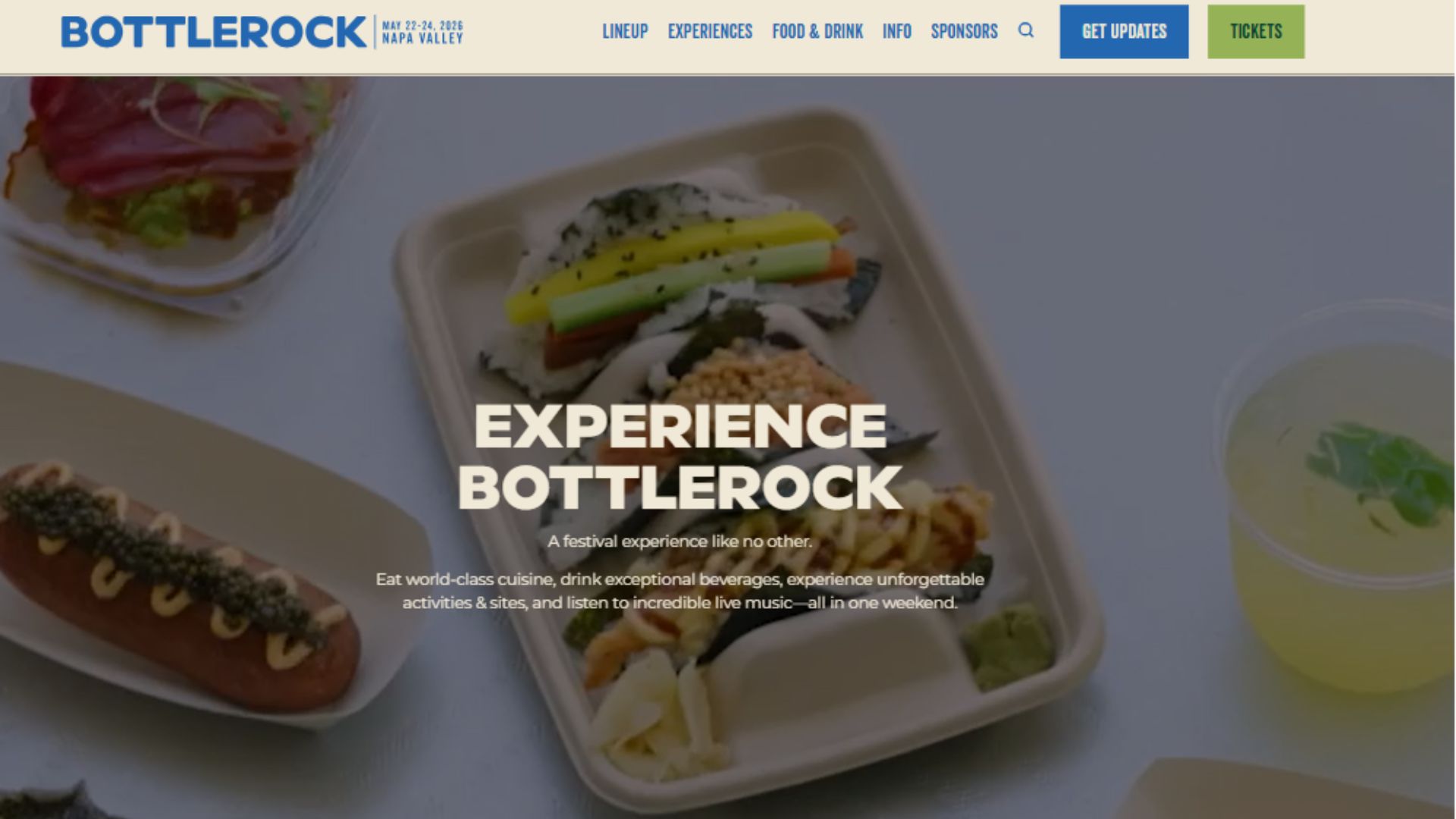
Best for: Wine enthusiasts wanting luxury festival experience in California wine country
Pricing from: $179 per day, $499 3-day GA pass, VIP packages $1,200-2,500+
Key features: Napa Valley Expo location, 3-day weekend (Memorial Day), 80+ artists across 4 stages, Williams Sonoma Culinary Stage with celebrity chefs, Wine Garden with 50+ Napa wineries, craft beer and spirits, gourmet food vendors, Platinum and Skyline VIP luxury experiences, art exhibits
BottleRock Napa Valley targets the luxury festival demographic, integrating world-class music with Napa Valley wine culture and gourmet cuisine to create the most upscale festival experience in North America. The lineup balances mainstream appeal (Red Hot Chili Peppers, Pearl Jam, Megan Thee Stallion historically) with credible musical programming across rock, pop, hip-hop, and electronic genres. However, the music serves as foundation for a broader luxury experience where wine, food, and atmosphere matter as much as performances. The Williams Sonoma Culinary Stage features celebrity chef cooking demonstrations, the Wine Garden offers tastings from 50+ Napa wineries, and food vendors represent Napa's refined culinary scene rather than typical festival fare.
The VIP experience tiers (VIP, Platinum, Skyline) provide dramatically different experiences—Skyline includes dedicated lounges, premium viewing platforms, unlimited wine/beer tastings, air-conditioned bathrooms, and concierge service rivaling luxury hotels. The Memorial Day weekend timing (late May) provides ideal Napa Valley weather (75-85°F, low humidity, minimal rain probability), and the location allows visiting wineries during the day before evening festival performances. The crowd demographic skews older and wealthier than typical festivals—expect well-dressed attendees sipping Cabernet rather than shotgunning beers in mosh pits.
The luxury positioning creates premium pricing across all aspects—tickets are expensive, Napa hotels cost $300-800 nightly Memorial Day weekend, wine/food inside the festival runs $15-25 per glass and $18-30 per meal, and the VIP packages reach $2,500+ per person. The total cost for a couple attending could easily reach $3,000-5,000 including tickets, lodging, dining, and wine purchases. The festival is explicitly designed for affluent attendees who view cost as secondary to experience quality. For wine enthusiasts who happen to enjoy music or music fans who appreciate wine and culinary culture, BottleRock delivers unmatched luxury. For budget-conscious attendees or those prioritizing pure musical experience, the cost-to-value ratio seems poor compared to alternatives.
Pros:
Unmatched integration of music, wine, and culinary experiences
Napa Valley setting with beautiful weather and scenery
Luxury VIP tiers provide exceptional upscale amenities
Memorial Day weekend timing with ideal climate
Older, mellower crowd creates relaxed sophisticated atmosphere
Cons:
Extremely expensive tickets, hotels, food, and beverage costs
Total cost easily reaches $3,000-5,000+ for couples
Luxury focus may feel exclusionary or pretentious
Music programming secondary to wine/food for many attendees
Napa location requires expensive travel for most attendees
10. Shaky Knees Music Festival
Best for: Rock music purists seeking focused guitar-driven lineup in manageable urban setting
Pricing from: $119 per day, $299 3-day GA pass, $699 3-day VIP
Key features: Central Park Atlanta location, 3-day weekend (May), 60+ artists across 4 stages, rock-focused lineup (indie, alternative, classic rock), craft beer and spirits selection, local Atlanta food vendors, walkable urban park setting, free water stations
Shaky Knees fills the niche for rock-focused festivals in an era where most major festivals prioritize genre diversity with heavy hip-hop and electronic representation. The lineup proudly emphasizes guitar-driven music—indie rock, alternative, punk, classic rock legends, and emerging rock artists—creating cohesive programming for attendees who want rock without apology. The 2024 lineup exemplified this focus with Foo Fighters, The Black Keys, and Weezer headlining alongside deep undercard of rock artists across the spectrum. The commitment to the genre attracts passionate rock fans who appreciate festivals that don't feel obligated to include EDM DJs or hip-hop headliners just to chase trends.
The Atlanta Central Park location provides urban convenience similar to Lollapalooza or Pitchfork—easy rideshare access, walkable from downtown hotels, and ability to experience Atlanta's dining and nightlife outside festival hours. The May timing offers favorable weather (typically 70-80°F) before Georgia's oppressive summer heat arrives. The festival scale feels ideal—large enough for quality production values and substantial lineups but small enough to avoid the overwhelming crowds of 100,000+ person festivals. The craft beer focus and local Atlanta food vendors (including BBQ, Southern cuisine, and diverse options) elevate the culinary experience beyond generic festival food trucks.
The single-genre focus is simultaneously the festival's strength and limitation—rock enthusiasts love the cohesive programming while those preferring genre diversity will find it monotonous. The Atlanta location means significant travel for West Coast and international attendees, and unlike iconic destinations (New Orleans, San Francisco, Napa Valley), Atlanta lacks the standalone tourism appeal that justifies multi-day trips for some travelers. The pricing is moderate but Atlanta hotel costs during festival weekend ($150-300+ nightly) add to overall expense. However, for rock fans seeking a pure rock festival experience in a manageable urban setting with quality lineups and reasonable scale, Shaky Knees delivers exactly what it promises without attempting to be everything to everyone.
Pros:
Focused rock programming for guitar music enthusiasts
Manageable urban park setting with 20,000-30,000 capacity
May timing with favorable weather before summer heat
Atlanta accessibility with rideshare and hotel convenience
Craft beer focus and quality local food vendors
Cons:
Single-genre focus won't suit diverse musical tastes
Atlanta location lacks tourism appeal for some travelers
Smaller production values versus massive festivals
Limited VIP differentiation and amenities
Not destination-worthy for casual festival-goers outside region
Comparison Summary
Price Tiers: Budget-friendly festivals (Pitchfork $225, Shaky Knees $299 for 3 days) versus mid-range (Bonnaroo $349, Lollapalooza $375, Electric Forest $429) versus premium (Outside Lands $385 with expensive SF hotels, BottleRock $499 plus Napa costs, Essence with holiday weekend premiums). VIP upgrades range from $400-600 (Pitchfork, Shaky Knees) to $1,200-2,500+ (BottleRock, Outside Lands).
Genre Focus: Genre-diverse festivals (Lollapalooza, Bonnaroo, Governors Ball) appeal to varied tastes versus genre-specific festivals (Newport Folk for folk/Americana, Electric Forest for electronic, Shaky Knees for rock, Essence for R&B/hip-hop/soul). Pitchfork occupies middle ground with indie/alternative emphasis but genre variety within that spectrum.
Experience Type: Immersive camping festivals (Bonnaroo, Electric Forest) require multi-day commitment and camping logistics versus urban park festivals (Lollapalooza, Outside Lands, Pitchfork, Governors Ball, Shaky Knees) allowing hotel accommodation and city exploration. Newport and Essence are boutique/cultural experiences beyond pure music focus.
Geographic Considerations: East Coast convenience (Governors Ball NYC, Newport Rhode Island) versus Midwest accessibility (Lollapalooza, Pitchfork in Chicago, Shaky Knees Atlanta-ish) versus destination festivals requiring dedicated travel (Bonnaroo rural Tennessee, Electric Forest rural Michigan, Outside Lands San Francisco, BottleRock Napa, Essence New Orleans).
Scale and Intimacy: Intimate boutique festivals (Newport 10,000 attendees, Pitchfork 20,000 per day) versus mid-size (Shaky Knees 25,000-30,000, Outside Lands 75,000) versus massive (Lollapalooza 100,000+ daily, Bonnaroo 80,000, Essence 500,000 total). Scale correlates with both production values and crowd challenges.
Buying Guide
Who Should Attend Music Festivals: Festival experiences suit music enthusiasts willing to invest substantial time and money for concentrated exposure to diverse artists, experience seekers who value communal cultural moments over isolated concerts, travelers who enjoy destination experiences combining tourism with entertainment, and social groups looking for shared multi-day adventures. Festivals aren't ideal for: casual music fans preferring single-artist concerts, budget-conscious individuals unwilling to spend $1,000-2,000+ all-in, those with limited physical stamina (festivals involve extensive walking, standing, heat exposure), or people who dislike crowds and chaos.
How Festival Selection Works: Optimal festival choice requires matching personal priorities across several dimensions. Music preference is primary—select festivals whose lineup appeals broadly rather than attending purely for one headliner. Location logistics matter enormously—traveling across country for a festival requires more investment than attending one in your region. Experience type preference (camping immersion versus urban convenience, massive scale versus intimate settings) determines which festivals suit your comfort level. Budget reality including tickets, travel, lodging, food, and incidentals dictates feasible options. Weather tolerance for extreme heat (Bonnaroo, Essence) or potential rain (Governors Ball) affects comfort.
Essential Features to Consider:
Lineup Match: Analyze entire lineup rather than just headliners—you'll spend 60-70% of time watching undercard artists. Verify genre diversity matches your tastes. Research past lineups to understand festival booking patterns. Check for scheduling conflicts between your most-wanted artists using previous years' set time patterns.
Logistical Feasibility: Calculate total costs including tickets, camping/hotel, travel, food, and estimated spending on beverages, merchandise, and incidentals—budget $1,200-2,000 minimum for most festivals. Verify camping requirements and whether you own necessary gear or need rentals. Check accessibility via plane, car, or train and factor in transportation time and costs. Research weather patterns for location and dates to pack appropriately.
Accommodation Strategy: For camping festivals, decide between tent camping (cheapest but most demanding), RV camping (comfort but expensive), or car camping (middle ground). For urban festivals, book hotels 3-6 months in advance before prices spike—search neighborhoods outside immediate downtown for better rates. Consider Airbnb for group lodging cost-sharing. VIP packages including lodging may offer better value than separate purchases.
Physical Preparation: Festival attendance is physically demanding—prepare with comfortable broken-in walking shoes, hydration strategies (backpack water bladders for camping festivals), sun protection (high SPF sunscreen, hats, sunglasses), and realistic assessment of your stamina for multi-day standing/walking in heat. Consider that camping festivals require carrying all belongings to campsites, sometimes half-mile+ from parking.
Ticket Purchase Timing: Early bird tickets offer 15-30% savings but require commitment before lineup announcements. General admission sales after lineup drops balance cost and information. Wait too long and face sold-out situations or secondary market premiums. Single-day tickets (when available) let you cherry-pick best days but eliminate multi-day experience aspects. VIP tickets provide better value if you'll use amenities extensively; waste money if you plan to be in crowds watching performances.
Pricing Overview
Budget Festival Experience ($800-1,200 total): Pitchfork ($225 tickets), Chicago budget hotel or Airbnb ($100-150 per night for 2-3 nights), local transportation via public transit, modest food spending ($30-40 daily). Requires selecting affordable festival and implementing cost-saving strategies like group lodging, public transit, and eating some meals outside festival grounds.
Standard Festival Experience ($1,500-2,500 total): Mid-range festival tickets ($300-400), hotel accommodation ($150-250 nightly), moderate travel costs (driving within region or budget flight), food/beverage at festival ($50-75 daily), merchandise and incidentals ($150-300). Represents typical expenditure for Lollapalooza, Governors Ball, Shaky Knees, or similar urban festivals with hotel stays.
Premium Camping Festival Experience ($2,000-3,500 total): Festival tickets with camping ($400-600), camping gear purchase or rental ($150-400 if buying new), travel costs (driving or flying with gear shipping), extensive food/beverage supplies ($200-400), ice and cooler costs, merchandise, and incidentals. Camping festivals have higher upfront gear costs but lower lodging costs than urban alternatives.
Luxury Festival Experience ($3,500-6,000+ total): Premium festival VIP packages ($800-2,500), high-end hotel accommodations ($300-800 nightly), flight and rental car, premium dining outside festival, generous festival food/beverage spending ($100+ daily), and merchandise. Represents BottleRock Napa, Outside Lands VIP, or any festival combining luxury accommodation and VIP tickets.
DIY Cost Savings: Camp at festivals offering it (saves $500-1,000 on hotels), purchase early bird tickets (saves 15-30%), travel with groups to split lodging and transportation (saves 40-60% on those categories), bring food for camping or eat outside festival grounds for urban festivals (saves $100-200), buy merchandise online after festival rather than on-site (saves 20-30% typically), volunteer for festivals offering free tickets in exchange for work shifts (saves ticket cost but requires 15-25 hour commitment).
Professional Festival Packages: Some travel companies and festival organizers offer all-inclusive packages bundling tickets, accommodation, transportation, and sometimes meal vouchers. These typically cost 20-40% premiums versus booking separately but eliminate planning hassle and provide guaranteed proximity lodging. Best for international travelers, first-time festival-goers, or those who prioritize convenience over cost optimization.
FAQ
Q: How far in advance should I buy festival tickets?
Early bird tickets (typically 6-9 months before festival) offer 15-30% savings but require commitment before lineup announcements—best if you're attending regardless of lineup or trust the festival's historical booking patterns. General admission sales 3-6 months before festival occur after lineup drops, balancing cost and information—this is ideal timing for most attendees. Waiting until 1-2 months before risks sellouts for popular festivals (Bonnaroo, Outside Lands often sell out) or only expensive tiers remaining. Secondary markets exist but typically charge 20-50% premiums. Buy as early as your decision confidence allows, particularly for destination festivals requiring travel booking.
Q: Are VIP tickets worth the extra cost?
VIP value depends entirely on how you'll use amenities. Calculate cost difference ($400-1,500 typically) against benefits: dedicated viewing areas (valuable if you prioritize being close), upgraded bathrooms (very valuable at large festivals with long GA lines), exclusive lounges with air conditioning and seating (valuable if you need break spaces), complimentary food/drinks (calculate if included quantity offsets cost), shorter entry lines (moderate value, saves 15-30 minutes), and VIP-only performances (high value if they occur). For festivals where you'll spend all time in crowds at stages, VIP wastes money. For festivals where you'll use lounges, exclusive areas, and amenities extensively, VIP improves experience dramatically enough to justify cost.
Q: Can I attend festivals alone or do I need a group?
Solo festival attendance is common and often rewarding—easier to navigate crowds alone, flexibility to see any artist without group consensus, opportunity to meet new people (festival culture is generally friendly), and ability to move at your own pace. However, consider: camping festivals are more challenging solo (hauling gear, campsite security while you're away), safety benefits of groups particularly for evening/late-night, and shared accommodation costs. Many festivals have dedicated social media groups and subreddits where solo attendees coordinate meetups. Start with smaller or urban festivals (Pitchfork, Shaky Knees) before attempting massive camping festivals (Bonnaroo, Electric Forest) solo to build confidence.
Q: What should I absolutely not forget to bring?
Essential items for any festival: government-issued ID (some festivals are 18+ or 21+ and check religiously), payment method (cash for vendors without card readers, cards for most), comfortable broken-in shoes (new shoes cause blisters), sunscreen (reapply every 2 hours—festivals happen during peak UV hours), refillable water bottle (most festivals have filling stations and staying hydrated is crucial), phone and portable charger (communication and photos drain batteries fast), and any prescription medications. For camping festivals add: tent and camping gear, sleeping bag and pillow, flashlight/headlamp, toiletries, extra clothes for temperature variations, and tarps for shade and rain protection. Create checklists 2-3 weeks in advance to acquire missing items.
Q: How do I deal with festival FOMO when lineups conflict?
Lineup conflicts are inevitable—strategize by: prioritizing must-see artists you may never have another chance to see (legacy acts, artists who tour rarely), checking tour schedules to see if conflicting artists have shows near you later in the year, accepting that you'll miss artists and that's okay (dwelling on conflicts ruins present enjoyment), utilizing single-day tickets when available to attend days with best personal lineup, and remembering that festivals offer unexpected discoveries—some of your best experiences will be artists you didn't know beforehand. Many festivals livestream performances for later viewing. Trade FOMO for present enjoyment rather than agonizing over impossible choices.