
Top 10 Best Multiplayer Games
Valorant – Best for competitive tactical shooters
League of Legends – Best for strategic MOBA gameplay
Fortnite – Best for casual battle royale with creative modes
Counter-Strike 2 – Best for hardcore FPS enthusiasts
Apex Legends – Best for fast-paced team-based battle royale
Call of Duty: Warzone – Best for accessible large-scale combat
Minecraft – Best for creative multiplayer sandbox experiences
Rocket League – Best for competitive car soccer
Overwatch 2 – Best for hero-based team shooters
EA Sports FC 25 – Best for sports simulation multiplayer
Methodology
Our rankings evaluate each multiplayer game across five critical criteria: active player base and matchmaking speed (ensuring you always find games), pricing model and value proposition (free-to-play sustainability versus premium purchase value), feature depth and content updates (long-term engagement potential), community support and developer responsiveness (ongoing improvements and balance), and user reviews across multiple platforms (Steam, Metacritic, Reddit communities). We prioritized games with proven longevity, healthy competitive scenes, and consistent player retention throughout 2025-2026.
Detailed Reviews
1. Valorant
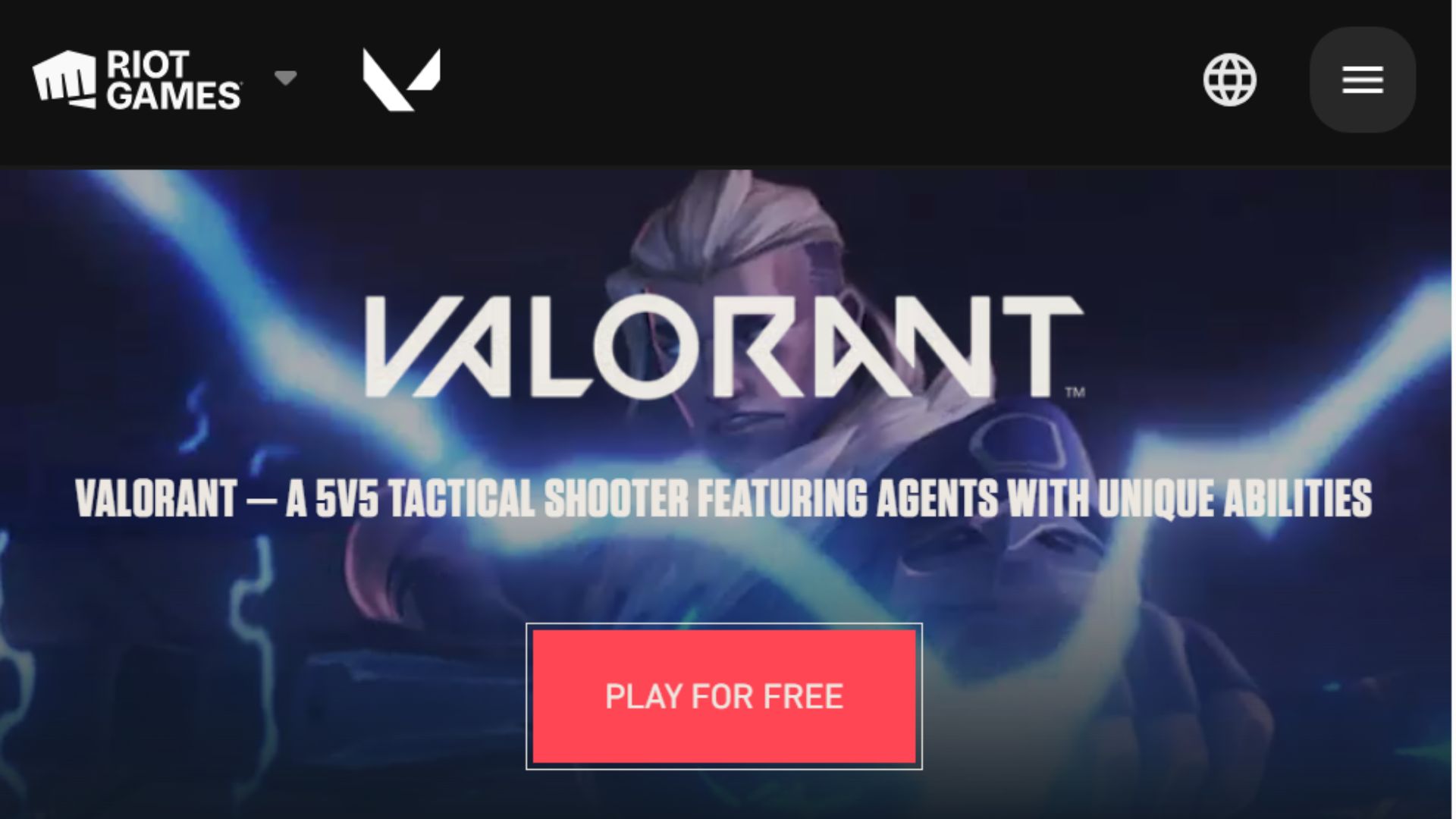
Best for: Competitive players seeking tactical depth with ability-based combat
Pricing from: Free-to-play with optional cosmetic purchases
Key features: 5v5 tactical shooter, 25+ unique agents with special abilities, ranked competitive mode, regular seasonal updates, Agent-based economy system
Valorant combines Counter-Strike's precise gunplay with Overwatch-style character abilities, creating a unique tactical shooter that rewards both mechanical skill and strategic thinking. Riot Games has maintained exceptional server quality with 128-tick servers and aggressive anti-cheat systems, making it the gold standard for competitive integrity in 2026. The game's ranked system provides clear progression paths, while regular agent releases and map additions keep the meta fresh.
The esports ecosystem surrounding Valorant has exploded, with the VCT (Valorant Champions Tour) drawing millions of viewers and creating genuine career opportunities for professional players. Regular balance patches demonstrate Riot's commitment to fair gameplay, though some updates have sparked community debate. The game's accessibility for new players has improved significantly with expanded tutorial systems and unranked competitive modes.
Pros:
Exceptional competitive integrity with industry-leading anti-cheat
Regular content updates and agent releases
Free-to-play model with no pay-to-win elements
Thriving esports scene and content creator community
Precise gunplay mechanics reward skill development
Cons:
Steep learning curve for newcomers to tactical shooters
Cosmetic prices can be expensive
Requires consistent practice to maintain competitive rank
Limited casual game modes compared to competitors
2. League of Legends
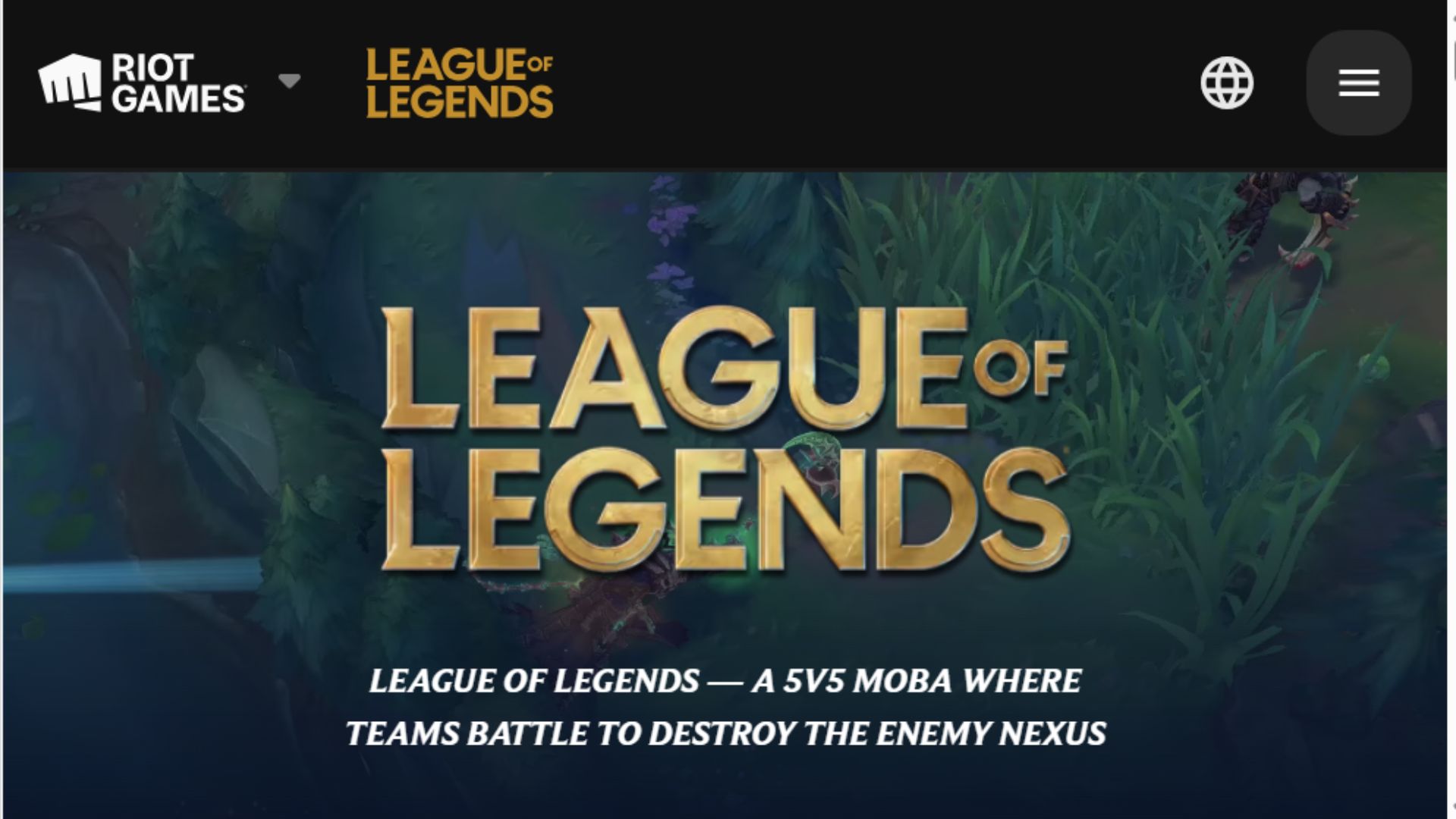
Best for: Strategic gamers who enjoy team-based MOBA gameplay
Pricing from: Free-to-play with champion rotation
Key features: 165+ champions, strategic 5v5 gameplay, multiple game modes, extensive ranked system, regular patches and meta shifts
League of Legends remains the undisputed king of MOBAs in 2026, with over 150 million monthly active players and the most-watched esports scene globally. Riot's constant champion reworks and seasonal updates keep the 15-year-old game feeling fresh, while the recent graphical updates have modernized the aesthetic without alienating longtime players. The game's depth is unmatched, with intricate itemization, champion matchups, and macro-strategic elements that create endless replay value.
The ranked experience has been refined through years of iteration, offering everything from Iron to Challenger tiers with sophisticated matchmaking algorithms. New player onboarding has dramatically improved with expanded tutorials, practice modes, and smurfing detection systems. The addition of Arena mode and other rotating game modes provides casual alternatives to the intense Summoner's Rift experience, broadening the game's appeal beyond hardcore competitive players.
Pros:
Massive champion pool provides endless variety
Most-developed esports ecosystem in gaming
Regular updates and balance patches
Strong social features and guild systems
Completely free-to-play with fair monetization
Cons:
Notoriously toxic community in lower ranks
Extremely steep learning curve with high knowledge requirements
Individual matches can last 30-45 minutes
Requires team coordination for optimal experience
3. Fortnite
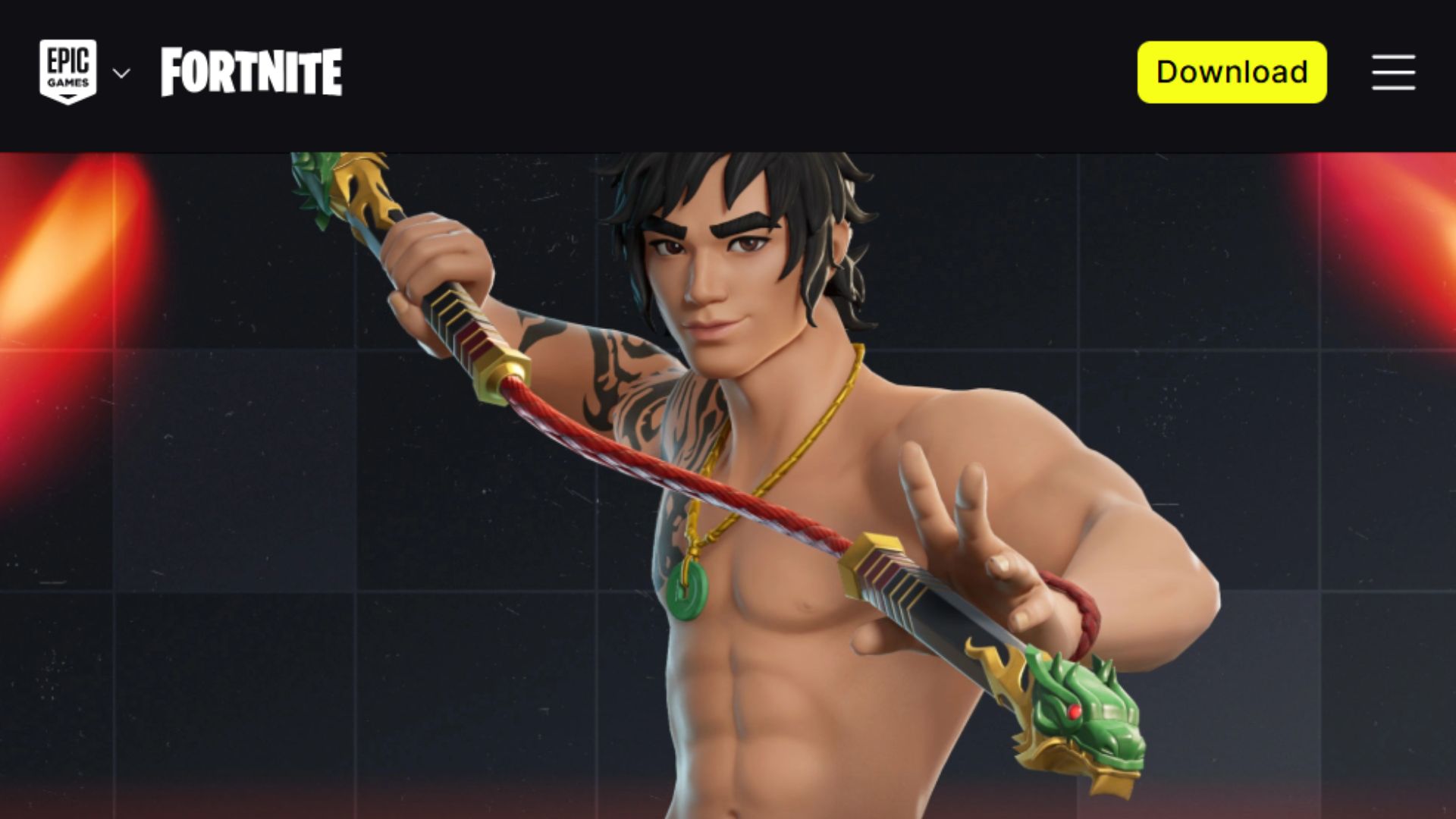
Best for: Gamers seeking variety with battle royale, creative, and social experiences
Pricing from: Free-to-play with Battle Pass ($10/season)
Key features: 100-player battle royale, creative mode with custom games, zero-build mode, concerts and live events, cross-platform play, seasonal content
Fortnite has evolved beyond a battle royale into a comprehensive gaming platform, offering everything from competitive matches to custom racing games built in Creative mode. Epic Games' commitment to innovation shows in features like UEFN (Unreal Editor for Fortnite), which has enabled creators to build increasingly sophisticated custom experiences. The zero-build mode introduced in 2024 has been refined and now represents nearly 40% of the player base, proving that Epic listens to community preferences.
The social aspect of Fortnite cannot be overstated—it's become a virtual hangout space where friends gather not just to play but to attend virtual concerts, watch movie premieres, and participate in limited-time events. The seasonal Battle Pass system remains one of gaming's best value propositions, offering dozens of cosmetics and rewards for a nominal fee. Cross-platform functionality means you can play with friends regardless of their device, from mobile to PlayStation 5.
Pros:
Incredible variety beyond traditional battle royale
Regular massive content updates and collaborations
Excellent cross-platform support
Zero-build mode offers accessible alternative
Creative mode provides unlimited user-generated content
Cons:
Building mechanics have a learning curve in traditional modes
Frequent meta changes can be disorienting
Battle Pass creates FOMO (fear of missing out)
Performance can vary on lower-end hardware
4. Counter-Strike 2
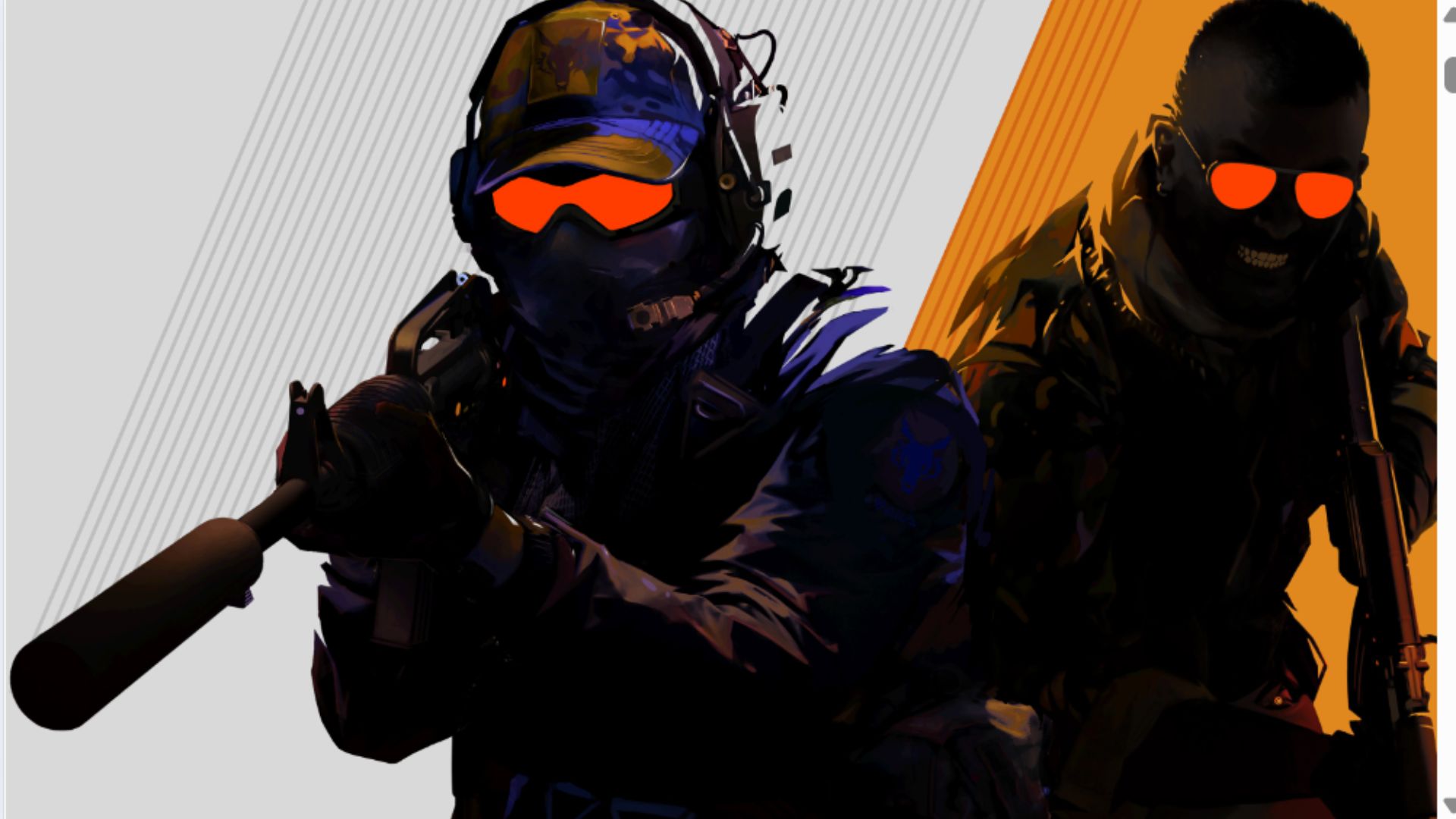
Best for: Hardcore FPS players seeking pure skill-based competition
Pricing from: Free-to-play (previously $15)
Key features: Source 2 engine graphics, refined smoke physics, dynamic lighting, 5v5 tactical gameplay, economy system, active map pool, skin trading marketplace
Counter-Strike 2 represents Valve's successful modernization of the legendary franchise, bringing cutting-edge graphics and refined mechanics while preserving the core gameplay that has defined competitive FPS for decades. The Source 2 engine upgrade introduced volumetric smoke grenades that react to lighting and environment, adding new tactical depth. Server improvements and sub-tick rate technology have made CS2 feel more responsive than CS:GO, though the community remains divided on some netcode implementations.
The transition to free-to-play in late 2023 has expanded the player base while maintaining competitive integrity through Prime matchmaking. The skin economy remains robust, with rare items appreciating in value and providing a legitimate secondary market. Map updates respect the competitive legacy while introducing subtle improvements, and the Major tournament system continues to provide peak esports entertainment with million-dollar prize pools.
Pros:
Purest skill-based FPS gameplay available
Incredible competitive depth with simple mechanics
Robust economy and skin trading system
Active esports scene with prestigious tournaments
Free-to-play removes barrier to entry
Cons:
Unforgiving for new players
Limited game modes compared to modern shooters
Cheating remains an ongoing concern
Graphics feel dated in some areas despite Source 2
5. Apex Legends
Best for: Players who want fast-paced battle royale with hero abilities
Pricing from: Free-to-play with optional Battle Pass ($10/season)
Key features: 60-player battle royale, 25+ unique Legends with abilities, innovative ping system, squad-based gameplay, Arenas mode, regular seasonal content
Apex Legends perfected the movement shooter genre by combining Titanfall's fluid mechanics with battle royale structure and hero-based abilities. Respawn Entertainment's attention to map design shows in the three rotating competitive maps, each offering distinct tactical environments and strategic possibilities. The ping system remains the industry's best communication tool, allowing effective teamwork without voice chat—a game-changer for accessibility and international play.
Season 20 in 2026 introduced significant legend balancing and the evolved Ranked system that better rewards consistent performance over pure wins. The Arenas mode provides a faster alternative to battle royale, offering 3v3 round-based combat that highlights gunfight skills. Regular legend releases and weapon additions keep the meta evolving, though Respawn has slowed the pace compared to early seasons to allow better balancing and player adaptation.
Pros:
Best-in-class movement mechanics and mobility
Exceptional ping communication system
Strong character variety and role diversity
Free-to-play with generous Battle Pass value
Multiple game modes for different preferences
Cons:
Solo queue experience can be frustrating
Smaller player count per match than competitors
Legend balance issues emerge with new releases
Battle Pass progression can feel grindy
6. Call of Duty: Warzone
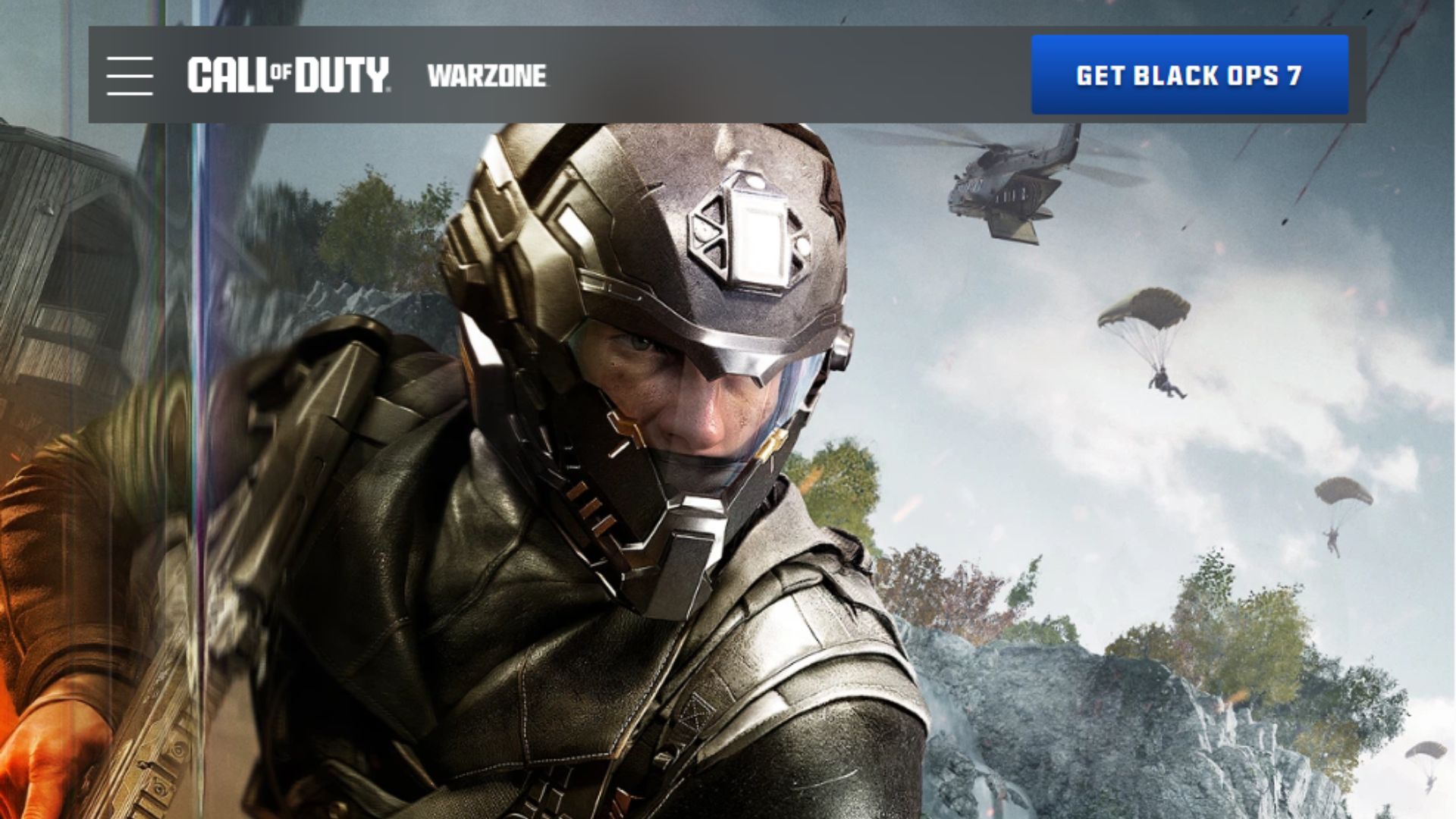
Best for: Casual and competitive players seeking accessible large-scale combat
Pricing from: Free-to-play with integration to premium Call of Duty titles
Key features: 150-player battle royale, multiple game modes, Gulag respawn system, loadout customization, seasonal integration with current CoD title, DMZ extraction mode
Warzone has established itself as the most accessible large-scale battle royale, with lower skill floors than competitors while maintaining competitive depth for dedicated players. The integration with the current premium Call of Duty release (currently Black Ops 6 in 2026) ensures constant weapon additions and meta shifts, though this connection sometimes creates balance concerns. The Gulag system remains gaming's most innovative respawn mechanic, giving eliminated players a second chance through 1v1 combat.
The addition of DMZ mode has provided an extraction-shooter alternative that rewards exploration and objective completion over pure combat. Warzone's presentation quality is unmatched, with cinematic operators, weapon blueprints, and environmental destruction creating Hollywood-level spectacle. Regular limited-time modes and seasonal events keep the experience fresh, while the massive player base ensures instant matchmaking at all skill levels across all times of day.
Pros:
Most accessible battle royale for new players
Excellent weapon feel and gunplay
Gulag respawn system reduces frustration
Strong integration with premium CoD titles
Multiple modes including DMZ extraction
Cons:
Frequent bugs and optimization issues at season launches
Pay-to-win concerns with some weapon blueprints
Large file size (over 150GB)
Meta shifts can be extreme and disruptive
7. Minecraft
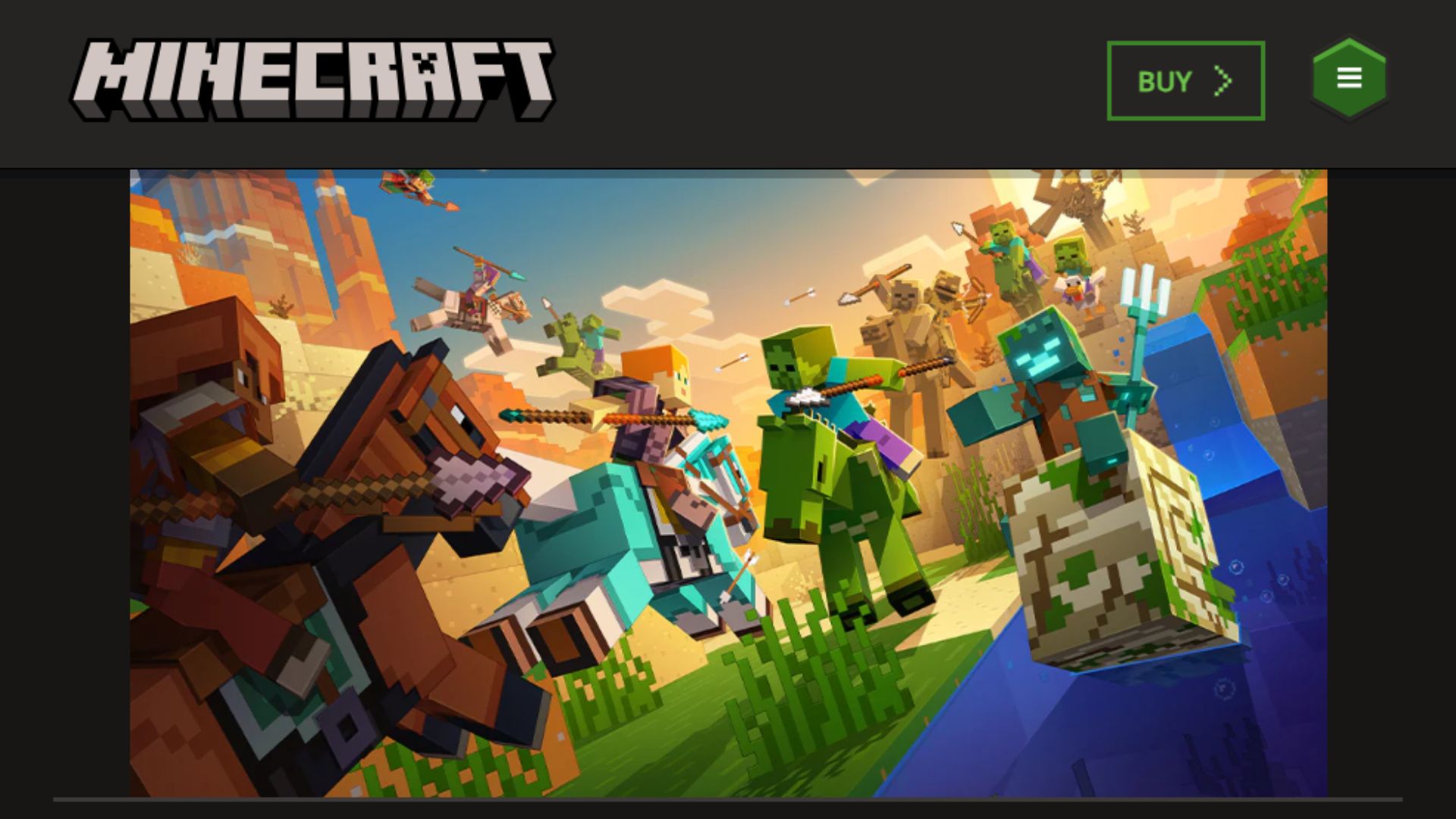
Best for: Creative players and communities building shared worlds
Pricing from: $26.95 (one-time purchase, includes multiplayer)
Key features: Infinite procedurally generated worlds, creative and survival multiplayer modes, extensive modding support, cross-platform play, community-run servers, regular content updates
Minecraft's multiplayer ecosystem has matured into one of gaming's most diverse online communities, spanning everything from massive mini-game servers with thousands of concurrent players to intimate survival worlds shared among friends. The game's creative potential is limitless, with players constructing everything from functional computers to scale replicas of entire cities. Community-run servers like Hypixel offer dozens of unique game modes that rival standalone releases in scope and polish.
The addition of ray tracing and the Caves & Cliffs update has modernized Minecraft's aesthetic while preserving the blocky charm that defines the experience. Cross-platform play between Java and Bedrock editions has finally been streamlined, allowing friends to play together regardless of platform. Regular content updates introduce new biomes, mobs, and mechanics, while the modding community continues to expand possibilities with thousands of free modifications adding everything from new dimensions to sophisticated automation systems.
Pros:
Unlimited creative potential and building freedom
Massive community with diverse server options
One-time purchase with no subscriptions required
Extensive modding support on Java Edition
Cross-platform play connects all friends
Cons:
Dated graphics without ray tracing or shaders
Multiplayer requires either server hosting or realm subscription
Performance issues on heavily modded servers
Java and Bedrock editions still have feature differences
8. Rocket League
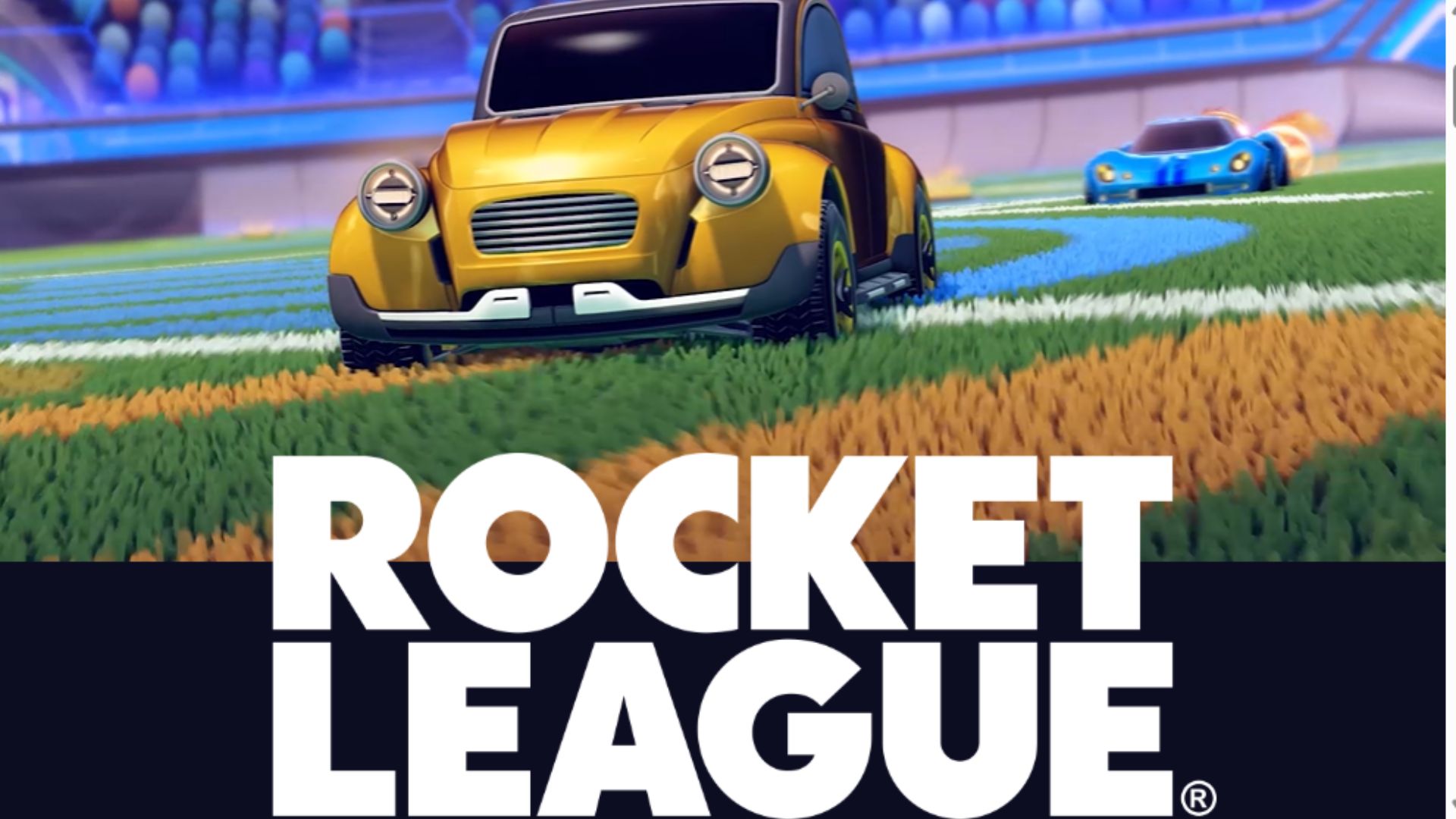
Best for: Competitive gamers wanting quick, skill-based matches
Pricing from: Free-to-play with optional cosmetic purchases
Key features: 1v1 through 4v4 car soccer, ranked competitive modes, extensive customization, cross-platform play, regular tournaments, simple mechanics with infinite skill ceiling
Rocket League's unique premise—soccer with rocket-powered cars—has proven to have incredible competitive longevity, with professional players still discovering new techniques after years of play. The game's brilliance lies in its simplicity: the core mechanics can be learned in minutes, but mastering aerials, flip resets, and team rotations takes thousands of hours. Psyonix has refined the ranked system to provide satisfying progression from Bronze through Grand Champion and beyond, with each rank feeling meaningfully different.
The free-to-play transition in 2020 expanded the player base dramatically while maintaining the competitive integrity that hardcore players value. Regular tournaments, both official and community-run, provide structured competitive opportunities for players of all skill levels. The customization system allows for incredible personalization with hundreds of cars, decals, and goal explosions, though the removal of loot boxes improved the monetization ethics. Quick match times (typically under 10 minutes including queue) make Rocket League perfect for short gaming sessions.
Pros:
Simple to learn, incredibly deep to master
Quick match times fit any schedule
Thriving competitive scene and esports
Excellent cross-platform functionality
Unique gameplay with no direct competitors
Cons:
Steep skill curve creates rank frustration
Toxic community in competitive modes
Limited game mode variety
Progression system feels slow for cosmetic unlocks
9. Overwatch 2
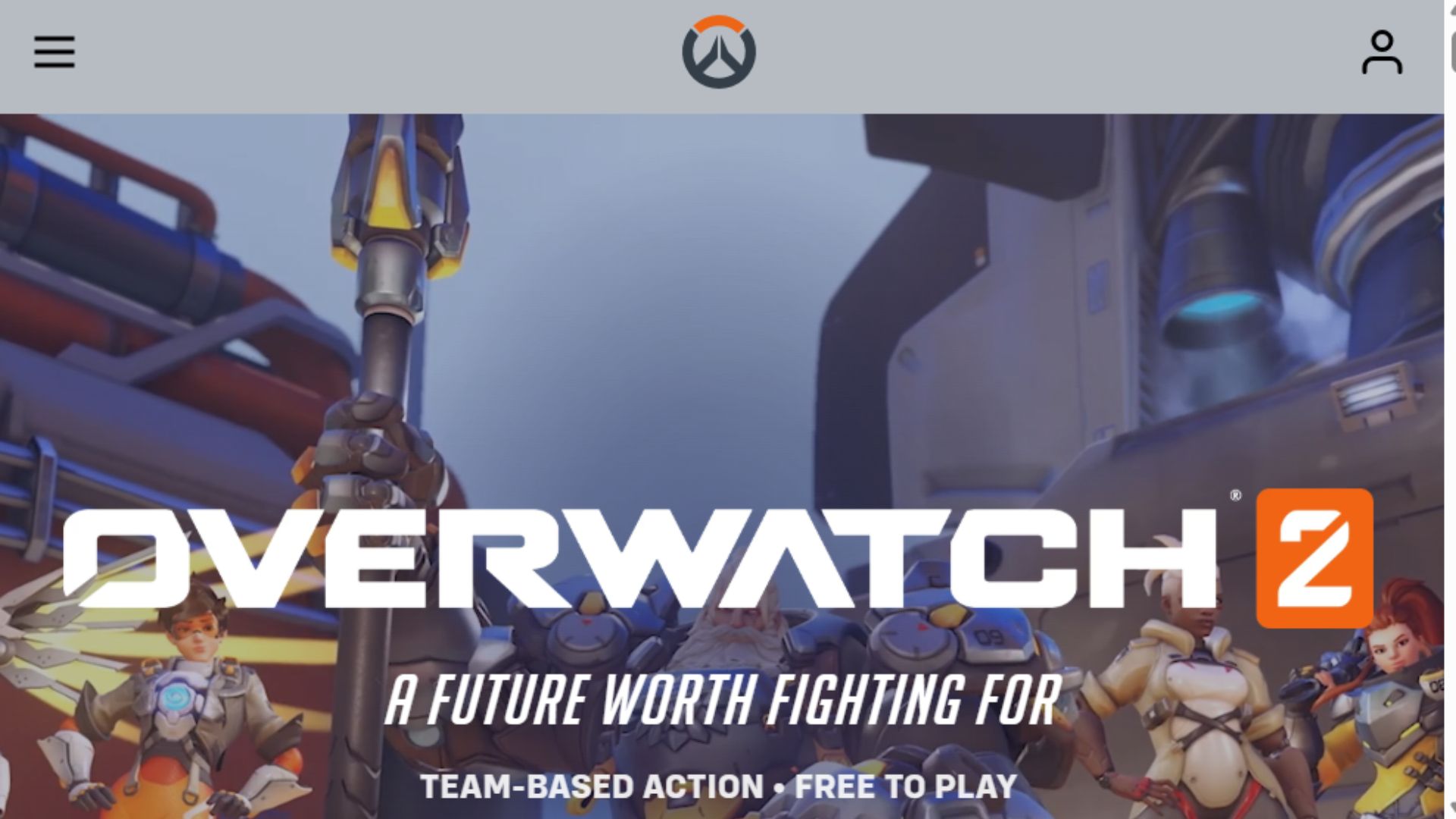
Best for: Team-oriented players who enjoy hero shooters
Pricing from: Free-to-play with optional Battle Pass ($10/season)
Key features: 5v5 hero-based shooter, 39 heroes across three roles, multiple competitive modes, push/escort/control map types, seasonal events, role queue system
Overwatch 2's transition from 6v6 to 5v5 fundamentally changed the game's pace and strategy, creating a more aggressive, individual-impact focused experience that has proven divisive but ultimately successful in maintaining player engagement. Blizzard's commitment to regular hero releases and reworks has kept the meta evolving, with Season 10 introducing significant support hero updates that improved role balance. The role queue system ensures team composition quality while reducing wait times through priority passes.
The free-to-play model has democratized access while maintaining monetization through cosmetics and the Battle Pass, which offers substantially better value than Overwatch 1's loot boxes. PvE content additions have expanded the game beyond pure competitive play, providing cooperative experiences against AI enemies with unique modifiers and challenges. The ping system improvements and communication wheel enhancements have made voice-chat-free coordination more viable, improving accessibility for players who prefer not to use mics.
Pros:
Diverse hero roster with unique playstyles
Strong team-based tactical gameplay
Free-to-play removes entry barrier
Regular balance updates and new heroes
Improved role queue reduces composition issues
Cons:
Transition to 5v5 alienated some veteran players
Battle Pass system creates FOMO pressure
Queue times for DPS roles remain long
Limited PvE content despite promises
10. EA Sports FC 25

Best for: Sports fans seeking realistic football simulation multiplayer
Pricing from: $69.99 (standard edition)
Key features: Ultimate Team mode, Pro Clubs, Online Seasons, HyperMotionV technology, 700+ teams and 30+ leagues, EA Sports FC Tactical Vision, cross-platform play
EA Sports FC 25 (formerly FIFA) represents the pinnacle of football simulation, with HyperMotionV technology delivering the most realistic player animations and physics ever implemented in a sports game. Ultimate Team remains the flagship multiplayer experience, allowing players to build dream squads through pack openings, market trading, and competitive matches. The gameplay refinements in FC 25 have addressed longstanding community complaints about defensive AI and passing accuracy, creating a more skill-expressive experience.
Pro Clubs mode has received significant attention in recent years, allowing friends to create virtual players and compete in 11v11 matches with community-run leagues adding structure and competitive depth. The tactical vision system introduced in FC 25 provides unprecedented control over team instructions and player positioning, appealing to football purists who want to implement real-world tactics. Cross-platform play has finally unified the player base, ensuring healthy matchmaking populations across all game modes.
Pros:
Most realistic football simulation available
Ultimate Team provides deep progression systems
Pro Clubs offers unique team-building experience
Licensed teams and players create authenticity
Cross-platform expands matchmaking pools
Cons:
Premium price plus microtransaction pressure
Ultimate Team can feel pay-to-win
Annual release cycle fragments community
Gameplay changes can be controversial
Server issues during peak times
Comparison Summary
Price Models: Seven of the top ten games are free-to-play (Valorant, League of Legends, Fortnite, CS2, Apex Legends, Warzone, Overwatch 2), while Rocket League follows the same model. Minecraft requires a one-time $27 purchase, and EA Sports FC 25 is the only premium-priced title at $70.
Setup and Accessibility: Fortnite, Warzone, and Rocket League offer the lowest skill floors with intuitive mechanics that new players can grasp quickly. Valorant, CS2, and League of Legends demand significant time investment to reach competence, while Apex Legends and Overwatch 2 sit comfortably in the middle ground.
Best For Different Players: Competitive hardcore gamers should prioritize Valorant, CS2, or League of Legends for the most developed ranked systems and esports scenes. Casual players seeking variety will prefer Fortnite or Minecraft for their diverse content offerings. Friends looking for quick, fun sessions should consider Rocket League or Apex Legends. Sports enthusiasts have EA Sports FC 25 as the clear choice, while those wanting creative expression should explore Minecraft's building systems.
Content Updates: All games provide regular seasonal updates, but Fortnite leads with the most frequent and dramatic content additions. League of Legends and Valorant maintain predictable patch schedules, while EA Sports FC follows an annual release model with smaller in-year updates.
Buying Guide
Who Needs Multiplayer Games: Anyone seeking social gaming experiences, competitive challenges, or simply wanting to connect with friends across distances benefits from multiplayer games. These titles have become primary social platforms for Gen Z and Millennials, often replacing traditional social media as hangout spaces.
How It Works: Most modern multiplayer games utilize dedicated server infrastructure ensuring stable connections and fair matchmaking. Ranked systems employ sophisticated algorithms matching players of similar skill levels, while casual modes offer more relaxed environments. Anti-cheat systems and reporting features maintain community health, though effectiveness varies by developer.
Essential Features to Consider:
Matchmaking Quality: Evaluate average queue times and skill-matching accuracy. Games with large player bases (League of Legends, Fortnite) typically offer faster, better-balanced matches.
Monetization Model: Free-to-play titles support themselves through cosmetics and battle passes—assess whether these feel fair or exploitative. Pay-to-win mechanics should be avoided.
Communication Tools: Built-in voice chat, ping systems, and text communication determine how effectively you'll coordinate with teammates. Games like Apex Legends excel here with intuitive ping wheels.
Cross-Platform Support: If your friends play on different devices, verify cross-platform compatibility. Fortnite, Rocket League, and Minecraft lead this category.
Content Update Frequency: Regular updates prevent stagnation. Consider whether you prefer constant meta shifts (League of Legends, Valorant) or more stable gameplay (CS2, Rocket League).
Community Toxicity Management: All competitive games face toxicity challenges, but some implement better moderation, muting tools, and reporting systems than others.
Pricing Overview
Free-to-Play Options: The majority of top multiplayer games cost nothing upfront, monetizing through optional cosmetics and battle passes. Typical battle pass pricing ranges from $10-15 per season (lasting 2-3 months), offering 50-100 tiers of rewards. Cosmetic purchases vary wildly—weapon skins in Valorant can cost $10-100+, while Fortnite skins typically run $8-20.
Premium Purchases: Minecraft's one-time $27 purchase includes all multiplayer features with no additional costs beyond optional realm hosting ($8/month for private servers). EA Sports FC 25 at $70 represents the traditional premium model, though Ultimate Team's microtransactions can add hundreds of dollars for competitive players.
DIY vs. Hosted Servers: For games like Minecraft, you can host servers yourself using personal hardware or rent dedicated servers starting around $5-30/month depending on player capacity and performance requirements. Most competitive games use developer-hosted servers exclusively, eliminating setup complexity but removing customization options.
Value Proposition: Free-to-play games with fair monetization (Apex Legends, Rocket League, Valorant) offer exceptional value, providing hundreds of hours of entertainment without mandatory spending. Premium games like EA Sports FC require careful evaluation of your engagement level—annual releases mean last year's investment becomes obsolete.
FAQ
Q: Can I play these games solo or do I need friends?
Most multiplayer games include matchmaking that pairs you with random teammates, so friends aren't required. However, games like League of Legends, Valorant, and Overwatch 2 are significantly more enjoyable with coordinated teams. Minecraft and Fortnite Creative modes are solo-friendly, while Rocket League offers 1v1 ranked modes for true solo competition.
Q: How much time do I need to invest to be competitive?
This varies dramatically by game. Rocket League and Apex Legends require 50-100 hours to reach intermediate competency, while League of Legends and Valorant demand 200-300+ hours to understand core mechanics. CS2 rewards prior FPS experience but still requires dedicated practice for competitive ranks. Fortnite and Warzone offer the fastest paths to casual competence at 20-30 hours.
Q: Are these games safe for younger players?
All featured games include age ratings (typically Teen or Mature) and offer parental controls. Minecraft rates lowest at E10+ and provides the safest community environment. Games with voice chat (most competitive titles) expose players to potential toxicity—muting communications and using reporting tools helps. Fortnite's content rating is T for Teen, but gameplay is less graphic than competitors. Parental involvement in monitoring playtime, interactions, and spending is recommended.
Q: Do I need expensive hardware to run these games?
Requirements vary significantly. Fortnite, Rocket League, and Minecraft run on modest hardware including some laptops and older consoles. League of Legends and CS2 have relatively low requirements. Warzone and EA Sports FC 25 demand more powerful systems—expect $800+ PCs or current-generation consoles (PS5, Xbox Series X/S) for optimal performance. Most games offer graphics settings scalability to accommodate different hardware levels.
Q: Can I make money playing these games?
Professional esports opportunities exist primarily in League of Legends, Valorant, CS2, and EA Sports FC, though competition is extreme with only a tiny percentage reaching paid professional status. Content creation (streaming on Twitch, YouTube videos) offers more accessible income potential for skilled and entertaining players. Rocket League and Overwatch 2 maintain smaller but legitimate competitive scenes. CS2's skin trading ecosystem allows entrepreneurial players to profit, though risks exist. Treat competitive gaming as a hobby first—monetization remains unlikely for most players.