
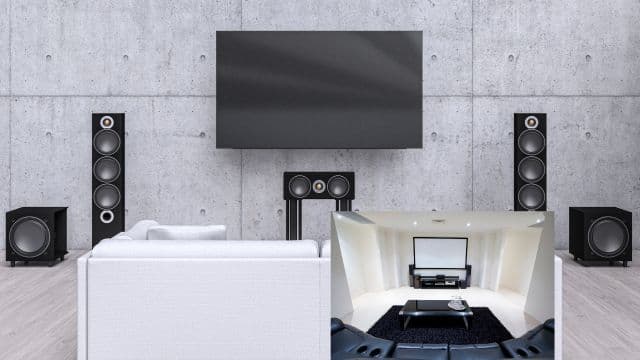
Top 10 at a Glance
Vizio V-Series 5.1 – Best for complete surround sound on a budget
Sony HT-S400 – Best for clear dialogue and compact design
Samsung HW-Q600C – Best for Dolby Atmos on a budget
Yamaha YAS-109 – Best for streaming and voice control
Polk Audio Signa S4 – Best for music and movies balance
JBL Bar 2.1 Deep Bass – Best for powerful bass under $300
LG S75Q – Best for gaming with low latency
Klipsch Cinema 600 – Best for room-filling sound
Monoprice SB-600 – Best for extreme budget constraints
TCL Alto 9+ – Best for Roku TV owners
1. Vizio V-Series 5.1

The Vizio V-Series 5.1 delivers true surround sound with a soundbar, wireless subwoofer, and two rear satellite speakers. This setup creates an immersive audio environment that wraps around your room, making action scenes feel more intense and dialogue more natural. It's one of the few systems at this price point that includes dedicated rear speakers.
Who It's For: Home theater enthusiasts who want authentic surround sound without spending over $500, and anyone who values easy setup with wireless connectivity.
Key Features: The system supports Dolby Audio and DTS Digital Surround, providing cinematic sound formats that elevate your viewing experience. The wireless subwoofer delivers deep, rumbling bass that you can feel, while the rear speakers add spatial depth. Setup is straightforward with color-coded cables and Bluetooth connectivity for music streaming. The soundbar includes multiple HDMI inputs and supports 4K HDR pass-through.
Pricing: Typically available between $250-$350 depending on sales.
Pros:
True 5.1 surround sound with rear speakers
Wireless subwoofer for flexible placement
Multiple HDMI inputs for various devices
Excellent value for the feature set
Easy setup with clear instructions
Cons:
Rear speakers require power outlets nearby
No Dolby Atmos support
Remote control feels basic
App functionality is limited
2. Sony HT-S400

Sony's HT-S400 is a 2.1-channel soundbar that prioritizes vocal clarity and compact design. It features a dedicated center channel that ensures dialogue cuts through even during explosive action sequences. The sleek, low-profile design fits easily under most TVs without blocking the screen or remote sensor.
Who It's For: Apartment dwellers, small to medium-sized rooms, and anyone frustrated by muffled dialogue in modern movies and TV shows.
Key Features: The built-in center speaker is engineered specifically for voice reproduction, making it perfect for dialogue-heavy content. Sony's S-Force Pro virtual surround technology creates a wider soundstage without additional speakers. The wireless subwoofer adds punch to action scenes and music. It includes Bluetooth connectivity, multiple sound modes, and a voice enhancement feature that can be toggled on demand.
Pricing: Generally found in the $200-$280 range.
Pros:
Exceptional dialogue clarity
Compact design ideal for smaller spaces
Wireless subwoofer included
Easy one-cable HDMI ARC setup
Reliable Sony build quality
Cons:
Limited bass depth compared to larger systems
No rear surround speakers
Virtual surround can't match true surround
Fewer HDMI ports than competitors
3. Samsung HW-Q600C

Samsung brings Dolby Atmos to the budget category with the HW-Q600C, a 3.1.2-channel soundbar that includes upward-firing drivers for overhead sound effects. This creates a three-dimensional audio experience that makes helicopters fly overhead and rain fall from above, adding a new layer of immersion.
Who It's For: Movie lovers who want premium audio formats like Dolby Atmos without paying flagship prices, especially those with Samsung TVs for seamless integration.
Key Features: The upward-firing speakers bounce sound off your ceiling to create height channels, simulating overhead audio. Samsung's Q-Symphony technology allows the soundbar to work in harmony with compatible Samsung TV speakers for expanded sound. The system includes a wireless subwoofer, adaptive sound that adjusts audio based on content, and support for both Dolby Atmos and DTS:X. Game Mode Pro reduces lag for console gaming.
Pricing: Typically priced between $350-$450.
Pros:
Dolby Atmos and DTS:X support
Overhead sound effects via upward-firing drivers
Q-Symphony with Samsung TVs
Gaming mode with low latency
Sleek, modern design
Cons:
Atmos effect works best with proper ceiling height
No rear speakers included
Higher price than basic soundbars
Some features limited to Samsung ecosystem
4. Yamaha YAS-109
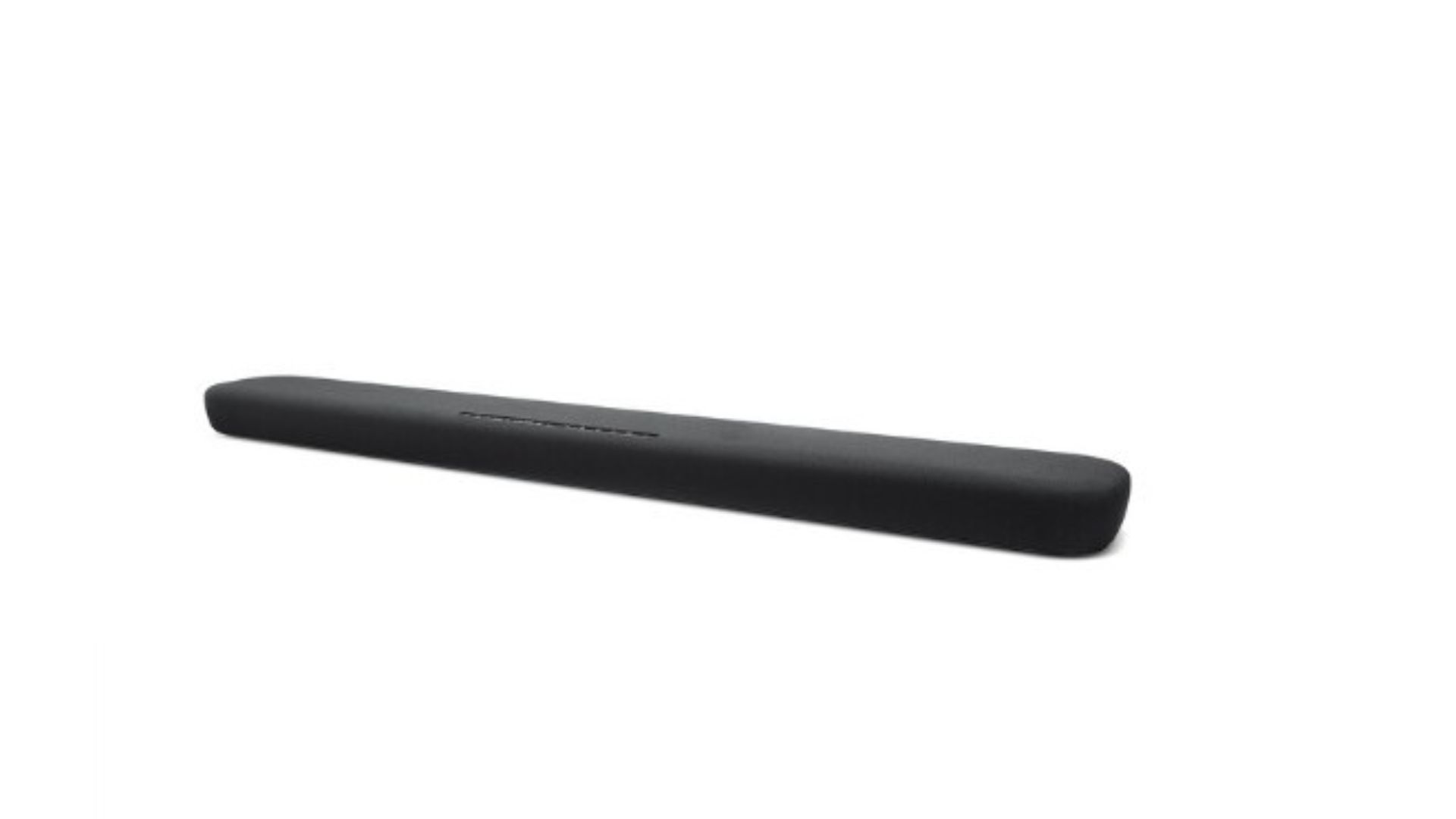
The Yamaha YAS-109 is a soundbar that doubles as a smart speaker with built-in Alexa. It offers solid audio performance while adding voice control convenience, making it easy to adjust volume, switch inputs, or control smart home devices without picking up a remote.
Who It's For: Tech-savvy users who want voice control, streaming enthusiasts, and anyone looking for a simple all-in-one solution that handles both audio and smart home tasks.
Key Features: Built-in Alexa allows hands-free voice control and music streaming from services like Spotify and Amazon Music. DTS Virtual:X creates simulated 3D surround sound from a single bar. The Clear Voice technology enhances dialogue intelligibility, and there's a dedicated bass port that provides surprisingly deep low-end response without a separate subwoofer. It supports 4K HDR pass-through and includes Bluetooth for wireless music playback.
Pricing: Usually available for $200-$250.
Pros:
Built-in Alexa voice assistant
No external subwoofer needed in smaller rooms
DTS Virtual:X for simulated surround
Music streaming directly through the bar
Easy setup and intuitive controls
Cons:
Bass may disappoint in larger rooms
No physical subwoofer included
Virtual surround limited compared to true surround
Privacy concerns with always-listening microphone
5. Polk Audio Signa S4
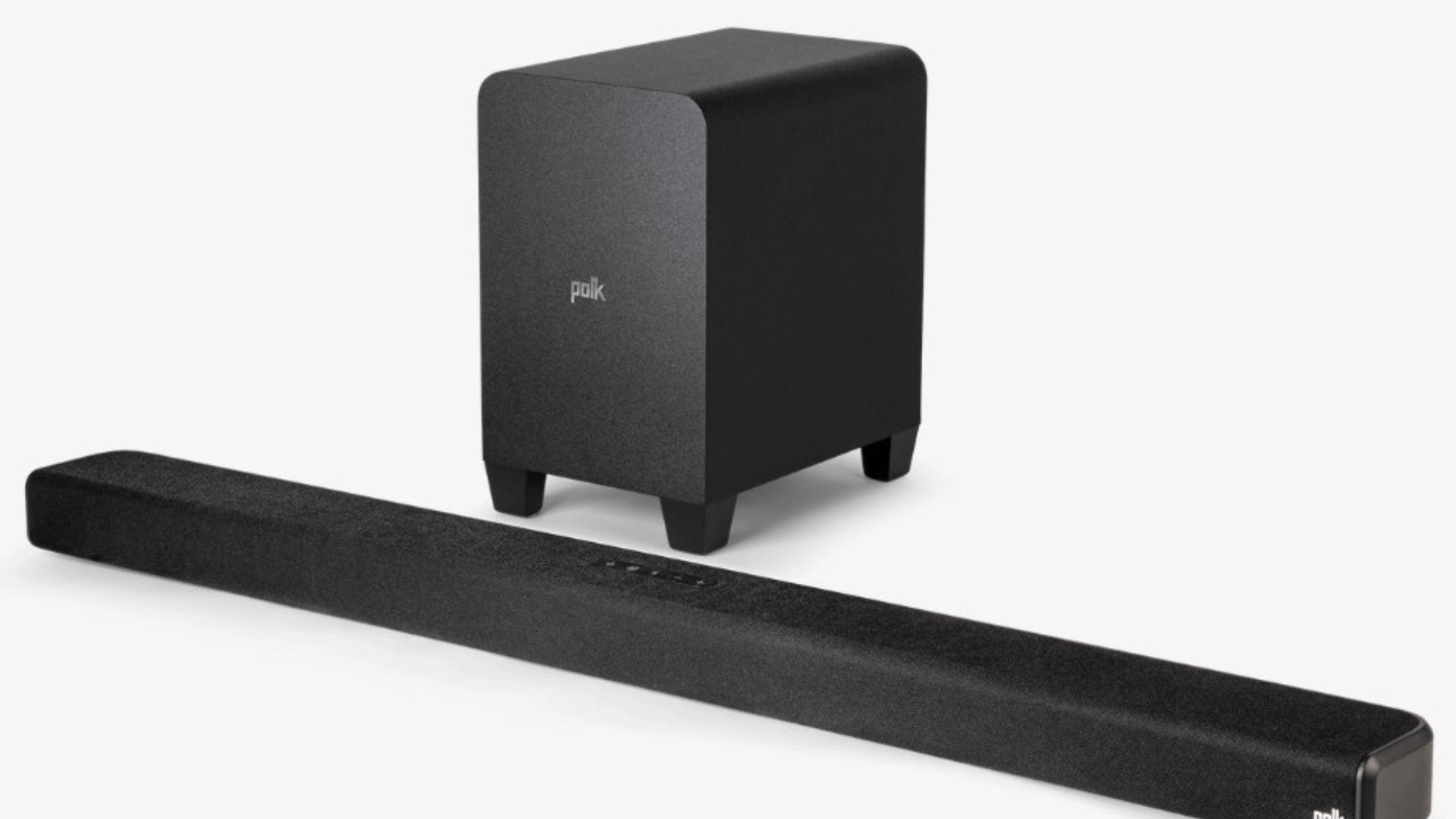
Polk Audio's Signa S4 strikes an impressive balance between music fidelity and movie excitement. It's a 3.1.2-channel system with a wireless subwoofer that handles both genres with finesse, making it ideal for households that use their TV for more than just movies.
Who It's For: Music lovers who also watch movies, audiophiles on a budget, and anyone who wants a system that excels across multiple content types.
Key Features: The three-channel front array provides detailed stereo separation for music while maintaining clear dialogue for movies. Upward-firing drivers add Dolby Atmos height effects. Polk's proprietary VoiceAdjust technology offers multiple levels of dialogue enhancement. The wireless subwoofer delivers controlled, musical bass that doesn't overpower the mix. Night Mode compresses dynamic range for late-night viewing, and there's a dedicated music mode that optimizes the EQ for streaming.
Pricing: Typically found between $300-$400.
Pros:
Excellent music performance for a soundbar
Dolby Atmos with height channels
Adjustable dialogue enhancement
Wireless subwoofer with tight, musical bass
Night mode for considerate listening
Cons:
Limited to 3.1.2 configuration
No rear speakers
Remote layout could be more intuitive
Subwoofer may be too subtle for bass lovers
6. JBL Bar 2.1 Deep Bass
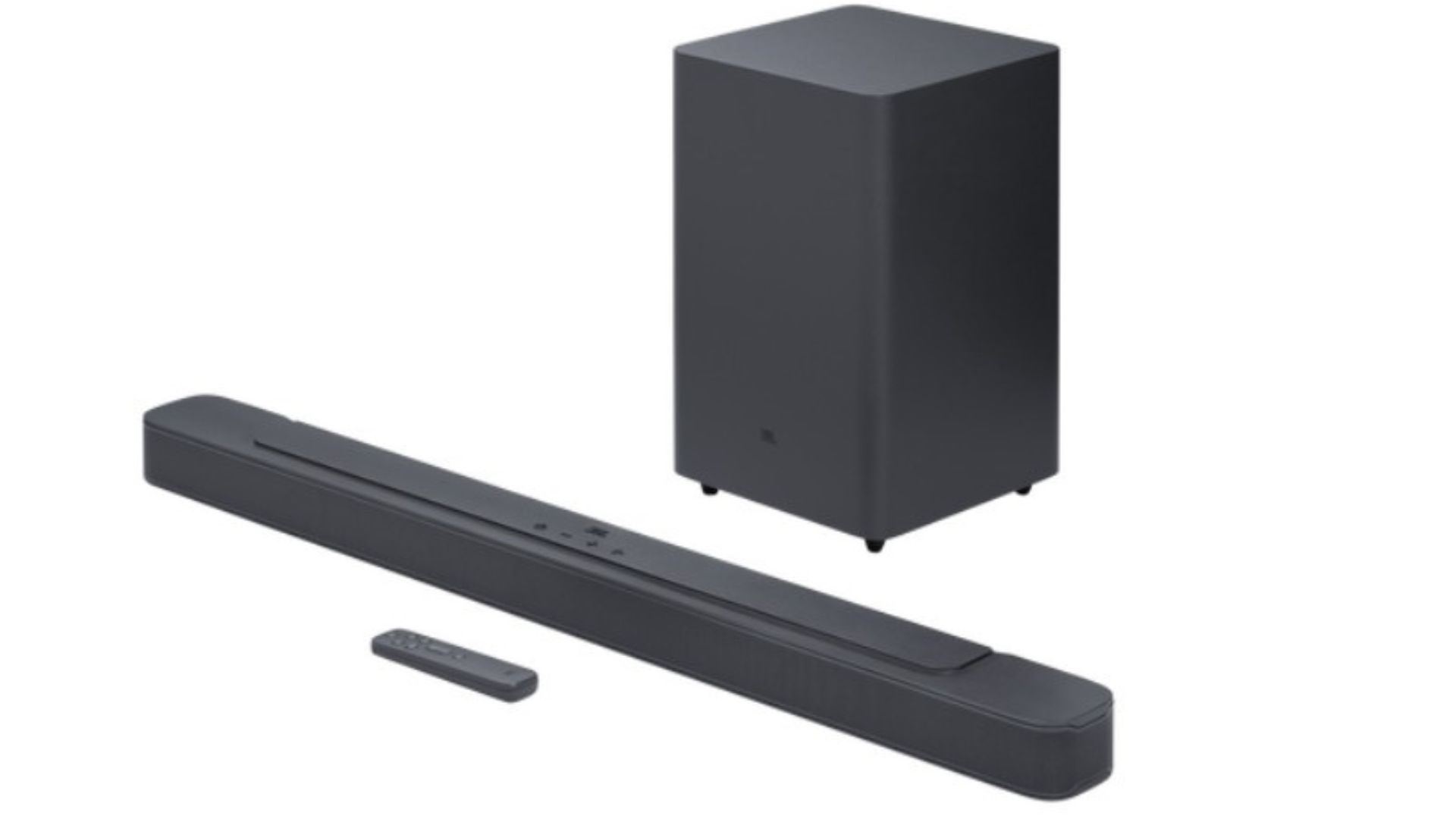
JBL focuses on one thing with this soundbar: delivering earth-shaking bass that you can feel in your chest. The 10-inch wireless subwoofer is the star here, providing low-frequency punch that rivals systems costing twice as much. If you love action movies and EDM, this system won't disappoint.
Who It's For: Bass enthusiasts, action movie fans, EDM and hip-hop listeners, and anyone who feels most soundbars lack low-end impact.
Key Features: The massive 10-inch subwoofer generates 300 watts of deep bass that brings explosions, car chases, and thunderstorms to life. JBL's proprietary drivers in the soundbar provide clear mids and highs to complement the powerful low end. Wireless Bluetooth streaming makes it easy to play music from your phone. The system includes multiple sound modes, HDMI ARC for easy TV connection, and Dolby Digital support. Bass and treble are adjustable to fine-tune the sound to your room.
Pricing: Generally priced around $250-$300.
Pros:
Exceptionally powerful bass response
Large 10-inch wireless subwoofer
Great value for bass performance
JBL sound quality and build
Simple setup and operation
Cons:
Only 2.1 channels (no surround)
Subwoofer may overwhelm smaller rooms
No Dolby Atmos support
Virtual surround effect is minimal
7. LG S75Q
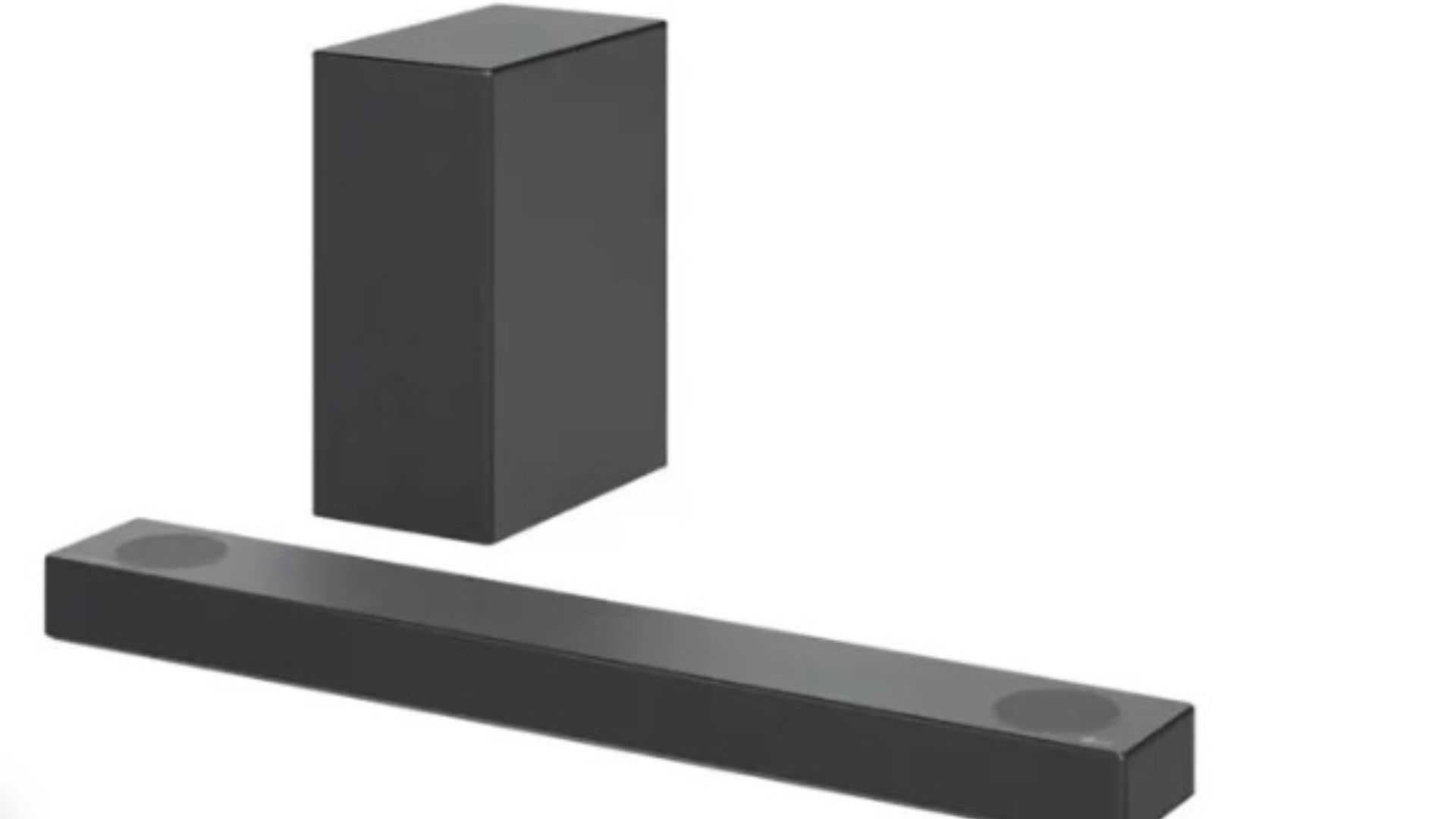
LG designed the S75Q with gamers in mind, featuring ultra-low latency and compatibility with gaming consoles. The 3.1.2-channel system includes Dolby Atmos, but its standout feature is how it maintains perfect audio sync during fast-paced gaming sessions.
Who It's For: Console and PC gamers, sports fans who want crisp commentary, and anyone sensitive to audio delay.
Key Features: The soundbar's gaming mode reduces input lag to imperceptible levels, ensuring sound effects match on-screen action perfectly. It supports HDMI 2.1 with eARC for full-bandwidth audio from next-gen consoles. Upward-firing drivers provide Atmos height effects that make games feel more immersive. LG's AI Sound Pro analyzes content and optimizes audio automatically. The wireless subwoofer adds punch to explosions and engine sounds. Works seamlessly with LG TVs through the company's ecosystem.
Pricing: Typically available for $350-$450.
Pros:
Ultra-low latency for gaming
HDMI 2.1 with eARC support
Dolby Atmos with height channels
AI-powered sound optimization
Works great with sports content
Cons:
No rear surround speakers
AI features work best with LG TVs
Higher price for 3.1.2 configuration
Subwoofer placement affects performance
8. Klipsch Cinema 600
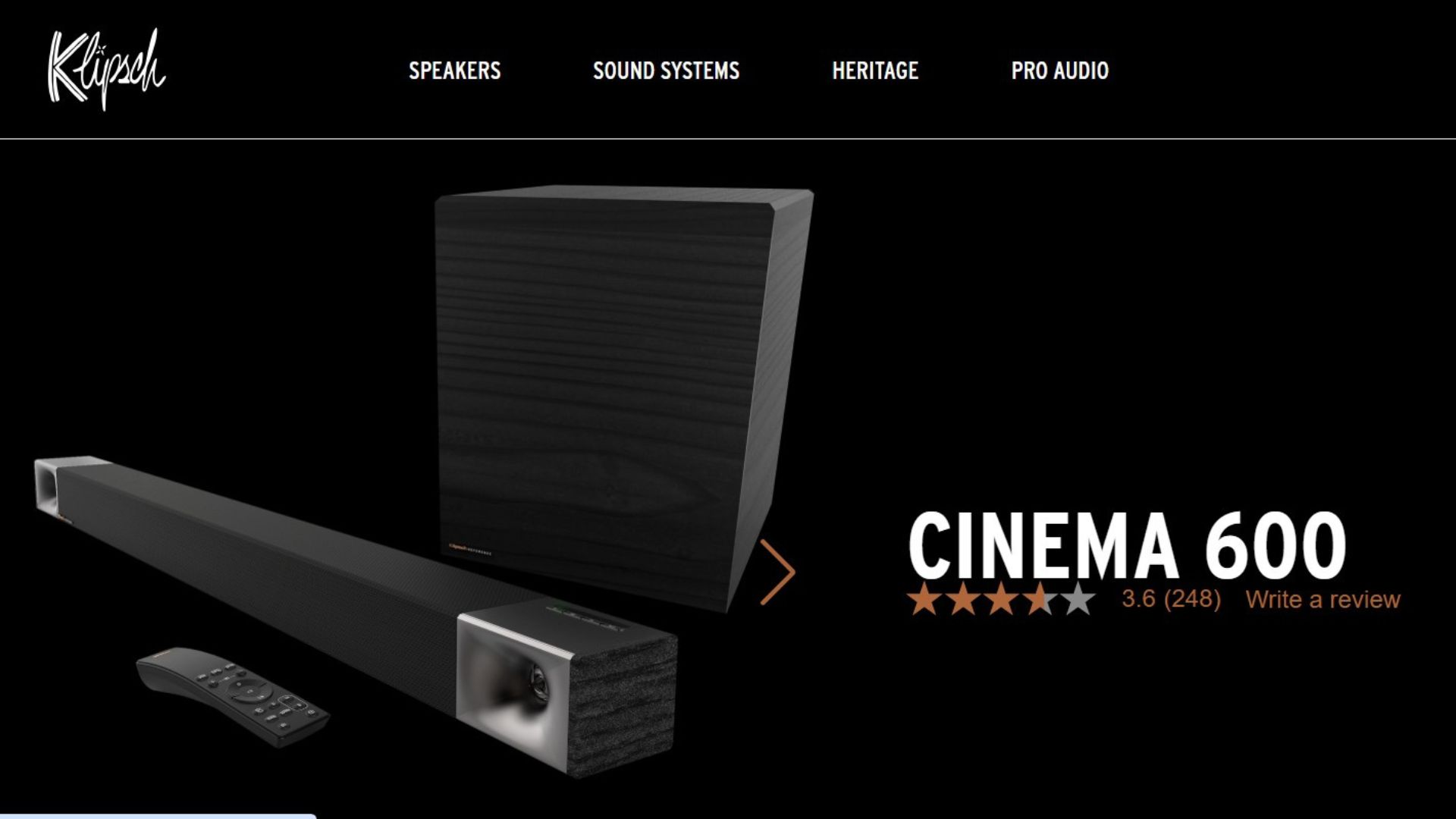
Klipsch brings its legendary audio heritage to the budget soundbar market with the Cinema 600. This 3.1-channel system features the company's signature horn-loaded tweeters that deliver crisp, detailed highs and dynamic midrange that makes dialogue sound natural and music sparkle.
Who It's For: Audiophiles stepping into soundbars, medium to large rooms, and anyone who appreciates high-quality audio reproduction.
Key Features: Klipsch's horn-loaded technology ensures efficient, distortion-free sound at all volume levels. The dedicated center channel focuses on vocal clarity while left and right channels handle stereo effects. The wireless 8-inch subwoofer provides deep, controlled bass. The system includes a 3D surround sound mode that creates an expanded soundstage, HDMI ARC connectivity, Bluetooth streaming, and multiple sound presets for different content types. Build quality is noticeably premium for the price point.
Pricing: Generally found between $400-$500.
Pros:
Klipsch sound quality and heritage
Horn-loaded tweeters for clear highs
Excellent build quality and aesthetics
Powerful wireless subwoofer
Great for both movies and music
Cons:
No Dolby Atmos support
Limited to 3.1 configuration
Higher price than basic competitors
Sound signature may be too bright for some
9. Monoprice SB-600
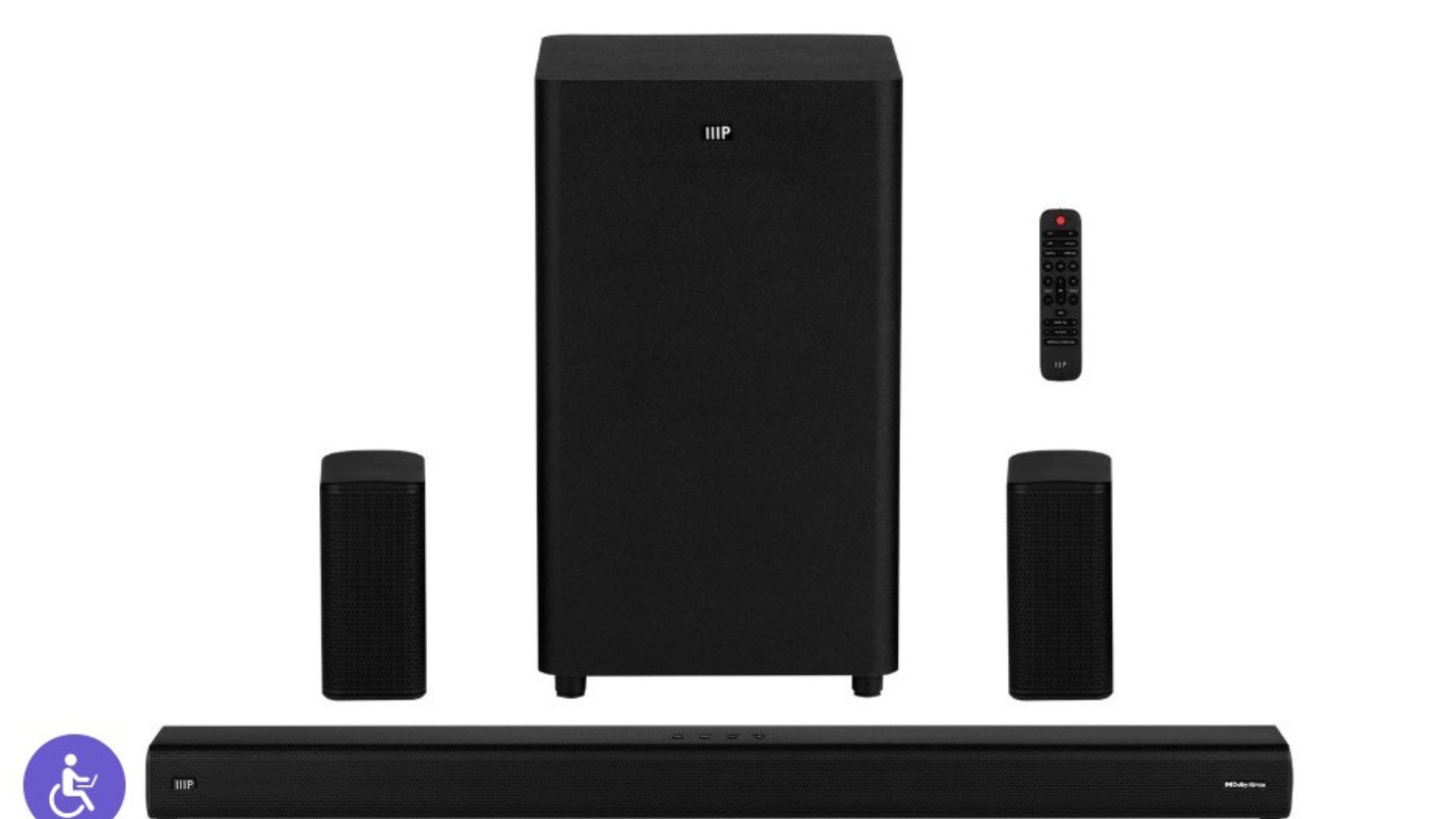
The Monoprice SB-600 is proof that decent home theater audio can be achieved on an extreme budget. This no-frills 5.1-channel system includes everything you need: soundbar, subwoofer, and rear speakers, all for less than many standalone soundbars cost.
Who It's For: College students, first apartments, rental properties, and anyone who needs functional surround sound while saving for a premium system later.
Key Features: Despite the rock-bottom price, you get true 5.1 surround sound with physical rear speakers that create genuine spatial audio. The system supports Dolby Digital and includes multiple connection options like HDMI, optical, and auxiliary inputs. The subwoofer is wired but provides adequate bass for smaller rooms. Setup is straightforward, and the system includes a basic remote. While it won't compete with premium systems, it dramatically outperforms TV speakers and provides legitimate theater-style audio.
Pricing: Typically priced between $150-$200.
Pros:
Unbeatable price for true 5.1 surround
All speakers included in the package
Multiple connectivity options
Massive upgrade over TV speakers
Perfect starter system
Cons:
Build quality reflects the price
Limited audio format support
Wired subwoofer reduces placement flexibility
Remote and interface are basic
Sound quality trails more expensive options
10. TCL Alto 9+

TCL's Alto 9+ is purpose-built for Roku TV owners, offering seamless integration and simple setup. This 3.1-channel soundbar with wireless subwoofer communicates directly with Roku TVs, allowing you to control volume and settings with your TV remote.
Who It's For: Roku TV owners, anyone who values simplicity over complexity, and users frustrated by multiple remotes.
Key Features: The standout feature is Roku TV Ready certification, which means one-cable setup and control through your existing Roku remote. No programming, no learning codes, it just works. The soundbar supports Dolby Audio and includes multiple sound modes optimized for different content. The wireless subwoofer adds solid bass response. Built-in Bluetooth allows music streaming from mobile devices. The system includes a wall-mounting kit and features a low-profile design that won't obstruct TV sensors.
Pricing: Usually available for $180-$250.
Pros:
Perfect integration with Roku TVs
Single remote control for everything
Very easy setup process
Wireless subwoofer included
Budget-friendly pricing
Cons:
Features limited outside Roku ecosystem
Only 3.1 channels (no surround)
No Dolby Atmos support
Sound quality adequate but not exceptional
What Is a Home Theater System?
What It Is
A home theater system is an audio setup designed to recreate the cinema experience in your living room. It typically includes a soundbar or multiple speakers, a subwoofer for bass, and sometimes rear speakers for surround sound. These systems connect to your TV and dramatically improve audio quality compared to built-in TV speakers.
Benefits
Modern TVs have incredibly thin designs that leave no room for decent speakers, resulting in flat, tinny audio. A home theater system adds depth, clarity, and immersion to everything you watch. Dialogue becomes easier to understand, action scenes feel more impactful, and music sounds richer. Even budget systems provide a noticeable upgrade that enhances your entire entertainment experience.
What to Look For When Choosing
Start by considering your room size and layout. Larger rooms benefit from systems with separate subwoofers and potentially rear speakers. Think about your primary use: movie watching, music listening, or gaming. Check connectivity options to ensure compatibility with your TV and devices. Decide between virtual surround (from a single soundbar) or true surround (with multiple speakers). Consider whether features like Dolby Atmos, voice control, or wireless connectivity are worth the extra cost for your situation. Finally, factor in your budget and remember that any system on this list will sound dramatically better than your TV's built-in speakers.
FAQs
What's the difference between 2.1, 3.1, and 5.1 channel systems?
The numbers represent speaker configuration. The first number indicates front channels (2 = left/right, 3 = left/center/right, 5 = left/center/right plus rear left/right). The second number indicates subwoofers. A third number (like 3.1.2) represents height channels for Atmos. Generally, more channels provide more immersive sound, but also cost more and require more space.
Do I really need a separate subwoofer?
For most people, yes. TV content and movies include a lot of low-frequency sound effects that regular speakers can't reproduce. A subwoofer handles these bass frequencies, adding impact to explosions, music, and ambient sounds. Even a modest subwoofer dramatically improves the experience. Only skip it if you're in a very small space or have strict noise restrictions.
Will these budget systems work with my 4K TV?
Most modern soundbars support HDMI ARC (Audio Return Channel) or eARC, which allows audio to flow from your TV to the soundbar through a single HDMI cable. They also support 4K pass-through, so you can connect devices to the soundbar and then to the TV without losing video quality. Just verify the specific model supports the features you need before purchasing.
How much better are these than my TV's speakers?
The difference is dramatic. TV speakers are typically tiny, forward-facing drivers that produce weak, tinny sound with no bass. Even the most budget-friendly soundbar on this list will provide clearer dialogue, fuller sound, actual bass response, and a wider soundstage. It's one of the most noticeable upgrades you can make to your entertainment setup.