
Top 10 Best Free-to-Play Games
Valorant – Best for competitive tactical shooter fans
Apex Legends – Best for fast-paced battle royale action
Path of Exile – Best for deep action-RPG experiences
Warframe – Best for sci-fi looter shooter gameplay
Lost Ark – Best for MMO action-RPG hybrid content
Genshin Impact – Best for single-player open-world exploration
Rocket League – Best for competitive sports-action fusion
Dota 2 – Best for hardcore MOBA strategists
Destiny 2 – Best for cooperative shooter experiences
Marvel Snap – Best for quick strategic card game sessions
Methodology
Our evaluation examined each free-to-play game across five essential criteria: monetization fairness (absence of pay-to-win mechanics and reasonable optional spending), content accessibility (how much meaningful gameplay is available without spending), time investment requirements (whether progression respects casual players), ongoing development support (consistent updates and developer engagement), and community health metrics (active player base, toxicity management, new player friendliness). We prioritized games that provide hundreds of hours of entertainment without mandatory spending while maintaining optional purchases that feel rewarding rather than exploitative. Player retention data, Reddit community sentiment, and verified user reviews informed our selections.
Detailed Reviews
1. Valorant
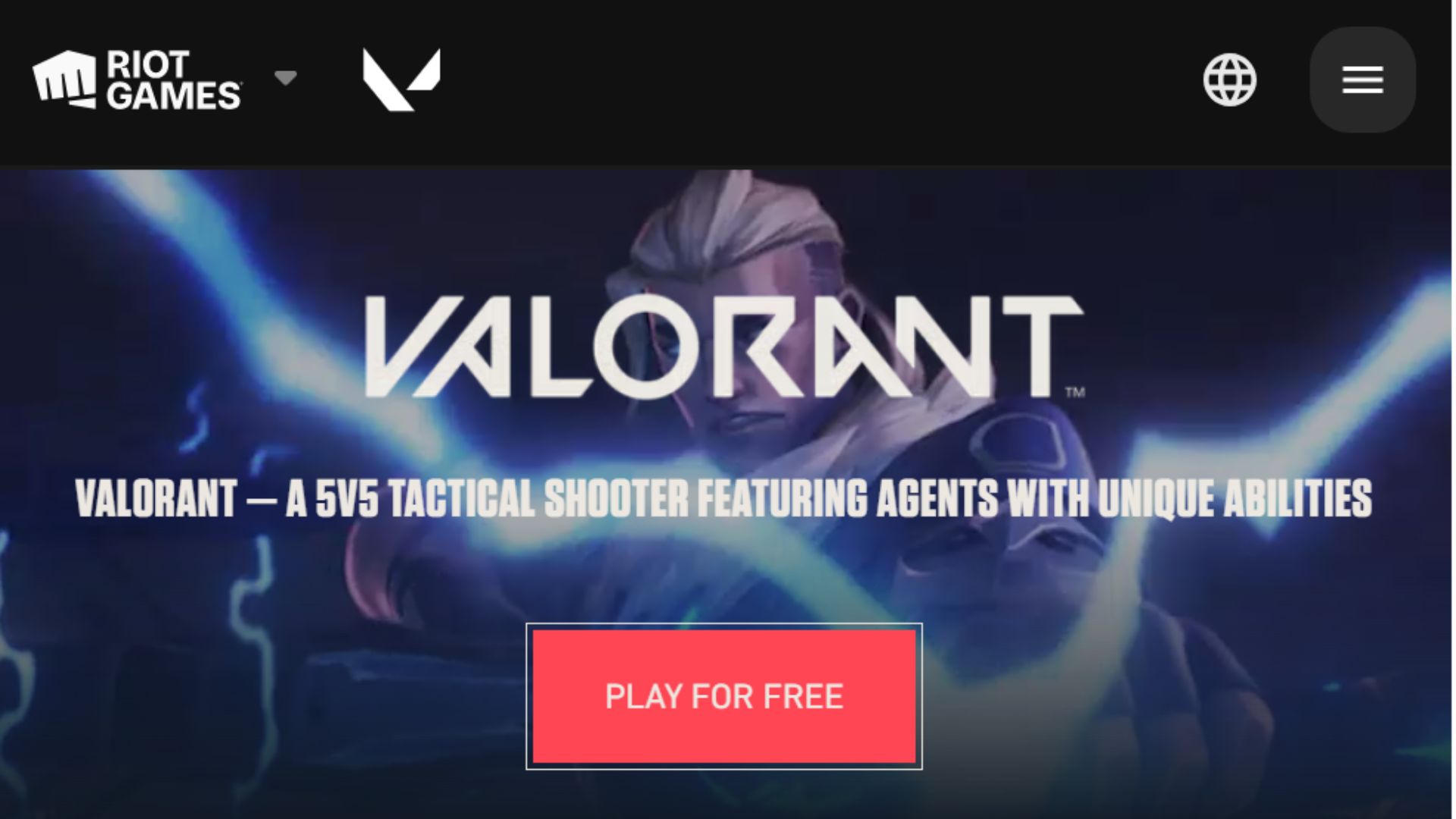
Best for: Competitive players seeking tactical shooter depth with cosmetic-only monetization
Pricing: Free-to-play with optional cosmetics ($10-100+ per skin bundle)
Key features: 5v5 tactical shooter, 25+ unique agents, ranked competitive mode, regular seasonal updates, 128-tick servers, anti-cheat technology, agent abilities system, multiple game modes
Valorant sets the gold standard for fair free-to-play shooters by offering every competitive advantage completely free—all agents unlock through gameplay, maps are available to everyone, and purchased cosmetics provide zero gameplay benefits. Riot Games' monetization focuses exclusively on weapon skins, gun buddies, and battle passes, meaning skilled free players compete on absolutely equal footing with paying customers. The agent unlock system is generous, providing new players with several agents immediately and unlocking others through reasonable playtime investment.
The core 5v5 gameplay combines Counter-Strike's precise gunplay with Overwatch-style character abilities, creating tactical depth that rewards both mechanical skill and strategic thinking. Regular seasonal updates introduce new agents, maps, and balance changes that keep the meta evolving without invalidating existing knowledge. The ranked system provides clear progression from Iron through Radiant, with sophisticated matchmaking ensuring competitive games at all skill levels. Riot's aggressive anti-cheat and toxic behavior management create one of the healthiest competitive communities.
The Battle Pass represents exceptional value at $10 per season (roughly 2 months), offering weapon skins, player cards, and progression rewards that would cost significantly more purchased individually. However, weapon skin bundles can be expensive ($70-100), though they remain purely cosmetic. For competitive integrity, Valorant is unmatched in the F2P space.
Pros:
Zero pay-to-win elements—all competitive content is free
Regular content updates with new agents and maps
Exceptional competitive integrity with advanced anti-cheat
Generous agent unlock system for new players
Battle Pass offers excellent value for optional spending
Cons:
Premium weapon skins are expensive
Steep learning curve for tactical shooter newcomers
Requires consistent practice to maintain rank
Limited casual game modes compared to competitors
2. Apex Legends
Best for: Players seeking hero-based battle royale with emphasis on movement and teamwork
Pricing: Free-to-play with optional Battle Pass ($10/season) and cosmetics
Key features: 60-player battle royale, 25+ unique Legends, innovative ping system, squad-based gameplay, Arenas mode, mixtape playlist, cross-platform play, seasonal events
Apex Legends delivers one of gaming's most generous free-to-play models for battle royale, with all maps, weapons, and core gameplay modes available without spending. Legend unlocks require either playtime currency (Legend Tokens earned through leveling) or premium currency (Apex Coins), but new players start with several free Legends and unlock others at reasonable intervals. The rotating free Legend rotation lets players trial locked characters before committing resources, and all Legends are competitively viable without tier-based power gaps.
The movement-focused gameplay built on Titanfall's foundation creates exhilarating moment-to-moment action where skilled players pull off incredible plays through wall-running, sliding, and strategic ability usage. The ping system revolutionized battle royale communication, enabling effective teamwork without voice chat through contextual markers for enemies, loot, and tactical suggestions. Respawn's map design philosophy ensures multiple drop locations remain viable, preventing the boring mid-game lulls common in other battle royales.
The Battle Pass delivers strong value with enough premium currency earned to purchase the next season's pass if you complete it, creating a self-sustaining system for engaged players. Seasonal content updates, limited-time modes, and regular Legend additions maintain freshness without fragmenting the player base. While cosmetic prices can be high, the game never feels pay-to-win.
Pros:
All gameplay advantages available completely free
Excellent movement mechanics and gunplay feel
Industry-leading ping communication system
Self-sustaining Battle Pass for engaged players
Regular content updates and new Legends
Cons:
Legend unlock rate can feel slow for casual players
Solo queue experience varies wildly with random teammates
Cosmetic event items can be overpriced
Occasional server stability issues during peak times
3. Path of Exile
Best for: Action-RPG enthusiasts seeking extraordinary build depth and complexity
Pricing: Free-to-play with optional stash tabs and cosmetics
Key features: Massive passive skill tree (1,325+ nodes), 19 character classes, seasonal league system, endless endgame content, complex crafting system, loot-based progression, regular expansions every 3 months
Path of Exile represents the most player-friendly free-to-play model in the action-RPG genre, offering unlimited access to all content, characters, and expansions without spending a cent. Grinding Gear Games monetizes through stash tabs (quality-of-life inventory management) and cosmetic effects, explicitly avoiding any pay-to-win mechanics. The controversial aspect is that serious players eventually need premium stash tabs for efficient trading and organization, but this represents a one-time investment of $20-30 rather than ongoing spending requirements.
The game's complexity is simultaneously its greatest strength and barrier to entry—the passive skill tree alone contains over 1,300 nodes, creating nearly infinite build possibilities that reward theorycrafting and experimentation. The seasonal league system resets the economy every 3-4 months with new mechanics and content, ensuring fresh starts for all players regardless of time investment. The endgame mapping system provides hundreds of hours of increasingly difficult content that rewards optimization and skill expression.
Path of Exile's learning curve is notoriously steep, with new players needing external resources (guides, wikis, build planners) to understand systems. However, the community actively supports newcomers, and the lack of monetization pressure means you can take years to master the game at your own pace. For players who enjoy theorycrafting, buildcrafting, and deep mechanical systems, Path of Exile provides unmatched value.
Pros:
All game content accessible without spending
Extraordinary build depth and complexity
Regular major expansions every 3-4 months
No pay-to-win mechanics whatsoever
Extremely active and helpful community
Cons:
Exceptionally steep learning curve for newcomers
Premium stash tabs become practically necessary for serious play
Can feel overwhelming without external guides
Performance issues in heavily populated areas
League start races favor experienced players
4. Warframe
Best for: Players wanting cooperative sci-fi action with extensive customization
Pricing: Free-to-play with optional premium currency (Platinum) for convenience
Key features: 50+ Warframes (character classes), hundreds of weapons, fast-paced parkour movement, cooperative missions, open-world zones, crafting and progression systems, regular major updates
Warframe has evolved over 11 years into one of gaming's most generous free-to-play experiences, with every Warframe, weapon, and gameplay system accessible through grinding—no content is locked behind paywalls. Digital Extremes monetizes through Platinum, which can purchase Warframes, weapons, and cosmetics, but everything obtainable with Platinum can also be farmed through gameplay. The player-to-player trading system even lets skilled players earn Platinum by selling rare items to other players, creating an economy where free players can access "premium" currency through skill and time investment.
The core gameplay blends third-person shooting with acrobatic parkour movement, creating a uniquely fluid combat experience where you bullet-jump, slide, and wall-run through missions while wielding space ninja powers. The variety is staggering—50+ Warframes each provide completely different playstyles, from tank-focused crowd control to stealth assassination to support healing roles. The modding system allows deep customization of both Warframes and weapons, with build diversity rivaling traditional RPGs.
New player experience improvements have addressed historical criticisms, with better tutorials and quest progression guiding you through complex systems. The story campaigns (The Second Dream, The War Within, The New War) deliver surprisingly compelling narratives for a F2P looter shooter. Regular major updates add new content without obsoleting existing gear, respecting player investment regardless of when you started.
Pros:
Every Warframe and weapon obtainable without spending
Player trading system enables earning premium currency free
Incredible variety with 50+ unique Warframes
Regular major content expansions at no cost
Improved new player experience with better tutorials
Cons:
Crafting timers encourage premium currency spending for impatience
Overwhelming system complexity for new players
Platinum pricing for convenience purchases can add up
Some Warframes require extensive grinding to obtain
Early game can feel repetitive before unlocking variety
5. Lost Ark
Best for: MMO enthusiasts seeking action-combat with extensive endgame content
Pricing: Free-to-play with optional convenience items and cosmetics
Key features: 20+ character classes, action-based combat, raids and dungeons, extensive collection systems, multiple progression paths, horizontal and vertical content, regular updates, massive open world
Lost Ark delivers one of the most content-rich free-to-play MMO experiences available, with Amazon Games and Smilegate providing years' worth of story content, dungeons, raids, and collectibles without spending. The monetization focuses on convenience (crystalline aura subscription, character boosts) and cosmetics rather than direct power, though the upgrade system's late-game progression can encourage spending to accelerate gear enhancement. Western audiences appreciate the improved monetization compared to the Korean version, with less aggressive pay-to-win elements.
The isometric action combat system provides satisfying moment-to-moment gameplay with each class featuring unique mechanics and playstyles that keep experimentation rewarding. The endgame raiding content rivals traditional subscription MMOs in mechanical complexity and team coordination requirements, with Guardian Raids and Legion Raids providing challenging encounters that reward skill over gear score. The horizontal progression systems (collecting mokoko seeds, island exploration, Adventure Tome completion) offer endless activities beyond pure power chasing.
The controversial aspect involves honing materials for endgame gear upgrades, where random enhancement chances can be improved through purchased materials. While not strictly pay-to-win (skill matters more than gear in learning raid mechanics), competitive players may feel pressure to spend for faster progression. However, patient players can achieve identical results through daily and weekly activities without spending.
Pros:
Massive amount of story and exploration content free
Challenging endgame raids requiring skill and coordination
Extensive horizontal progression beyond gear upgrades
Regular major content updates and new classes
Western version has improved monetization over original
Cons:
Late-game honing system encourages material purchases
Daily/weekly activity structure can feel like obligations
Extremely time-intensive for multiple characters
Some content requires minimum gear scores creating gates
Initial release had controversial monetization that has since improved
6. Genshin Impact
Best for: Single-player focused gamers wanting open-world exploration with gacha character collection
Pricing: Free-to-play with gacha character system (primogems/wishes)
Key features: Massive open-world exploration, 70+ playable characters, engaging story quests, elemental combat system, co-op multiplayer option, regular major updates, cross-platform progression
Genshin Impact revolutionized free-to-play gaming by delivering a AAA single-player experience that competes with $60 titles in production quality, storytelling, and world design. HoYoverse provides hundreds of hours of story content, exploration, and quests completely free, with the gacha system monetizing character and weapon acquisition rather than locking content zones. The controversial aspect is the character gacha system, where desired characters require either extreme luck or significant spending ($75-150 average per 5-star character).
The open-world design encourages exploration through breathtaking environments spanning multiple nations, each with distinct aesthetic and cultural influences. The elemental reaction combat system creates strategic depth where team composition matters as much as individual character strength, and free starter characters remain viable throughout the game. Regular major updates every 6 weeks add new zones, characters, story chapters, and events, maintaining engagement without requiring purchases to access new content.
The single-player focus distinguishes Genshin from competitive F2P games—you're never pressured to spend for competitive advantage since most content is designed for solo or co-op play with friends. Skilled players can complete all content with free characters, though the gacha temptation for favorite characters creates psychological pressure. The Welkin Moon ($5 monthly) and Battle Pass ($10 per update) offer reasonable value for light spenders.
Pros:
AAA production quality in graphics, music, and storytelling
Hundreds of hours of story content completely free
No competitive pressure since primarily single-player
Regular massive content updates every 6 weeks
All content accessible with free characters
Cons:
Gacha system can be expensive for desired characters
Resin (stamina) system limits daily progression
End-game content becomes repetitive without new characters
FOMO pressure from limited-time character banners
Requires significant storage space (mobile: 30GB+)
7. Rocket League

Best for: Competitive players seeking unique sports-action gameplay with high skill ceiling
Pricing: Free-to-play with optional cosmetic items and Rocket Pass ($10)
Key features: Car soccer with 1v1 through 4v4 modes, cross-platform play, ranked competitive system, extensive customization, tournaments, simple mechanics with infinite depth, quick matches
Rocket League exemplifies fair free-to-play monetization by offering all competitive content—every arena, car hitbox, and game mode—without spending. Psyonix monetizes exclusively through cosmetic car bodies, decals, goal explosions, and the optional Rocket Pass, ensuring free players compete on perfectly equal footing with paying customers. The game's transition to free-to-play in 2020 expanded the player base dramatically while maintaining the competitive integrity that made it an esports staple.
The brilliance of Rocket League lies in its simplicity—the core concept of "soccer with rocket-powered cars" is instantly understandable, yet mastering aerials, flip resets, and team rotations provides thousands of hours of skill development. The ranked system from Bronze through Grand Champion provides satisfying progression where each rank represents meaningful skill improvements. Quick match times (typically under 10 minutes including queue and gameplay) make Rocket League perfect for both quick sessions and marathon playing.
The Rocket Pass delivers excellent value at $10 per season, offering enough in-game credits to purchase subsequent passes if completed, creating a self-sustaining system. The community ranges from casual players enjoying chaotic fun to professional esports athletes, with the game accommodating all skill levels through effective matchmaking. The eight-year-old game still receives regular updates, new modes, and crossover events (NFL, Fast & Furious).
Pros:
Zero pay-to-win with all competitive content free
Simple to understand, incredibly deep to master
Quick match times accommodate any schedule
Thriving esports scene and competitive community
Rocket Pass offers self-sustaining value for engaged players
Cons:
Steep skill curve creates frustration during learning
Toxic community in competitive modes
Limited game mode variety beyond core formula
Cosmetic items can be expensive outside Rocket Pass
Skill-based matchmaking can feel harsh for casual improvement
8. Dota 2
Best for: Hardcore strategy gamers seeking the deepest MOBA experience
Pricing: Free-to-play with optional cosmetics (Battle Pass, treasures, sets)
Key features: 125+ heroes, completely free hero roster, complex itemization, strategic depth, regular balance patches, The International esports tournament, coaching systems, custom game modes
Dota 2 represents Valve's commitment to completely fair free-to-play design—every hero, all game modes, and full competitive functionality are available without spending a cent. Monetization comes exclusively through cosmetic items (hero sets, couriers, announcers) and the annual Battle Pass tied to The International championship. This philosophy means new players access the complete strategic depth without grinding unlocks or facing pay-to-win disadvantages, though the overwhelming complexity presents different barriers.
The strategic depth is unmatched in the MOBA genre, with 125+ heroes each offering unique abilities and gameplay patterns that create an effectively infinite metagame. The itemization system allows dramatic build variety where the same hero can function as a carry, support, or initiator depending on purchases. Professional Dota has showcased matches with 100+ different hero picks across tournaments, demonstrating the balance and viability across the roster. The game rewards game knowledge, mechanical skill, and team coordination equally.
The notorious difficulty curve and toxic community represent Dota 2's primary challenges—new players face thousands of hours of learning hero matchups, item timings, and map awareness while navigating one of gaming's most hostile environments. Valve's behavior score system and improved tutorial modes have addressed some concerns, but Dota remains unforgiving for newcomers. For players who persevere, it offers the most strategically satisfying MOBA experience available.
Pros:
Every hero completely free with zero grinding required
Deepest strategic complexity in MOBA genre
Regular balance patches maintain meta evolution
Massive competitive scene with The International
No pay-to-win mechanics whatsoever
Cons:
Brutally steep learning curve requiring hundreds of hours
Notoriously toxic community especially in lower ranks
Individual matches last 35-60 minutes
Overwhelming complexity can feel impenetrable
Requires significant time investment to remain competent
9. Destiny 2
Best for: Cooperative FPS fans wanting shared-world looter shooter experiences
Pricing: Free-to-play with paid expansions ($40-50 annually) for story content
Key features: Cooperative PvE activities, PvP Crucible modes, raids and dungeons, seasonal content model, extensive weapon collecting, three character classes, regular events, cross-platform play
Destiny 2's free-to-play model is unique—the base game provides substantial content (strikes, Crucible PvP, patrol zones, some exotic quests) completely free, but the premium experience exists behind annual expansions that add story campaigns, raids, and exclusive gear. This "free trial with ongoing expansion purchases" approach lets players evaluate the core gameplay loop before committing money, though the content vault system that removes older content remains controversial.
The gunplay represents Bungie's shooter expertise at its finest, with weapon feel and satisfaction unmatched in the looter shooter genre. The combination of PvE cooperative activities (strikes, raids, seasonal activities) and PvP Crucible modes provides variety beyond pure story content. The buildcrafting system allows meaningful customization through subclass abilities, mods, and armor stats, creating diverse playstyles within each of the three classes (Titan, Hunter, Warlock).
The monetization creates a tiered experience: free players access a meaningful portion of content but miss premium story campaigns, exotic weapons, and high-end activities like raids. The seasonal model ($10 per season, roughly 3 months) adds temporary content that's removed when seasons end, creating FOMO pressure. For players who commit to purchasing expansions, Destiny 2 provides exceptional value with hundreds of hours per expansion, but the model feels less generous than purely free competitors.
Pros:
Exceptional gunplay and moment-to-moment combat feel
Substantial free content to evaluate gameplay before spending
Engaging raids requiring teamwork and problem-solving
Regular seasonal updates maintain fresh activities
Strong buildcrafting depth with armor mods and subclasses
Cons:
Best content locked behind paid expansions
Content vault system removes older paid content
Seasonal FOMO with time-limited activities
New player experience confusing with vaulted story
Free player experience feels like extended trial
10. Marvel Snap
Best for: Card game enthusiasts wanting quick strategic matches with Marvel theme
Pricing: Free-to-play with season passes ($10) and cosmetic variants
Key features: 3-minute matches, location-based strategy, 200+ Marvel character cards, collection progression system, ranked competitive ladder, regular balance updates, variant card cosmetics
Marvel Snap revolutionized digital card games by focusing on 3-minute matches that respect player time while maintaining strategic depth. Second Dinner's monetization avoids pay-to-win through a unique collection system where players gradually unlock cards in a predetermined sequence, with everyone accessing the same cards in the same order over time. Spending accelerates collection progression but doesn't grant access to exclusive powerful cards, meaning patient players eventually reach card parity with spenders.
The gameplay innovation comes from three simultaneous locations where players compete to win two of three zones, with locations introducing unique rule modifications that dramatically alter strategy. The cube wagering system (players can bet more on matches they think they'll win) adds psychological depth and comeback mechanics. Matches are quick enough for bathroom breaks yet strategic enough to reward thoughtful play and deck construction.
The Season Pass ($10 monthly) offers a specific new card immediately plus progression rewards, creating a subscription-like model where regular players invest $10 monthly for new cards on release rather than waiting for collection system unlocks. Cosmetic card variants monetize heavily but provide zero gameplay advantages. The progression system can feel slow for free players, with card acquisition rate limiting deck experimentation, but the core gameplay remains competitive regardless of collection size.
Pros:
3-minute matches perfect for short gaming sessions
Fair monetization with no exclusive powerful cards
Strategic depth despite quick match times
Marvel IP with character synergies and flavor
Regular balance updates and new card releases
Cons:
Collection progression can feel slow for free players
Season Pass creates monthly subscription pressure
Limited deck variety until significant collection built
Some locations create random outcomes reducing skill expression
Mobile-first design limits visual complexity
Comparison Summary
Monetization Models: Valorant, Dota 2, Path of Exile, and Rocket League represent the fairest models with zero competitive advantages behind paywalls. Apex Legends, Warframe, and Lost Ark offer fair but grindy progression where spending accelerates but doesn't create insurmountable advantages. Genshin Impact and Marvel Snap use gacha/collection systems where desired content requires either luck or spending. Destiny 2 is the outlier with a hybrid trial-plus-expansion model.
Time Investment Requirements: Marvel Snap offers the lowest barrier with 3-minute matches, followed by Rocket League (10-minute sessions) and Apex Legends (20-minute matches). Dota 2 and Lost Ark demand significant sustained playtime with 40+ minute matches and daily/weekly obligations. Path of Exile, Warframe, and Destiny 2 accommodate varied session lengths. Genshin Impact's resin system naturally limits daily progression, making it suitable for 30-60 minute daily sessions.
Who Each Is Best For: Competitive FPS players should prioritize Valorant or Apex Legends. MOBA strategists have Dota 2 for complexity. Action-RPG fans need Path of Exile's depth. Warframe suits players who enjoy looter shooters and customization. Lost Ark appeals to MMO raiders. Genshin targets single-player open-world explorers. Rocket League serves unique sports-action fans. Destiny 2 fits cooperative FPS enthusiasts willing to buy expansions. Marvel Snap accommodates time-limited players wanting quick strategy.
Content Update Frequency: Genshin Impact leads with major updates every 6 weeks. Valorant, Apex Legends, Lost Ark, and Marvel Snap provide significant content every 2-3 months. Path of Exile's quarterly league system resets economies regularly. Dota 2 and Warframe have less predictable but substantial update schedules. Rocket League and Destiny 2 follow seasonal models with 3-month cycles.
Buying Guide
Who Needs Free-to-Play Games: Budget-conscious gamers seeking AAA-quality experiences without upfront costs, students and young adults with limited gaming budgets, players wanting to trial games before commitment, competitive gamers who prefer skill-based rather than purchase-based advantages, and anyone seeking games with active communities and ongoing support all benefit from quality F2P titles.
How It Works: Free-to-play games monetize through optional purchases rather than upfront costs, using various models including cosmetic-only (Valorant, Dota 2), convenience acceleration (Warframe, Lost Ark), gacha/loot boxes (Genshin Impact, Marvel Snap), battle passes (most modern F2P), and premium content expansions (Destiny 2). Successful F2P games balance developer profitability with player respect, avoiding mandatory spending while creating appealing optional purchases.
Essential Features to Consider:
Monetization Fairness: Evaluate whether competitive advantages require spending or merely time investment. Avoid games with exclusive powerful items locked behind paywalls. Cosmetic-only monetization (Valorant) represents the gold standard, while convenience acceleration (Warframe) remains acceptable if patient players can achieve parity.
Time Investment Respect: Consider whether the game respects casual play schedules or demands daily/weekly obligations. Games like Marvel Snap and Rocket League accommodate 15-minute sessions, while MMOs like Lost Ark and MOBAs like Dota 2 require sustained time blocks. Daily login bonuses and FOMO mechanics create psychological pressure—evaluate whether this suits your lifestyle.
Content Accessibility: Determine what percentage of content is genuinely free versus locked behind purchases. Games should provide complete experiences without spending, with purchases feeling like bonuses rather than necessities. Destiny 2's free content feels like an extended trial, while Path of Exile provides everything free.
Player Population Health: Active communities ensure quick matchmaking, ongoing developer support, and longevity for your time investment. Check concurrent player counts (Steam Charts, active subreddits) and recent update frequency before committing hundreds of hours.
Progression Systems: Evaluate whether progression feels rewarding or frustratingly grindy. Some games (Genshin Impact, Marvel Snap) gate progression behind stamina systems, while others (Dota 2, Valorant) provide unlimited play with consistent progression. Match progression speed to your available time and patience.
Pricing Overview
Truly Free Options: Dota 2, Valorant, Rocket League, Path of Exile (with caveat of recommended stash tabs), and Apex Legends provide complete competitive experiences with zero mandatory spending. You can invest thousands of hours without financial pressure, with purchases being purely optional cosmetic choices.
Low-Commitment Options ($5-10 monthly): Genshin Impact's Welkin Moon ($5), Marvel Snap's Season Pass ($10), and Rocket League's Rocket Pass ($10) offer excellent value for light spenders who want progression acceleration or exclusive content. These represent subscription-like models providing ongoing value proportional to engagement.
Moderate Spending ($10-30 monthly): Battle Pass systems in Valorant, Apex Legends, and Destiny 2 cost $10 per season (2-3 months each). Warframe players might spend $20-30 on Platinum for convenience. Lost Ark's crystalline aura subscription runs $10 monthly for quality-of-life improvements. Path of Exile's one-time $20-30 stash tab investment remains the single purchase recommendation.
High Spenders ($50-200+ monthly): Genshin Impact's gacha system enables spending $75-150 per desired 5-star character. Marvel Snap's cosmetic variants can cost $5-25 each for favorite cards. Destiny 2 requires $40-50 annual expansions plus $40 for four seasons. Competitive spenders in any game can invest hundreds in cosmetics without gameplay advantages.
Value Maximization Strategies: Many games offer self-sustaining progression where battle pass completion provides currency for next season's pass (Apex Legends, Rocket League). Patient players in gacha games can accumulate premium currency through free rewards over months. Focus spending on games you've invested 50+ hours in to ensure you value the experience before financial commitment. Avoid FOMO purchases—most cosmetics return or have comparable alternatives.
FAQ
Q: Can I really play these games completely free without disadvantages?
For most games on this list, yes—Valorant, Dota 2, Path of Exile (with noted stash tab caveat), Apex Legends, Warframe, and Rocket League provide complete competitive parity for free players. Lost Ark and Destiny 2 have content gates but remain playable free. Genshin Impact and Marvel Snap have character/card collection limitations but all content is clearable with free options. Only Destiny 2 truly requires purchases for the premium experience (story expansions). Spending accelerates progression or provides cosmetics but doesn't create insurmountable competitive advantages in well-designed F2P games.
Q: How do I avoid spending money on free-to-play games?
Set a strict budget ($0 or specific monthly amount) before starting and track spending. Disable payment method storage in game clients. Recognize FOMO tactics (limited-time offers, exclusive items) as psychological manipulation designed to trigger impulse purchases. Focus on gameplay enjoyment rather than collecting every cosmetic or character. Remember that patient progression achieves identical results in most fair F2P games. If you're spending beyond your budget, evaluate whether the game's monetization is predatory and consider switching to alternatives with fairer models.
Q: Which free-to-play game should I start with?
Match the game to your preferences and available time. For 10-15 minute sessions, try Marvel Snap or Rocket League. For competitive FPS experience, start with Valorant or Apex Legends. Action-RPG fans should try Path of Exile or Warframe. Single-player focused players suit Genshin Impact. MOBA newcomers face steep learning in Dota 2—watch tutorials first. Lost Ark appeals to MMO veterans. Destiny 2 works if you're willing to eventually buy expansions. Start with games matching your preferred genre and time availability rather than choosing based on popularity alone.
Q: Are battle passes worth buying?
Battle passes typically offer strong value if you'll complete them—most cost $10 and provide $20-50 worth of items at full retail prices. The Rocket League and Apex Legends passes return enough premium currency to buy the next pass if completed, creating self-sustaining value. However, battle passes create FOMO pressure and obligation to play during specific timeframes. Only purchase if you'll naturally play enough to complete them (typically 40-80 hours over 2-3 months). Never buy battle passes to "force" yourself to play more—that converts entertainment into obligation.
Q: Do free-to-play games have shorter lifespans than paid games?
The opposite is typically true—successful F2P games receive ongoing development funded by continuous revenue, often surpassing paid games in longevity. Dota 2 (11 years), Warframe (11 years), Path of Exile (11 years), and Rocket League (9 years) demonstrate exceptional longevity. The business model incentivizes long-term player retention through regular updates. Failed F2P games die faster than failed paid games, but successful ones are maintained longer. Check recent update frequency, active player counts, and developer communication to assess longevity before significant time investment.