Top 10 Best Concert Experience Optimization Strategies
Strategic Parking and Arrival Timing – Best for minimizing lot congestion and maximizing tailgate time
Portable Canopy and Seating Setup – Best for comfortable weather-protected tailgate zones
Hydration and Nutrition Management – Best for maintaining energy throughout long concert events
Venue-Specific Prohibited Items Research – Best for avoiding security checkpoint rejection and delays
Weather Preparation and Layering Strategy – Best for comfort across temperature fluctuations and precipitation
Portable Battery and Phone Management – Best for maintaining communication and capturing memories
Cash and Payment Method Planning – Best for navigating venue concession and merchandise realities
Earplugs and Hearing Protection – Best for preventing permanent hearing damage from high SPL shows
Exit Strategy and Post-Show Navigation – Best for beating traffic and maintaining group cohesion
Designated Driver and Safety Protocols – Best for ensuring everyone's safe return home
Methodology
Our evaluation assessed each concert experience strategy across five critical dimensions: impact on overall enjoyment (how significantly the strategy improves experience quality), cost-effectiveness (financial investment relative to benefit delivered), implementation complexity (ease of execution for average concert-goers), universality (applicability across different venues, artists, and event types), and risk mitigation (prevention of common problems that ruin concert experiences). We analyzed data from venue management reports, surveyed regular concert attendees across Reddit's r/concerts and r/festivals communities, consulted with venue security and operations staff about common attendee mistakes, and drew from personal experience attending 100+ concerts across diverse venue types. Strategies were prioritized based on their combination of meaningful impact and realistic accessibility for typical concert-goers rather than only extreme tailgating enthusiasts with unlimited budgets and equipment.
Detailed Reviews
1. Strategic Parking and Arrival Timing
Best for: Avoiding the chaos of last-minute arrival while maximizing pre-show social time
Pricing from: Free (planning and timing), parking costs vary by venue ($20-100)
Key features: Arriving 3-4 hours before doors for amphitheaters with tailgating, 1.5-2 hours for urban venues, researching official vs. nearby lots, understanding traffic flow patterns, coordinating with group arrival windows, identifying lot exit strategies
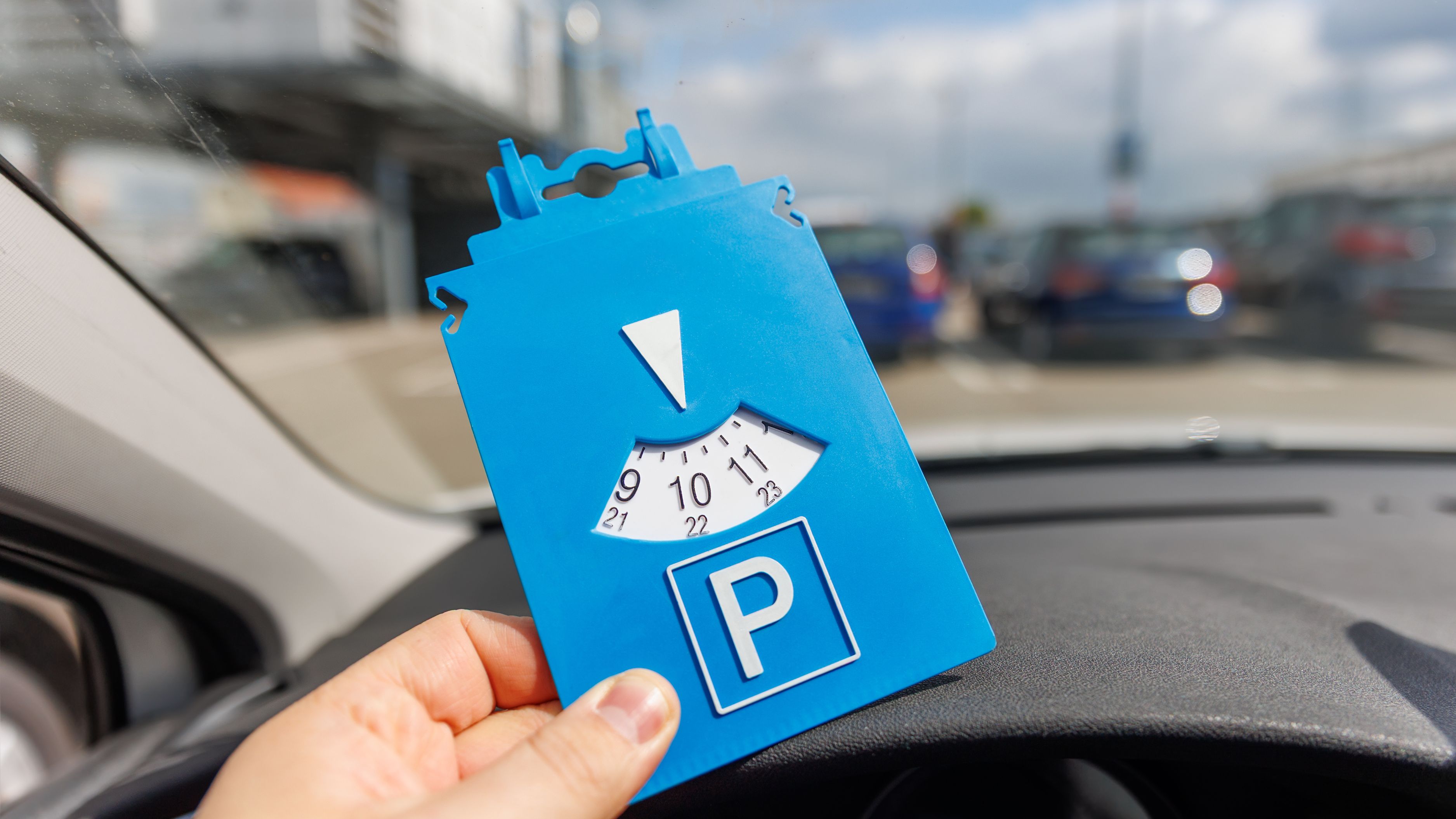
Arrival timing represents the single most impactful decision affecting your entire concert experience—arriving too early wastes time sitting in empty lots, while arriving too late creates parking nightmares and entry delays that cause missing opening acts. The optimal window varies by venue type: amphitheaters and stadiums with tailgating cultures (Shoreline, Hollywood Bowl, Jiffy Lube Live) reward arriving 3-4 hours before doors open when lots open for tailgating, allowing you to establish comfortable setup, socialize, and build excitement gradually. Urban venues (theaters, arenas in downtown settings) have minimal tailgating culture and limited early access, making 1.5-2 hours before doors ideal—enough time to navigate traffic, park, grab dinner nearby, and enter without rushing.
Parking lot research pays dividends through comparing official venue parking versus nearby commercial lots, residential street parking, or satellite lots with shuttle service. Official lots offer convenience but premium pricing ($40-80 typical for major venues) and extended exit delays as thousands of cars funnel through limited exits simultaneously. Alternative lots 0.5-1 mile away often cost $15-30 and allow faster exits if you're willing to walk, while ride-sharing drop-off eliminates parking entirely but requires coordinating returns when surge pricing peaks. The strategic approach involves mapping multiple parking options with backup plans for full lots, understanding which lots fill first (closest to venue entrance), and potentially splitting groups with early arrivals securing parking and setup while others arrive closer to showtime.
Traffic flow patterns vary by venue geography—venues accessible via single highway exit experience severe congestion 1-2 hours before shows, while urban venues with multiple access routes distribute traffic better. Monitor Google Maps traffic layer starting 4 hours before showtime to identify congestion building and adjust departure accordingly. The group coordination challenge is real: decide whether everyone arrives together (easier logistics, harder to schedule) or staggered (flexible but requires holding spaces and communicating locations). Consider that lots fill from front to back, meaning late arrivals may face half-mile walks from distant lot areas, particularly problematic for those with mobility issues or unfavorable weather conditions.
Pros:
Single most impactful decision affecting overall experience
Early arrival enables relaxed setup and socializing
Avoids entry delays that cause missing opening acts
Allows choosing optimal parking locations before sell-out
Free optimization requiring only planning and coordination
Cons:
Requires group coordination and schedule flexibility
Early arrival means 4-6+ hour total event commitment
Weather exposure during extended pre-show time
Parking costs same regardless of arrival timing
May feel like excessive waiting for casual attendees
2. Portable Canopy and Seating Setup
Best for: Creating comfortable, weather-protected tailgate zones for group socializing
Pricing from: $80-200 for canopy, $20-60 for chairs
Key features: 10x10 pop-up canopy for shade/rain protection, folding camping chairs with cup holders, portable tables, ground stakes or weights for wind resistance, compact transport, weather-resistant materials
Portable canopies transform parking lot asphalt into comfortable outdoor living rooms, providing essential shade during summer afternoon sun exposure (amphitheater lots regularly exceed 95°F with no natural shade) and rain protection when weather deteriorates. Quality 10x10 pop-up canopies ($100-150 from Coleman, E-Z UP, or similar) set up in 5-10 minutes with two people, creating 100 square feet of protected space accommodating 6-8 people comfortably. The investment pays for itself over 3-4 concerts compared to suffering through unprotected sun exposure that causes dehydration, sunburn, and exhaustion before shows even begin, diminishing your energy for actual performances.
The setup strategy involves arriving early enough to claim space before lots get crowded (canopies require roughly 10x12 space including guy lines and stakes), anchoring properly to prevent wind disasters (use sandbags, water weights, or heavy coolers on legs rather than relying solely on stakes in asphalt lots), and positioning to avoid blocking other groups' sight lines or access. Folding camping chairs with cup holders ($20-40 each) provide comfortable seating superior to standing for hours or sitting on hot pavement. Portable tables ($30-60) add convenience for food prep and serving. The complete setup fits in most SUV cargo areas or trucks, though compact cars may require limiting to chairs only.
The social benefits extend beyond physical comfort—canopy setups signal gathering points for friends to find you in crowded lots, create defined spaces that encourage neighboring groups to respect boundaries, and facilitate the socializing and community building that makes tailgating memorable beyond just pre-gaming before shows. The challenge is transport and storage logistics: canopies and multiple chairs occupy significant vehicle space and home storage. Consider whether your concert attendance frequency (4+ shows annually) justifies the investment and storage burden, or whether simpler approaches (blankets, fewer chairs) suffice for occasional attendees. For regular amphitheater concert-goers, the comfort upgrade is transformative.
Pros:
Essential shade/rain protection prevents sun exposure and weather misery
Creates defined comfortable gathering space for 6-8 people
Social benefits of obvious meeting point in crowded lots
Investment pays for itself over 3-4 uses compared to suffering unprotected
Relatively quick setup (10-15 minutes) with minimal expertise
Cons:
Significant transport space requirements (canopy, chairs, table)
Setup requires arriving when lots have available space
Wind can create dangerous situations if improperly anchored
Storage burden when not in use
Overkill for urban venues without tailgating culture
3. Hydration and Nutrition Management

Best for: Maintaining energy and comfort throughout 6-8 hour concert experiences
Pricing from: $20-40 for supplies (cooler, water, snacks)
Key features: Cooler with ice and water bottles, electrolyte drinks, substantial snacks or meals, strategic timing of consumption, accounting for limited venue food options, alcohol moderation strategies
Hydration is the most commonly neglected aspect of concert preparation despite being critical for enjoying long events—dehydration causes headaches, fatigue, irritability, and impaired judgment that ruin experiences and create safety risks. The typical concert timeline spans 6-8+ hours from arrival to departure (3-4 hours tailgating, 1 hour entry and finding seats, 3-4 hours show duration), during which most venues restrict bringing outside food/beverage past security. Strategic hydration starts in parking lot: consume 32-48oz water during tailgating (more in hot weather), eat substantial food establishing baseline, and moderate alcohol consumption knowing you'll have 1-2 hours without access to bathrooms during show openers.
The cooler setup should prioritize water bottles (1-2 per person) and electrolyte drinks (Gatorade, Liquid IV packets) over purely alcoholic beverages—dehydration from alcohol combined with sun exposure and physical exertion (standing, dancing for hours) creates medical emergencies that ruin evenings. Pack substantial snacks or meals: sandwiches, chips, fruit, granola bars providing sustained energy versus sugary snacks causing crashes. Many tailgaters overfocus on alcohol and neglect nutrition, arriving at shows already depleted and dehydrated. The strategic balance is enjoying social drinking while maintaining hydration and nutrition that allow actually enjoying performances.
Inside venues, immediately locate water fountains or water stations (most modern venues have bottle-filling stations) and hydrate aggressively early in show rather than waiting until feeling thirsty (thirst indicates existing dehydration). Venue food is expensive ($12-18 for basic meals) and often low-quality, but prioritize eating if shows run 3+ hours and you're feeling drained. The bathroom timing strategy involves using facilities during openers or between-act breaks rather than during headliners, accepting that lines will be long but unavoidable. For all-day festivals, this hydration and nutrition planning scales up proportionally—you're basically fueling extended athletic activity and need to treat your body accordingly.
Pros:
Prevents dehydration-related headaches, fatigue, and safety issues
Enables enjoying full show duration without energy crashes
Relatively inexpensive investment ($20-40 for supplies)
Improves decision-making and reduces impaired judgment risks
Creates foundation for actually remembering and enjoying performances
Cons:
Requires advance planning and packing supplies
Coolers and food add weight and bulk to carry
Increased fluid intake means more frequent bathroom needs
Venue food costs add $20-40 per person for longer shows
Moderation discipline required when socializing involves drinking
4. Venue-Specific Prohibited Items Research

Best for: Avoiding security checkpoint rejection, delays, and lost belongings
Pricing from: Free (research time only)
Key features: Reviewing venue website prohibited items lists, understanding clear bag policies, knowing size restrictions for bags/backpacks, identifying what must be left in car, learning re-entry policies if needed
Venue prohibited item policies vary wildly and represent the most common source of entry delays, frustration, and lost items—showing up with oversized bags, outside food/drink, professional cameras, selfie sticks, or other prohibited items forces you to either return items to car (losing 20-40 minutes in line waiting again) or surrender them to venue security (often never recovered). The research process takes 10-15 minutes per venue: visit official website's FAQ section, review the specific prohibited items list (these vary dramatically between venues), understand clear bag policies (many venues now require transparent bags visible for inspection), check size restrictions (typical maximum 14x14x6 inches), and verify camera policies (point-and-shoot usually allowed, detachable lens cameras often prohibited).
Common surprises that catch unprepared attendees include: no outside food or beverages (even sealed water bottles often prohibited), no large umbrellas or full-size canopy chairs, no professional audio recording equipment, no laser pointers or light-up signs, no large chains or spiked jewelry, no aerosol cans including sunscreen spray, no drugs or paraphernalia obviously, and increasingly strict bag size limits or requirements for clear bags. Some venues maintain allowed items lists (small sealed water bottle, small snacks in clear bags) worth identifying. The professional camera distinction matters: most venues permit phones and basic point-and-shoot cameras for personal use but prohibit cameras with detachable lenses or professional video equipment without credentials.
The re-entry policy research proves critical if you realize you've brought prohibited items: some venues allow re-entry with hand stamps or ticket scans, letting you return items to vehicles and re-enter, while others prohibit all re-entry meaning surrendering items or missing the show. This information should inform packing decisions. The clear bag requirement, now common at major venues, means purchasing compliant clear plastic bags ($10-15 on Amazon) or clear small backpacks if you regularly attend concerts. The strategic approach is maintaining a venue-specific digital checklist for frequently-visited venues, updating it as policies change, and reviewing 24 hours before each concert to avoid last-minute scrambles.
Pros:
Prevents 20-40 minute delays from returning prohibited items to car
Avoids losing valuable items surrendered at security
Reduces entry line stress and conflict with security staff
Free optimization requiring only research time
Knowledge transfers across multiple concerts at same venues
Cons:
Policies vary wildly requiring individual venue research
Information sometimes outdated or unclear on venue websites
Security enforcement can be inconsistent creating confusion
Clear bag requirements force purchasing new bags
Policies change frequently requiring ongoing monitoring
5. Weather Preparation and Layering Strategy
Best for: Comfort across temperature swings, unexpected precipitation, and evening cooling
Pricing from: $30-80 for appropriate clothing layers
Key features: Checking forecast 48 hours and day-of, layering for temperature drops, rain gear in questionable weather, sun protection for day shows, clothing that dries quickly, secure storage for removed layers
Outdoor venue weather changes dramatically from afternoon arrival (potentially 85-95°F in direct sun) to evening show conclusion (possibly 55-65°F with breeze), and forecasts become unreliable beyond 48 hours requiring day-of verification. The layering strategy involves base layer appropriate for peak heat (t-shirt, shorts/light pants, breathable fabrics), mid-layer for evening cooling (light jacket, hoodie, long sleeves), and outer layer for rain protection (compact rain jacket or poncho). Amphitheater lawn seating particularly exposes you to elements with no overhead cover, making rain gear essential when precipitation probability exceeds 30%. The clothing materials matter: cotton retains moisture and causes discomfort when wet, while synthetic athletic fabrics and merino wool dry quickly and regulate temperature better.
The sun protection for day shows includes high-SPF waterproof sunscreen (reapply every 90-120 minutes), wide-brim hats or baseball caps, and sunglasses protecting from UV exposure during 3-4 hour pre-show lot exposure. Sunburn ruins concert experiences through painful discomfort during shows and days of misery afterward—yet remains incredibly common as tailgaters underestimate exposure duration. For covered seating (amphitheater pavilion seats, arena seats), weather concerns diminish but temperature control still matters as air-conditioned arenas feel cold after sweating outside, while amphitheater pavilions can trap heat creating uncomfortable stuffiness.
The storage challenge is real: if you remove layers due to heat, you must carry them (tying around waist), store in car if re-entry permitted, or accept potential loss if you leave items unsecured. Small backpacks or crossbody bags that comply with venue size limits allow carrying layers hands-free. The footwear consideration matters equally: wear comfortable shoes expecting 0.5-2 miles of walking between parking and seats and prolonged standing (3-4 hours), avoid new shoes that cause blisters, and accept that shoes will get dirty/muddy at outdoor venues. Weather preparation distinguishes memorable comfortable concerts from miserable experiences where you're too cold, sunburned, or soaked to enjoy performances you paid significant money to attend.
Pros:
Prevents discomfort from temperature swings and precipitation
Sun protection avoids painful sunburn during and after shows
Comfortable appropriate clothing enhances enjoyment
Relatively inexpensive investment in versatile outdoor clothing
Knowledge and clothing transfer across all future concerts
Cons:
Weather forecasts beyond 48 hours unreliable for planning
Carrying layers becomes burden if weather stays warm
Rain gear (ponchos, jackets) adds bulk and weight
Balancing what to bring versus what to leave in car challenging
Fashionable clothing sometimes conflicts with practical weather gear
6. Portable Battery and Phone Management
Best for: Maintaining communication, coordinating group logistics, and capturing memories
Pricing from: $25-60 for quality portable battery pack
Key features: 10,000-20,000mAh battery capacity, multiple device charging, pre-charged before leaving home, enabling battery saver modes, strategic photo/video usage, offline communication backups
Phone battery depletion represents one of modern concert-going's most frustrating challenges—you rely on phones for coordinating meetups with friends, accessing digital tickets, capturing photos/videos, and communication throughout 6-8 hour events, yet phone batteries rarely survive this usage intensity especially when cellular signals are weak (forcing phones to boost radio power draining batteries faster). Portable battery packs (10,000mAh minimum, $25-40 from Anker, RAVPower, or similar) provide 1-2 complete phone recharges, transforming anxious battery monitoring into confident extended usage. The 20,000mAh options ($40-60) offer 3-4 recharges covering entire groups or multi-day festivals.
The proactive management starts before leaving home: charge both phone and battery pack to 100%, enable battery saver mode reducing background app refresh and screen brightness, close unnecessary apps running in background, and consider airplane mode during portions where you're not actively using cellular connectivity (during performances when you're not coordinating logistics). The photo/video strategy balances capturing memories with battery preservation: take photos rather than recording entire songs on video (video drains batteries 5-10x faster), capture 30-60 second clips rather than full song recordings, and enjoy some songs fully present without phone rather than watching through screen. Your memory of experiencing performances exceeds value of mediocre phone videos you'll rarely watch.
The communication backup plans matter when batteries die despite precautions: establish pre-arranged meeting locations and times ("if we get separated, meet at the merchandise booth at 8:30pm"), share portable battery with group members strategically (one person's dead phone affects whole group's coordination), and consider designating one person's phone as primary contact keeping it charged while others use theirs more freely. Some venues now offer phone charging stations though lines can be prohibitive. The digital ticket consideration is critical: screenshot tickets saving to photos rather than relying on app access (requires internet), download venue maps for offline access, and potentially print physical ticket backups for peace of mind. Running out of battery before accessing tickets creates entry nightmares.
Pros:
Prevents communication loss and group coordination breakdowns
Enables capturing memories without anxiety
Ensures digital ticket access throughout event
Relatively inexpensive ($25-60 for quality batteries)
Reusable investment across all future events and travel
Cons:
Another item to carry and keep track of throughout event
Batteries add weight to bags (200-400 grams typical)
Charging cables required creating additional items to manage
Venue security may scrutinize battery packs at entry
Does nothing if you forget to charge before leaving home
7. Cash and Payment Method Planning
Best for: Navigating venue concession and merchandise realities efficiently
Pricing from: Free (planning), $100-200 suggested cash amount
Key features: Carrying sufficient cash for venues that don't accept cards, having small bills for splits and tips, understanding venues with cashless policies requiring cards, budgeting for expensive venue food ($12-18 meals, $10-15 drinks), merchandise purchasing strategies
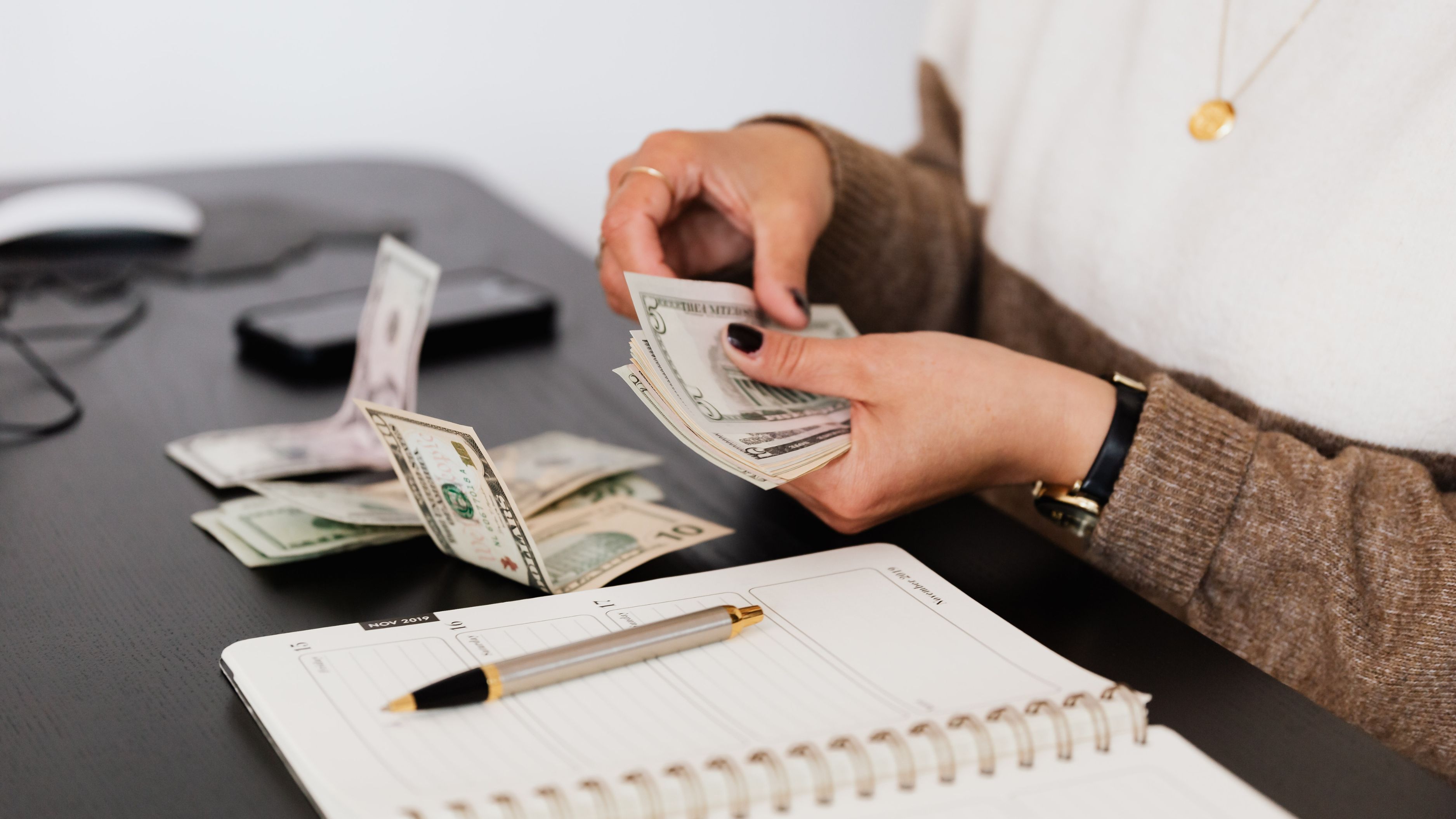
Payment methods at venues vary dramatically and unpredictably: some operate entirely cashless requiring credit/debit cards, others are cash-only or heavily prefer cash with limited or slow card readers, and many accept both but with better service for cash transactions. The research should identify venue payment policies, but carrying both cash ($100-200 in mixed bills: ones, fives, twenties) and cards provides flexibility regardless. The cash advantages include: faster transactions at busy concession stands, splitting costs easily among group members, tipping bartenders and bathroom attendants, purchasing from independent lot vendors, and having backup if card readers malfunction (common at high-traffic venues during peak demand).
The budgeting reality is sobering: venue concessions charge extreme premiums with typical pricing of $12-16 for basic meals (hot dogs, nachos, pizza slices), $8-12 for sodas, $14-18 for beer, and $16-22 for cocktails. A couple easily spends $60-100 on mediocre food and a few drinks. Merchandise compounds expenses with t-shirts typically $35-45, hoodies $60-80, and posters $20-30. The strategic approaches include: eating substantially before entering venue reducing need for expensive food, limiting alcohol purchases to 1-2 drinks rather than continuous consumption, and deciding whether merchandise is worth premium pricing (many artists sell identical items online for 20-30% less, albeit without the in-the-moment concert memory association).
The ATM situation requires caution: venue ATMs typically charge $5-8 surcharge fees plus your bank's fees, and lines become prohibitive during peak times. Arrive with cash rather than planning on ATM usage. The card-splitting challenge creates social friction: groups splitting costs find venues' payment systems often process single transactions, requiring manual calculation and Venmo reimbursement rather than clean splits. Having cash enables "you get this round, I'll get next" approaches avoiding awkward calculations. For merchandise, lines grow substantially during set breaks and post-show, so strategic purchasing during opener sets or arriving at merchandise early provides time advantages.
Pros:
Cash enables faster transactions and group cost splitting
Backup payment method prevents being unable to purchase
Budgeting advance reduces impulsive overspending
Tips facilitate better service from bartenders and attendants
Flexibility for unexpected opportunities or needs
Cons:
Carrying significant cash creates loss or theft risks
Cashless venues make carried cash useless (though rare)
Budgeting discipline required to avoid overspending
Venue prices non-negotiable despite being inflated
ATM fees punish those who forget to bring cash
8. Earplugs and Hearing Protection
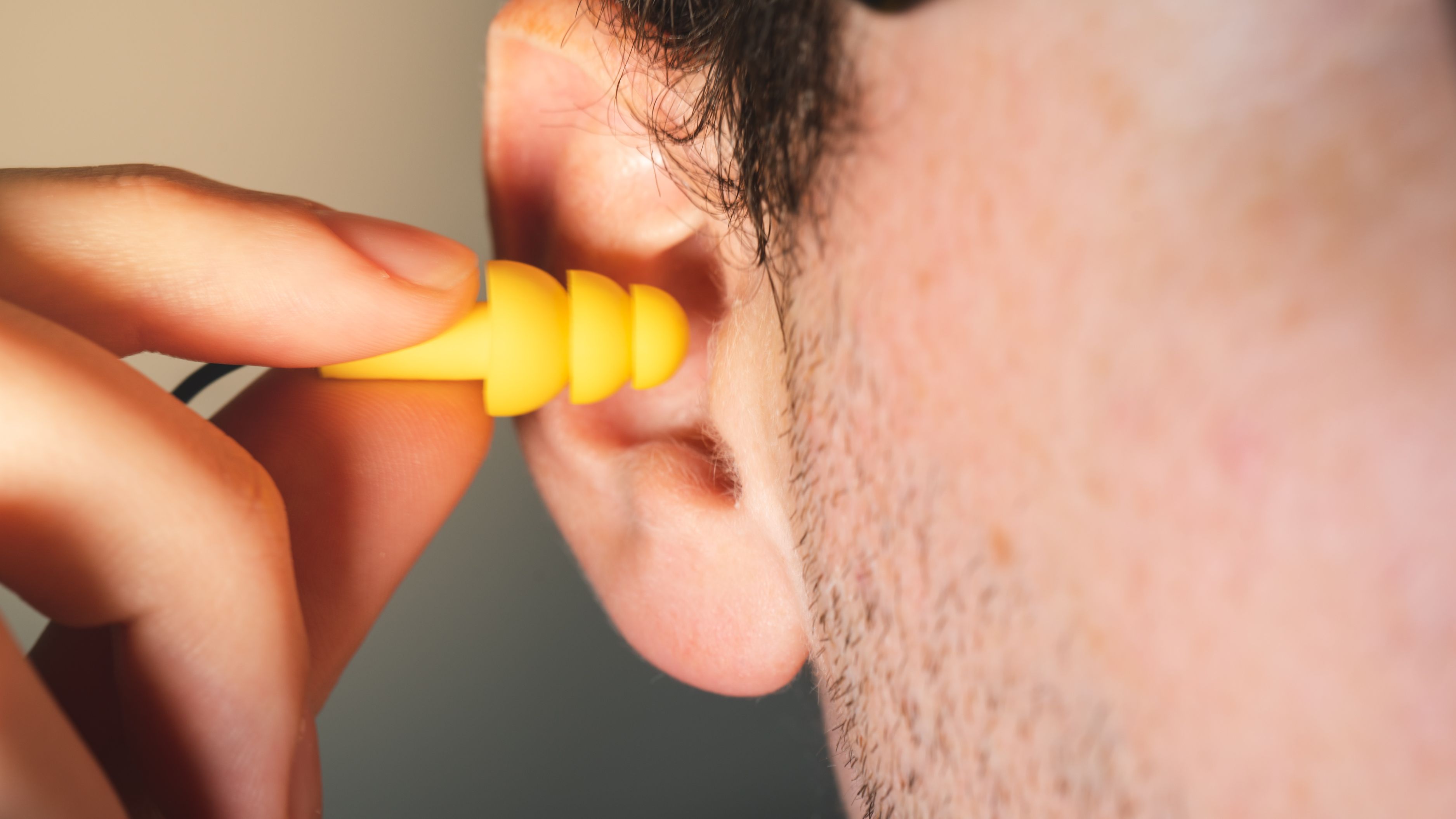
Best for: Preventing permanent hearing damage from excessive concert sound levels
Pricing from: $15-30 for quality musician's earplugs
Key features: High-fidelity musician's earplugs preserving sound quality, 15-25dB noise reduction, comfortable extended wear, discreet appearance, carrying case for safekeeping
Concert sound levels regularly exceed 100-110 dB SPL (sound pressure level), reaching levels that cause permanent hearing damage with sustained exposure—OSHA workplace regulations limit 100 dB exposure to 15 minutes daily, yet concerts often maintain these levels for 2-3+ hours. The cumulative effect is progressive hearing loss that's irreversible, beginning with difficulty distinguishing speech in noisy environments, progressing to permanent tinnitus (ringing in ears), and eventually substantial hearing impairment requiring aids. Despite these established medical facts, hearing protection remains stigmatized and rarely adopted by concert-goers who associate earplugs with diminished experience rather than preservation of long-term hearing health and ironically better immediate sound quality.
The critical distinction is musician's earplugs versus foam earplugs: cheap foam earplugs ($0.20-0.50 per pair) reduce volume but muffle sound, removing high frequencies and making music sound muddy and unclear. High-fidelity musician's earplugs ($15-30 from Etymotic, Eargasm, Earasers, or similar) use acoustic filters that reduce volume evenly across all frequencies, lowering volume by 15-25 dB while preserving sound quality and clarity. The result is actually improved listening experience: you hear music more clearly without painful volume, distinguish individual instruments better, and can enjoy shows without ear fatigue or post-concert hearing damage. The professional musicians use these products for career preservation—should amateur listeners care less about their hearing?
The adoption barriers are primarily psychological: people worry earplugs signal they're old or uncool, feel self-conscious wearing visible devices, or genuinely believe louder equals better. The reality is that human hearing has physical limits, and exceeding safe SPL levels damages hair cells in cochlea that never regenerate—this isn't negotiable biology. The discreet appearance of modern musician's earplugs makes them barely visible, and you'll quickly forget you're wearing them while noticing reduced ear fatigue. The investment is minimal ($20-30) and reusable across hundreds of concerts, creating negligible per-use cost. For anyone attending 4+ loud concerts annually, hearing protection is non-optional unless you're comfortable with permanent hearing loss by age 40-50.
Pros:
Prevents permanent irreversible hearing damage and tinnitus
High-fidelity plugs actually improve sound clarity versus raw volume
Reduces ear fatigue enabling enjoying full shows comfortably
Minimal one-time investment ($20-30) protecting lifelong hearing
Increasingly socially acceptable as awareness grows
Cons:
Psychological barriers and self-consciousness about wearing
Requires remembering to bring and actually insert them
Some initial adjustment period to wearing earplugs
Generic foam plugs muddy sound (must buy proper musician's plugs)
Can't protect against hearing damage that's already occurred
9. Exit Strategy and Post-Show Navigation
Best for: Beating traffic nightmares and maintaining group cohesion during chaos
Pricing from: Free (planning and coordination)
Key features: Pre-determining meeting locations if separated, leaving slightly before encore for parking lot head start, mapping parking locations precisely, establishing backup communication plans, understanding venue exit flow patterns
Post-show exit chaos causes some of the night's most frustrating moments: parking lots become gridlocked as thousands of vehicles attempt simultaneous departure through limited exits, groups get separated in massive crowds, people forget where they parked after 4-5 hours away, and exhaustion reduces problem-solving capacity. The strategic planning starts before the show: photograph your parking location and nearby landmarks, drop a pin in Google Maps marking exact spot, note your row/section number, and identify visual landmarks (light poles, venue buildings, other vehicles). The group meeting point conversation should happen early: "if we get separated during exit, meet at [specific location like our car or the main lot entrance], and if that fails, meet at [secondary location like gas station 0.5 miles away]."
The early departure debate is contentious: leaving 2-3 songs before official show end (typically during encore) provides 10-15 minute head start beating the mass exodus, allowing you to exit parking lots before gridlock forms and potentially saving 30-60 minutes of parking lot sitting. However, you miss the encore which often includes hit songs, feel guilty about leaving early, and may disappoint group members who want complete experiences. The compromise positions are: designating one person to get car while others finish show if parked close, or accepting the wait as part of the experience and bringing entertainment (queuing up post-show playlist, discussing show highlights, planning next meetup). The worst scenario is getting stuck in gridlock for 45-60 minutes exhausted at midnight on a weeknight with work the next morning.
The alternative transportation like rideshare faces surge pricing at post-show times, often costing 2-3x normal rates, and requires walking to designated pickup zones away from venue entrances where thousands of others also request rides. The coordination required is substantial: keeping group together in massive crowds, navigating to car or rideshare pickup through darkness and limited signage, and maintaining communication when everyone's phone batteries are depleted. The post-show coordination success often determines whether the night's final memory is positive social bonding or frustrating argument about whose fault the difficulties were. The proactive planning and realistic expectations transform chaos into manageable challenge.
Pros:
Pre-planning prevents separation and lost vehicle situations
Strategic early departure saves 30-60 minutes of parking lot waiting
Backup meeting locations prevent group breakup disasters
Understanding exit patterns reduces stress and improves timing
Free optimization requiring only discussion and coordination
Cons:
Early departure means missing encore songs
Group consensus difficult when some want full show
Even planned exits can't eliminate all traffic delays
Navigation through darkness and crowds challenging regardless
Exhaustion reduces everyone's patience during already difficult situation
10. Designated Driver and Safety Protocols
Best for: Ensuring everyone returns home safely after alcohol consumption
Pricing from: Free (responsibility and planning)
Key features: Rotating designated driver responsibilities across concert season, using rideshare services when entire group wants to drink, hotel stays for special high-priority shows, clear communication about who is/isn't drinking, moderation pacing for long events
Designated driver planning is non-negotiable safety requirement for any concert involving alcohol consumption, yet remains casual social arrangement rather than formal plan for too many groups. The optimal approach rotates responsibility across concert season—if your group attends six shows annually, each member drives twice ensuring fairness while allowing everyone to drink occasionally. The designated driver commits to zero alcohol consumption from tailgate through post-show departure, receiving compensation through free food, future reciprocity, and moral satisfaction of preventing drunk driving tragedies that ruin and end lives. The social contract requires the group honoring this sacrifice rather than pressuring drivers to "just have one drink" or complaining about wanting to stay longer when designated driver wants to leave.
The alternative arrangements for high-priority shows where everyone wants to drink include: booking hotels within walking distance or short rideshare from venue (adds $100-200 cost but enables full experience), using rideshare for entire group (typically $40-100 depending on distance and surge pricing), or arranging sober friend not attending to pick up group (massive favor requiring appreciation and reciprocity). The hotel approach works particularly well for bucket-list shows where you're traveling distance anyway—book room near venue, use rideshare or walk to concert, eliminate all driving stress and time restrictions, and enjoy post-show celebratory drinks discussing the experience rather than rushing home. The cost amortized across the group makes it reasonable for special occasions.
The alcohol moderation throughout the long event timeline is critical: pace consumption during 3-4 hour tailgate rather than binge drinking quickly, alternate alcoholic drinks with water maintaining hydration, eat substantial food providing foundation, and recognize that judgment impairment happens gradually making "I'm fine to drive" unreliable self-assessment. The peer responsibility extends to calling out potentially impaired drivers and offering alternatives without accusation or shame. The tragic reality is that concert-related drunk driving remains common, causing unnecessary injuries and deaths that devastate families and communities. The planning conversation before the concert prevents these tragedies better than hoping everyone will "figure it out" when already drinking and exhausted at midnight.
Pros:
Prevents drunk driving tragedies that ruin and end lives
Designated driver allows others enjoying alcohol responsibly
Rotating responsibility creates fair system across season
Hotel/rideshare alternatives available when entire group wants to drink
Demonstrates maturity and respect for group safety
Cons:
Designated driver sacrifices their drinking for others' benefit
Requires group coordination and commitment to responsibility
Hotel options add $100-200+ cost per event
Rideshare surge pricing post-show can be excessive
Social pressure to drink creates uncomfortable situations for designated driver
Comparison Summary
Cost Tiers: Free optimizations (arrival timing, prohibited items research, exit strategy, designated driver responsibility) require only planning. Low-cost investments ($20-80) include portable batteries, earplugs, cash preparation, and weather appropriate clothing. Mid-range purchases ($100-300) cover canopy setups, quality coolers, and proper tailgating equipment. Premium approaches ($300+) include hotel rooms for no-driving shows and comprehensive gear collections.
Impact on Experience: Arrival timing and hydration management create foundation for entire experience, determining comfort and energy levels throughout. Prohibited items research and payment planning prevent specific frustrating delays and complications. Weather preparation and hearing protection address physical comfort and long-term health. Exit strategy and safety protocols bookend the event ensuring smooth departure and safe return home.
Implementation Complexity: Simple strategies (cash planning, checking weather, researching prohibited items) require minimal effort. Moderate complexity items (portable batteries, canopy setup, exit coordination) need some advance work. Advanced optimization (full tailgate equipment, hotel booking for specific shows) represents serious concert-going lifestyle commitment.
Venue Type Variation: Amphitheaters and stadiums with parking lot tailgating cultures require more extensive preparation (canopies, coolers, chairs). Urban theaters and arenas need minimal gear but more focus on arrival timing and local dining options. Festivals require scaling up all strategies for multi-day duration.
Buying Guide
Who Benefits from Concert Preparation: Anyone attending outdoor venues with tailgating benefits from comprehensive preparation including weather gear, hydration management, and social setup equipment. Urban venue attendees need simpler approaches focused on timing, prohibited items, and payment planning. Casual occasional concert-goers can implement free optimizations (research, planning, timing) without gear investment. Regular attendees (4+ shows annually) justify equipment purchases that amortize across multiple events.
How Strategic Preparation Works: Concert experience quality depends on addressing predictable challenges before they occur rather than reactively solving problems during events when stressed and time-constrained. The preparation sequence follows: (1) venue and artist research 1-2 weeks before (policies, weather, setlist expectations), (2) equipment and supply gathering 2-3 days before (batteries, cash, clothing, prohibited items verification), (3) group coordination 24 hours before (arrival timing, meeting points, responsibilities), (4) day-of execution following pre-determined plan, (5) post-show debrief identifying what worked and what to adjust for next time.
Essential Considerations:
Group Size and Dynamics: Solo attendees have simpler logistics but greater vulnerability to problems. Pairs balance convenience and companionship. Groups of 4-6 maximize social experience but complicate coordination. Groups of 8+ require designated "organizer" managing logistics or risk chaos from diffusion of responsibility.
Venue Familiarity: First-time venue attendees should invest more research time understanding layout, parking, policies, and quirks. Regular venue attendees can streamline based on experience but should monitor policy changes. Multi-venue attendees benefit from creating venue-specific checklists.
Event Priority Level: Bucket-list shows for favorite artists justify more investment (hotel rooms, premium parking, comprehensive gear) versus casual shows for artists you're mildly curious about. Match preparation intensity to event importance avoiding over-preparation for casual events or under-preparation for special occasions.
Seasonal and Weather Considerations: Summer shows require aggressive sun and heat protection. Fall shows need temperature flexibility for afternoon heat and evening cooling. Spring shows face precipitation uncertainty. Winter shows (rare for outdoor venues) demand serious cold weather gear.
Physical Limitations and Accessibility: Mobility issues require parking close to entrances, venues with elevator access, and potentially contacting venue about accessibility accommodations (often available but require advance notice). Older attendees or those with health conditions need more aggressive hydration and rest planning.
Pricing Overview
Minimal Budget Approach ($0-50): Focus exclusively on free optimizations: arrival timing research and execution, prohibited items list review, weather forecast monitoring and wearing appropriate clothes you own, bringing water in permitted containers, cash from bank without ATM fees, using basic phone for coordination, and designated driver responsibility. This approach works for occasional attendees or those on tight budgets.
Standard Concert-Goer Setup ($150-300): Includes one-time equipment purchases of quality portable battery ($40-60), musician's earplugs ($20-30), basic canopy ($100-150) if attending venues with tailgating, folding chairs ($20-40 each), and small compliant bag for carrying essentials ($15-30). This gear lasts 3-5+ years across dozens of concerts, amortizing to minimal per-event cost.
Serious Tailgating Investment ($500-800): Comprehensive setup with quality 10x10 canopy with weights ($150-200), 6-8 comfortable chairs ($150-250 total), portable table ($40-80), large cooler ($80-150), complete first aid and emergency kit ($50-100), portable grill if permitted ($60-120), and collection of games and entertainment ($40-80). Justifies itself for groups attending 6+ tailgate-friendly shows annually.
Premium Experience Approach ($1,000+ per event): Hotel rooms near venues ($150-300), premium parking or VIP lot access ($50-150 above standard), comprehensive prepared tailgate catering rather than DIY cooking ($100-200), generous venue food and beverage budget ($100-200 per person), merchandise purchases without price concern ($80-150), and rideshare rather than driving eliminating designated driver needs ($80-150 round trip). Represents special occasion or high-income approach.
Per-Event Cost Estimation: Typical concert costs including preparation: parking ($20-80), hydration and tailgate food supplies ($30-60 per person), venue food and drinks ($40-100 per person), merchandise if purchased ($40-100), rideshare or gas ($20-60), totaling $150-400 per person before ticket costs. Budget-conscious approaches can reduce to $50-100 per person through DIY food, minimizing venue purchases, and designated driver carpooling.
FAQ
Q: How early should I really arrive for amphitheater concerts?
For venues with tailgating cultures where lots open 3-4 hours before doors, arriving when lots open (typically 4pm for 7:30pm shows) provides optimal experience: you claim good parking locations before sellout, have time to establish comfortable setup, and enjoy the full social pre-show atmosphere that's part of amphitheater culture. For venues without tailgating or urban locations, 1.5-2 hours before doors suffices for parking, entry, and settling in. Arriving at door time or after means limited parking options, rushed entry, and potentially missing opening acts. The investment is 6-7 total hours (4 pre-show, 2-3 show duration) which sounds like a lot but creates memorable full-evening experience rather than rushed concert-only attendance.
Q: Can I really bring my own food and drinks to outdoor concerts?
This varies completely by venue—some amphitheaters explicitly allow sealed water bottles and small snacks in clear bags, others prohibit all outside food and beverage. The information is on venue websites but enforcement can be inconsistent. The strategic approach is bringing permitted items (sealed water most commonly allowed) and consuming non-permitted items in parking lot before entry rather than attempting to bring prohibited items through security. For venues prohibiting outside items, the water fountain and concession stands become your only options, making pre-hydration and substantial tailgate food even more critical. Never assume what one venue allows transfers to others—research each venue's specific policies.
Q: Do I really need earplugs for concerts, or is that just for old people?
The medical facts are unambiguous: concert sound levels (100-115 dB SPL) cause permanent hearing damage with sustained exposure regardless of your age, and the damage is cumulative across your lifetime. Younger people feel invincible and don't notice gradual hearing loss until it's severe, but prevention is the only option—damage cannot be reversed. High-fidelity musician's earplugs ($20-30) don't make you old; they make you smart, protecting hearing while actually improving sound clarity by reducing painful loudness that causes ear fatigue. Every professional musician uses hearing protection. If you plan to attend concerts regularly over your lifetime, hearing protection is non-optional unless you're comfortable with significant hearing loss and tinnitus by middle age.
Q: What's the best strategy for dealing with massive post-show parking lot traffic?
The options are: (1) leave 2-3 songs early during encore, accepting you'll miss ending to gain 15-minute head start beating gridlock (can save 30-60 minutes); (2) wait in your car enjoying music, podcasts, or conversation for 30-45 minutes until traffic clears, turning sitting into social time; (3) walk away from venue to nearby restaurant or bar, have post-show drink/food while traffic disperses, return to car 60-90 minutes later finding empty lots; (4) use bathroom, browse merchandise, and generally kill time at venue until crowds thin. The worst approach is immediately getting in car and sitting in gridlock frustrated—that's neither efficient nor pleasant. The best approach depends on your priorities: if you must get home quickly (work next day), early departure makes sense; if enjoying the experience matters most, patience serves better.
Q: How can I avoid spending $100+ on overpriced venue food and drinks?
The strategies are: eat substantial meal before entering venue reducing hunger throughout show, bring permitted snacks if venue allows, set a strict budget before arriving and stick to it (perhaps 1-2 drinks maximum), share items among group to reduce per-person costs, and remind yourself that starving artists deserve your money more than massively profitable venue concession companies. The reality is venues have captive audience monopolies charging premium prices, and you either accept this, budget accordingly, and purchase what you need for comfort, or you suffer through dehydration and hunger saving money. The middle ground is strategic minimal purchasing—one drink and one snack ($20-25) provides meaningful sustenance without breaking the bank.