
Top 10 at a Glance
Making a Murderer – Best for true crime investigation deep dives
The Last Dance – Best for sports history and basketball fans
Tiger King – Best for wild, unbelievable real-life drama
Our Planet – Best for stunning nature cinematography
Wild Wild Country – Best for cult stories and 1980s history
The Staircase – Best for courtroom drama enthusiasts
Chef's Table – Best for food lovers and artistic storytelling
McMillion$ – Best for caper-style crime stories
Love Has Won: The Cult of Mother God – Best for recent cult phenomena
American Nightmare – Best for justice system critique
1. Making a Murderer
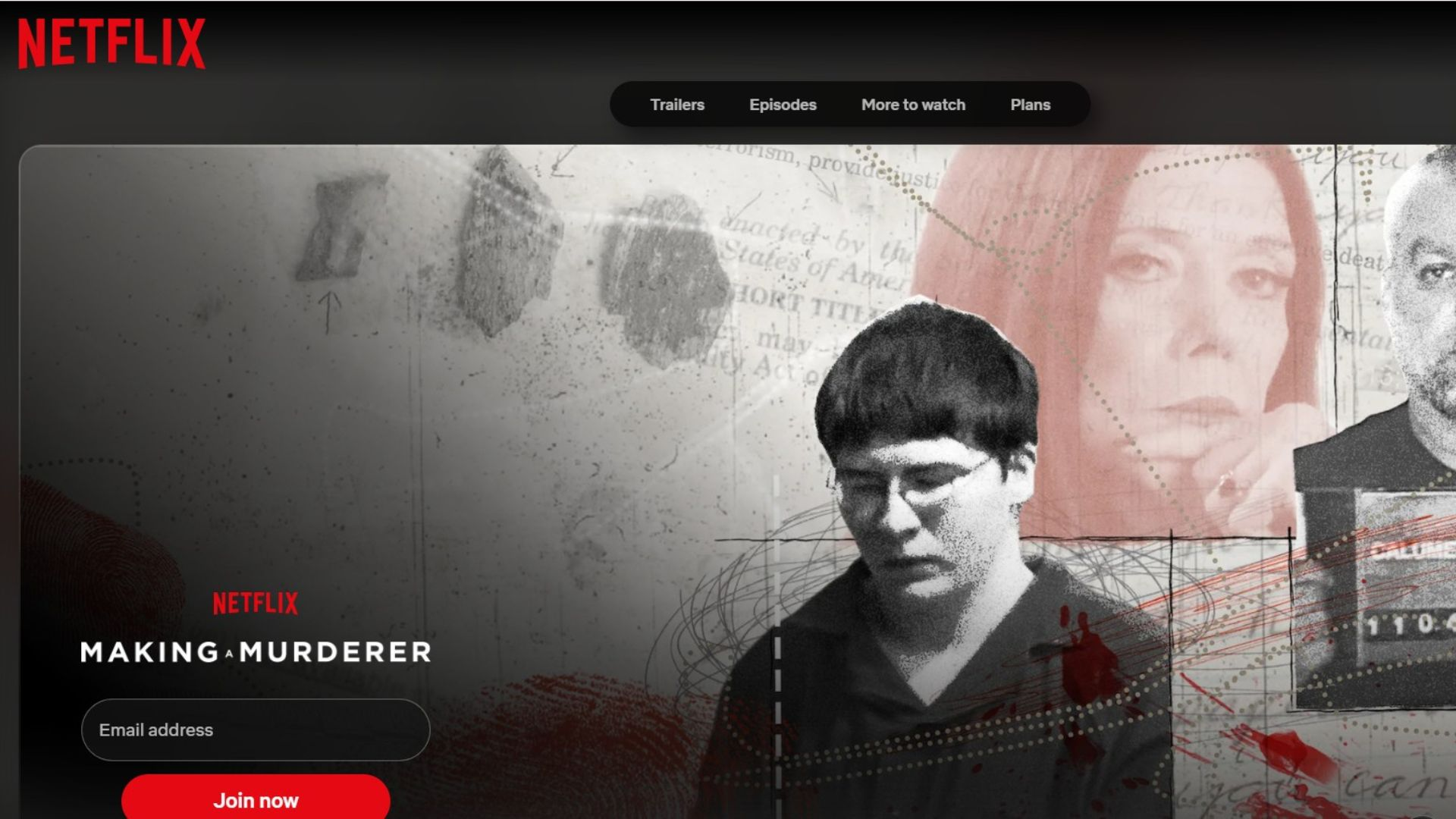
This groundbreaking Netflix series follows Steven Avery, a Wisconsin man who was exonerated after serving 18 years for a crime he didn't commit, only to find himself accused of murder shortly after his release. Filmmakers Laura Ricciardi and Moira Demos spent 10 years documenting the case, creating a complex portrait of the American justice system that sparked national debate.
Who It's For: True crime enthusiasts who want depth over sensationalism, anyone interested in criminal justice reform, and viewers who enjoy investigative journalism that doesn't spoon-feed conclusions.
Key Features: The series spans multiple years and includes unprecedented access to the defense team, family members, and courtroom proceedings. Unlike many true crime docs, Making a Murderer presents evidence and allows viewers to draw their own conclusions about guilt and innocence. The filmmakers include perspectives from both prosecution and defense, though the series has been criticized for potential bias. The documentary explores systemic issues including police misconduct, inadequate legal representation for the poor, and forensic evidence reliability. Two seasons provide comprehensive coverage, with the second focusing on post-conviction appeals and new legal strategies.
Pricing: Included with Netflix subscription (starting at $6.99/month for ad-supported tier).
Pros:
Incredibly detailed investigation spanning a decade
Raises important questions about justice system fairness
Compelling storytelling that maintains suspense
Sparked real-world impact and legal developments
High production quality with thorough research
Cons:
Accused of presenting one-sided narrative
Can be emotionally draining to watch
Complex legal details may confuse some viewers
Requires patience due to slow pacing at times
Leaves many questions unanswered
2. The Last Dance

ESPN's 10-part series chronicles Michael Jordan's final season with the Chicago Bulls in 1997-98, while also exploring his entire career and the dynasty that won six NBA championships. With unprecedented access to previously unreleased footage and interviews with Jordan himself, the series became a cultural phenomenon when it aired during the 2020 pandemic lockdown.
Who It's For: Basketball fans, sports history buffs, anyone interested in stories about greatness and what it takes to achieve it, and viewers who lived through the 90s Bulls era.
Key Features: The series interweaves Jordan's final championship run with flashbacks to his entire career, from college through his multiple retirements. Director Jason Hehir secured rare cooperation from Jordan, who is notoriously private, resulting in candid interviews about his competitiveness, relationships with teammates, and personal struggles. The documentary doesn't shy away from Jordan's complicated legacy, including his gambling, difficult personality, and treatment of teammates. Archival footage from NBA Entertainment provides never-before-seen behind-the-scenes access. The series explores the broader cultural impact of Jordan's career, from sneaker culture to global basketball popularity.
Pricing: Available on Netflix (starting at $6.99/month) and ESPN+ ($10.99/month).
Pros:
Unprecedented access to Michael Jordan
Stunning archival footage and production quality
Balanced portrayal showing flaws alongside greatness
Appeals beyond just basketball fans
Perfect pacing across 10 episodes
Cons:
Jordan's involvement may have influenced editorial choices
Limited perspectives from certain teammates
Some historical context simplified
May glorify toxic competitive behavior
3. Tiger King
Perhaps the most talked-about documentary of 2020, Tiger King tells the stranger-than-fiction story of Joe Exotic, a mulleted zoo owner in Oklahoma who breeds big cats and becomes embroiled in a murder-for-hire plot involving his rival, Carole Baskin. The series spirals into increasingly bizarre territory with each episode, featuring a cast of characters that defies belief.
Who It's For: Anyone who enjoys wild, unpredictable storytelling, true crime with darkly comedic elements, and cultural phenomena that dominate social media conversations.
Key Features: The series starts as a documentary about private big cat ownership in America but quickly evolves into a multi-layered saga involving polygamy, arson, drug use, political campaigns, and attempted murder. Each character introduced seems more eccentric than the last, creating a viewing experience that feels surreal. Beyond the entertainment value, the series raises legitimate questions about animal welfare, exploitation, and the regulatory gaps that allow dangerous situations to flourish. The documentary's release timing during early pandemic lockdowns contributed to its viral status. A second season explores the aftermath and ongoing legal battles.
Pricing: Included with Netflix subscription (starting at $6.99/month).
Pros:
Absolutely unpredictable and entertaining
Fascinating examination of American subcultures
Important animal welfare issues highlighted
Cultural phenomenon that sparked conversations
Perfectly captures bizarre reality
Cons:
Exploitative tone toward some subjects
Animal abuse depicted may disturb viewers
Prioritizes entertainment over ethical journalism
Leaves out important context about animal issues
Can feel sensationalized
4. Our Planet

Narrated by Sir David Attenborough, this eight-part nature documentary series showcases the world's most spectacular natural wonders while addressing the urgent environmental challenges facing our planet. With groundbreaking cinematography captured by crews in 50 countries over four years, the series balances breathtaking beauty with sobering environmental messaging.
Who It's For: Nature lovers, environmental advocates, families looking for educational content, and anyone seeking visually stunning television that also carries important messages about conservation.
Key Features: Unlike traditional nature documentaries, Our Planet explicitly connects wildlife footage to climate change and human impact, showing how ecosystems are being disrupted. The cinematography employs cutting-edge camera technology including drones and remote cameras that capture animal behavior never filmed before. Each episode focuses on a different habitat type, from frozen worlds to jungles to coastal seas. Behind-the-scenes features reveal the years-long effort to capture specific shots. The series includes a companion website with educational resources for teachers and students. Attenborough's narration provides both wonder and urgency without being preachy.
Pricing: Included with Netflix subscription (starting at $6.99/month).
Pros:
Absolutely stunning 4K cinematography
David Attenborough's legendary narration
Balances beauty with environmental awareness
Educational value for all ages
Shows rarely-seen animal behaviors
Cons:
Environmental messaging may feel heavy-handed to some
Shorter than similar BBC productions
Some segments depicting animal death may upset viewers
Climate change focus polarizing for some audiences
5. Wild Wild Country
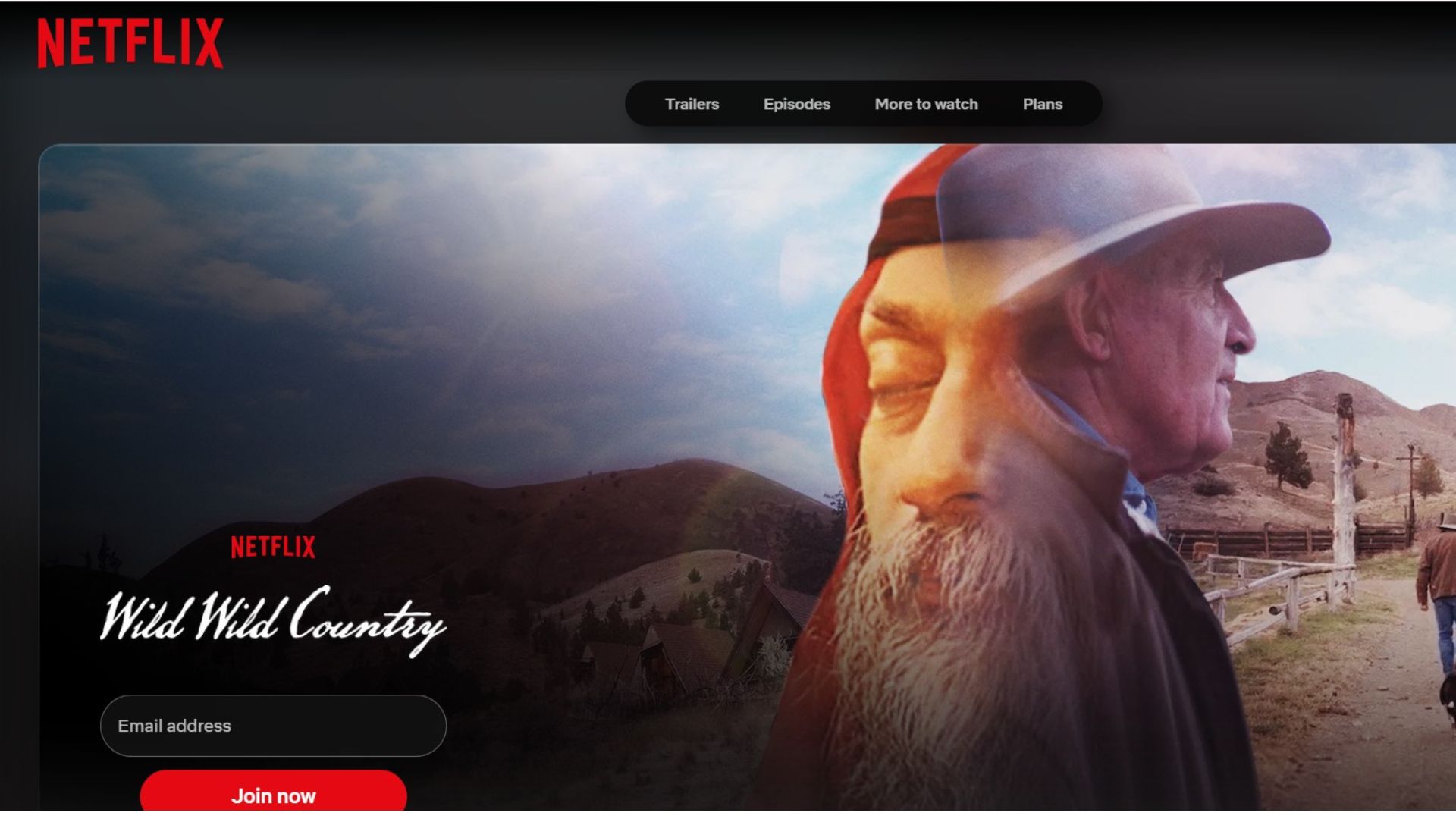
This six-part series documents the controversial Indian guru Bhagwan Shree Rajneesh and his followers who built a utopian city in rural Oregon in the 1980s, leading to the first bioterror attack on U.S. soil and one of the strangest conflicts in American history. The clash between the commune and local townspeople escalated into legal battles, political manipulation, and eventually, criminal conspiracy.
Who It's For: True crime fans, anyone fascinated by cults and charismatic leaders, students of American history, and viewers who appreciate complex stories without clear heroes or villains.
Key Features: Directors Chapman and Maclain Way secured interviews with key figures from both sides of the conflict, including Rajneesh's personal secretary Ma Anand Sheela and local Oregonians who fought against the commune. Extensive archival footage from news broadcasts and the commune's own documentation provides an intimate look at daily life in Rajneeshpuram. The series explores complex themes including religious freedom, immigration, political manipulation, and the American dream. Rather than simply condemning the cult, the documentary presents a nuanced view that allows viewers to understand how intelligent people became devoted followers. The investigation into the poisoning plot unfolds like a thriller.
Pricing: Included with Netflix subscription (starting at $6.99/month).
Pros:
Fascinating, little-known American history
Balanced perspectives from all sides
Incredible archival footage
Compelling characters and storytelling
Raises complex questions without easy answers
Cons:
Some may find it sympathetic to cult members
Oregonian residents feel misrepresented
Doesn't fully explore all victims' perspectives
Sexual and abusive content may be disturbing
6. The Staircase
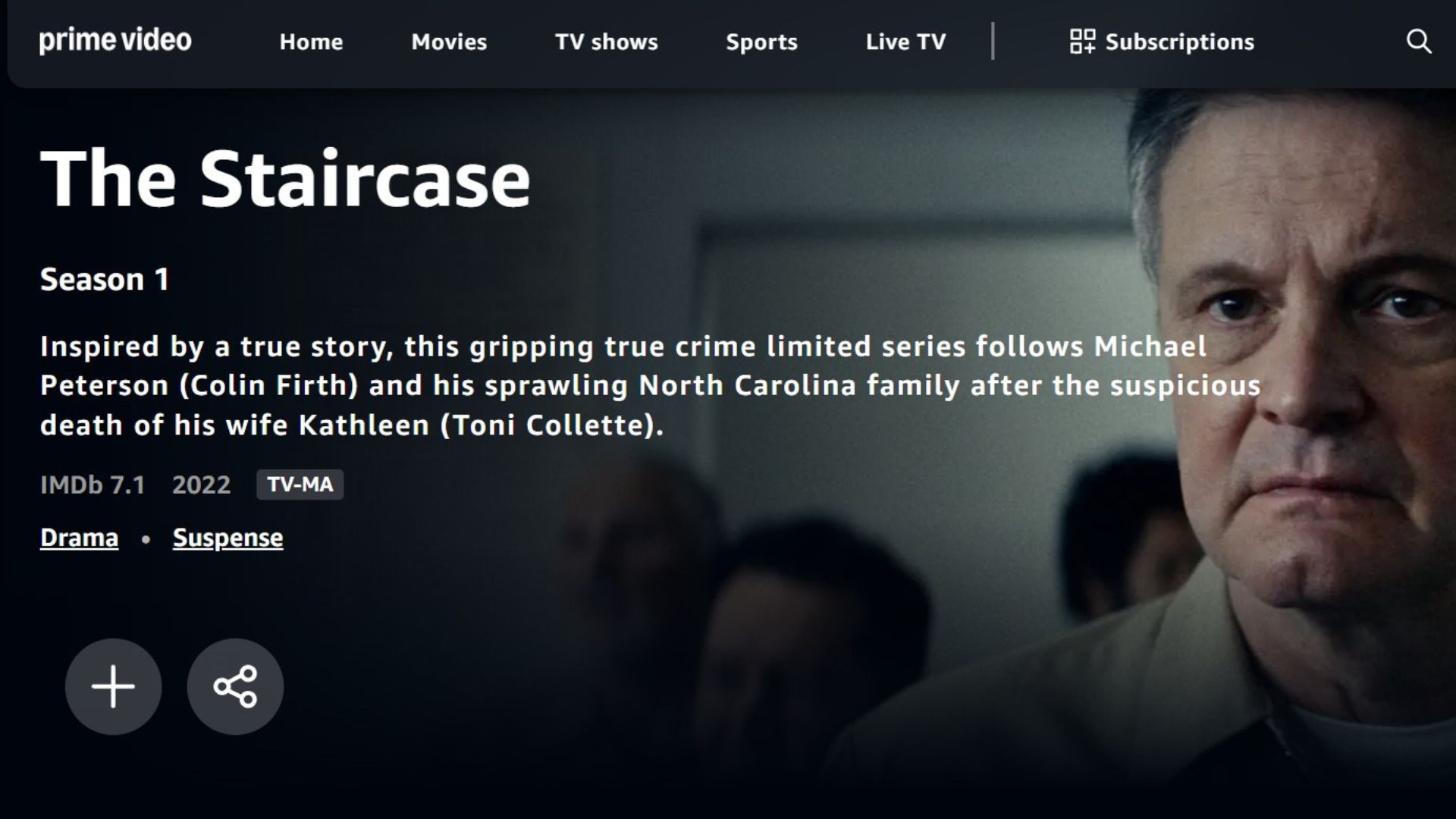
Filmed over 16 years, this documentary follows novelist Michael Peterson, accused of murdering his wife Kathleen after she's found dead at the bottom of their staircase in 2001. The series provides extraordinary access to Peterson's defense team and family as they navigate trials, appeals, and shocking revelations that change the case multiple times.
Who It's For: True crime devotees who want courtroom detail, anyone interested in the legal system's inner workings, and viewers who enjoy mysteries with multiple twists spanning years.
Key Features: French filmmaker Jean-Xavier de Lestrade gained unprecedented access to film the defense team's strategy sessions, creating an intimate portrait of how criminal defense works. The original eight episodes aired on various platforms before Netflix acquired the series and added new episodes as the case continued to develop. The documentary reveals shocking twists including an identical death in Peterson's past and discoveries about his personal life. Unlike typical true crime, viewers see the monotonous reality of the legal system over many years. The series inspired the HBO Max dramatic adaptation starring Colin Firth, bringing renewed attention to the case.
Pricing: Included with Netflix subscription (starting at $6.99/month); also available on Max (starting at $9.99/month).
Pros:
Unparalleled access to defense team
Follows case over 16 years with multiple developments
Detailed look at American legal system
Genuinely shocking revelations throughout
High-quality French documentary filmmaking
Cons:
Very long commitment with uneven pacing
Some footage feels repetitive
Ethical questions about filmmaker involvement
Leaves ultimate truth ambiguous
Updated episodes feel rushed compared to originals
7. Chef's Table

This beautifully crafted series profiles extraordinary chefs from around the world, exploring their culinary philosophy, personal journeys, and the artistry behind their signature dishes. Each episode is a visual feast that treats cooking as fine art, with cinematography and music that rivals prestige dramas.
Who It's For: Foodies and cooking enthusiasts, fans of travel and international culture, anyone who appreciates artistry and craftsmanship, and viewers looking for uplifting, inspirational content.
Key Features: Rather than focusing on competition or technique, Chef's Table explores the personal stories, philosophies, and creative processes of celebrated chefs. Each episode is shot like a documentary film with stunning food photography, artistic camera work, and cinematic scoring. The series showcases diverse culinary traditions from around the globe, from traditional Italian cuisine to avant-garde molecular gastronomy. Multiple seasons expand beyond restaurants to cover pastry chefs, pizza makers, and barbecue masters. The show respects its subjects as artists rather than merely entertainers, resulting in thoughtful, contemplative episodes.
Pricing: Included with Netflix subscription (starting at $6.99/month).
Pros:
Absolutely gorgeous cinematography
Inspiring personal stories
Educational about global culinary traditions
Treats cooking as legitimate art form
Perfect for relaxed, contemplative viewing
Cons:
Can feel pretentious or overly artsy
Limited practical cooking instruction
Featured restaurants often inaccessible to average viewers
Slower pace may bore some viewers
Food styling sometimes unrealistic
8. McMillion$
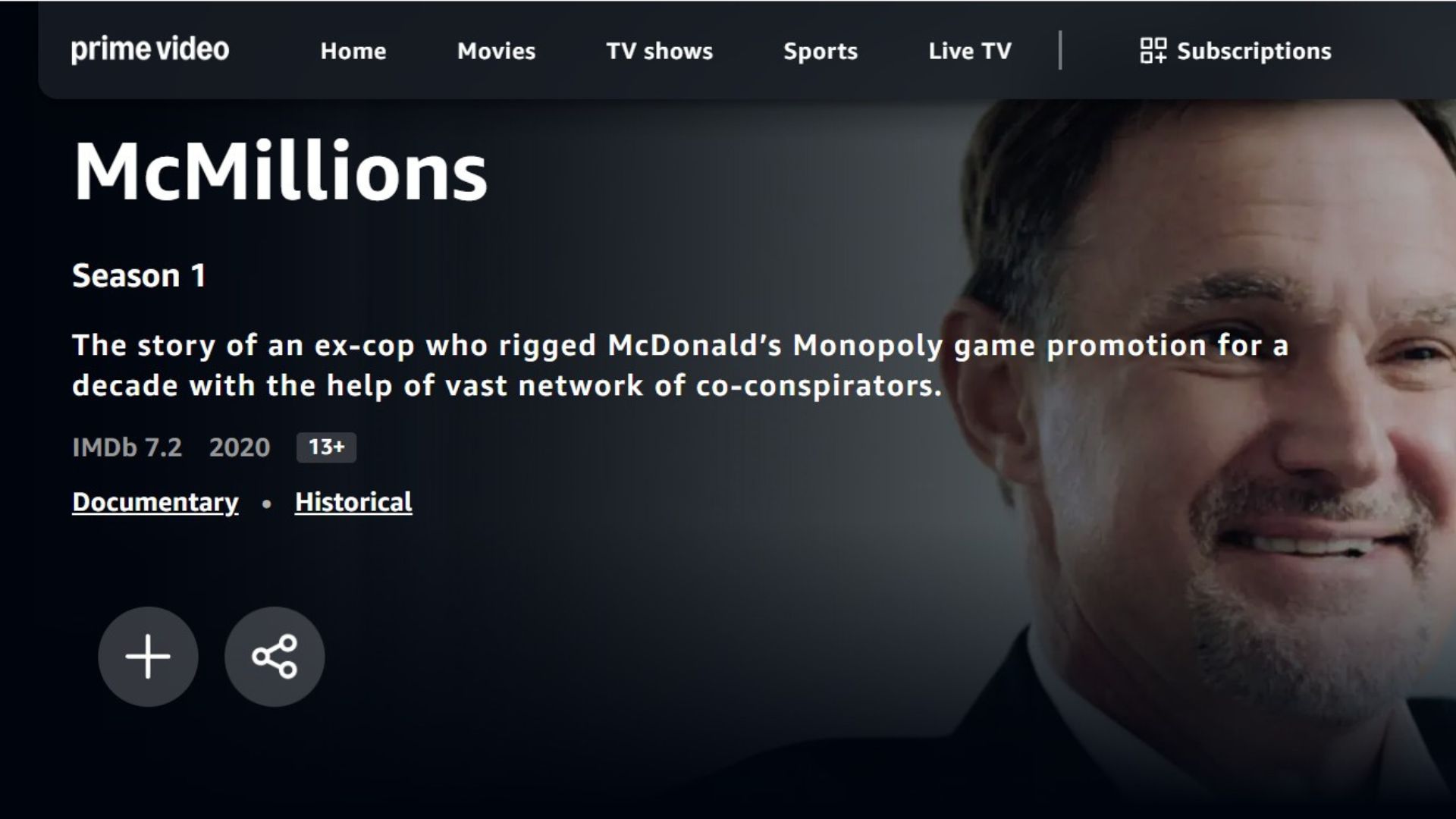
This six-part series investigates the jaw-dropping true story of how an ex-cop rigged the McDonald's Monopoly game promotion, stealing millions in winning game pieces over a decade. What starts as a story about fast-food fraud becomes an examination of the FBI investigation, organized crime connections, and the American dream gone wrong.
Who It's For: True crime fans who prefer caper-style stories, anyone nostalgic for 1990s and early 2000s America, and viewers who enjoy investigative journalism with humor.
Key Features: Directors James Lee Hernandez and Brian Lazarte secured interviews with FBI agents, fraud perpetrators, and unsuspecting contest winners who got caught up in the scheme. The series employs a playful visual style with animated graphics and a lighthearted tone that makes complex fraud accessible. The documentary reveals how widespread the conspiracy was, involving multiple states and dozens of people. Period-appropriate music and footage capture the era's cultural context. The series builds suspense even though viewers know the general outcome, focusing on how investigators unraveled the complex web.
Pricing: Available on HBO Max (starting at $9.99/month).
Pros:
Fascinating, bizarre true story
Perfect blend of serious investigation and humor
Excellent pacing and structure
Great access to key players
Captures era's cultural zeitgeist
Cons:
Tone may feel too light given the crimes
Some victims' stories underexplored
Occasionally repetitive across episodes
Lighter on McDonald's corporate accountability
9. Love Has Won: The Cult of Mother God
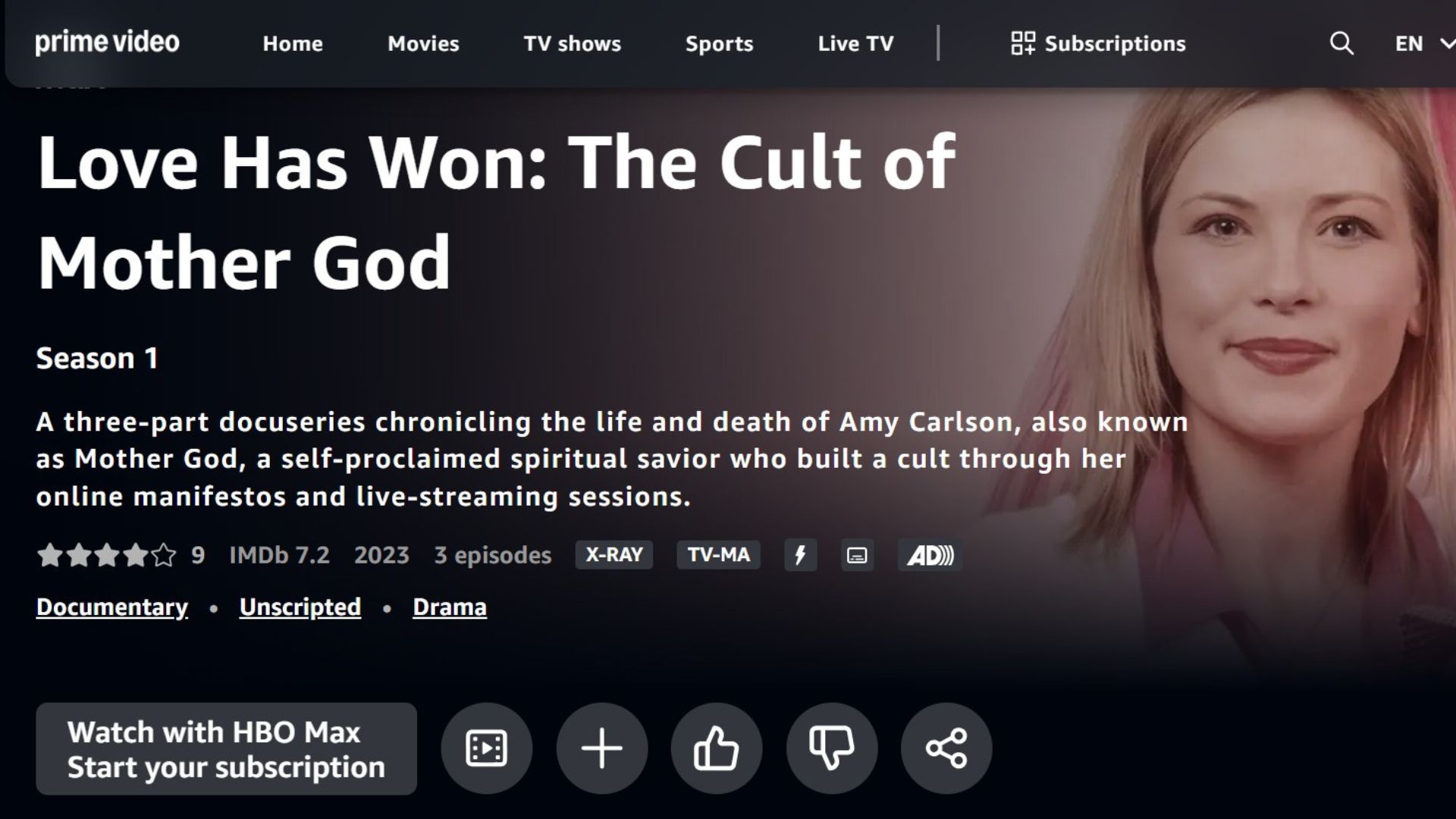
This recent HBO documentary chronicles the rise and fall of Amy Carlson, who convinced followers she was a 19-billion-year-old deity called "Mother God." The series explores how the cult operated primarily online, recruited vulnerable people, and culminated in Carlson's disturbing death and the discovery of her mummified body wrapped in a sleeping bag.
Who It's For: Viewers interested in modern cult phenomena, anyone curious about internet radicalization and online communities, and those who want to understand how manipulation works in the digital age.
Key Features: Unlike historical cult documentaries, this series examines a contemporary cult that used social media, livestreaming, and conspiracy theories to recruit members. The documentary includes extensive footage from the group's own livestreams, showing daily life and Carlson's bizarre claims. Former members provide insight into the psychological manipulation and abuse they experienced. The series explores how platforms like Facebook and YouTube inadvertently facilitated the cult's growth. The tragic ending and the legal aftermath involving members who lived with Carlson's corpse for weeks makes for disturbing but compelling viewing.
Pricing: Available on Max (starting at $9.99/month).
Pros:
Examines timely issue of online radicalization
Extensive firsthand footage from the cult itself
Important look at modern manipulation tactics
Sympathetic treatment of former members
Shows dangers of conspiracy theory communities
Cons:
Deeply disturbing content throughout
Amy Carlson's alcohol abuse and decline hard to watch
May trigger viewers with addiction or abuse history
Raises ethical questions about livestream footage use
Limited analysis of why platforms allowed this
10. American Nightmare
This three-part Netflix series revisits a 2015 home invasion and kidnapping case in Vallejo, California, that police dismissed as a hoax similar to Gone Girl. When the victim, Denise Huskins, reappeared after being released by her captor, authorities publicly accused her and her boyfriend of fabricating the entire ordeal, leading to a devastating battle to prove the truth.
Who It's For: True crime fans who care about justice system failures, viewers interested in how media narratives harm victims, and anyone who wants to see stories of resilience and vindication.
Key Features: Directors Felicity Morris and Bernadette Higgins secured full cooperation from Huskins and her boyfriend Aaron Quinn, allowing them to tell their story comprehensively. The series methodically shows how police tunnel vision, lazy investigation, and media sensationalism compounded the trauma of a genuine crime. Bodycam footage, interrogation recordings, and news clips demonstrate the nightmare the couple faced even after the ordeal ended. The eventual capture of the perpetrator and the exoneration of the victims provides satisfying resolution. The documentary serves as a powerful critique of how police and media can destroy innocent lives.
Pricing: Included with Netflix subscription (starting at $6.99/month).
Pros:
Important examination of police misconduct
Satisfying resolution and justice
Compelling, infuriating narrative
Strong advocacy for victims
Well-paced across three episodes
Cons:
May be triggering for assault survivors
Focuses heavily on couple's perspective
Limited exploration of systemic police issues
Detailed crime descriptions disturbing
What Makes a Documentary Series Binge-Worthy?
What It Is
A documentary series is multi-episode non-fiction content that explores real people, events, or phenomena in depth. Unlike standalone documentary films, series formats allow for comprehensive storytelling across several hours, with episodes that build on each other to create narrative momentum similar to scripted television.
Benefits
Documentary series offer education and entertainment in equal measure. They satisfy curiosity about real-world mysteries, teach you about topics you'd never encounter otherwise, and often spark important conversations about social issues. The best documentary series use cinematic techniques and narrative structure to make factual content as gripping as any thriller. They provide perspective on current events, historical context for understanding the present, and windows into subcultures and experiences outside your own. Many viewers find documentaries more satisfying than fiction because the stakes are real and the outcomes genuinely matter.
What to Look For When Choosing
Consider your interests and mood. True crime documentaries require different mental energy than nature or food shows. Check the episode count and length—some series require 10+ hours while others tell complete stories in three episodes. Look at production quality, as cinematography and editing dramatically affect the viewing experience. Research whether the documentary has been criticized for ethical issues, bias, or factual inaccuracies. Read about the filmmakers' access to subjects and whether multiple perspectives are included. Consider trigger warnings if you're sensitive to violence, animal harm, or disturbing imagery. Finally, check if the series has satisfying resolution or leaves questions unanswered, depending on your preference.
FAQs
What's the difference between a documentary series and a docuseries?
The terms are generally interchangeable, though "docuseries" is a more recent term popularized by streaming platforms. Both refer to multi-episode documentary content. Some use "docuseries" to describe documentary-style shows that follow ongoing events (like Keeping Up with the Kardashians) while reserving "documentary series" for traditional non-fiction investigations, but this distinction isn't universally applied.
Are documentary series always accurate and unbiased?
No. While reputable documentaries strive for accuracy, all filmmaking involves editorial choices about what to include, how to frame information, and whose perspectives to prioritize. Some documentaries have been criticized or even debunked for omitting crucial context or presenting misleading narratives. Critical viewing is important—research the topics independently and look for varied perspectives beyond what any single documentary presents.
How do I know if a documentary series will be too disturbing?
Check content warnings and ratings before watching. Most streaming platforms now include detailed descriptions of potentially disturbing content. Read reviews or synopses that mention specific triggering content. True crime documentaries often include violence, assault, or death. Cult documentaries may involve abuse. If you're sensitive to particular topics, research before committing. Many people preview episodes with fast-forward to gauge intensity levels before full viewing.
Why are documentary series so popular right now?
Several factors contribute to the documentary boom: streaming platforms invest heavily in original documentary content, production technology makes high-quality filmmaking more accessible, social media amplifies buzzworthy shows into cultural phenomena, and audiences increasingly value "real" stories in an era of endless fictional content. The pandemic also increased demand for content that educated while entertaining during lockdowns.