
Top 10 Most Anticipated Updates and Expansions
Final Fantasy XIV: Dawntrail – Best for MMORPG players seeking story-driven expansions
Destiny 2: The Final Shape – Best for looter-shooter fans wanting narrative conclusions
Elden Ring: Shadow of the Erdtree – Best for Soulsborne players craving challenging content
World of Warcraft: The War Within – Best for MMO veterans wanting revitalized endgame
Valorant: Episode 8 Act III – Best for competitive FPS players following meta evolution
Genshin Impact: Fontaine Finale – Best for open-world exploration enthusiasts
Path of Exile 2 (Major Update) – Best for ARPG theorycrafters wanting build complexity
Rainbow Six Siege: Year 9 Season 2 – Best for tactical shooter teams wanting fresh operators
No Man's Sky: Worlds Part II – Best for space exploration fans seeking redemption stories
Apex Legends: Season 21 – Best for battle royale players wanting legend variety
Methodology
Our evaluation assessed each update or expansion across five critical dimensions: content scope and value (hours of new gameplay relative to price), developer track record (historical expansion quality and release reliability), community anticipation levels (verified through engagement metrics, pre-orders, and Reddit/Discord activity), innovation versus iteration (whether updates transform gameplay or provide incremental content), and timing relevance (2025-2026 release windows with confirmed details rather than vague announcements). We prioritized expansions with substantial confirmed information over speculative future content, evaluated pricing fairness against content delivered, and considered each update's potential to revitalize or sustain its respective game's community. Data sources included official developer announcements, closed beta access, community surveys, and historical analysis of each franchise's expansion patterns.
Detailed Reviews
1. Final Fantasy XIV: Dawntrail
Best for: MMORPG players who prioritize narrative storytelling and horizontal progression
Pricing from: $39.99 (standard), $59.99 (collector's edition)
Key features: New continent Tural, level cap increase to 100, two new jobs (Pictomancer and Viper), new raid tier, 8-player trial series, multiple dungeons, graphics engine update (version 7.0), enhanced character creation, continuation of Scions storyline
Final Fantasy XIV's seventh expansion Dawntrail represents Square Enix's commitment to the game's decade-long narrative arc while introducing mechanical refreshes that keep the 11-year-old MMORPG competitive. The expansion promises 40+ hours of main scenario quests exploring the vibrant continent of Tural, inspired by Central and South American cultures—a departure from the European and Asian influences dominating previous expansions. The level cap increase to 100 provides traditional vertical progression, while the graphics engine overhaul addresses long-standing visual limitations making character models and environments feel modern.
The two new jobs address community requests: Pictomancer offers a magical DPS using paintbrush-themed abilities with unique visual flair, while Viper provides a dual-wielding melee DPS with combo-heavy gameplay. The new raid tier Alliance Raids and 8-player trial series ensure endgame players have challenging content immediately at launch, avoiding the content drought that plagued some previous expansion cycles. Square Enix's pattern of substantial post-launch patches (typically 6-8 major content updates over 2 years) means the $39.99 investment delivers content through 2026.
The expansion's narrative reportedly begins a new story arc following the conclusion of the Hydaelyn-Zodiark saga in Endwalker, making Dawntrail potentially accessible to new players while maintaining continuity for veterans. The graphics update represents the most significant technical improvement since A Realm Reborn's 2013 relaunch, future-proofing the game's visuals for next-generation hardware. Historical expansion quality (Shadowbringers and Endwalker both received universal critical acclaim) creates high confidence in delivery.
Pros:
40+ hours main story content plus extensive endgame activities
Graphics engine overhaul modernizes 11-year-old game
Proven developer track record with consistent expansion quality
Two new jobs provide fresh gameplay options
Post-launch support typically delivers 2+ years of content updates
Cons:
$39.99 price point higher than some competitors' expansions
Requires ownership of previous expansions (complete edition available)
Subscription model adds ongoing cost beyond expansion purchase
Story-heavy focus may not appeal to endgame-only players
Level cap increase creates gear obsolescence
2. Destiny 2: The Final Shape
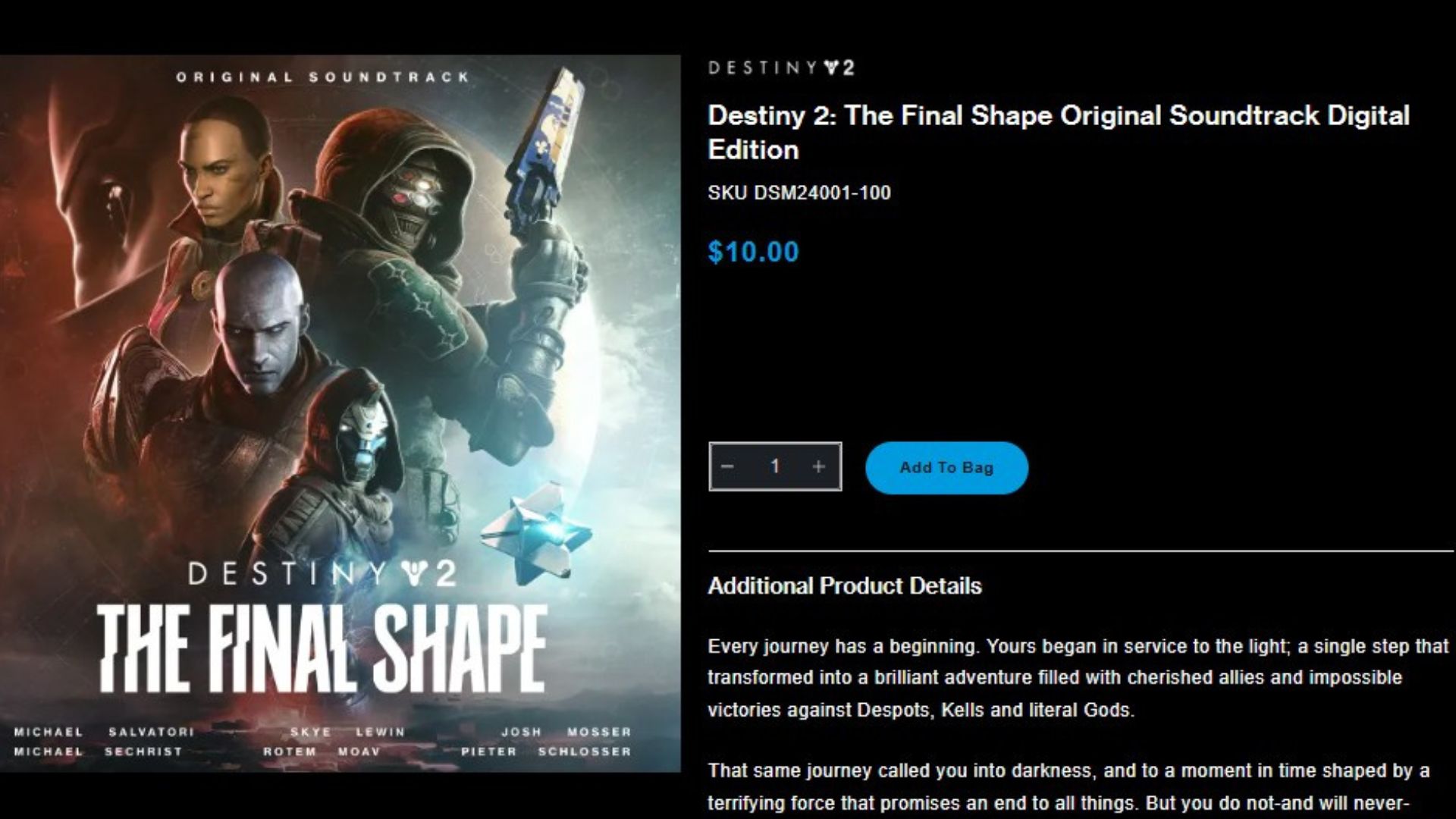
Best for: Looter-shooter fans invested in Destiny's 10-year narrative arc
Pricing from: $49.99 (standard), $99.99 (annual pass with episodes)
Key features: Conclusion to Light and Darkness saga, new subclass Prismatic, The Pale Heart destination, new exotic weapons, 6-player raid, enhanced abilities system, weapon crafting expansion, new enemy faction encounters, Zavala storyline resolution
Destiny 2's The Final Shape represents Bungie's culmination of a narrative thread running since the original Destiny's 2014 launch, promising resolution to the conflict between Light and Darkness that's defined the franchise's lore. The expansion introduces The Pale Heart destination within the Traveler itself, offering both patrol zones and high-level activities in environments that blend familiar Destiny locations with surreal metaphysical spaces. The new Prismatic subclass combines Light and Darkness abilities in single builds, fundamentally altering buildcrafting possibilities that have been limited to individual subclass trees since Beyond Light.
The annual pass model bundling The Final Shape with three subsequent episodic content releases (Echoes, Revenant, Heresy) creates value proposition questions—$99.99 represents substantial investment, though Bungie's history shows major expansions deliver 30-50 hours of campaign and hundreds of hours of endgame grinding. The new raid launching week one provides immediate endgame content for hardcore players, while the enhanced weapon crafting system addresses community feedback about RNG frustration. Exotic missions and dungeons releasing throughout the expansion's lifecycle maintain engagement between episodes.
Community anticipation is tempered by Lightfall's controversial reception (Destiny 2's previous expansion faced criticism for convoluted storytelling and underwhelming exotic weapons), creating pressure on Bungie to deliver satisfying conclusions to character arcs spanning a decade. The expansion's marketing emphasizes finality—Cayde-6's return from death, Zavala's transformation, and The Witness confrontation suggest genuine narrative stakes rather than perpetual cliffhangers. The success or failure of The Final Shape likely determines Destiny 2's viability through 2026 and beyond.
Pros:
Conclusion to 10-year narrative arc provides closure
Prismatic subclass fundamentally changes buildcrafting depth
Annual pass includes episodic content through 2025
New raid provides immediate challenging endgame content
Enhanced weapon crafting addresses long-standing RNG complaints
Cons:
$99.99 annual pass price point extremely high
Lightfall's poor reception creates skepticism
Requires ownership of previous expansions for full context
Live-service model means unfinished content at launch
Sunsetting of older content creates accessibility issues
3. Elden Ring: Shadow of the Erdtree
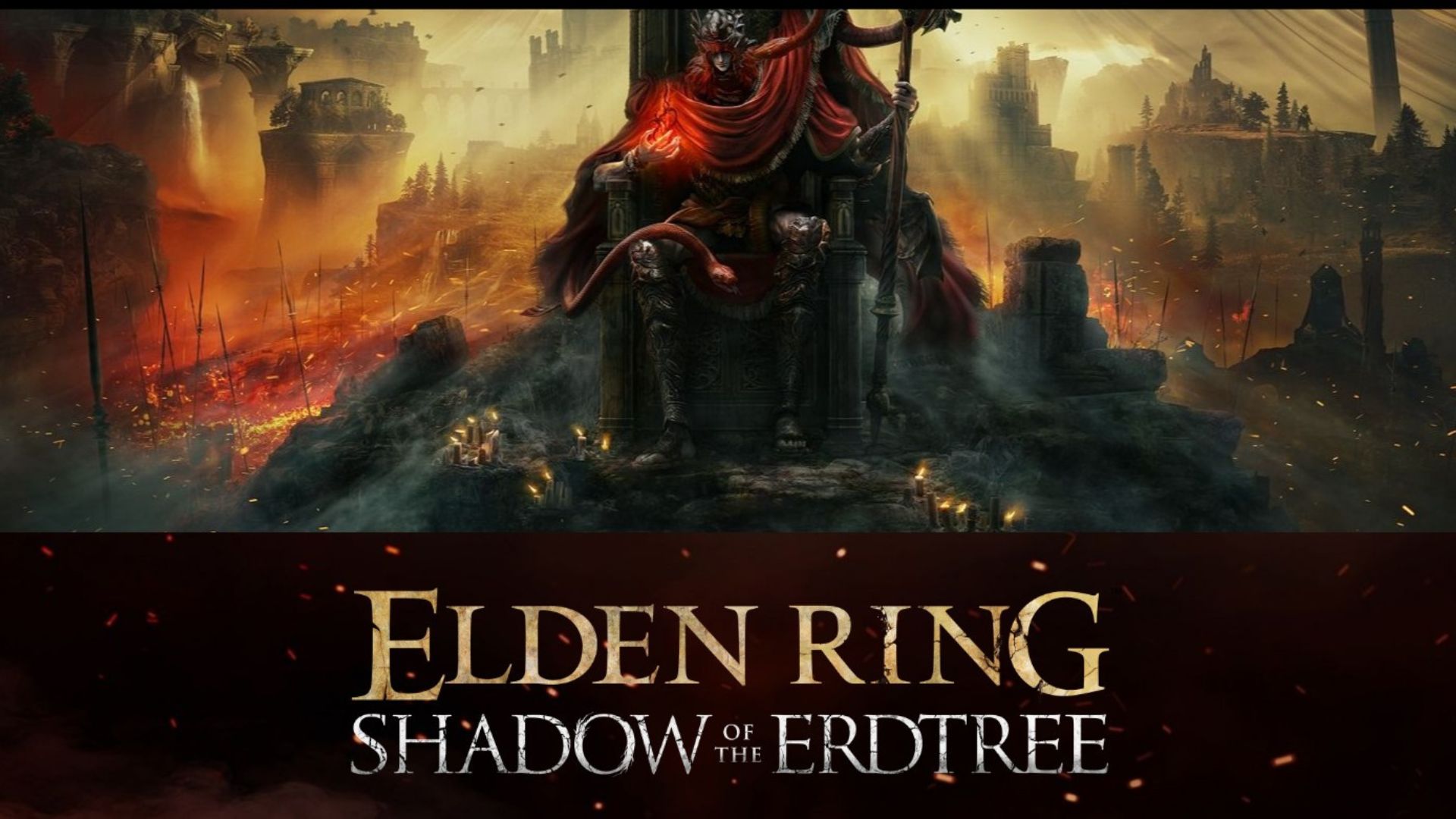
Best for: Soulsborne players seeking FromSoftware's signature challenging single-player content
Pricing from: $39.99
Key features: New region Land of Shadow, 10+ new bosses, new weapons and spells, expanded lore, additional NPCs and questlines, mounted combat enhancements, PvP area additions, Torrent abilities, estimated 30-40 hours of content
Elden Ring's first and only planned expansion Shadow of the Erdtree represents FromSoftware's largest DLC endeavor, reportedly matching The Ringed City and Artorias of the Abyss combined in scope. The Land of Shadow—a parallel realm accessed through specific conditions in the base game—offers entirely new geography estimated to be roughly 30% the size of the base game's Lands Between. FromSoftware's expansion pattern typically delivers some of their most challenging and memorable boss encounters (Artorias, Fume Knight, Lady Maria), creating exceptionally high expectations for Shadow of the Erdtree's 10+ new boss battles.
The expansion's narrative reportedly explores Miquella's fate following his conspicuous absence from the base game, providing lore closure to one of Elden Ring's most compelling mysteries. New weapons, spells, and Ashes of War expand build diversity beyond the base game's already extensive options, while mounted combat enhancements suggest Torrent plays a larger role than in the base game where horse combat felt somewhat underutilized. The PvP area additions address community requests for dedicated duel spaces beyond the somewhat awkward Raya Lucaria Main Gate meta.
FromSoftware's DLC track record is impeccable—Dark Souls expansions consistently delivered the series' best content, with Artorias of the Abyss and The Old Hunters widely considered superior to their respective base games. The $39.99 price point reflects this ambition, representing premium pricing justified by expected content quality and volume. The expansion requires significant base game progression to access (specific boss defeats and item collection), ensuring DLC content maintains appropriate difficulty rather than being accessible to new characters.
Pros:
FromSoftware's perfect DLC track record creates high confidence
Estimated 30-40 hours comparable to many full games
10+ new bosses including some of the hardest in series history
Miquella storyline provides narrative closure to base game mystery
New weapons and spells significantly expand build variety
Cons:
$39.99 premium pricing higher than typical DLC
Requires significant base game progression to access
Only one expansion planned (no additional content after)
Extreme difficulty may frustrate casual players
Single-player focus limits replayability versus multiplayer expansions
4. World of Warcraft: The War Within

Best for: MMO veterans seeking revitalized endgame systems and narrative direction
Pricing from: $49.99 (standard), $89.99 (heroic with early access and mount)
Key features: New underground zones across four continents, level cap increase to 80, Earthen allied race, Delves (scalable solo/group dungeons), Hero Talents system, Warbands account-wide progression, new raid tier, mythic+ overhaul, dynamic flying in old zones
World of Warcraft's The War Within inaugurates the Worldsoul Saga—a planned three-expansion narrative arc representing Blizzard's most ambitious storytelling commitment since the game's 2004 launch. The expansion takes players beneath Azeroth's surface to confront ancient threats, with four new underground zones offering biome diversity from crystalline caverns to subterranean forests. The Hero Talents system overlays existing class specializations with additional thematic progression paths, providing meaningful character advancement beyond simple stat increases that have characterized recent expansions.
The Delves feature represents WoW's most significant concession to solo players in the game's history—scalable dungeons designed for 1-5 players that provide competitive rewards to traditional group content. This addresses the decades-long criticism that WoW's best content requires coordinated groups, potentially expanding the audience to include solo-preferring players who've avoided the game's endgame. The Warbands system implementing account-wide progression (reputations, achievements, collections) reduces alt-character tedium that's plagued WoW for years, respecting players' time investment across multiple characters.
Blizzard's commitment to three interconnected expansions creates confidence in narrative cohesion—Dragonflight's well-received systems and story suggest a development team that's learned from Shadowlands' failures. The dynamic flying implementation in old world zones modernizes two decades of content, making leveling alts through legacy zones significantly more enjoyable. The mythic+ overhaul addresses community complaints about key depletion and seasonal affix frustration, suggesting Blizzard is responsive to endgame player feedback.
Pros:
Three-expansion narrative arc provides long-term direction
Delves offer competitive solo progression path
Warbands dramatically reduce alt-character tedium
Hero Talents provide meaningful progression beyond stat increases
Dynamic flying modernizes 20 years of old world content
Cons:
$49.99 expansion plus $15/month subscription creates high cost
Three-expansion commitment feels like content being held hostage
Requires purchase of previous expansions for new players
Early access in $89.99 edition creates pay-to-progress concerns
Underground setting may feel claustrophobic for some players
5. Valorant: Episode 8 Act III
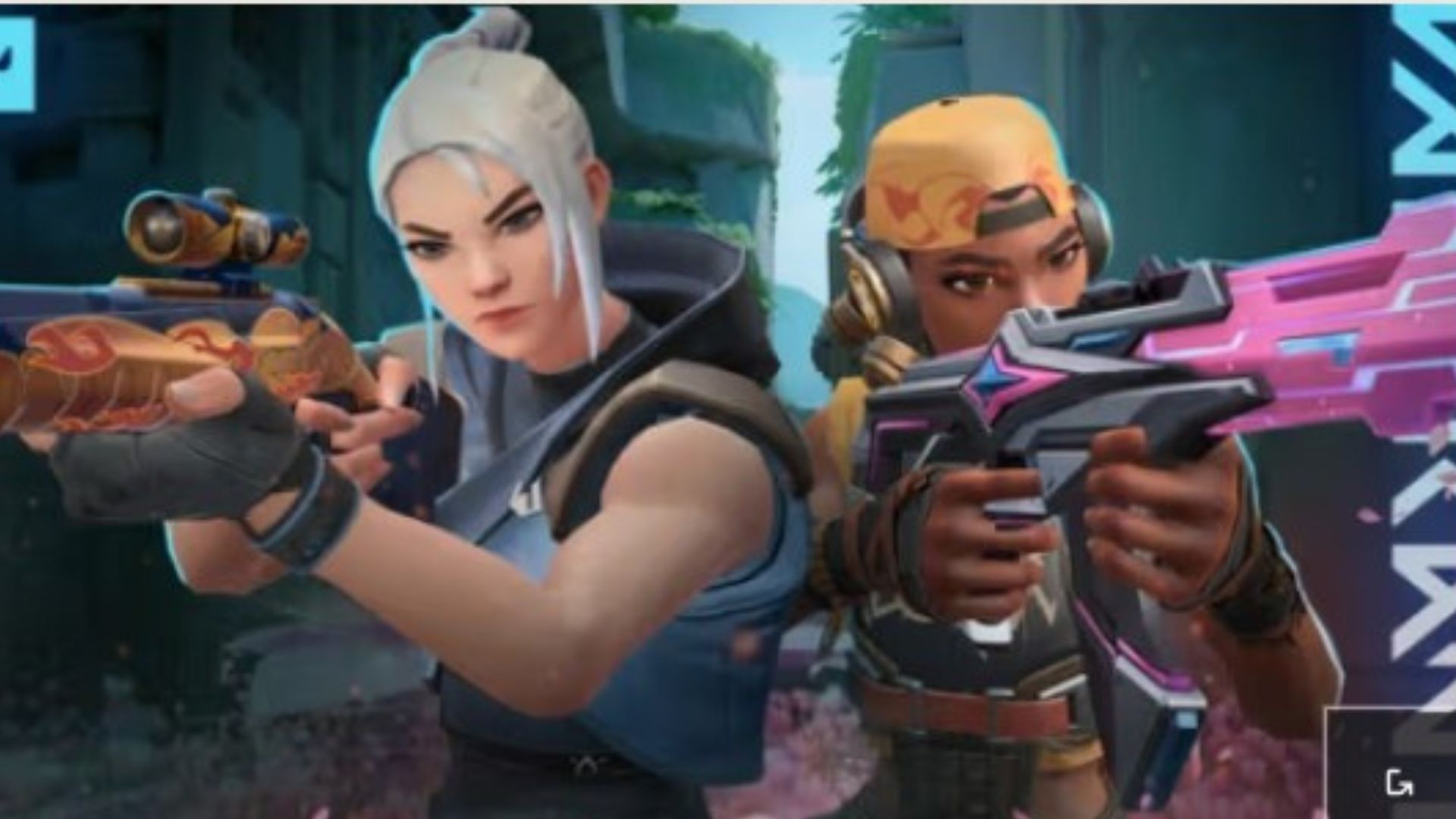
Best for: Competitive FPS players following seasonal meta evolution and ranked climbing
Pricing from: Free (with optional $10 Battle Pass)
Key features: New agent Vyse, map Haven rework, ranked system adjustments, balance patches for existing agents, weapon skin collections, competitive queue improvements, agent ability tweaks, seasonal event modes
Valorant's episodic content structure delivers consistent updates every two months, with Episode 8 Act III representing mid-2025's meta-defining release. Riot Games' commitment to predictable content cadence creates community confidence—every Act introduces either a new agent, map rework, or significant balance shift that refreshes competitive play without overwhelming players with constant dramatic changes. The new agent Vyse (controller class) addresses community requests for more smoke-based utility options beyond the existing controller roster, potentially shifting team composition meta in professional play.
The Haven rework represents Valorant's ongoing commitment to map balance—when maps develop dominant strategies or problematic angles through emergent gameplay, Riot reworks them rather than allowing stale metas to persist. These reworks typically involve sight-line adjustments, box placements, and rotation path changes that maintain each map's identity while addressing balance concerns. The ranked system adjustments continue Valorant's evolution toward accurately representing player skill, with Episode 8 Act III implementing placement match improvements and rank volatility reductions based on Episode 7's data.
The free-to-play model with optional $10 Battle Pass represents exceptional value—all competitive advantages (agents, maps, modes) release free, while cosmetic Battle Pass content remains optional. Engaged players who complete the pass earn enough premium currency to purchase the next pass, creating self-sustaining value. Seasonal events provide limited-time modes that experiment with gameplay variations (sniper-only, team deathmatch, spike rush variants), keeping the game feeling fresh between major updates. Riot's established pattern of post-release balance patches addresses any agent or weapon imbalances within weeks rather than months.
Pros:
Completely free competitive content including new agent
Predictable two-month update cadence provides consistency
Battle Pass self-sustains for engaged players
Rapid balance patches address meta issues quickly
Map reworks maintain freshness without learning curve resets
Cons:
Incremental updates versus transformative expansions
New agent unlock requires significant gameplay time or purchase
Cosmetic pricing remains expensive outside Battle Pass
Act-to-Act changes can feel minor for casual players
Frequent balance patches frustrate players learning agent mechanics
6. Genshin Impact: Fontaine Finale
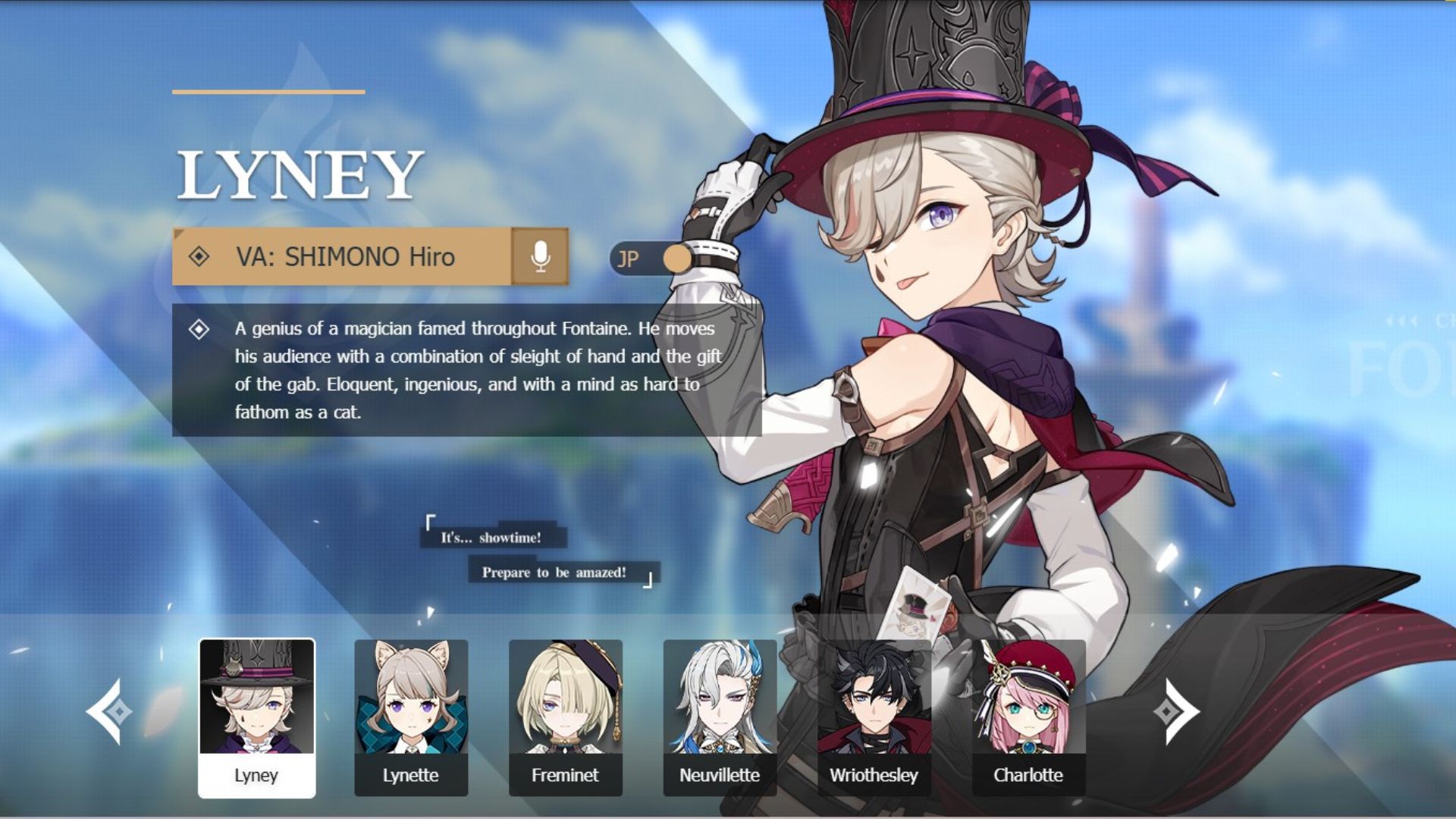
Best for: Open-world action-RPG players invested in story conclusion and character collection
Pricing from: Free-to-play (with gacha character system)
Key features: Conclusion of Fontaine archon quest, final region zones, Hydro Archon character releases, world boss additions, new artifact domains, underground exploration expansion, orchestral music tracks, festival events, quality-of-life improvements
Genshin Impact's Fontaine finale represents the conclusion of the game's fourth major region storyline, with HoYoverse's track record suggesting 15-20 hours of main story content plus extensive exploration and side quests. The steampunk-inspired Fontaine nation introduced underwater exploration mechanics and court trial narrative sequences that distinguished it from previous regions, and the finale promises resolution to the ongoing Hydro Archon storyline and deeper lore revelations about Teyvat's creation. The final region zones reportedly include the Court of Fontaine's depths and surrounding countryside, expanding the already substantial Fontaine map.
The character releases accompanying the finale include the Hydro Archon Furina (already released but with story emphasis) and potentially Neuvillette's story quest conclusion, providing both meta-defining characters for competitive Spiral Abyss content and narrative payoffs for invested players. The gacha system's controversial nature means these characters require either exceptional luck or $150-200 spending per 5-star character, though skilled players can complete all content with free 4-star characters. The artifact domain additions provide new endgame grinding content for established players while offering catch-up mechanics for newer players.
HoYoverse's commitment to six-week update cycles maintains Genshin's position as mobile gaming's flagship title, with each update delivering new events, temporary game modes, and quality-of-life improvements based on community feedback. The Fontaine finale sets the stage for the next region Natlan, ensuring the conclusion doesn't feel like the end but rather a transition. The completely free story content (no expansion purchases required) makes Genshin incredibly accessible, though the gacha character system creates spending temptation that some players find predatory.
Pros:
Completely free story and exploration content
15-20 hours main story plus extensive side content
Six-week update cycle provides consistent new content
AAA production quality in graphics and voice acting
No expansion purchases required, only optional character gacha
Cons:
Gacha system can cost $150-200 per desired 5-star character
Resin system limits daily progression creating grind gates
Fontaine finale doesn't represent game conclusion, just one region
Endgame content limited primarily to Spiral Abyss
Mobile-first design creates some PC/console compromise
7. Path of Exile 2 (Major Update)
Best for: Action-RPG theorycrafters who value build complexity and regular economic resets
Pricing from: Free-to-play (with optional cosmetic MTX)
Key features: Six new character classes, 100+ new skill gems, revised passive tree, new campaign acts, endgame mapping system overhaul, crafting system expansion, new league mechanics integration, graphics engine improvements, controller support enhancement
Path of Exile 2 represents Grinding Gear Games' most ambitious update, essentially functioning as a sequel while maintaining the original's core identity. The introduction of six entirely new character classes (rather than ascendancies for existing classes) provides fresh progression paths with unique mechanics, while 100+ new skill gems exponentially expand build possibilities. The revised passive tree reportedly maintains Path of Exile's signature complexity (1,500+ nodes) while improving clarity and enabling previously impossible build combinations through new keystone passives and cluster jewel integration.
The new campaign acts provide an alternate leveling path to the existing 10-act structure, allowing players to experience different story content while progressing to endgame. This addresses the common criticism that Path of Exile's replayability suffers from repetitive leveling despite diverse endgame builds. The endgame mapping system overhaul implements lessons learned from five years of league mechanics, streamlining the convoluted endgame progression that has become increasingly complex through ongoing updates. Crafting system expansions provide more deterministic options beyond the pure RNG that has frustrated players since the game's launch.
The graphics engine improvements modernize Path of Exile's dated aesthetic while maintaining performance on lower-end hardware—a critical consideration given the game's free-to-play accessibility. Controller support enhancements suggest Grinding Gear Games is seriously pursuing console players who've found Path of Exile's traditional mouse-and-keyboard complexity overwhelming on gamepad. The integration of popular past league mechanics ensures beloved systems (Delve, Heist, Harvest) persist into PoE 2 while removing poorly-received mechanics that cluttered the original's endgame.
Pros:
Completely free major update with no expansion purchase
Six new classes and 100+ skills create vast build possibilities
Alternate campaign prevents leveling repetition
Endgame system overhaul simplifies convoluted progression
Graphics improvements modernize 11-year-old game
Cons:
Overwhelming complexity remains barrier for new players
League economy resets every 3-4 months frustrate some players
Aggressive cosmetic MTX pricing ($42 armor sets)
Performance issues persist in heavily juiced endgame content
Learning curve steeper than any competitor ARPG
8. Rainbow Six Siege: Year 9 Season 2
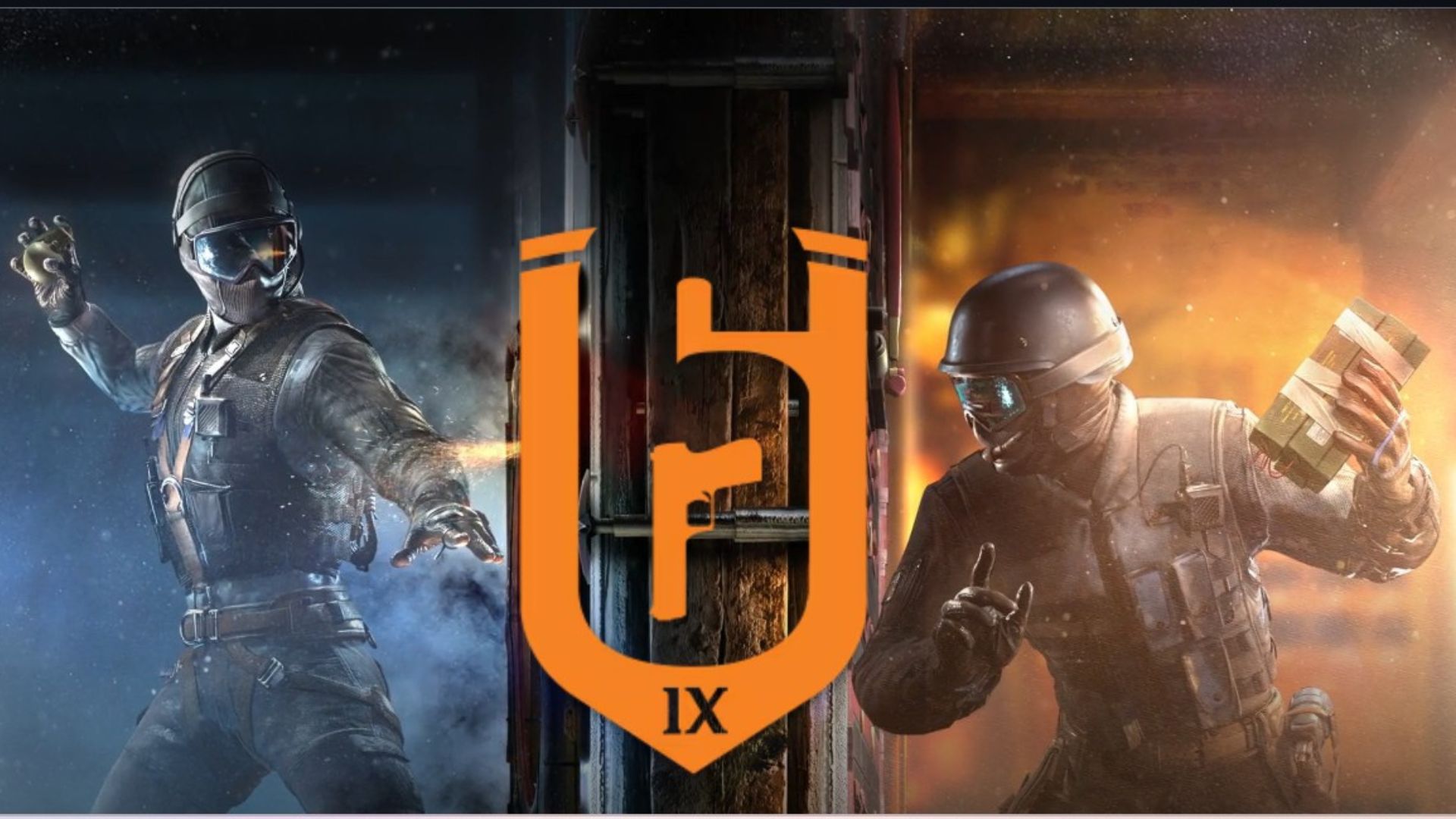
Best for: Tactical shooter teams wanting meta-shifting operator additions and map changes
Pricing from: Free (base game purchase required: $19.99-39.99)
Key features: New operator with unique gadget, map rework or new map, weapon balance adjustments, ranked system improvements, battle pass with exclusive cosmetics, operator reworks for underused characters, seasonal event limited-time mode
Rainbow Six Siege's Year 9 Season 2 (historically releasing mid-year) maintains Ubisoft's commitment to the nine-year-old tactical shooter through consistent seasonal updates. Each season introduces either a new defender or attacker operator with gadgets that force meta adaptations—historically impactful additions like Maestro's cameras, Nomad's airjabs, and Azami's barriers fundamentally altered site strategies. The new operator (details pending official announcement) addresses community requests for anti-intel gadgets that counter the attacker-favored meta that emerged in Year 8.
The map rework or new map represents Siege's most controversial element—competitive players generally prefer reworks that fix balance issues in existing maps (Favela, Outback), while casual players want entirely new environments. Year 9 Season 2 reportedly includes a rework of a launch-era map that has fallen out of competitive rotation due to fundamental design flaws. Weapon balance adjustments based on pick rates and win deltas ensure no weapon dominates or becomes obsolete, with Ubisoft's data-driven approach creating generally fair meta shifts despite occasional controversial changes.
The seasonal battle pass ($10 for premium track) provides cosmetic rewards while the free track offers operators and renown. Operator reworks for underused characters maintain roster health—when operators have sub-5% pick rates, Ubisoft reworks their gadgets rather than allowing them to become irrelevant. The seasonal limited-time event (historically themed around holidays or special occasions) provides arcade-style gameplay variation from the intense tactical standard modes, maintaining casual player engagement between competitive seasons.
Pros:
Free seasonal content for base game owners
New operators fundamentally shift competitive meta
Data-driven balance creates generally fair gameplay
Operator reworks maintain entire roster viability
Nine years of support proves developer commitment
Cons:
Base game purchase required ($19.99-39.99) before free updates
New operators require grinding or purchase ($5 each)
Map reworks can alienate players who preferred old versions
Steep learning curve with 65+ operators creates barrier
Seasonal content creates FOMO pressure
9. No Man's Sky: Worlds Part II
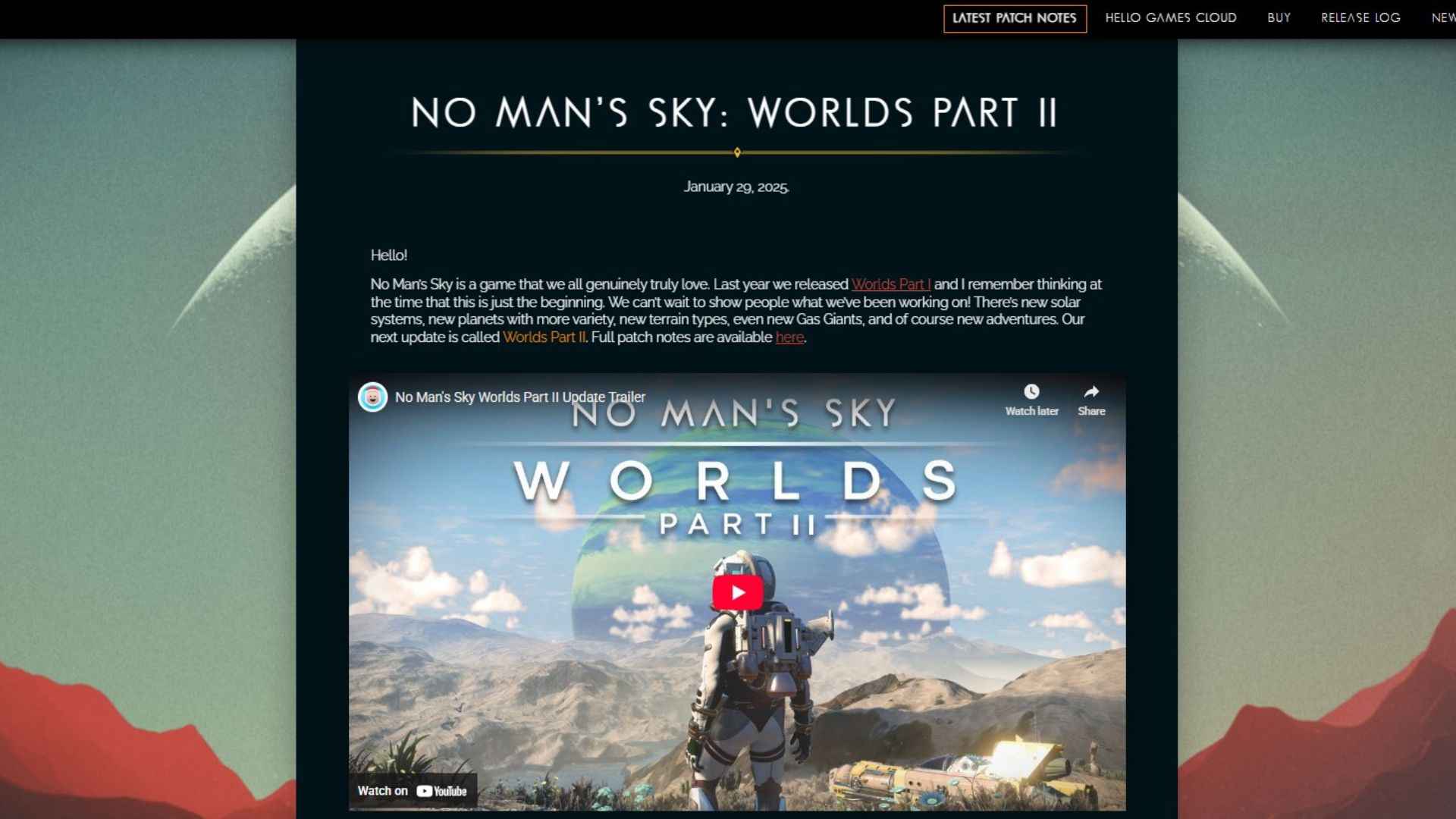
Best for: Space exploration fans seeking procedural generation improvements and redemption stories
Pricing from: Free (base game: $59.99, frequently on sale for $19.99)
Key features: Enhanced planet generation diversity, new biome types, improved flora and fauna variety, base building expansions, multiplayer mission enhancements, performance optimizations, VR improvements, graphical fidelity increases, space station customization
No Man's Sky's Worlds Part II continues Hello Games' remarkable redemption arc—the game launched in 2016 to scathing criticism for missing features, but 8+ years of free substantial updates have transformed it into the space exploration game originally promised. The Worlds update series focuses on procedural generation improvements, addressing the longstanding criticism that planets felt too similar despite the game's 18 quintillion planet count. Enhanced generation algorithms create more dramatic terrain features, diverse biomes on single planets, and flora/fauna variety that makes exploration feel genuinely rewarding again.
The base building expansions provide new construction pieces and systems allowing increasingly elaborate settlements and automated resource farms. Multiplayer mission enhancements enable cooperative exploration and combat encounters, transforming No Man's Sky from a largely solo experience into optional social gameplay. Performance optimizations address frame rate issues that plagued the game on lower-end hardware and consoles, while VR improvements maintain Hello Games' commitment to virtual reality as a premium way to experience the game's scope.
The completely free update model (all content free for base game owners) represents industry-leading consumer goodwill—Hello Games has delivered years of content that most studios would have monetized through expansions or DLC. Space station customization allows players to create persistent social hubs rather than relying on generic stations, fostering community formation. The update sets the stage for potential Story Expansion 2 that would continue the Atlas and Artemis storylines established in early updates but expanded through subsequent content additions.
Pros:
Completely free update for all base game owners
Continued redemption arc demonstrates developer integrity
Enhanced procedural generation addresses core criticism
VR support provides premium immersive experience
Eight years of free updates with no monetization beyond base game
Cons:
Base game purchase required ($59.99, though frequently discounted)
Core gameplay loop (gather, craft, explore) remains divisive
Procedural generation still can't match handcrafted content
Multiplayer remains somewhat shallow versus dedicated multiplayer games
Update focus on systems over story disappoints narrative-focused players
10. Apex Legends: Season 21
Best for: Battle royale players wanting new legends and map rotations in established formula
Pricing from: Free-to-play (with optional $10 Battle Pass)
Key features: New legend with unique tactical and ultimate abilities, map rotation changes, weapon meta adjustments, ranked system tweaks, battle pass with legendary skins, limited-time modes, quality-of-life improvements, bug fixes, cross-progression enhancements
Apex Legends' Season 21 maintains Respawn's quarterly seasonal structure, with each season introducing a new legend that shifts team composition meta. The new legend (specific details pending official reveal) reportedly functions as a recon character addressing the underrepresentation of that class in the current meta dominated by controllers and supports. Legend abilities in Apex historically range from game-changing (Valkyrie's flight, Catalyst's walls) to underwhelming (Newcastle's initial release), with Respawn typically buffing underpowered legends within mid-season patches rather than allowing them to remain irrelevant.
The map rotation changes ensure player fatigue doesn't set in from repetitive environments—Apex cycles through 4-5 maps in rotation, with seasonal updates typically introducing map tweaks (new POIs, rotation path changes, loot distribution adjustments) rather than entirely new maps. Season 21 reportedly includes significant Storm Point modifications addressing community complaints about the map's size creating boring mid-games. Weapon meta adjustments based on pick rates and damage output prevent any single weapon from dominating, with Respawn's aggressive balance patches creating relatively diverse armory usage compared to battle royale competitors.
The Battle Pass ($10 with enough premium currency earned to buy next season for engaged players) provides legendary character and weapon skins, though cosmetic pricing outside the pass remains expensive. Limited-time modes (three-strikes, control point, shadow royale variants) break up battle royale monotony for casual players. Quality-of-life improvements based on community feedback (better ping systems, UI clarity, colorblind accessibility) show Respawn's responsiveness. Cross-progression between platforms finally resolves the frustration of split progress across PC/console accounts.
Pros:
Completely free new legend and gameplay updates
Self-sustaining Battle Pass for engaged players
Quarterly seasons provide predictable content cadence
Aggressive balance patches prevent meta stagnation
Cross-progression enables platform flexibility
Cons:
Incremental seasonal updates versus transformative expansions
New legend unlock requires grinding or purchase
Map modifications feel minor compared to entirely new maps
Server issues persist during season launches
Skill-based matchmaking remains controversial in casual modes
Comparison Summary
Content Scope: Full expansions (Final Fantasy XIV, Destiny 2, Elden Ring, WoW) deliver 30-50 hours of new content with endgame activities. Seasonal updates (Valorant, Apex, Rainbow Six) provide incremental additions every 2-3 months. Major updates (Path of Exile 2, Genshin, No Man's Sky) fall between these extremes with transformative changes to existing games. Content density varies dramatically—Elden Ring's 30 hours are dense challenging gameplay, while Genshin's 15-20 hours include extensive dialogue and exploration.
Pricing Models: Free updates (Valorant, Apex, Rainbow Six seasons, Path of Exile 2, Genshin, No Man's Sky) with optional Battle Passes or cosmetics versus premium expansions ($39.99-99.99) for MMORPGs and single-player titles. Subscription-based games (FFXIV, WoW) require ongoing monthly fees plus expansion purchases. Gacha games (Genshin) technically free but character collection extremely expensive. Value calculation requires considering total cost of ownership including base game, subscriptions, and expansion purchases.
Best for Different Players: Story-focused players prioritize FFXIV, Destiny 2, Genshin, and Elden Ring. Competitive players need Valorant, Apex, and Rainbow Six seasonal meta shifts. Theorycrafters and build-focused players want Path of Exile 2 and WoW's systems. Casual players benefit from free updates (Apex, Valorant) versus premium expansion commitment. Solo players suit Elden Ring and No Man's Sky, while social players need MMO expansions.
Release Reliability: Established patterns (FFXIV's two-year expansion cycles, Valorant's two-month Acts, Apex's quarterly seasons) create high confidence. First-major-expansion releases (Elden Ring's first DLC) carry uncertainty. Live-service games (Destiny 2) historically suffer delays and cut content. Single-player expansions (Elden Ring) typically release more polished. Verify release dates closer to actual launches as delays remain common across gaming industry.
Buying Guide
Who Needs Expansion Planning: Active players invested in live-service games, MMORPGs, or ongoing multiplayer titles need expansion awareness to plan time investment, evaluate whether their main game remains worth playing versus migrating to alternatives, and budget for upcoming content purchases. Casual players who complete games and move on need less expansion tracking, while hardcore players whose primary gaming revolves around single titles should closely monitor update roadmaps to ensure their time investment aligns with future content direction.
How It Works: Expansions and updates follow distinct patterns—MMORPGs release major paid expansions every 1.5-2.5 years with free patches between, live-service shooters provide quarterly seasonal updates with battle passes, single-player games receive 1-2 paid DLC expansions then cease major development, and free-to-play games continuously update with gacha or cosmetic monetization. Understanding each game's update cadence helps set realistic expectations and prevents disappointment from assuming games will receive perpetual support.
Essential Features to Consider:
Content Scope Versus Price: Evaluate dollars-per-hour of expected content. FFXIV's $39.99 expansion delivering 100+ hours across two years represents better value than Elden Ring's $39.99 for 30-40 hours despite Elden Ring's superior moment-to-moment gameplay density. Consider personal play style—if you won't engage with endgame raiding, FFXIV's value proposition diminishes. If you replay content extensively, single-player expansion value increases.
Community Sustainability: Expansions that successfully retain or rebuild player populations protect your time investment—dying communities make multiplayer content inaccessible even if the expansion itself is excellent. Monitor community sentiment through Reddit, Discord, and Twitch viewership as release approaches. Destiny 2's Lightfall lost 40% of its player base within two months, making some multiplayer activities nearly impossible to queue for.
Platform Availability: Verify expansions release on your platform—some updates release on PC first with console delays (Path of Exile historically), while others maintain simultaneous release (Destiny 2, FFXIV). Cross-platform support determines whether you can play with existing friend groups. Platform-exclusive deals (PlayStation marketing for Destiny) sometimes gate content temporarily.
Season Pass Trap Awareness: Battle passes create FOMO and obligation to play during specific windows to maximize value. Evaluate honestly whether you'll complete passes before purchasing—most require 50-80 hours over 2-3 months. Self-sustaining passes (Apex, Valorant, Rocket League) that return enough premium currency for the next pass offer better value than one-time purchases, but only if you actually complete them.
Historical Developer Performance: Developer track records predict expansion quality more reliably than marketing promises. FromSoftware's perfect DLC record creates confidence in Elden Ring, while Bungie's mixed Destiny expansion history (Forsaken excellent, Shadowkeep disappointing, Beyond Light controversial, Lightfall criticized) suggests caution. First-time expansions from new developers or games carry highest risk.
Pricing Overview
Free Updates: Valorant, Apex Legends, Path of Exile 2 (major update), Genshin Impact story content, No Man's Sky updates, and Rainbow Six Siege seasonal content (for base game owners) cost nothing beyond base game purchases or subscriptions. These represent exceptional value for engaged players, though optional Battle Passes ($10-12) and cosmetic microtransactions create spending temptation.
Premium Single-Purchase Expansions: Elden Ring: Shadow of the Erdtree ($39.99), Final Fantasy XIV: Dawntrail ($39.99-59.99), and World of Warcraft: The War Within ($49.99-89.99) require one-time purchases providing 1-2+ years of content access. Calculate cost-per-hour honestly—if you'll play 100+ hours, $40 is $0.40/hour entertainment, better value than most forms of media. If you'll play 10 hours and abandon, it's expensive.
Subscription Plus Expansion: FFXIV and WoW require both expansion purchases ($39.99-49.99) and ongoing subscriptions ($12.99-14.99 monthly). Annual subscription costs ($155-180) plus expansion creates $195-230 yearly investment. Evaluate whether you'll maintain engagement throughout the year—periodic players should cancel subscriptions during content droughts, but resubscribing creates psychological friction that may prevent playing even when new content releases.
Annual Pass Models: Destiny 2's $99.99 annual pass bundling The Final Shape expansion with three episodic content drops represents value compared to purchasing separately ($150-180 total) but requires commitment to playing throughout the entire year. If you typically burn out after expansion launches, this model represents poor value. Historical data shows only 30-40% of annual pass purchasers engage with all content.
Gacha Expansion Costs: Genshin Impact's "free" expansion content hides character collection costs—while story remains free, obtaining featured 5-star characters averages $150-200 each with worst-case $300+ for exceptionally unlucky rolls. Multiple character releases per region create pressure to spend $300-600+ to collect favorites. Budget-conscious players can complete all content with free characters, but psychological pressure from limited-time banners drives spending.
Budget Maximization Strategy: Prioritize free updates and seasonal content (Valorant, Apex, PoE2) to build gaming schedule without costs. Purchase premium expansions only for games you've invested 100+ hours in, ensuring you value the core experience enough to justify expansion costs. Wait for expansion reviews (2-3 weeks post-launch) to avoid pre-order disappointment. Monitor sales (Steam, PlayStation Store) where expansions frequently discount 30-50% within 6-12 months of release. Avoid annual passes unless you're certain of year-long engagement.
FAQ
Q: Should I pre-order expansions or wait for reviews?
Historical data shows approximately 30% of hyped expansions underdeliver on promises, making pre-orders risky unless you're confident in the developer's track record. Games with perfect expansion histories (FromSoftware's Soulsborne DLCs, FFXIV's expansions) justify pre-orders for early access benefits. Controversial developers (Bungie's Destiny 2, Blizzard's recent WoW) warrant waiting 1-2 weeks for community consensus. Pre-order bonuses (cosmetics, early access) create FOMO but rarely justify purchasing potentially disappointing content. Wait unless you're certain you'll play regardless of reviews.
Q: How do I know if an expansion will have enough players?
Monitor community platforms (subreddit subscriber counts, Discord server activity, Twitch viewership) in the weeks before launch. Games with growing or stable communities (FFXIV subreddit growth, Valorant viewership consistency) indicate healthy populations. Declining metrics (Destiny 2's post-Lightfall viewership crash, WoW's subscriber speculation) suggest potential player retention issues. Multiplayer-dependent content (raids, ranked modes) requires healthy populations—single-player expansions (Elden Ring) face no such concerns. Platform choice matters (PC populations typically healthier for multiplayer games versus console).
Q: Can I skip expansions and catch up later?
This depends entirely on the game's structure. MMORPGs (FFXIV, WoW) typically require all previous expansions, though occasional "complete edition" bundles provide discounted catch-up. Live-service games (Destiny 2) create FOMO where skipping expansions means missing time-limited content that never returns. Seasonal games (Valorant, Apex) allow skipping seasons without consequences beyond missing Battle Pass cosmetics. Single-player DLC (Elden Ring) remains accessible indefinitely. Evaluate whether you care about experiencing content synchronously with the community versus playing at your own pace.
Q: Are expansion annual passes worth buying?
Annual passes offer 20-30% savings versus purchasing content separately but require commitment to playing throughout the entire year. Calculate honestly: if you typically play expansions intensely for 1-2 months then quit until the next, you're paying $100 for content you won't experience. If you maintain engagement through all seasonal updates, annual passes deliver value. Destiny 2's data shows only 35-40% of annual pass purchasers complete all episodic content, suggesting most players would save money buying expansions individually. Purchase annual passes only if you have history of year-long engagement with the specific game.
Q: How much time do I need to invest to "get my money's worth" from an expansion?
This is highly personal, but general guidelines suggest expansions should deliver at least 1 hour per dollar spent to match other entertainment value (movies are approximately $4-6/hour, streaming subscriptions $0.20-0.50/hour depending on viewing). A $40 expansion should provide 40+ hours to justify purchase. However, quality matters—Elden Ring's dense 30-40 hours may feel more valuable than a padded 60-hour experience with excessive grinding. Consider your opportunity cost: would you rather spend $40 on a 40-hour expansion or buy 2-3 games on sale for that price? Time-limited players should prioritize efficiency (free updates, shorter expansions) over maximum content volume.