
Whether you're recovering from surgery, caring for an aging parent, or just trying to make daily life a little safer at home, the right medical equipment can be the difference between struggling through a task and handling it with confidence. The tricky part is knowing which items are actually worth having versus which ones just take up closet space.
Home medical equipment isn't one-size-fits-all. Someone recovering from knee surgery has completely different needs than someone managing diabetes long-term, and buying the wrong item – or the right item in the wrong size – can end up creating a new problem instead of solving the original one.
This list breaks down the 10 most useful pieces of home medical equipment and supplies, what each one actually does, who needs it most, and what to check before you buy – including what's typically covered by insurance and what isn't.
1. Blood Pressure Monitor
A home blood pressure monitor is one of the simplest tools you can own, and one of the most useful. High blood pressure often has no symptoms, so regular readings at home catch problems long before they become emergencies, and give your doctor a much fuller picture than a single reading taken during a rushed office visit.
Look for a model with an upper-arm cuff rather than a wrist cuff, since arm readings tend to be more accurate. Digital displays with large numbers and memory storage for past readings make it easier to track trends over weeks or months, which matters far more than any single reading taken in isolation.
Take readings at the same time each day, seated with your feet flat and arm supported at heart level, for the most consistent results over time.
Best for: Anyone managing hypertension, or over 40 and wanting a baseline. Watch out for: Cuff size matters – a cuff that's too small or too large will give inaccurate readings, so measure your arm before buying.
2. Blood Glucose Meter
For anyone managing diabetes, a reliable glucose meter isn't optional – it's daily maintenance equipment. Modern meters need only a tiny blood sample and deliver a reading in seconds, which makes it realistic to check multiple times a day without it becoming a chore.
Many current models sync to a phone app, building a log automatically instead of requiring you to write every number down by hand. That log becomes genuinely useful at doctor visits, since it shows patterns instead of a single snapshot.
Best for: Anyone with diabetes or prediabetes tracking blood sugar. Watch out for: Test strips are an ongoing cost – check the price per strip, not just the meter price, before choosing a brand.
3. Pulse Oximeter
This small clip-on device measures blood oxygen saturation and heart rate in about ten seconds, and it's become a staple in home medical kits since respiratory illnesses pushed people to monitor oxygen levels from home. It's especially useful for anyone managing COPD, asthma, or recovering from a respiratory illness.
Because it's non-invasive and requires no calibration, it's one of the easiest devices on this list to use correctly on the first try, even for someone with no medical background.
Best for: People with respiratory conditions or recovering from illness affecting breathing. Watch out for: Cold hands and nail polish can both throw off readings – warm your hands and remove polish before checking.
4. Mobility Aids: Walkers, Canes, and Rollators
Falls are one of the leading causes of injury for older adults, and a properly fitted mobility aid does more to prevent them than almost anything else on this list. Canes work well for mild balance issues, walkers offer more stability, and rollators (walkers with wheels and a seat) are ideal for anyone who needs to move further distances and rest along the way.
Getting the height right matters more than most people expect. A cane or walker set too high or too low forces bad posture and actually increases fall risk instead of reducing it. As a rough guide, your elbow should bend slightly, around 15 to 20 degrees, when your hand rests on the grip while standing upright.
Best for: Anyone with balance concerns, recovering from surgery, or managing chronic joint pain. Watch out for: Have a physical therapist or doctor confirm the correct height and type – the wrong fit can do more harm than good.
5. Shower Chair and Grab Bars
Bathrooms are consistently the most dangerous room in the house for falls, thanks to hard, slippery, wet surfaces. A shower chair paired with grab bars near the toilet and shower dramatically cuts that risk, and both are inexpensive relative to the injuries they help prevent.
Look for grab bars rated to support real body weight and installed into wall studs, not just stuck on with adhesive. A shower chair with non-slip rubber feet and drainage holes will hold up far better over time than a basic plastic stool.
Best for: Seniors, anyone recovering from surgery, or households with limited mobility. Watch out for: Suction-cup grab bars are not a substitute for properly mounted ones – they can fail under real weight.
6. CPAP Machine
For people with sleep apnea, a CPAP (continuous positive airway pressure) machine is often the single biggest quality-of-life upgrade available. By keeping the airway open during sleep, it prevents the repeated breathing interruptions that leave people exhausted, foggy, and at higher risk for heart problems over time.
Modern machines are quieter and smaller than older models, and many track usage data automatically, which helps both the user and their doctor see whether treatment is actually working.
Best for: Anyone diagnosed with sleep apnea through a sleep study. Watch out for: A CPAP requires a prescription and a proper mask fit – an ill-fitting mask is the most common reason people give up on treatment early.
7. Portable Oxygen Concentrator
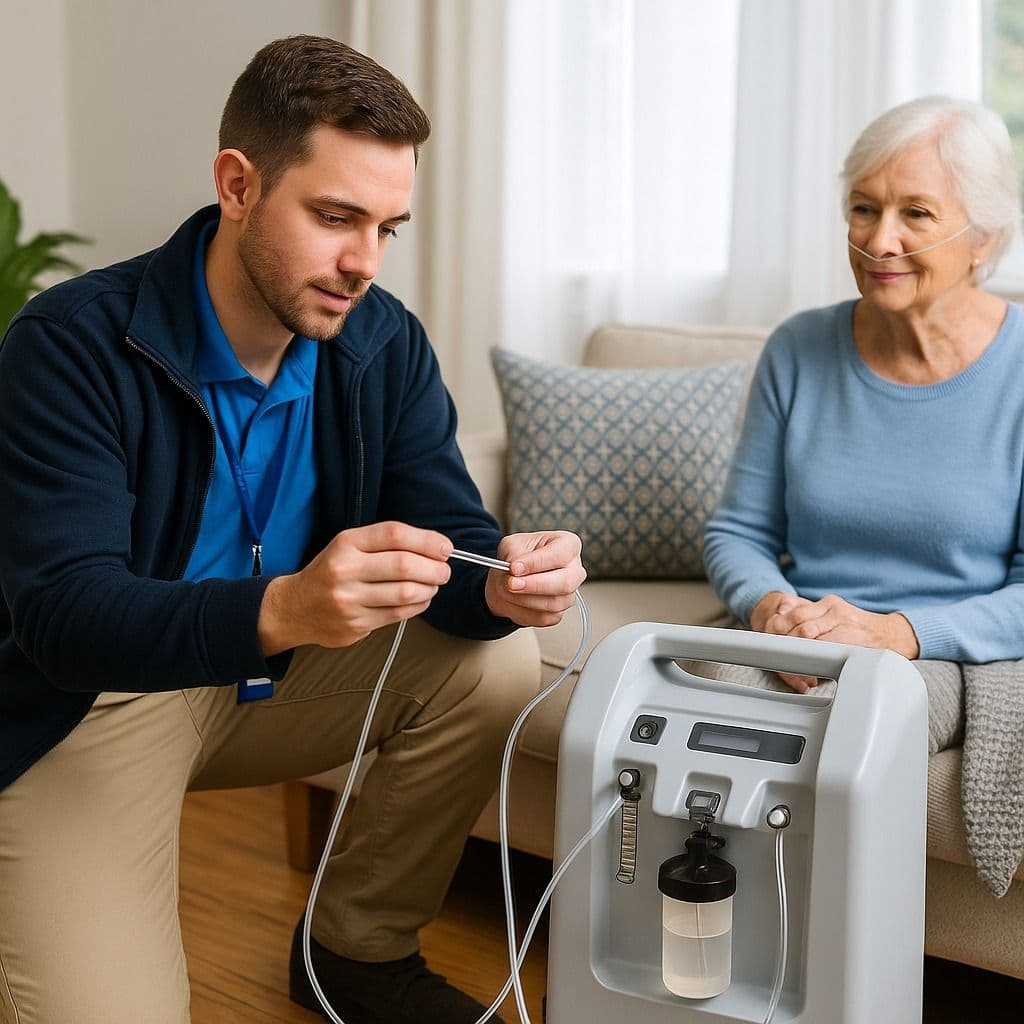
For people with COPD or other chronic respiratory conditions, a portable oxygen concentrator makes it possible to stay active outside the house instead of being tied to a stationary tank. These devices pull oxygen from the surrounding air and concentrate it, eliminating the need for bulky refills.
Battery life and weight vary significantly between models, so it's worth matching the device to how you'll actually use it – a lightweight unit for errands versus a higher-capacity one for longer outings.
Best for: Anyone with a prescribed oxygen requirement who wants to stay mobile. Watch out for: These require a prescription, and insurance coverage depends on documented medical necessity, so confirm coverage before purchasing.
8. Wound Care Kit
A well-stocked wound care kit goes well beyond a basic first-aid box. For anyone managing a healing surgical site, a chronic wound, or simply prone to cuts and scrapes, having sterile gauze, adhesive tape, antiseptic wipes, and appropriate dressings on hand speeds healing and reduces infection risk.
Rotate supplies periodically, since adhesive bandages and antiseptic solutions do expire, and an expired product won't perform the way a fresh one will. A good kit also includes disposable gloves and a small pair of scissors, since improvised tools during an actual wound-care moment rarely work as well as the real thing.
Best for: Post-surgical recovery, chronic wound management, or general household preparedness. Watch out for: Deep or slow-healing wounds need professional care – a home kit supports recovery but doesn't replace medical attention.
9. Medication Organizer or Smart Pill Dispenser
Missed or doubled-up doses are one of the most common and preventable medication errors, especially for anyone managing multiple prescriptions. A basic weekly pill organizer solves most of the problem for a few dollars, while smart dispensers add reminders and alerts if a dose is missed.
For caregivers managing medication for a family member remotely, the connected versions that send a notification when a dose isn't taken on time offer real peace of mind.
Best for: Anyone on multiple daily medications, or caregivers managing someone else's schedule. Watch out for: Even with an organizer, keep the original labeled bottles on hand in case a pharmacist or doctor needs to verify dosage information.
10. Hospital Bed or Adjustable Bed
For anyone recovering from major surgery, managing a chronic condition, or dealing with limited mobility, an adjustable bed changes daily comfort more than almost any other single item. The ability to raise the head and legs independently helps with circulation, breathing, and simply getting in and out of bed safely.
Home hospital beds also typically sit at a more accessible height than a standard bed frame, which matters for anyone using a walker or needing help from a caregiver during transfers.
Best for: Post-surgical recovery, chronic illness, or long-term limited mobility. Watch out for: These are often available to rent short-term, which is usually cheaper than buying if the need is temporary.
What Insurance Typically Covers
Many of the items on this list fall under what Medicare and private insurers classify as durable medical equipment (DME) – equipment that's reusable, medically necessary, and prescribed by a doctor for use at home. Items like blood pressure monitors, glucose meters, CPAP machines, oxygen equipment, and mobility aids are commonly covered under Medicare Part B when prescribed, though coverage details and out-of-pocket costs vary by plan.
Items considered more about comfort or convenience than medical necessity – certain grab bars, basic incontinence supplies, and home modifications – are often excluded, even though they're genuinely useful. Always check with your insurance provider and get a written prescription before buying anything you're hoping to have covered.
Quick Takeaway
You don't need every item on this list – the right equipment depends entirely on the specific condition or recovery you're managing. Start with what your doctor has actually recommended, confirm what your insurance will cover before you buy, and prioritize properly fitted equipment over the cheapest option, since a poor fit can create new risks instead of solving the original problem.
FAQ
Do I need a prescription for home medical equipment? Some items, like basic blood pressure monitors and shower chairs, don't require one. Others, including CPAP machines, oxygen concentrators, and most equipment you want insurance to cover, do require a doctor's prescription.
Is it better to rent or buy medical equipment? For short-term recovery, renting is usually more cost-effective. For chronic or long-term conditions, buying tends to save money over time, especially if insurance covers part of the cost.
How do I know if a mobility aid is the right size? A physical therapist or doctor can measure and fit you properly in a few minutes. Using the wrong size increases fall risk rather than reducing it, so it's worth the extra step.
📚 Sources
"A Guide to Durable Medical Equipment" – SeniorLiving.org
"Medicare coverage for durable medical equipment" – UnitedHealthcare
"Types of medical equipment Medicare covers for home use" – Medicare Interactive
"Does Medicare cover durable medical equipment (DME)?" – medicareresources.org