Whether you're rebuilding your wardrobe from scratch or just trying to get more out of what you already own, these ten strategies will help you look put-together without overspending.
Top 10 at a Glance
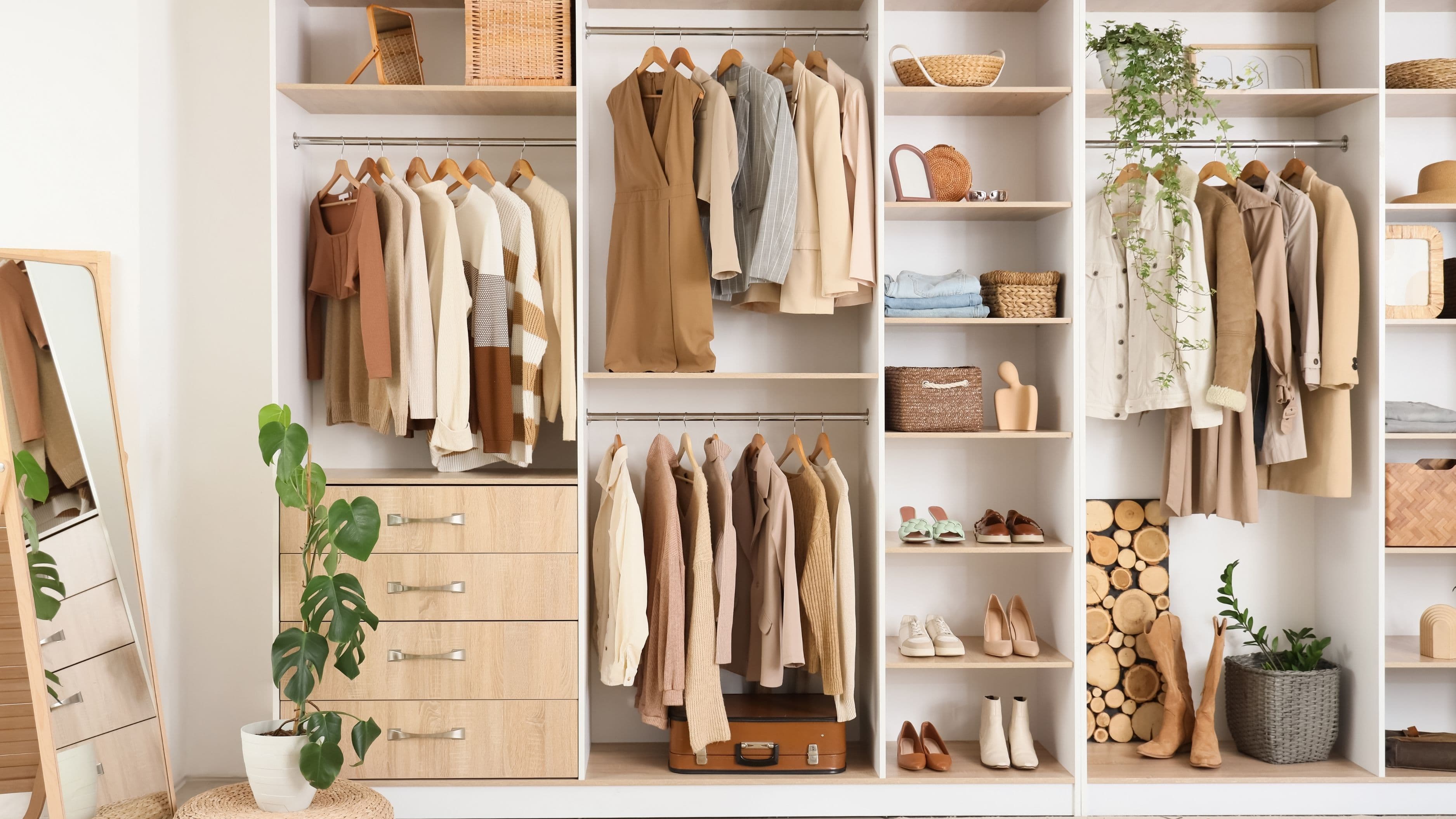
Build around a neutral color palette
Prioritize fit over brand
Shop secondhand and thrift strategically
Invest in a few high-impact basics
Learn to layer effectively
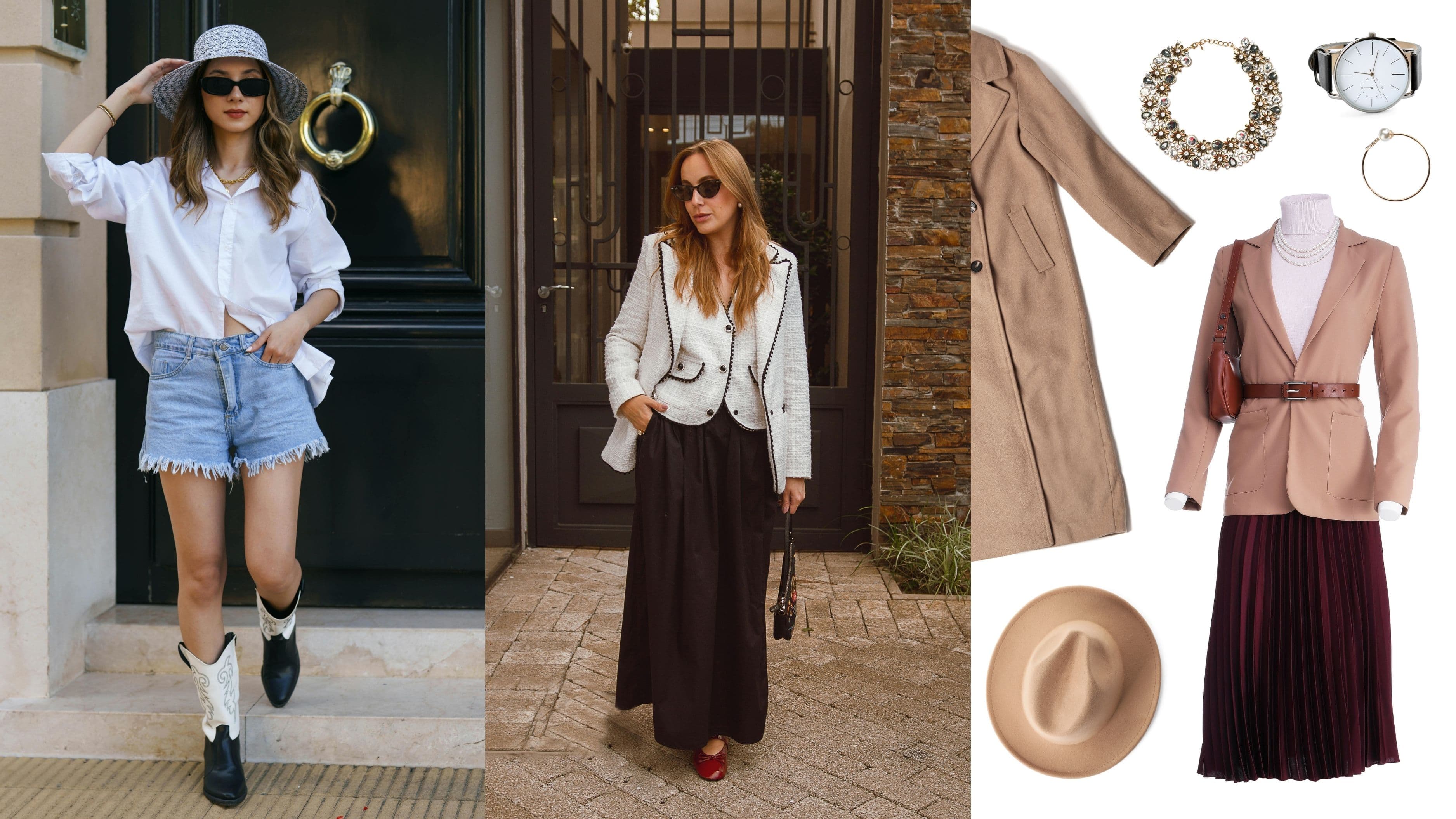
Use accessories to elevate simple outfits
Shop end-of-season sales
Rent or borrow for special occasions
Follow the cost-per-wear rule
Audit what you already own
1 – Build Around a Neutral Color Palette
Why it works: Neutral colors mix and match effortlessly, which means every piece you own works with every other piece – giving you far more outfit combinations per dollar spent.
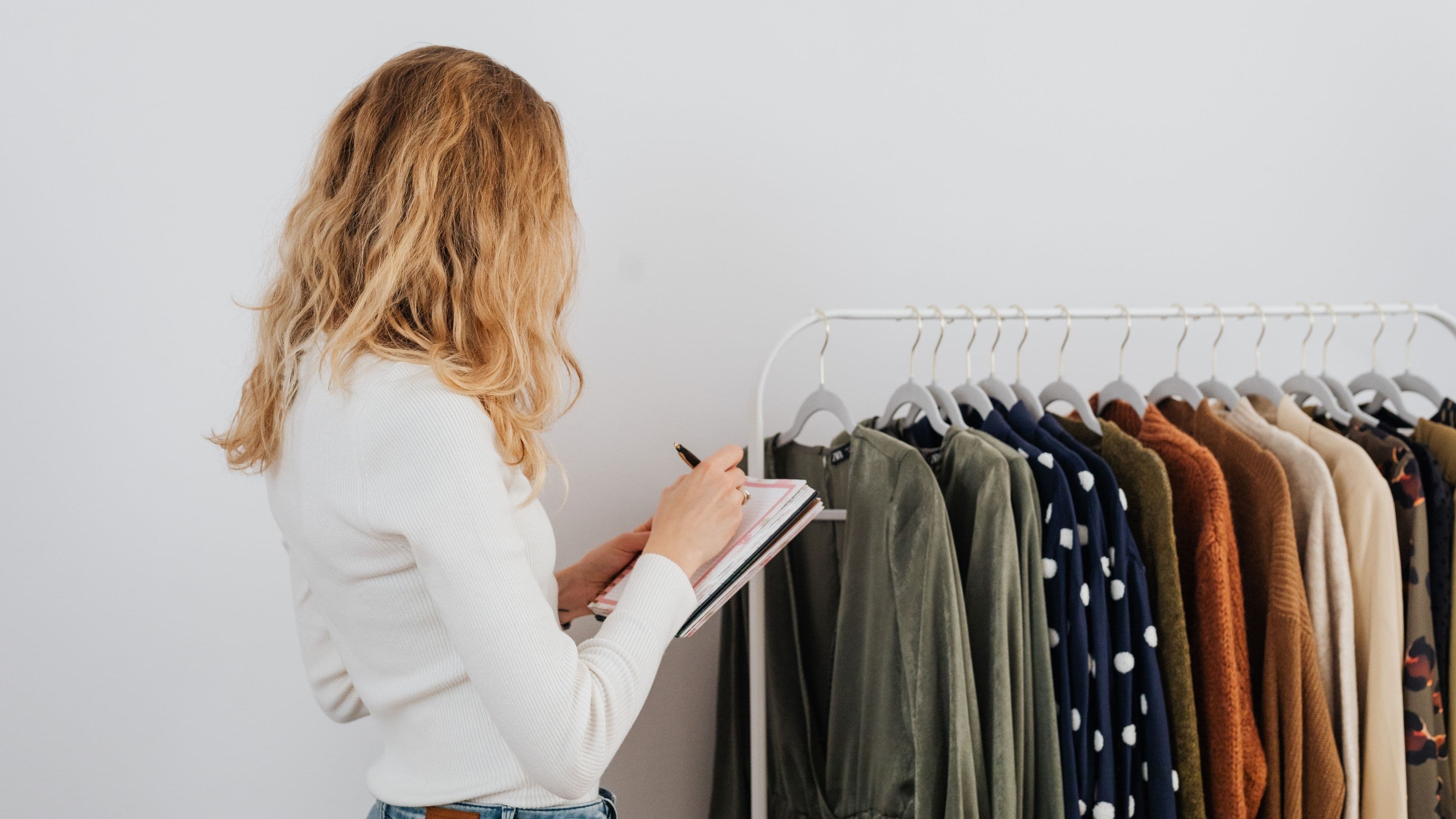
The foundation of a budget-friendly wardrobe is a cohesive color story. If your closet is a mix of random prints, bold colors, and clashing tones, you'll always feel like you have nothing to wear even with a full rack of clothes. A neutral palette – built around shades like white, black, navy, grey, camel, and olive – solves that problem immediately. Everything pairs with everything else, which means even a small collection of pieces can generate a surprising number of outfits.
This doesn't mean your wardrobe has to be boring. Once your neutrals are in place, you can introduce one or two accent colors through accessories or a single statement piece – a burgundy scarf, a forest green jacket, a rust-colored bag. The neutrals anchor everything, and the accent pieces add personality without creating clutter. When you shop with this system in mind, every new item you buy has a clear role and multiplies your existing combinations rather than sitting unused.
Action step: Before your next clothing purchase, ask whether the piece works with at least three things you already own. If it doesn't, it's probably not the right buy.
2 – Prioritize Fit Over Brand
Why it works: A well-fitted $20 shirt looks better than a $200 shirt that doesn't fit. Fit is the single biggest driver of how polished an outfit looks.
Most people significantly underestimate the impact of fit. Clothing that fits well – that follows the shape of your body without pulling, bunching, or hanging – signals that the wearer has thought about their appearance. Clothing that fits poorly communicates the opposite, regardless of the brand or price tag. A tailored pair of $30 chinos will consistently look sharper than expensive trousers worn loose and unaltered.
Basic tailoring alterations are inexpensive and transformative. Hemming trousers, taking in the waist on a shirt, or adjusting sleeve length typically costs between $10 and $30 per garment – a fraction of what a designer piece costs, and often a bigger visual upgrade. When you shop at lower price points, factor in a small tailoring budget and you'll end up with clothes that look custom-fitted without the custom price tag.
Action step: Find a local tailor and get the cost of common alterations. Then identify one or two pieces in your current wardrobe that could be improved with a simple adjustment.
3 – Shop Secondhand and Thrift Strategically
Why it works: Secondhand shopping can get you high-quality, sometimes designer pieces at a fraction of retail – but only if you approach it with a plan.
Thrift stores and secondhand platforms like ThredUp, Poshmark, Depop, and eBay are genuinely underestimated by people who haven't tried them seriously. The inventory varies, but high-quality pieces show up regularly – sometimes with tags still on. The key is shopping with a specific list rather than browsing randomly. When you know exactly what you're looking for (navy chinos in a 32x30, a white Oxford button-down, a camel wool coat), you can search efficiently and recognize the right piece when it appears.
In-person thrift stores reward patience and regularity. Going once every few weeks keeps you aware of stock rotation without burning time on unproductive visits. Online platforms let you set saved searches for specific items and receive alerts when matching pieces become available. For outerwear, knitwear, denim, and structured blazers in particular, secondhand often delivers significantly better quality than new pieces at the same price point, because older garments were frequently made to higher construction standards than their modern equivalents.
Action step: Write down three specific items you want to add to your wardrobe. Set up saved searches for each on one secondhand platform and check back weekly.
4 – Invest in a Few High-Impact Basics
Why it works: A small number of well-chosen, quality basics anchors your entire wardrobe and makes everything else work harder.
Not every piece in your wardrobe needs to be cheap. The most cost-effective approach is actually to spend slightly more on a handful of items you'll wear constantly, and spend very little on everything else. These high-wear basics – a white T-shirt, a dark-wash pair of jeans, a versatile jacket, a clean pair of shoes – appear in outfit after outfit and justify a higher per-item cost because the cost-per-wear quickly drops to almost nothing.
For these anchor pieces, it's worth spending 20–30% more than your instinct suggests and prioritizing construction quality. Look for dense fabric weight, reinforced stitching, quality zippers, and clean finishing inside the garment. These details indicate pieces that will hold up to regular washing and wearing without losing their shape or looking worn within months. The rest of your wardrobe can be budget items, but these foundation pieces should earn their slightly higher price.
Action step: Identify the three pieces you wear most often. If any of them are showing wear or poor quality, replace them with one better-made version rather than two cheaper ones.
5 – Learn to Layer Effectively
Why it works: Layering multiplies your outfit count and adds visual depth without requiring more pieces.
Layering is one of the most underused tools in budget dressing. A simple outfit – T-shirt and trousers – becomes three or four different looks when you add a button-down shirt worn open over it, then a light jacket, then a heavier outer layer. The core pieces stay the same, but the visual result changes substantially. This is how people with minimal wardrobes appear to wear something different every day.
The principle that makes layering work is proportion: inner layers should be slimmer or more fitted than outer layers, and each layer should be slightly visible. An untucked shirt under a jacket, a turtleneck under a crew-neck sweater, a light jacket under a heavier coat – these combinations add texture, dimension, and visual interest while keeping each individual piece simple. You don't need special layering pieces; almost any piece you already own can participate in a layered outfit with the right combination.
Action step: Pick your most basic outfit and try adding one layer. Note what works, what doesn't, and what you might be missing to make layering a regular part of your routine.
6 – Use Accessories to Elevate Simple Outfits
Why it works: Accessories are the highest return-on-investment category in fashion – small additions that dramatically shift the feel of an outfit for very little cost.
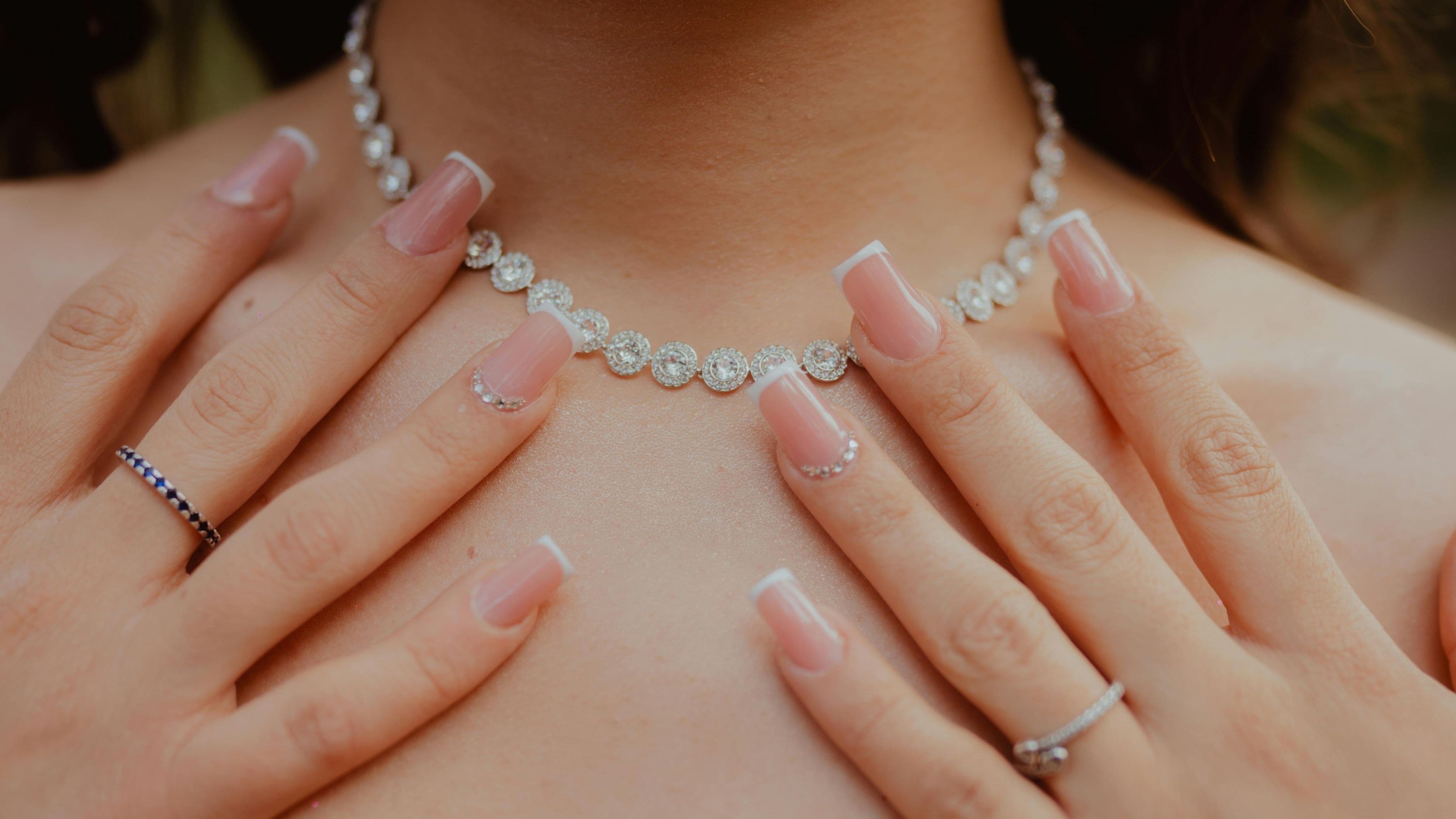
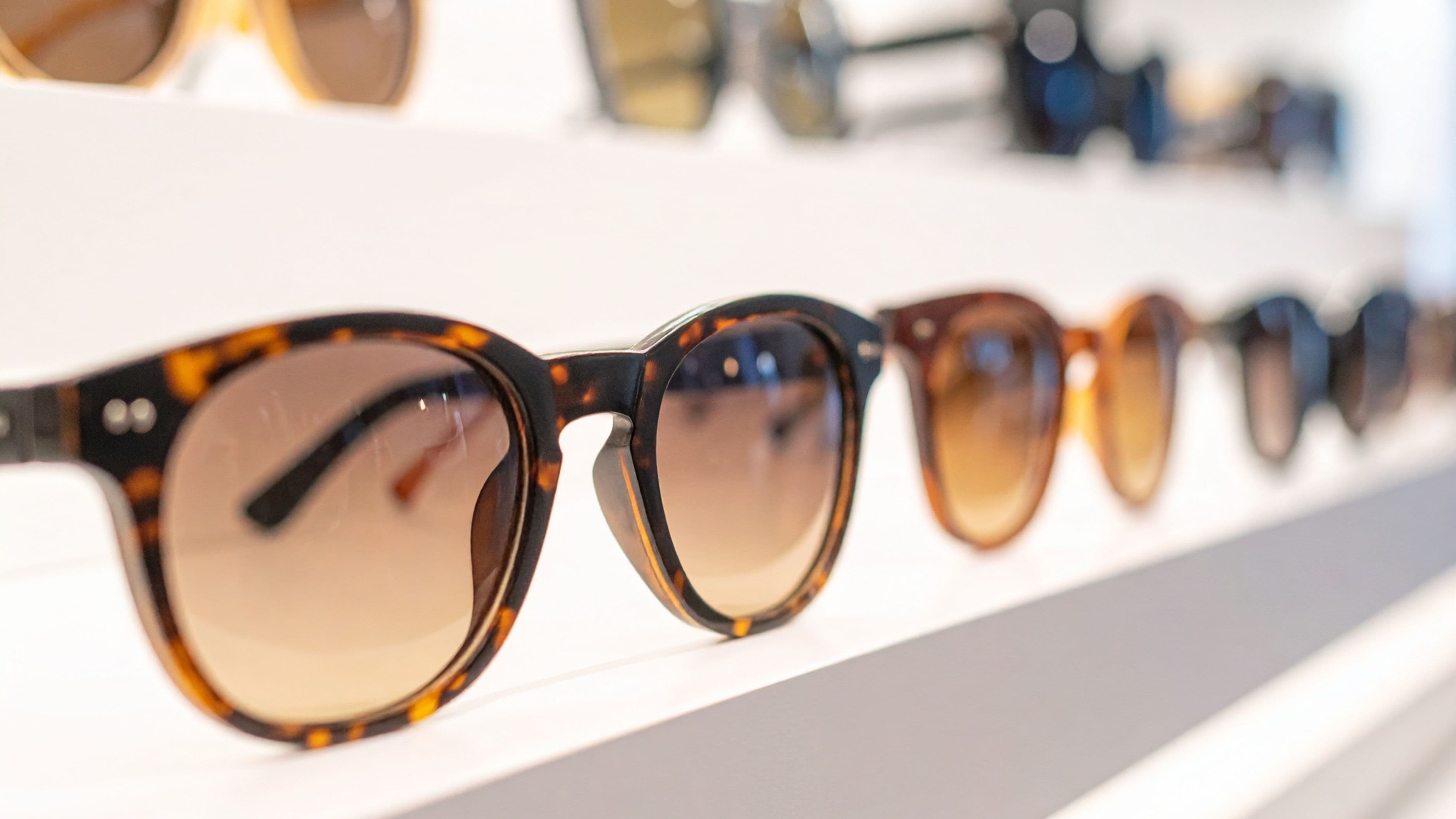
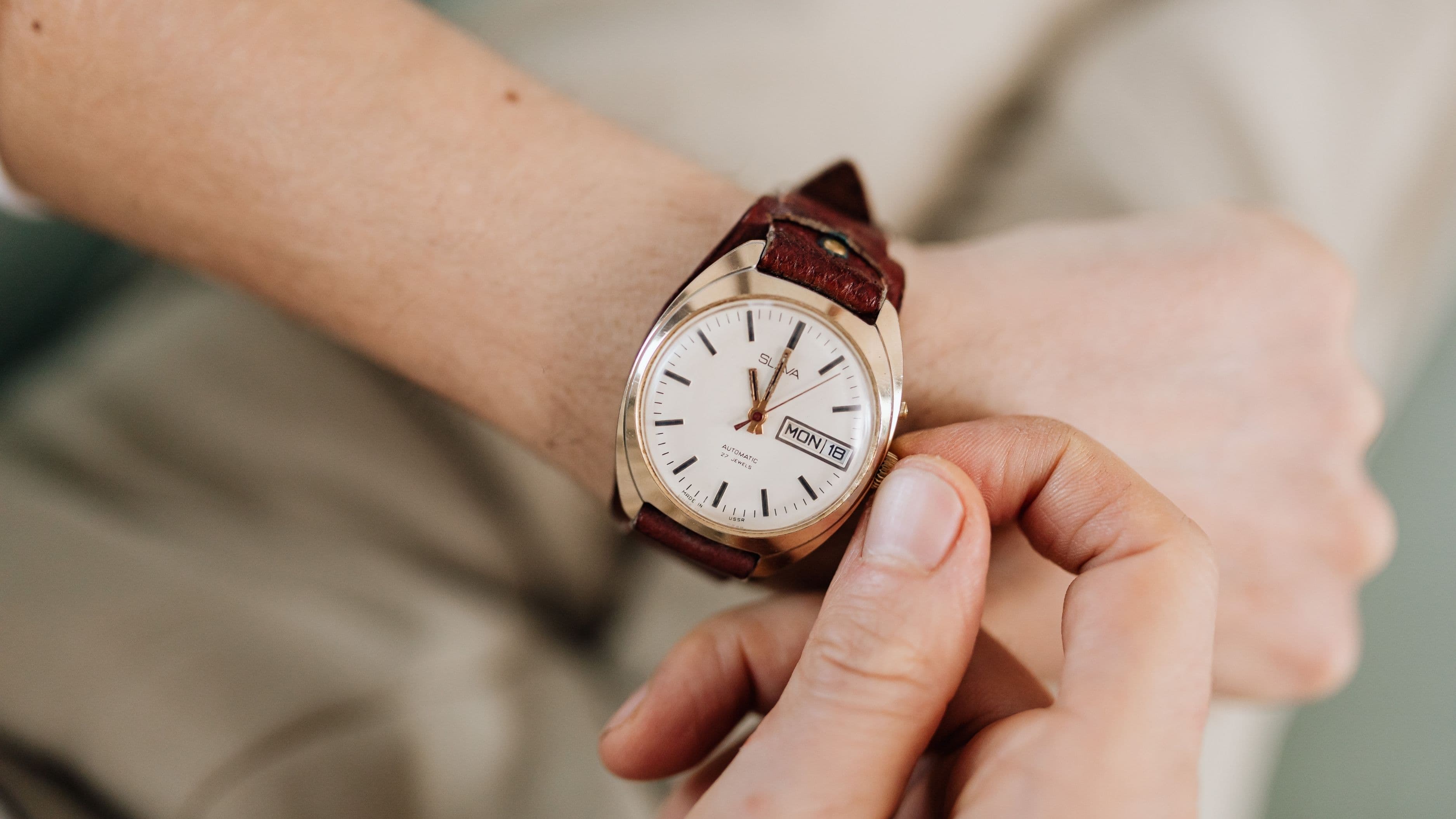
A plain white T-shirt and dark jeans is either a forgettable basic outfit or a clean, intentional look depending on what surrounds it. Add a simple watch, a leather belt that matches your shoes, and a well-chosen pair of clean white sneakers, and the same two pieces suddenly read as considered and put-together. Accessories communicate effort and attention, which is most of what "stylish" actually means to an outside observer.
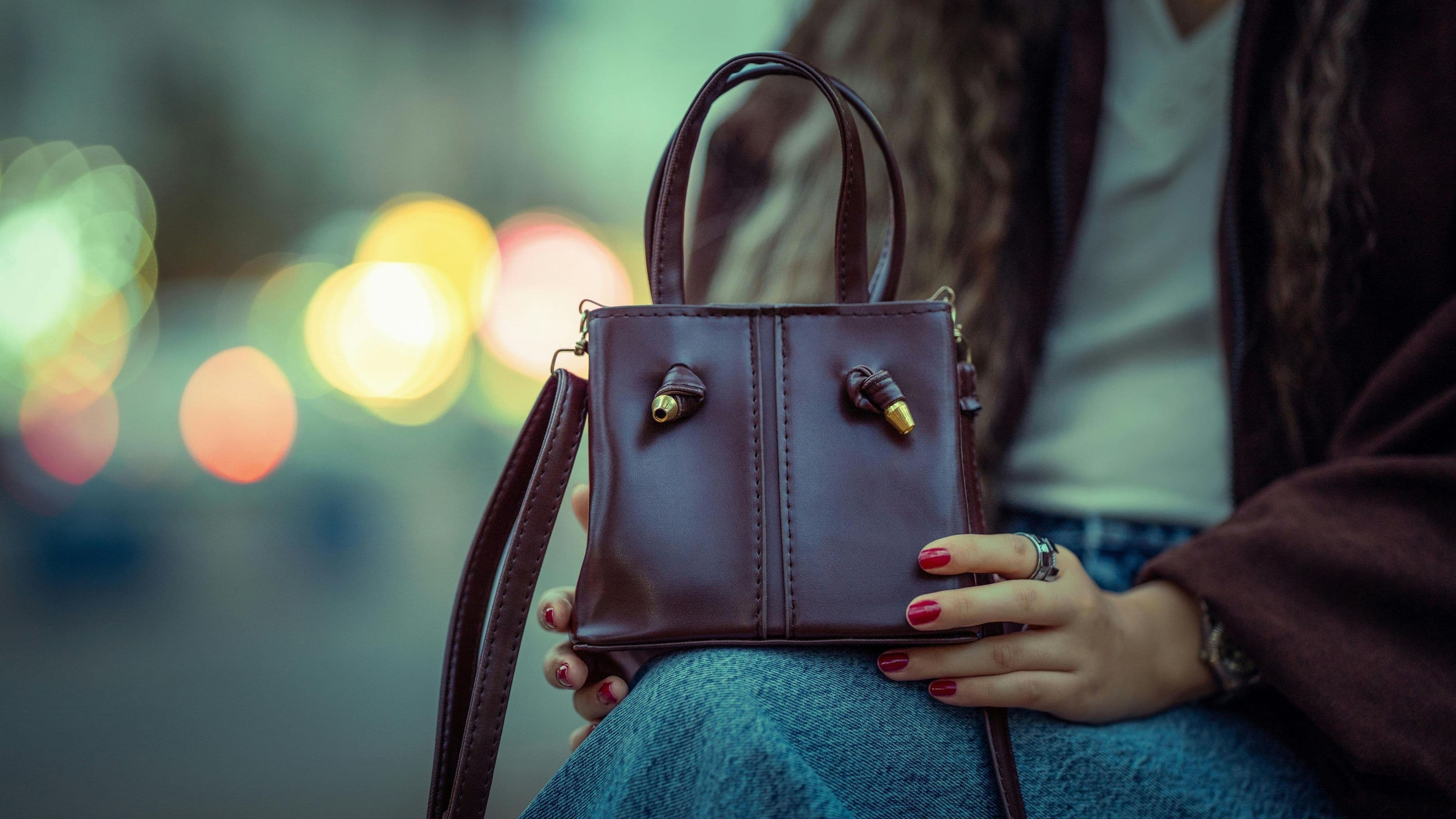
The accessories worth focusing on are the ones with the most visual impact and the most outfit versatility: a watch (even an inexpensive one), a belt, a bag or backpack, a scarf or hat depending on the season, and your shoes. Shoes in particular are disproportionately important – clean, well-maintained shoes elevate almost any outfit, while dirty or worn-down shoes drag even nice clothing down. Budget well for one or two good shoe pairs and spend less on everything else.
Action step: Lay out tomorrow's outfit tonight and deliberately choose each accessory. Notice how the additions shift the overall impression compared to wearing the clothes alone.
7 – Shop End-of-Season Sales
Why it works: Seasonal markdowns can reduce prices by 40–70% on the same quality items you'd otherwise pay full price for.
Retail clothing pricing is driven by seasonal demand, not by the actual cost of the garment. A winter coat in November and the same coat in February are the same product, but the February version is often 50% off because the retailer needs to clear inventory. Shopping slightly out of season – buying winter items in late winter, summer items in late summer – is one of the easiest ways to access better quality at lower prices without compromising on what you actually want.
The practical approach is to plan a season ahead. In August, look for end-of-summer clearance on linen shirts, shorts, and light jackets. In February, buy the coat or knitwear you'll want next winter at a fraction of the cost. Most fashion doesn't change dramatically enough between seasons that a current-season design will look dated a year later. Build this habit into your calendar and you'll consistently pay sale prices for items you genuinely want rather than impulse-buying full-price items because you need something immediately.
Action step: Identify one or two clothing categories you typically underbuy. Set a calendar reminder for one month before the relevant season ends to shop those categories at clearance prices.
8 – Rent or Borrow for Special Occasions
Why it works: Special occasion clothing has an extremely high cost-per-wear if purchased – renting or borrowing eliminates that cost entirely.
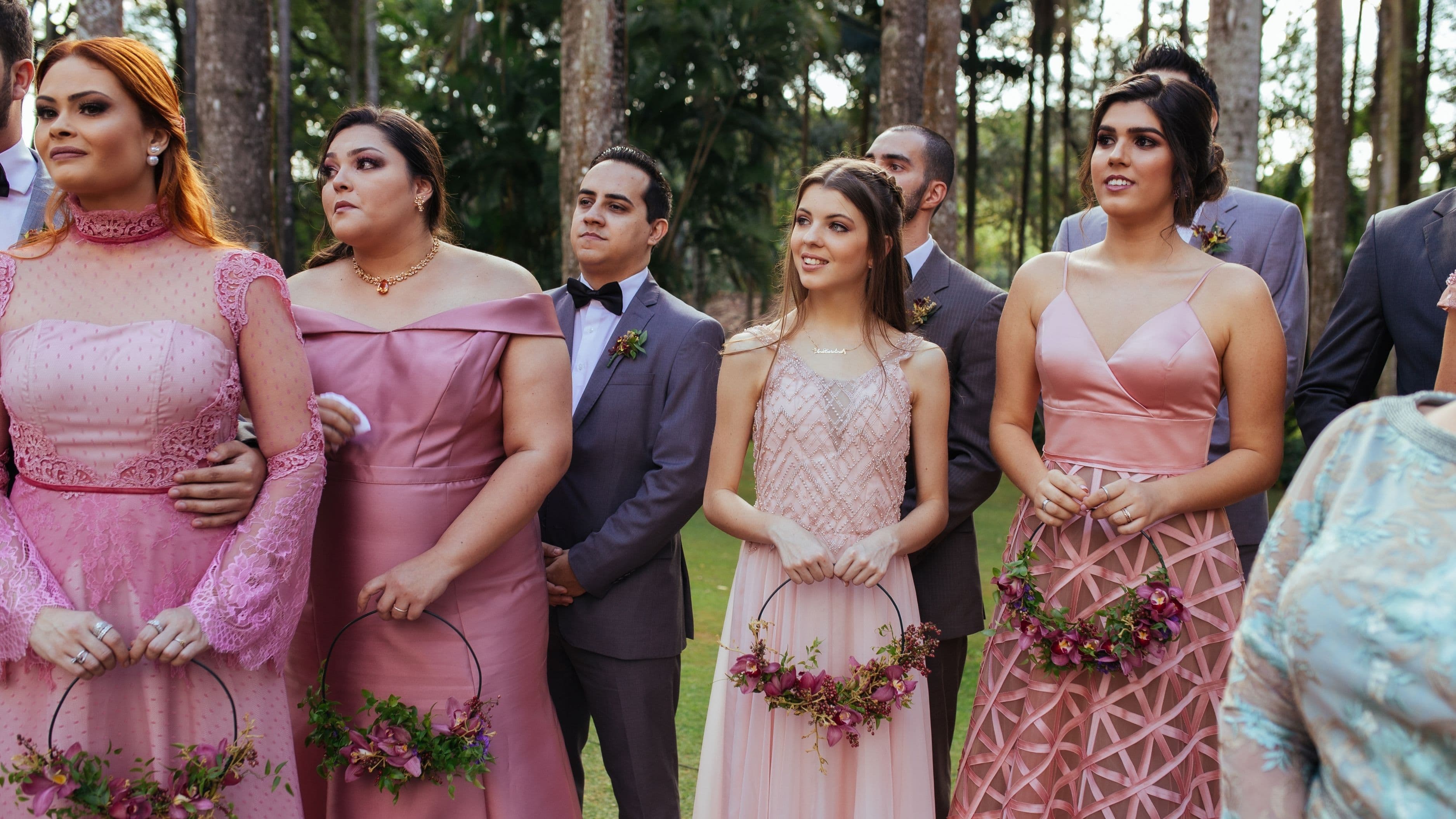
A formal suit, a wedding guest dress, a black-tie outfit – these pieces are expensive, occasion-specific, and often worn once or twice before sitting in the back of a wardrobe permanently. Buying these pieces rarely makes financial sense unless you have genuinely frequent formal occasions. Renting solves the problem entirely, and platforms like Rent the Runway, Nuuly, and local formal wear rental shops make the process straightforward and significantly cheaper than buying.
For less formal special occasions, borrowing from a friend or family member in a similar size is worth considering before buying. Many people have rarely-worn special occasion pieces they'd happily lend, and reciprocating builds a useful informal exchange. If you do decide to purchase something for a special occasion, choose something that can be dressed down for more regular use – a blazer that works casually, a dress that reads cocktail with heels and casual with sandals – so the per-wear cost actually comes down over time.
Action step: Next time you need a special occasion outfit, check one rental platform before defaulting to buying. Compare the rental cost against the purchase price and calculate the honest cost-per-wear for each.
9 – Follow the Cost-Per-Wear Rule
Why it works: Thinking in cost-per-wear reframes every purchase decision and naturally steers you away from cheap impulse buys and toward smarter investments.
Cost-per-wear is simple: divide the price of a piece by the number of times you realistically expect to wear it. A $150 coat you wear three times a week for five years has a cost-per-wear of roughly $0.19. A $30 top you wear twice and then never touch again has a cost-per-wear of $15. The expensive coat is dramatically better value. This framework clarifies which purchases are actually budget-friendly and which cheap items are quietly expensive.
The rule also naturally filters out impulse purchases. Before buying anything, ask honestly: how many times will I actually wear this? If you can't see yourself wearing it at least 20–30 times, the math rarely works in your favor no matter how affordable the price looks at checkout. The most stylish people don't have the most clothes – they have fewer pieces they wear constantly and genuinely love, rather than large wardrobes full of items worn once.
Action step: Apply the cost-per-wear calculation to your last three clothing purchases. Then apply it to something you're currently considering buying. Let the numbers inform the decision.
10 – Audit What You Already Own
Why it works: Most people have more wearable clothing than they think – but it's buried under pieces that don't fit, don't match, or don't reflect their current style.
Before spending any money, spend an hour with your current wardrobe. Pull everything out, try on anything you haven't worn recently, and make three piles: keep, alter/repair, and donate. This process almost always reveals pieces you've forgotten about, helps you identify real gaps versus imagined ones, and makes your existing wardrobe feel fresh and intentional rather than cluttered and random.
The audit also tells you what you actually need to buy versus what you think you need to buy. Most people discover they already have the foundation of a workable wardrobe and what they're missing is one or two specific pieces – not a complete overhaul. Knowing exactly what's missing makes every subsequent purchase more deliberate and more useful. A deliberate $40 purchase of the exact right basic piece does more for your wardrobe than a $150 random haul that doesn't fit your existing collection.
Action step: Set aside 60 minutes this week for a wardrobe audit. Come out of it with a written list of the specific items you actually need – and use that list as your only shopping guide for the next three months.
How to Put It All Together
These ten strategies work best in combination rather than isolation. Start with the audit so you know what you're working with. Build your color palette around what you already have and identify real gaps. Fill those gaps through secondhand channels and end-of-season sales where possible. Invest slightly more in the high-wear basics and let everything else stay affordable. Use fit, layering, and accessories to get maximum mileage out of a minimal collection.
The goal isn't to look like you spend a lot – it's to look like you know what you're doing. That's a skill, and it costs almost nothing once you build it.
FAQ
How much should I realistically spend to build a functional wardrobe from scratch? A functional starter wardrobe of around 20–25 versatile pieces can be assembled for $300–$600 if you shop secondhand and sales strategically. The exact number depends on your lifestyle needs, but most people are surprised by how little is required for a cohesive, mix-and-match collection.
Is fast fashion worth buying when on a tight budget? Occasionally, for very specific pieces where longevity isn't important – a trendy top for a specific occasion, a seasonal pattern you'll wear for one year. But for anything you plan to wear regularly, fast fashion's cost-per-wear is almost always worse than spending slightly more on a better-made piece or buying a quality secondhand item at a similar price.
What are the most important pieces to prioritize in a budget wardrobe? Focus first on shoes (one clean everyday pair and one versatile dress/occasion pair), a well-fitted pair of dark jeans or trousers, a few quality basic tops in neutral colors, one good jacket or coat, and a belt. These items cover the most outfit combinations at the lowest total cost.
How do I find my personal style without spending a lot of money? Use free resources first: save outfits you genuinely like on Pinterest or Instagram until patterns emerge (similar colors, silhouettes, and aesthetics will repeat). This creates a clear reference point before you spend anything. Then shop secondhand where experimentation costs very little if something doesn't work out.
Can I dress stylishly for work on a tight budget? Yes. A professional wardrobe is actually easier to build on a budget than a casual one because it's more formula-driven. Two or three pairs of well-fitted trousers or skirts, four or five tops in complementary colors, one blazer, and clean shoes cover most professional contexts with endless combinations.
The Bottom Line
Style on a budget is entirely achievable – but it requires a different approach than just buying less expensive things. It's about building a coherent system: pieces that work together, fit well, and get worn regularly. The ten strategies above collectively give you that system without requiring you to spend more than you can afford.
Pick two or three to start with, apply them consistently, and notice the difference in both your wardrobe and your spending. The combination of a clear color palette, smart secondhand shopping, and proper fit will take you further than any amount of money spent without a strategy.
📚 Sources
The True Cost – Documentary on fast fashion and sustainable alternatives: https://truecostmovie.com
ThredUp – 2024 Resale Report on secondhand fashion growth: https://www.thredup.com/resale
Investopedia – "Cost Per Wear: What It Means and How to Calculate It": https://www.investopedia.com/cost-per-wear-8385839
Business of Fashion – "How to Build a Capsule Wardrobe": https://www.businessoffashion.com/articles/fashion-week/how-to-build-a-capsule-wardrobe
Rent the Runway – Clothing rental options and pricing: https://www.renttherunway.com/how-it-works
Good On You – Guide to Ethical and Affordable Fashion: https://goodonyou.eco/how-to-build-a-sustainable-wardrobe-on-a-budget