Fashion editors call it the great equalizer. Stylists call it the foundation garment. The rest of the world just calls it a white t-shirt — and it remains, by every measurable standard, the most purchased, most worn, and most versatile clothing item on Earth. According to the Cotton Incorporated Lifestyle Monitor, the average American owns 9 t-shirts and buys 8 new ones per year, and the white crew-neck or V-neck sits at the center of that wardrobe more often than any other single item. Yet despite its ubiquity, most people wear it the same way every time:
tucked or untucked, with jeans, and done. The truth is that a quality white tee is a blank canvas — and the stylists who dress celebrities, shoot editorial fashion, and build capsule wardrobes for a living know how to extract ten completely different looks from the exact same piece. This guide breaks down those 10 techniques, ranked by versatility, impact, and ease of execution.
Top 10 Best Ways to Style a White Tee
# | Styling Technique | Best For |
1 | The French Tuck | Effortless polish without looking overdressed |
2 | Layered Under a Blazer | Smart-casual office and evening looks |
3 | Knotted at the Hem | Cropped silhouette without buying a crop top |
4 | Tucked into High-Waisted Trousers | Elevated, tailored daytime dressing |
5 | Under Overalls or Dungarees | Laid-back weekend and creative-industry style |
6 | Layered Under a Slip Dress | The model-off-duty look that never ages |
7 | With a Statement Belt | Waist definition and instant outfit upgrade |
8 | Under a Leather or Denim Jacket | Classic cool with timeless edge |
9 | Tucked into a Midi Skirt | Feminine, versatile, and seasonless |
10 | The Oversized Streetwear Look | Modern, relaxed, fashion-forward dressing |
Methodology
Each styling technique was evaluated across five key criteria:
Versatility — how many occasions, seasons, and body types the look suits
Ease of execution — how quickly and reliably a non-stylist can achieve the look
Visual impact — how significantly it elevates the base white tee
Longevity — whether the styling approach is trend-resistant or trend-dependent
Accessibility — whether the supporting pieces are widely available and affordable
Techniques were selected from analysis of editorial fashion coverage, stylist interviews, and capsule wardrobe guidance from publications including Vogue, Who What Wear, and Refinery29.
Detailed Style Guides
1. The French Tuck
Best for: Every body type, every occasion from brunch to the office
Difficulty: ⭐ (Beginner)
Key supporting pieces: Any mid-rise or high-rise bottom — jeans, trousers, skirts
The French tuck — popularized by Queer Eye's Tan France but practiced by French women for decades — is the single highest-impact, lowest-effort styling technique available. The method: tuck only the front section of your white tee into your waistband (roughly 2–3 inches of fabric), leaving the back and sides loose. The effect is immediate: it defines the waist, creates a visual break between top and bottom, and signals intentionality without looking stiff or overdressed.
The reason this works on virtually every body type is that it simultaneously creates vertical length (the partial tuck draws the eye upward) and waist definition (the tuck point creates a visual narrowing) without the rigidity of a full tuck. On high-waisted jeans, it elevates a simple outfit to something that looks like it was styled. On a midi skirt, it creates a balanced, editorial proportion. The French tuck is not a trend — it has appeared in French fashion photography since the 1960s and will continue to appear indefinitely.
Best paired with: Straight-leg or wide-leg jeans, tailored trousers, A-line or midi skirts, high-waisted shorts
Avoid with: Low-rise bottoms (the tuck point loses its effect), very loose or boxy tees (the fabric bunches)
Pros:
Takes 10 seconds to execute
Works on every body type and silhouette
Instantly elevates any bottom half without changing the outfit
Trend-resistant — a classic technique, not a fleeting style moment
Cons:
Requires some practice to get the right amount of fabric tucked
Can shift throughout the day on slippery fabrics — may need readjusting
Less effective with low-rise waistbands
2. Layered Under a Blazer
Best for: Office environments, smart-casual events, and anyone wanting to look polished without effort
Difficulty: ⭐ (Beginner)
Key supporting pieces: Structured blazer, tailored trousers or dark jeans, loafers or heeled mules
The white tee under a blazer is the definitive smart-casual formula — and it works because the contrast between the blazer's formality and the t-shirt's casualness creates the sweet spot that occupies 80% of modern dressing occasions. The blazer does the structural work; the white tee removes any stuffiness. The result reads as intentional, confident, and effortlessly put-together.
The critical variables are fit and fabric. The blazer should have a clean shoulder line and fit through the chest without pulling. The white tee should be fitted enough that it doesn't bunch under the blazer but not so tight that it creates visible lines. A slightly oversized blazer (the "borrowed from the boys" proportional play) with a fitted white tee and straight-leg trousers is the most editorial execution of this combination and photographs exceptionally well. For women, this combination with wide-leg trousers or a pencil skirt transitions from a Monday meeting to a Friday dinner with no changes required.
Best paired with: Structured blazers (neutral or print), tailored wide-leg or straight-leg trousers, dark or mid-wash straight jeans, loafers, block-heel mules, Chelsea boots
Avoid with: Boxy or oversized tees (creates too much volume under the blazer), very casual shorts (breaks the smart-casual balance)
Pros:
Appropriate for a wider range of occasions than almost any other combination
Works year-round — layer or remove the blazer to adjust for temperature
Polished enough for most modern workplaces
Works across all age groups and body types
Cons:
Blazer fit is critical — an ill-fitting blazer undermines the whole look
Can feel stiff in very casual environments
Layering can add warmth — less comfortable in summer without air conditioning
3. Knotted at the Hem
Best for: Creating a cropped silhouette without committing to a crop top; high-waisted bottom wearers
Difficulty: ⭐⭐ (Easy)
Key supporting pieces: High-waisted jeans, shorts, or skirts; any tee with enough hem length to knot
The knot — whether a side knot, front knot, or twisted hem knot — is the fastest way to transform a standard-length white tee into a cropped, tailored-looking top with personality. The technique: gather the excess fabric at the hem (front only, or both sides), twist it once, and knot it close to the body. The result is a defined waistline, a hint of midriff, and a look that immediately reads as more considered than a plain untucked tee.
The positioning of the knot is everything. A front-center knot works best on looser tees and creates a symmetrical crop. A side knot (more casual, slightly asymmetrical) suits tighter or medium-fit tees. For high-waisted jeans or shorts, position the knot just at or above the waistband so it sits cleanly without being obscured. The knot also works beautifully with floral midi skirts — the casual tee knot balances the femininity of the skirt without tipping the look into overly dressed territory.
Best paired with: High-waisted mom jeans, high-waisted shorts, midi and maxi skirts, wide-leg linen trousers
Avoid with: Low-rise bottoms (the knot loses its proportional effect), very sheer or delicate tee fabrics (the knot can damage the weave)
Pros:
Creates a custom-fit cropped look from a regular-length tee
Adds personality and intention without accessories
Works on multiple tee fits — loose, medium, and fitted
Completely reversible — unknot and you're back to a standard tee
Cons:
Knot can loosen throughout the day and require resetting
The look is more casual — less appropriate for professional settings
Very loose or boxy tees can create too much fabric volume at the knot
4. Tucked into High-Waisted Trousers
Best for: Creating a polished, elongated silhouette suitable for work, dinners, and smart-casual events
Difficulty: ⭐ (Beginner)
Key supporting pieces: High-waisted tailored trousers, wide-leg pants, or palazzo pants; belt optional; loafers, mules, or heeled sandals
The full tuck into high-waisted trousers is the most transformative single move in this guide. High-waisted trousers + a neatly tucked white tee creates a visual line that elongates the leg, defines the waist, and produces a silhouette that photographs like editorial fashion with zero styling effort. The tee becomes a blouse; the trousers become the centerpiece. Add a minimal belt and the look reads as intentionally put-together rather than accidentally chic.
Fabric and fit of both pieces are important here. A fitted white tee (not skin-tight, not boxy) tucks cleanly without creating visible bulk at the waistband. Trousers with a clean waistband — no busy detailing — let the tuck point do its work. This combination works in cream, camel, black, and neutral tones for the trouser to create a monochromatic elongating effect, or in bold trouser prints for a fashion-forward contrast with the clean white tee.
Best paired with: High-waisted wide-leg or straight-leg trousers, palazzo pants, tailored culottes, high-waisted cigarette trousers
Avoid with: Mid-rise or low-rise trousers (reduces the silhouette effect), very loose tees (bunches at the waistband)
Pros:
Most elongating silhouette technique in this guide
Polished enough for most professional environments without a jacket
Works brilliantly in monochromatic dressing (white tee + cream or camel trousers)
Quick and consistent — no daily adjustment needed
Cons:
Full tuck can come undone during active movement — check periodically
Requires a higher-waisted trouser to achieve the full effect
Can look flat without a belt or shoe with slight heel for proportion
5. Under Overalls or Dungarees
Best for: Weekend dressing, creative industries, and anyone who wants maximum personality with minimum effort
Difficulty: ⭐ (Beginner)
Key supporting pieces: Denim overalls, linen dungarees, or wide-leg overalls; white sneakers or loafers; minimal jewelry
A white tee under overalls is one of those combinations that requires no styling knowledge to execute and yet consistently produces a result that looks intentional and complete. The overalls provide all the personality and structure; the white tee is the clean, neutral layer that holds everything together. The combination reads as playfully put-together rather than accidentally casual.
The key variable is how you wear the overalls' straps. Both straps fastened is the classic, clean look — great for shorter styles and cropped overalls. One strap loose is the casual, editorial play that has appeared in fashion photography continuously since the 1990s. For full-length denim overalls, a classic white tee with clean white sneakers creates a timeless, head-to-toe cohesive look that works equally well at a farmer's market, an art gallery, or a school pickup. Rolled cuffs on the dungaree legs and a visible portion of white tee at the chest complete the picture.
Best paired with: Denim overalls (light, mid, or dark wash), wide-leg linen dungarees, short-style bib overalls, white sneakers, loafers, clogs Avoid with: Very fitted or skinny-cut overalls (the tee's fabric creates visible lines through tighter silhouettes)
Pros:
Zero styling effort required — the overalls do the work
Works across all body types
Genuinely seasonless — swap the tee for a long-sleeve underneath in winter
Universally beloved combination that consistently looks right
Cons:
Limited occasion range — firmly casual
Full-length overalls over a tee can add visual bulk for petite frames
Strap styling (one up, one down) can look forced if not natural to the wearer's style
6. Layered Under a Slip Dress
Best for: The "model-off-duty" aesthetic; anyone wanting feminine and casual simultaneously
Difficulty: ⭐⭐ (Easy)
Key supporting pieces: Satin, silk, or linen slip dress in any length; white sneakers or sandals; optional blazer or leather jacket over the top
The white tee under a slip dress is one of fashion's most enduring and counterintuitive styling codes. The slip dress — typically a purely feminine, delicate garment — becomes grounded and wearable when layered over a white crew-neck or V-neck tee. The combination creates a visual and conceptual contrast (structured-casual, masculine-feminine, relaxed-elegant) that makes the overall look more interesting than either piece worn alone.
The technique works best with slip dresses that have a slightly loose or bias-cut silhouette and a hemline at mid-thigh or longer. The tee's crew neck or V-neck should sit visibly at the chest below the slip's neckline — this is intentional layering, not accidental exposure. White sneakers complete the casual register; heeled sandals or mules elevate it to evening. This combination was a staple of 1990s supermodel street style and has experienced multiple revivals, most recently driven by the quiet luxury and "old money" aesthetics of the early 2020s.
Best paired with: Bias-cut satin or silk slip dresses (midi or mini), linen slip dresses, sheer organza slip dresses, white sneakers, flat sandals, strappy heeled mules
Avoid with: Very structured or A-line dresses (the tee breaks the dress's silhouette intent), slip dresses with high necklines (no visible layering effect)
Pros:
Genuinely fashion-forward combination that requires almost no effort
Transforms a special-occasion dress into a daytime-appropriate outfit
Works across seasons — add a leather jacket or blazer for cooler weather
Photographically striking — great for editorial looks
Cons:
The visible tee collar is intentional — must be clean and unwrinkled
Slip dresses over tees add visual layers — less flattering for very petite frames
Satin slip dresses can cling — choose a slightly looser cut for this technique
7. With a Statement Belt
Best for: Adding waist definition and elevating an otherwise simple outfit without adding a layer
Difficulty: ⭐⭐ (Easy)
Key supporting pieces: Statement belt (wide leather, chain, or woven style); tucked or half-tucked tee; jeans, trousers, or skirt
Belting a white tee is the most underused technique in this guide, which is remarkable given how effectively it works. The method: tuck your white tee into your waistband, then add a statement belt — wide leather, chain, braided, or embellished — over the tuck. The belt creates dramatic waist definition, adds a focal point to an otherwise simple outfit, and introduces texture or hardware that makes the whole look feel curated.
The most editorial version of this technique uses a wide 70s-style leather belt over straight-leg jeans or high-waisted trousers, with the white tee tucked cleanly at the front and a small ruffle of excess fabric pulled over the belt's top edge for a slightly relaxed finish. Chain belts over loosely tucked white tees with midi skirts are another strong variation — the metallic hardware against the white creates a clean, high-fashion contrast. This technique works on all body types but is particularly flattering for creating a defined waistline where clothing tends to obscure it.
Best paired with: Wide leather belts over high-waisted jeans or trousers, chain belts over midi skirts, braided or woven belts for a bohemian register, western-style belts for a country/editorial edge
Avoid with: Very loose or oversized tees (too much excess fabric over the belt creates visual clutter)
Pros:
Creates waist definition without relying on the garment's fit alone
Introduces texture, hardware, or color without adding a layer
A statement belt can transform an outfit in 30 seconds
Works across casual, smart-casual, and evening occasions depending on the belt style
Cons:
Belt sizing must be accurate — a belt that's too tight or too loose undermines the look
Wide belts can be uncomfortable for extended sitting
The technique requires a full or French tuck — an untucked tee with a belt looks unintentional
8. Under a Leather or Denim Jacket
Best for: Achieving the most classically cool, timeless look in fashion history
Difficulty: ⭐ (Beginner)
Key supporting pieces: Leather jacket (black or brown) or denim jacket (light or dark wash); straight or slim jeans; white sneakers, ankle boots, or loafers
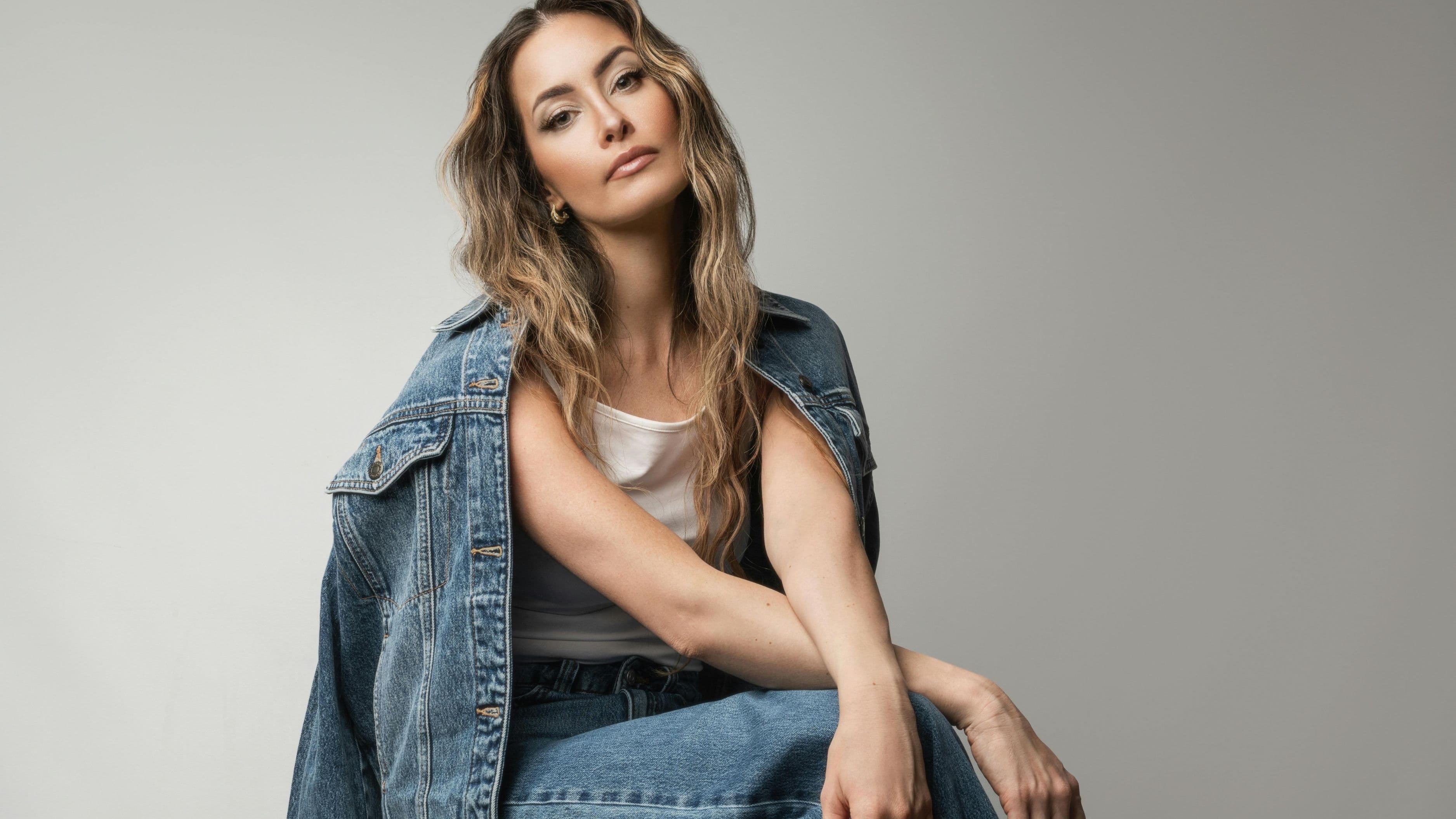
If the French tuck is the most versatile technique, the white tee under a leather or denim jacket is the most timeless. This combination has appeared in fashion photography, cinema, and street style from the 1950s to the present day without interruption — Marlon Brando's The Wild One white tee and leather jacket has been reproduced in every decade since it was filmed. There is no styling formula with a longer proven track record.
The white tee functions as the clean, neutral anchor that allows the jacket to define the look's register: a leather jacket reads rebellious and cool; a denim jacket reads casual and relaxed. Either way, the white tee's brightness creates a visual focal point at the chest that makes the whole outfit feel cohesive and complete. Fit of the jacket is everything — it should sit cleanly through the shoulders and not bunch at the sleeves. Leave it open; a buttoned jacket over a visible white tee loses the casual confidence of the combination.
Best paired with: Black or cognac leather jacket, light or dark wash denim jacket, slim or straight jeans in any wash, white sneakers (Converse, Stan Smiths), Chelsea or ankle boots, loafers
Avoid with: Very oversized or boxy tees under a fitted jacket (the excess fabric creates bulk at the jacket's closure), belted leather jackets (the belt eliminates the effortless quality)
Pros:
The most timeless combination in this guide — genuinely ageless and never out of style
Requires zero styling skill — the jacket does all the work
Works across seasons (denim jacket in spring/summer; leather jacket in autumn/winter)
Appropriate from teenage years to any adult age
Cons:
Jacket fit is critical — an ill-fitting leather jacket is difficult to style around
Leather jackets at quality tiers that last can be expensive ($150–$800+)
Black leather + white tee + dark jeans is safe but predictable — mixing textures adds interest
9. Tucked into a Midi Skirt
Best for: Creating a feminine, versatile, season-spanning look that works from day to evening
Difficulty: ⭐⭐ (Easy)
Key supporting pieces: Midi skirt (satin, linen, floral, or leather); French tuck or full tuck; heeled sandals, loafers, or ankle boots
Tucking a white tee into a midi skirt is the combination that most consistently surprises people with how well it works. The white tee tempers the femininity of a floral or satin midi skirt, making it daytime-appropriate and less formal without losing any of its elegance. Conversely, a leather or structured midi skirt gains texture and contrast from the white tee's simplicity. In both directions, the combination produces a silhouette that is balanced, modern, and effortlessly styled.
The tuck type matters here. A full tuck into a satin midi skirt with a slight blouse-out at the waistband (pulling a small amount of fabric back over after tucking) creates a relaxed, editorial finish. A French tuck into a floral midi skirt is slightly more casual and works well with flat sandals or espadrilles. The proportion rule: the longer the skirt, the more important it is to tuck — an untucked tee over a long skirt loses the waist entirely and creates a shapeless vertical line.
Best paired with: Satin midi skirts (neutral or jewel tones), floral midi skirts, linen midi skirts, leather or faux-leather midi skirts, heeled sandals, loafers, ankle boots, flat mules
Avoid with: Very long maxi skirts with a short tee (proportions become unbalanced), mini skirts (the tuck loses its effect at shorter lengths)
Pros:
Transforms a special-occasion skirt into an everyday outfit
The feminine-casual contrast is inherently visually interesting
Works across seasons with shoe and layer changes
Strong from petite to tall frames — the tuck creates vertical length for all heights
Cons:
Satin midi skirts can shift the tuck out of position — requires occasional resetting
The combination looks most polished with heeled shoes — flat shoes can make it look unfinished
Very billowy or voluminous midi skirts may overwhelm the simple tee's proportion
10. The Oversized Streetwear Look
Best for: Fashion-forward, relaxed dressing — particularly strong for younger audiences and creative industries
Difficulty: ⭐⭐ (Easy)
Key supporting pieces: Oversized or boyfriend-cut white tee; wide-leg or baggy jeans, sweatpants, or biker shorts; chunky sneakers; minimal jewelry; baseball cap optional
The oversized streetwear approach to a white tee embraces volume, proportion play, and the deliberately relaxed silhouette that has defined contemporary fashion since the mid-2010s and shows no signs of receding. The technique: choose a white tee that is 1–2 sizes larger than your normal fit (or a genuine oversized cut), wear it with wide-leg or baggy jeans, biker shorts, or tailored sweatpants, and anchor the look with a chunky or platform sneaker that adds weight to the bottom of the silhouette.
The styling principle at work is intentional proportion contrast: a large top with a wide or heavy bottom creates a shape that is contemporary, comfortable, and distinctly modern. The white tee's neutral color prevents the volume from becoming overwhelming — a graphic or colored oversized tee reads very differently (louder, more streetwear-coded). The pure white oversized tee is versatile enough to be dressed up minimally with tailored wide-leg trousers and loafers, or kept fully casual with joggers and Air Force 1s.
Best paired with: Wide-leg jeans (light or dark wash), barrel-leg denim, biker shorts with chunky sneakers, tailored wide-leg trousers, Air Force 1s, New Balance 550s, or other chunky sneakers; baseball caps for full streetwear execution
Avoid with: Slim or skinny jeans (the oversized top creates an unbalanced top-heavy silhouette), very formal footwear (breaks the register)
Pros:
Maximum comfort with genuine contemporary fashion currency
The oversized white tee is one of the most affordable fashion investments available
Works as the foundation of a capsule streetwear wardrobe
Proportional play makes it particularly flattering for a range of body types
Cons:
Very oversized styling has a shorter trend lifespan than classic techniques
Can appear sloppy rather than intentional without the right bottom and shoe
Less appropriate for professional, formal, or smart-casual settings
Comparison Summary
Technique | Difficulty | Occasion Range | Trend Longevity | Best Body Types |
French Tuck | ⭐ | All occasions | Timeless | All |
Under a Blazer | ⭐ | Smart-casual to office | Timeless | All |
Knotted Hem | ⭐⭐ | Casual/weekend | Moderate | All (esp. hourglass) |
High-Waisted Trousers | ⭐ | Work to evening | Timeless | All |
Under Overalls | ⭐ | Casual/weekend | Timeless | All |
Under a Slip Dress | ⭐⭐ | Casual to evening | Cyclical trend | All (esp. taller frames) |
Statement Belt | ⭐⭐ | Casual to evening | Moderate | All (esp. curvy) |
Leather/Denim Jacket | ⭐ | All casual occasions | Timeless | All |
Midi Skirt Tuck | ⭐⭐ | Casual to evening | Timeless | All |
Oversized Streetwear | ⭐⭐ | Casual/creative | Trend-forward | All (esp. athletic/tall) |
Key takeaway: For lasting wardrobe impact, master the French tuck, the blazer layer, and the midi skirt tuck first — all three are timeless, require minimal skill, and work on virtually every occasion and body type. For weekend personality and ease, overalls and the leather jacket combination are the most reliably correct choices. For the most fashion-forward register, the oversized streetwear look and the slip dress layer deliver the most contemporary visual statement.
Buying Guide: How to Choose the Right White Tee to Start With
Who needs this guide? Anyone who has struggled to make a white t-shirt look deliberate, people building a capsule wardrobe from scratch, and anyone who wants to extract more styling mileage from the pieces they already own.
Why the tee itself matters more than the styling: No technique in this guide performs well on a poor-quality tee. The wrong fabric pills, goes transparent when tucked, yellows after three washes, and collapses in shape after a month. A quality white tee — opaque, well-constructed, and with a neckline that holds its shape — makes every technique in this guide look better automatically.
What to look for in a foundational white tee:
Weight: 180–200 gsm (grams per square meter) is the ideal weight — substantial enough to be fully opaque and drape well, light enough to layer comfortably. Avoid anything under 150 gsm — it will be transparent when worn
Fabric: 100% combed and ring-spun cotton for the softest hand-feel and best durability. Pima cotton and Supima cotton are premium variations worth the price for everyday tees
Fit options to own: One fitted tee (for tucking, blazer layering, and the slip dress technique), one relaxed or slightly oversized tee (for the streetwear look, knotting, and jacket layering), and one true oversized tee (for the full streetwear approach) covers every technique in this guide
Neckline: Crew neck is the most versatile — works with all techniques. V-neck adds a lengthening effect for the tucked-in and French-tuck techniques
Reliable white tee brands by price tier: Uniqlo and Hanes (budget), Everlane and Madewell (mid-range), James Perse and Vince (premium) — all offer consistent quality in their core white tee programs.
Pricing Overview
Tier | Price Range | Best Options |
Budget | $8–$25 | Hanes Nano-T, Uniqlo Supima Cotton Crew, Fruit of the Loom Sofspun |
Mid-Range | $26–$75 | Everlane The Classic Tee, Madewell Whisper Cotton, ASOS White Label |
Premium | $75–$150 | James Perse Standard, Vince Essential Tee, Toteme Basic |
Investment tip: For a capsule wardrobe, buy two quality mid-range white tees (one fitted, one relaxed) rather than six budget options. The mid-range options hold their shape, opacity, and color through 50+ washes — the total cost per wear over 2–3 years is lower than replacing budget tees every few months. White tees yellow from antiperspirant buildup — always wash inside out in cold water and avoid excessive heat drying to maximize lifespan.
FAQ
Q: How do I keep a white tee truly white? A: Wash in cold water with a color-safe detergent (not bleach, which degrades cotton fibers over time). For yellowing around the collar and underarms — caused by aluminum in antiperspirant reacting with fabric — pre-treat with a mixture of white vinegar and baking soda before washing. Air dry in sunlight when possible, which naturally brightens white fabric. Avoid over-drying in a hot dryer, which sets stains and accelerates yellowing.
Q: What's the best white tee for a petite frame? A: Look for a tee with a slightly shorter body length (or crop-friendly length) to avoid the fabric overwhelming a smaller frame. Fitted or semi-fitted cuts work better than fully oversized for petites. Uniqlo's AIRism Cotton range offers a shorter body length that suits petite frames particularly well. The French tuck technique is especially valuable for petite wearers — it adds vertical length and waist definition simultaneously.
Q: How do I style a white tee for a formal or semi-formal event? A: The blazer layer and high-waisted trouser tuck are the two techniques that most successfully bridge white tee and formal dressing. For a semi-formal event, a white fitted tee tucked into wide-leg tailored trousers with heeled mules and a structured blazer reads as intentionally fashion-forward rather than underdressed. Add minimal gold jewelry (earrings and a delicate necklace) and a structured bag to complete the elevated register.
Q: Does the French tuck work on men's styling too? A: Absolutely — the French tuck originated in men's shirt styling (particularly with Oxford shirts and dress shirts) before being widely adopted in womenswear. On men, a French tuck of a white tee into straight-leg chinos or dark jeans creates the same effect: a polished, casual look with visible waist definition. The technique is more subtle on men given typically lower-rise trouser waistbands — tuck slightly deeper (3–4 inches) for the best effect.
Q: Which of these techniques works best for plus-size styling? A: The French tuck, statement belt, and high-waisted trouser tuck are consistently cited by plus-size stylists as the most flattering — all three create or emphasize a waistline, which is the primary goal for maximizing the proportional effect of any outfit. The oversized streetwear look is also frequently recommended for plus-size dressing as it works with volume rather than against it, creating a clean, contemporary silhouette that prioritizes comfort without sacrificing style.