
Top 10 Social Media Growth Hacks at a Glance
Hook-First Content Strategy – Best for capturing attention in the first 3 seconds
Consistent Posting Schedule – Best for building audience expectations and trust
Engagement Pod Partnerships – Best for boosting initial post visibility
Niche-Specific Hashtag Research – Best for reaching targeted audiences organically
Platform-Native Editing Tools – Best for maximizing algorithmic favorability
Cross-Platform Content Repurposing – Best for maximizing content ROI across channels
Collaborative Content Creation – Best for tapping into new audience networks
Story-Driven Personal Branding – Best for building authentic follower relationships
Analytics-Driven Content Optimization – Best for doubling down on what works
Community Engagement Rituals – Best for converting followers into loyal advocates
1. Hook-First Content Strategy
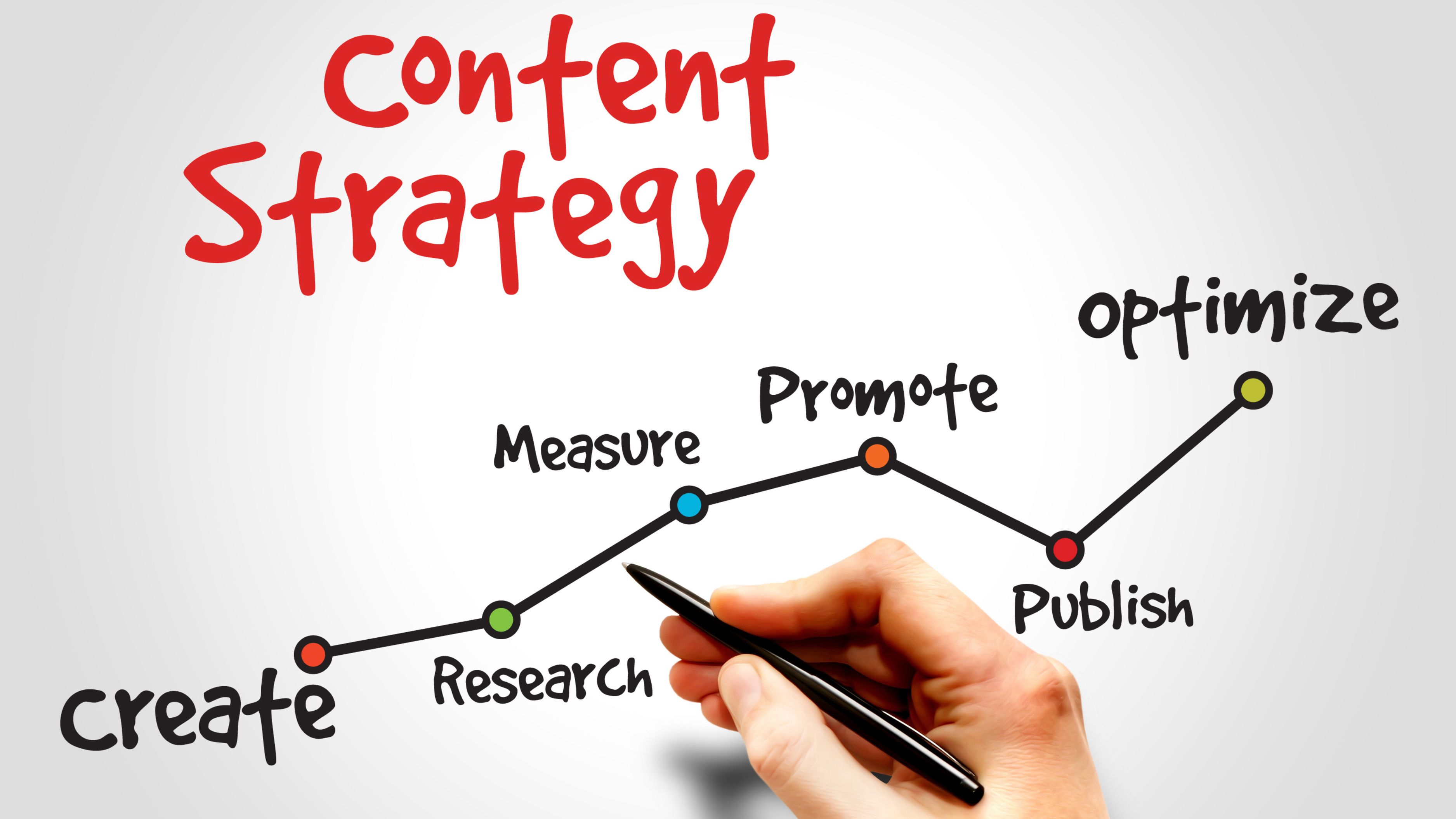
What it is: This approach prioritizes crafting compelling opening lines, visuals, or questions in the first 1-3 seconds of your content to stop the scroll and capture attention immediately.
The hook-first strategy recognizes that social media users make split-second decisions about what to watch or skip. By front-loading your most interesting, provocative, or valuable content element at the very beginning, you dramatically increase the chances people will stick around for your full message. This works across all platforms—from TikTok videos to Instagram Reels, YouTube Shorts to LinkedIn posts. The key is understanding what makes your specific audience stop and pay attention, then delivering that element before anything else.
This hack is particularly effective for creators in crowded niches where competition for attention is fierce. It requires you to rethink traditional storytelling structures and start with the payoff rather than the setup.
Best for: Content creators who struggle with low view rates or high drop-off in the first few seconds
Key Features & Differentiators:
Forces you to identify your content's most valuable element
Adapts to any content format or platform
Improves completion rates and algorithmic recommendations
Can be combined with pattern interrupts (unexpected visuals or sounds)
Pricing: Free to implement, though tools like VidIQ ($7.50-$39/month) or TubeBuddy ($9-$59/month) can help analyze which hooks perform best
Pros:
Significantly improves watch time and engagement metrics
Doesn't require expensive tools or equipment
Forces more strategic content planning
Increases likelihood of algorithmic promotion
Creates more shareable, memorable content
Cons:
Can feel formulaic if overused
Requires constant testing to find what resonates
May not suit all content types (educational deep-dives, for example)
Can lead to clickbait if not executed authentically
2. Consistent Posting Schedule

What it is: Establishing and maintaining regular publishing times that train your audience when to expect new content, creating habit-forming consumption patterns.
Consistency isn't just about posting often—it's about posting predictably. When your audience knows you publish every Tuesday and Thursday at 6 PM, they begin to anticipate your content, check for it, and engage more quickly when it drops. This strategy works because it aligns with how algorithms reward fresh engagement, giving your posts an early boost that can snowball into broader reach. The schedule itself matters less than your ability to stick to it reliably.
Modern creators often use content batching (creating multiple pieces in one session) and scheduling tools to maintain consistency even during busy periods. The psychological effect on your audience is powerful—they come to see you as reliable and professional, which builds trust beyond just entertainment value.
Best for: Creators who want to build audience habits and improve algorithmic performance through reliable engagement patterns
Key Features & Differentiators:
Creates anticipation and routine around your content
Signals professionalism and commitment to platforms and audiences
Allows for better content planning and batching
Improves early engagement metrics that boost algorithmic reach
Pricing: Free to implement, though scheduling tools like Later ($25-$80/month), Buffer ($6-$120/month), or Hootsuite ($99-$739/month) can help maintain consistency
Pros:
Builds trust and reliability with your audience
Improves algorithmic performance through consistent engagement
Reduces stress by removing daily "what should I post?" decisions
Allows strategic planning around product launches or campaigns
Creates measurable patterns you can analyze and optimize
Cons:
Requires advance planning and content batching
Can feel restrictive during creative dry spells
May conflict with spontaneous trending opportunities
Risk of burnout if schedule is too ambitious
3. Engagement Pod Partnerships

What it is: Small groups of creators in similar niches who agree to consistently engage with each other's content immediately after posting to trigger algorithmic promotion.
Engagement pods leverage the fact that early engagement signals tell algorithms your content is worth promoting. When 5-10 trusted creators like, comment, and share your post within the first hour of publishing, platforms interpret this as a quality signal and show it to more people. The strategy works best when pod members are in complementary (not directly competing) niches with similar audience sizes and genuine interest in each other's content. This isn't about fake engagement—it's about coordinated support among peers.
The most successful pods operate on platforms like Instagram, TikTok, and LinkedIn, where initial engagement velocity particularly matters. They typically use private Discord servers, Telegram groups, or WhatsApp chats to coordinate. The key is maintaining reciprocity and authenticity—commenting genuinely, not just dropping emojis.
Best for: Small to mid-sized creators (1,000-100,000 followers) looking to boost initial post visibility and beat algorithm suppression
Key Features & Differentiators:
Provides guaranteed early engagement on every post
Creates accountability and community among creators
Works across multiple platforms simultaneously
Costs nothing but time and reciprocal effort
Pricing: Free to organize and participate in
Pros:
Significantly improves early engagement metrics
Builds relationships with other creators for potential collaborations
Creates supportive community and reduces isolation
Can lead to audience cross-pollination
Provides consistent engagement baseline for testing content
Cons:
Requires finding compatible pod members with similar commitment levels
Time-intensive to engage authentically with others' content
Can appear inauthentic if comments are generic
Against terms of service on some platforms if done artificially
Effectiveness decreases as accounts grow larger
4. Niche-Specific Hashtag Research

What it is: Strategic identification and use of targeted, lower-competition hashtags that connect your content with highly engaged niche audiences rather than broad, oversaturated tags.
Most creators make the mistake of using only massive hashtags like #fitness or #entrepreneur, where their content gets buried instantly. Niche hashtag research involves finding mid-tier tags (10,000-500,000 posts) and micro tags (under 10,000 posts) where your content can actually rank and be discovered by people specifically interested in your topic. This means researching what your ideal audience actually searches for, not just what's popular.
The strategy requires analyzing which hashtags your successful competitors use, exploring related tags Instagram and TikTok suggest, and testing different combinations to see what drives discovery. Tools like hashtag analytics features in Later, Flick, or native platform insights help identify which tags actually convert to followers versus just views.
Best for: Creators on Instagram, TikTok, and LinkedIn looking to improve organic discoverability among targeted audiences
Key Features & Differentiators:
Connects content with actively searching audiences
Lower competition means higher ranking potential
Helps platform algorithms understand your content niche
Can be adjusted for different audience segments
Pricing: Free using native platform features, or $10-$30/month for dedicated hashtag research tools like Flick or HashtagsForLikes
Pros:
Dramatically improves discoverability among ideal audience
Free or very low cost to implement
Provides insight into what your audience is searching for
Compounds over time as posts remain searchable
Easy to test and optimize
Cons:
Requires ongoing research as hashtag effectiveness changes
Results vary significantly by platform
Can be time-consuming to find the right mix
Overuse of hashtags can appear spammy on some platforms
5. Platform-Native Editing Tools

What it is: Creating and editing content directly within each social platform's built-in tools rather than using third-party apps, which signals to algorithms that you're a committed user of their ecosystem.
Algorithms favor content created with their native tools because it demonstrates platform loyalty and ensures you're using their latest features. When you edit videos in TikTok's editor, use Instagram's Reels creation tools, or design carousels in LinkedIn's document feature, you're more likely to receive preferential distribution. These tools are also designed specifically for each platform's aspect ratios, specifications, and trending effects, making your content naturally optimized.
Beyond algorithmic benefits, native tools are typically free and constantly updated with trending templates, sounds, and effects before third-party apps can replicate them. This gives you first-mover advantage on trending formats that can significantly boost reach.
Best for: Creators who want maximum algorithmic favorability and access to trending features first
Key Features & Differentiators:
Direct integration with platform algorithms for better distribution
First access to new features, effects, and trending templates
Optimal formatting for each platform without conversion issues
Usually completely free to use
Pricing: Free on all platforms
Pros:
May receive algorithmic boost for using platform's own tools
No watermarks from third-party apps that can suppress reach
Always perfectly formatted for the platform
Access to exclusive features and trending effects first
Seamless publishing workflow without file transfers
Cons:
Less powerful than professional editing software
Need to learn different tools for each platform
Can't always achieve the same quality as dedicated apps
Features vary widely between platforms
May lack advanced editing capabilities for complex content
6. Cross-Platform Content Repurposing
What it is: Strategically adapting one piece of core content into multiple formats optimized for different platforms, multiplying your reach without creating entirely new content each time.
This hack recognizes that not all your audience exists on just one platform, and different people prefer different content formats. A YouTube video can become an Instagram Reel, LinkedIn carousel, Twitter thread, TikTok series, blog post, and podcast episode—each reaching different audience segments with minimal additional effort. The key is smart adaptation, not just copying and pasting. Each version should be optimized for that platform's preferred format, context, and audience expectations.
Successful repurposing follows a "pillar content" model where you create one substantial piece (like a YouTube video or podcast), then break it into smaller, platform-specific pieces. Tools like Descript, OpusClip, and Repurpose.io can partially automate this process, though manual optimization always improves results.
Best for: Time-strapped creators who want maximum return on content creation effort and multi-platform presence
Key Features & Differentiators:
Dramatically increases content output without proportional time investment
Reaches audiences who prefer different platforms or formats
Reinforces your message through multiple touchpoints
Allows testing which platforms work best for your niche
Pricing: Free to do manually, $15-$225/month for automation tools like Repurpose.io, OpusClip, or Descript
Pros:
Multiplies reach and impact of every content creation effort
Meets audiences where they already spend time
Reduces pressure to constantly create new ideas
Improves overall content consistency across platforms
Testing-friendly approach to discover best-performing platforms
Cons:
Requires understanding each platform's unique best practices
Can feel repetitive if not adapted properly
May spread focus too thin for beginners
Time investment in reformatting, even with tools
Risk of appearing spammy if identical content appears everywhere simultaneously
7. Collaborative Content Creation

What it is: Partnering with other creators through duets, stitches, guest appearances, or co-created content that exposes both audiences to each other and signals social proof to algorithms.
Collaborations are the most underutilized growth hack because they create a true win-win scenario. When you create content with another creator, both audiences get introduced to someone new whom their trusted creator endorses. Algorithms also favor collaborative content because it generates engagement from both creator bases. The key is finding creators in complementary (not identical) niches with similar audience sizes—a food creator and fitness creator, for example, or a productivity coach and a tech reviewer.
Modern collaborations go beyond simple shoutouts. TikTok duets, Instagram collab posts (where one post appears on both profiles), YouTube features, and podcast guest swaps all provide different ways to access new audiences. The most effective collaborations create genuine value—solving a problem together, debating a topic, or combining expertise—rather than just appearing together.
Best for: Creators looking to rapidly expand into new but related audience segments through mutual endorsement
Key Features & Differentiators:
Instant access to established, relevant audiences
Social proof through association with trusted creators
Algorithmic boost from dual-audience engagement
Content variety and fresh perspectives
Pricing: Free, though some larger creators may charge collaboration fees
Pros:
Fastest way to access large, relevant audiences
Builds relationships within creator community
Creates more engaging content through dynamic interactions
Algorithmic boost from combined engagement
Often more enjoyable than solo content creation
Cons:
Finding aligned partners can be challenging
Requires coordination and scheduling flexibility
Quality depends heavily on partner's approach
Potential audience overlap reduces effectiveness
Risk if collaborator has controversial moment after publication
8. Story-Driven Personal Branding

What it is: Building your creator presence around authentic personal narratives, challenges, and behind-the-scenes moments rather than just tips, tutorials, or polished final products.
People don't follow content—they follow people. Story-driven branding means weaving your personal journey, struggles, lessons, and personality into your content strategy. This might mean showing your failures alongside successes, documenting your learning process, or sharing the messy middle of project development. It transforms you from another faceless content source into someone your audience genuinely cares about and roots for.
This approach works because it leverages parasocial relationships in healthy ways—audiences feel they know you and become invested in your journey. Stories also make your content more memorable and shareable. Rather than "5 tips for productivity," you might share "How missing my daughter's recital made me redesign my entire work system." Same information, dramatically different emotional impact.
Best for: Creators who want to build loyal, engaged communities rather than just large follower counts
Key Features & Differentiators:
Creates emotional connection beyond just informational value
Makes content memorable and differentiated from competitors
Builds authentic community around shared experiences
Provides endless content ideas from your real life
Pricing: Free to implement
Pros:
Builds significantly stronger audience loyalty and trust
Differentiates you in crowded informational niches
Provides authentic, unlimited content ideas
Increases shareability through emotional resonance
Creates opportunities for monetization through personal brand
Cons:
Requires vulnerability and comfort with public sharing
Boundary management becomes crucial
May attract unwanted personal attention or criticism
Takes time to build compared to viral tactics
Not every story resonates with every audience member
9. Analytics-Driven Content Optimization

What it is: Systematically analyzing your content performance data to identify patterns in what works, then strategically creating more of your highest-performing content types.
Most creators post randomly without tracking what actually drives results. Analytics-driven optimization means regularly reviewing which posts gained the most followers (not just views), drove the most saves or shares, generated the most comments, or led to conversions. Then you double down on those themes, formats, and approaches while gradually eliminating what doesn't work. This might mean checking that Instagram Reels about your morning routine drive 3x more followers than educational content, or that LinkedIn posts with specific questions generate 10x more comments.
The key is tracking the right metrics for your goals. If you want followers, track follower conversion rate per post. If you want engagement, track comment depth and saves. If you want sales, track link clicks and conversions. Tools like Instagram Insights, TikTok Analytics, YouTube Studio, or third-party tools like Metricool provide this data—you just need to act on it.
Best for: Data-oriented creators who want to stop guessing and start strategically creating what their audience actually wants
Key Features & Differentiators:
Removes guesswork from content strategy
Helps identify unexpected high performers
Prevents wasting time on low-performing content types
Reveals best posting times, formats, and topics for your specific audience
Pricing: Free using native platform analytics, $19-$179/month for comprehensive tools like Metricool, Sprout Social, or Hootsuite
Pros:
Dramatically improves content efficiency and ROI
Reveals surprising insights about your audience preferences
Provides objective data to guide creative decisions
Compounds improvement over time through iteration
Helps justify content strategy decisions to sponsors or teams
Cons:
Requires regular time investment in analysis
Can stifle creativity if over-relied upon
May miss emerging trends not yet in your data
Requires sufficient content history to identify patterns
Risk of confirmation bias or misinterpreting data
10. Community Engagement Rituals

What it is: Establishing predictable, recurring interactions with your audience that transform passive followers into active community members who feel personally connected to you and each other.
This hack recognizes that growth isn't just about reaching new people—it's about keeping and activating the people who already follow you. Community rituals might include responding to every comment in the first hour after posting, hosting weekly live Q&As, creating audience-driven content through polls, featuring follower content in your posts, or establishing inside jokes and traditions your community shares. These rituals make people feel seen, valued, and part of something bigger than just consuming content.
The most effective rituals are sustainable and authentic to your personality. They might be as simple as ending every video with the same phrase that becomes your signature, or as involved as monthly community challenges where you feature participants. The key is consistency—rituals only work when people can rely on them happening.
Best for: Creators who want highly engaged, loyal communities that actively promote their content and stick around long-term
Key Features & Differentiators:
Transforms one-way content consumption into two-way relationships
Creates evangelists who actively promote your content
Provides social proof through visible engaged community
Generates user-generated content and collaboration opportunities
Pricing: Free to implement, though tools like StreamYard ($25-$149/month) or community platforms like Discord (free-$15/month) can facilitate certain rituals
Pros:
Dramatically increases engagement rates and algorithmic favorability
Creates word-of-mouth growth through passionate community members
Provides direct feedback and content ideas from engaged audience
Builds sustainable growth through retention, not just acquisition
Makes content creation more rewarding through genuine connections
Cons:
Time-intensive compared to one-way content posting
Requires maintaining energy for interaction even when unmotivated
Can become overwhelming as community grows
Risk of burnout from constant availability expectations
May require moderation as community scales
Understanding Social Media Growth Hacks
What Are Social Media Growth Hacks?
Social media growth hacks are strategic techniques, shortcuts, or approaches that help creators expand their reach, followers, and engagement more efficiently than traditional methods. Unlike long-term brand-building strategies, growth hacks focus on identifying and exploiting platform mechanics, audience psychology, or content patterns that can produce outsized results relative to the effort invested. They're not about gaming the system dishonestly—they're about understanding how platforms work and aligning your content strategy with those mechanics.
The term "hack" can be misleading. These aren't magic buttons or overnight solutions. Rather, they're smart approaches that work with algorithms and human behavior rather than against them. The best growth hacks are sustainable practices that build genuine audience relationships while also satisfying platform recommendation systems.
Benefits of Using Growth Hacks
Implementing effective growth hacks offers several significant advantages for creators at any stage. First, they accelerate your timeline to reach goals—what might take two years through random posting could happen in six months with strategic approaches. Second, growth hacks help you work smarter, not harder, by identifying high-leverage activities that produce the most results for your time investment. This is crucial for creators juggling content creation with other responsibilities.
Growth hacks also provide structure and direction. Instead of posting aimlessly and hoping for the best, these strategies give you actionable frameworks to follow. They help you understand not just what to do, but why it works, empowering you to adapt as platforms evolve. Additionally, many growth hacks improve the quality of your growth—attracting more engaged, ideal audience members rather than just vanity metrics. Finally, they can help you breakthrough plateaus when organic growth stalls, providing new angles to reignite momentum.
What to Look for When Choosing Growth Hacks
Not every growth hack works for every creator, platform, or niche. When selecting which strategies to implement, consider these factors. First, alignment with your goals—are you optimizing for follower count, engagement rate, conversions, or something else? Different hacks serve different objectives. Second, evaluate sustainability—can you maintain this approach long-term without burning out? Some hacks are sprint tactics, others are marathon strategies.
Consider platform compatibility as well. A growth hack that crushes on TikTok might flop on LinkedIn because of different audience expectations and algorithm mechanics. Your available resources matter too—time, money, skills, and tools all constrain which hacks are realistic for your situation. Also consider authenticity alignment. If a strategy feels fake or uncomfortable, your audience will sense it and your results will suffer. Choose hacks that feel like natural extensions of your personality and brand.
Finally, consider the risk-reward ratio. Some tactics offer explosive growth but risk account penalties if misused, while others provide steady, safe results. Balance your portfolio of growth tactics between safe foundational strategies and higher-risk, higher-reward experiments.
Frequently Asked Questions
How long does it take to see results from social media growth hacks?
Results vary significantly depending on which hacks you implement and your starting point. Some tactics like hook-first content strategy or platform-native tools can show improved performance within days as individual posts benefit from better optimization. Others like consistent posting schedules or community engagement rituals may take 4-8 weeks to demonstrate clear impact as patterns establish and algorithms recognize your reliability. Collaborative content often provides the fastest results—a single successful collaboration can drive hundreds or thousands of new followers overnight. The key is implementing multiple hacks simultaneously rather than waiting to perfect one before starting another. Most creators see measurable improvement within 30-60 days when consistently applying several strategies together.
Do I need to use all these growth hacks, or should I focus on just a few?
Start with 2-3 hacks that best align with your current challenges, available time, and natural strengths. Trying to implement everything at once typically leads to burnout and mediocre execution across the board. If you struggle with view counts, prioritize hook-first content and niche hashtag research. If you have views but few followers, focus on community engagement rituals and story-driven branding. As these become habitual, gradually layer in additional strategies. The most successful creators eventually incorporate most of these hacks as standard practice, but they built up to that over months or years, not overnight. Quality execution of a few strategies beats scattered attempts at everything.
Are growth hacks considered manipulative or against platform rules?
Most growth hacks are completely legitimate optimization strategies that work with platform mechanics rather than against them. Using native tools, posting consistently, creating compelling hooks, and building community are exactly what platforms want you to do. However, some practices exist in gray areas—engagement pods, for instance, can violate terms of service if done artificially, though organic creator support groups are typically fine. The key distinction is authenticity. If you're genuinely creating value, building real relationships, and engaging honestly, you're almost certainly fine. If you're buying fake followers, using bot engagement, or misrepresenting your content, you risk penalties. When in doubt, ask whether the tactic creates genuine value for your audience or just games metrics.
Can these growth hacks work for brand accounts, or are they only for personal creators?
The vast majority of these hacks work excellently for brand accounts with minor adaptations. Story-driven personal branding becomes story-driven brand narrative (sharing company journey, behind-the-scenes, founder stories). Community engagement rituals translate directly—brands can host weekly Q&As, respond to comments religiously, and create brand-specific traditions. Collaborative content works through brand partnerships, influencer collaborations, or co-marketing efforts. The main difference is that brands may need to maintain slightly more professional boundaries and ensure consistency across multiple team members. Many successful brand accounts actually perform better than personal creators because they can dedicate full-time resources to community management and content creation rather than juggling it with other responsibilities.