
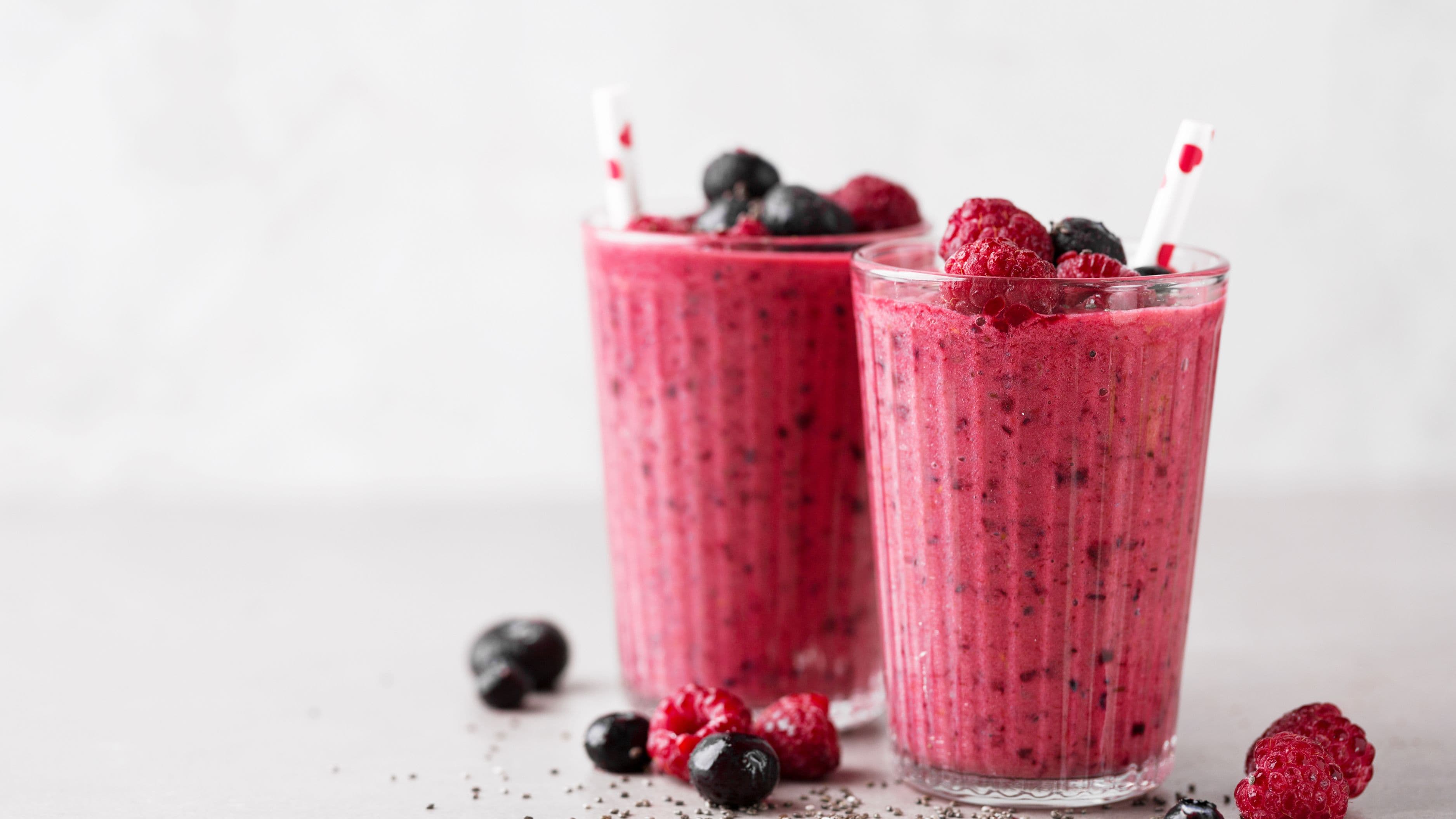
We spent weeks researching and comparing dozens of collagen powder options to find the best choices for different needs, lifestyles, and budgets. Whether you're a morning smoothie devotee, a post-gym blender enthusiast, or someone just trying to sneak more nutrition into your day, there's a collagen powder that'll blend seamlessly into your routine. Here's what we found after testing flavor profiles, mixability, sourcing practices, and real results.
Top 10 Collagen Powders at a Glance
Vital Proteins Collagen Peptides – Best for beginners and versatility
Sports Research Collagen Peptides – Best budget-friendly option
Further Food Collagen Peptides – Best for picky eaters (truly flavorless)
Primal Kitchen Collagen Fuel – Best for keto and paleo dieters
Ancient Nutrition Multi Collagen Protein – Best for maximum collagen variety
Orgain Grass-Fed Collagen Peptides – Best for organic-focused consumers
Garden of Life Grass Fed Collagen Beauty – Best for skin-focused benefits
LiveWell Marine Collagen – Best for pescatarians and Type 1 collagen
Bulletproof Collagen Protein – Best for coffee smoothie lovers
NeoCell Super Collagen Powder – Best for joint health focus
1. Vital Proteins Collagen Peptides
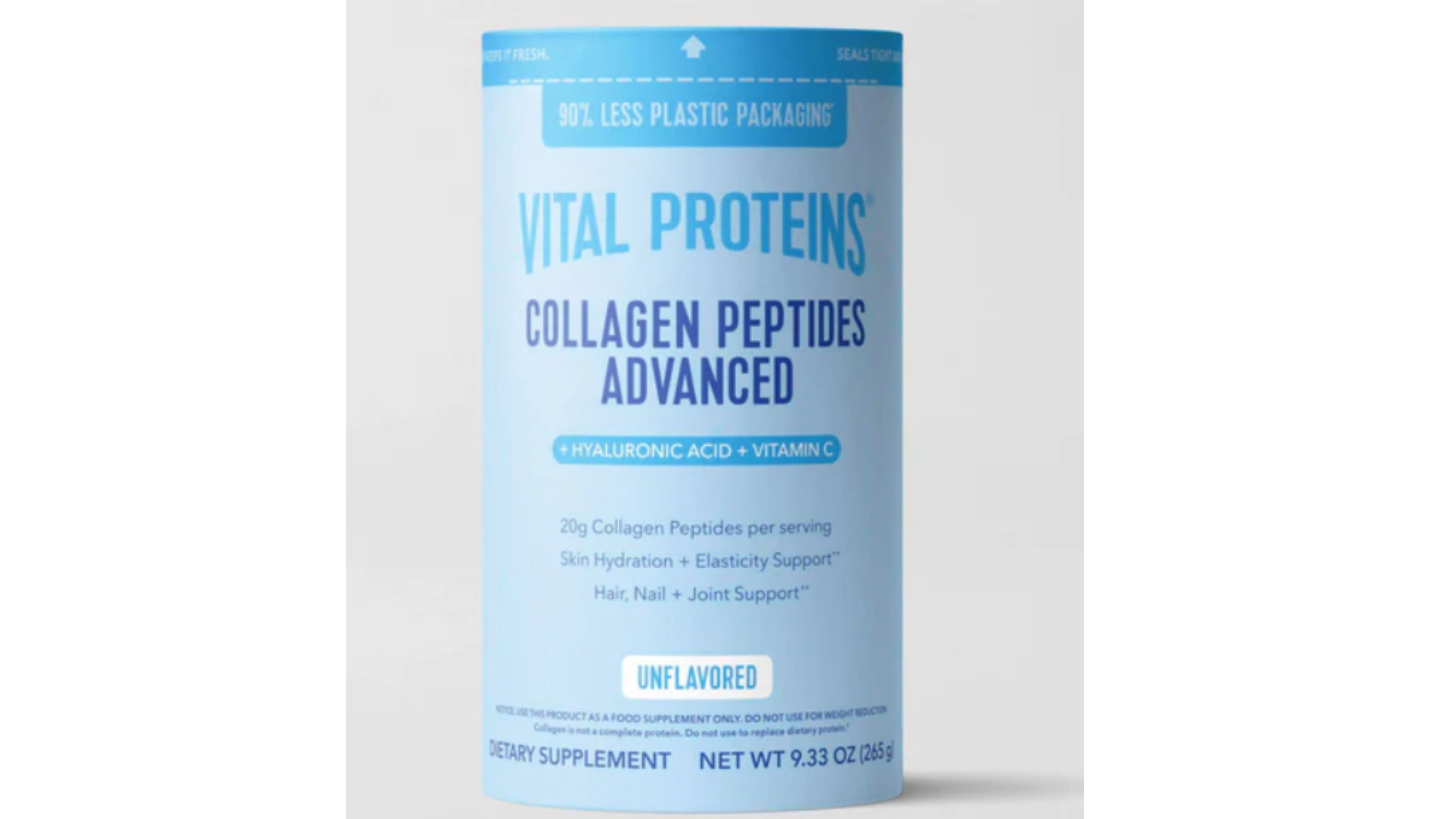
Best for: Beginners and versatility
Vital Proteins is the name that probably got you curious about collagen in the first place—their blue tubs are everywhere from Costco to your favorite influencer's morning routine posts. This grass-fed, pasture-raised bovine collagen delivers 20 grams of collagen per serving and dissolves easily into hot or cold liquids without creating that weird clumpy texture that makes you gag mid-sip.
What makes Vital Proteins the gateway collagen for most people is its remarkable versatility and consistent quality. It's truly unflavored (not "unflavored but slightly beefy"), so it disappears into berry smoothies, chocolate protein shakes, or even your morning coffee without altering taste. The company sources from Brazilian cattle farms and maintains rigorous testing standards, which matters when you're consuming this daily. At roughly $45 for a 20-ounce container providing about 28 servings, you're looking at around $1.60 per serving—not the cheapest, but far from the most expensive.
The peptides are hydrolyzed, meaning they're broken down into smaller molecules that your body absorbs more efficiently than regular collagen. You'll find Type I and III collagen here, which target skin elasticity, hair strength, and bone support. Most users report noticing differences in skin hydration and nail strength within 4-6 weeks of consistent use.
Pros:
Mixes instantly without clumping, even in cold smoothies
Truly flavorless and odorless
Widely available in stores and online
Third-party tested for quality
Comes in various sizes including travel stick packs
Cons:
More expensive than some competitors
Only two collagen types (not a comprehensive blend)
Plastic tub packaging isn't the most eco-friendly
Some batches have slight consistency variations
2. Sports Research Collagen Peptides
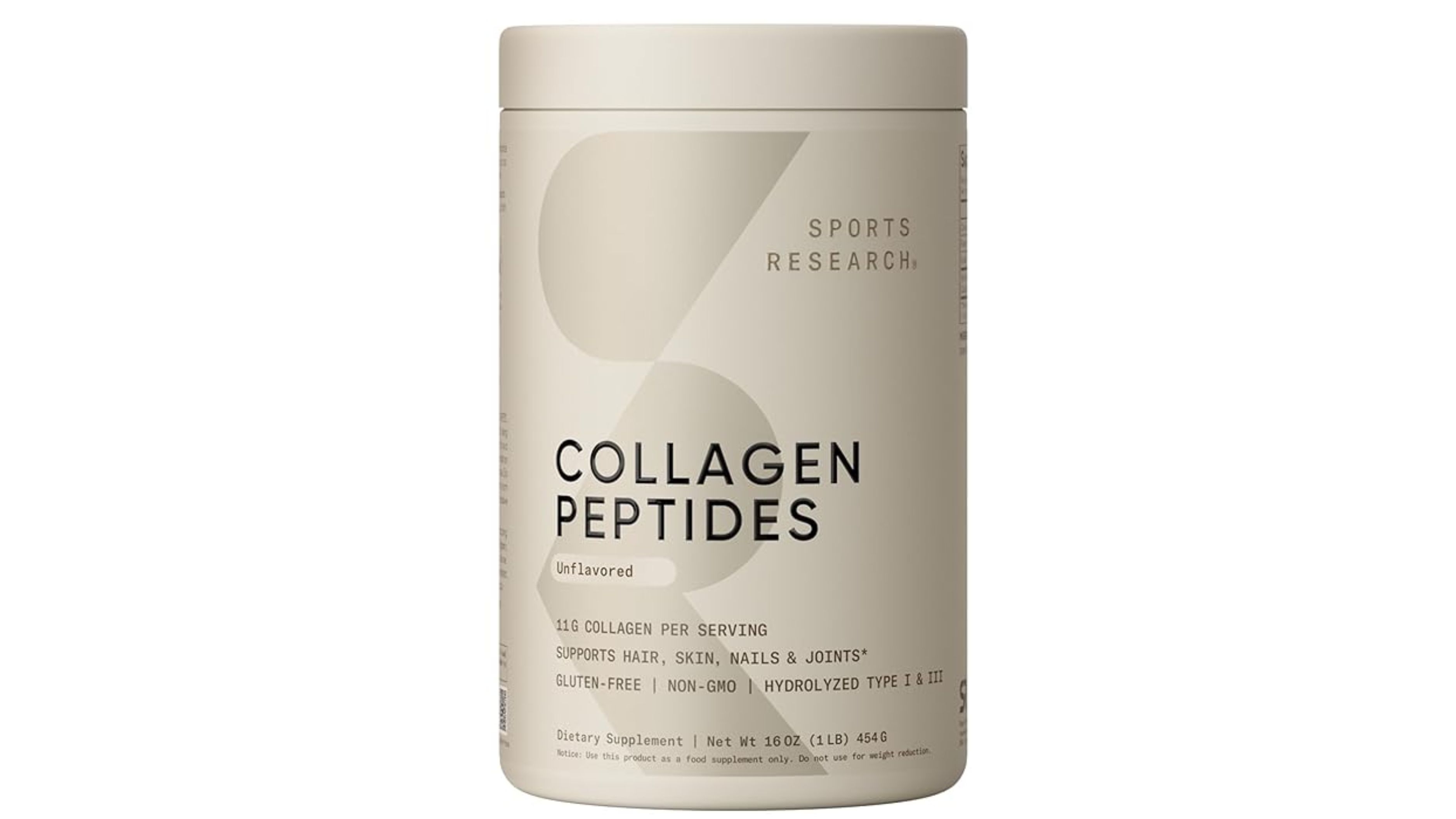
Best for: Budget-conscious smoothie lovers
If Vital Proteins' price tag makes you wince, Sports Research offers comparable quality at nearly half the cost. This grass-fed collagen powder punches well above its weight class, delivering clean ingredients and excellent mixability without the premium brand markup. You're getting the same 11 grams of collagen per scoop (about 20 grams in two scoops) from pasture-raised cattle.
Sports Research doesn't skimp on quality despite the lower price point—they're certified Paleo-friendly, keto-friendly, and their collagen is non-GMO verified. The powder dissolves smoothly into smoothies, though it's slightly less instantaneous than Vital Proteins in very cold liquids. Give it a quick blend or shake and you won't notice any difference. The container is larger (16 ounces providing about 50 servings), which brings the per-serving cost down to around 80 cents.
The brand focuses on transparency, publishing third-party testing results and maintaining clear sourcing information. While they don't have the marketing budget or Instagram presence of bigger brands, the product itself performs impressively. Users particularly appreciate that there's no weird aftertaste that sometimes sneaks up in budget collagen powders.
Pros:
Exceptional value at roughly half the price of premium brands
Mixes well into both hot and cold beverages
Third-party tested for purity
Large container means fewer reorders
No artificial ingredients or fillers
Cons:
Takes a few extra seconds to fully dissolve in icy smoothies
Less widely available in physical stores
Simpler packaging design (if that matters to you)
Only available in unflavored variety
3. Further Food Collagen Peptides
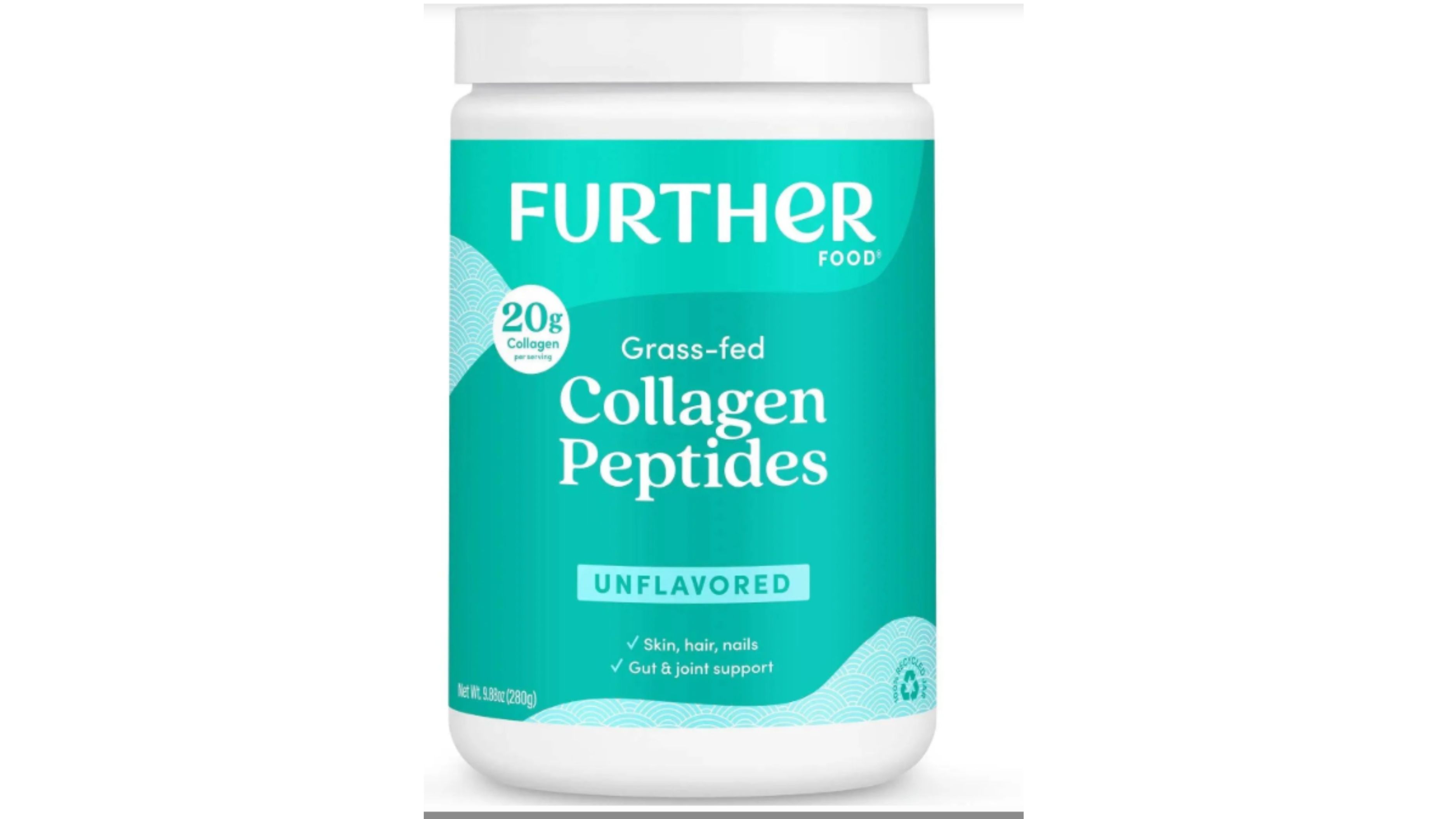
Best for: People who can taste everything
Some people have superhuman taste detection—they can sense even a hint of that slightly savory, almost-beefy undertone that sneaks into many collagen powders. If that's you, Further Food was literally designed for your sensitive palate. This grass-fed collagen is the most truly neutral-tasting option we tested, blending into fruit smoothies, chocolate shakes, or even plain water without contributing any flavor whatsoever.
Further Food sources their collagen from pasture-raised cattle in South America and uses a multi-stage purification process that removes more of the flavor compounds than standard processing. You're getting 11 grams of Type I and III collagen per scoop, supporting skin, hair, nails, bones, and joints. The company is woman-owned and focuses heavily on ingredient purity—no hormones, antibiotics, or GMOs anywhere in the supply chain.
The powder itself is incredibly fine, almost like cornstarch, which contributes to its superior dissolvability. It literally vanishes into liquids with minimal stirring. At around $40 for 30 servings, it's moderately priced and worth the investment if you've been avoiding collagen because of taste concerns.
Pros:
Absolutely zero detectable flavor or aftertaste
Dissolves more completely than most competitors
Woman-owned business with transparent practices
Works in absolutely any beverage, including plain water
No fillers, additives, or suspicious ingredients
Cons:
Slightly smaller serving size means you might use two scoops
Can be harder to find in stores
Premium pricing for the flavor-free benefit
Container is smaller than some other options
4. Primal Kitchen Collagen Fuel
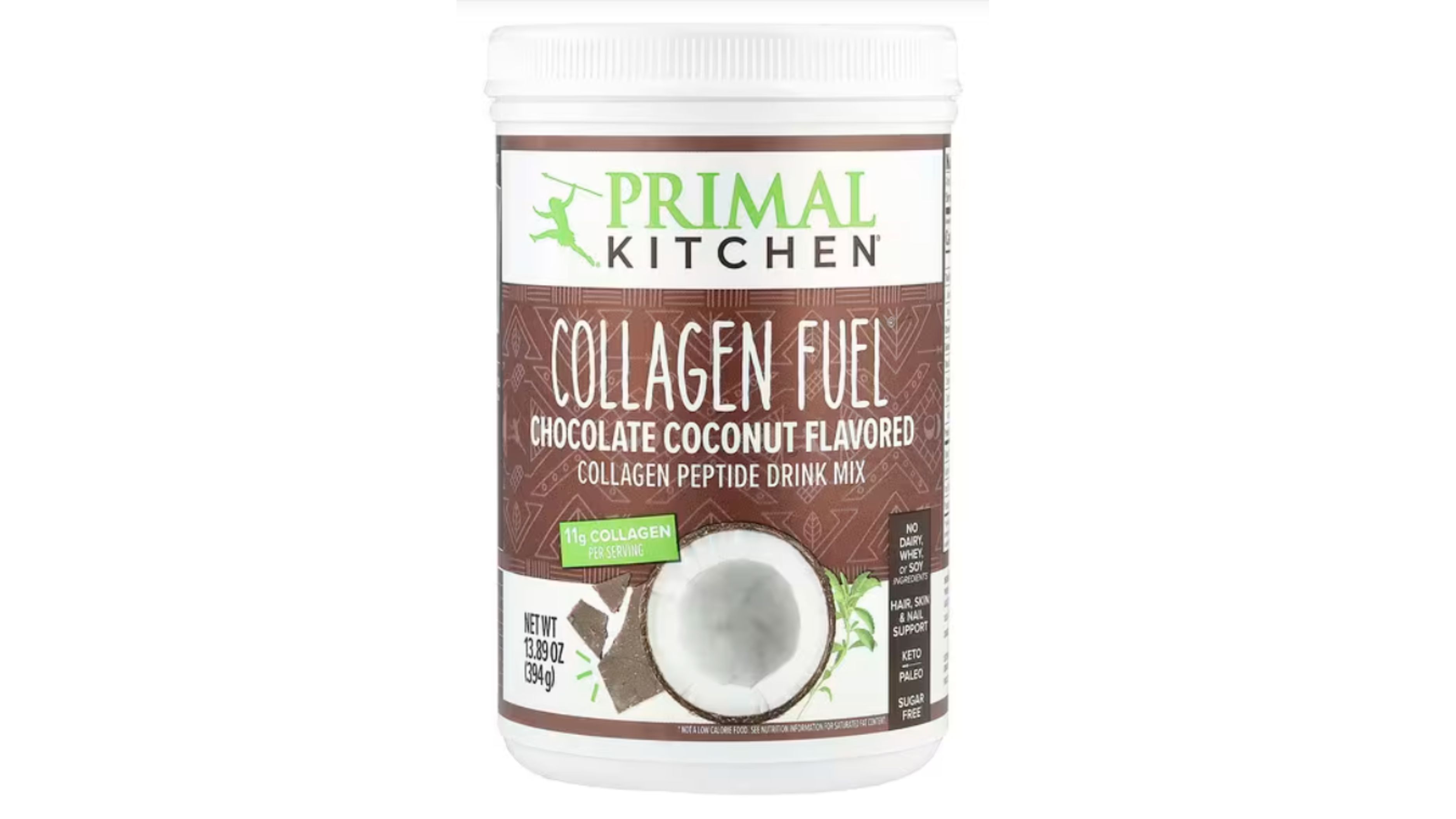
Best for: Keto and paleo dieters
Primal Kitchen took regular collagen and turbocharged it for people following specific dietary protocols. Collagen Fuel isn't just collagen peptides—it's a complete functional beverage powder that includes MCT oil powder, coconut milk powder, and a touch of natural flavoring. Each serving delivers 15 grams of grass-fed collagen plus healthy fats that fit perfectly into ketogenic and paleo meal plans.
The chocolate coconut and vanilla coconut flavors transform your smoothie into something that tastes more like a dessert milkshake than a health drink. The MCT oil provides sustained energy without spiking blood sugar, making this ideal for breakfast smoothies that need to carry you through a busy morning. The coconut milk powder adds creaminess that regular collagen powders can't match, so your smoothie feels richer and more satisfying.
Created by Mark Sisson of Primal Blueprint fame, this product aligns with the primal/paleo philosophy of combining traditional foods with modern nutritional science. It's slightly higher in calories than plain collagen (around 100 calories per serving versus 70 for plain peptides) due to the added fats, but those calories serve a purpose for people using fat for fuel. Expect to pay around $50 for 20 servings.
Pros:
Perfect for keto dieters needing fat and protein
Flavored options actually taste great
Adds creamy texture to smoothies naturally
Combines multiple functional ingredients in one powder
No artificial sweeteners (uses stevia)
Cons:
More expensive per serving than plain collagen
Not suitable if you're just wanting pure collagen
Coconut ingredients may not work for those with sensitivities
Higher calorie count isn't ideal for everyone
Flavored options limit versatility
5. Ancient Nutrition Multi Collagen Protein
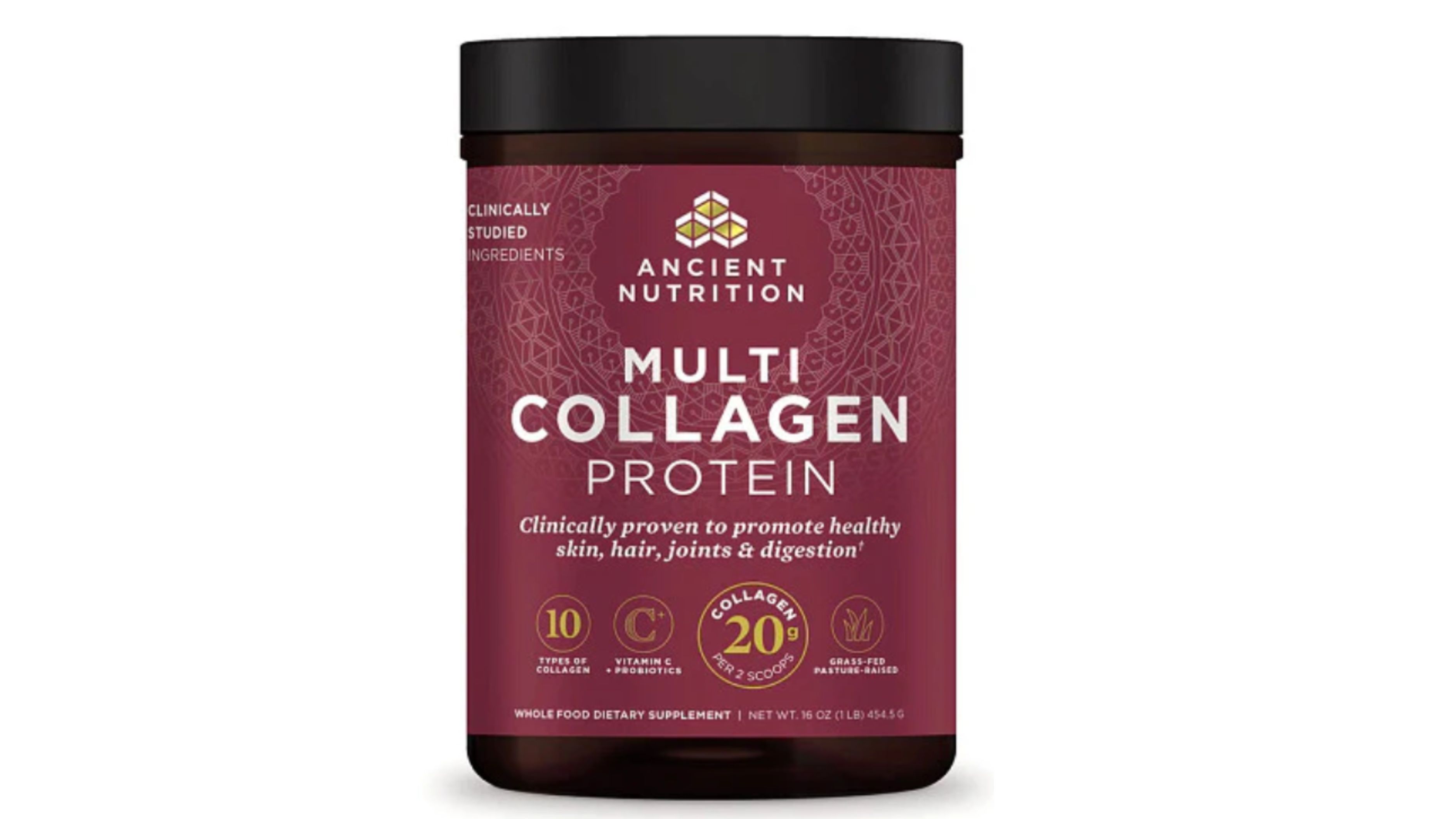
Best for: Maximum collagen variety
Most collagen powders give you one or maybe two types of collagen, but Ancient Nutrition went all-in with five different sources: bovine (Types I and III), chicken (Type II), fish (Type I), and eggshell membrane (Types I, V, and X). This comprehensive approach targets different body systems more effectively than single-source collagen—think of it as diversifying your collagen portfolio.
The multi-source formula supports a broader range of benefits: skin and hair from marine collagen, joint cartilage from chicken collagen, and bone strength from bovine sources. Each serving provides 10 grams of collagen protein from this varied blend. While the mixture includes multiple animal sources, it's processed carefully to remain odorless and neutral-tasting in smoothies—though it's slightly less dissolvable in very cold liquids compared to single-source options.
Founded by Dr. Josh Axe, Ancient Nutrition emphasizes ancestral health principles and sources ingredients from farms that align with those values—grass-fed beef, cage-free chickens, and wild-caught fish. The company also adds probiotics to support gut health and digestion. At approximately $47 for 20 servings, it's premium-priced but delivers more comprehensive collagen coverage.
Pros:
Five different collagen sources for comprehensive benefits
Targets multiple body systems simultaneously
Includes probiotics for digestive support
Sourced from quality farms and fisheries
Unflavored option works in any smoothie
Cons:
Not suitable for pescatarians or people avoiding certain animal products
Slightly less smooth dissolution than single-source collagens
Higher price point than basic options
The multi-source approach may be overkill for some needs
6. Orgain Grass-Fed Collagen Peptides
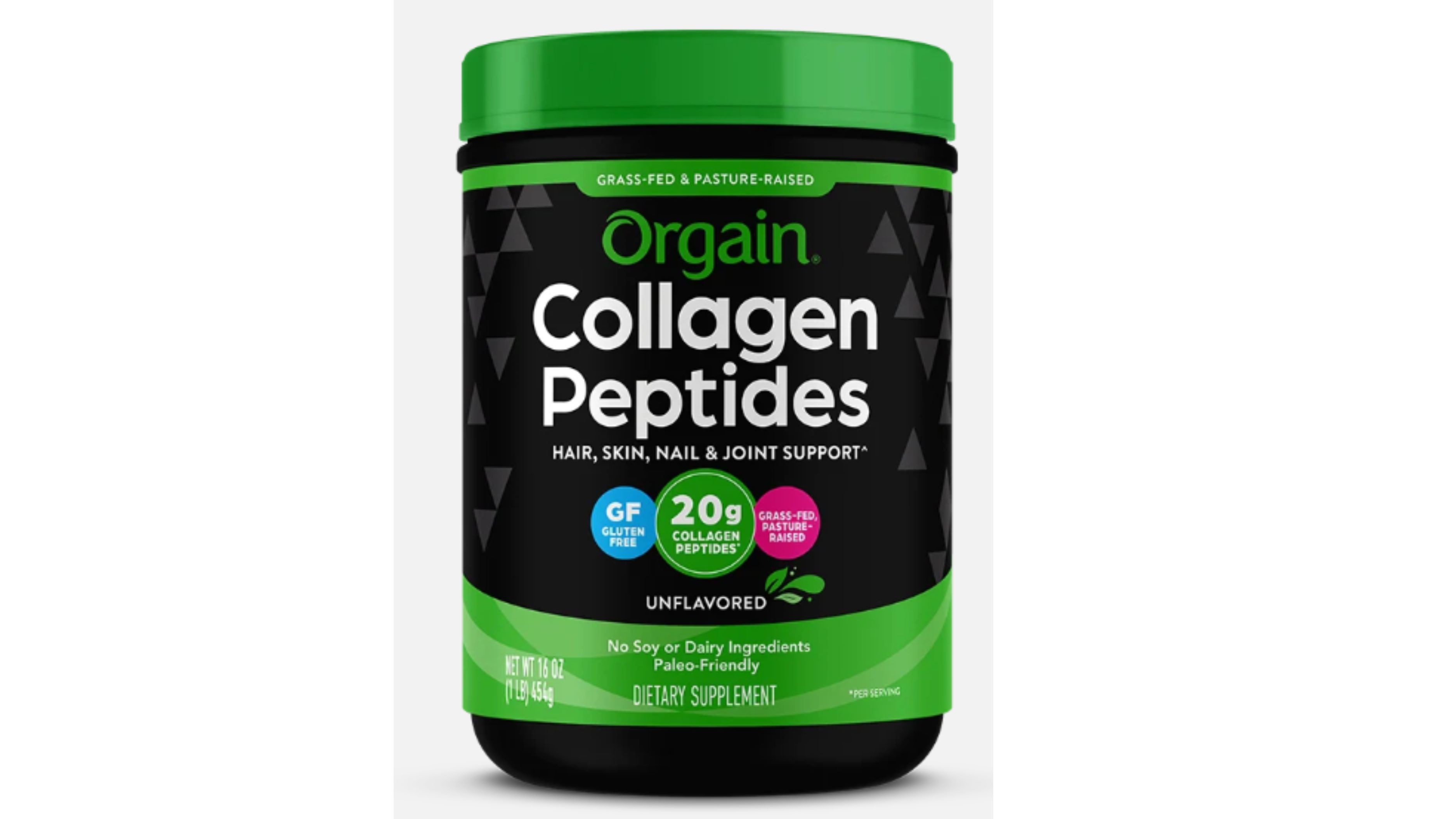
Best for: Organic-focused consumers
If you're someone who checks labels religiously and prioritizes USDA Organic certification, Orgain delivers certified organic collagen from grass-fed, pasture-raised cattle. This matters for people concerned about pesticide exposure, hormone use, and agricultural practices—organic certification ensures the cattle ate organic feed and weren't treated with antibiotics or synthetic growth hormones.
Orgain built their reputation on organic plant-based protein powders, so their attention to sourcing quality and clean ingredients carries over to their collagen line. Each serving provides 20 grams of Types I and III collagen that dissolves smoothly into smoothies without affecting flavor. The powder is slightly fluffier than some competitors, which means it occupies more scoop volume but provides the same protein content.
The brand maintains transparency about their supply chain, working with farms that meet strict organic standards throughout the entire process—from what the cattle eat to how the collagen is processed. While organic collagen is inherently more expensive due to farming costs, Orgain keeps prices relatively accessible at around $40 for 20 servings, making organic collagen available to more people.
Pros:
USDA Organic certified (rare for collagen)
Sourced from grass-fed, pasture-raised cattle
Completely unflavored and mixes well
No antibiotics, hormones, or synthetic inputs
Trusted brand with strong quality reputation
Cons:
Higher price point due to organic certification
Slightly bulkier powder requires more storage space
Can be harder to find in some retail locations
Limited to bovine collagen only (no multi-source option)
7. Garden of Life Grass Fed Collagen Beauty
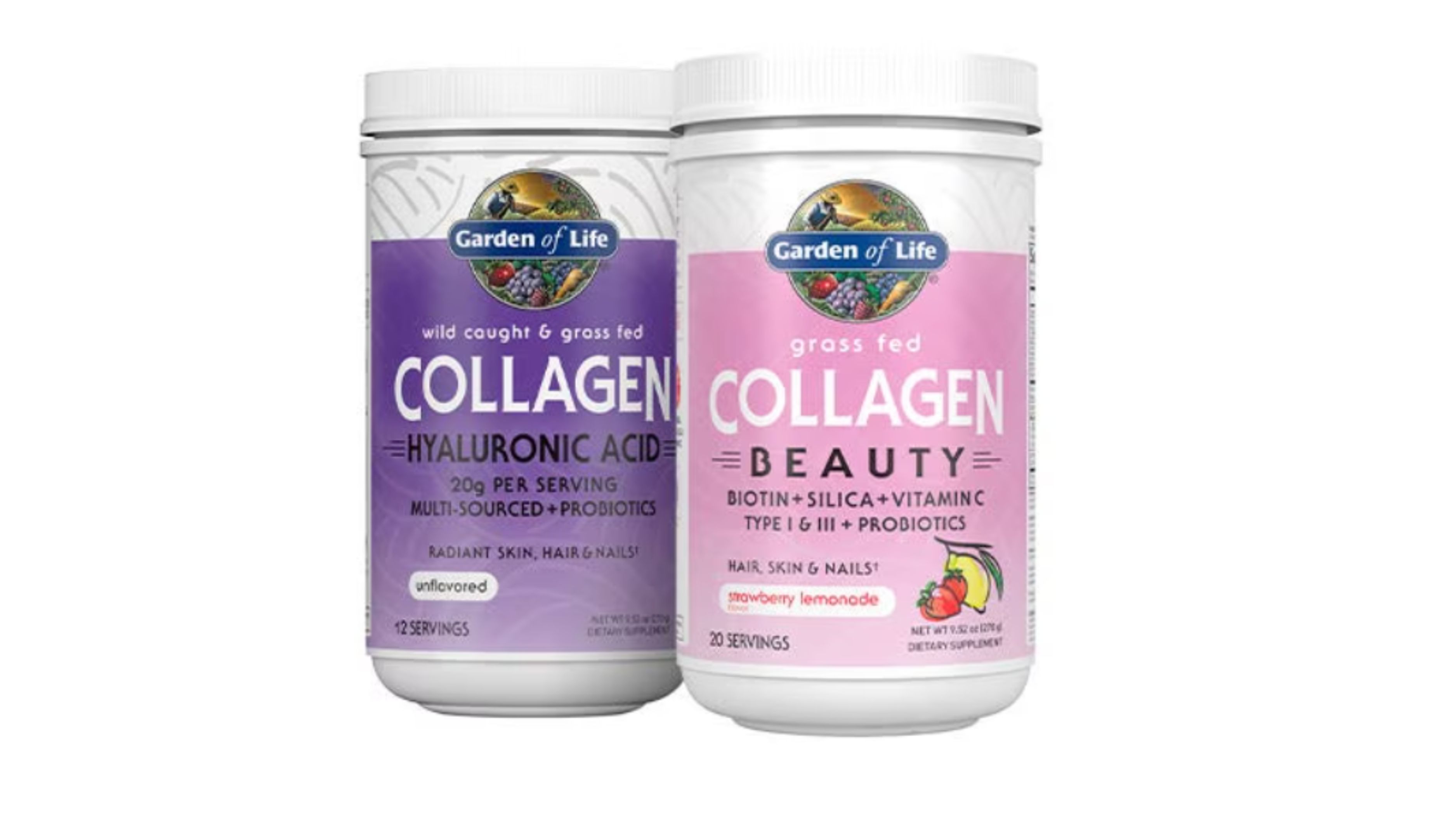
Best for: Skin-focused benefits
Garden of Life took collagen and specifically formulated it for people prioritizing skin health, adding biotin, vitamin C, and probiotics to their grass-fed collagen base. This isn't just collagen—it's a targeted beauty supplement that addresses skin support from multiple angles. The 20 grams of collagen per serving comes from pasture-raised cattle and provides the building blocks for skin elasticity and hydration.
What sets Collagen Beauty apart is the synergistic ingredient blend. Vitamin C is essential for collagen synthesis in your body (you can take collagen all day, but without adequate vitamin C, your body struggles to produce more). Biotin supports hair and nail health, while the probiotic blend (1.5 billion CFU) aids gut health—and emerging research connects gut health directly to skin appearance. The strawberry lemonade flavor option transforms smoothies into something refreshing rather than health-tasting.
The formula is particularly popular with women in their 30s and beyond who've noticed the first signs of aging and want to address them proactively. Users frequently report improvements in skin texture, reduced fine lines, and stronger nails after 6-8 weeks of daily use. Pricing runs around $45 for 20 servings, positioning it as a premium beauty-focused supplement.
Pros:
Specifically formulated for skin, hair, and nail benefits
Includes vitamin C, biotin, and probiotics
Flavored options taste pleasant in smoothies
From a trusted brand known for quality supplements
Grass-fed and pasture-raised sourcing
Cons:
More expensive than basic collagen options
The added ingredients may be unnecessary if you take separate supplements
Flavored versions limit smoothie versatility
Probiotic content is modest compared to dedicated probiotic supplements
8. LiveWell Marine Collagen
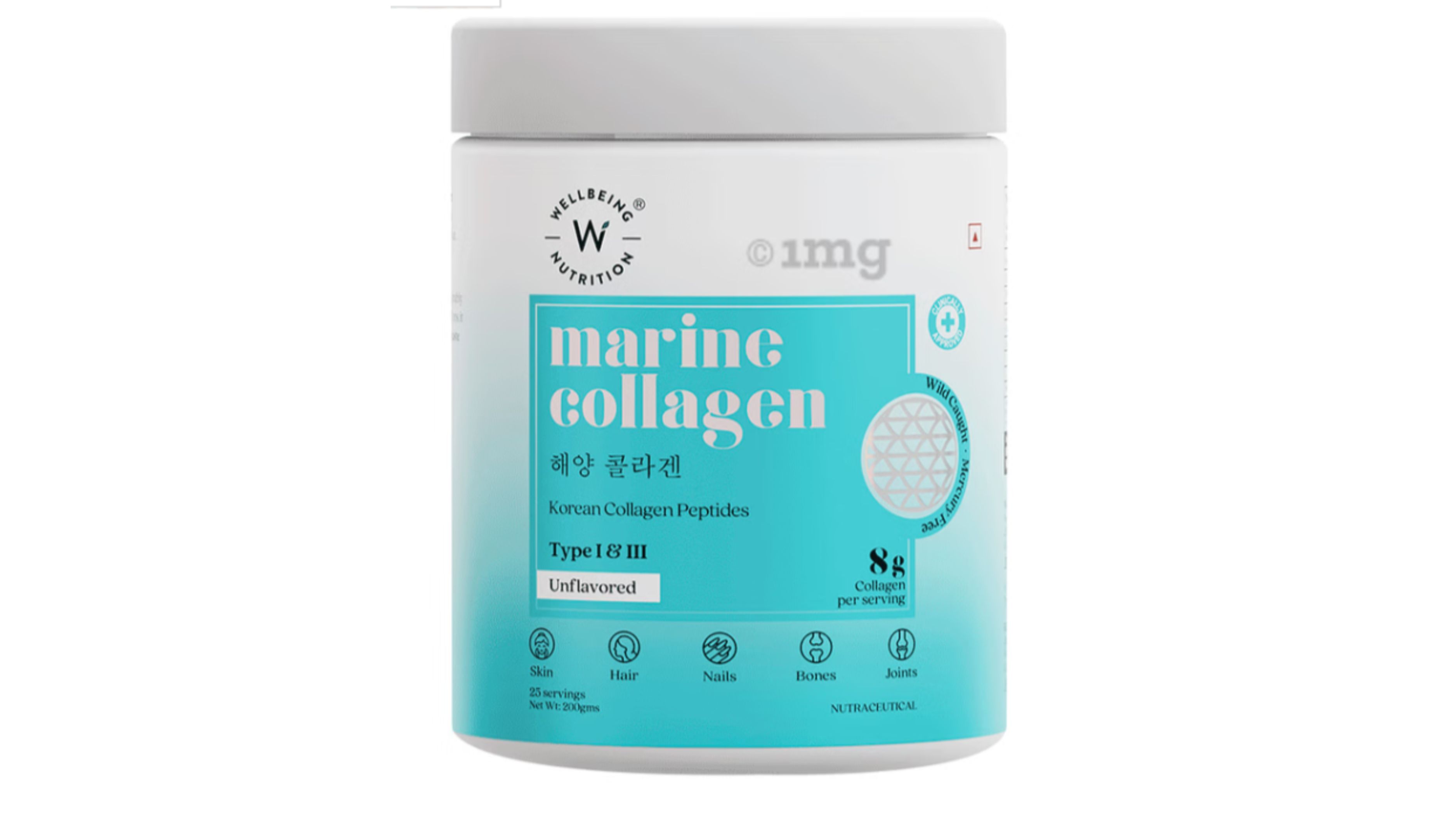
Best for: Pescatarians and Type 1 collagen focus
For pescatarians or anyone preferring fish-based collagen, LiveWell offers premium marine collagen sourced from wild-caught fish (primarily cod). Marine collagen is predominantly Type I collagen—the most abundant type in human skin—making it particularly effective for skin hydration and elasticity. The molecular structure of marine collagen is also slightly smaller than bovine, which some research suggests leads to better absorption.
Each serving delivers 10 grams of collagen peptides with a remarkably clean ingredient list—literally just marine collagen, nothing else. The powder dissolves beautifully in both hot and cold liquids, though it has a very faint seafood aroma when you open the container (this completely disappears when mixed into smoothies). The lack of additional flavoring or processing means you're getting pure collagen without any fillers.
Marine collagen tends to be pricier than bovine sources due to more complex sourcing and processing, and LiveWell is no exception at roughly $50 for 30 servings. However, for people avoiding land animal products or those specifically targeting skin benefits, the Type I concentration makes it worthwhile. The company also maintains sustainable fishing practices and tests for mercury and other contaminants.
Pros:
Ideal for pescatarians avoiding land animal products
High concentration of Type I collagen for skin benefits
Smaller molecular size may improve absorption
Pure ingredient list with no additives
Sustainably sourced from wild-caught fish
Cons:
More expensive than bovine collagen options
Very faint fish smell in the container (not in drinks)
Lower protein content per serving than some bovine options
Less collagen variety (only Type I)
9. Bulletproof Collagen Protein
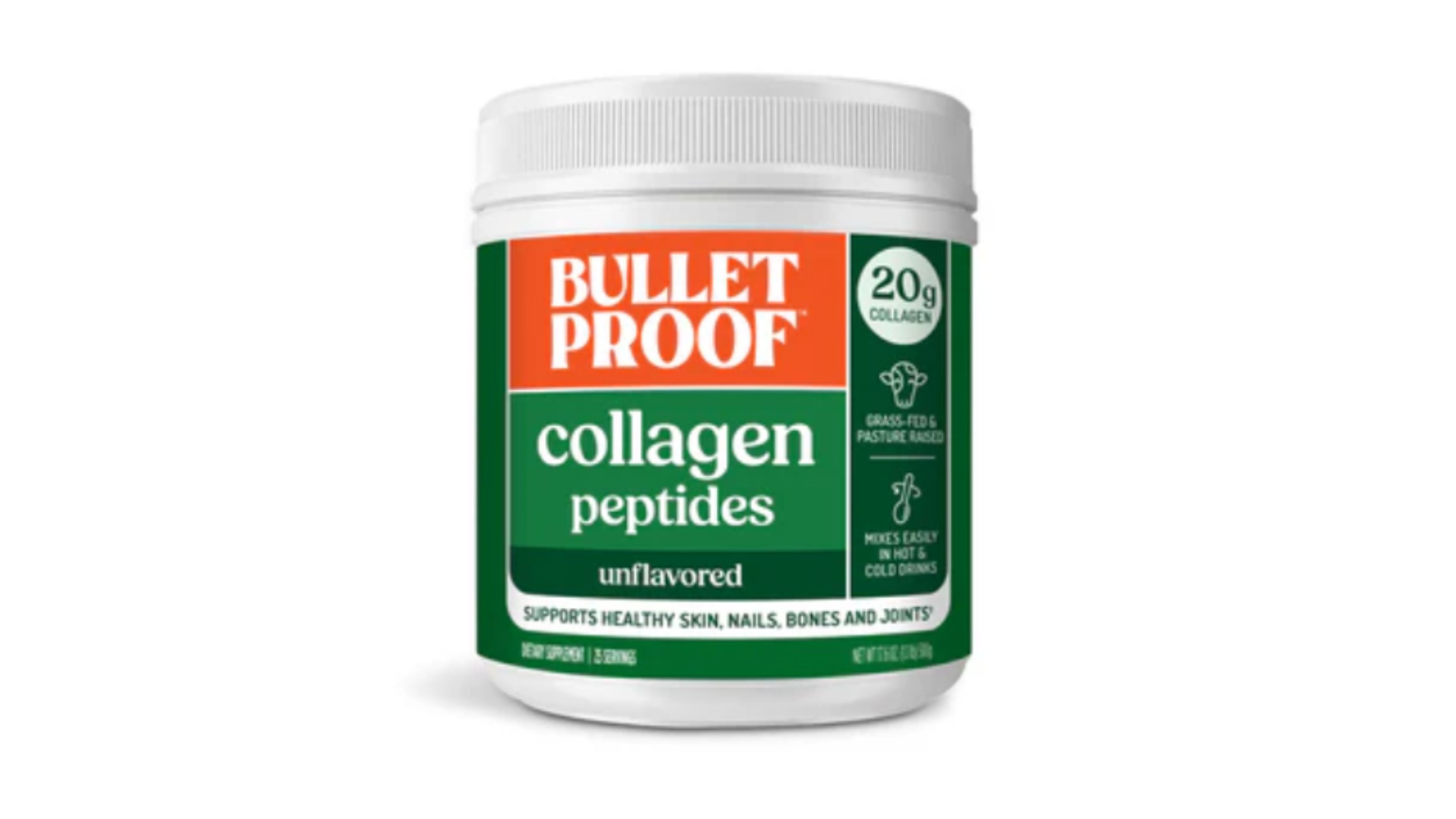
Best for: Coffee smoothie lovers
Bulletproof made their name with butter coffee, so it's no surprise their collagen is specifically designed to blend beautifully into coffee-based smoothies and drinks. This grass-fed collagen provides 20 grams of Types I and III collagen per serving and includes Brain Octane C8 MCT oil for sustained energy and mental clarity. If you're someone who blends coffee into your morning smoothies for that caffeine kick, this collagen complements that routine perfectly.
The addition of MCT oil creates a creamy texture that makes coffee smoothies feel luxurious and filling—you're not just getting protein, you're getting healthy fats that slow digestion and prevent blood sugar crashes. The Bulletproof philosophy focuses on performance and cognitive function, so this collagen is formulated to support both physical recovery and mental sharpness throughout your morning.
The powder has virtually no taste and creates a smooth, frothy texture when blended—similar to the foam on a latte. It works in regular smoothies too, but it really shines in coffee-based drinks where the added creaminess enhances the entire experience. At around $44 for 17.6 ounces (about 26 servings), it's premium-priced but delivers a complete functional beverage boost.
Pros:
Perfect for coffee smoothies and bulletproof-style drinks
Includes MCT oil for energy and satiety
Creates luxurious creamy texture when blended
Supports both physical and cognitive performance
Grass-fed and quality-tested
Cons:
Higher price point than basic collagen
MCT oil adds calories (not ideal for everyone)
Specifically optimized for coffee (less versatile)
May cause digestive adjustment for people new to MCT oil
10. NeoCell Super Collagen Powder
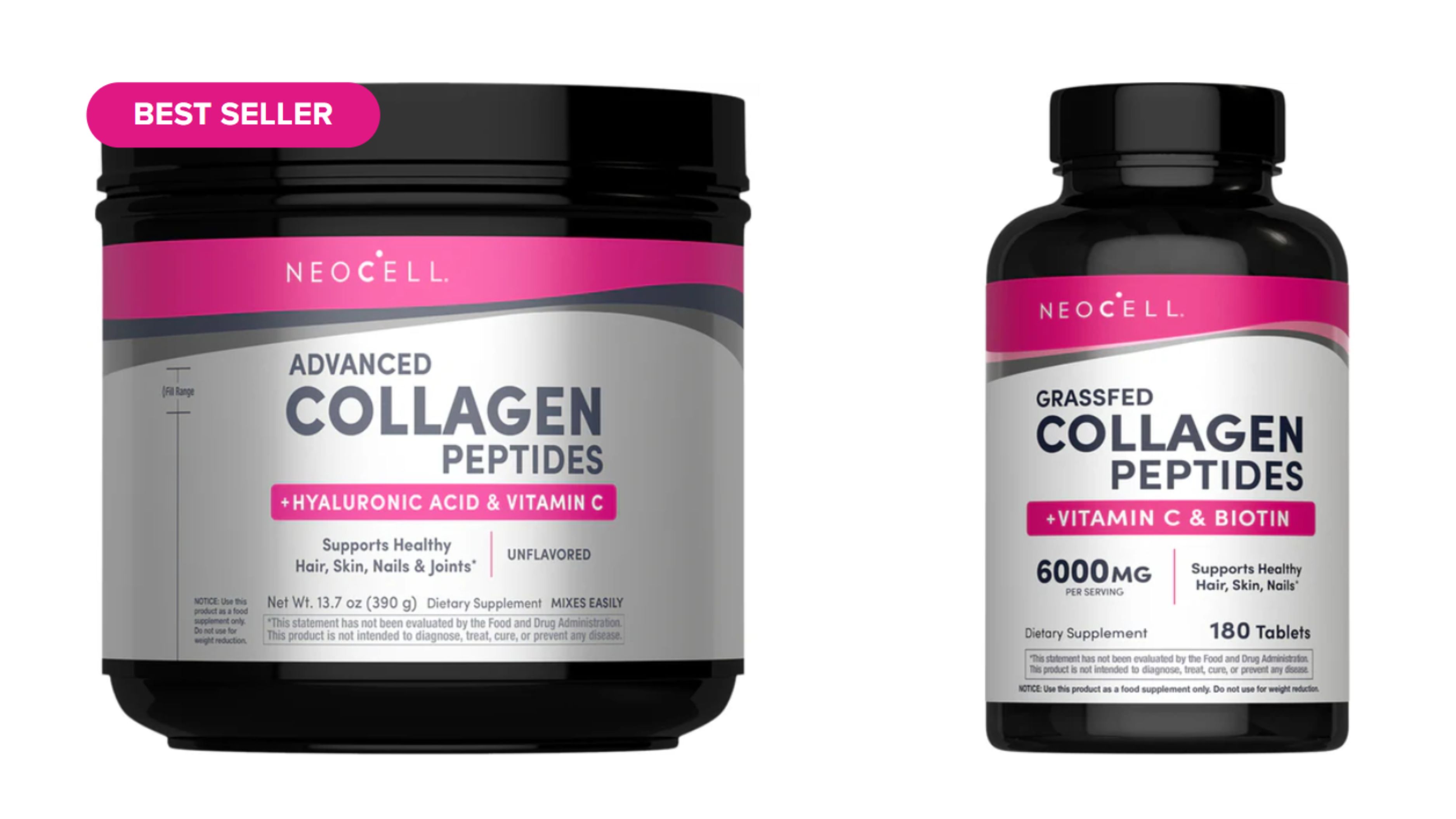
Best for: Joint health focus
NeoCell has been in the collagen game since before it was trendy, focusing specifically on joint health and mobility. Their Super Collagen Powder provides 6.6 grams of Types 1 and 3 collagen per serving—a smaller serving size than many competitors, but NeoCell's research suggests this amount, taken consistently, effectively supports joint cartilage and connective tissue.
What distinguishes NeoCell is their emphasis on bioavailability through enzymatic hydrolysis, breaking collagen into very small peptides (around 2,000 Daltons) that absorb efficiently. The company also adds vitamin C to each serving since it's essential for collagen formation in the body. While many brands now add vitamin C, NeoCell was among the first to recognize this synergistic relationship.
The powder is incredibly fine and mixes instantly without any clumping—it literally disappears into smoothies, juice, or even plain water. Users frequently report reduced joint stiffness and improved flexibility after several weeks of use, particularly active individuals and those over 40 experiencing age-related joint changes. At approximately $20 for 19 ounces (about 95 servings), it's remarkably budget-friendly at roughly 21 cents per serving.
Pros:
Exceptional value with very low per-serving cost
Specifically researched for joint health benefits
Ultra-fine powder dissolves instantly
Includes vitamin C for enhanced collagen production
Long-standing brand with proven track record
Cons:
Smaller serving size means less protein per scoop
Some users prefer higher doses (would require multiple scoops)
Less focused on skin benefits compared to joint support
Packaging is functional but less premium-feeling
Your Guide to Collagen in Smoothies
What Is Collagen?
Collagen is the most abundant protein in your body, making up roughly 30% of your total protein content. It's the structural foundation for your skin, bones, tendons, ligaments, and connective tissue—basically the scaffolding that holds everything together. Think of it as the body's internal architecture.
Your body naturally produces collagen by combining amino acids from the protein you eat. However, collagen production starts declining in your mid-20s and drops off more significantly after 40, which is when you start noticing signs like less elastic skin, weaker joints, and slower recovery from exercise. Supplementing with collagen powder provides your body with the specific amino acids (particularly glycine, proline, and hydroxyproline) needed to maintain and rebuild these structures.
Collagen supplements come from animal sources—primarily bovine (cow), porcine (pig), marine (fish), or chicken. These are broken down through hydrolysis into smaller peptides that your digestive system can absorb and use. When you add collagen powder to your smoothie, you're essentially giving your body pre-broken-down building blocks to work with.
Benefits of Adding Collagen to Your Smoothies
The research-backed benefits of collagen supplementation are impressive and wide-ranging. Multiple studies show that taking 10-20 grams of collagen daily improves skin hydration, elasticity, and reduces the appearance of fine lines after 8-12 weeks of consistent use. Your skin literally becomes more plump and resilient from the inside out.
Joint health is another major benefit, particularly for active people or those experiencing age-related wear. Clinical trials demonstrate that collagen supplementation reduces joint pain in athletes and improves mobility in people with osteoarthritis. The amino acids in collagen help rebuild cartilage and reduce inflammation in joints that take daily impact.
Beyond skin and joints, collagen supports gut health by strengthening the intestinal lining, may improve bone density when combined with resistance training, promotes faster muscle recovery after workouts, and strengthens hair and nails. Some users report reduced hair shedding and nails that grow faster and break less easily. Adding it to smoothies makes daily supplementation effortless—you're already making a smoothie, so it's zero additional effort for significant health returns.
What to Look For When Choosing Collagen Powder
Source and Quality: Look for grass-fed bovine collagen or wild-caught marine collagen. These sourcing standards generally indicate better quality and fewer contaminants. Check for third-party testing certifications that verify purity and confirm the absence of heavy metals, particularly in marine collagen.
Collagen Types: Type I collagen (found in bovine and marine sources) primarily supports skin, hair, and nails. Type II (from chicken) targets joint cartilage specifically. Type III (in bovine) supports skin elasticity and organ structure. Multi-collagen blends offer comprehensive benefits, while single-source options let you target specific concerns.
Hydrolyzed Peptides: This term means the collagen has been broken down into smaller molecules for better absorption. All quality collagen powders should be hydrolyzed—if this isn't mentioned, consider it a red flag. The molecular weight (measured in Daltons) indicates size; smaller peptides (under 5,000 Daltons) generally absorb more efficiently.
Mixability: Since you're adding this to smoothies, it needs to dissolve without clumping. Unflavored options offer the most versatility, working in both sweet and savory smoothies. Check reviews specifically mentioning texture—some cheaper collagens create a gritty or slimy texture that ruins the smoothie experience.
Additional Ingredients: Decide whether you want pure collagen or a formula with added vitamins, MCT oil, probiotics, or other functional ingredients. Pure collagen gives you flexibility to control your supplement stack separately, while enhanced formulas offer convenience by combining multiple supplements in one powder.
Price Per Serving: Calculate cost per serving rather than just looking at container price. A $30 container with 60 servings is a better deal than a $25 container with 20 servings. Most quality collagen ranges from $0.70 to $2.00 per serving depending on sourcing and added ingredients.
FAQs
How long does it take to see results from collagen supplementation?
Most people notice initial changes within 4-6 weeks of daily use, with more significant improvements appearing around the 8-12 week mark. Skin hydration and nail strength tend to show results first, while joint benefits may take longer to become noticeable. Consistency matters more than dosage—taking 10 grams daily for three months will deliver better results than taking 20 grams sporadically. Think of it like watering a plant; regular small amounts work better than occasional flooding.
Can I get enough collagen from food instead of supplements?
You can get collagen from bone broth, chicken skin, pork rinds, and other animal products with connective tissue, but you'd need to consume large quantities to match supplement doses. A cup of bone broth contains roughly 6-12 grams of collagen depending on preparation, so you'd need multiple cups daily. Collagen supplements offer convenience and consistent dosing that's difficult to achieve through food alone. If you're already consuming collagen-rich foods regularly, supplements can fill the gap to reach optimal intake levels.
Will collagen powder make me gain weight?
Collagen powder itself contains about 70 calories and 18-20 grams of protein per serving with virtually no fat or carbs. It's actually helpful for weight management because protein increases satiety and supports muscle maintenance during calorie restriction. Adding collagen to your smoothie makes it more filling without significantly increasing calories. Some collagen formulas include MCT oil or other additions that increase calorie content, so check labels if you're tracking intake carefully.
Is marine or bovine collagen better?
Marine collagen is predominantly Type I and absorbs slightly more efficiently due to smaller molecular size, making it excellent for skin-focused benefits. It's ideal for pescatarians or people avoiding land animal products. Bovine collagen contains Types I and III and supports a broader range of tissues including bones and muscles. It's generally more affordable and available. Neither is objectively "better"—choose based on your dietary preferences and whether you're targeting specific concerns or seeking overall collagen support.