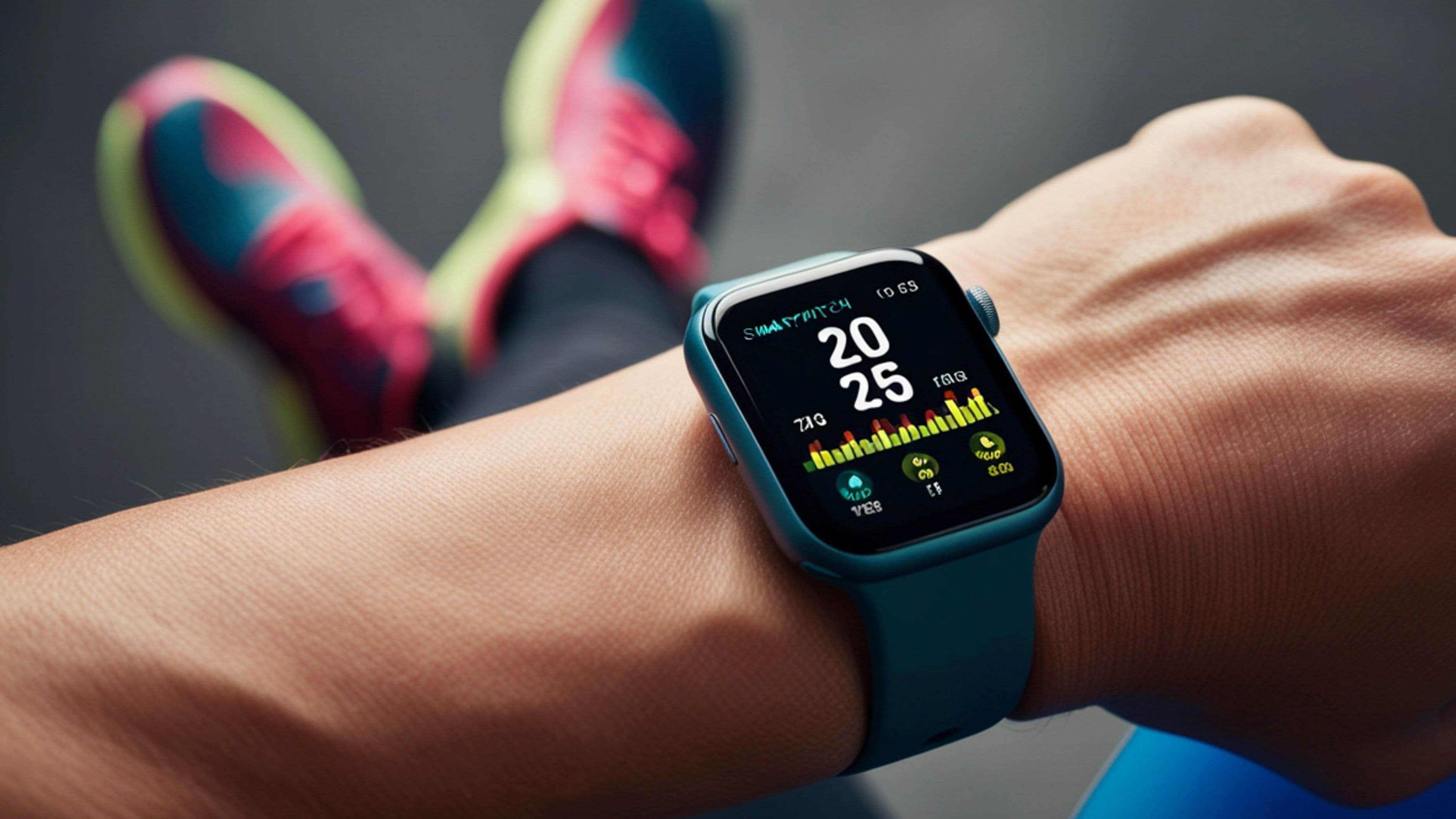
This list cuts through it. Whether you're a fitness obsessive, a casual tracker, or someone who just wants a reliable daily wear piece that connects to your phone without drama, there's a watch here that fits.
Top 10 Smartwatches at a Glance
Apple Watch Series 10 – Best overall for iPhone users
Samsung Galaxy Watch 7 – Best for Android users
Garmin Fenix 8 – Best for serious athletes and outdoor adventurers
Google Pixel Watch 3 – Best for Fitbit fans who've switched to Android
Garmin Venu 3 – Best health-focused watch for everyday use
Fitbit Sense 3 – Best budget-friendly health tracker
Apple Watch Ultra 2 – Best premium rugged smartwatch
Amazfit Balance – Best value for money overall
Withings ScanWatch 2 – Best hybrid smartwatch
Samsung Galaxy Watch FE – Best entry-level smartwatch
1. Apple Watch Series 10 – Best Overall for iPhone Users
Best for: iPhone users who want a complete, polished smartwatch experience
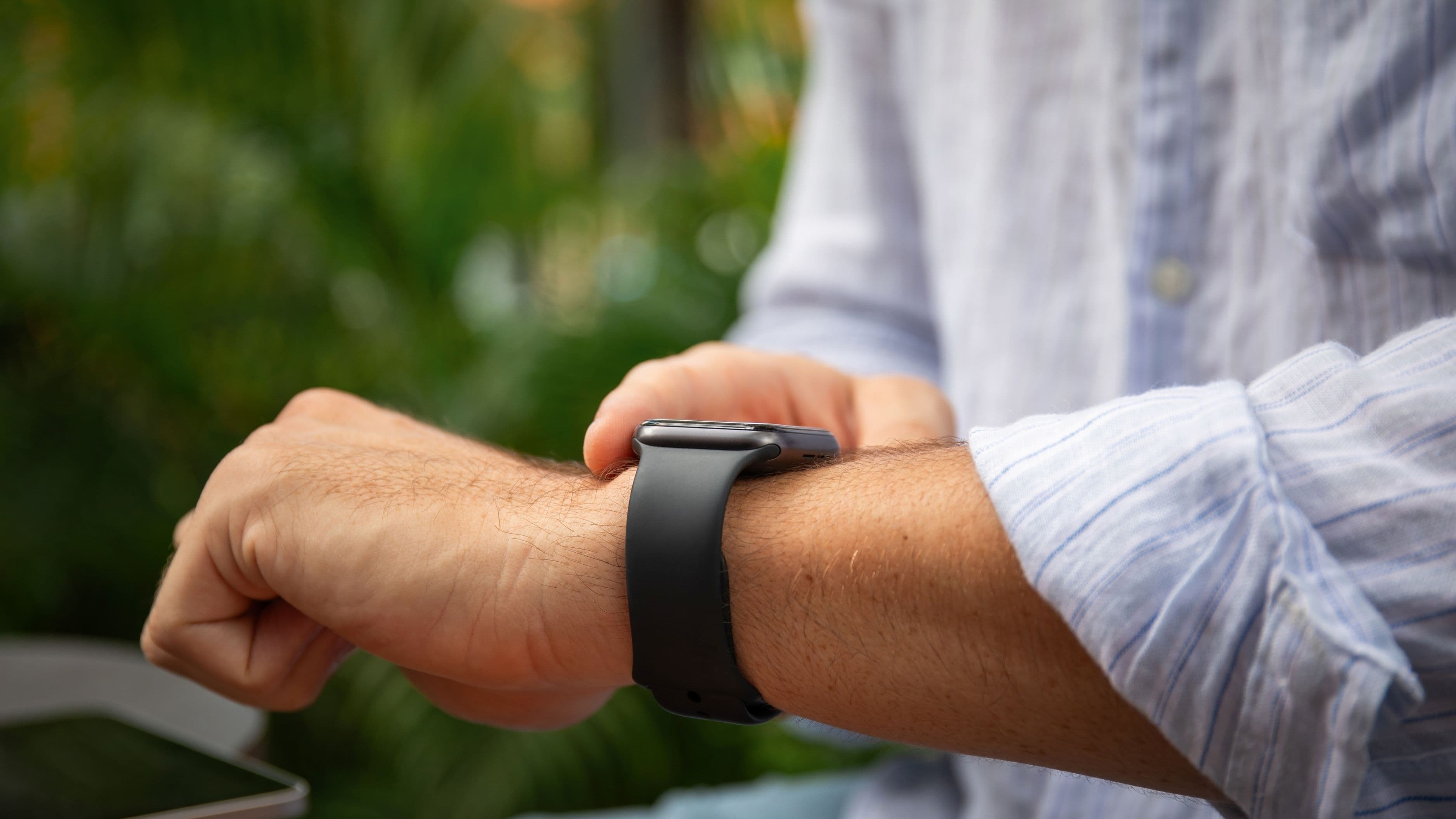
If you're on iPhone, the Apple Watch Series 10 remains the most well-rounded smartwatch you can buy in 2026. Apple refined the design with a thinner, lighter casing – the slimmest Apple Watch ever made – while keeping all the features that made the Series 9 a bestseller. The display is larger and brighter than previous generations, and the new S9 chip keeps everything snappy whether you're switching apps, using Siri, or running a workout.
Health tracking is where it earns its price. The Series 10 includes ECG, blood oxygen monitoring, crash detection, fall detection, cycle tracking, and the always-on altimeter. Apple also added sleep apnea detection in recent software updates, which is a meaningful feature given how common the condition is and how few people know they have it. For day-to-day use, the convenience of Apple Pay, seamless iPhone integration, and the sheer volume of third-party apps on watchOS is hard to beat.
Battery life is still the main criticism – you're looking at 18 to 36 hours depending on your usage, which means daily charging for most people. If that's a dealbreaker, scroll down to the Garmin options.
Price range: $399–$499
Drawback: Only works with iPhone. No cross-platform compatibility.
2. Samsung Galaxy Watch 7 – Best for Android Users
Best for: Android users, especially those already in the Samsung ecosystem
Samsung's Galaxy Watch 7 is the answer for Android users who want something that competes directly with Apple Watch. It runs on Wear OS 5 with Samsung's One UI Watch layer on top, which gives it a clean, intuitive interface and a solid app selection. The watch is lighter and more comfortable than previous Galaxy Watch models, and the health tracking suite has genuinely improved – you get ECG, body composition analysis, blood oxygen, sleep tracking, and the newer advanced sleep coaching features that Samsung has been building out.
The Galaxy Watch 7 works best when you're deep in the Samsung ecosystem – Galaxy phone, Galaxy Buds, and so on – but it performs well with any Android phone. Battery life is better than Apple Watch, getting you 40+ hours on a charge with standard use. The always-on display eats into that, so manage it accordingly if longevity matters.
One standout feature: the BioActive sensor, which Samsung has been refining for several generations, now delivers more consistent heart rate and stress tracking than earlier versions. It's not clinical-grade, but it's reliable enough to use as a daily health baseline.
Price range: $299–$349
Drawback: Less useful if you're not on Android. App ecosystem still behind Apple Watch in some categories.
3. Garmin Fenix 8 – Best for Serious Athletes and Outdoor Adventurers
Best for: Runners, hikers, triathletes, and anyone who pushes their watch hard
The Garmin Fenix 8 is in a different category than most smartwatches on this list. It's built for people who genuinely need what it offers – multi-band GPS accuracy, training load analysis, VO2 max tracking, altitude acclimatization, dive mode, and a battery that lasts up to 16 days in standard mode or 90+ hours in GPS mode. That's not a typo. Ninety hours of GPS tracking.
The Fenix 8 added a built-in speaker and microphone this generation, which lets you take calls directly from the watch – unusual for Garmin and a genuinely useful addition. The display is also sapphire crystal on higher models, meaning it's genuinely scratch-resistant for outdoor use. Garmin's training analysis tools remain the best in the business for serious endurance athletes, offering detailed insights into recovery time, training effect, and race prediction that no other consumer watch comes close to matching.
The learning curve is real. There are menus inside menus and more features than most people will ever use. But if you're training for anything – marathon, Ironman, mountain hiking, mountaineering – you'll eventually use most of it.
Price range: $799–$999
Drawback: Expensive. Too complex for casual users. Bulkier than lifestyle watches.
4. Google Pixel Watch 3 – Best for Fitbit Fans on Android
Best for: Fitbit loyalists who've moved to Android and want deeper Google integration
Google's Pixel Watch 3 is what happens when Fitbit's health tracking DNA gets combined with Google's software intelligence and a properly premium hardware design. The result is a watch that feels good on the wrist, tracks health data reliably, and integrates with Google's ecosystem in ways that feel genuinely useful rather than forced.
The Pixel Watch 3 comes in two sizes – 41mm and 45mm – and both get improved battery life over the previous generation. The 45mm model can push to around 24 hours with the always-on display off, which is competitive for this class. Fitbit Premium, which comes bundled for six months with purchase, adds detailed sleep analysis, stress tracking, Daily Readiness scores, and a personalized workout library. After the trial period, it runs about $10/month.
Google Assistant integration is the strongest of any Android watch, and Google Maps, Google Pay, and Gmail all work as well here as they do on your phone. If you're a Pixel phone user, the Pixel Watch 3 is the obvious companion piece.
Price range: $349–$399
Drawback: Fitbit Premium adds to the ongoing cost. Battery life still trails Garmin significantly.
5. Garmin Venu 3 – Best Health Watch for Everyday Use
Best for: Health-conscious users who want serious tracking without a sporty bulk
The Garmin Venu 3 is what Garmin looks like when it tries to appeal to everyday wearers rather than hardcore athletes – and it pulls it off well. The AMOLED display is bright and attractive, the casing is slim and wearable in professional settings, and the health tracking is genuinely comprehensive without requiring you to navigate Garmin's more complex training platforms.
You get sleep tracking with nap detection, stress monitoring, Body Battery energy levels, menstrual and pregnancy tracking, hydration logging, wheelchair mode (a first for Garmin), and a full fitness tracking suite. Battery life lands around 14 days in standard use, which is excellent for a watch with this display quality. The Venu 3 hits a rare sweet spot: it looks like a lifestyle watch but performs like a health device.
The lack of Google Maps or Apple Maps integration is a limitation if navigation matters to you, but for pure health monitoring in a wearable-anywhere form factor, the Venu 3 is one of the best options at its price.
Price range: $449–$499
Drawback: No turn-by-turn navigation. Works with both iPhone and Android, but deeper with Android.
6. Fitbit Sense 3 – Best Budget-Friendly Health Tracker
Best for: Health-focused buyers on a tighter budget who don't need smartwatch extras
Fitbit's Sense 3 keeps the core health tracking that made Fitbit's reputation and pairs it with a cleaner design and a friendlier price point. ECG, skin temperature sensing, stress tracking via electrodermal activity (EDA) sensor, SpO2 monitoring, and Fitbit's excellent sleep tracking are all here. The Daily Readiness Score – which tells you how ready your body is for intense exercise based on recovery, sleep, and activity data – is one of the most practical health features available at this price.
It's not trying to be a full smartwatch. App selection is limited, there's no Google Maps or robust third-party app support, and the response to on-watch apps is slower than premium options. But if what you care about is knowing your body better and tracking your health trends over time, the Sense 3 delivers that at a fraction of the cost of an Apple Watch or Galaxy Watch.
Fitbit Premium adds the deeper insights, as with the Pixel Watch 3. The six-month trial included at purchase gives you enough time to decide if it's worth the ongoing subscription.
Price range: $199–$249
Drawback: Limited smartwatch functionality. Fitbit Premium required for full data depth.
7. Apple Watch Ultra 2 – Best Premium Rugged Smartwatch
Best for: Serious outdoor athletes, divers, and anyone who refuses to compromise on durability or features
The Apple Watch Ultra 2 is Apple's answer to Garmin's rugged lineup, and it's a genuinely capable piece of kit. The 49mm titanium case is built to MIL-STD-810H military spec, it's water-resistant to 100 meters, and the custom L1 and L5 GPS chip delivers the most accurate location tracking Apple has ever built into a watch. Battery life pushes to 60 hours in low power mode – dramatically better than the standard Apple Watch – and the Action Button adds quick-access customization that regular Apple Watch models have since adopted.
The display is 2,000 nits at its brightest, meaning it's actually readable in direct sunlight, which sounds minor but matters enormously if you use your watch outdoors. The siren feature – a built-in 86-decibel emergency signal – and the dual-frequency GPS are touches aimed at people who go genuinely remote. Trail running, diving, skiing, and mountaineering are all use cases the Ultra 2 was designed around.
At this price, it's hard to justify unless you're actually going to use those features. If you spend most of your time in a city or a gym, the standard Series 10 does 90% of what the Ultra 2 does at less than half the price.
Price range: $799–$899
Drawback: Expensive. Large 49mm case isn't for everyone. iPhone-only.
8. Amazfit Balance – Best Value for Money Overall
Best for: Budget-conscious buyers who want solid health tracking and great battery without paying premium prices
Amazfit doesn't get mentioned enough in mainstream smartwatch conversations, but the Balance is a genuinely strong watch at a price that makes most competitors look overpriced. The AMOLED display is sharp, the design is clean and comfortable, and the health tracking covers the essentials: heart rate, SpO2, sleep tracking, stress monitoring, women's health, and a solid GPS workout suite. Battery life reaches up to 14 days, which is exceptional for the price point.
The Amazfit Balance runs Zepp OS, which has its own app ecosystem. It's smaller than Android or watchOS, but the core apps are well-built and the watch performs smoothly day to day. Zepp Pay (NFC payments) is available in select markets. The AI health recommendations built into the companion app are a nice touch – they're not just data dumps, they actually give you context on what your metrics mean and what to do about them.
You're not getting the ecosystem depth of Apple or Samsung, and third-party app support is limited. But if you want a health-tracking smartwatch that works well and doesn't cost $400, the Amazfit Balance is the pick.
Price range: $179–$219
Drawback: Smaller app ecosystem. NFC payments not available in all regions.
9. Withings ScanWatch 2 – Best Hybrid Smartwatch
Best for: People who want traditional watch looks with hidden smart health tracking
The ScanWatch 2 is for the person who wants health tracking but refuses to wear something that looks like a tech gadget on their wrist. Withings has built a watch that looks indistinguishable from a classic analog timepiece – real watch hands, physical crown, premium materials – but hides a serious health sensor stack underneath. ECG, SpO2, atrial fibrillation detection, skin temperature, respiratory scan (which can flag potential sleep apnea), and step/sleep tracking are all on board.
Battery life is extraordinary at up to 30 days, because the watch isn't running a full smartwatch OS – it's a more focused device designed to do one thing very well. Notifications come through on a small digital display nestled beside the analog face, keeping the classic aesthetic intact while still keeping you connected.
It doesn't run apps, it doesn't show Google Maps, and you can't respond to messages from your wrist. But that's the point. The ScanWatch 2 is for the buyer who wants health monitoring they never have to think about, in a watch they'd want to wear regardless.
Price range: $299–$349
Drawback: Not a full smartwatch. Limited interaction and no third-party apps.
10. Samsung Galaxy Watch FE – Best Entry-Level Smartwatch
Best for: First-time smartwatch buyers or Android users on a tight budget
The Galaxy Watch FE (Fan Edition) is Samsung's accessible entry into the smartwatch market, built around the same core platform as the higher-end Galaxy Watch models but at a significantly lower price. You get heart rate monitoring, sleep tracking, blood oxygen, stress tracking, and Samsung Pay in a design that looks and feels more expensive than its price suggests.
It runs Wear OS with Samsung's One UI Watch interface, so the learning curve is minimal if you've used any Samsung device before. App support is solid, Google Assistant works well, and day-to-day usability is genuinely good for a watch at this price point. Battery life sits around 40 hours, which is competitive.
The trade-offs are real – no ECG, no advanced body composition analysis, and no multi-band GPS – but for someone who wants a real smartwatch experience without committing to a $300+ device, the Galaxy Watch FE is a practical starting point.
Price range: $199–$229
Drawback: Missing premium health sensors. Best value with a Samsung phone.
How to Choose the Right Smartwatch for You
The biggest mistake people make is buying for features they'll never use. A triathlete and a casual walker have completely different needs, and no single watch is best for both.
If you're deep in the Apple or Google ecosystem, stay there – cross-platform compatibility is always a compromise. If battery life is your top priority, look at Garmin or Amazfit first. If health tracking is what matters most and budget is a concern, Fitbit Sense 3 or Amazfit Balance cover the essentials at a fraction of premium prices. If you want a watch that doesn't look like a smartwatch, Withings is the only serious option in 2026.
Pay attention to which phone you use, which features you'll actually check weekly, and what your real budget is – not your aspirational one. The best smartwatch is the one that fits your life as it is, not the most impressive spec sheet you can afford.
FAQ
Do smartwatches work with any phone? Not always. Apple Watch only works with iPhone. Samsung Galaxy Watch works best with Samsung phones but pairs with any Android. Garmin, Fitbit, Amazfit, and Withings all work across both iPhone and Android with their companion apps.
Are expensive smartwatches worth it? Depends entirely on what you need. Garmin Fenix 8 at $900 is worth every dollar if you're training for endurance events. For someone who just wants notifications and step counting, spending $200–$250 covers everything you'll actually use.
How long do smartwatches last before needing replacement? Most premium smartwatches remain usable for three to five years before software support ends or performance noticeably degrades. Budget options may feel outdated sooner if the manufacturer stops pushing updates.
Is sleep tracking on smartwatches accurate? It's useful as a general trend indicator, not a clinical measurement. Watches are reasonably good at distinguishing sleep stages and identifying patterns over time, but individual night accuracy varies. For spotting bigger issues like sleep apnea trends, the newer Apple Watch and Withings models are worth considering.
Do I need Fitbit Premium or similar paid plans? Not necessarily. Most watches show raw data without a subscription. The paid plans add context, insights, and personalized recommendations. Try the included trial period before deciding whether it's worth the ongoing cost.
Wrapping Up
The smartwatch market in 2026 has something for every type of user at every price point. Apple Watch Series 10 remains the top all-rounder for iPhone users. Samsung Galaxy Watch 7 is the Android equivalent. Garmin Fenix 8 is unmatched for athletes. Amazfit Balance is the value pick nobody talks about enough. And Withings ScanWatch 2 is the best option for people who want health data without the tech gadget look.
Pick the one that matches how you actually live – not the most impressive spec sheet – and you'll get your money's worth.
📚 Sources
Apple Watch Series 10 features overview – Apple: https://www.apple.com/apple-watch-series-10/
Google Pixel Watch 3 overview – Google Store: https://store.google.com/us/product/pixel_watch_3
Fitbit Sense 3 features – Fitbit: https://www.fitbit.com/global/us/products/smartwatches/sense
Apple Watch Ultra 2 specifications – Apple: https://www.apple.com/apple-watch-ultra-2/
Withings ScanWatch 2 product page – Withings: https://www.withings.com/us/en/scanwatch