
🏆 Top 10 Best Smart Gadgets at a Glance
Amazon Echo (4th Gen) – Best smart home hub and voice assistant
Google Nest Learning Thermostat – Best for automated home energy savings
Ring Video Doorbell Pro 2 – Best for front-door security and monitoring
Philips Hue Starter Kit – Best for customizable smart lighting
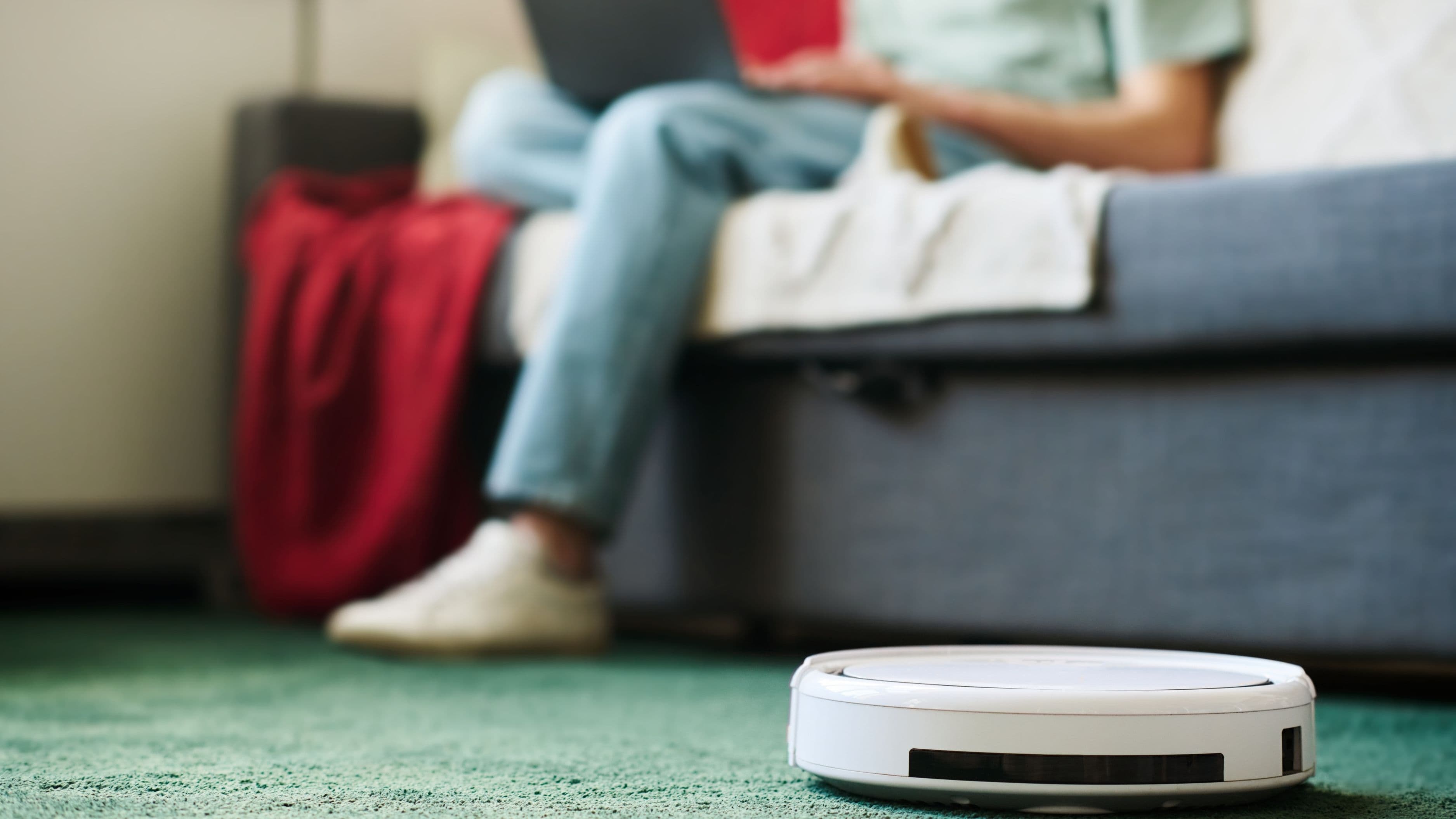
iRobot Roomba j7+ – Best for hands-free, intelligent robot vacuuming
August Wi-Fi Smart Lock – Best for keyless home access and guest management
Oura Ring Gen 3 – Best for discreet, 24/7 health and sleep tracking
Tile Pro (2022) – Best for tracking everyday items reliably
Instant Pot Duo Plus – Best for smart, multi-function kitchen cooking
TP-Link Kasa Smart Plug – Best budget smart home entry point
🔬 Our Methodology
Every product on this list was evaluated across five core criteria:
Price & value: Does the gadget justify its cost with tangible, daily benefits?
Ease of setup: Can a non-technical user get it running in under 30 minutes?
Feature depth: Does it do what it promises — and does it do it well?
Ecosystem compatibility: Does it play nicely with Alexa, Google Home, Apple HomeKit, or other platforms?
User reviews & reliability: We cross-referenced thousands of verified reviews from Amazon, Best Buy, Wirecutter, and RTINGS to confirm real-world performance holds up over time.
📋 Detailed Mini-Reviews
1. Amazon Echo (4th Gen)
Best for: Smart home control hub and voice assistant
Pricing from: ~$99.99
The Amazon Echo 4th Gen is the connective tissue of the modern smart home. With Alexa built in, it can control thousands of compatible devices, answer questions, set reminders, play music, make calls, and manage shopping lists — all by voice. Its spherical redesign includes a built-in Zigbee hub, meaning it can directly connect to many smart home devices without needing a separate bridge.
Sound quality is a genuine step up from older Echo generations, making it useful as an everyday speaker, not just a command terminal. Alexa's Routines feature lets you chain automations together — say "Good morning" and the lights turn on, the thermostat adjusts, and your daily calendar reads aloud. For anyone building a smart home from scratch, the Echo is the logical starting point.
Pros:
Controls thousands of smart home devices via voice
Built-in Zigbee hub eliminates extra hardware
Strong speaker quality for the price
Constantly updated with new Alexa skills and features
Works with virtually every major smart home ecosystem
Cons:
Always-on microphone raises privacy concerns for some users
Alexa can misinterpret commands in noisy environments
Heavily tied to the Amazon ecosystem
Some advanced features require Amazon subscriptions
2. Google Nest Learning Thermostat
Best for: Automated energy savings and smart climate control
Pricing from: ~$249.99
The Nest Learning Thermostat earns its "learning" label. Within a week of use, it builds a schedule based on your habits — when you wake up, leave for work, and return home — and programs itself accordingly. Studies from Google suggest Nest users save an average of 10–12% on heating bills and 15% on cooling bills, which for many households means the device pays for itself within two years.
Beyond automation, the Nest connects to your home's Wi-Fi for remote control via the Google Home app. If you leave the house and forget to adjust the temperature, you can do it from your phone in seconds. The Home/Away Assist feature uses your phone's location to automatically shift the thermostat when everyone leaves — no programming required. It's one of the most genuinely set-it-and-forget-it devices on this list.
Pros:
Self-learning schedule eliminates manual programming
Measurable energy and cost savings
Sleek, premium design with an easy-to-read display
Remote control via Google Home app
Works with most standard HVAC systems
Cons:
Higher upfront cost than basic smart thermostats
Requires a C-wire for most installations (or a workaround kit)
Best features are tied to the Google ecosystem
Professional installation may be needed for older HVAC systems
3. Ring Video Doorbell Pro 2
Best for: Front-door security and real-time visitor monitoring
Pricing from: ~$249.99
Ring essentially created the video doorbell category, and the Pro 2 remains its most capable residential offering. It streams 1536p HD video with Head-to-Toe framing — meaning you can see packages on the ground, not just faces — and uses 3D motion detection with Bird's Eye View to map exactly where motion occurs in your front yard. Alerts are precise and configurable, so you're not bombarded with notifications every time a car passes.
The two-way audio lets you speak to delivery drivers or visitors from anywhere in the world via the Ring app. Live View lets you check your front door on demand, while advanced pre-roll captures video of what happened in the four seconds before motion was detected. For homeowners who want visibility and deterrence without a full security system, the Pro 2 is a standout.
Pros:
Crisp 1536p Head-to-Toe video
3D motion detection reduces false alerts significantly
Two-way audio with noise cancellation
Wide ecosystem of compatible Ring security products
Easy integration with Amazon Alexa
Cons:
Requires Ring Protect subscription (~$10/month) for video history
Hardwired installation — no battery option at this tier
Some users report Wi-Fi connectivity sensitivity
Privacy data policies have drawn scrutiny in the past
4. Philips Hue White & Color Ambiance Starter Kit
Best for: Customizable smart lighting and ambiance control
Pricing from: ~$179.99 (starter kit with bridge)
Philips Hue is the gold standard for smart lighting, and for good reason. The White & Color Ambiance bulbs produce 16 million colors and a full range of white tones, letting you dial in anything from crisp daylight for focus work to warm amber for winding down at night. The Hue Bridge connects everything locally, which means lights respond quickly and keep working even if your internet goes down.
What sets Hue apart from cheaper smart bulbs is reliability and depth. The app is polished, schedules are easy to set, and the system integrates with every major smart home platform — Alexa, Google Home, Apple HomeKit, and Samsung SmartThings. Scenes, automations, and syncing lights to music or movies (via the Hue Sync app) make it legitimately fun to use, not just functional.
Pros:
16 million colors with accurate, consistent color reproduction
Local processing via Bridge = fast response, works offline
Best-in-class ecosystem compatibility
Huge range of products: bulbs, light strips, fixtures, outdoor lights
Automations and schedules are intuitive to set up
Cons:
Premium pricing compared to competing smart bulb brands
Bridge is required for full features (adds cost and a device)
Bulbs must stay powered — switching off at the wall breaks control
Starter kit investment can feel steep for a single room
5. iRobot Roomba j7+
Best for: Hands-free, intelligent robot vacuuming
Pricing from: ~$599.99
The Roomba j7+ is where robot vacuums stop being novelties and start being genuinely useful appliances. Its defining feature is obstacle avoidance powered by iRobot's PrecisionVision Navigation — the j7+ identifies and avoids common floor hazards like pet waste, charging cables, and socks in real time. That's a significant leap from older robot vacuums that would smear whatever they encountered across your floor.
The "+" in j7+ refers to the Clean Base Automatic Dirt Disposal station, which empties the vacuum's bin automatically after each run, storing debris in an AllergenLock bag for up to 60 days. Combined with the iRobot OS app — which maps your home, lets you create cleaning zones, and schedules runs around your daily routine — the j7+ delivers genuine set-and-forget cleaning for most floor types.
Pros:
Obstacle avoidance is class-leading, especially for pet owners
Auto-empty base means weeks of hands-free operation
Smart mapping enables targeted room and zone cleaning
Compatible with Alexa and Google Assistant
Learns your home layout and improves over time
Cons:
High upfront cost compared to basic robot vacuums
Replacement dirt disposal bags are an ongoing expense
Can struggle with very dark carpets and ultra-thick rugs
Occasional WiFi disconnection reported in large homes
6. August Wi-Fi Smart Lock (4th Gen)
Best for: Keyless home access and remote guest management
Pricing from: ~$229.99
The August Smart Lock installs over your existing deadbolt in about 10 minutes — no locksmith, no replacing hardware, no new keys needed. It attaches to the interior thumb turn, so your existing exterior hardware and physical keys still work. The built-in Wi-Fi (no hub required at this generation) lets you lock and unlock your door remotely, grant time-limited access to guests, and receive notifications every time the door is locked or unlocked.
Auto-Lock and Auto-Unlock are the features that genuinely change daily life. Auto-Lock ensures your door is never accidentally left open. Auto-Unlock uses your phone's geofencing to automatically unlock the door as you approach — so you never fumble with keys when your hands are full. It's deeply practical, and the fact that guests or service providers can be given access codes rather than physical keys is a major convenience.
Pros:
Installs in minutes over existing hardware
Built-in Wi-Fi — no separate hub required
Auto-Lock and Auto-Unlock features work reliably
Guest access with time-limited codes is excellent for Airbnb hosts
Works with Alexa, Google Assistant, and Apple HomeKit
Cons:
Battery-powered — requires regular AA battery replacement
App can be slow to reflect real-time lock status occasionally
Higher price point than some smart lock competitors
Auto-Unlock geofencing occasionally triggers too early or too late
7. Oura Ring Gen 3
Best for: Discreet, continuous health and sleep tracking
Pricing from: ~$299 (+ $5.99/month membership)
Most fitness trackers are worn on the wrist, which means they're obvious, they snag on things, and many people remove them during sleep — exactly when some of the most important health data is collected. The Oura Ring solves this by packing an impressive sensor array into a ring that's easy to forget you're wearing. It tracks heart rate, heart rate variability, blood oxygen, body temperature, and sleep stages 24/7.
The Oura app synthesizes all this data into three daily scores: Sleep, Readiness, and Activity. The Readiness Score is particularly useful — it's a composite indicator of how recovered your body is and how hard you should push yourself on a given day. It's become popular with athletes, executives, and biohackers, but it's equally valuable for anyone who wants to understand the connection between their lifestyle choices and how they feel.
Pros:
Most discreet continuous health tracker available
Exceptional sleep tracking accuracy
Readiness Score delivers actionable daily insights
Long battery life (4–7 days)
Stylish enough to wear in any context
Cons:
No display — all data requires the app
Ongoing membership fee on top of hardware cost
Sizing requires ordering a kit — fit is critical
Does not track GPS or specific workout types natively
8. Tile Pro (2022)
Best for: Reliable tracking of wallets, keys, bags, and everyday items
Pricing from: ~$34.99
Tile is one of the original Bluetooth item trackers, and the Pro model remains the most capable in the lineup. With a range of up to 400 feet and a loud, dual-speaker alarm, it's designed for situations where your item could be a significant distance away — a large parking lot, a busy airport, or a multi-story building. It attaches to keyrings, slides into wallets, and clips onto bags.
The Tile network — tens of millions of active users — means any Tile device can be located by proximity to any other Tile user's phone, anonymously. If you leave your bag in a coffee shop and walk two blocks away, another Tile user walking past it will ping its location to your app automatically. The free app covers basic functions; Tile Premium (~$29.99/year) adds smart alerts, location history, and free battery replacement.
Pros:
400-foot Bluetooth range is among the best in class
Loud alarm easy to hear in crowded environments
Large Tile network improves community-based tracking
Water-resistant (IP67 rated)
Works with Alexa and Google Assistant
Cons:
Less integrated than Apple AirTag for iPhone users
Community location requires other Tile users to be nearby
Battery is replaceable but not rechargeable
Premium features require a paid subscription
9. Instant Pot Duo Plus (9-in-1)
Best for: Smart multi-function cooking that saves time and effort
Pricing from: ~$99.99
The Instant Pot Duo Plus isn't "smart" in the Wi-Fi-connected sense, but its microprocessor-controlled cooking engine absolutely earns a place on this list. It replaces up to nine kitchen appliances — pressure cooker, slow cooker, rice cooker, steamer, sauté pan, yogurt maker, sterilizer, food warmer, and cake maker — and takes the guesswork out of cooking with pre-programmed settings for dozens of foods.
What makes it genuinely life-changing for busy households is time. A whole chicken cooks in 25 minutes. Dried beans in 30. Beef stew in 35. The sealed pressure cooking environment locks in flavor and nutrients while slashing the time commitment of traditionally slow dishes. The learning curve is real — the first few uses require following instructions carefully — but once you're comfortable, it becomes the most-used item in many kitchens.
Pros:
Replaces multiple appliances and saves counter space
Dramatically reduces cooking time for slow-cooked meals
Built-in safety features (lid lock, pressure release valve, etc.)
Large, passionate user community with thousands of tested recipes
Easy to clean — inner pot is dishwasher safe
Cons:
Initial learning curve can feel intimidating
Pressure cooking is not suitable for all recipes
Bulky — takes up meaningful counter or cabinet space
No Wi-Fi or app connectivity in standard models
10. TP-Link Kasa Smart Plug (EP25)
Best for: Budget-friendly smart home entry point with energy monitoring
Pricing from: ~$17.99 per plug
If you're not sure where to start with the smart home, the Kasa Smart Plug is the lowest-risk, highest-reward entry point on this list. Plug it into any standard outlet, connect it to your Wi-Fi in the Kasa app, and any lamp, fan, coffee maker, or appliance plugged into it becomes voice-controlled and schedulable. It requires no hub, no bridge, and no technical knowledge.
The EP25 model adds energy monitoring, so you can see exactly how much electricity any device is consuming in real time — useful for identifying energy hogs or verifying that your space heater is actually off. Schedules and "Away Mode" (which randomly toggles devices to simulate occupancy) make it practical for both convenience and basic security. At this price point, there's almost no reason not to try one.
Pros:
Extremely affordable — one of the lowest barriers to smart home entry
No hub required — connects directly to 2.4GHz Wi-Fi
Energy monitoring adds real utility beyond simple on/off
Works with Alexa and Google Assistant
Compact design doesn't block the second outlet
Cons:
2.4GHz only — won't connect to 5GHz networks
No Apple HomeKit support
Energy monitoring features require the Kasa app
Not designed for high-draw appliances like AC units or space heaters
📊 Quick Comparison: How They Stack Up
Gadget | Price Range | Setup Difficulty | Best For |
Amazon Echo | ~$99 | Easy | Whole-home voice control |
Nest Thermostat | ~$250 | Moderate | Energy savings, climate control |
Ring Pro 2 | ~$250 | Moderate | Front-door security |
Philips Hue | ~$180+ | Easy–Moderate | Customizable smart lighting |
Roomba j7+ | ~$600 | Easy | Automated floor cleaning |
August Smart Lock | ~$230 | Easy | Keyless entry and guest access |
Oura Ring | ~$299+ | Easy | Health and sleep tracking |
Tile Pro | ~$35 | Very Easy | Finding lost everyday items |
Instant Pot | ~$100 | Moderate | Faster, versatile cooking |
Kasa Smart Plug | ~$18 | Very Easy | Budget smart home starting point |
Bottom line: For the biggest quality-of-life impact per dollar spent, start with the Kasa Smart Plug and Amazon Echo to build a foundation, then layer in category-specific devices — thermostat, lock, vacuum — as budget allows.
🛒 Buying Guide
Who Needs Smart Gadgets?
Smart gadgets offer the most value for people who are time-poor, security-conscious, or interested in reducing home energy costs. Young families benefit enormously from automation (robot vacuums, smart locks, cameras). Remote workers who spend more time at home get ROI from air quality, lighting, and comfort tools. Renters — particularly those in short-term rentals — love smart locks and plugs that can be managed remotely.
How Do Smart Gadgets Work?
Most smart gadgets connect to your home Wi-Fi network and are controlled through a companion app on your smartphone. Many also support voice assistants (Alexa, Google Assistant, Siri) for hands-free control. More advanced setups use a hub (like the Amazon Echo or a dedicated SmartThings hub) to coordinate multiple devices and enable complex automations.
Key Features to Consider
Ecosystem compatibility: Choose devices that work with the voice assistant you already use — mixing ecosystems creates friction.
Privacy and data practices: Cameras, microphones, and health trackers collect sensitive data. Review each brand's privacy policy before buying.
Setup requirements: Some devices (like hardwired doorbells or thermostats) may need professional installation. Know before you buy.
Subscription costs: Many smart gadgets have optional or required subscriptions (Ring, Oura, Tile). Factor these into your total cost of ownership.
Interoperability (Matter standard): Newer devices supporting the Matter standard work across all ecosystems — a future-proof consideration worth checking.
💰 Pricing Overview
Tier | Price Range | What You Get |
Budget entry | Under $35 | Smart plugs, basic trackers, Wi-Fi bulbs |
Mid-range | $75–$200 | Echo devices, Instant Pot, basic cameras |
Premium | $200–$350 | Nest thermostat, Ring Pro, August lock, Oura Ring |
High-end | $400–$700+ | Roomba j7+, full Philips Hue setups, premium security kits |
DIY vs. Professional Installation
The majority of gadgets on this list are designed for DIY setup and genuinely are easy to install — the Kasa plug, Tile, Oura Ring, Echo, and Instant Pot require zero tools and minimal technical knowledge. The August Smart Lock and Philips Hue fall in the middle — DIY-friendly for most people with basic comfort around household tasks. The Ring Pro 2 (hardwired) and Nest Thermostat are technically DIY but may warrant a professional installation if you're not comfortable with basic wiring. Budget $75–$150 for professional installation if needed.
❓ Frequently Asked Questions
Q: Do smart home gadgets work without the internet? Many devices offer limited local functionality when the internet is down — Philips Hue via its Bridge, for example, still works locally. However, remote control, voice assistants, and cloud-based features all require a live internet connection. A fast, reliable home Wi-Fi network is the foundation everything else depends on.
Q: Are smart gadgets secure from hackers? Security varies by brand and device. Use strong, unique passwords for all accounts, enable two-factor authentication where available, keep firmware updated, and consider a separate IoT network on your router for smart devices. Established brands like Google, Amazon, and Philips maintain better security track records than no-name alternatives.
Q: What's the best smart gadget to buy first? For most people: an Amazon Echo or Google Nest Hub (~$99) as a hub, paired with a TP-Link Kasa Smart Plug (~$18). This gives you voice control and automation capability for under $120 — a low-risk way to test whether smart home living works for you before investing more.
Q: Do all smart gadgets require a monthly subscription? No — many function fully without subscriptions (Philips Hue, Kasa Smart Plug, August Smart Lock, Instant Pot). Others offer useful free tiers with optional paid upgrades (Tile, Ring). The Oura Ring is one of the few where a subscription is required for full app functionality.
Q: What is the Matter smart home standard? Matter is a new universal compatibility standard backed by Apple, Google, Amazon, and Samsung. Devices that support Matter work across all major ecosystems without ecosystem lock-in. If future-proofing matters to you, check for Matter support when shopping — it's increasingly available on new releases.