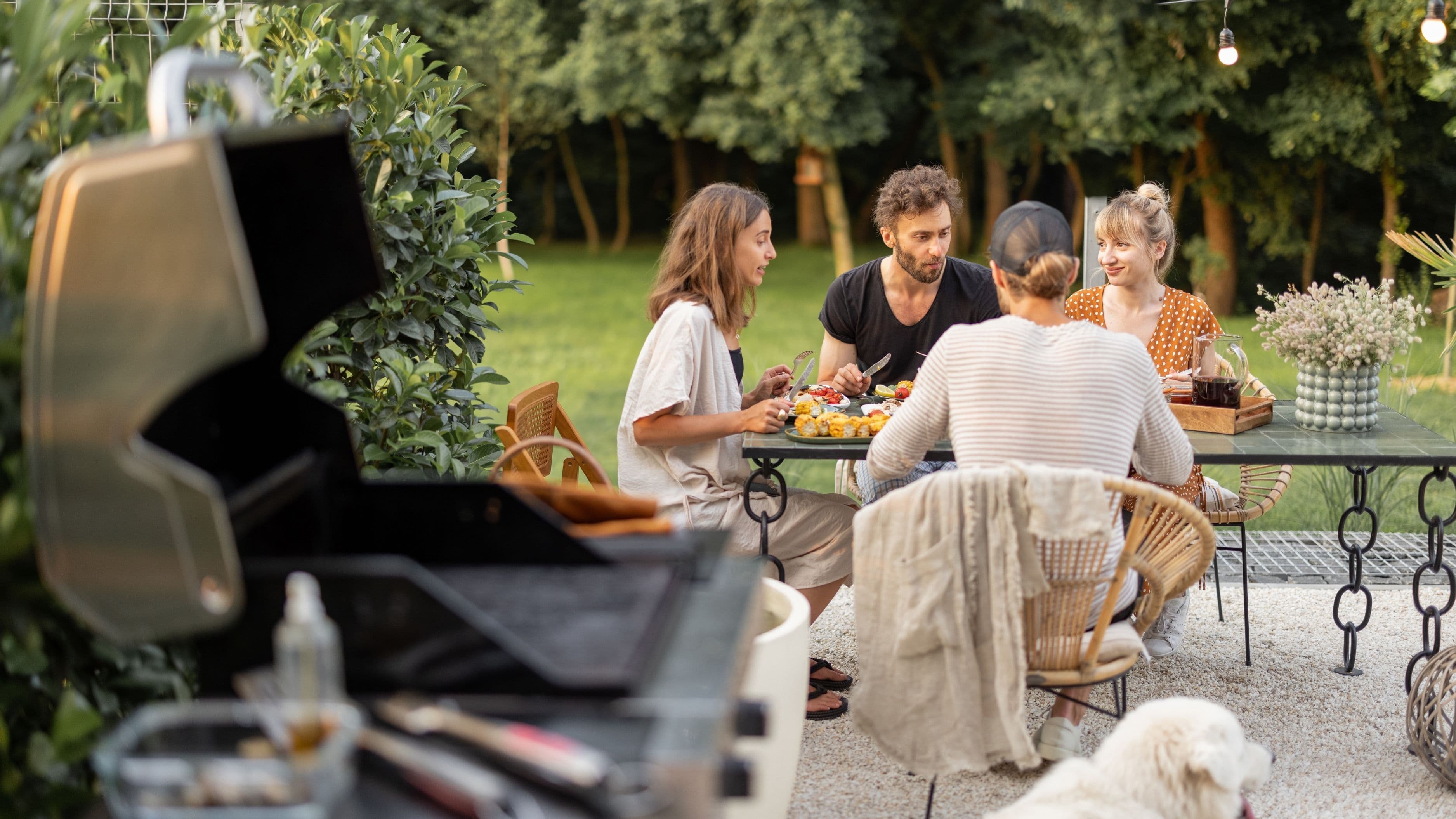
Top 10 at a Glance
Define one cozy zone instead of redoing the whole yard
Add string lights for instant ambiance
Bring in a few large potted plants
Use an outdoor rug to anchor the space
Add a water feature on a small budget
Build a simple DIY fire pit
Hang a hammock or a two-person swing
Use scent strategically with outdoor candles or diffusers
Add privacy with lattice, fencing, or fast-growing plants
Declutter before you decorate
1. Define One Cozy Zone Instead of Redoing the Whole Yard
Trying to transform an entire backyard at once is where most budgets get blown fast. Instead, pick one corner, patio section, or unused strip of grass and commit to making just that area feel intentional. A single well-designed 8x8 foot nook with a chair, small table, and a plant or two will feel far more relaxing than a whole yard spread thin with half-finished ideas.
This approach also lets you test what you actually enjoy using before investing more. Many people discover their favorite spot ends up being somewhere they hadn't originally planned, like a shaded corner near a fence rather than the center of the lawn.
Cost: Free to low, depending on existing furniture
Best for: Anyone starting from a blank or cluttered yard
2. Add String Lights for Instant Ambiance
Few upgrades change the feel of an outdoor space as fast as string lights. They soften harsh overhead lighting, extend how late you can comfortably use the space, and cost far less than installed landscape lighting.
Solar-powered string lights avoid the need for outdoor outlets entirely, and warm white LED bulbs tend to read as cozier than cooler blue-toned options. Stringing them along a fence line, across a pergola, or around a single tree can transform a plain space in under an hour.
Cost: $15–40 for a quality solar string light set
Best for: Evening relaxation and outdoor entertaining on a budget
3. Bring in a Few Large Potted Plants
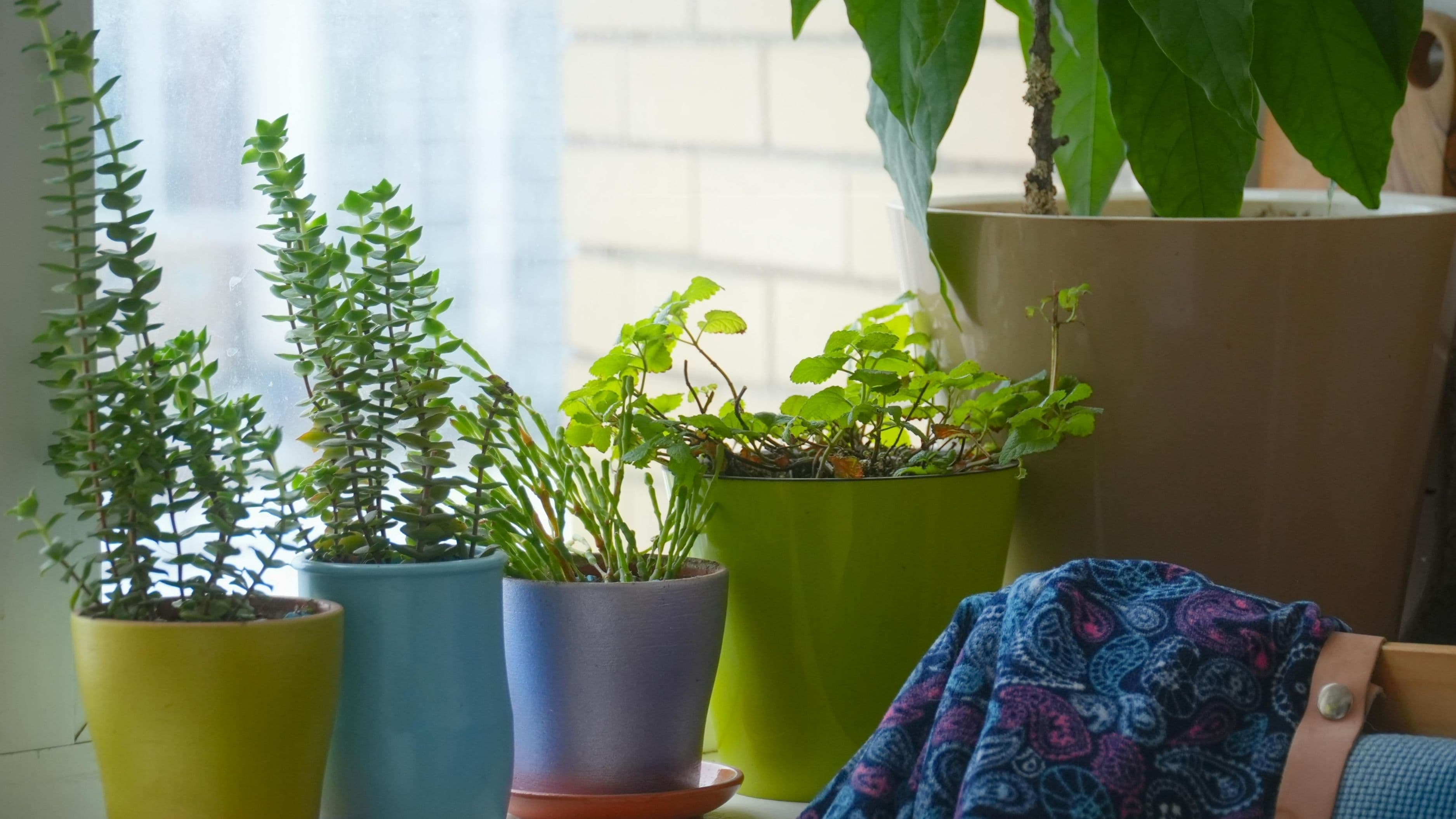
You don't need a full garden to make a backyard feel lush. Two or three large potted plants, especially ones with big leaves like elephant ears or ferns, do more visual work than a dozen small ones scattered around. Big plants read as intentional, while a scattering of small pots often looks unfinished.
Buying smaller starter plants and letting them grow into their pots over a season is a way to get the look for less. Check with a local nursery for end-of-season sales, when perennials are often discounted significantly.
Cost: $20–60 depending on plant size and pot
Best for: Softening a bare patio or deck
4. Use an Outdoor Rug to Anchor the Space
An outdoor rug does the same job outside that a rug does inside: it visually defines a seating area and makes hard surfaces like concrete or pavers feel warmer and more intentional. Weather-resistant polypropylene rugs are inexpensive, easy to hose off, and available in patterns that hide dirt well between cleanings.
Placing a rug under a small table and two chairs instantly makes that spot feel like a designed sitting area instead of a random patch of patio.
Cost: $25–70 for a mid-sized weather-resistant rug
Best for: Patios, decks, and concrete slabs
5. Add a Water Feature on a Small Budget
The sound of moving water is one of the fastest ways to make a space feel calming, and you don't need a built-in pond to get it. Small tabletop or freestanding solar fountains are widely available and require no plumbing or electrical work.
Placed near a seating area, even a modest fountain can mask street noise and neighboring conversations, which does a lot of the heavy lifting for making a backyard feel private and peaceful.
Cost: $30–80 for a small solar or battery-powered fountain
Best for: Yards near street noise or close neighbors
6. Build a Simple DIY Fire Pit
A fire pit turns a backyard into a genuine gathering spot, and building one yourself is far cheaper than buying a prefabricated model. A basic ring of fire-rated bricks or pavers, arranged in a circle roughly three feet across, can be assembled in an afternoon for a fraction of the cost of a store-bought unit.
Always check local ordinances before building one, since some cities and HOAs restrict open flame fire pits or require a certain distance from structures. A propane fire table is a good alternative where open flames aren't allowed.
Cost: $40–100 for materials, depending on brick or paver choice
Best for: Yards with enough clearance from structures and fences
7. Hang a Hammock or a Two-Person Swing
Few purchases deliver relaxation as directly as a hammock. If you have two sturdy trees or posts spaced appropriately apart, a basic hammock is one of the cheapest ways to add a genuinely restful spot to your yard.
For yards without the right trees, a freestanding hammock stand or a simple porch swing hung from a pergola beam is a solid alternative, though it does raise the cost somewhat.
Cost: $30–120 depending on whether a stand is needed
Best for: Yards with mature trees or an existing pergola
8. Use Scent Strategically With Outdoor Candles or Diffusers
Scent is an underused tool in backyard design, and it's one of the cheapest to add. Citronella candles double as bug deterrents while adding a cozy element to evening hours, and a few strategically placed scented candles around a seating area can make the whole space feel more like a retreat.
Battery-operated outdoor diffusers are a low-maintenance alternative if open flame isn't practical, especially around kids or pets.
Cost: $10–30 for a set of citronella candles or a diffuser
Best for: Evening use and keeping bugs at bay
9. Add Privacy With Lattice, Fencing, or Fast-Growing Plants
Feeling exposed to neighbors or the street is one of the biggest reasons a backyard doesn't feel relaxing, no matter how nicely it's decorated. Inexpensive lattice panels, bamboo screening, or a row of fast-growing plants like arborvitae can create a sense of enclosure without a full fence installation.
Even a single well-placed screen near your main seating area can make a big psychological difference, since it's usually the direct sightline that feels uncomfortable rather than the whole yard being visible.
Cost: $40–120 depending on material and coverage needed
Best for: Yards facing a street, sidewalk, or close neighbors
10. Declutter Before You Decorate
This is the step people skip because it doesn't feel like decorating, but it might be the single most impactful item on this list, and it's completely free. Old tools, broken planters, unused kids' toys, and general yard clutter create visual noise that undermines every other upgrade you make.
Spend an afternoon removing anything that isn't actively used or intentionally placed. A clear, open space naturally reads as calmer, even before you add a single new item.
Cost: Free
Best for: Every backyard, regardless of budget or size
How to Choose Where to Start
If your budget is under $50 total, start with decluttering and string lights – they cost the least and change the feel of a space the fastest. With $100–200 to work with, add potted plants and an outdoor rug to anchor a specific seating zone. If you're closer to $300–400, a DIY fire pit or a hammock setup becomes realistic and tends to become the most-used feature in the yard.
What to Avoid
Avoid buying furniture before you've defined your zone – it's easy to end up with pieces that don't fit the space or get used. Skip battery-powered decor that requires frequent replacements unless you're prepared to maintain it, since dead batteries quickly turn a nice feature into clutter. And be cautious with DIY fire features if you're renting, since some leases and HOAs prohibit permanent structures or open flame entirely.
FAQ
What's the single cheapest upgrade on this list? Decluttering, since it costs nothing and often reveals how much of the "messy" feeling was really just clutter rather than a lack of design.
Can I do all of this in one weekend? The lighter items (lights, plants, a rug, decluttering) are realistic for one weekend. Fire pits and privacy screening usually take more planning and are worth spacing out over a few weekends.
Do I need a big yard for these ideas to work? No. Most of these scale down easily for small patios, balconies, or narrow side yards – the key is choosing one or two that fit your specific space rather than trying to do all ten at once.
Quick Takeaway
A relaxing backyard is built more through intentional small choices than a big renovation budget. Start with one defined zone, add lighting and a few plants, then layer in bigger projects like a fire pit or privacy screening as your budget allows.
📚 Sources
University of Minnesota Extension – Small Space Gardening – https://extension.umn.edu/yard-and-garden-planning/small-space-gardening
EPA – Outdoor Water-Efficient Landscaping – https://www.epa.gov/watersense/outdoor