
Here are the 10 most effective ways to protect your finances before and during an economic downturn.
Top 10 at a Glance
Build (or boost) your emergency fund
Cut non-essential spending now, not later
Pay down high-interest debt first
Diversify your income streams
Avoid major new debt and large purchases
Review and adjust your investments
Refinance or renegotiate fixed expenses
Keep your resume and skills recession-ready
Stay on top of your credit score
Avoid panic-driven financial decisions
1. Build (or Boost) Your Emergency Fund
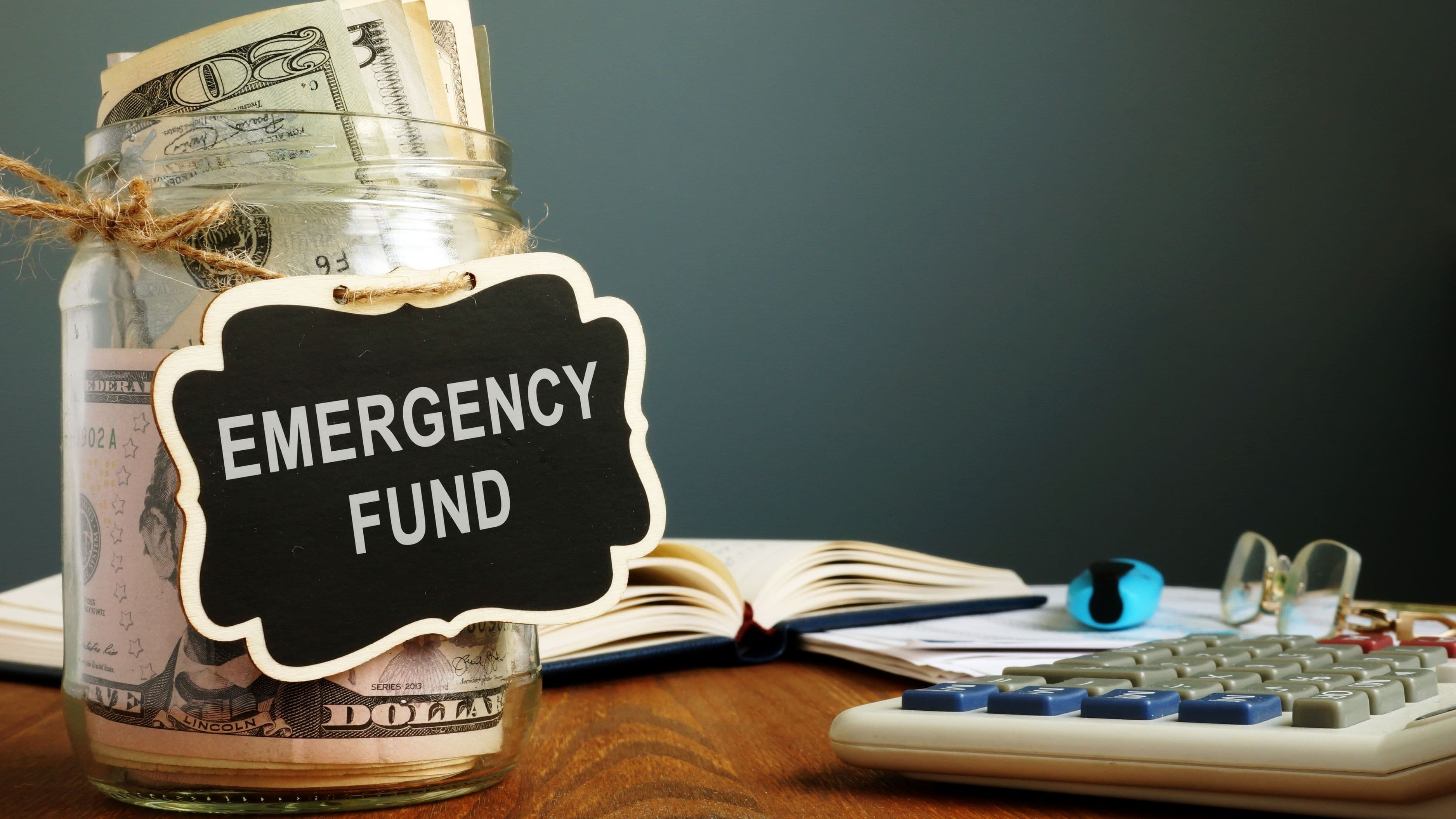
An emergency fund is your buffer against job loss, medical bills, or unexpected repairs without going into debt. Aim for 3 to 6 months of essential expenses, and if that feels out of reach, start with a smaller goal like $1,000 and build from there.
Why it matters: Cash on hand means you're not forced to sell investments at a loss or rely on high-interest credit when things get tight.
How to apply it: Set up an automatic transfer to a separate high-yield savings account every payday, even if it's small.
Key benefit: Peace of mind and breathing room if income gets disrupted.
2. Cut Non-Essential Spending Now, Not Later
Waiting until money is already tight to cut spending puts you behind. Trim subscriptions, dining out, and impulse purchases while you still have flexibility, so the adjustment feels proactive instead of forced.
Why it matters: Lower fixed spending means a smaller gap to cover if your income drops.
How to apply it: Go through your last three months of bank statements and cancel anything you haven't used recently.
Key benefit: More monthly cash flow to redirect toward savings or debt.
3. Pay Down High-Interest Debt First
Credit card debt and other high-interest balances become more dangerous during a recession because rates can climb and income can get less predictable. Focus extra payments on your highest-interest balance first (the avalanche method) to reduce what you owe the fastest.
Why it matters: High-interest debt compounds quickly and eats into money you'll need for essentials.
How to apply it: List your debts by interest rate and put any extra cash toward the top of that list while making minimums on the rest.
Key benefit: Less interest paid overall and lower financial stress if your income changes.
4. Diversify Your Income Streams
Relying on a single paycheck is riskier during economic uncertainty. A side hustle, freelance work, or even a small passive income stream can cushion the blow if your main job is affected.
Why it matters: Multiple income sources reduce how much a single layoff or pay cut can hurt you.
How to apply it: Start small with skills you already have, like freelance writing, tutoring, or selling a service locally.
Key benefit: Extra security and faster recovery if one income source disappears.
Tip: Even an extra $200 to $300 a month can meaningfully ease pressure on your budget.
5. Avoid Major New Debt and Large Purchases
Recessions are not the time to take on a new car loan, finance a big renovation, or open new credit lines unless absolutely necessary. Lenders also tend to tighten requirements during downturns, making new debt harder to manage if your situation changes.
Why it matters: New monthly payments reduce your flexibility right when you need it most.
How to apply it: Delay big purchases where possible, or save up instead of financing.
Key benefit: Lower fixed obligations and more room to adapt if income shifts.
Warning: Avoid co-signing loans for others during uncertain economic periods, since you could end up liable for payments you didn't plan for.
6. Review and Adjust Your Investments
Market downturns can be alarming, but panic-selling locks in losses. Review your portfolio's risk level and make sure it still matches your timeline and goals, rather than reacting emotionally to short-term drops.
Why it matters: Long-term investors who stay the course typically recover better than those who sell during dips.
How to apply it: Rebalance toward your target allocation rather than abandoning your strategy, and consider speaking with a financial advisor if you're unsure.
Key benefit: Avoiding costly emotional decisions that hurt long-term returns.
Who this is best for: Anyone with retirement accounts or long-term investments who's tempted to make sudden changes.
7. Refinance or Renegotiate Fixed Expenses
Recurring bills like insurance, phone plans, and even rent are often more negotiable than people realize. Call providers and ask about lower rates, loyalty discounts, or better plans, and shop around before renewing anything automatically.
Why it matters: Lower fixed costs free up cash flow without requiring lifestyle sacrifices.
How to apply it: Set a calendar reminder to review and renegotiate major bills every six months.
Key benefit: Ongoing monthly savings with a one-time effort.
8. Keep Your Resume and Skills Recession-Ready
Job security feels less guaranteed during downturns, so staying prepared matters even if you feel safe in your current role. Keep your resume updated, your LinkedIn active, and your skills current in case the job market shifts.
Why it matters: Being ready to move quickly reduces the financial damage of an unexpected layoff.
How to apply it: Spend an hour a month updating your resume and learning one new in-demand skill in your field.
Key benefit: A faster job search and stronger negotiating position if you need a new role.
9. Stay on Top of Your Credit Score
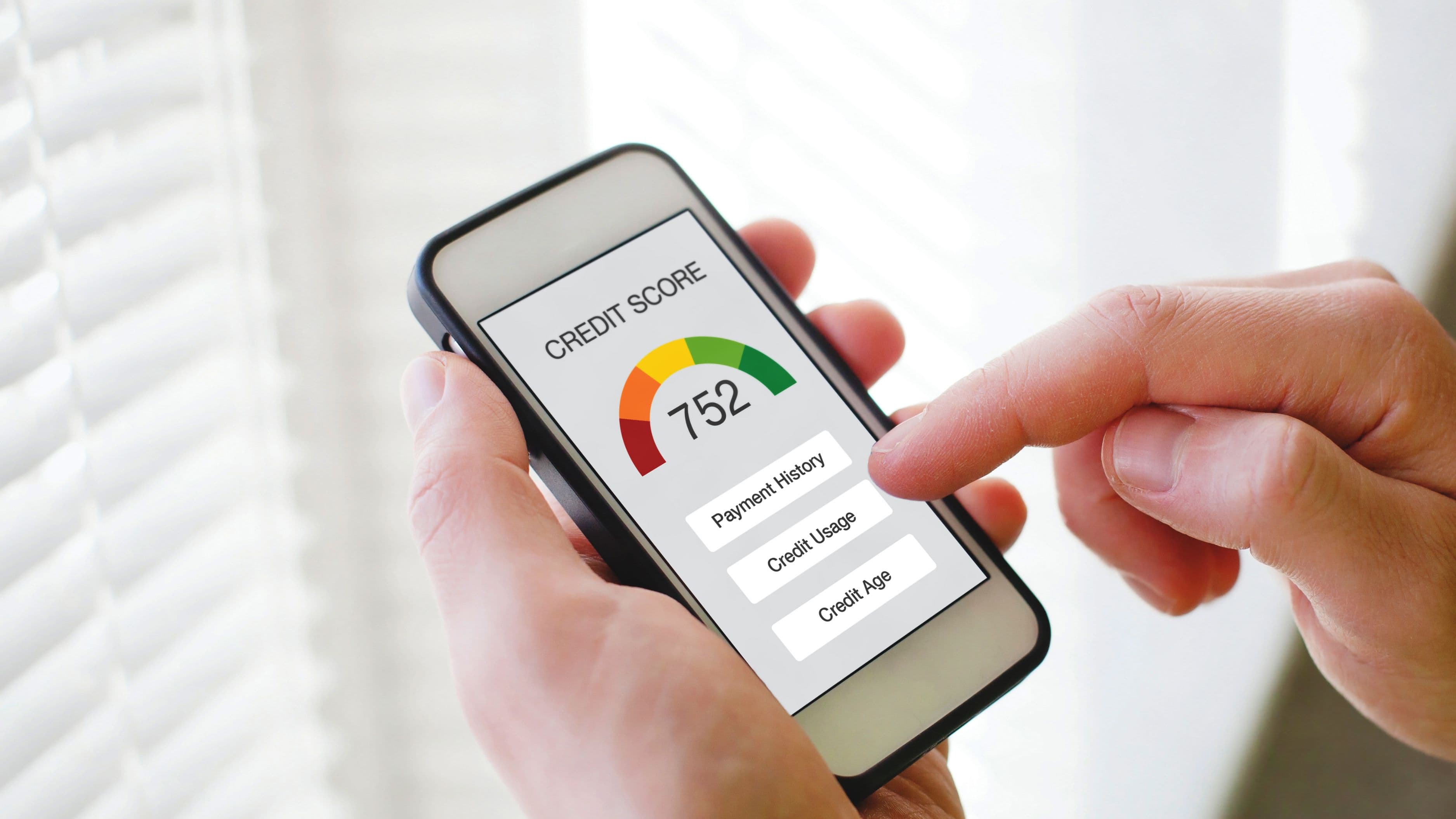
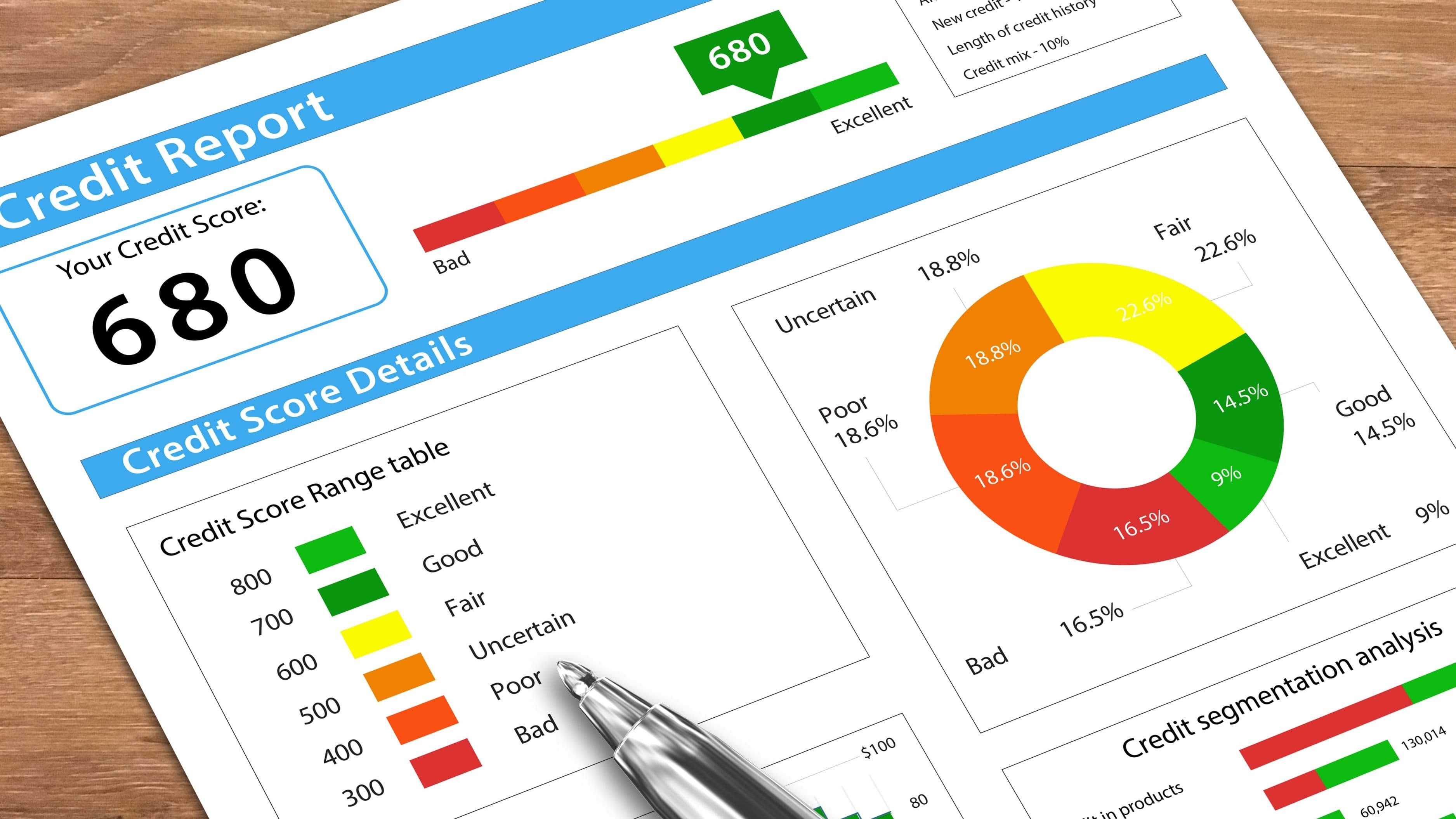
A strong credit score gives you more options if you ever need to borrow during a downturn, like a lower-rate personal loan or a balance transfer card. Keep an eye on your credit report and address errors or high utilization before they become bigger problems.
Why it matters: Good credit can mean the difference between a manageable loan and a predatory one if you need access to credit.
How to apply it: Check your credit report for free through AnnualCreditReport.com and pay down credit card balances to keep utilization under 30%.
Key benefit: More favorable borrowing terms if you ever need them.
10. Avoid Panic-Driven Financial Decisions
Fear leads to bad money moves, like withdrawing retirement funds early, making drastic investment changes, or taking on debt out of anxiety rather than necessity. The most financially resilient people during downturns are usually the ones who stick to a plan instead of reacting to headlines.
Why it matters: Emotional decisions during a recession often cause more long-term damage than the recession itself.
How to apply it: Create a simple financial plan now, while you're calm, so you have something to follow if things get stressful later.
Key benefit: Steadier decision-making and fewer costly mistakes when it matters most.
Quick Takeaway
You can't control a recession, but you can control how prepared you are for one. Building your emergency fund, trimming unnecessary spending, avoiding new debt, and staying calm with your investments are the highest-impact moves you can make starting today. Small, consistent actions now will matter far more than big reactions later.
FAQ
How big should my emergency fund be before a recession hits? Most financial experts recommend 3 to 6 months of essential expenses, though even 1 month of coverage is a meaningful improvement if you're starting from zero.
Should I stop investing during a recession? Generally no – consistent investing through downturns (especially in retirement accounts) often benefits long-term investors since you're buying at lower prices, but this depends on your personal timeline and risk tolerance.
Is it a good time to pay off debt or save more during a recession? Both matter, but high-interest debt (like credit cards) should typically be prioritized first since the interest cost usually outweighs the benefit of saving that same money.
What's the biggest financial mistake people make during a recession? Panic-selling investments and taking on new debt out of fear are two of the most common and costly mistakes, often doing more damage than the recession itself.
Protecting your finances during a recession isn't about predicting exactly what happens next – it's about being prepared enough that whatever happens, you're not caught off guard.
📚 Sources
Federal Reserve Consumer Credit and Recession Guidance - https://www.consumerfinance.gov/about-us/blog/preparing-your-finances-for-a-recession/
AnnualCreditReport.com - Free Credit Reports - https://www.annualcreditreport.com/