Top 10 at a Glance
Philips HeartStart Home AED – Best for home use and non-medical users
ZOLL AED Plus – Best for comprehensive CPR feedback
Defibtech Lifeline AED – Best battery life and durability
VIVE Precision First Aid Kit – Best comprehensive home first aid kit
EpiPen Auto-Injector – Best for severe allergic reactions
Bound Tree SAM Splint – Best portable splinting solution
QuikClot Advanced Clotting Gauze – Best for controlling severe bleeding
Omron Evolv Blood Pressure Monitor – Best for monitoring cardiovascular emergencies
BVM Resuscitator Bag – Best for emergency respiratory support
PRIMACARE Medical Emergency Trauma Kit – Best portable comprehensive trauma response
1. Philips HeartStart Home AED
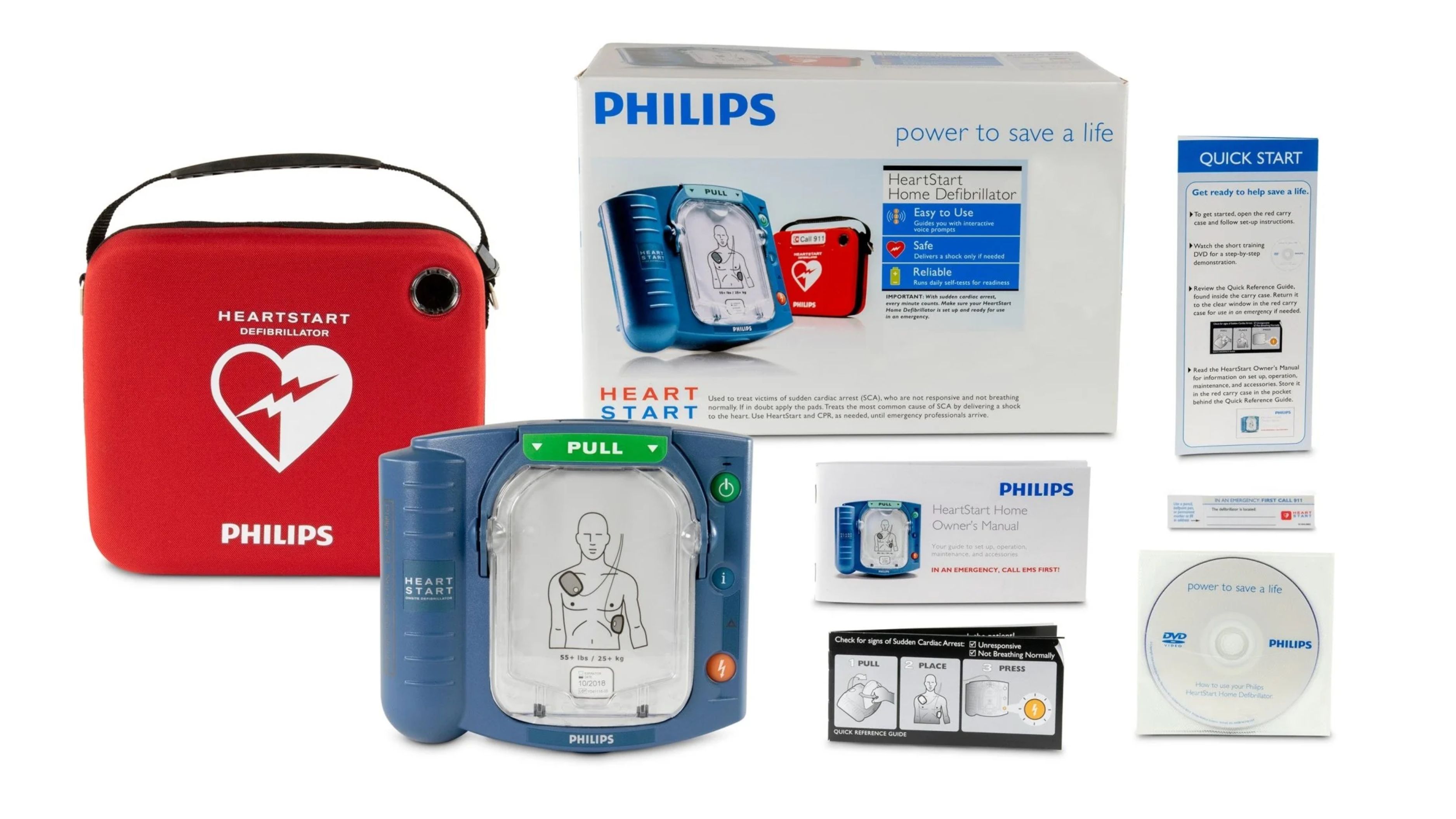
The Philips HeartStart Home AED is designed specifically for untrained users who need to respond quickly to sudden cardiac arrest. This device talks you through every step of the process with clear voice instructions and simple visual guides, making it accessible even during high-stress situations.
What sets this AED apart is its sophisticated technology packaged in an incredibly user-friendly design. The device automatically assesses the patient's heart rhythm and will only allow a shock if it's medically necessary. It adapts its instructions based on your actions, providing real-time guidance. The pads can be used on both adults and children, and the device comes ready to use right out of the box.
Pricing typically ranges from $1,200 to $1,500, which includes the device, carrying case, and one set of electrode pads.
Pros:
Crystal-clear voice instructions suitable for untrained users
No maintenance required for first two years
Lightweight and portable at just 3.3 pounds
Eight-year warranty provides long-term peace of mind
Quick shock delivery in under 8 seconds
Cons:
Higher initial investment compared to basic first aid equipment
Replacement pads cost $70–$100
Requires registration for warranty coverage
Cannot be used on infants under 12 months
2. ZOLL AED Plus
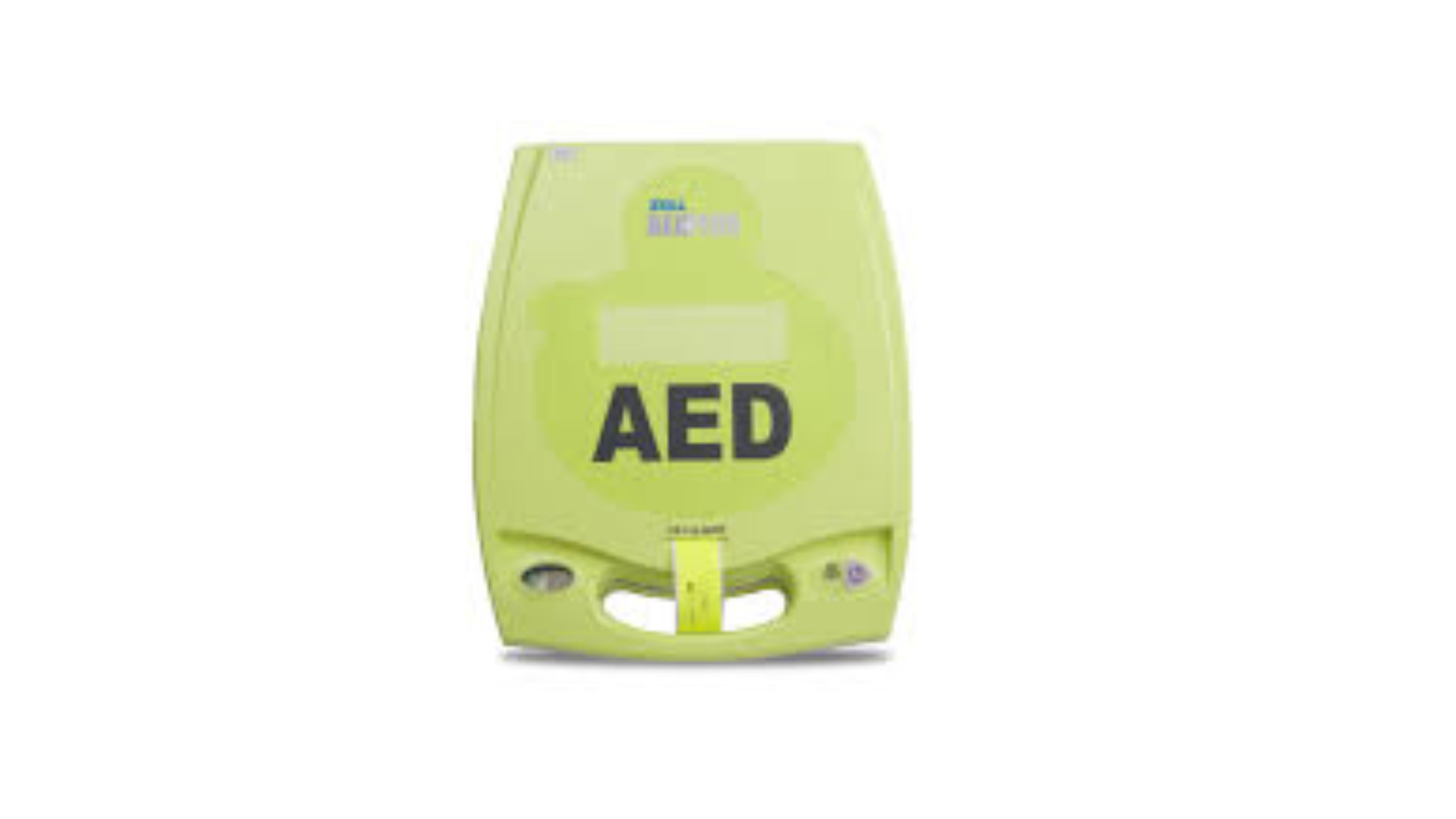
The ZOLL AED Plus stands out for its real-time CPR feedback feature, which is crucial since good CPR is essential for survival even when using a defibrillator. This device includes a CPR-D-padz electrode that senses the depth and rate of chest compressions, providing immediate audio and visual feedback to help rescuers perform effective CPR.
This AED is ideal for businesses, schools, and community centers where multiple people might need to use it. The device features a full-color display that shows CPR compression depth, and it provides a metronome to guide compression rate. It's rugged enough for demanding environments and has a simple two-button operation. The unique rescue-ready indicator provides daily self-tests to ensure the device is always prepared.
You can expect to invest between $1,500 and $1,900 for this unit.
Pros:
Real-time CPR coaching improves rescue effectiveness
Rectilinear biphasic waveform technology increases success rates
Five-year battery life reduces maintenance costs
Durable construction withstands tough conditions
One-piece CPR-D-padz simplifies pad placement
Cons:
Heavier than some competitors at 7.1 pounds
More expensive than basic models
Louder audio may be startling in quiet environments
Learning curve for understanding all display features
3. Defibtech Lifeline AED
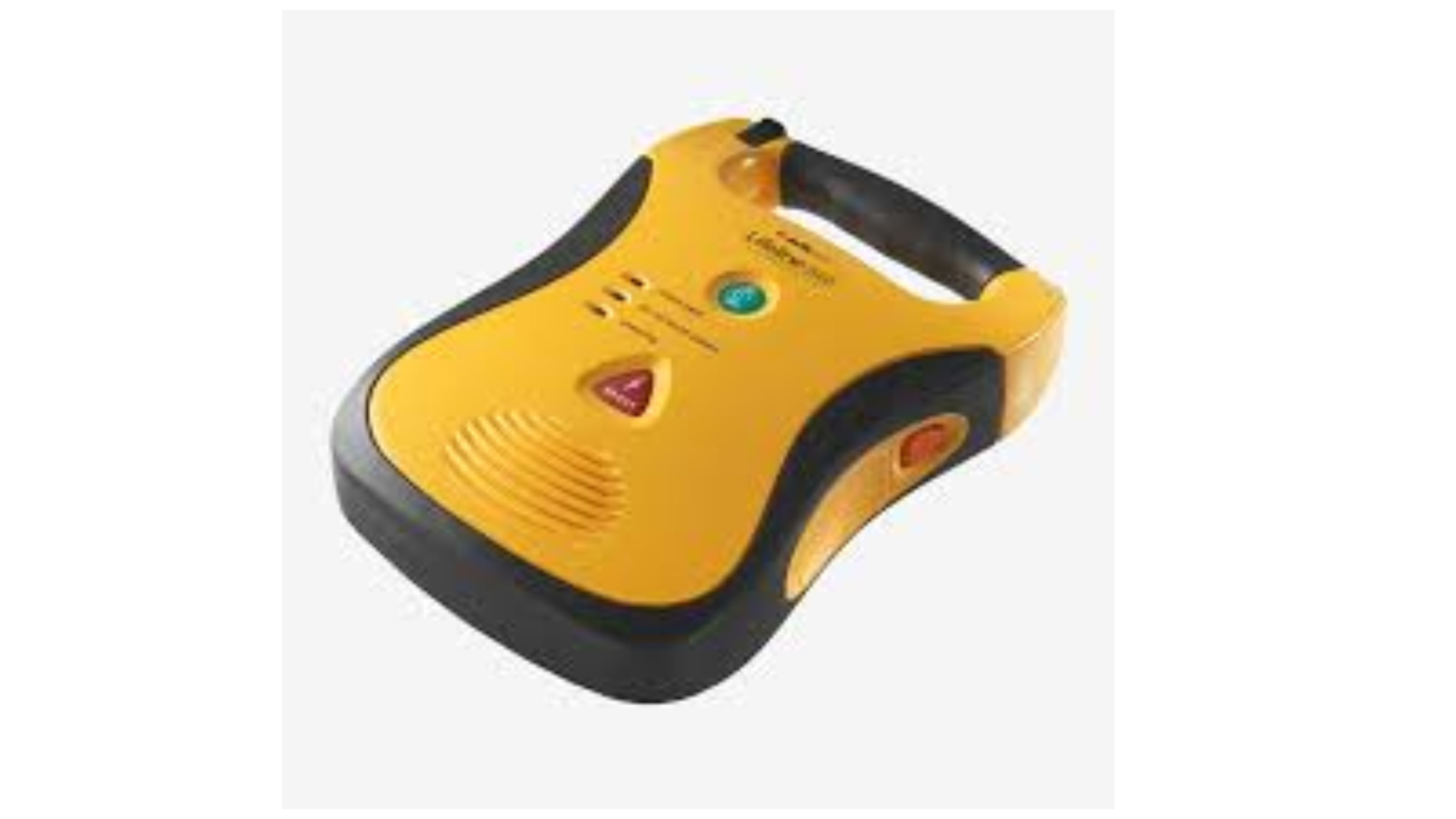
The Defibtech Lifeline AED is built for longevity and reliability, featuring an impressive nine-year battery life that's the longest in the industry. This device is perfect for locations where regular maintenance checks might be challenging, such as remote worksites, boats, or vacation homes.
What makes this AED particularly appealing is its simple three-button design and bright status indicator that can be seen from 30 feet away, ensuring you immediately know if the device is ready. The unit provides clear metronome and voice prompts, and it's one of the most affordable full-featured AEDs available. It also features automatic self-testing capabilities that run daily checks, with results accessible via USB or Wi-Fi connectivity.
Pricing ranges from $1,100 to $1,400, making it a cost-effective option for quality life-saving equipment.
Pros:
Industry-leading nine-year battery life
Highly visible status indicator from a distance
User-friendly three-button operation
Military-grade durability with IP54 rating
Non-polarized pads eliminate placement confusion
Cons:
Display screen smaller than some competitors
Voice prompts not as detailed as premium models
Pediatric capability requires separate key purchase
Slightly longer shock delivery time
4. VIVE Precision First Aid Kit
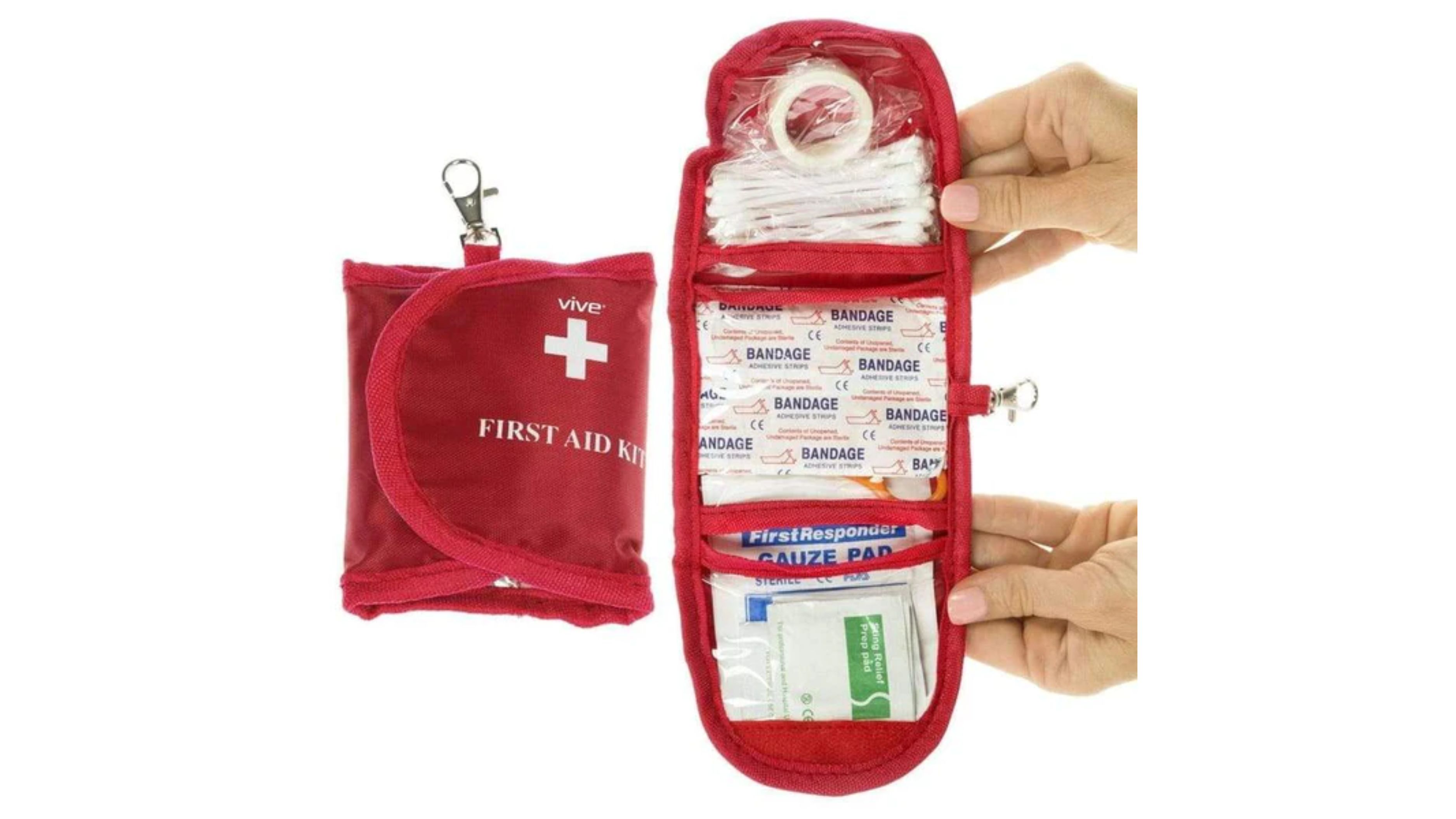
The VIVE Precision First Aid Kit contains 300 essential medical supplies organized in clearly labeled compartments, making it easy to find what you need during an emergency. This comprehensive kit is ideal for families who want a one-stop solution for home, car, and outdoor medical needs.
Inside, you'll find everything from bandages and gauze pads to antiseptics, medications, tools, and emergency guides. The kit includes items for treating cuts, burns, sprains, insect bites, allergic reactions, and other common emergencies. It comes in a durable, water-resistant case with multiple compartments and a portable handle. The included first aid manual provides clear instructions for various medical situations, making it accessible even for those without medical training.
This kit typically costs between $40 and $60, representing excellent value for the breadth of supplies included.
Pros:
Comprehensive 300-piece supply for various emergencies
Well-organized compartments for quick access
Water-resistant case protects contents
Includes both adult and children's medications
Detailed first aid guide included
Cons:
Bulkier than minimalist travel kits
Some items may expire and need replacement
Scissors quality could be better
May be overwhelming for basic needs
5. EpiPen Auto-Injector
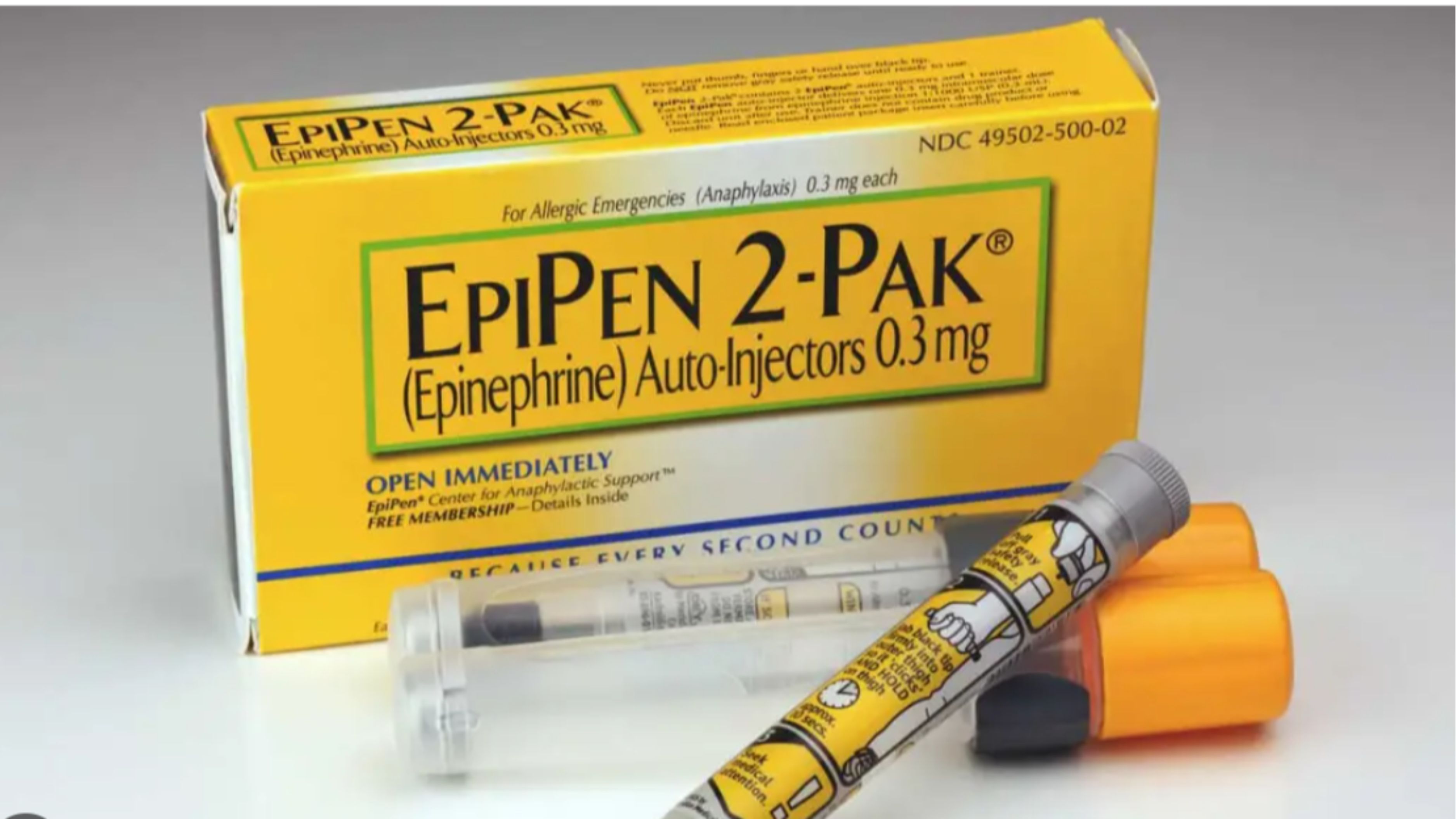
The EpiPen is the gold standard for treating severe allergic reactions (anaphylaxis), delivering a precise dose of epinephrine that can reverse life-threatening symptoms within minutes. Anyone with known severe allergies to foods, insect stings, or medications should carry this device at all times.
This auto-injector is designed for emergency self-administration or administration by family members or bystanders. It features a simple design: remove the blue safety cap, press the orange tip firmly against the outer thigh, and hold for three seconds. The device provides both audio and tactile confirmation that the injection is complete. Each EpiPen comes with a trainer device so you can practice the proper technique without wasting medication.
A two-pack typically costs between $600 and $700 without insurance, though many insurance plans cover most of this cost. Generic alternatives are available for $300–$400.
Pros:
Proven life-saving effectiveness for anaphylaxis
Simple three-step administration process
Compact and portable for everyday carry
Trainer device included for practice
Works through clothing in emergency
Cons:
Expensive without insurance coverage
Relatively short expiration period (12–18 months)
Must be stored at room temperature
Requires prescription from doctor
Single-use only, need multiple units for full coverage
6. Bound Tree SAM Splint
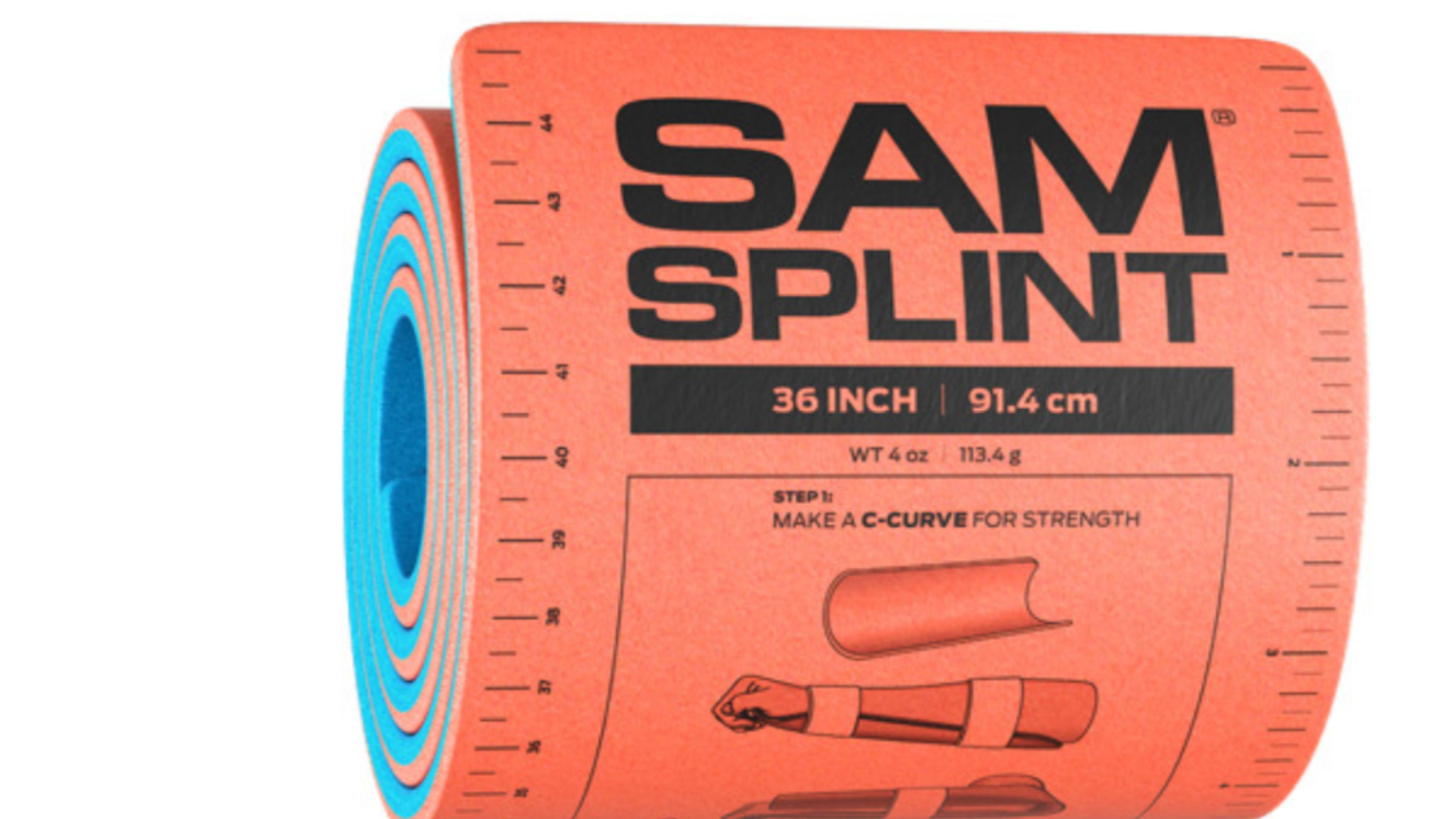
The SAM Splint is a revolutionary flexible splinting device made from thin aluminum covered in foam that can be shaped to immobilize virtually any bone or joint injury. This compact tool is essential for treating fractures, sprains, and dislocations when professional medical help isn't immediately available.
What makes this splint remarkable is its versatility—the same 36-inch splint can secure a finger, wrist, forearm, ankle, or even be configured for cervical spine stabilization. It's lightweight, waterproof, and reusable, and it can be cut to size for specific applications. The foam padding provides comfort while the aluminum core provides rigid support once molded. It's been used by military medics, wilderness rescue teams, and emergency services worldwide for decades.
Individual SAM Splints cost between $10 and $20 depending on size, making them an affordable addition to any emergency kit.
Pros:
Extremely versatile for various injury types
Lightweight and compact for storage
Reusable and easy to clean
No expiration date
Works in extreme temperatures
Cons:
Requires some knowledge to use effectively
May need tape or bandages to secure
Can be bent out of shape if stored improperly
Not suitable for all types of injuries
Foam can deteriorate with prolonged outdoor exposure
7. QuikClot Advanced Clotting Gauze
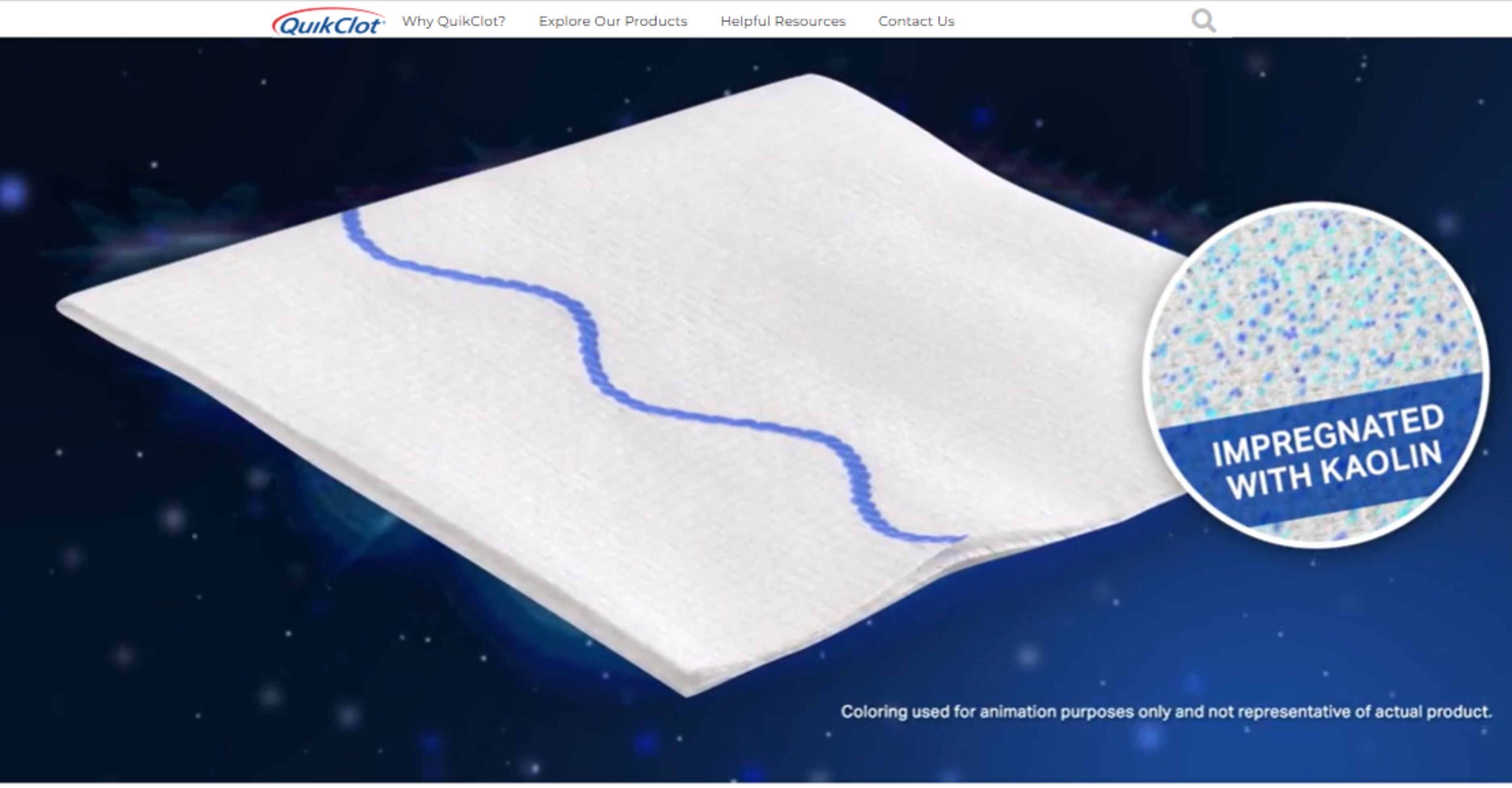
QuikClot Advanced Clotting Gauze is a hemostatic dressing that accelerates the body's natural clotting process to control severe bleeding quickly. This medical-grade product is essential for treating traumatic injuries where standard pressure alone isn't stopping blood flow.
The gauze is impregnated with kaolin, a naturally occurring mineral that activates the clotting cascade without generating heat or causing further tissue damage. It's particularly valuable for deep wounds, arterial bleeding, or situations where a tourniquet isn't appropriate. The product is used by military personnel, law enforcement, and emergency responders, and it's now available for civilian use. Each package contains a 3-foot rolled gauze that should be packed into the wound and held with firm pressure for three minutes.
A single package typically costs $30–$45, which is reasonable considering its life-saving potential.
Pros:
Stops severe bleeding significantly faster than regular gauze
Safe, natural clotting agent (kaolin-based)
Flexible enough for various wound shapes
No special storage requirements
Proven effectiveness in military and civilian use
Cons:
More expensive than standard gauze
Requires proper training for effective use
Limited to external bleeding only
Should not be used in body cavities
Has expiration date (typically 5 years)
8. Omron Evolv Blood Pressure Monitor
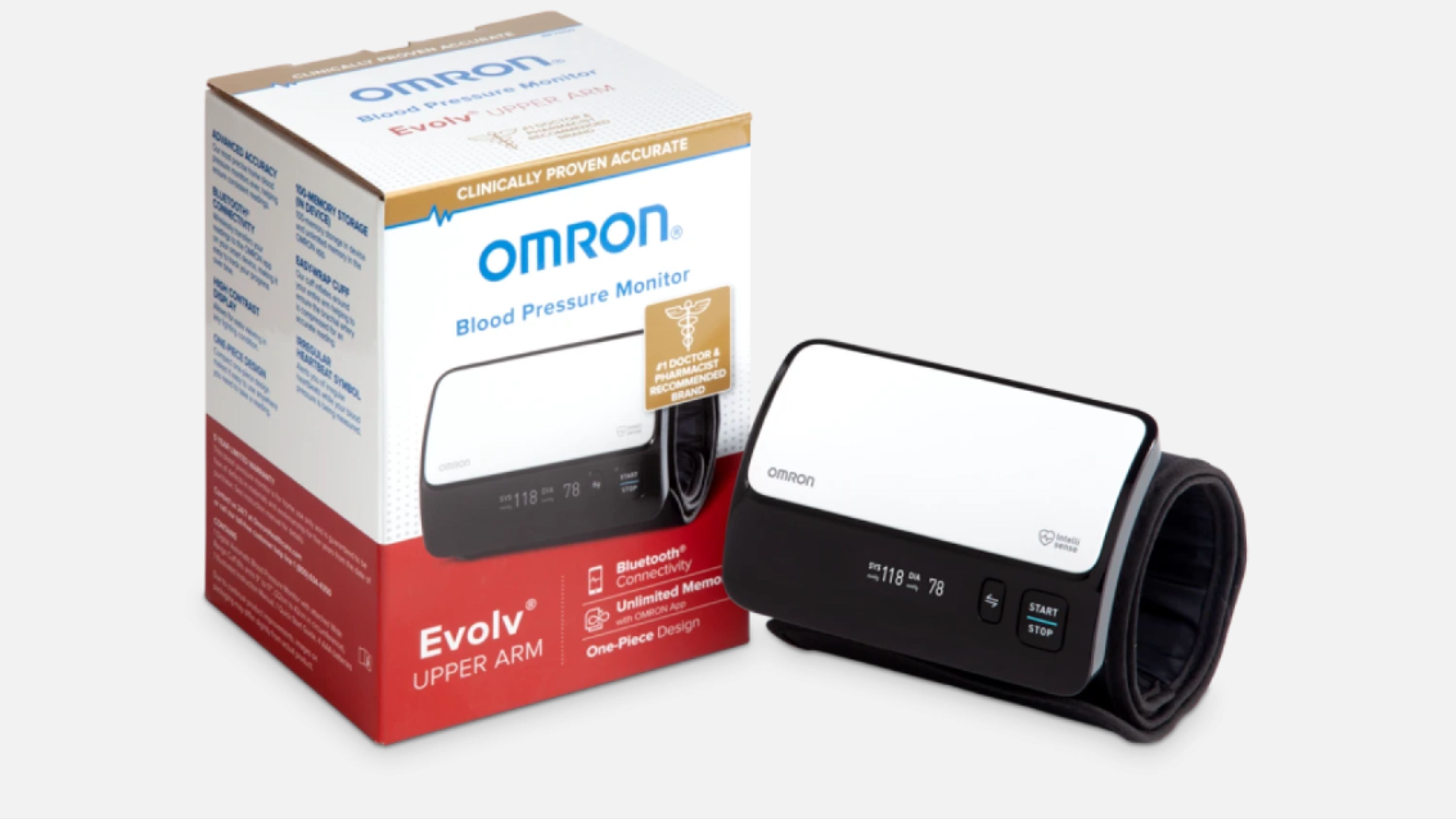
The Omron Evolv is a wireless, all-in-one blood pressure monitor that connects to your smartphone to track cardiovascular health and detect potential medical emergencies like hypertensive crisis. This device is crucial for people with heart conditions, diabetes, or anyone at risk for cardiovascular events.
Unlike traditional blood pressure monitors, the Evolv features a tube-free design with the cuff, monitor, and pump all integrated into one unit that wraps around your arm. It syncs with the OMRON Connect app to store unlimited readings, track trends, and share data with healthcare providers. The device is clinically validated for accuracy and provides alerts when readings fall outside normal ranges. During a potential medical emergency, having accurate blood pressure information can help first responders make critical treatment decisions.
The device costs approximately $80–$100, representing good value for smart health monitoring technology.
Pros:
Easy one-button operation with no tubes
Bluetooth connectivity for automatic data tracking
Clinically validated accuracy
Supports multiple users (up to two profiles)
Helps identify emergency situations early
Cons:
Requires smartphone for full functionality
Battery life varies with usage
Cuff size may not fit all arm sizes
App connectivity can be finicky
More expensive than basic monitors
9. BVM Resuscitator Bag
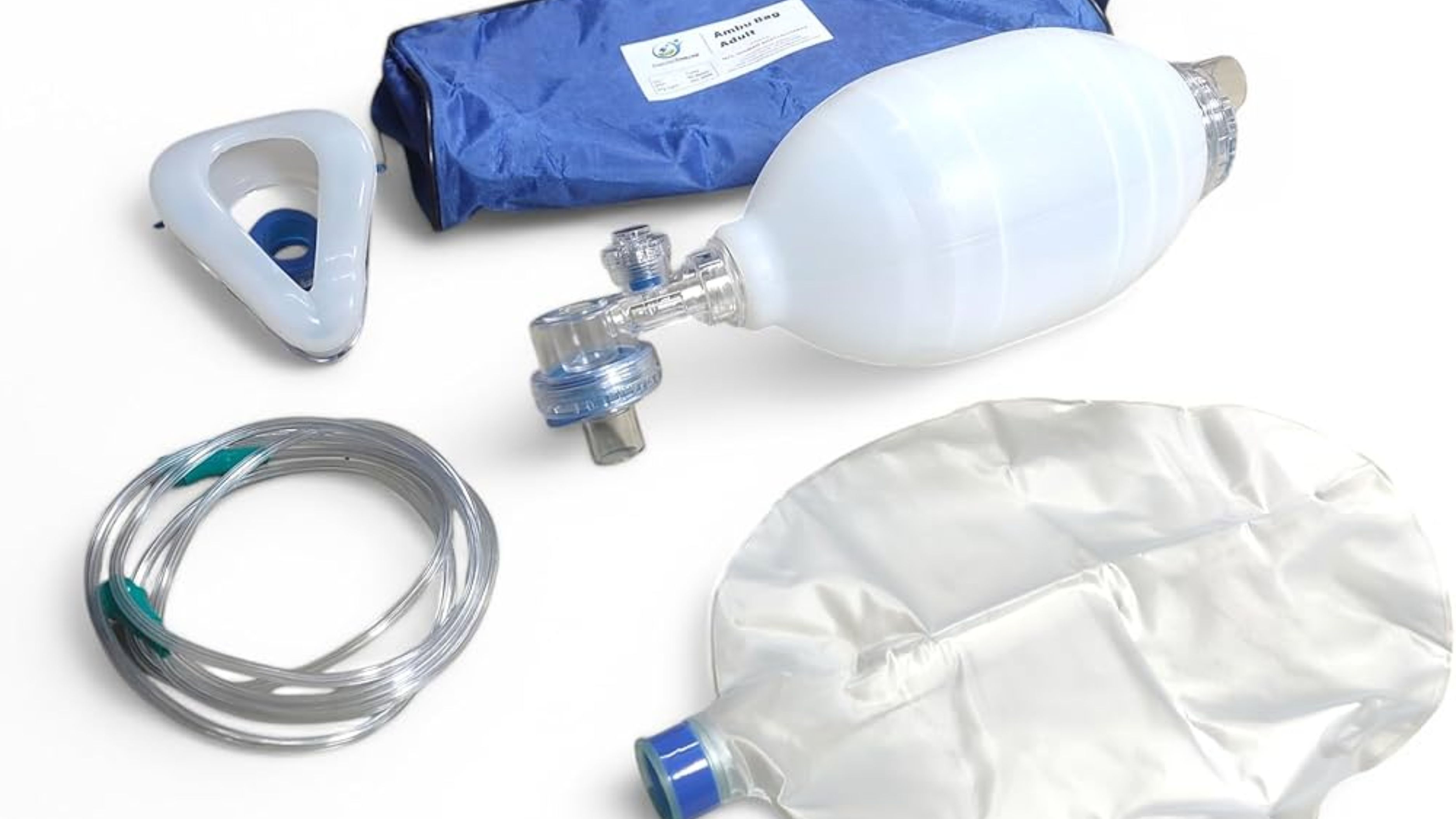
A Bag Valve Mask (BVM) resuscitator is a hand-held device used to provide positive pressure ventilation to patients who aren't breathing or aren't breathing adequately. This is essential equipment for anyone trained in advanced first aid or for locations like schools, gyms, or community centers where respiratory emergencies might occur.
The BVM consists of a self-inflating bag, one-way valves, and a face mask that creates a seal over the patient's mouth and nose. When squeezed, it delivers air or oxygen to the lungs. Quality BVMs feature transparent masks for monitoring patient color and secretions, safety valves to prevent over-inflation, and universal oxygen port connections. While using a BVM effectively requires training, it's an invaluable tool when CPR alone isn't sufficient or when waiting for advanced medical personnel.
Professional-grade BVM kits range from $25 to $50 for adult sizes, with pediatric and infant sizes available separately.
Pros:
Provides effective ventilation when CPR needed
Can be used with supplemental oxygen
Reusable with proper cleaning
Available in adult, child, and infant sizes
Includes one-way valve for rescuer safety
Cons:
Requires proper training for effective use
Two-person operation more effective than one
Mask seal can be difficult to maintain
Disposable parts need regular replacement
Can cause gastric distension if used improperly
10. PRIMACARE Medical Emergency Trauma Kit
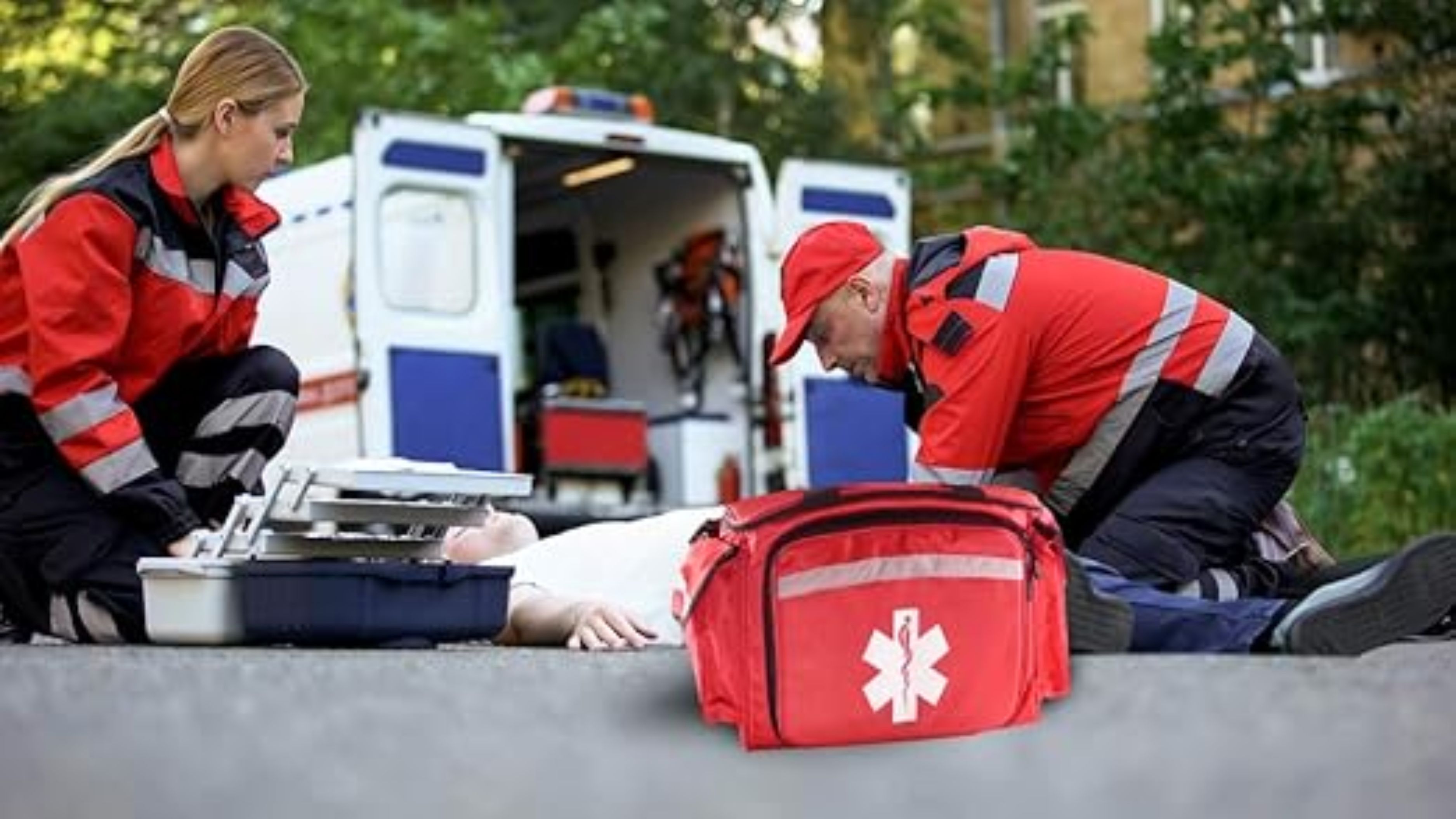
The PRIMACARE Medical Emergency Trauma Kit is a comprehensive tactical-style bag designed for serious medical emergencies involving severe bleeding, fractures, or multiple casualties. This kit is ideal for preppers, outdoor enthusiasts, workplace safety officers, or anyone wanting professional-level emergency supplies.
This 200-piece kit includes trauma dressings, tourniquets, hemostatic agents, chest seals, airways, splints, and various wound care supplies—far beyond what standard first aid kits offer. Everything is organized in a rugged, military-grade nylon bag with MOLLE attachments and multiple compartments. The kit includes supplies specifically for treating gunshot wounds, stab wounds, severe burns, and traumatic injuries. It also contains a comprehensive guide for trauma care procedures.
Complete kits range from $150 to $250 depending on specific components and bag style.
Pros:
Comprehensive trauma supplies for severe emergencies
Professional-grade equipment
Durable, weather-resistant tactical bag
Well-organized with labeled compartments
Suitable for multiple casualty situations
Cons:
Expensive compared to basic first aid kits
Heavy and bulky for everyday carry
Many items require training to use properly
Some supplies have expiration dates
May be intimidating for untrained users
Understanding Emergency Medical Equipment
Emergency medical equipment encompasses any devices or supplies designed to address life-threatening situations before professional medical help arrives. This category includes everything from simple items like adhesive bandages and antiseptic wipes to sophisticated devices like automated external defibrillators and hemostatic agents. The common thread is that these tools are designed for use by laypersons or first responders in urgent situations where immediate intervention can prevent death or serious injury.
These devices bridge the critical gap between when an emergency occurs and when paramedics or emergency room physicians can take over. In many cases—particularly with cardiac arrest, severe bleeding, or anaphylaxis—intervening within the first few minutes dramatically increases survival chances. Having the right equipment readily available transforms bystanders into lifesavers.
Benefits of Having Emergency Medical Equipment
The most obvious benefit is the potential to save lives. Sudden cardiac arrest victims have only a 5–10% survival rate without intervention, but this jumps to 50–70% when an AED is used within the first three minutes. Similarly, severe bleeding can lead to death in as little as five minutes, but hemostatic agents can buy crucial time.
Beyond life-saving situations, having proper medical equipment reduces the severity of injuries, prevents complications, and provides peace of mind. A well-stocked first aid kit means you can properly clean and dress wounds to prevent infection, stabilize fractures to prevent further damage, and treat minor medical issues before they become major problems. For people with known medical conditions—like severe allergies or heart disease—having appropriate emergency equipment isn't optional; it's a critical part of managing their health.
There's also a psychological component: knowing you're prepared to handle emergencies reduces anxiety and allows you to respond more calmly and effectively when crises occur. This confidence can make the difference between panicking and taking life-saving action.
What to Look for When Choosing Emergency Medical Equipment
Ease of Use: In a medical emergency, you won't have time for complicated instructions or confusing interfaces. Look for equipment with clear, simple instructions, intuitive design, and features like voice prompts or visual guides. If training is required, ensure resources are available or included.
Reliability and Quality: This isn't an area to cut corners. Choose equipment from reputable manufacturers with proven track records. Check for FDA approval, clinical validation, or compliance with relevant medical standards. Read reviews from actual users and medical professionals.
Appropriate for Your Needs: Consider your specific circumstances. Do you have family members with known medical conditions? Do you spend time in remote areas far from hospitals? Are you preparing for workplace emergencies? Your equipment should match your most likely emergency scenarios.
Maintenance Requirements: Some equipment needs regular checks, battery replacements, or component updates. Be realistic about what you'll actually maintain. Devices with longer battery life, self-testing features, or minimal upkeep requirements are often better choices for home use.
Storage and Portability: Consider where you'll keep the equipment and whether you need to transport it. AEDs should be in accessible locations with clear signage. First aid kits benefit from being compact and portable. Ensure your storage method protects the equipment from temperature extremes, moisture, and damage.
Cost and Value: While you shouldn't compromise on quality for life-saving equipment, you need to balance effectiveness with budget. Consider both initial costs and ongoing expenses like replacement supplies, batteries, or expired items. Sometimes spending more upfront on durable, low-maintenance equipment saves money long-term.
Frequently Asked Questions
Q: Do I need training to use emergency medical equipment like AEDs?
While many modern devices are designed for untrained users with clear voice instructions, taking a basic CPR and AED course is highly recommended. These classes, often available through the American Red Cross or American Heart Association, teach you when and how to use emergency equipment effectively. The training takes just a few hours and dramatically increases your confidence and effectiveness during real emergencies. Even for simpler equipment, understanding basic first aid principles helps you make better decisions about what to use and when.
Q: How often should I check my emergency medical supplies?
You should inspect your emergency medical equipment at least twice a year, though quarterly checks are even better. During these checks, verify that batteries haven't expired, supplies are sealed and undamaged, and nothing has passed its expiration date. Replace any used or expired items immediately. For AEDs and other electronic devices, confirm that status indicators show the device is ready. Consider setting calendar reminders so checks don't slip your mind. Keep a log of inspection dates and any replacements made.
Q: Where should I store emergency medical equipment in my home?
Store equipment in easily accessible locations that everyone in your household knows about. AEDs should be in central areas with clear signage and kept between 59°F and 86°F. First aid kits work well in kitchens, bathrooms, or bedrooms—wherever you're most likely to be when injuries occur. Avoid garages or cars where temperature extremes can damage supplies. Keep equipment away from children's reach while ensuring adults can access it quickly. Consider having multiple smaller kits in different locations rather than one large kit in a single spot.
Q: Are generic or budget emergency medical supplies as good as name brands?
This depends on the specific product. For life-critical equipment like AEDs and epinephrine auto-injectors, stick with established, FDA-approved brands with proven track records. These devices must function flawlessly when needed, and quality control matters enormously. For basic first aid supplies like bandages, gauze, and antiseptics, generic options are often perfectly adequate and can save money. Always check for proper certifications and read reviews from verified users. Remember that with emergency medical equipment, reliability is more important than saving a few dollars.