
The best premium cards can genuinely pay for themselves—and then some—if you choose the right one for your spending habits and lifestyle. We've analyzed the top options to help you determine which premium cards deliver real value, not just impressive-sounding benefits you'll never use.
Top 10 Best Premium Credit Cards
Chase Sapphire Reserve – Best for travel rewards maximizers
The Platinum Card from American Express – Best for luxury travel perks
Capital One Venture X Rewards – Best for straightforward value
Citi Prestige Card – Best for fourth night free hotel benefit
American Express Gold Card – Best for dining and groceries
Chase Sapphire Preferred – Best entry-level premium card
Ink Business Preferred Credit Card – Best for business owners
United Club Infinite Card – Best for frequent United flyers
Hilton Honors Aspire Card – Best for hotel loyalty enthusiasts
U.S. Bank Altitude Reserve – Best for mobile wallet users
Our Methodology
We evaluated premium credit cards based on five critical criteria to determine which genuinely deliver value beyond their annual fees. First, we examined the annual fee versus tangible benefits ratio, calculating whether the credits, perks, and bonuses realistically offset the cost for typical users. Second, we assessed rewards earning potential across various spending categories, including bonus multipliers and redemption flexibility.
Third, we analyzed travel and lifestyle benefits, from airport lounge access quality to travel insurance coverage and concierge services. Fourth, we considered ease of use and benefit accessibility, evaluating how straightforward it is to actually claim and use the card's perks. Finally, we reviewed customer satisfaction scores and complaint data from the Consumer Financial Protection Bureau, alongside real user experiences regarding customer service quality, app functionality, and benefit fulfillment. Only cards that excelled across multiple criteria made our list.
Detailed Reviews
1. Chase Sapphire Reserve – Best for Travel Rewards Maximizers

Best for: Frequent travelers who want flexible redemption options | Annual fee: $550 | Key features: 3x points on travel and dining, $300 annual travel credit, Priority Pass lounge access, 1.5¢ point value through Chase travel portal
The Chase Sapphire Reserve remains the gold standard for travelers who want maximum flexibility with their rewards. The card earns 3x Ultimate Rewards points on travel and dining worldwide, plus 10x points on hotels and car rentals through Chase, and 5x on flights through the Chase travel portal. What sets it apart is the redemption flexibility—you can transfer points to 14 airline and hotel partners or redeem through Chase's portal at 1.5 cents per point, typically offering better value than competing programs.
The $300 annual travel credit automatically applies to any travel purchase, from flights to parking fees, making it essentially a $250 annual fee card. You also get Priority Pass Select membership (unlimited free lounge visits for you and two guests), premium rental car coverage, trip cancellation insurance, and no foreign transaction fees. The combination of earning power and comprehensive travel protections makes this card ideal for anyone spending over $15,000 annually on travel and dining.
Pros:
Strong 3x earning on broad travel and dining categories
Flexible point redemption with excellent transfer partners
$300 travel credit applies to nearly any travel purchase
Comprehensive travel insurance and protections
DoorDash DashPass membership and $60 annual credit
Cons:
High $550 annual fee requires active use to justify
Priority Pass lounges increasingly crowded
Chase 5/24 rule may prevent approval for new applicants
No elevated earnings on everyday spending categories
2. The Platinum Card from American Express – Best for Luxury Travel Perks

Best for: Premium travelers who value luxury experiences | Annual fee: $695 | Key features: 5x points on flights and prepaid hotels, $200 annual airline credit, Centurion Lounge access, hotel elite status
The Platinum Card delivers an unmatched collection of luxury travel benefits, though you need to actively use them to justify the steep annual fee. You earn 5x Membership Rewards points on flights booked directly with airlines or through Amex Travel, plus 5x on prepaid hotels through Amex Travel. The real value lies in the extensive perks: access to American Express Centurion Lounges (the highest-quality airport lounges), automatic Gold status with Marriott Bonvoy and Hilton Honors, and a $200 annual airline fee credit (though it only covers incidentals, not tickets).
Additional credits include $200 for Uber, $189 for CLEAR, $155 for Walmart+, and up to $400 for qualifying Equinox, SoulCycle, or other wellness subscriptions. The card also provides excellent travel protections, including trip delay insurance, baggage protection, and premium rental car coverage. For frequent travelers who can leverage multiple credits and actually use lounge access regularly, the effective annual fee drops significantly. However, if you're not maximizing these specific benefits, better options exist.
Pros:
Exceptional airport lounge access including Centurion Lounges
Multiple credits ($200 airline, $200 Uber, $189 CLEAR) reduce effective fee
Automatic hotel elite status with major chains
Superior travel protections and concierge service
5x earnings on flights and prepaid hotels
Cons:
$695 annual fee is difficult to justify without heavy use
Credits are specific and restrictive (airline credit especially)
Lower earning rates on everyday spending
Not accepted everywhere Visa and Mastercard are
3. Capital One Venture X Rewards – Best for Straightforward Value

Best for: Travelers who want premium perks without complexity | Annual fee: $395 | Key features: 2x miles on all purchases, $300 annual travel credit, 10,000 anniversary bonus miles, Priority Pass lounge access
The Venture X delivers exceptional value with a refreshingly simple structure. You earn 2x miles on every purchase (10x on hotels and rental cars through Capital One Travel, 5x on flights), making it one of the best cards for general spending among premium options. The $300 annual travel credit works through Capital One Travel, and the 10,000 anniversary bonus miles (worth $100) effectively reduces the annual fee to just $95 when you account for both benefits.
Capital One miles transfer to 15+ airline partners at 1:1 ratios, providing flexibility comparable to Chase and Amex, and you can redeem miles at 1 cent each for travel through their portal or even for statement credits against travel purchases. The card includes Priority Pass Select membership, Plaza Premium lounges, and Capital One Lounge access (the newest and often highest-quality lounge network). With no foreign transaction fees, comprehensive travel insurance, and Hertz President's Circle status, the Venture X provides premium benefits without the usual complexity of tracking multiple niche credits.
Pros:
Strong 2x earning rate on all purchases (no categories to track)
$300 travel credit plus 10,000 anniversary miles reduce effective fee significantly
Simple to use with straightforward redemption options
Access to Capital One Lounges (impressive quality)
Excellent transfer partner options
Cons:
Travel credit must be used through Capital One Travel portal
Fewer luxury perks than Amex Platinum or Chase Sapphire Reserve
Capital One Lounges still limited in number and locations
No dining category bonus earning
4. Citi Prestige Card – Best for Fourth Night Free Hotel Benefit
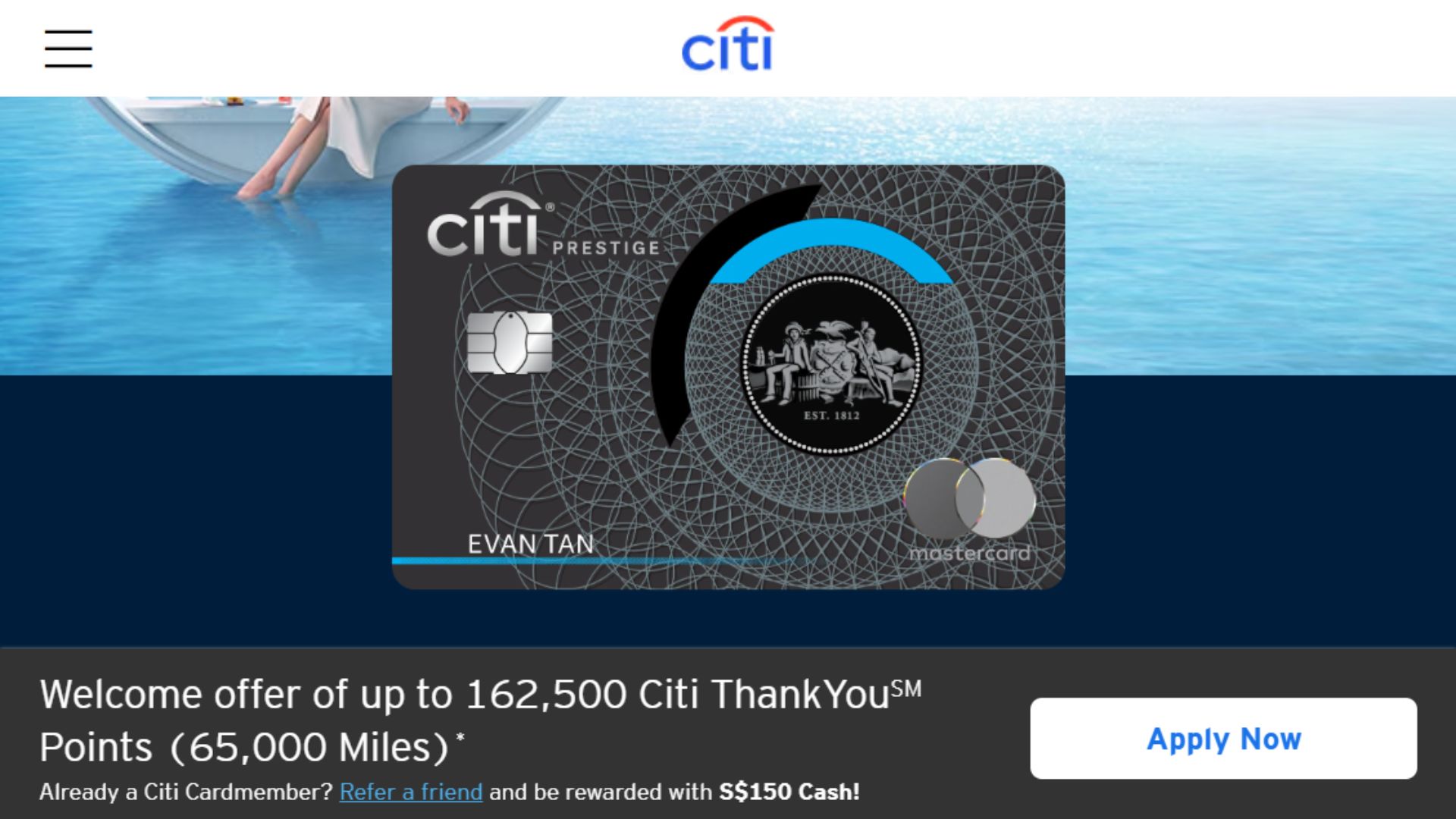
Best for: Frequent travelers who book extended hotel stays | Annual fee: $495 | Key features: 5x points on dining and air travel, fourth night free at hotels, $250 annual travel credit, Admiral's Club and Priority Pass access
The Citi Prestige has become increasingly rare (Citi stopped accepting new applications but existing cardholders can keep it), making it a unicorn in the premium card space. Its standout feature is the fourth night free benefit on hotel stays booked through Citi Prestige Concierge—you pay for three nights and get the fourth free, with no limit on how many times you can use it annually. For travelers who regularly book hotel stays, this single benefit can easily justify the entire annual fee.
You earn 5x ThankYou Points on restaurants and air travel, 3x on hotels and cruise lines, and 1x on everything else. The $250 annual travel credit applies automatically to air travel and hotel purchases, and you get both Priority Pass Select and complimentary Admirals Club access when flying American Airlines. Citi also provides 3-hour or 500-mile trip delay protection (better than most cards' 6-12 hour requirements) and comprehensive travel insurance. While the card is no longer available to new applicants, existing holders have one of the most valuable premium cards available.
Pros:
Fourth night free benefit provides exceptional value for hotel stays
Strong 5x earning on dining and air travel
$250 travel credit applies broadly to flights and hotels
Better trip delay coverage than most premium cards (3 hours)
Multiple lounge access options
Cons:
No longer available to new applicants
Fourth night free requires booking through concierge (limited flexibility)
Foreign transaction fees (3% – unusual for premium cards)
Fewer transfer partners than competing programs
5. American Express Gold Card – Best for Dining and Groceries
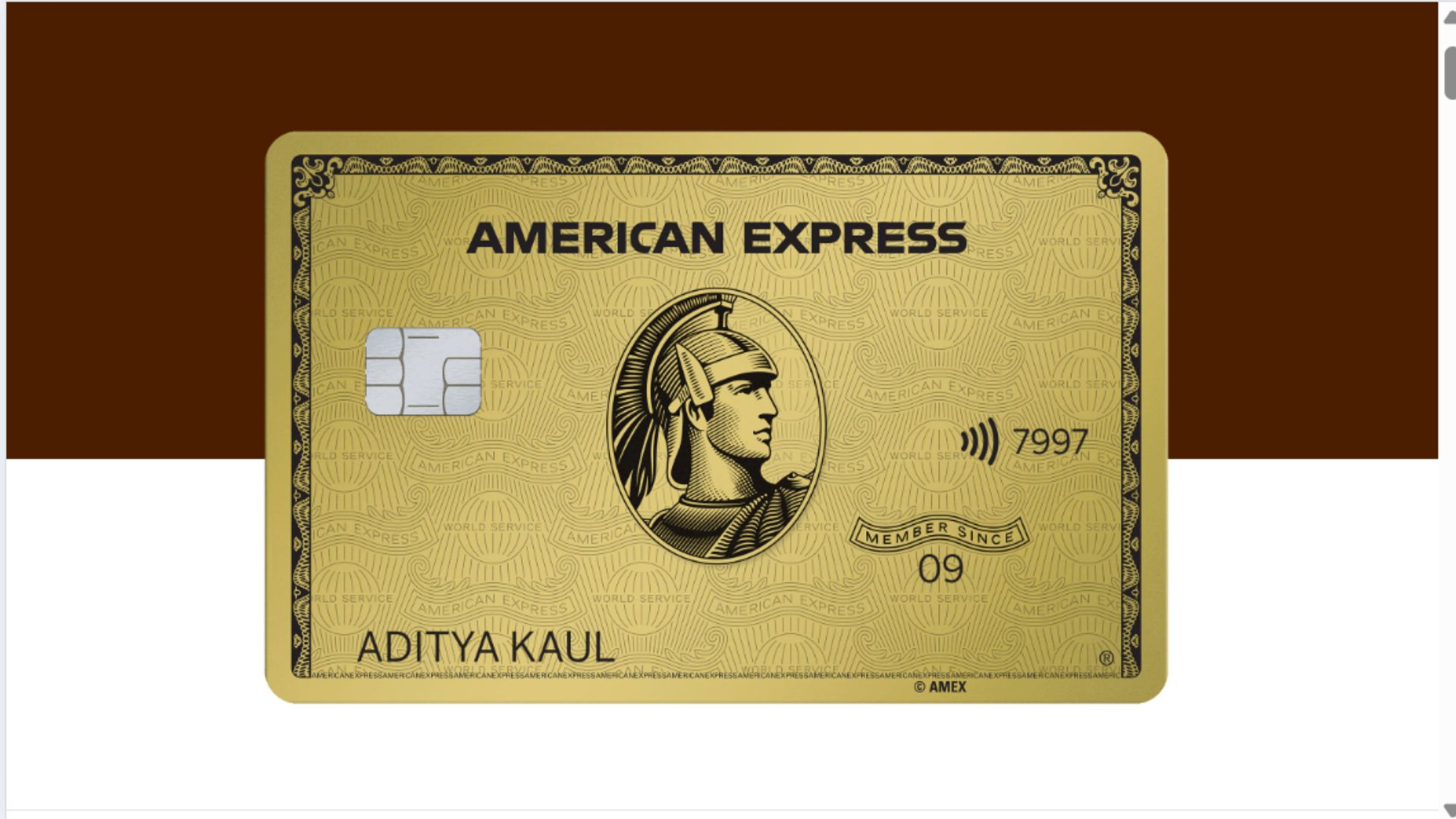
Best for: Food enthusiasts and families with high grocery spending | Annual fee: $250 | Key features: 4x points at restaurants and U.S. supermarkets, $120 dining credit, $120 Uber Cash, no foreign transaction fees
The Amex Gold delivers outstanding value for everyday spending rather than just travel. You earn 4x Membership Rewards points at restaurants worldwide (including takeout and delivery) and at U.S. supermarkets (up to $25,000 annually, then 1x). You also get 3x points on flights booked directly with airlines or on amextravel.com. For someone spending $500 monthly on dining and $400 on groceries, that's 48,000 points annually just from those categories—worth $600+ when transferred to airline partners.
The card includes $120 in annual dining credits ($10 monthly) at Grubhub, The Cheesecake Factory, Ruth's Chris, and other participating restaurants, plus $120 in Uber Cash ($10 monthly). These credits effectively reduce the annual fee to just $10 if you use them fully. While it lacks traditional travel perks like lounge access, the Gold Card's everyday earning power and useful credits make it one of the best value propositions in the premium category for people who don't travel constantly.
Pros:
Exceptional 4x earning on dining and U.S. groceries (everyday categories)
Credits ($120 dining, $120 Uber) nearly offset annual fee
Membership Rewards transfer to valuable airline partners
Reasonable $250 annual fee for earning power
No foreign transaction fees
Cons:
No airport lounge access or premium travel perks
Grocery bonus capped at $25,000 annually
Dining credit only works at specific restaurants
Not ideal for people who don't cook at home or eat out often
6. Chase Sapphire Preferred – Best Entry-Level Premium Card
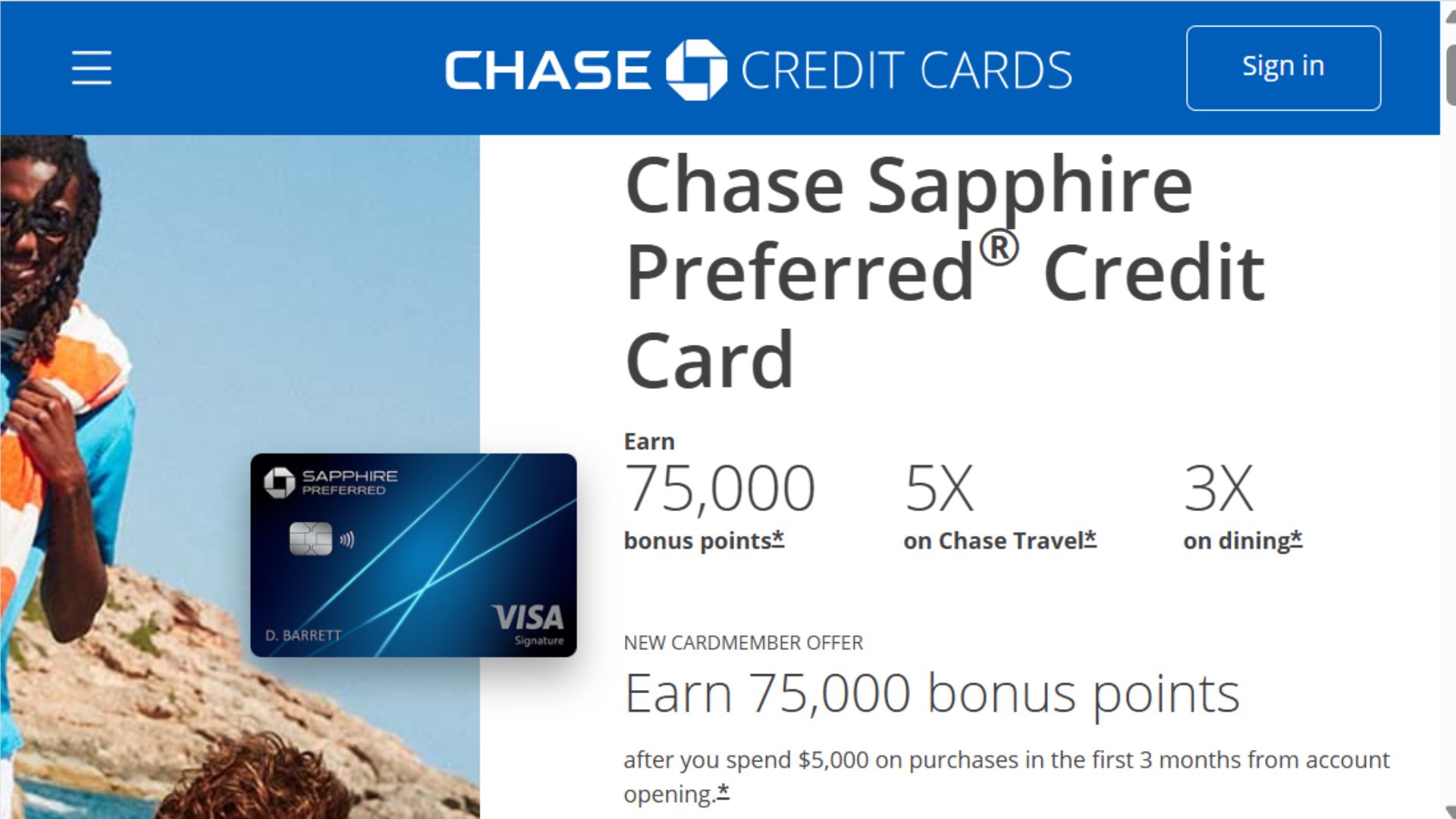
Best for: First-time premium card users or moderate travelers | Annual fee: $95 | Key features: 5x points on Chase Travel, 3x on dining and streaming, 2x on travel, $50 annual hotel credit
The Sapphire Preferred offers a taste of premium benefits without the intimidating annual fee. You earn 5x Ultimate Rewards points on Chase Travel purchases, 3x on dining (including takeout and delivery) and select streaming services, 2x on all other travel, and 1x on everything else. While the earning rates aren't quite as generous as the Reserve, the $95 annual fee makes it much easier to break even. The $50 annual Ultimate Rewards hotel credit (available through Chase Travel) effectively reduces the fee to just $45.
Your points have the same excellent redemption options as the Reserve—transfer to airline and hotel partners or redeem through Chase Travel at 1.25 cents per point. You also get primary rental car coverage (rare for cards under $100), trip cancellation and interruption insurance, and purchase protection. The Preferred is ideal for people who travel occasionally, want better rewards on dining, and aren't ready to commit to a $500+ annual fee. It's also a smart downgrade option if your travel decreases and the Reserve no longer makes sense.
Pros:
Low $95 annual fee for premium card benefits
Strong 3x earning on dining and streaming
Same transfer partners as higher-tier Chase cards
Primary rental car insurance (not secondary)
$50 annual hotel credit reduces effective fee
Cons:
No airport lounge access
Lower point redemption value (1.25¢ vs 1.5¢ with Reserve)
No airline or travel credits beyond the $50 hotel credit
Benefits package less comprehensive than higher-fee cards
7. Ink Business Preferred Credit Card – Best for Business Owners
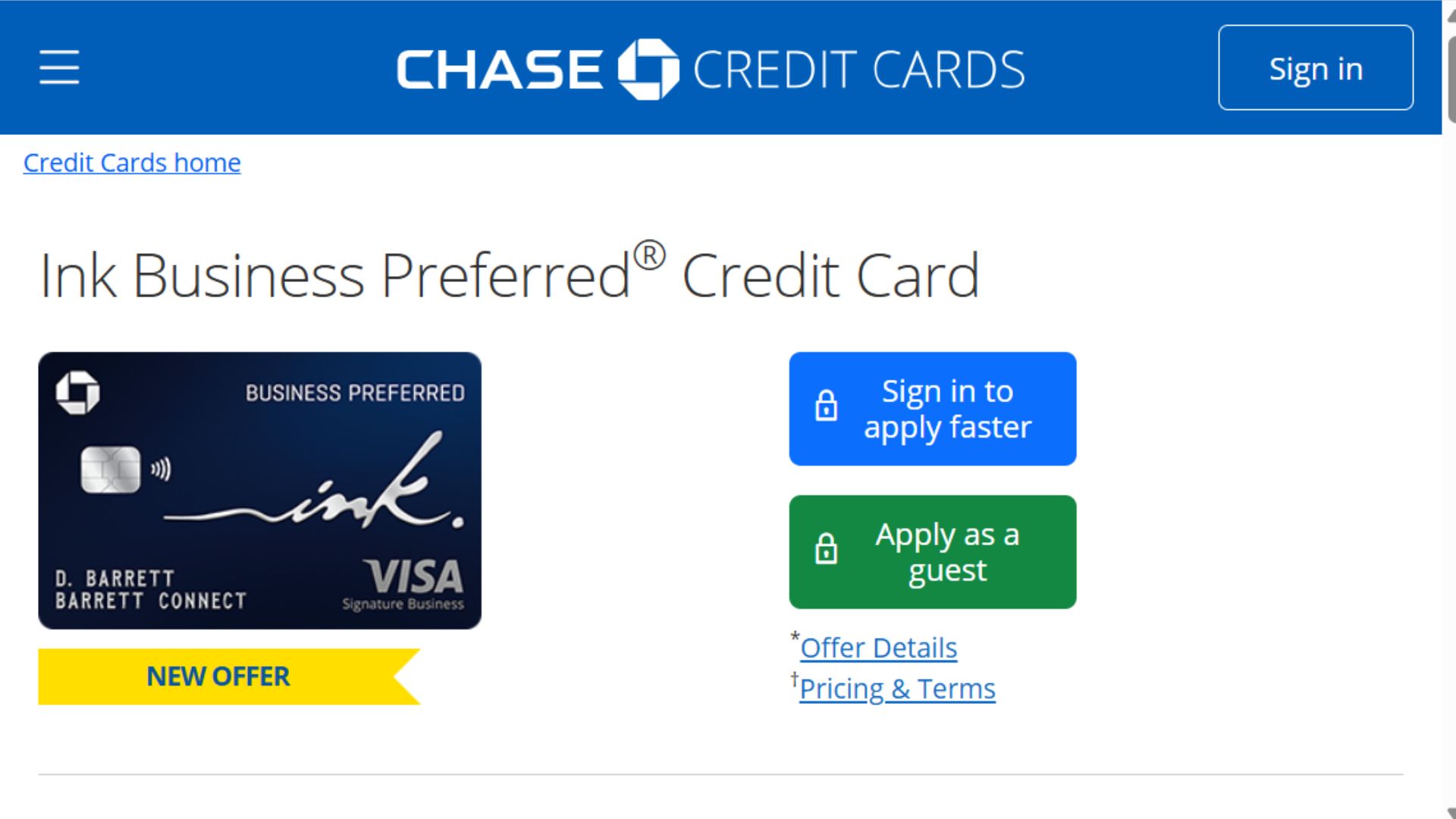
Best for: Small business owners with travel and advertising expenses | Annual fee: $95 | Key features: 3x points on travel, shipping, advertising, and telecommunications, $50 annual hotel credit, cell phone protection
The Ink Business Preferred delivers exceptional value for business owners, offering 3x Ultimate Rewards points on the first $150,000 combined in purchases each account anniversary year on travel, shipping services, internet/cable/phone services, and advertising purchases made with social media sites and search engines. These categories align perfectly with common business expenses, potentially generating massive point balances. You also earn 1x on all other purchases.
The card shares the same excellent Ultimate Rewards redemption options as personal Chase cards—transfer to partners or redeem through Chase Travel. The $95 annual fee includes a $50 annual Ultimate Rewards hotel credit, plus cell phone protection (up to $600 per claim) when you pay your bill with the card. Additional benefits include primary rental car coverage, trip cancellation insurance, and purchase protection. For business owners who can maximize the bonus categories, this card often outperforms personal cards costing five times as much.
Pros:
Exceptional 3x earning on high-spending business categories
High $150,000 annual earning threshold before dropping to 1x
Low $95 annual fee with $50 hotel credit
Same transfer partners as personal Chase Ultimate Rewards cards
Cell phone protection included
Cons:
Requires legitimate business for application
No airport lounge access or premium travel perks
3x categories specific to business spending
Subject to Chase 5/24 rule
8. United Club Infinite Card – Best for Frequent United Flyers
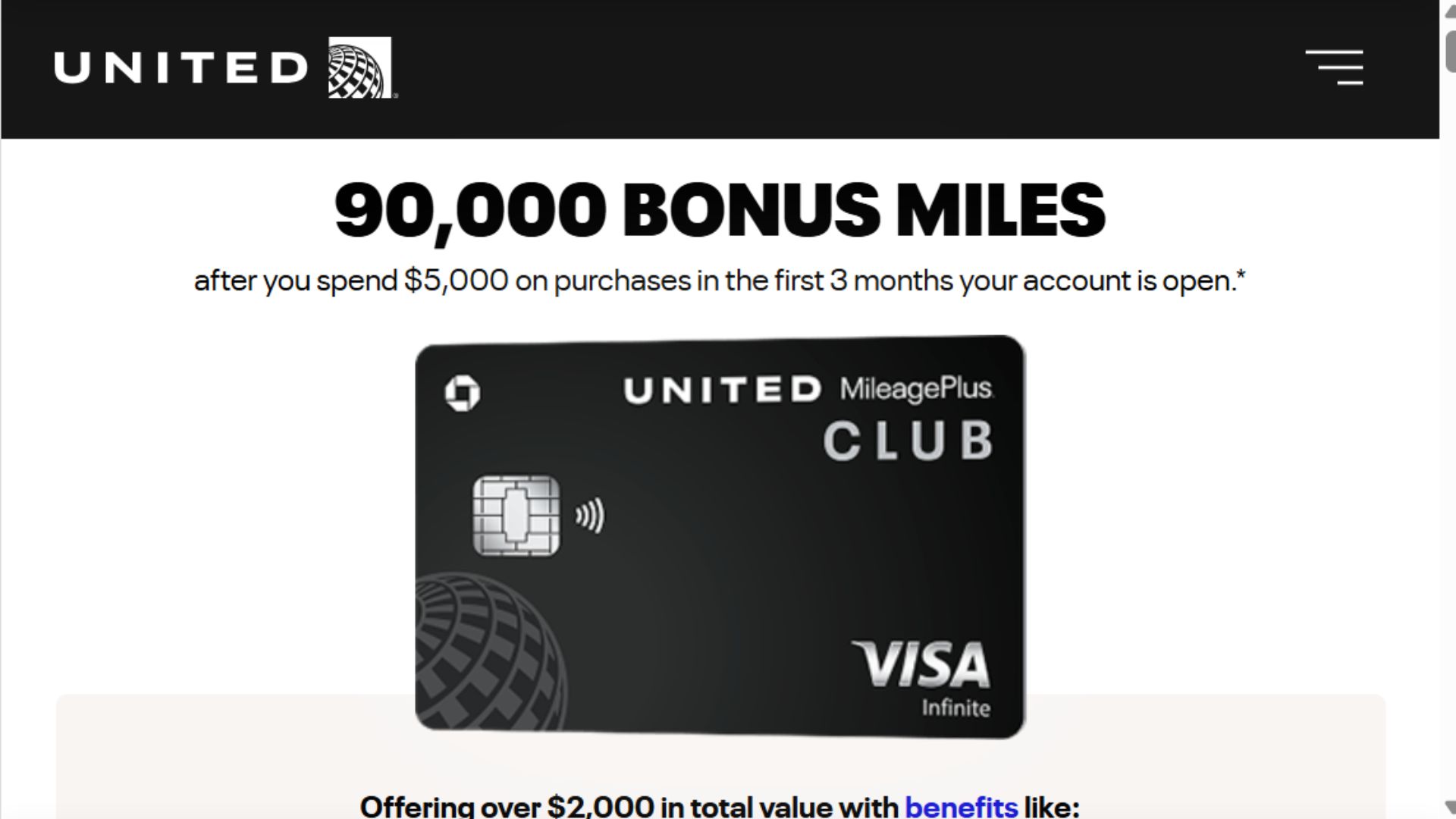
Best for: Regular United travelers who value lounge access | Annual fee: $525 | Key features: 4x miles on United purchases, United Club membership, two annual United Club one-time passes, Premier Access benefits
The United Club Infinite is the premium option for United loyalists. You earn 4x miles on United purchases, 2x miles on all other travel and dining, and 1x miles everywhere else. The real value is the included United Club membership (valued at $650 annually when purchased separately), providing unlimited access to United Club lounges when flying United or Star Alliance partners. You also receive two one-time United Club passes annually to share with travel companions.
Additional benefits include two annual United travel credits worth $100 each (applied to baggage fees, inflight purchases, or other United fees), Premier Access (priority check-in, security, and boarding), and your first and second checked bags free on United flights. You also earn 500 Premier qualifying points (PQP) per $12,000 spent, helping you maintain or achieve United elite status. For anyone flying United more than 10 times annually and who would otherwise pay for lounge access or checked bags, this card delivers clear value beyond its annual fee.
Pros:
United Club membership included (huge value for frequent flyers)
$200 in annual United travel credits
Free checked bags for you and one companion
Premier Access benefits on United flights
Helps earn United elite status through spending
Cons:
Only valuable if you fly United regularly
High $525 annual fee
United Club lounges vary significantly in quality
Limited earning outside United and travel spending
9. Hilton Honors Aspire Card – Best for Hotel Loyalty Enthusiasts
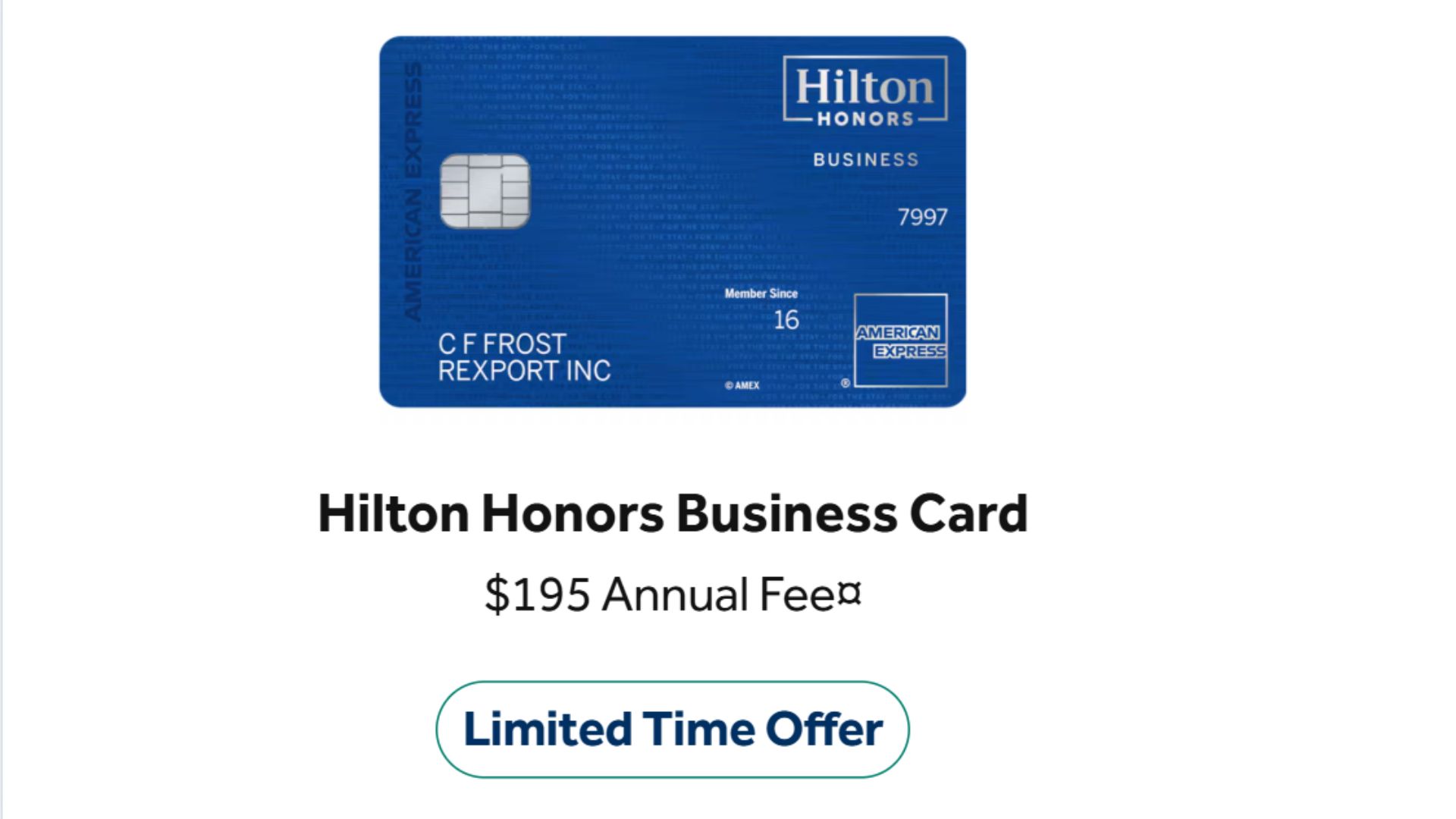
Best for: Frequent Hilton guests who value hotel elite status | Annual fee: $450 | Key features: 14x points at Hilton properties, Diamond status, annual free weekend night, $250 airline credit
The Hilton Honors Aspire delivers exceptional value for Hilton loyalists through its combination of elevated earning, automatic Diamond status, and multiple credits. You earn 14x Hilton Honors points at Hilton properties, 7x at restaurants and U.S. supermarkets and gas stations, and 3x on everything else. More importantly, you receive automatic Diamond status—the highest tier in Hilton's program—providing room upgrades, executive lounge access, late checkout, and other premium benefits.
The card includes a $250 annual airline fee credit (for incidentals only), $250 in Hilton resort credits, Priority Pass Select membership, and an annual free weekend night certificate (valid at almost any Hilton property worldwide, often worth $300-500+). You also get automatic Gold status with Hertz and a $100 credit on Hilton experiences. For someone staying at Hilton properties 15+ nights annually, the combination of Diamond benefits, free weekend night, and earning power typically exceeds the annual fee value.
Pros:
Automatic Diamond status (extremely valuable for frequent guests)
Annual free weekend night at nearly any Hilton property
Multiple credits ($250 airline, $250 resort) reduce effective fee
Strong earning at Hilton properties (14x points)
Priority Pass lounge access included
Cons:
Only valuable for Hilton loyalists
Airline credit limited to incidentals (not tickets)
High annual fee requires active Hilton stays to justify
Hilton points generally less valuable than airline miles
10. U.S. Bank Altitude Reserve – Best for Mobile Wallet Users
Best for: Tech-savvy spenders who use mobile wallets | Annual fee: $400 | Key features: 3x points on mobile wallet purchases, 5x on prepaid hotels and car rentals, $325 annual travel credit, Priority Pass Select
The U.S. Bank Altitude Reserve occupies a unique niche by rewarding mobile wallet usage. You earn 3x points on all mobile wallet purchases (Apple Pay, Google Pay, Samsung Pay), including dining, groceries, gas, and retail—essentially 3x on everyday spending if you consistently use your phone to pay. You also earn 5x points on prepaid hotels and car rentals booked through the Altitude Rewards Center, and 1x everywhere else.
The $325 annual travel credit applies to any travel purchase, similar to Chase Sapphire Reserve, and the card includes Priority Pass Select membership with unlimited free visits. Points are worth 1.5 cents each when redeemed for travel through the rewards center, making the effective earning rate 4.5% on mobile wallet purchases. The card also provides no foreign transaction fees, comprehensive travel insurance, and $100 in TSA PreCheck or Global Entry credit. For mobile wallet enthusiasts, this card offers a compelling combination of earning power and practical benefits.
Pros:
Unique 3x earning on all mobile wallet purchases (very broad)
$325 travel credit applies to any travel purchase
Points worth 1.5¢ for travel redemptions (strong value)
Priority Pass Select membership included
Real-time spending alerts and excellent mobile app
Cons:
Requires existing U.S. Bank relationship for approval
Must consistently use mobile wallets to maximize earning
Fewer transfer partners than Chase or Amex
Not as well-known, so fewer people optimize for it
Card Comparison Summary
When comparing premium cards, the value proposition differs significantly based on your spending patterns and travel habits. The Chase Sapphire Reserve ($550) and Capital One Venture X ($395) offer the most well-rounded packages for frequent travelers, with the Venture X providing slightly better value for its price due to the anniversary bonus and lower fee. The Amex Platinum ($695) delivers unmatched luxury perks but requires active use of multiple specific credits to justify its cost.
For everyday spending, the Amex Gold ($250) stands out with exceptional earning on dining and groceries, while the Chase Sapphire Preferred ($95) provides an accessible entry point to premium benefits. Business owners should seriously consider the Ink Business Preferred ($95), which often outperforms personal cards costing significantly more. Airline and hotel co-branded options like the United Club Infinite ($525) and Hilton Honors Aspire ($450) only make sense if you're loyal to those specific brands and travel frequently.
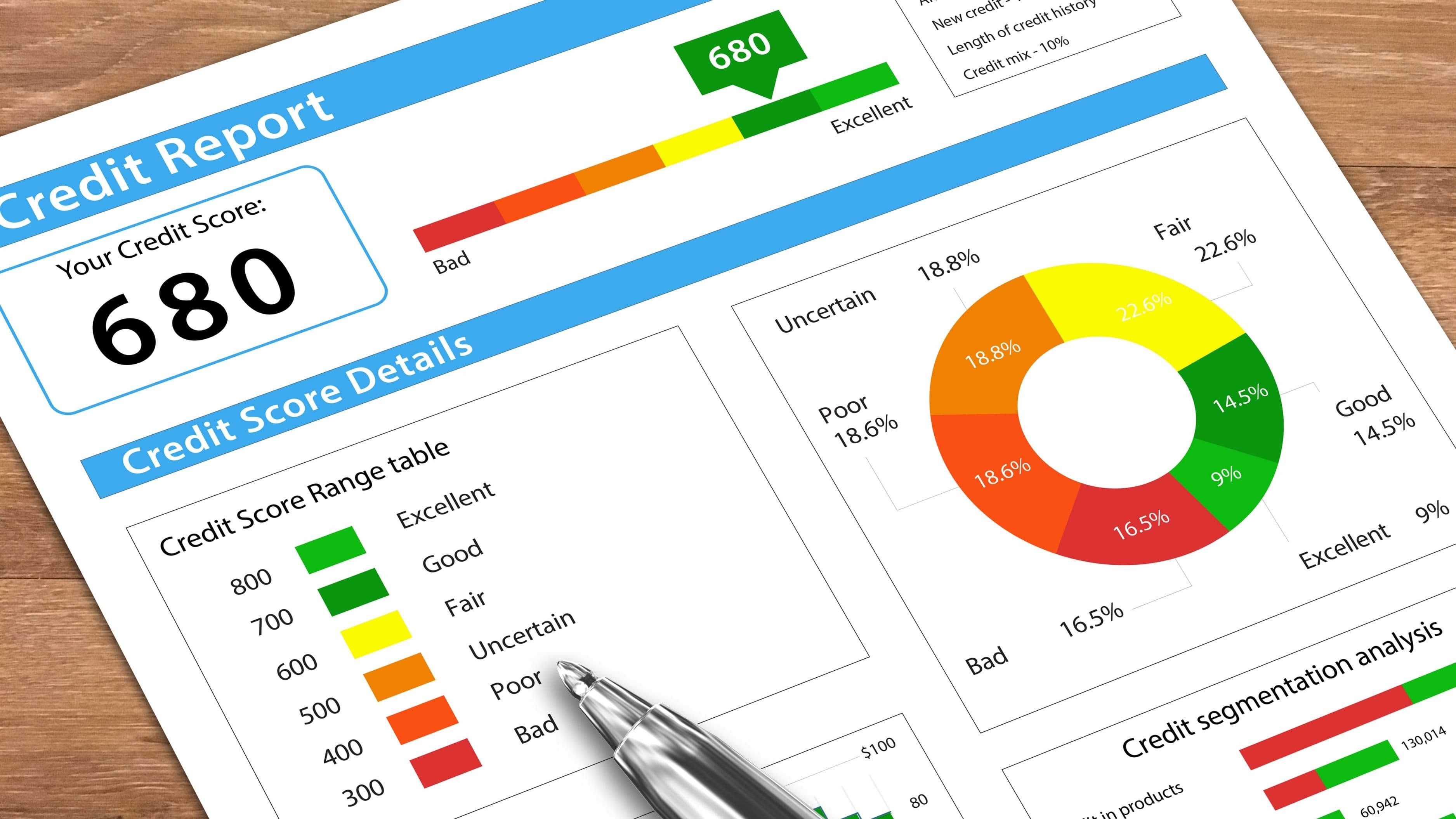
The U.S. Bank Altitude Reserve ($400) is ideal for mobile wallet users who want strong everyday earning, while the discontinued Citi Prestige ($495) remains a hidden gem for existing cardholders who book extended hotel stays. Setup is straightforward for all cards—simply apply online, though approval requirements vary. Most premium cards require excellent credit (740+ credit scores), established credit history, and proof of sufficient income to support the spending typically needed to justify the annual fee.
Premium Credit Card Buying Guide
Who Needs a Premium Credit Card?
Premium credit cards make financial sense for specific types of consumers, not everyone. You're a good candidate if you travel frequently (at least 3-4 trips annually), spend heavily in bonus categories like dining or travel, and have the financial discipline to pay off balances in full monthly. These cards are designed for people who can leverage elevated earning rates, travel credits, and luxury perks to generate value exceeding the annual fee.
The ideal premium cardholder spends at least $30,000-50,000 annually on their card across bonus categories, travels enough to use airport lounge access and travel credits, and actively tracks benefits to ensure they're utilized. If you rarely travel, prefer cashback over points, or won't use features like concierge service and rental car insurance, a no-annual-fee card with straightforward cashback is probably a better fit. Premium cards require active engagement—they're tools for maximizing value, not set-it-and-forget-it products.
How Premium Credit Card Rewards Work
Premium cards use points-based reward systems that provide flexibility in redemption. You earn points or miles for purchases (typically 1-5x depending on spending category), and those points accumulate in your account. The value of points varies significantly by redemption method—transferring to airline partners typically provides 1.5-2+ cents per point value, while redeeming for statement credits might only yield 0.5-1 cent per point.
Most premium cards allow you to transfer points to airline and hotel loyalty programs, which is where experienced users extract maximum value. For example, 50,000 Chase Ultimate Rewards points might book a business class flight worth $3,000 when transferred to United, but only cover $500 in travel through Chase's portal. Understanding redemption strategies is crucial—the same points can be worth dramatically different amounts depending on how you use them. Premium cards also include various credits (travel, dining, entertainment) that either apply automatically or require activation, reducing the effective annual fee.
Key Features to Consider
When evaluating premium cards, prioritize features that align with your actual spending and lifestyle. Earning rates should match where you naturally spend—if you dine out frequently, prioritize cards with dining bonuses; if you travel extensively, focus on travel category earning. Annual credits only provide value if you'll use them—a $200 airline fee credit sounds great but is worthless if you never check bags or buy in-flight meals. Evaluate whether credits are automatic (applied to any qualifying purchase) or restrictive (limited to specific merchants).
Travel benefits vary dramatically in usefulness. Airport lounge access only matters if you travel often enough to use it 3+ times annually (otherwise you're paying $150+ per visit). Travel insurance like trip cancellation, delay coverage, and rental car insurance can save thousands but only if you understand the coverage terms and actually file claims when needed. Redemption flexibility is crucial—cards with transfer partners provide far more value than those limiting you to their proprietary travel portal.
Consider foreign transaction fees (premium cards should have none), authorized user policies (some charge fees, others are free), and point expiration rules (most premium programs keep points active as long as you're a cardholder). Finally, evaluate the customer service quality—premium cards should provide superior support, including 24/7 assistance, dedicated phone lines, and concierge services that actually deliver useful help.
Pricing Overview
Premium credit card annual fees range from $95 to $695, with most falling between $400-550. The fee is just the starting point—the real cost depends on how you use the card. A $550 card with a $300 travel credit and $120 in other credits has an effective annual fee of just $130 if you maximize benefits. Conversely, a $250 card becomes expensive if you never use any perks and could earn more rewards with a no-fee alternative.
Beyond annual fees, consider foreign transaction fees (premium cards should have zero), balance transfer fees (typically 3-5%), and cash advance fees (avoid these entirely by not using cards for cash). Interest rates on premium cards typically range from 19-27% APR, but responsible cardholders pay zero interest by paying balances in full monthly. Many premium cards waive the first year's annual fee or offer large welcome bonuses (60,000-100,000+ points) worth $600-2,000, significantly improving first-year value.
DIY vs Professional Financial Advice
Most consumers can successfully choose and manage premium credit cards independently by researching options, calculating potential earnings based on their spending, and actively tracking benefits. Online calculators and comparison tools help you estimate whether a card's annual fee is justified by your spending patterns. DIY management requires discipline to pay balances in full, track statement credits, and maximize redemption value through airline transfers or strategic portal bookings.
Professional financial advice may be worthwhile if you're managing complex finances, optimizing multiple cards simultaneously, or navigating business expense strategies. Fee-only financial advisors (not credit card salespeople) can provide objective recommendations considering your complete financial picture. Some advisors specialize in travel rewards optimization, helping clients maximize point earnings and redemptions for significant travel. However, for most people, dedicated online communities, reward program guides, and comparison websites provide sufficient information to make informed decisions without paying for professional advice.
Frequently Asked Questions
How do I know if a premium credit card is worth the annual fee?
Calculate your potential earnings and benefit usage against the annual fee. Multiply your expected spending in bonus categories by the earning rate, estimate the value of points earned (typically 1.5-2 cents each when transferred to partners), and add up credits you'll realistically use. If the total exceeds the annual fee by at least $200-300, the card likely provides positive value. For example, spending $15,000 on dining at 3x earning generates 45,000 points (worth $675-900), easily justifying a $550 fee before considering any credits or benefits.
Can I have multiple premium credit cards simultaneously?
Yes, and many rewards enthusiasts maintain 2-4 premium cards to maximize earning across different categories. Common strategies include pairing a travel-focused card like Chase Sapphire Reserve with a dining-focused card like Amex Gold, or combining a flexible card with an airline or hotel co-brand for specific loyalty benefits. However, each additional annual fee raises the bar for value generation. Only carry multiple premium cards if you can definitively identify $500+ in value from each card annually and have the organizational discipline to optimize usage.
What credit score do I need for a premium credit card?
Most premium cards require excellent credit, typically defined as a FICO score of 740 or higher. Some issuers accept scores as low as 700 for certain products, but approval odds improve significantly above 750. Beyond credit score, issuers consider income, existing debt obligations, credit history length, and recent credit inquiries. Chase notably enforces the "5/24 rule"—automatically denying applicants who've opened five or more credit cards across all issuers in the past 24 months. If your credit score is below 700, focus on building credit with no-fee cards before applying for premium products.
Do premium credit card points expire?
Policies vary by issuer. Chase Ultimate Rewards, American Express Membership Rewards, and Capital One miles remain active indefinitely as long as you maintain an active card account. However, closing your account typically forfeits unredeemed points, so transfer valuable point balances to airline partners before canceling. Citi ThankYou Points expire after 60 days of account inactivity. Once transferred to airline or hotel partners, points follow those programs' expiration rules—many airlines require earning or redeeming activity every 18-24 months to keep miles active.
Should I downgrade or cancel my premium card if I'm not using it enough?
Downgrading is almost always better than canceling. Most issuers allow you to product change from a premium card to a no-annual-fee version from the same card family, preserving your credit history length and avoiding the negative impact of account closure on your credit score. For example, Chase Sapphire Reserve holders can downgrade to Sapphire Preferred or Freedom Unlimited, maintaining their Ultimate Rewards points and credit history. Only cancel if you can't downgrade, have duplicate coverage elsewhere, and the annual fee exceeds the value you're receiving. Always calculate your actual usage before making changes—many people underestimate the value they're receiving.