This isn't just another tech trend for early adopters. It's a fundamental shift that's making the old physical SIM card look about as modern as a flip phone at a Silicon Valley startup. Let's explore why thousands of travelers are ditching their plastic cards for invisible digital profiles, and whether you should too.
1. Say Goodbye to the SIM Card Shuffle
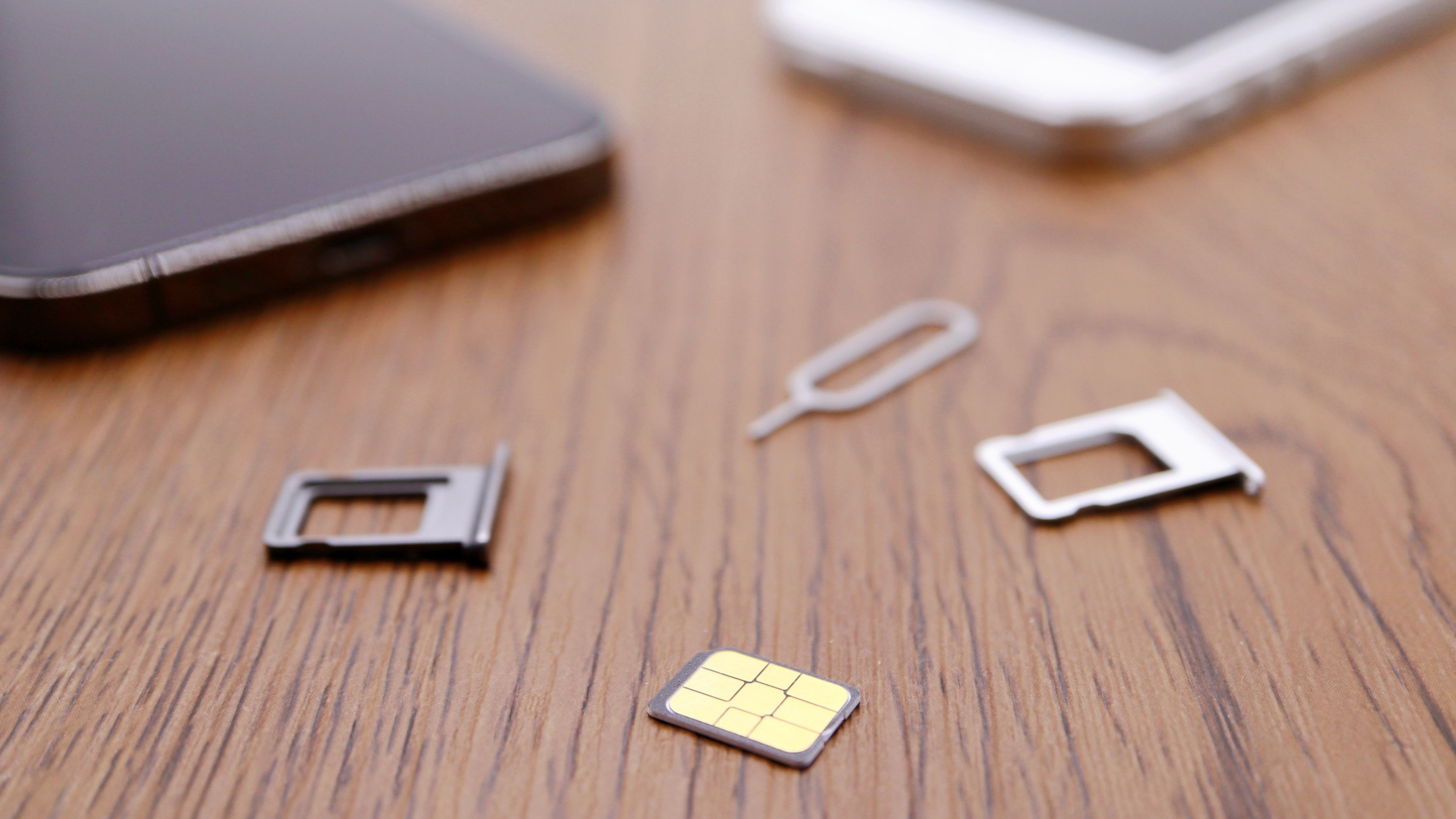
Remember the last time you traveled internationally? You probably performed the familiar ritual: power down your phone, hunt for that tiny ejector tool (or improvise with a paperclip), carefully remove your home SIM card, tuck it somewhere you'll definitely remember (spoiler: you won't), and insert a new local SIM. Then reverse the entire process when you get home, assuming you haven't lost that original card somewhere between the hotel dresser and your luggage zipper pocket.
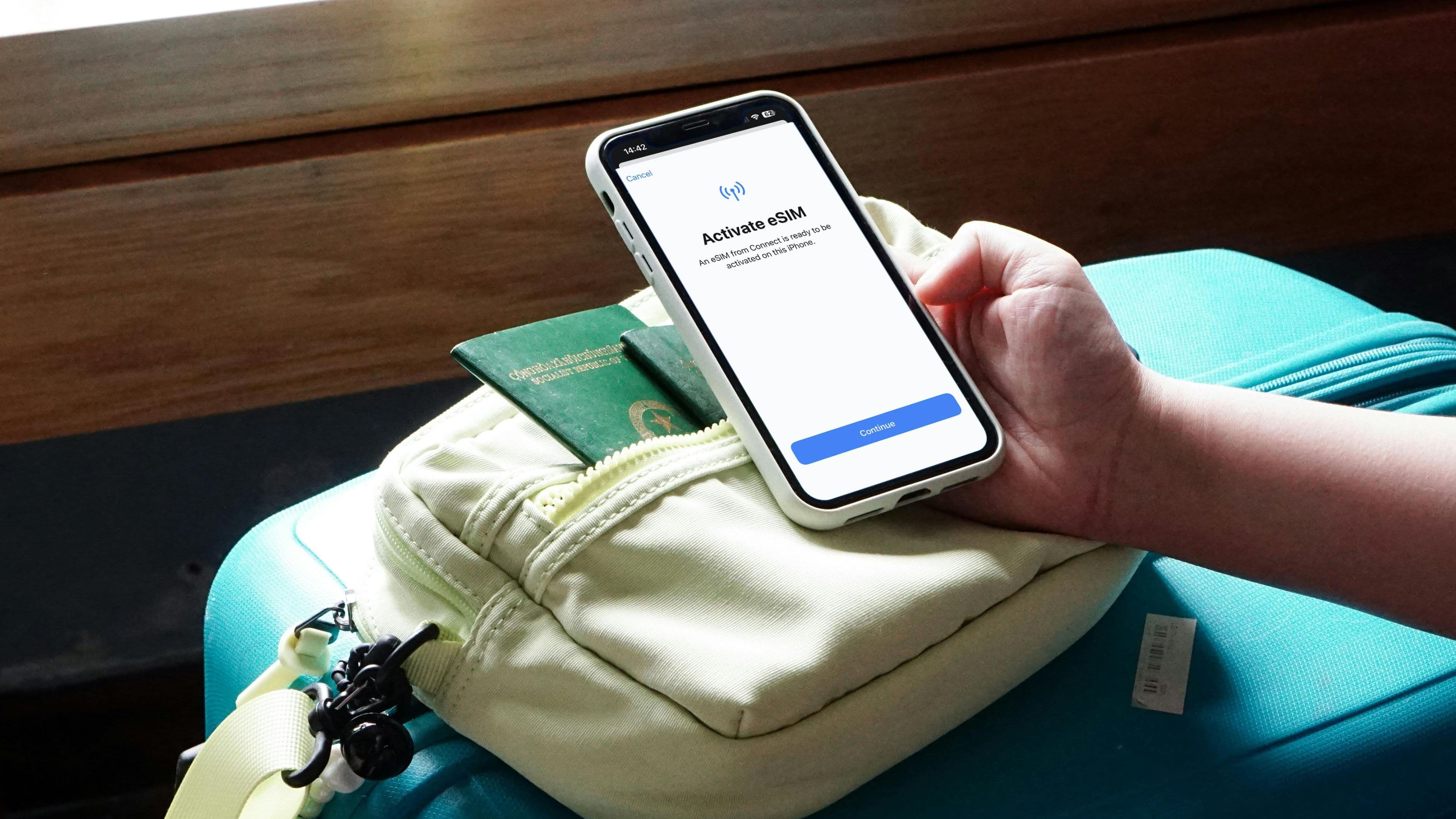
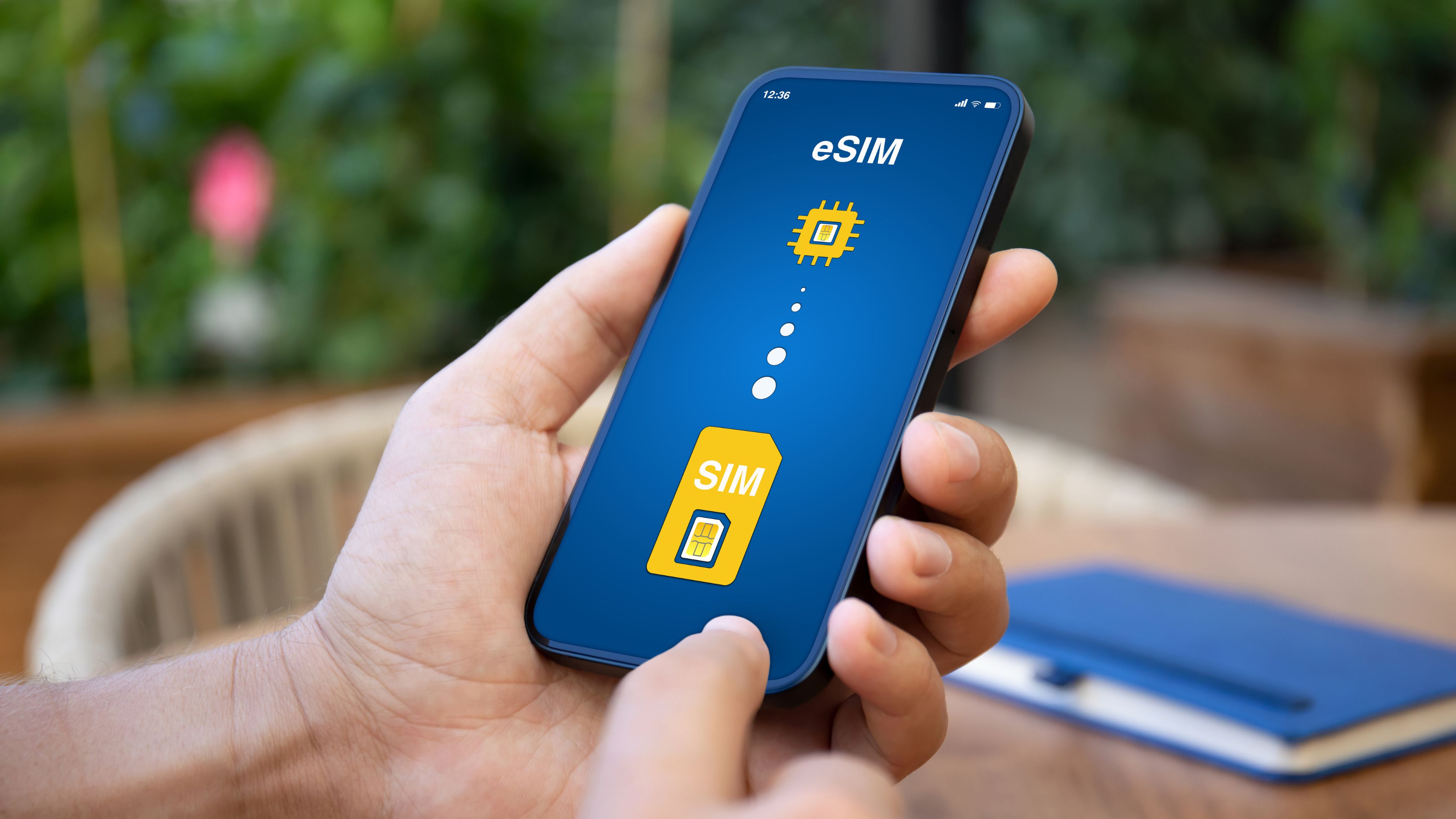
eSIM technology eliminates this entire headache. The "e" stands for embedded, meaning the SIM functionality lives permanently inside your phone as a tiny chip soldered to the motherboard. You never physically handle anything. Instead, you download carrier profiles digitally—think of it like installing an app, but for your cellular service. One minute you're connected to your home network, the next you've activated a local data plan in Thailand without leaving your beach chair. Your phone can store multiple eSIM profiles simultaneously, letting you switch between carriers with a few taps in your settings menu. That little piece of plastic that's been standard since 1991? Suddenly it feels as outdated as dial-up internet.
2. Instant Activation Anywhere
Picture this: your plane touches down in Istanbul at midnight. You're exhausted, slightly disoriented, and need to message your Airbnb host that you're on the way. With traditional SIM cards, you face two equally unappealing options. First, you could activate international roaming through your home carrier and watch your bank account hemorrhage money at $10-15 per day. Second, you could wander around the airport at 1 AM searching for a SIM card kiosk that may or may not be open, then navigate a transaction in Turkish while trying to stay awake.
With an eSIM, you simply open an app you downloaded before departure, purchase a data plan for Turkey, and activate it instantly using the airport's free WiFi. Within five minutes of landing, you're connected at local rates, pulling up Google Maps and ordering a ride. No kiosks, no fumbling with packaging, no wondering if the teenager at the tourist SIM stand just charged you three times the normal rate. The transformation feels almost magical—your connectivity travels with you digitally, ready to activate the moment you need it. Some providers even let you purchase and install plans mid-flight using onboard WiFi, so you're connected the instant your wheels touch the tarmac.
3. Save Serious Money on Data

Let's talk dollars and cents, because this is where eSIMs really shine. Traditional carrier roaming plans operate on a simple principle: maximum profit for minimum service. Your home provider charges you premium rates to use their partner networks abroad, often $10-15 daily for throttled speeds and restrictive data caps. A two-week vacation easily becomes a $200 phone bill on top of everything else.
eSIM providers operate differently. They negotiate directly with local carriers in each country and pass those savings to consumers. Instead of paying your carrier's inflated rates, you're essentially buying data at local market prices. A week in Mexico that would cost $105 through AT&T roaming? Try $8 for 3GB through an eSIM provider. Need 10GB for a month in Portugal while you work remotely? Maybe $25 instead of $450. The math isn't even close. Digital nomads who spend months abroad can save thousands annually just by switching to eSIMs. Even occasional travelers typically recover the cost of their eSIM-capable phone within two or three international trips. The savings compound quickly, leaving more budget for the experiences that actually matter.
4. Keep Your Real Number Active

One underappreciated benefit: you don't lose access to your primary phone number. Most modern smartphones support dual-SIM functionality, meaning your physical home SIM (or a second eSIM profile) and your travel eSIM can coexist peacefully. You configure one for calls and texts, the other for cellular data. This setup proves invaluable when you need to receive verification codes from your bank, get calls from family, or maintain your business line while traveling.
Your eSIM handles the heavy data lifting—video calls, cloud uploads, streaming, navigation—while your home number stays active for traditional voice and SMS. Friends and clients can still reach you at your normal number without any confusion. You're not juggling multiple phone numbers or explaining to everyone that you've temporarily changed contact information. This seamless integration maintains your digital identity while optimizing your connectivity costs. It's the best of both worlds: local data rates without sacrificing your established communication channels.
5. Coverage That Actually Works

Here's something physical SIM card vendors at tourist traps don't advertise: not all data plans are created equal. That cheap tourist SIM promising "unlimited data" often connects you to the slowest, most congested networks available. You technically have service, but loading Instagram feels like waiting for a dial-up modem in 1999. You're stuck with whatever carrier partnership that airport kiosk negotiated, regardless of whether they provide quality service.
Reputable eSIM providers partner with premium carriers in each country—often multiple carriers—and many services automatically connect you to the strongest available network. In Spain, you might access Vodafone's infrastructure. In Japan, you're on NTT Docomo. Thailand? True Move or AIS, depending on signal strength. This carrier flexibility means you're typically getting genuine 4G or 5G speeds that make remote work actually possible. Video calls don't freeze mid-sentence. Large file uploads don't time out. Cloud-based applications respond instantly. For digital nomads whose income depends on reliable connectivity, this performance difference transforms from nice-to-have to absolutely essential.
6. Environmental Impact You Can Feel Good About

Here's an angle that doesn't get enough attention: eSIMs are legitimately better for the planet. Traditional SIM cards require plastic manufacturing, packaging materials, transportation logistics, and retail infrastructure. Multiply that by billions of SIM cards produced annually worldwide, and you're looking at substantial environmental impact. Every SIM card eventually becomes electronic waste, adding to our growing e-waste crisis.
eSIMs eliminate all of this. No plastic production, no packaging, no shipping trucks delivering cards to stores, no physical waste when you're done using the service. The entire transaction happens digitally, with a carbon footprint measured in server electricity rather than manufacturing and logistics. It's a small individual impact, but collectively significant as adoption grows. For environmentally conscious travelers trying to minimize their footprint while exploring the world, eSIMs align with sustainable values. You're not sacrificing convenience for environmental responsibility—you're getting both simultaneously.
7. Multiple Plans, Zero Hassle
Seasoned travelers know that different countries require different connectivity strategies. Maybe you're spending three days in Singapore (small data needs), two weeks in Indonesia (moderate usage), and a month working from Thailand (heavy data consumption). With physical SIM cards, you're buying three separate cards, swapping them out at each border, and inevitably losing at least one along the way.
eSIMs let you pre-load profiles for multiple destinations simultaneously. Your phone stores all of them, and you simply activate whichever one you need at any given moment. Crossing from Vietnam into Cambodia? Switch eSIM profiles in your settings menu while waiting in the immigration line. No tools required, no panic about whether you packed the right SIM card in the right pocket. Some travelers install eSIMs for their entire planned route before departure, creating a connectivity safety net for their whole journey. Others purchase them on the fly as plans change—both approaches work seamlessly. This flexibility transforms connectivity from a logistical puzzle into a solved problem.
8. Enhanced Security
Physical SIM cards have a vulnerability that eSIM technology addresses: they can be physically removed from your device. SIM swap fraud has become increasingly common, where thieves steal your phone number by convincing your carrier to transfer it to a SIM card they control. They can then intercept your text messages, including two-factor authentication codes, potentially accessing your bank accounts and other sensitive services.
eSIMs provide an extra security layer because they're embedded in your device hardware and protected by your phone's security features. Someone would need your device PIN or biometric authentication to modify eSIM settings. If your phone gets stolen, you can remotely wipe it through Find My iPhone or Android's equivalent, eliminating the threat immediately. The thief can't simply pop out your SIM card and use it in another device. For digital nomads managing their financial lives and businesses remotely, this enhanced security provides meaningful peace of mind. Your connectivity is tied to your device authentication, not a removable piece of plastic anyone can extract and exploit.
9. Future-Proof Technology
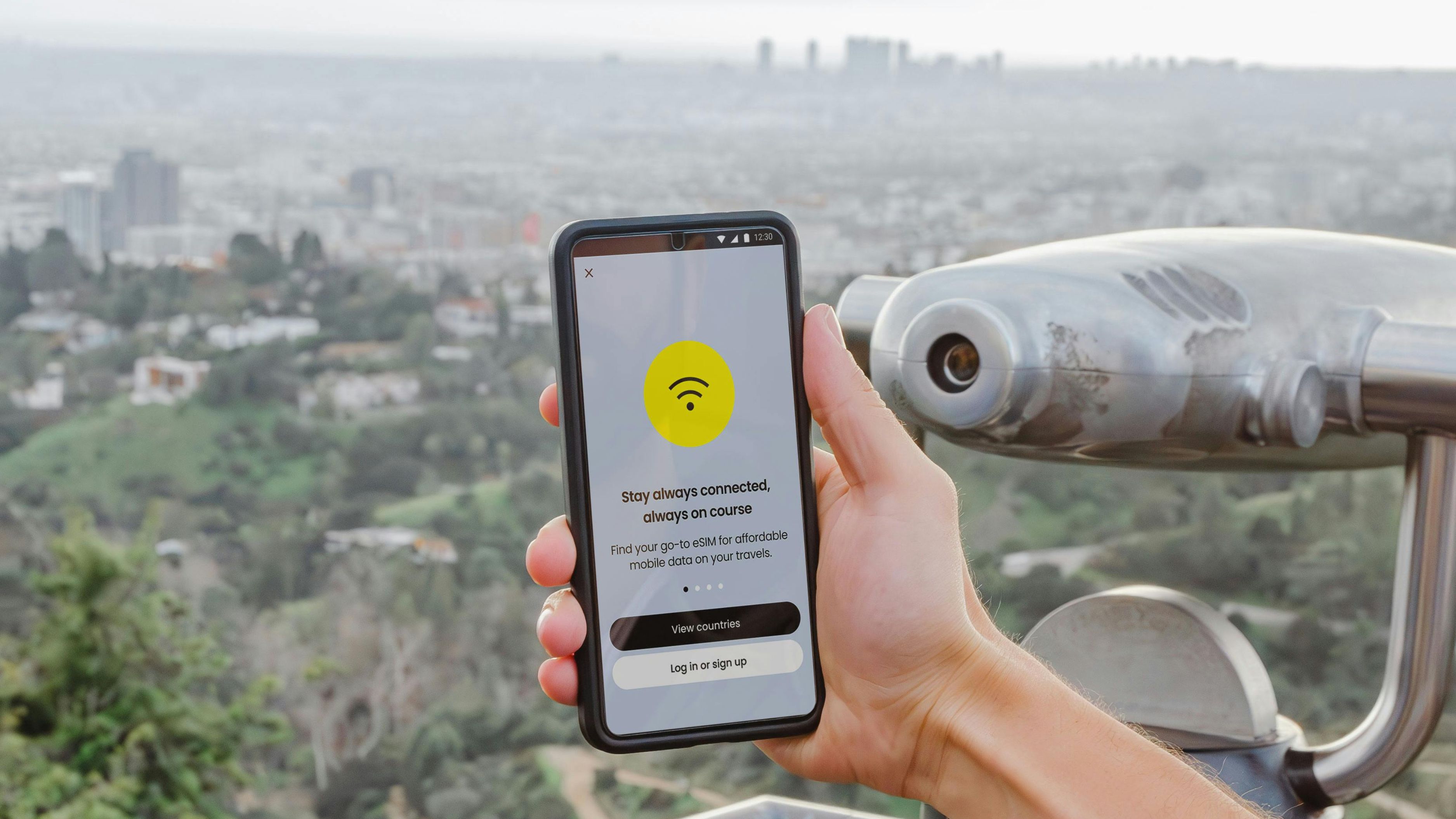
Here's the reality: physical SIM cards are on their way out. Apple already released the iPhone 14 in the United States as eSIM-only, with no physical SIM tray at all. Other manufacturers are following suit, and industry analysts predict physical SIM cards will become obsolete within the next five years. Major carriers are investing heavily in eSIM infrastructure while scaling back support for traditional SIM technology.
Getting comfortable with eSIMs now means you're ahead of the curve rather than scrambling to adapt later. You're building familiarity with technology that will soon become standard worldwide. Think of it like learning to use email in the 1990s or smartphones in the 2000s—early adopters gained advantages that compounded over time. Digital nomads understand this implicitly. They've already made the switch not because they're tech enthusiasts (though some are), but because eSIMs solve real problems better than the old technology. They're not waiting for everyone else to catch up. They're already enjoying the benefits while traditional travelers are still searching for SIM card ejector tools.
10. Simplified Expense Tracking
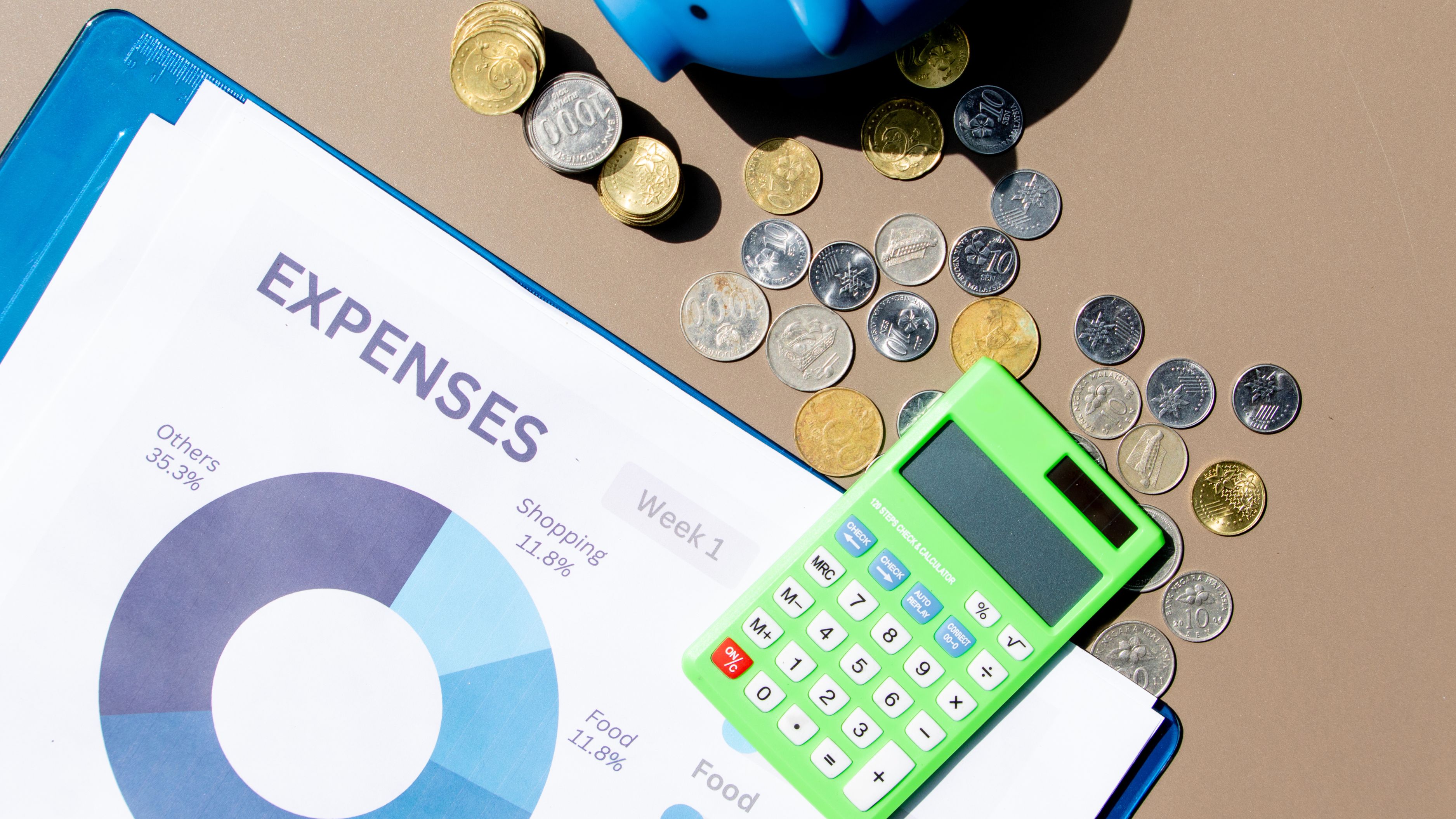
This final point speaks directly to remote workers and digital entrepreneurs: eSIM transactions create automatic digital records. Every plan purchase goes through your app, generating receipts and transaction histories you can access anytime. When tax season arrives and you need to document business expenses, you've got organized records of every country you visited, how long you stayed, and what you spent on connectivity. No more hunting through crumpled paper receipts from random SIM card shops in a dozen countries.
Many eSIM providers offer business features like invoicing, expense categorization, and usage analytics. You can see exactly how much data you consumed in each location, helping you plan future trips more accurately. For freelancers and remote workers who need to track every dollar, this organizational simplicity saves hours of accounting headaches. The administrative burden of managing international connectivity drops from complicated to effortless. You're replacing a scattered mess of physical receipts and credit card statements with clean digital records that integrate seamlessly with expense tracking tools. It's one less thing to worry about when you're trying to run a location-independent business.
The Bigger Picture
The shift from physical SIM cards to eSIM technology represents something larger than just a convenient upgrade. It's part of the ongoing digitization of our lives—the moment when yet another physical object becomes unnecessary, replaced by invisible software that simply works. We've watched this transformation happen with maps, music, books, and photographs. Now it's happening with something as fundamental as how our phones connect to the world.
For digital nomads, this change removes one of the last remaining friction points in location-independent living. Connectivity was always the linchpin—the thing that either enabled or prevented remote work from anywhere. eSIMs don't just make travel easier; they make location independence more viable for more people. The barriers to working from anywhere continue falling, one innovation at a time.
But here's the question worth pondering: what happens when connectivity becomes so seamless, so effortless, so omnipresent that location truly stops mattering? When every beach, mountain town, and remote village offers the same quality of connection as a corporate office? Are we approaching a world where physical location becomes pure personal preference rather than practical constraint? And if so, how will that reshape how we think about home, community, and belonging? The technology solves the connection problem, but it also raises deeper questions about what it means to be somewhere when you can be anywhere.
📚 Sources
1. GSMA Intelligence. (2024). "The Mobile Economy 2024: Global Trends in Mobile Connectivity and eSIM Adoption." GSM Association Industry Report.
2. Pew Research Center. (2023). "Mobile Connectivity in America: Travel, Technology, and Consumer Behavior Among International Travelers."
3. International Telecommunication Union (ITU). (2024). "Measuring Digital Development: Facts and Figures 2024." United Nations Telecommunications Agency.