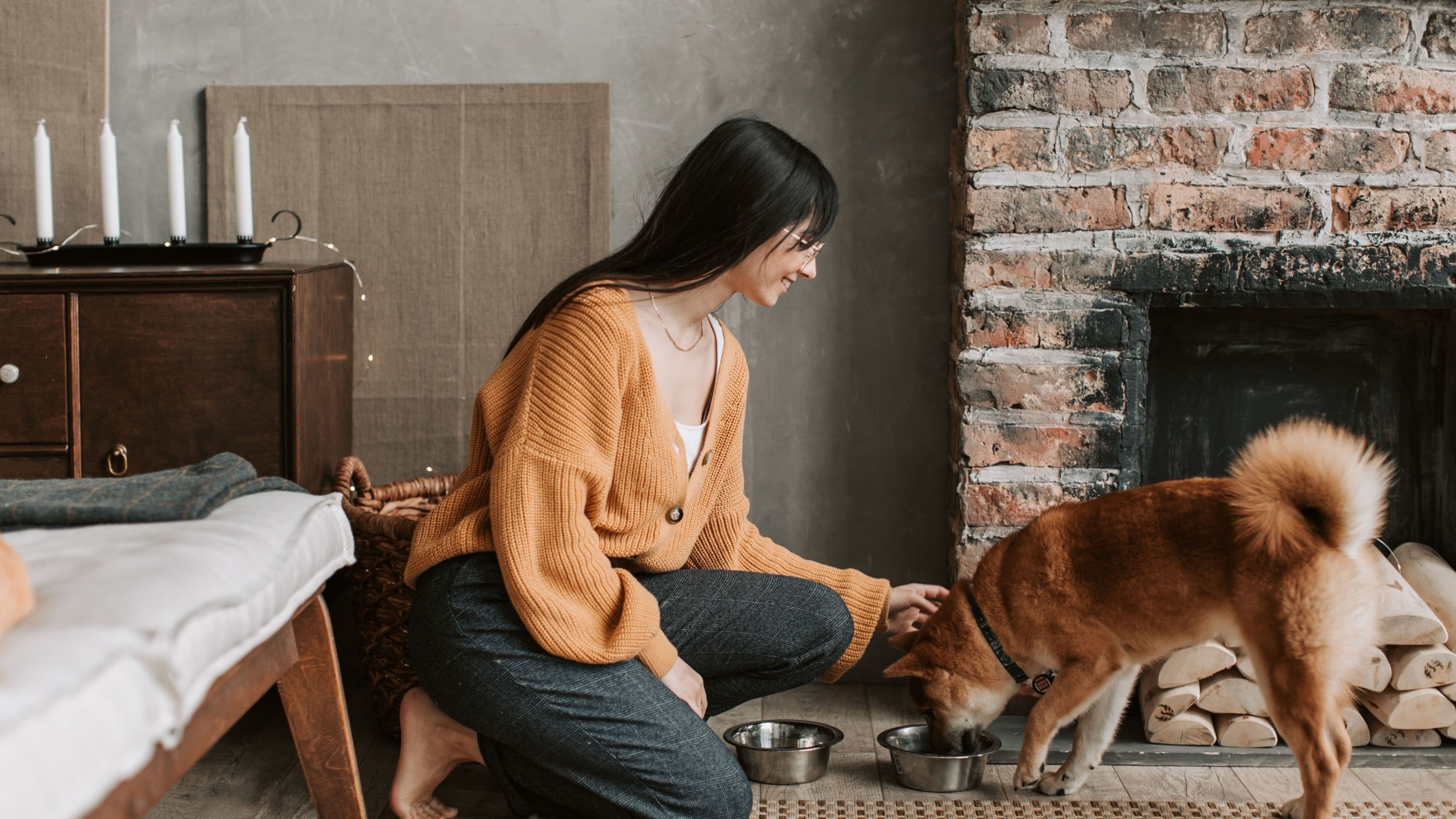
This isn't about wrapping your furniture in plastic or banning pets from every room that matters. It's about smarter materials, smarter layout choices, and a few style-forward products that happen to double as damage control. Here are the ten changes that actually make a difference.
Top 10 at a Glance
Choose performance fabrics for upholstery
Swap fragile decor for pet-safe alternatives at nose and tail height
Invest in a stylish, durable rug in high-traffic zones
Use furniture protectors that don't look like furniture protectors
Create a designated pet zone with real design intention
Choose scratch-resistant flooring finishes
Hide cords and cables with cable management solutions
Pick washable, slipcovered furniture
Use decorative storage for pet supplies
Add greenery that's actually pet-safe
1. Choose Performance Fabrics for Upholstery
The single biggest upgrade you can make is swapping delicate fabrics like silk or loosely woven linen for performance fabrics engineered to resist stains, scratches, and odor. Brands now make performance velvet and woven textiles that look nearly identical to their high-maintenance counterparts but hold up to claws and spills without pilling or tearing.
This matters because most pet damage to furniture isn't dramatic destruction, it's slow wear from daily use. A performance fabric absorbs that wear invisibly instead of showing every mark within a month. Look for fabrics labeled as pet-friendly, high-rub-count, or specifically engineered for durability, and you'll get years more life out of your sofa without it ever looking like a "pet home."
2. Swap Fragile Decor for Pet-Safe Alternatives at Nose and Tail Height
Cats jump, dogs wag, and both of them exist at heights you don't always account for when arranging decor. Rather than removing every decorative object, just relocate the genuinely fragile pieces to shelves above tail-swipe range and out of paw-reach on counters.
For lower surfaces, choose items made from resin, ceramic with a weighted base, or ceramic-look ceramic-alternative materials that survive an accidental bump. This keeps your styling intact at eye level for guests while protecting the pieces most likely to get knocked over during a zoomies session.
3. Invest in a Stylish, Durable Rug in High-Traffic Zones
A rug takes more abuse in a pet household than almost any other surface, especially near entryways, food bowls, and favorite nap spots. Instead of skipping rugs entirely, choose low-pile, tightly woven options in patterns and darker tones that naturally camouflage fur and the occasional muddy paw print.
Wool blends and synthetic performance fibers both hold up better than plush, high-pile styles that trap hair and are harder to clean. A patterned rug in the right colorway does double duty: it hides daily wear and still anchors a room visually.
4. Use Furniture Protectors That Don't Look Like Furniture Protectors
The old-school clear plastic furniture cover is a design nightmare, but modern furniture protection has evolved. Look for tailored, fitted slipcovers designed specifically for sofa arms and cushions, made in fabrics that blend seamlessly with your existing decor rather than screaming "protective cover."
Corner and arm guards in matching leather or fabric tones can also prevent the specific spots pets tend to scratch most, without requiring you to cover the entire piece. This targeted protection approach keeps your furniture's design intact while defending its most vulnerable points.
5. Create a Designated Pet Zone With Real Design Intention
Pets need their own space, and giving them one with actual design thought reduces the mess scattered throughout the rest of your home. A stylish dog bed in a coordinating fabric, a built-in nook under stairs, or a corner with a matching feeding station keeps toys, bowls, and bedding contained to one area instead of spread across every room.
Treat this zone the way you'd treat any other design element: pick a color palette that fits your home, choose materials that are washable, and give it the same intentionality as any other functional corner of your space.
6. Choose Scratch-Resistant Flooring Finishes
If you're renovating or replacing flooring anytime soon, this is the moment to think about your pets. Luxury vinyl plank, matte-finish hardwood with a harder wood species like hickory or oak, and textured tile all resist claw marks significantly better than soft woods or high-gloss finishes.
For existing floors you're not ready to replace, a matte polyurethane refinish can add a layer of scratch resistance without changing the look of the wood. This is a lower-cost fix that buys you real protection while keeping your flooring's appearance consistent.
7. Hide Cords and Cables With Cable Management Solutions
Chewed cords are both a style problem and a genuine safety hazard. Cord covers that match your wall color, cable boxes tucked behind furniture, and adhesive cord channels running along baseboards keep cables out of both sight and reach.
This upgrade solves two issues at once. Visually, it eliminates the cluttered tangle behind entertainment centers and desks. Functionally, it removes an easy chew target for puppies and kittens still working through their curious, mouthy phase.
8. Pick Washable, Slipcovered Furniture
Slipcovered sofas and chairs have become a legitimate design category, not a compromise. Brands now offer slipcovers in linen blends, performance weaves, and even boucle textures that look intentional rather than like an afterthought.
The advantage is obvious: when accidents happen, you unzip the cover and throw it in the wash instead of scheduling a professional cleaning or living with a permanent stain. This single feature can extend the usable life of a piece of furniture by years in an active pet household.
9. Use Decorative Storage for Pet Supplies
Leashes, toys, treats, and grooming tools tend to accumulate in visible piles near the door or in the kitchen. Woven baskets, closed cabinets, and labeled bins designed to match your existing storage aesthetic keep these items accessible without cluttering your visual space.
This is a small change with outsized impact. A basket of toys tucked into a console table looks intentional. The same toys scattered across the living room floor look like chaos, even in an otherwise beautifully designed home.
10. Add Greenery That's Actually Pet-Safe
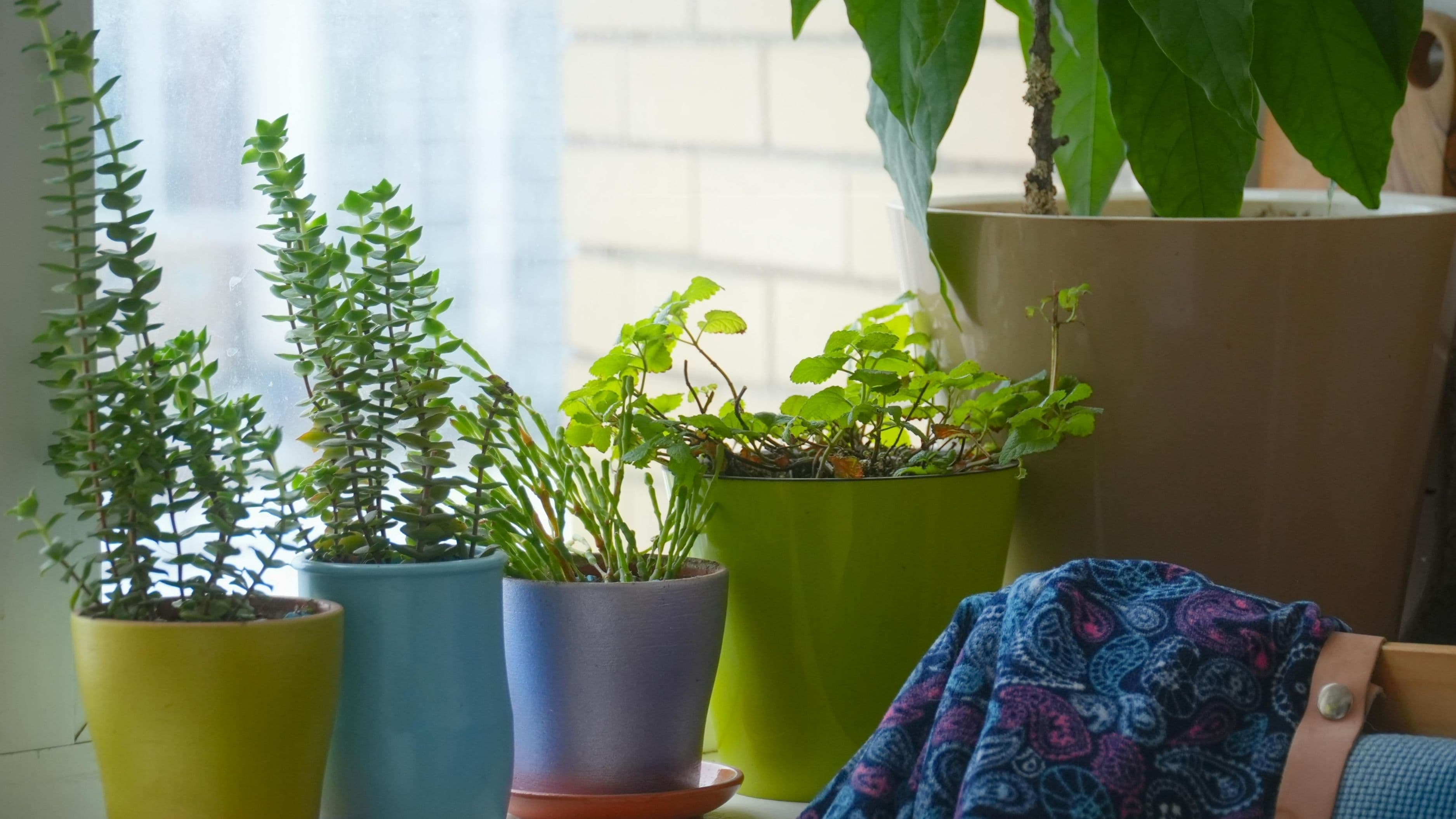
Plants bring a room to life, but many popular houseplants are toxic to cats and dogs if chewed. Swap risky options like lilies, pothos, and philodendron for pet-safe alternatives like spider plants, Boston ferns, areca palms, or calathea, all of which bring the same lush visual effect without the risk.
Placing these in hanging planters or on high shelves adds another layer of protection for curious pets while keeping your greenery game intact.
Quick Takeaway
Pet-proofing your home doesn't mean abandoning your design vision, it means making smarter material and placement decisions that quietly work in the background. The best pet-friendly homes don't look pet-proofed at all, they just look well put together, because the choices behind the scenes were made with both style and durability in mind from the start.
FAQ
What's the single highest-impact change I can make first? Swapping your main upholstery to a performance fabric usually delivers the biggest visible return, since furniture tends to show the most obvious pet-related wear.
Are performance fabrics more expensive than regular fabric? Often slightly, but the cost difference is typically offset by how much longer the furniture lasts before needing replacement or reupholstering.
Do I need to redesign my whole home to pet-proof it? No. Most of these changes can be applied piece by piece, starting with the highest-traffic areas like the living room and entryway.
Outro
A stylish, pet-friendly home isn't a contradiction, it's just a matter of choosing materials and layouts that work with your pets instead of against them. Make a few of these swaps at a time, and your space can hold up to daily life without losing the look you worked hard to build.
📚 Sources
"Pet-Friendly Home Design Tips" – The Spruce, thespruce.com
"Toxic and Non-Toxic Plants List" – ASPCA, aspca.org
"Best Performance Fabrics for Pet Owners" – Architectural Digest, architecturaldigest.com