

Top 10 at a Glance
Healthy Paws – Best for comprehensive accident and illness coverage
Trupanion – Best for no payout limits and direct vet payments
Lemonade – Best for quick claims and tech-savvy pet parents
Embrace – Best for diminishing deductibles and wellness rewards
Spot – Best for unlimited annual coverage options
Nationwide – Best for exotic pets and avian coverage
ASPCA Pet Health Insurance – Best for breed-specific conditions
Figo – Best for telemedicine and virtual vet consultations
Pets Best – Best for routine care add-ons and flexibility
Pumpkin – Best for straightforward coverage with preventive essentials
1. Healthy Paws – Best for Comprehensive Accident and Illness Coverage
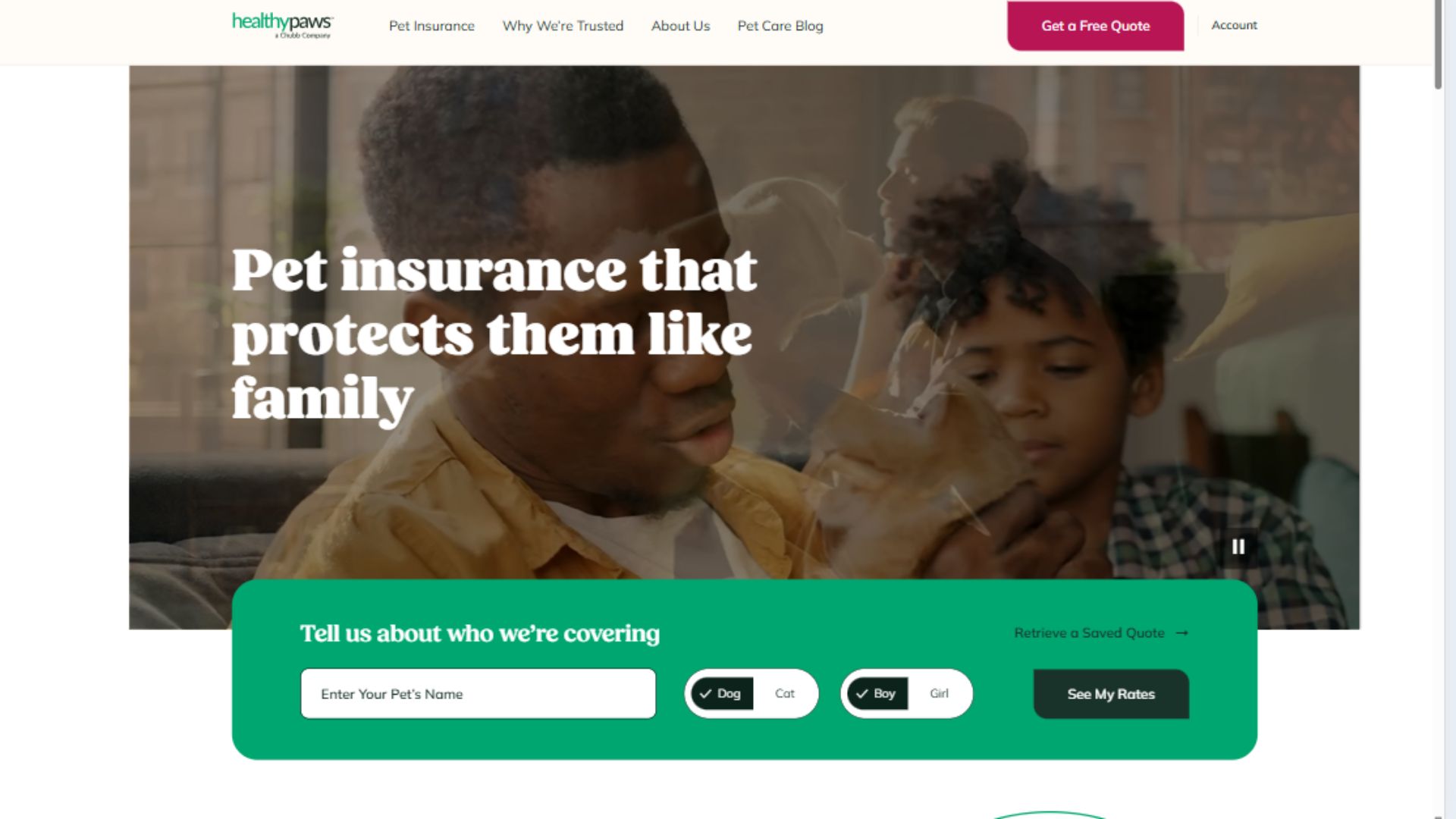
Healthy Paws consistently ranks at the top for one simple reason: they cover just about everything that can go wrong with your pet, from swallowed socks to cancer treatments. There are no per-incident caps, annual limits, or lifetime maximums, which means if your pet needs $50,000 in cancer treatment, they'll reimburse you according to your plan percentage. This makes them ideal for pet parents who want peace of mind without worrying about hitting coverage ceilings.
Their claims process is refreshingly simple—most are processed within two days, and you can submit everything through their mobile app. The company also has a strong reputation for customer service and doesn't drop pets as they age or develop chronic conditions. However, they don't offer a wellness plan option, so you'll need to budget separately for routine vet visits, vaccines, and dental cleanings.
Pricing: Plans typically range from $30–$100+ per month depending on your pet's age, breed, location, and chosen deductible and reimbursement percentage.
Pros:
No annual or lifetime payout caps
Fast claim processing (usually 2 days)
Covers hereditary and congenital conditions
Strong customer satisfaction ratings
Every policy purchased funds a pet rescue
Cons:
No wellness or routine care coverage available
Pre-existing conditions excluded (standard across industry)
Premiums increase as pets age
Not available in all states
2. Trupanion – Best for No Payout Limits and Direct Vet Payments
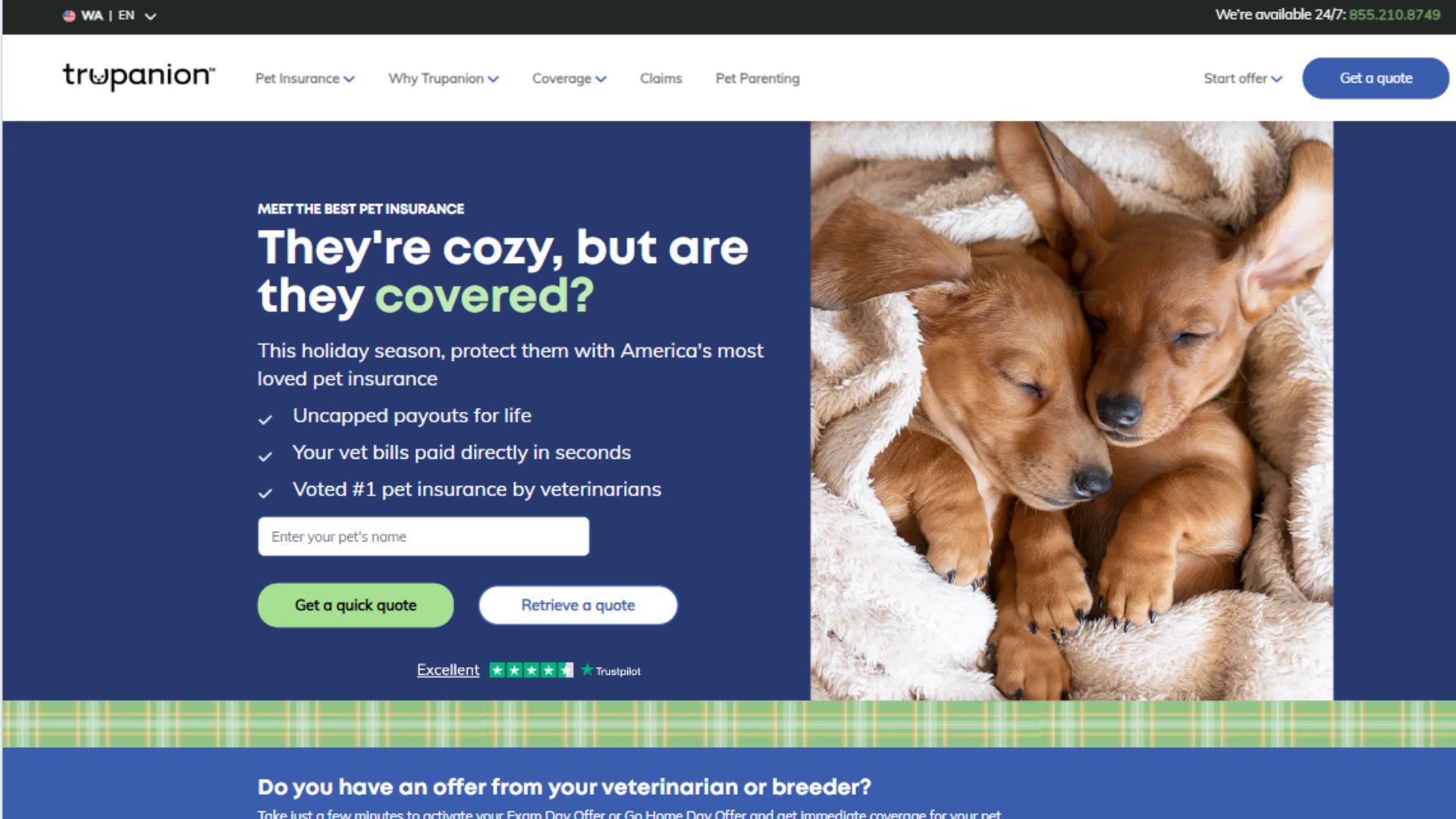
Trupanion stands out by paying your vet directly at checkout—no waiting for reimbursement checks or dealing with out-of-pocket expenses while claims process. This is a game-changer during emergencies when you're already stressed and the last thing you want is to front thousands of dollars. They offer 90% coverage with no payout limits, and their plan kicks in for accidents just five days after enrollment (15 days for illnesses).
What makes Trupanion particularly unique is their "one deductible per condition" policy. Once you meet the deductible for a specific condition, you never pay it again for that issue, even if treatment continues for years. This is fantastic for pets with chronic conditions like diabetes or allergies. The trade-off is less flexibility—you can't adjust your reimbursement percentage or deductible like you can with other insurers, and their premiums tend to run higher than competitors.
Pricing: Expect to pay between $40–$150+ monthly, with prices varying significantly based on location, breed, and your pet's age at enrollment.
Pros:
Direct payment to vets at participating hospitals
90% reimbursement rate with no caps
One deductible per condition lifetime policy
Covers rehabilitation and alternative therapies
No claim forms to fill out at participating locations
Cons:
Less customization in plan design
Higher monthly premiums compared to competitors
Six-month waiting period for cruciate ligament issues
30-day waiting period for hip dysplasia claims
3. Lemonade – Best for Quick Claims and Tech-Savvy Pet Parents
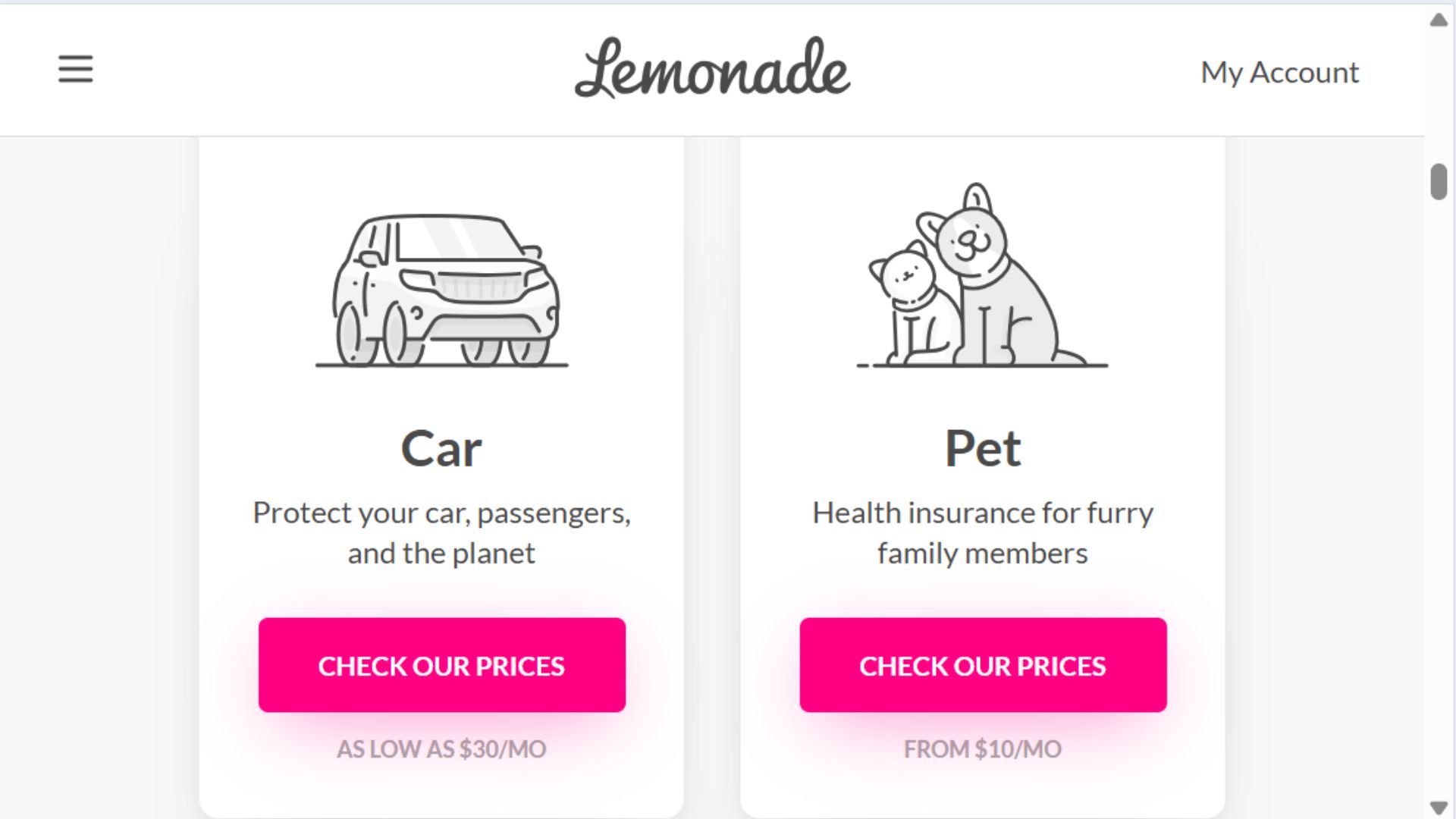
If you live on your smartphone and expect modern, frictionless experiences, Lemonade is your match. This AI-powered insurance company processes simple claims in seconds—literally. Their chatbot Maya walks you through policy setup, and their bot Jim handles claims submissions. For straightforward cases, you can get approved and paid in under three minutes. They also donate unclaimed money to animal charities you choose, which adds a feel-good factor to your purchase.
Lemonade offers solid coverage including accidents, illnesses, and optional preventive care packages. Their policies are easy to understand without confusing insurance jargon, and you can customize your annual limit, deductible, and reimbursement percentage. The platform is genuinely user-friendly, though some pet parents prefer talking to actual humans for complex medical situations. Customer service is available, but the company is clearly built for people who prefer digital interactions.
Pricing: Plans generally start around $10–$15 per month for basic coverage and can reach $70–$100+ for comprehensive plans with lower deductibles.
Pros:
Lightning-fast claim approval for simple cases
Easy-to-use mobile app and interface
Customizable coverage options
Giveback program donates to pet charities
Transparent pricing with no hidden fees
Cons:
Limited to dogs and cats only
Relatively new to pet insurance (less track record)
AI claims processing may not handle complex cases well
Customer service primarily digital
4. Embrace – Best for Diminishing Deductibles and Wellness Rewards
Embrace rewards you for keeping your pet healthy with their unique diminishing deductible feature. For every year you don't file a claim, your deductible drops by $50, potentially reaching zero over time. This means responsible pet parents who maintain preventive care and get lucky with healthy pets can significantly reduce their costs. They also offer a wellness rewards program that reimburses you for routine care like vaccines, flea prevention, and annual exams.
Their coverage is comprehensive, including exam fees (which many insurers exclude), dental illnesses, and behavioral therapies. You can customize virtually every aspect of your policy—annual limits from $5,000 to unlimited, deductibles from $100 to $1,000, and reimbursement rates from 70% to 90%. This flexibility means you can design a plan that fits your budget and risk tolerance. The claims process typically takes 5–15 days, which is average for the industry.
Pricing: Monthly premiums typically range from $25–$80, with significant variation based on your customization choices and pet characteristics.
Pros:
Diminishing deductible rewards claim-free years
Optional wellness rewards for routine care
Covers exam fees (often excluded elsewhere)
Highly customizable coverage options
Includes dental illness coverage
Cons:
Claims processing slower than some competitors
Wellness rewards are an additional cost
Coverage in some states may have restrictions
Pre-existing condition exclusions can be strict
5. Spot – Best for Unlimited Annual Coverage Options
Spot (formerly known as Spot Pet Insurance) offers something increasingly rare: truly unlimited annual coverage as a top-tier option. While many insurers claim "unlimited" coverage, they often have other restrictions that cap your actual benefits. Spot's unlimited plan means exactly that—no matter what happens, they'll keep reimbursing according to your percentage. This makes them ideal for pet parents of breeds prone to expensive health issues or anyone who wants absolute maximum protection.
Beyond their unlimited option, Spot offers extensive customization with annual limits from $2,500 to unlimited, deductibles from $100 to $1,000, and reimbursement rates of 70%, 80%, or 90%. They cover everything from accidents and illnesses to alternative therapies like acupuncture and hydrotherapy. Their preventive care plan is actually one of the more generous in the industry, covering up to $250 in routine costs. The mobile app makes claims submission straightforward, though processing times are middle-of-the-road at about 7–14 days.
Pricing: Plans start around $25–$35 monthly for basic coverage and can reach $100+ for unlimited annual coverage with high reimbursement rates.
Pros:
True unlimited annual coverage option available
Extensive plan customization
Covers alternative and holistic therapies
Gold preventive care plan covers more than most
Available for cats and dogs of all ages
Cons:
Mid-range claims processing speed
Premiums increase with pet's age
Some hereditary conditions have waiting periods
Customer service hours could be more extensive
6. Nationwide – Best for Exotic Pets and Avian Coverage

Got a bearded dragon, a parrot, or a potbellied pig? Nationwide is one of the few pet insurers that covers exotic pets beyond just cats and dogs. Their Avian and Exotic Pet Plan covers birds, reptiles, amphibians, small mammals, and even certain potbellied pigs. This specialized coverage fills a huge gap in the market, as most veterinary insurance completely ignores the 12+ million households with exotic pets.
For traditional pet owners, Nationwide offers several plan tiers including their comprehensive Whole Pet with Wellness plan that covers everything from accidents to routine dental cleanings. They've been in the pet insurance business since 1982—longer than almost any competitor—which means they have extensive experience and established relationships with vets nationwide. The downside is their claim reimbursement structure uses a benefit schedule rather than actual vet costs, which can leave you paying more out-of-pocket than percentage-based plans.
Pricing: Dog and cat plans range from $35–$100+ monthly, while exotic pet coverage typically runs $10–$30 depending on the species and coverage level.
Pros:
Only major insurer covering exotic pets
Longest-operating pet insurance in the U.S.
Multiple plan tiers for different budgets
Wellness coverage available as add-on
Nationwide network of participating vets
Cons:
Benefit schedule can pay less than actual costs
Slower claims processing than newer competitors
More paperwork compared to app-based insurers
Some customers report claim denials for coverage gaps
7. ASPCA Pet Health Insurance – Best for Breed-Specific Conditions

The ASPCA Pet Health Insurance (underwritten by Crum & Forster) specializes in understanding breed-specific health challenges. Whether you have a Bulldog prone to breathing issues, a German Shepherd at risk for hip dysplasia, or a Persian cat susceptible to kidney disease, their policies are designed with these breed predispositions in mind. They don't automatically exclude hereditary and congenital conditions like some insurers do, making them a smart choice for purebred pet parents.
Their Complete Coverage plan includes accidents, illnesses, hereditary conditions, chronic conditions, and even covers exam fees and prescription medications. You can add their Preventive Care package that reimburses for routine wellness visits, vaccines, flea/tick prevention, and teeth cleanings. With the ASPCA name behind them, a portion of your premiums supports animal welfare initiatives. Claims are processed within 10–15 days, and their customer service team includes licensed veterinary professionals who understand complex medical situations.
Pricing: Monthly costs typically range from $30–$90 depending on your pet's breed, age, location, and selected deductible and reimbursement options.
Pros:
Comprehensive coverage of hereditary conditions
Exam fees included in coverage
Portion of premiums supports ASPCA programs
Licensed vet professionals on customer service team
30-day money-back guarantee
Cons:
Benefit schedules on some plans limit payouts
Claims processing slower than app-based competitors
Pre-existing conditions have strict definitions
Premiums can increase significantly with age
8. Figo – Best for Telemedicine and Virtual Vet Consultations
Figo leads the pack in tech integration and modern pet care solutions. Their Figo Pet Cloud app doesn't just handle insurance—it stores your pet's complete medical records, vaccination history, and prescriptions in one place accessible 24/7. The standout feature is their included Figo Pet Cloud Live Vet Helpline, giving you unlimited access to licensed veterinarians via chat or video consultation. This is incredibly valuable at 2 AM when your dog eats something suspicious and you're trying to decide if it's an emergency room situation.
Their insurance coverage is comprehensive and straightforward, covering accidents, illnesses, hereditary conditions, and chronic diseases without per-incident or annual caps. You can customize your deductible and reimbursement percentage, and they offer a wellness plan add-on. The app includes helpful features like a lost pet recovery service with a dedicated team to help find your missing furry friend. Claims processing is quick at 5–7 days on average, and the digital experience is seamless throughout.
Pricing: Plans generally cost between $30–$80 per month based on standard variables like pet age, breed, location, and your chosen coverage options.
Pros:
24/7 live vet helpline included at no extra cost
Comprehensive digital medical records storage
Lost pet recovery service included
No per-incident or annual payout caps
Covers veterinary exam fees
Cons:
Not available in all states
Wellness plans cost extra
Some customers report confusion with benefit schedules
May not be ideal for less tech-comfortable pet parents
9. Pets Best – Best for Routine Care Add-Ons and Flexibility

Pets Best offers an impressive array of add-ons that let you build the perfect policy for your pet's life stage. Their EssentialWellness and BestWellness plans can be added to any accident and illness policy, reimbursing everything from routine exams and vaccines to teeth cleaning, fecal tests, and even blood work. This makes them particularly appealing for puppies and kittens who need frequent vet visits, or senior pets requiring regular monitoring.
Founded by a veterinarian in 2005, Pets Best understands what actually matters in pet care. Their standard plans cover accidents, illnesses, hereditary and congenital conditions, cancer, chronic conditions, and alternative therapies. You can choose annual coverage from $5,000 to unlimited, and they offer a unique "pet insurance for puppies and kittens as young as 7 weeks" policy that many competitors don't provide. Claims are typically processed within 5–10 days, with direct deposit options making reimbursement hassle-free.
Pricing: Basic accident and illness coverage starts around $20–$30 monthly, with comprehensive plans plus wellness ranging from $50–$110 depending on your selections.
Pros:
Two tiers of wellness plans available
Can insure puppies and kittens from 7 weeks old
Founded by a veterinarian who understands pet care
Shorter waiting periods than many competitors
Direct deposit reimbursement option
Cons:
Wellness plans significantly increase monthly costs
Customer service availability limited to business hours
Some customers report claim processing inconsistencies
Benefit schedules on certain plans can limit reimbursement
10. Pumpkin – Best for Straightforward Coverage with Preventive Essentials
Pumpkin keeps things refreshingly simple in an industry that often feels deliberately confusing. They offer one comprehensive plan that covers accidents, illnesses, hereditary conditions, chronic conditions, and includes a preventive essentials package automatically—no confusing add-ons or tier decisions required. This package covers annual wellness exams, vaccinations, flea and tick prevention, heartworm testing, and even microchipping, all built into your monthly premium.
What sets Pumpkin apart is their transparency and modern approach. There are no surprise exclusions buried in fine print, and their policies are written in plain English that actual humans can understand. They cover 90% of your vet bills after the deductible, with no annual or lifetime caps. The claims process is entirely mobile-friendly, with most claims processed within 10 days. Pumpkin also provides a free subscription to Fuzzy, a pet telehealth service, giving you 24/7 access to vet advice via text, phone, or video chat.
Pricing: Monthly premiums typically range from $35–$75, which includes both the insurance coverage and preventive essentials package integrated into one price.
Pros:
Preventive care included in every policy (not an add-on)
90% reimbursement rate standard
Unlimited annual and lifetime coverage
Free Fuzzy telehealth membership included
Straightforward policy with no confusing tiers
Cons:
Less customization than competitors
Cannot opt out of preventive coverage to reduce costs
Relatively newer company (less track record)
Some breed restrictions in certain states
What Is Pet Insurance?
Pet insurance is a health coverage plan for your cat, dog, or exotic pet that helps you manage veterinary costs. Similar to human health insurance, you pay a monthly premium and in return, the insurance company reimburses you for a portion of covered veterinary expenses after you meet your deductible. Unlike human insurance, most pet insurance operates on a reimbursement model—you pay the vet bill upfront, submit a claim with receipts and medical records, and then receive payment from the insurer.
Pet insurance plans typically fall into three categories: accident-only coverage (the most basic and affordable), accident and illness coverage (the most popular), and comprehensive coverage that includes wellness and preventive care. The coverage can include everything from emergency surgeries and cancer treatment to prescription medications, diagnostic testing, and hospitalization. Some plans even cover alternative therapies like acupuncture, behavioral therapy, and rehabilitation.
Benefits of Pet Insurance
The most obvious benefit is financial protection against unexpected veterinary bills. Emergency surgeries can easily cost $3,000–$7,000, and cancer treatment can run $10,000 or more. Without insurance, many pet parents face impossible decisions between their savings and their pet's life. Insurance transforms these potential financial catastrophes into manageable monthly payments.
Beyond emergency scenarios, pet insurance provides peace of mind that lets you make medical decisions based on what's best for your pet rather than what you can afford right now. You can pursue diagnostic testing when symptoms first appear rather than waiting to see if they get worse. You can choose the optimal treatment plan instead of the cheapest option. This often leads to better health outcomes and, ironically, lower long-term costs since conditions caught early are easier and cheaper to treat.
Many modern plans also include valuable extras like 24/7 veterinary helplines, lost pet recovery services, and coverage for boarding fees if you're hospitalized. The wellness plan add-ons help you budget for routine care, turning unpredictable vet expenses into predictable monthly costs. For families with multiple pets, most insurers offer multi-pet discounts that make comprehensive coverage surprisingly affordable.
What to Look for When Choosing Pet Insurance
Coverage Details: Look beyond the marketing language and dig into what's actually covered. Does the plan include exam fees, or just treatment costs? Are hereditary and congenital conditions covered? What about chronic conditions that require ongoing treatment? Check if prescription medications, diagnostic testing, and hospitalization are included. The cheapest plan isn't a bargain if it excludes the things your pet is most likely to need.
Reimbursement Structure: Most insurers offer 70%, 80%, or 90% reimbursement after your deductible. Higher percentages cost more monthly but save money on large claims. Also, understand whether they use actual vet costs or benefit schedules. Percentage-based reimbursement (e.g., "we'll pay 80% of the bill") is generally better for pet owners than benefit schedules (e.g., "we'll pay up to $500 for ACL surgery") since vet costs vary by location and benefit schedules often fall short of actual expenses.
Annual and Lifetime Limits: Some plans cap how much they'll pay per year or over your pet's lifetime. A $5,000 annual limit might sound adequate until your dog needs emergency surgery and cancer treatment in the same year. Unlimited annual coverage costs more but removes the anxiety of hitting your cap. Also, check per-incident limits—some insurers cap how much they'll pay for each separate condition.
Deductibles: You can typically choose annual deductibles from $100 to $1,000. Lower deductibles mean higher monthly premiums but less out-of-pocket expense when you file claims. Consider your financial situation—can you comfortably cover a $500 deductible if your pet gets sick? Annual deductibles reset each year, while per-incident deductibles apply to each new condition.
Waiting Periods and Exclusions: Every policy has waiting periods before coverage begins—typically 2–5 days for accidents and 14–30 days for illnesses. Cruciate ligament conditions often have 6-month waiting periods, and hip dysplasia might require 12 months. Pre-existing conditions are excluded by all insurers, and definitions of "pre-existing" can be strict. Some conditions like hip dysplasia are excluded in certain breeds. Read the exclusion list carefully.
Premium Increases: Understand that premiums increase as your pet ages. Get quotes for how much you can expect to pay when your puppy becomes a senior dog. Some insurers lock in pricing for the first few years; others increase annually. Also, ask about claim-related increases—some companies raise your rates after you file claims, defeating the purpose of insurance.
Customer Service and Claims Process: Read reviews about the claims experience. How long does processing take? Can you submit via mobile app? Do they pay vets directly or reimburse you? Is customer service helpful when you have questions about coverage? Companies with poor claims experiences may delay payments, deny valid claims, or make the process so frustrating you give up.
Frequently Asked Questions
When should I get pet insurance for my new puppy or kitten?
The ideal time to purchase pet insurance is when your pet is young and healthy, preferably within the first few months of bringing them home. Pre-existing conditions are excluded by all insurers, so any health issues that develop before you enroll will never be covered. Puppies and kittens under one year old qualify for the lowest premiums, and you'll lock in that rate tier before age-related increases begin. Additionally, enrolling early means you'll have coverage in place before the breed-specific conditions that typically develop later become pre-existing exclusions.
What's the difference between accident-only and comprehensive coverage?
Accident-only policies are the most affordable option but only cover injuries from unexpected events—things like broken bones from falls, bite wounds, torn ligaments, or poisoning from eating something toxic. They don't cover any illnesses such as infections, cancer, diabetes, or chronic conditions. Comprehensive coverage (also called accident and illness coverage) includes both unexpected injuries and illnesses, along with hereditary conditions, chronic diseases, diagnostic testing, medications, and hospitalization. Most pet owners find comprehensive coverage provides better value since illnesses generally account for far more veterinary expenses than accidents over a pet's lifetime.
Are pre-existing conditions ever covered by pet insurance?
Pre-existing conditions are excluded by all pet insurance companies—this is a standard industry practice. A pre-existing condition is any injury, illness, or symptom that started or showed signs before your coverage effective date or during waiting periods. However, some insurers offer a path for certain conditions to become "curable" pre-existing conditions. If your pet had an ear infection before enrollment, received treatment, and has been symptom-free for a specified period (often 6–12 months), some companies will begin covering future ear infections. This varies significantly by insurer and condition, so read the fine print carefully.
Is pet insurance worth it if my pet is already a senior?
This depends on your pet's health, your financial situation, and your risk tolerance. Premiums for senior pets (typically 8+ years for dogs, 10+ for cats) are significantly higher, and coverage may come with more exclusions or conditions classified as pre-existing. However, senior pets are statistically more likely to develop expensive health conditions like cancer, kidney disease, arthritis, or diabetes. If your senior pet is currently healthy with no pre-existing conditions, insurance can still provide valuable protection against the high-cost conditions that commonly develop in older animals. Run the numbers: calculate annual premium costs versus your emergency savings and risk of major vet bills, considering that senior pet emergency surgeries or chronic disease management can easily reach $5,000–$15,000.