This list focuses on houses with a genuine track record of timelessness, not just current popularity. Some are luxury names, some are more accessible, but all of them have at least one signature scent that's stayed in continuous production and cultural relevance for years, often decades.
Top 10 at a Glance
Chanel – for classic, elegant sophistication
Guerlain – for old-world French perfumery craftsmanship
Dior – for polished, modern glamour
Tom Ford – for bold, unapologetic statement scents
Creed – for niche luxury with historic roots
Jo Malone London – for understated, layerable simplicity
Yves Saint Laurent – for sensual, confident evening wear
Hermès – for refined minimalism
Acqua di Parma – for fresh, Mediterranean elegance
Chloé – for romantic, feminine warmth
1. Chanel
Chanel No. 5 remains the most recognized perfume in the world for a reason: it was revolutionary when it launched in 1921 and it still smells sophisticated today. The aldehydic floral blend was one of the first fragrances to use synthetic aldehydes alongside natural florals, creating a sparkling, powdery effect that hadn't existed before it.
Beyond No. 5, Chanel's Coco Mademoiselle has become a modern classic in its own right, offering a fresher, more citrus-forward take that appeals to a younger audience while still carrying that unmistakable Chanel polish. What makes this house timeless is restraint. They rarely chase trends, preferring to refine what already works.
Best for: Anyone who wants a scent synonymous with classic elegance.
Tip: No. 5 leans powdery and formal, while Coco Mademoiselle is warmer and more wearable for daytime.
2. Guerlain
Guerlain is the oldest name on this list, founded in 1828, and its Shalimar fragrance from 1925 is considered the first true oriental perfume, built around vanilla, bergamot, and incense. It set the template that countless later fragrances would follow, and it still smells rich and distinctive today rather than dated.
The house is also behind Mitsouko, a chypre fragrance so respected among perfumers that it's frequently cited as a technical masterpiece in fragrance education. Guerlain's continued relevance comes from an unwavering commitment to complex, layered compositions rather than simple, single-note scents.
Best for: People who want depth and complexity over simplicity.
Tip: Shalimar is best worn in cooler months since its warmth can feel heavy in summer heat.
3. Dior
Dior's Sauvage has become one of the best-selling men's fragrances of the last decade, but the house's timeless reputation actually rests on older releases like Eau Sauvage from 1966 and Miss Dior from 1947. These fragrances established a template of fresh, citrus-driven elegance that Dior has refined rather than reinvented.
J'adore, launched in 1999, has similarly become a modern benchmark for feminine florals, balancing ylang-ylang, rose, and jasmine in a way that feels polished without being overly sweet. Dior's strength is consistency: their reformulations tend to preserve the spirit of the original rather than chasing whatever's currently trending.
Best for: People who want a name-brand classic with mass appeal and broad wearability.
Tip: Eau Sauvage is a genuinely different, more vintage-leaning fragrance than modern Sauvage, worth trying if you want the house's original DNA.
4. Tom Ford
Tom Ford entered the fragrance world relatively recently compared to the European houses on this list, but Black Orchid, launched in 2006, has already achieved a kind of instant-classic status. Its dark, gourmand blend of black truffle, patchouli, and dark chocolate was unlike anything else on the market at the time, and it remains distinctive today.
The brand's Private Blend line, especially Tobacco Vanille, has developed a cult following for good reason: it's warm, confident, and doesn't smell like anything mass-market. Tom Ford proves that timelessness isn't only about age, it's about creating something distinctive enough that it doesn't need to keep reinventing itself.
Best for: Anyone wanting a bold, modern scent that still feels sophisticated rather than trendy.
Tip: Black Orchid and Tobacco Vanille are both intense; a light hand goes a long way.
5. Creed
Creed's history stretches back to 1760, and while some of its origin claims are more legend than documented fact, its modern reputation is built on niche fragrances like Aventus, launched in 2010, which became one of the most hyped and copied men's fragrances of the modern era. Its smoky, fruity, leathery profile set off a wave of imitators across the industry.
Green Irish Tweed, an older release, remains a benchmark "clean masculine" fragrance that's influenced countless subsequent releases from other brands. Creed occupies a unique space: expensive and niche, but with enough cultural impact that its signature scents have become genuine reference points.
Best for: People who want a fragrance with strong niche credibility and recognizable quality.
Tip: Aventus batches have varied slightly over the years, so if you love a specific bottle, note the batch code.
6. Jo Malone London
Jo Malone built its reputation on simplicity at a time when many houses were leaning into increasingly complex, maximalist compositions. Wood Sage & Sea Salt and Lime Basil & Mandarin have become modern classics precisely because they're clean, wearable, and layerable rather than overpowering.
The brand's signature "fragrance combining" concept, where customers are encouraged to layer two scents together, has also made it a favorite for people who want something more personal than a single, fixed formula. Jo Malone's timelessness comes from being the antidote to fragrance fatigue: understated where others are loud.
Best for: People who prefer subtle, everyday wearability over dramatic evening scents.
Tip: Try layering Wood Sage & Sea Salt with a warmer scent in colder months for extra depth.
7. Yves Saint Laurent
YSL's Opium, launched in 1977, was a genuinely disruptive fragrance when it debuted, a bold oriental spice bomb that broke from the cleaner florals popular at the time. It remains a reference point for spicy, confident orientals decades later.
Black Opium, the modern reinterpretation launched in 2014, has become one of the most recognizable fragrances among younger consumers, built around coffee, vanilla, and white flowers. YSL's staying power comes from confidently owning intensity rather than softening it, which keeps its scents distinctive on a crowded shelf.
Best for: Evening wear and anyone who wants a fragrance with real presence.
Tip: Both Opium and Black Opium project strongly, so 2-3 sprays is usually plenty.
8. Hermès
Hermès built its perfumery reputation on restraint, and Terre d'Hermès, launched in 2006, exemplifies that with its mineral, woody, orange-forward profile that avoids the sweetness common in many modern masculine fragrances. It's become a genuine modern classic in barely two decades.
Un Jardin Sur Le Nil, part of the house's garden series, takes a similarly minimalist approach to green, fresh scents, favoring clarity over complexity. Hermès has managed to build a timeless reputation quickly by consistently prioritizing quality ingredients and understated elegance over trend-chasing.
Best for: People who want sophistication without heaviness.
Tip: Terre d'Hermès works well as a year-round scent, unlike many woody fragrances that feel too heavy for summer.
9. Acqua di Parma
Colonia, Acqua di Parma's signature fragrance dating back to 1916, remains one of the most respected citrus colognes in the world, built around Sicilian lemon and lavender in a way that feels fresh without being simplistic. Its formula has stayed remarkably consistent, which is part of its appeal.
The brand's broader catalog leans heavily into Mediterranean freshness, making it a reliable choice for warm-weather wear or anyone who wants a lighter, brighter alternative to the heavier orientals and woods that dominate much of the luxury fragrance market.
Best for: Summer wear and people who prefer citrus-forward, fresh profiles.
Tip: Colonia is a lighter fragrance that benefits from reapplication throughout the day rather than heavy initial application.
10. Chloé
Chloé's original 1975 fragrance was a soft, romantic floral that quietly influenced a generation of feminine perfumery, though it's the modern Chloé Eau de Parfum from 2008 that's become the house's most recognized modern classic, built around rose and peony in a warm, romantic composition.
The brand has carved out a niche as the go-to for soft, feminine warmth without leaning into the powdery datedness that can affect older florals. Chloé proves that a fragrance doesn't need boldness to be timeless, sometimes gentle consistency is the whole point.
Best for: Soft, romantic daytime wear.
Tip: Chloé pairs well as a signature scent for people who find rose fragrances usually too strong or old-fashioned.
How to Choose the Right One for You
Start by identifying whether you gravitate toward fresh, floral, oriental, or woody profiles, since that will narrow this list considerably before you even step into a store. If possible, test fragrances on your own skin rather than relying on a paper strip, since body chemistry changes how a scent develops over the first few hours.
Give any fragrance you're considering at least 30 minutes to settle before deciding, since the initial "top notes" you smell on application are different from how the scent will actually wear for the rest of the day. A fragrance that smells strong and impressive in the first five minutes but disappears an hour later isn't necessarily the better choice long-term.
What to Avoid
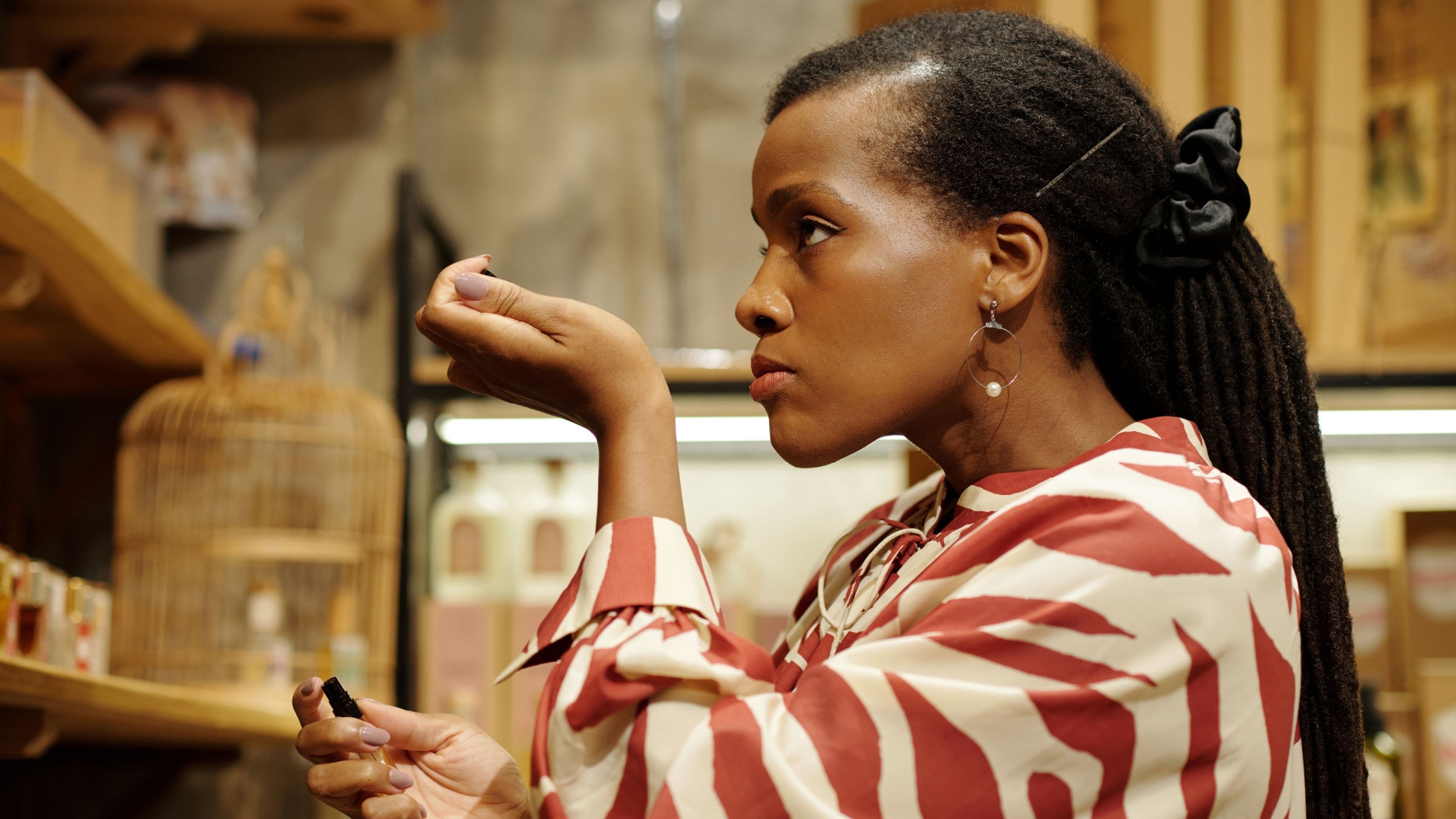
Don't buy a fragrance based purely on how it smells in the bottle or on a strip at the counter. Skin chemistry changes everything, and a scent that smells incredible on someone else might smell completely different on you. Always test on skin and wait before committing to a full bottle.
Also avoid over-applying, especially with intense fragrances like Tom Ford or YSL's Opium line. More sprays don't equal more sophistication, and overwhelming a room is generally the opposite of the effect a genuinely timeless scent is meant to have.
Frequently Asked Questions
Are more expensive perfumes always better quality? Not necessarily. Price often reflects marketing, packaging, and brand positioning as much as ingredient quality, though niche and luxury houses do typically use higher concentrations of fragrance oil, which affects longevity.
How long should a bottle of perfume last? With regular use (a few sprays daily), a 50-100ml bottle typically lasts 6-12 months, though this varies based on how often you wear it and how much you apply.
What's the difference between eau de toilette and eau de parfum? Eau de parfum has a higher concentration of fragrance oil, meaning it typically lasts longer and projects more, while eau de toilette is lighter and better suited for daytime or warmer weather.
Quick Takeaway
The most timeless fragrances share a common thread: they don't chase whatever's currently trending on social media. Whether it's Chanel's restraint, Guerlain's complexity, or Jo Malone's simplicity, longevity in perfumery comes from a clear identity that doesn't need constant reinvention to stay relevant.
📚 Sources
Fragrantica – Chanel No. 5 History and Reviews, https://www.fragrantica.com/perfume/Chanel/Chanel-No-5-742.html
Guerlain Official – Shalimar Heritage, https://www.guerlain.com/us/en-us/fragrance
Fragrantica – Perfume House Profiles, https://www.fragrantica.com/