The Golden Rule: Frequency Determines Ownership
Here's the math that matters: If you'll use something fewer than three times per year, renting almost always wins. The break-even point typically hits around the fourth or fifth use, depending on rental costs versus purchase price. For occasional adventurers—those weekend warriors who hit the trails when inspiration strikes—this rule saves thousands while keeping your storage unit empty.
Always Buy: Your Foundation Layer
Quality Hiking Boots
Your feet carry you everywhere, making boots the one splurge that's non-negotiable. A proper pair of hiking boots molds to your unique foot shape, requires breaking in, and lasts for years of adventures. Rental boots come with someone else's foot sweat and zero knowledge of your arch support needs. Expect to invest $120-200 for solid mid-range boots that'll handle most terrain. Break them in on short walks before your big trip, and your feet will thank you when you're five miles from the trailhead.
Technical Clothing Base Layers
Moisture-wicking shirts and thermal underwear are intensely personal items that you'll want washed to your standards. These pieces regulate your body temperature, prevent chafing, and layer under everything else. A good merino wool base layer runs $50-80 and works for hiking, camping, skiing, and even your side hustle's outdoor photoshoots. Unlike rental gear that's been on dozens of sweaty bodies, your own layers feel fresh and perform consistently every trip.
A Solid Daypack
A 20-30 liter daypack becomes your adventure companion for everything from summit hikes to beach days. Quality packs cost $60-150 and last a decade with proper care. The hip belt adjustments, shoulder strap positioning, and weight distribution need to match your torso length—impossible to dial in with a rental. Plus, you'll use this for everyday activities, making it pull double duty as your gym bag or carry-on luggage.
Smart to Rent: The Expensive Specialists
Camping Tents
Unless you're camping monthly, tents are rental gold. A quality four-season tent costs $400-800, takes up serious storage space, and requires maintenance between uses. Rental shops charge $30-60 per weekend and handle all the cleaning, waterproofing, and pole repairs. They'll also match tent size to your group, so you're not stuck with a six-person tent when it's just you and a friend. The bonus: trying different tent styles before committing to a purchase if you do fall in love with camping.
Specialized Sporting Equipment
Kayaks, paddleboards, climbing gear, and skiing equipment fall into the "definitely rent" category for occasional use. These items require proper storage, regular safety inspections, and significant upfront investment. A decent kayak starts at $600 before you factor in the roof rack, paddles, and life jacket. Rental costs run $40-80 per day, making the break-even point somewhere around 8-12 uses. More importantly, rental shops ensure equipment meets current safety standards and gets professionally inspected—critical for gear that could literally save your life.
Winter Sports Gear
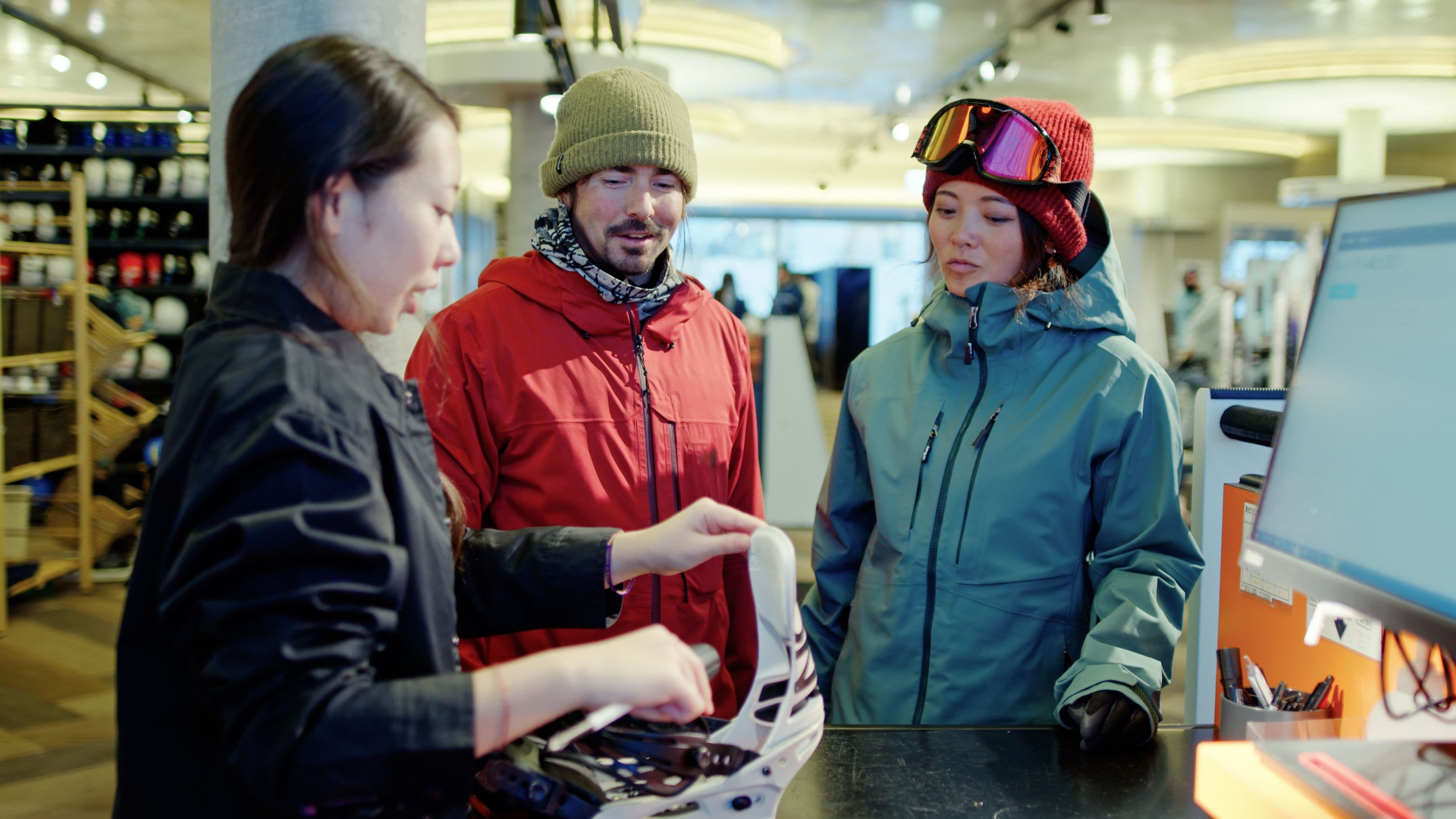
Ski and snowboard equipment evolves rapidly, meaning last year's technology gets outpaced quickly. Between skis, boots, bindings, and poles, you're looking at $600-1,200 for entry-level gear that'll be outdated in three seasons. Rentals cost $40-70 per day and let you try different equipment styles as your skills improve. For the occasional ski trip warrior, renting means you're always on current equipment without the storage headaches or tune-up costs.
The Middle Ground: Strategic Purchases
Sleeping Bags and Pads
Here's where it gets interesting—these straddle the buy-rent divide. If you camp even 2-3 times annually, buying makes sense because sleeping bags are deeply personal. You need the right temperature rating for your cold tolerance, the correct size for your height, and cleanliness you can trust. A quality sleeping bag ($150-300) and insulated pad ($80-150) last 7-10 years with minimal maintenance. However, for your first few trips, rent to figure out what temperature ratings and styles work for your body before investing.
Cooking Equipment
A basic camp stove and cookware set costs $60-120 and pays for itself after 3-4 camping trips. These items pack small, need minimal maintenance, and make you independent from rental shop hours. You'll also use them for tailgating, beach bonfires, and backyard emergencies. Start with a simple two-burner propane stove and aluminum pot set—skip the fancy titanium gear until you're certain camping becomes your regular thing.
Trekking Poles
These collapsible wonders cost $50-100 and transform knee-punishing descents into manageable strolls. They're lightweight, packable, and useful for dozens of activities beyond hiking—think balance support for stream crossings or tent pole emergencies. Rental options exist but rarely get adjusted correctly for your height and stride. For occasional adventurers who prioritize joint health and plan more than two annual hiking trips, this is a purchase that prevents injury and extends your outdoor career.
The Rental Shop Strategy
Build relationships with your local outdoor rental shops—they're goldmines of knowledge and flexibility. Many offer multi-day discounts, package deals, and rent-to-own programs that let rental fees apply toward purchases. Ask about their used gear sales where you can score last season's equipment at 40-60% off retail. Shop employees are usually avid outdoor enthusiasts who'll steer you toward smart decisions based on your actual plans, not just what's most expensive.
When to Upgrade from Renting
Track your rental receipts for a year. Once you've spent 50-60% of an item's purchase price on rentals, it's time to buy. This typically happens around the third or fourth use for most gear. However, consider the full picture: storage space, maintenance costs, and whether you're truly committed to the activity long-term. Some adventurers permanently rent because they value the flexibility to try new activities without commitment—perfectly valid for those building side hustles around outdoor experiences or photography.
The Side Hustle Angle
Speaking of hustles—quality outdoor gear can become an income stream. Occasional adventurers with premium equipment can rent their gear on peer-to-peer platforms, offsetting ownership costs while helping others access adventures affordably. A well-maintained tent or kayak can generate $30-60 per rental, potentially covering your annual storage and maintenance costs. Document your gear's condition meticulously, carry proper insurance, and treat this like the small business it is. Your weekend hobby gear becomes a midweek revenue generator.
Storage Realities
Before buying anything, measure your available storage space honestly. Gear that sits in damp garages or hot attics degrades faster than rental equipment stored in climate-controlled facilities. Factor in the cost of proper storage solutions—wall racks, dry bags, equipment bins—when calculating true ownership expenses. Urban adventurers often find renting makes more sense purely from a space perspective, even when the math favors buying.
Pick one piece of gear you've been renting repeatedly and run the break-even calculation right now. Check your bank statements, add up those rental fees, and compare against new purchase prices from three different retailers. Momentum starts with one smart decision that transforms how you approach outdoor adventures financially. Your future self—and your bank account—will thank you when you're booking more trips instead of drowning in gear debt.
📚 Sources
1. Outdoor Industry Association. (2024). "Outdoor Recreation Economy Report: Participation and Equipment Spending Trends."
2. REI Co-op. (2023). "The True Cost of Outdoor Gear Ownership: A Five-Year Analysis."
3. Pew Research Center. (2024). "Americans and Outdoor Recreation: Frequency Patterns and Equipment Investment Behaviors."