
Top 10 at a Glance
Microsoft Flight Simulator – the entire planet
No Man's Sky – procedurally generated galaxy
Just Cause 4 – roughly 400 square miles
Elden Ring – around 30 square miles, dense with content
The Witcher 3: Wild Hunt – roughly 22 square miles across regions
Red Dead Redemption 2 – around 29 square miles
Grand Theft Auto V – roughly 49 square miles including ocean
Assassin's Creed Valhalla – multiple large regions across England and Norway
Ghost of Tsushima – around 32 square miles
Horizon Forbidden West – expansive Western US-inspired terrain
1. Microsoft Flight Simulator
What it is: A hyper-realistic flight simulator that recreates the entire surface of Earth using satellite imagery, real-world weather, and live air traffic data.
Why it matters: No other game on this list – or arguably in existence – comes close to this scale. You can fly from your actual hometown to anywhere else on the planet, rendered with a level of geographic accuracy no fictional open world attempts.
How to apply: If you've got a decent PC and want a genuinely different kind of open-world experience, this rewards patience over action. It's less about missions and more about the sheer scale of just being somewhere real.
Key benefit: Unmatched, literal planetary scale.
Tip: Pair it with a controller or yoke setup if you get hooked – mouse and keyboard flying gets old fast.
2. No Man's Sky
What it is: A space exploration game with a procedurally generated galaxy containing over 18 quintillion planets, each with its own terrain, wildlife, and resources.
Why it matters: The number of planets is so large it's functionally infinite for any single player – you could explore for years and never see the same planet twice.
How to apply: Best enjoyed slowly. Set a goal like reaching the galactic center or building a base on a specific planet type, since undirected wandering can feel aimless given the sheer scale.
Key benefit: Effectively limitless exploration without repeating content.
Tip: Multiple major updates since launch have added base building, multiplayer, and ground vehicles – it plays very differently now than at release, so don't judge it by old reviews.
3. Just Cause 4
What it is: An action game set on the fictional island of Solís, covering roughly 400 square miles of jungle, desert, and mountain terrain.
Why it matters: Among traditional (non-simulator, non-procedural) open-world action games, this is one of the largest handcrafted maps ever built, and it's designed entirely around chaotic, physics-based traversal.
How to apply: This is a game built for grappling hooks, wingsuits, and explosions rather than dense narrative – go in expecting sandbox chaos, not a tightly written story.
Key benefit: Massive scale paired with fast, fun traversal tools that make covering ground genuinely enjoyable.
Tip: Invest in traversal gear upgrades early – the wingsuit and grapple combo is what makes the map's size feel fun instead of tedious.
4. Elden Ring
What it is: FromSoftware's open-world take on its signature difficult combat, set across the Lands Between, roughly 30 square miles of interconnected regions.
Why it matters: Unlike many large maps padded with filler, nearly every corner of Elden Ring's world hides a boss fight, item, or environmental storytelling detail worth finding.
How to apply: Explore off the beaten path deliberately – the game rewards curiosity with gear and lore you'd miss by rushing the main path.
Key benefit: High content density relative to map size – less "empty walking," more discovery per mile.
Tip: Use the map's legacy dungeons as natural stopping points; they're denser and more linear than the open field areas, which helps pace a long session.
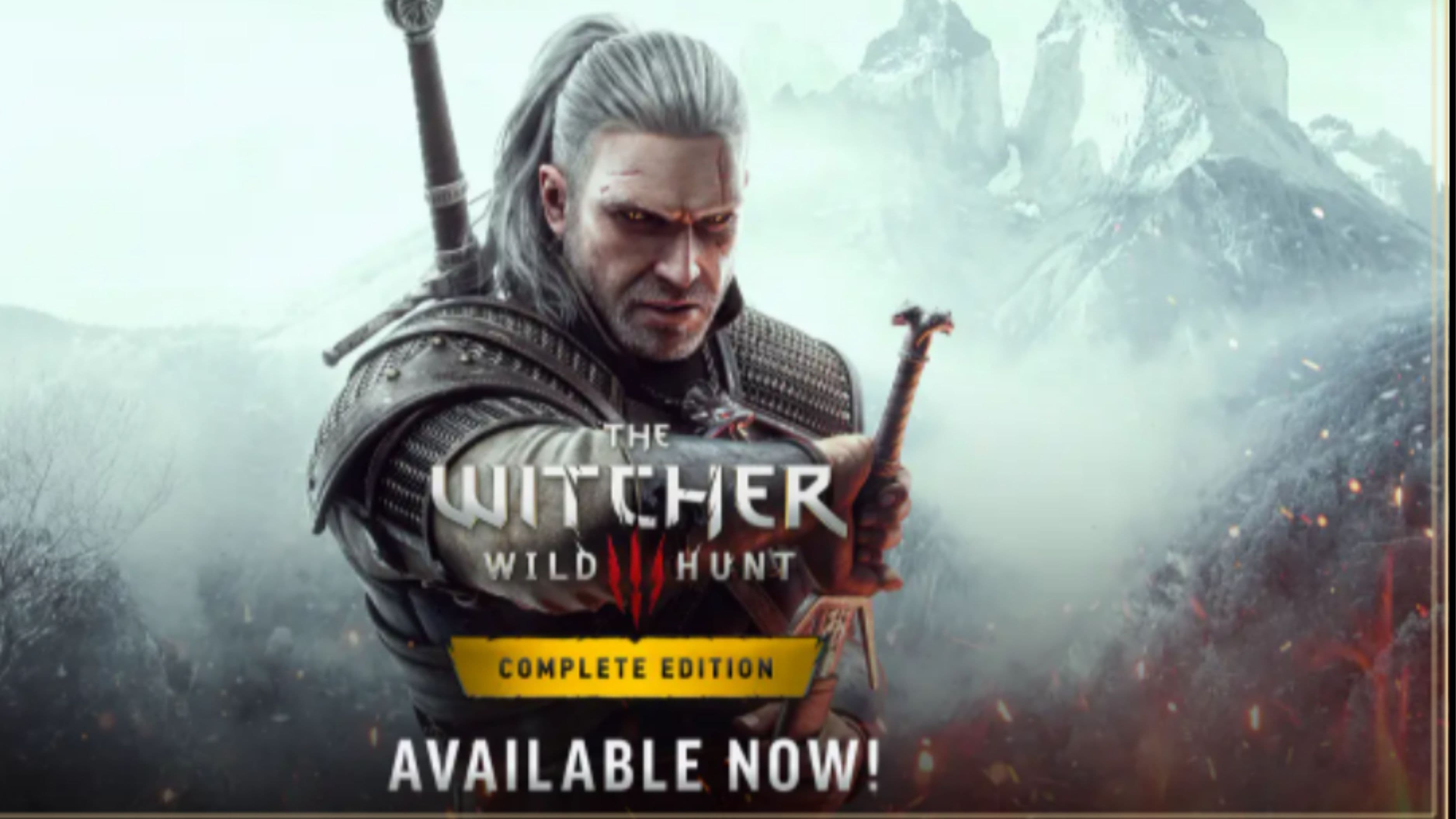
5. The Witcher 3: Wild Hunt
What it is: An RPG following monster hunter Geralt of Rivia across roughly 22 square miles spanning Velen, Novigrad, Skellige, and Toussaint (with the Blood and Wine expansion).
Why it matters: The map size is moderate compared to others here, but the writing quality in side quests is consistently cited as some of the best in the genre, making exploration feel purposeful.
How to apply: Don't skip side quests to rush the main story – many of them are better written and more memorable than the primary plot missions.
Key benefit: A world that rewards exploration with narrative payoff rather than just loot.
Tip: Play the Blood and Wine expansion's Toussaint region last – it's visually and narratively one of the strongest areas in the game.
6. Red Dead Redemption 2
What it is: Rockstar's Western epic spanning roughly 29 square miles across fictionalized versions of the American Midwest and South.
Why it matters: The level of environmental detail – weather systems, wildlife behavior, NPC schedules – makes the world feel alive in a way raw square mileage doesn't capture.
How to apply: Slow down. This is a game punished by rushing; hunting, fishing, and camp interactions are where a lot of the game's value lives.
Key benefit: Best-in-class environmental immersion layered on top of genuine scale.
Tip: Use camp upgrades and honor system choices deliberately – they meaningfully change how NPCs treat you throughout the world.
7. Grand Theft Auto V
What it is: Rockstar's crime saga set in the fictional state of San Andreas, covering roughly 49 square miles including ocean, desert, and city.
Why it matters: Nearly a decade after release, it remains one of the most replayed open worlds thanks to GTA Online's continued content additions layered on top of the same map.
How to apply: If you haven't touched it since the story mode, GTA Online has evolved into an almost entirely separate game built on the same geography – worth revisiting for that alone.
Key benefit: Dual value as both a strong single-player story and an ever-expanding online sandbox.
Tip: Story mode is still worth playing fully before diving into Online – character-specific missions unlock context that makes the online world's lore land better.
8. Assassin's Creed Valhalla
What it is: A Viking-era RPG spanning England and Norway, one of the largest maps in the Assassin's Creed franchise's history.
Why it matters: The combination of raiding mechanics, settlement building, and a genuinely sprawling map gives it more to do per region than earlier entries in the series.
How to apply: Prioritize the England regions with story relevance first, then treat Norway and later DLC regions (Ireland, Paris) as extended content once you're hooked.
Key benefit: Scale paired with a settlement-building loop that gives you a reason to keep returning to a home base.
Tip: Turn off (or lower) quest marker guidance in the settings for a more exploration-driven experience if you want the map's size to actually matter.
9. Ghost of Tsushima
What it is: A samurai action game set on the island of Tsushima, roughly 32 square miles of feudal Japan rendered with striking visual design.
Why it matters: The world design leans on visual storytelling – wind guiding you toward objectives instead of a traditional map marker – which makes exploration feel more intentional than in many open-world games.
How to apply: Turn on "Kurosawa Mode" (the black-and-white, grainy filter) for at least one playthrough – it changes how the world's scale and cinematography feel entirely.
Key benefit: A large map that uses environmental design instead of UI clutter to guide exploration.
Tip: Hot springs and Shinto shrines scattered across the map are optional but worth the detour – they meaningfully upgrade your character.
10. Horizon Forbidden West
What it is: The sequel to Horizon Zero Dawn, expanding the post-apocalyptic map into a Western US-inspired region with new biomes, including underwater areas.
Why it matters: It doesn't just add landmass – it adds entirely new traversal mechanics (climbing, gliding, diving) that make use of the expanded terrain in ways the first game couldn't.
How to apply: Take advantage of the new underwater exploration; it's an entirely new gameplay layer that a lot of players skip because it's optional.
Key benefit: Vertical and underwater map design that makes the world feel larger than its footprint suggests.
Tip: Fully upgrade your diving mask early if you want to explore underwater ruins without constantly surfacing for air.
Quick Takeaway
If you want scale for scale's sake, Microsoft Flight Simulator and No Man's Sky are functionally limitless. If you want a big map that's also packed with meaningful content, Elden Ring and Red Dead Redemption 2 deliver the best ratio of size to substance. And if you're chasing a large map with strong writing, The Witcher 3 still holds up years later.
FAQ
Does a bigger map always mean a better game? No. Several games on this list are ranked for how they use their size, not just the raw number – a smaller, denser map like The Witcher 3's can outshine a larger, emptier one.
Which of these is best for a first-time open-world player? Ghost of Tsushima and Red Dead Redemption 2 are generally considered more approachable, with strong guidance systems and pacing for newcomers to the genre.
Are map sizes measured consistently across these games? Not exactly – developers and outlets calculate square mileage differently (some include ocean or vertical space), so treat these figures as approximate comparisons rather than precise measurements.
Short Outro
Big worlds are only worth your time if they've got something behind every hill. This list leans toward games that back up their scale with content, not just empty terrain – pick based on whether you want to lose yourself in scale or explore a smaller world done exceptionally well.