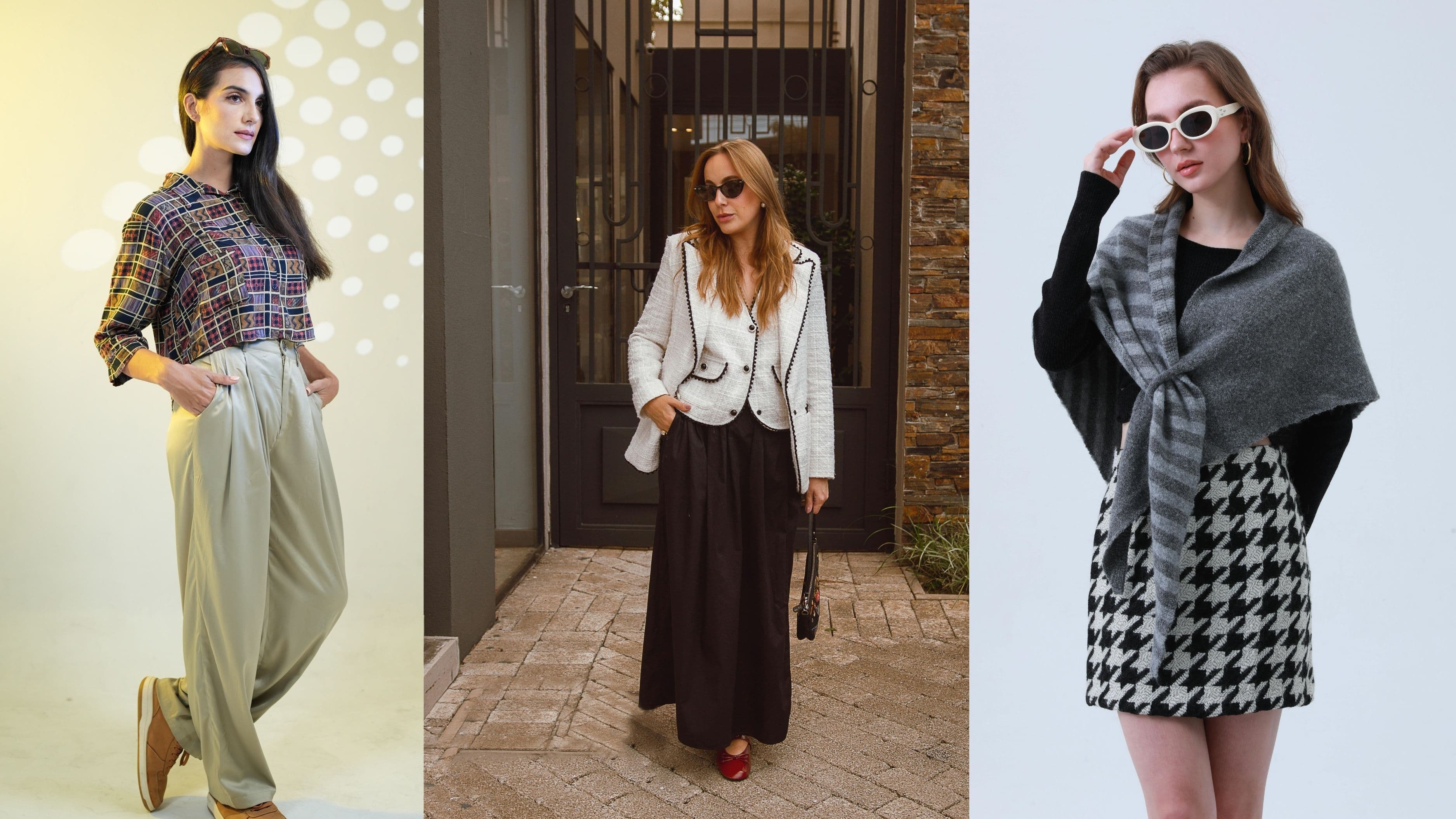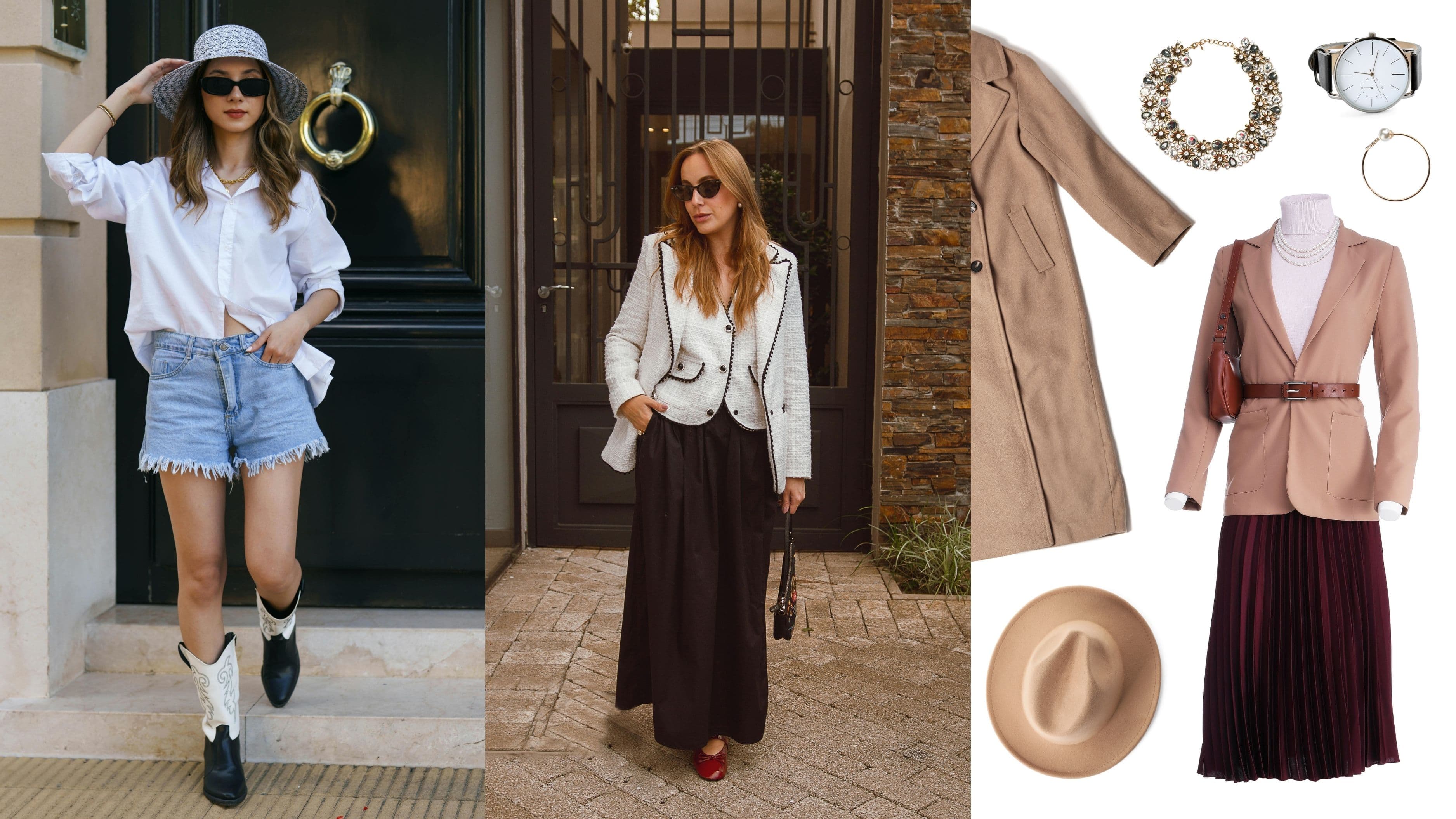
The catch? There are a lot of platforms out there, and they're not all created equal. Some are great for designer deals, others are a goldmine for vintage enthusiasts, and a few are built specifically for certain styles or budgets. We reviewed dozens of options to bring you the ten best online thrift stores for unique fashion finds, so you can skip the scroll and get straight to the good stuff.
🏆 Top 10 at a Glance
ThredUp – Best for everyday secondhand basics at low prices
Poshmark – Best for brand-name and designer pieces
Depop – Best for Gen Z style and indie fashion
The RealReal – Best for authenticated luxury consignment
eBay – Best for rare vintage and one-of-a-kind collector finds
Vestiaire Collective – Best for European luxury and high-end international brands
Rebag – Best for pre-owned designer handbags
ASOS Marketplace – Best for curated vintage boutique shopping
Swap.com – Best for budget shoppers buying in bulk
Mercari – Best for casual sellers and eclectic, unexpected finds
1. ThredUp — Best for Everyday Secondhand Basics
What it is and who it's best for
ThredUp is one of the largest online consignment and thrift stores in the United States, with millions of items listed at any given time. It's the digital equivalent of a well-organized Goodwill — broad, approachable, and refreshed constantly. If you're new to online thrifting or just want to fill out your wardrobe with quality everyday pieces without paying full retail price, ThredUp is your most natural starting point.
The platform is especially great for women's and kids' clothing, with a growing men's section. Whether you're hunting for a classic trench coat, a stack of basics, or something for the kids' back-to-school wardrobe, the sheer volume of inventory means you'll almost always find something worth buying.
Key features and pricing
ThredUp uses a strict quality inspection process — items arrive cleaned, photographed, and graded before listing. The search filters are among the most robust of any resale platform: you can narrow by brand, size, color, condition, style, and even neckline. Prices range from under $5 for basics to $80+ for designer labels, with most everyday pieces landing between $8 and $35.
Pros:
Enormous inventory — millions of items across all categories
Reliable quality grading and condition descriptions
Easy, beginner-friendly navigation
Frequent discount codes and sale events
"Rescue Boxes" offer mystery bundles at steep discounts
Cons:
Seller payouts are low compared to peer-to-peer platforms
No direct buyer-seller communication
Some items sell out before shipping is processed
Less suited for rare vintage or niche styles
2. Poshmark — Best for Brand-Name and Designer Pieces
What it is and who it's best for
Poshmark is a social commerce platform as much as it is a resale marketplace — sellers build followings, host virtual "Posh Parties," and interact directly with buyers through comments and offers. If you're specifically hunting for brand-name clothing (think Kate Spade, Lululemon, Free People, or Nike), Poshmark's enormous seller community means there's usually a healthy supply at competitive prices. It's also a fantastic place to sell your own pieces, since the engaged community helps items move faster than on more passive platforms.
Poshmark works best when you're patient, willing to browse, and open to making offers — most sellers expect and welcome a little negotiating. If you spot something you love listed at $45, a polite offer of $35 is completely normal and often accepted.
Key features and pricing
Poshmark handles shipping through a flat-rate system ($7.97 for most orders, paid by the buyer), and the platform holds payment until the buyer confirms receipt. Prices vary enormously — fast fashion brands might run $5–$20, while lightly used designer pieces can fetch $100–$500+. The platform takes a flat 20% commission on sales over $15.
Pros:
Massive, engaged seller community
Direct buyer-seller communication and negotiation
Strong brand-name and designer inventory
Buyer protection policy with held payments
Fun social features for browsing and discovery
Cons:
Buyer pays a flat shipping fee regardless of item price
Quality can be inconsistent — condition is seller-reported
Browsing can feel overwhelming without specific filters
Returns are limited to cases of misrepresentation
3. Depop — Best for Gen Z Style and Indie Fashion
What it is and who it's best for
If Poshmark is a suburban consignment store, Depop is a vintage boutique tucked in a city neighborhood you had to be told about. The platform has a distinctly young, creative energy — it's where you go when you're hunting for a Y2K butterfly top, a hand-embroidered denim jacket, or a pair of vintage Levis that fit like they were made for you. Sellers on Depop tend to be young independent creatives who curate their shops carefully, often reworking or customizing pieces before listing them.
Depop is ideal for fashion-forward shoppers who care about aesthetic and individuality over brand names. It's less about logos and more about vibe — and the vibe here is distinctly street-style, indie, and influenced by every decade from the '60s through the early 2000s.
Key features and pricing
The app-first interface is highly visual, resembling Instagram more than a traditional marketplace. Sellers photograph their pieces with personality, often styled on themselves, which makes it easier to visualize fit and feel. Prices skew slightly higher than bulk thrift platforms because you're often paying for curation — expect $15–$60 for most pieces, with custom or reworked items running higher. Depop charges sellers a 10% fee.
Pros:
Unique, highly curated inventory you won't find elsewhere
Visually driven, easy to browse by aesthetic
Strong community of independent creative sellers
Great for vintage, Y2K, and niche fashion subcultures
Direct messaging makes it easy to ask questions about fit
Cons:
Pricing can be higher than traditional thrift
Quality varies significantly between sellers
Less useful for everyday basics or professional wear
Shipping costs and timelines vary widely by seller
4. The RealReal — Best for Authenticated Luxury Consignment
What it is and who it's best for
The RealReal exists in its own category, and the name says it all. This is where you go when you want a Chanel bag, a Gucci belt, or a pair of Louboutins — and you need to be absolutely certain they're authentic. Every item sold on The RealReal is physically inspected and authenticated by in-house experts before listing, which sets it apart from every peer-to-peer platform on this list. For luxury shoppers who've been burned by fakes on general marketplaces, The RealReal is a genuine sigh of relief.
It's best suited for buyers with a higher budget who want the quality and status of luxury brands without paying full retail price — savings of 30–70% off original retail are common. It's also a smart platform for anyone with high-end pieces to consign, since the authentication process actively attracts serious buyers willing to pay fair prices.
Key features and pricing
The RealReal carries clothing, bags, shoes, jewelry, watches, and home goods from hundreds of luxury labels. Items are priced individually based on condition, rarity, and market demand — a pre-owned Hermès scarf might list at $200, while a like-new Louis Vuitton tote could run $1,500+. Entry-level luxury (think Coach, Kate Spade, or Tory Burch) starts around $30–$80. The platform offers a membership program with additional discounts for frequent buyers.
Pros:
Expert authentication on every single item
Enormous range of luxury brands in one place
Significant savings versus retail prices
Physical store locations for in-person browsing
Consignors receive detailed sale reports
Cons:
Price floor is higher than general thrift platforms
Commissions for consignors can be steep
Inventory turns over quickly — desirable items sell fast
Not the right fit for everyday or budget shoppers
5. eBay — Best for Rare Vintage and Collector Finds
What it is and who it's best for
eBay is the original online resale marketplace, and decades later it remains unmatched for one specific thing: the truly rare, the truly weird, and the truly wonderful. If you're hunting for a specific era of Levi's, a vintage band tee from a 1987 tour, a deadstock pair of '90s sneakers in your exact size, or a piece of clothing that belongs in a costume or a museum — eBay is where you look first. The sheer volume of global sellers means that whatever niche or oddly specific item you're chasing, it's probably listed somewhere in the catalog.
eBay rewards patient, knowledgeable shoppers. The more you know about what you're looking for, the better your results — and the more you understand how to use saved searches and price alerts, the more deals you'll uncover over time.
Key features and pricing
Both auction and fixed-price listings are available, and the auction format is where serious vintage hunters often score their best finds. Prices are entirely market-driven and range from a few dollars to thousands for rare items. eBay's buyer protection program is strong, and the platform has improved its fashion-specific browsing features significantly in recent years, including better size filtering and a "Authenticity Guarantee" program for sneakers and luxury handbags over certain price thresholds.
Pros:
Unparalleled inventory for rare, vintage, and collector pieces
Auction format creates opportunities for below-market deals
Global seller base means extraordinary variety
Strong buyer protection and dispute resolution
Saved search and alert features for passive hunting
Cons:
Interface can feel cluttered and outdated compared to newer platforms
Quality and condition vary wildly between sellers
Shipping costs are seller-set and can be high
Authenticating items requires buyer knowledge — caveat emptor
6. Vestiaire Collective — Best for European Luxury and International Brands
What it is and who it's best for
Vestiaire Collective is a Paris-founded luxury resale platform with a distinctly European sensibility — and an inventory that reflects it. While The RealReal skews toward American luxury buyers, Vestiaire carries a deep stock of European houses like Céline, Sandro, Isabel Marant, A.P.C., and Acne Studios alongside the global heavyweights. If your fashion references lean toward Paris, Milan, or Copenhagen rather than New York or LA, Vestiaire's curation will feel more aligned with your taste.
The platform attracts an internationally diverse seller base, which means you'll find pieces and labels that rarely surface on US-centric platforms. It's a particularly strong resource for sophisticated secondhand shoppers who follow European fashion closely and want access to labels that don't have wide retail distribution in the States.
Key features and pricing
Vestiaire offers optional expert authentication, and items can be shipped directly from seller to buyer (faster) or through Vestiaire's authentication center first (safer for high-value pieces). Prices reflect the European luxury positioning — budget around $80–$200 for contemporary brands and significantly more for heritage luxury houses. The platform charges buyers a commission fee that varies based on item price.
Pros:
Exceptional European and international brand selection
Optional authentication service for high-value items
Sleek, editorially curated platform experience
Growing US presence with faster domestic shipping
Strong community of fashion-literate buyers and sellers
Cons:
Higher price floor than most resale platforms
International shipping can be slow and expensive
Authentication adds time to the buying process
Less useful for budget or casual shoppers
7. Rebag — Best for Pre-Owned Designer Handbags
What it is and who it's best for
Rebag does one thing and does it exceptionally well: pre-owned designer handbags. If a bag is your splurge category — the piece you'll save for, care for, and carry for years — Rebag is where the serious bag lovers shop. The inventory spans Chanel, Louis Vuitton, Gucci, Prada, Fendi, Bottega Veneta, and dozens of other luxury houses, with every piece authenticated in-house by handbag specialists before listing. The depth of inventory in this single category surpasses anything you'll find on a general luxury platform.
Rebag is also built for transparency in a way that most resale platforms aren't. Their proprietary "Clair AI" tool lets you input any designer bag and get an instant estimated resale value — making it useful not just for buying but for anyone wondering what their current collection is worth.
Key features and pricing
All bags are graded on a clear condition scale with detailed photographs from multiple angles. Prices range from around $300 for entry-level luxury (think Coach or Kate Spade) up to $30,000+ for rare Hermès or Chanel pieces. Rebag offers a trade-in program and financing options, which makes higher-priced purchases more accessible. The platform guarantees authenticity on every purchase.
Pros:
Deepest designer handbag inventory online
Expert authentication and detailed condition grading
Transparent pricing with AI valuation tool
Trade-in program for your existing bags
Clean, easy-to-navigate shopping experience
Cons:
Limited to handbags and small leather goods — no clothing or shoes
High price floor even for entry-level pieces
Less useful if handbags aren't your focus category
Trade-in values can be lower than peer-to-peer alternatives
8. ASOS Marketplace — Best for Curated Vintage Boutique Shopping
What it is and who it's best for
ASOS Marketplace sits in an interesting middle space: it's part of the ASOS ecosystem but operates as an independent marketplace where small vintage boutiques and independent sellers list their carefully curated stock. Shopping here feels less like searching a massive database and more like browsing a collection of small, handpicked shops — each with its own aesthetic identity, specialty era, or signature style. If you love vintage shopping but want the curation and quality control of a boutique rather than the endless scroll of a mega-platform, ASOS Marketplace delivers that experience beautifully.
It's particularly strong for UK and European vintage, with many sellers based in Britain, which means access to pieces that don't commonly surface on American-centric platforms. Shipping to the US is standard and relatively well-priced.
Key features and pricing
Boutique sellers on ASOS Marketplace apply to list and maintain their own shop pages, creating a consistent aesthetic and voice for each store. Prices tend to reflect the boutique positioning — expect $20–$80 for most vintage pieces, with some specialty items running higher. Items are typically photographed with care and described in detail, which makes condition assessment more reliable than on open peer-to-peer platforms.
Pros:
Curated boutique feel with independent shop identities
Strong UK and European vintage inventory
High-quality photography and detailed item descriptions
Reliable seller standards set by ASOS
Great for discovering new independent vintage sellers
Cons:
Smaller inventory than mega-platforms like eBay or ThredUp
International shipping adds time and cost for US buyers
Returns are handled individually by each boutique
Less suited for budget shoppers — boutique pricing reflects curation
9. Swap.com — Best for Budget Shoppers Buying in Volume
What it is and who it's best for
Swap.com is the thrifter's thrift store — unassuming, no-frills, and deeply committed to keeping prices as low as possible. With millions of items across clothing, shoes, and accessories for men, women, and children, it operates more like an online version of a traditional thrift store than a curated resale boutique. If you're building a wardrobe on a tight budget, refreshing your kids' clothes every season, or experimenting with a new style without much financial risk, Swap.com is where you can fill a cart for $50 without breaking a sweat.
The platform is especially beloved by parents of young children, since kids outgrow clothes so fast that paying full price (or even Poshmark prices) can feel absurd. Swap.com's low price point makes high-volume, practical shopping genuinely feasible.
Key features and pricing
Items are inspected, photographed, and graded by Swap.com staff — similar to ThredUp's model but with an even lower average price point. Most clothing items range from $3 to $20, with prices rarely exceeding $30 even for name brands. The search and filter interface is functional rather than beautiful, but it gets the job done. A flat shipping fee applies per order.
Pros:
Among the lowest prices of any online thrift platform
Huge inventory, especially for children's and women's clothing
Staff-graded items with consistent quality standards
Ideal for high-volume, budget-focused shopping
Good for families and practical wardrobe builders
Cons:
Interface is functional but not aesthetically engaging
Less suited for fashion-forward or vintage-specific searches
Seller payouts are very low compared to peer-to-peer platforms
Limited luxury or designer inventory
10. Mercari — Best for Casual Sellers and Eclectic, Unexpected Finds
What it is and who it's best for
Mercari started in Japan and brought a clean, no-fuss marketplace sensibility to the US resale space. It sits between the casual chaos of eBay and the fashion-specific focus of Poshmark — it sells everything from clothing to electronics to home goods, which means the fashion section is eclectic in the very best way. You'll stumble across things on Mercari that simply wouldn't surface anywhere else: a deadstock '80s windbreaker from a seller cleaning out their garage, a bundle of vintage scarves from an estate, a pair of platform boots from someone's one-night-out phase.
Mercari is ideal for shoppers who enjoy the treasure-hunt aspect of thrifting and don't mind browsing broadly. It rewards the patient and the curious — people who enjoy not knowing quite what they'll find.
Key features and pricing
Mercari's listing process is deliberately simple, which means a wide range of sellers participate — from professional resellers with pristine photography to casual individuals listing a few pieces from their closet. Prices are market-driven and typically low to moderate: $5–$40 for most clothing items, with occasional higher-priced pieces from more experienced sellers. Mercari charges sellers a flat 10% fee and offers a streamlined shipping label system.
Pros:
Eclectic, unpredictable inventory full of unexpected finds
Low prices with motivated casual sellers
Clean, intuitive interface easy for buyers and sellers alike
Flat seller fee and simple shipping process
Good buyer and seller protection policies
Cons:
Fashion inventory is mixed in with non-fashion categories
Condition descriptions vary widely in accuracy and detail
Less community-driven than Poshmark or Depop
Harder to browse by aesthetic or style
🛍️ Your Guide to Online Thrift Shopping
What is online thrift shopping?
Online thrift shopping refers to buying pre-owned clothing, accessories, and other goods through digital platforms rather than in physical secondhand stores. These platforms connect buyers with individual sellers (peer-to-peer marketplaces like Poshmark or Depop) or operate as centralized consignment services (like ThredUp or The RealReal), where the platform receives, processes, and resells items on behalf of the original owner. The category also includes dedicated luxury authentication services and niche boutique marketplaces.
The benefits of shopping secondhand online
The advantages extend well beyond price — though the savings are real and significant. Shopping secondhand online reduces demand for new clothing production, which is one of the world's most resource-intensive industries. It extends the lifecycle of existing garments, keeps textiles out of landfills, and gives well-made older pieces a second chance to be loved. From a personal style perspective, secondhand shopping is one of the most reliable paths to a wardrobe that actually feels individual — because you're not choosing from the same seasonal offerings as everyone else. You're finding things that are genuinely one-of-a-kind.
Financially, the savings versus retail can be dramatic. Pieces that originally retailed for $150 regularly sell for $25–$40 in excellent condition. For budget-conscious shoppers, this means access to quality and brands that would otherwise be out of reach.
What to look for when choosing a platform
Your style and budget: High-volume platforms like ThredUp and Swap.com work best for everyday basics at low prices. Boutique-style platforms like Depop or ASOS Marketplace suit fashion-forward, aesthetic-driven shoppers. Luxury platforms like The RealReal and Rebag are right for buyers with higher budgets seeking authenticated designer pieces.
Condition transparency: Look for platforms that use standardized condition grading (excellent, good, fair) and provide multiple photographs. Peer-to-peer platforms rely on seller accuracy, which varies — read descriptions carefully and ask questions before buying.
Return and buyer protection policies: Understand each platform's return policy before purchasing. Most resale platforms have limited returns (typically only for items that arrive significantly different from the listing), so condition descriptions and photos matter enormously.
Shipping costs and timelines: Factor shipping into the total cost of any purchase, especially on peer-to-peer platforms where rates vary by seller. For international platforms like Vestiaire Collective or ASOS Marketplace, factor in customs fees and longer delivery windows.
Authentication needs: For any purchase over $100 — and especially for luxury goods — choose a platform with a built-in authentication process, or use a third-party authentication service before paying.
❓ Frequently Asked Questions
Q: Is it safe to buy clothing online from secondhand platforms? Yes — with the right precautions. Stick to platforms with buyer protection policies that hold payment until you confirm receipt. Read condition descriptions carefully, look at all provided photos, and don't hesitate to message the seller with questions before buying. For luxury items, always choose a platform with authentication services.
Q: How do I know if a secondhand item is actually authentic? For luxury goods, use platforms with in-house authentication (The RealReal, Rebag, Vestiaire Collective) or request authentication through a third-party service like Entrupy or Real Authentication. For general brand-name items, research common authentication markers for the specific brand and examine all seller-provided photos carefully. If something feels off about the price or listing, trust that instinct.
Q: What's the best platform for selling my own clothes? It depends on what you're selling. For brand-name and designer items, Poshmark and Depop offer engaged communities and solid visibility. For luxury pieces, The RealReal or Vestiaire Collective will attract the right buyers. For clearing out a large volume of everyday clothes quickly, ThredUp's consignment service is the path of least resistance, though payouts per item will be lower.
Q: Are secondhand clothes clean when they arrive? It depends on the platform. Centralized platforms like ThredUp and Swap.com inspect and clean items before shipping. Peer-to-peer platforms like Poshmark, Depop, and Mercari ship directly from the individual seller — condition and cleanliness are seller-dependent. As a general practice, washing any secondhand purchase before wearing it is always a good idea.