
Top 10 Best Credit Cards for Building Credit with No Annual Fee
Discover it® Secured Credit Card – Best for earning rewards while building credit
Capital One Platinum Credit Card – Best for fair credit with upgrade potential
Petal® 2 "Cash Back, No Fees" Visa® Credit Card – Best for those with limited credit history
Chime Credit Builder Visa® Credit Card – Best for guaranteed approval with no credit check
OpenSky® Secured Visa® Credit Card – Best for building credit without a credit check
Capital One QuicksilverOne Cash Rewards Credit Card – Best for cash back with fair credit
Credit One Bank® Platinum Visa® for Rebuilding Credit – Best for credit monitoring features
Secured Mastercard® from Citi – Best for transitioning to unsecured credit
Bank of America® Customized Cash Rewards Secured Credit Card – Best for category rewards on secured cards
Mission Lane Visa® Credit Card – Best for unsecured credit with limited history
Our Methodology
We evaluated dozens of no-annual-fee credit cards designed for building or rebuilding credit based on five key criteria. First, we assessed fees and pricing beyond the annual fee, including foreign transaction fees, late payment penalties, and security deposit requirements for secured cards. Second, we examined ease of approval, considering minimum credit score requirements, alternative underwriting methods, and approval rates for applicants with limited or damaged credit histories.
Third, we analyzed credit-building features, including whether cards report to all three major credit bureaus (Equifax, Experian, and TransUnion), offer credit limit increases, and provide pathways to upgrade to better cards. Fourth, we evaluated additional benefits such as cash back rewards, fraud protection, mobile app functionality, and credit monitoring tools. Finally, we reviewed customer feedback across multiple platforms, focusing on customer service quality, billing transparency, and overall satisfaction ratings. We prioritized cards that combine accessibility with genuine credit-building potential rather than cards that simply prey on vulnerable applicants with excessive fees.
Detailed Reviews
1. Discover it® Secured Credit Card – Best for Earning Rewards While Building Credit
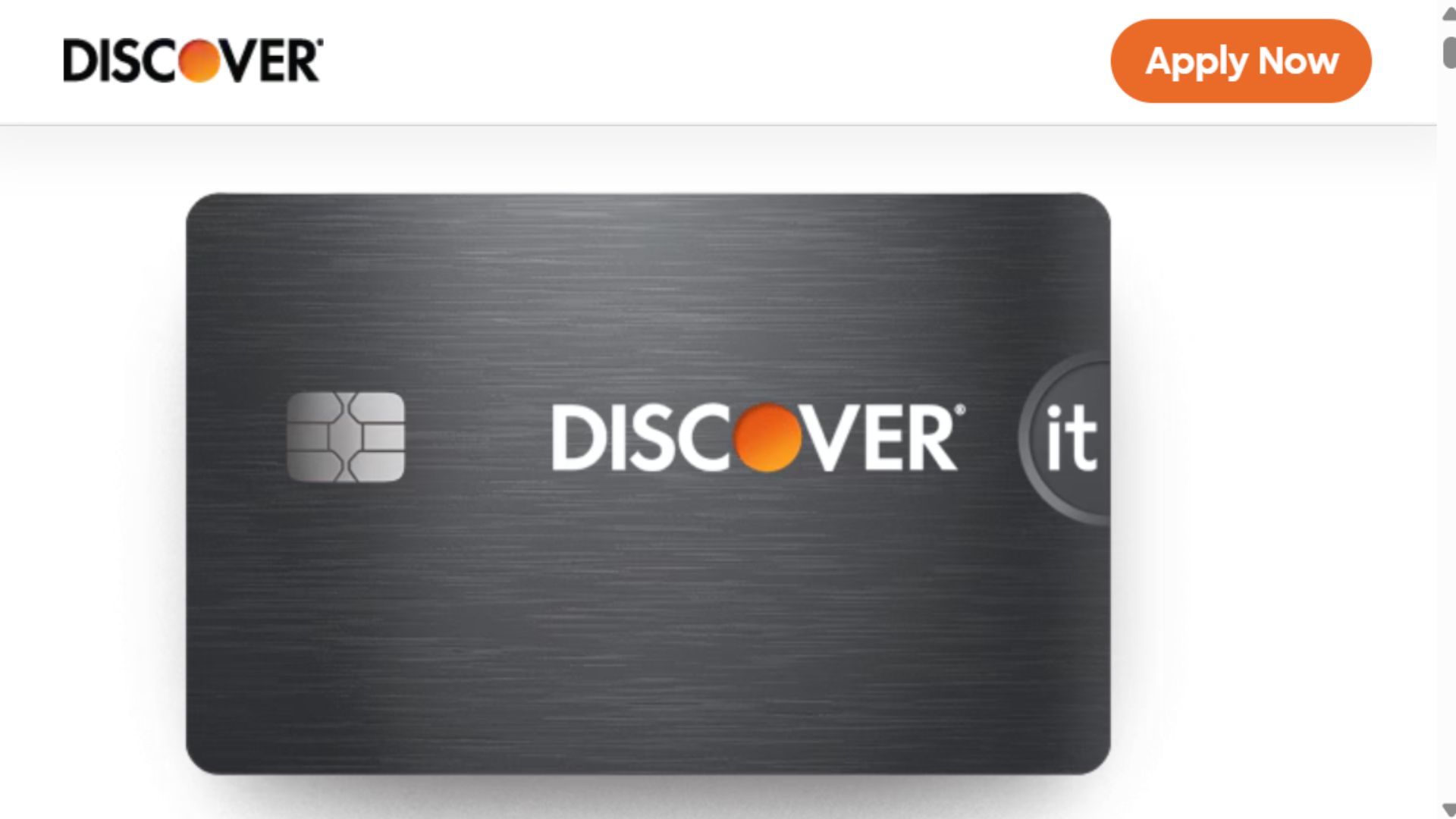
Best for: Individuals with no credit or poor credit who want to earn rewards while building their credit history.
Pricing: Refundable security deposit starting at $200 (which becomes your credit limit). No annual fee, no foreign transaction fees, and no penalty APR.
Key Features: This card stands out as the only secured credit card that offers cash back rewards. You earn 2% cash back at gas stations and restaurants on up to $1,000 in combined purchases each quarter, plus unlimited 1% cash back on all other purchases. Discover automatically matches all the cash back you've earned at the end of your first year. The card reports to all three major credit bureaus monthly, and Discover reviews your account starting at eight months to determine if you qualify for transition to an unsecured card (with your deposit returned). You'll also receive free FICO® Credit Score tracking and $0 fraud liability protection.
The application process is straightforward, and many applicants with no credit history or scores as low as 300 have been approved. The card requires a minimum security deposit of $200, with a maximum of $2,500, which becomes your credit line. Discover's customer service is highly rated, with 24/7 U.S.-based support. The mobile app makes it easy to track spending, pay your bill, and monitor your credit score progress.
Pros:
Only secured card offering cash back rewards (2% on rotating categories, 1% on everything)
Discover matches all cash back earned in first year
No annual fee, foreign transaction fees, or penalty APR
Automatic reviews for upgrading to unsecured card
Free FICO® Credit Score monitoring included
Cons:
Requires security deposit (minimum $200)
Not accepted everywhere (smaller merchant network than Visa/Mastercard)
Cash back categories don't rotate like unsecured Discover cards
Must wait at least 8 months for unsecured card consideration
2. Capital One Platinum Credit Card – Best for Fair Credit with Upgrade Potential
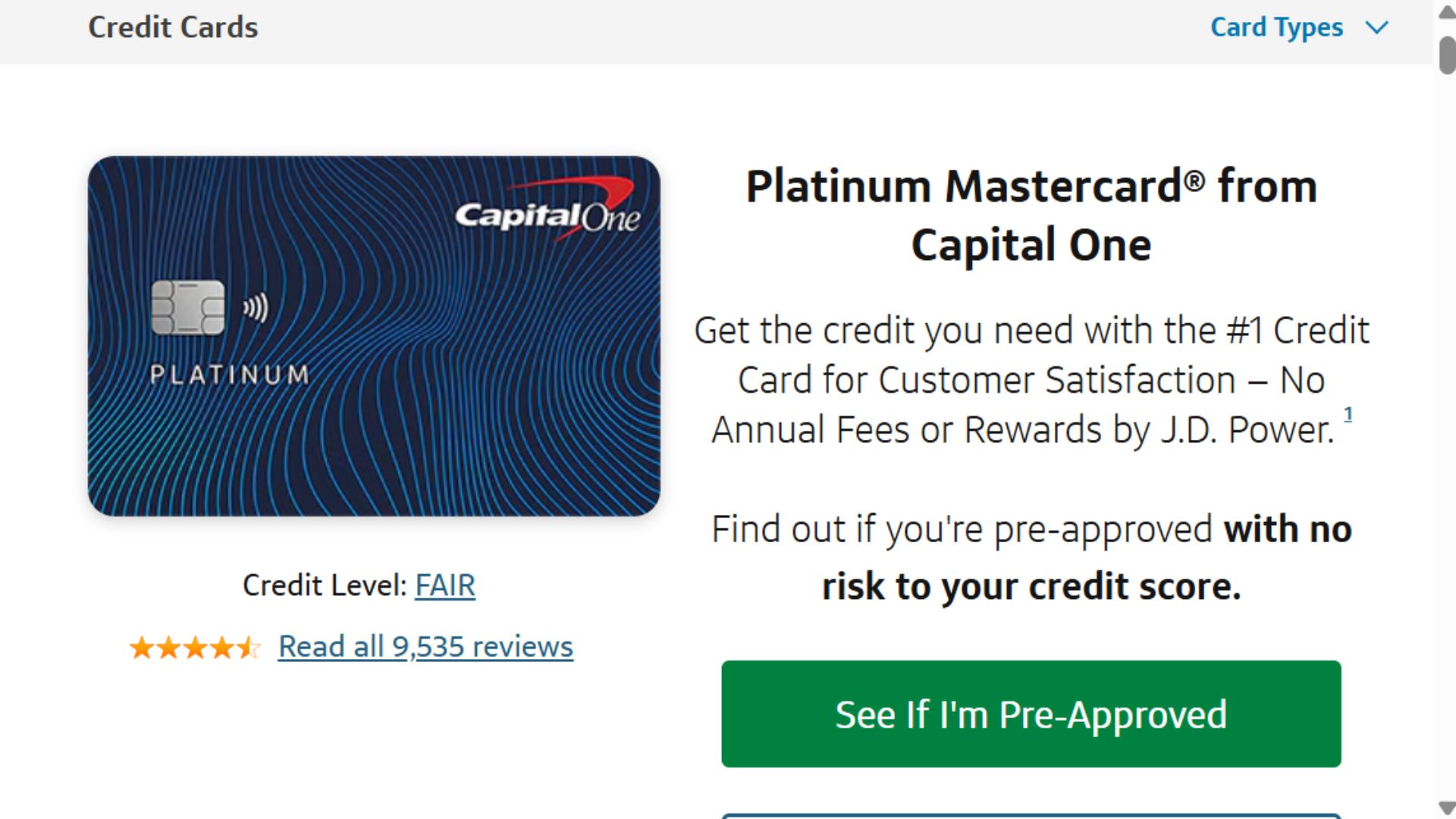
Best for: Individuals with fair credit (scores typically 580-669) seeking an unsecured card with no annual fee.
Pricing: No annual fee, no security deposit required. APR ranges from 30.74% variable, which is higher than average but typical for credit-building cards.
Key Features: The Capital One Platinum is one of the most accessible unsecured credit cards for people with fair or limited credit. Unlike secured cards, you don't need to put down a deposit, making it easier to get started. Capital One provides free access to CreditWise, their credit monitoring tool that includes your VantageScore 3.0 credit score, credit report insights, and alerts about changes to your credit file. The card reports to all three credit bureaus and offers the potential for credit limit increases in as little as six months with responsible use.
While this card doesn't offer rewards, it provides something potentially more valuable for credit builders: the opportunity to establish positive payment history without upfront costs. Capital One is known for being more lenient with approval decisions, using their own proprietary underwriting that looks beyond just your credit score. After demonstrating responsible card usage, many cardholders receive offers to upgrade to Capital One's rewards cards like the QuicksilverOne or Quicksilver, often with better terms and cash back benefits.
Pros:
No security deposit required (unsecured credit)
No annual fee for the life of the card
Credit limit increases possible after 6 months of on-time payments
Free CreditWise access for credit score monitoring
Potential to upgrade to rewards cards over time
Cons:
No rewards or cash back earned
Higher APR (30.74% variable) than prime credit cards
Foreign transaction fee of 3%
Initial credit limits typically low ($300-$500)
3. Petal® 2 "Cash Back, No Fees" Visa® Credit Card – Best for Those with Limited Credit History
Best for: People with thin credit files or no credit score who have steady income and a banking history.
Pricing: No annual fee, no security deposit, no late fees, no foreign transaction fees, and no returned payment fees. APR ranges from 18.24% - 32.24% variable.
Key Features: Petal takes a revolutionary approach to credit approval by looking at your cash flow and banking history rather than just your credit score. This "Cash Flow Underwriting" examines your income, spending patterns, and savings to determine creditworthiness, making it possible to get approved even with no credit score. You'll earn 1% cash back on eligible purchases, and after making 12 on-time monthly payments, your cash back rate increases to 1.25%-1.5% depending on your on-time payment streak.
The card reports to all three major credit bureaus, and Petal members see an average FICO® Score increase of 16 points within the first two months of card membership. There are no fees whatsoever—no annual fee, late fees, foreign transaction fees, or returned payment fees. Instead of punishing you with fees, Petal focuses on helping you build credit through education and positive reinforcement. The mobile app provides spending insights, credit-building tips, and tracks your progress toward higher rewards tiers.
Pros:
Considers income and banking history, not just credit score
Earns cash back rewards (1%-1.5% based on payment history)
Absolutely no fees of any kind (no annual, late, or foreign transaction fees)
No security deposit required
Average 16-point FICO® Score increase in first two months
Cons:
Must link bank account for underwriting (some may find intrusive)
Credit limits typically start lower than traditional cards
Rewards rate lower than premium cards
Not ideal if you have established good credit (better options available)
4. Chime Credit Builder Visa® Credit Card – Best for Guaranteed Approval with No Credit Check
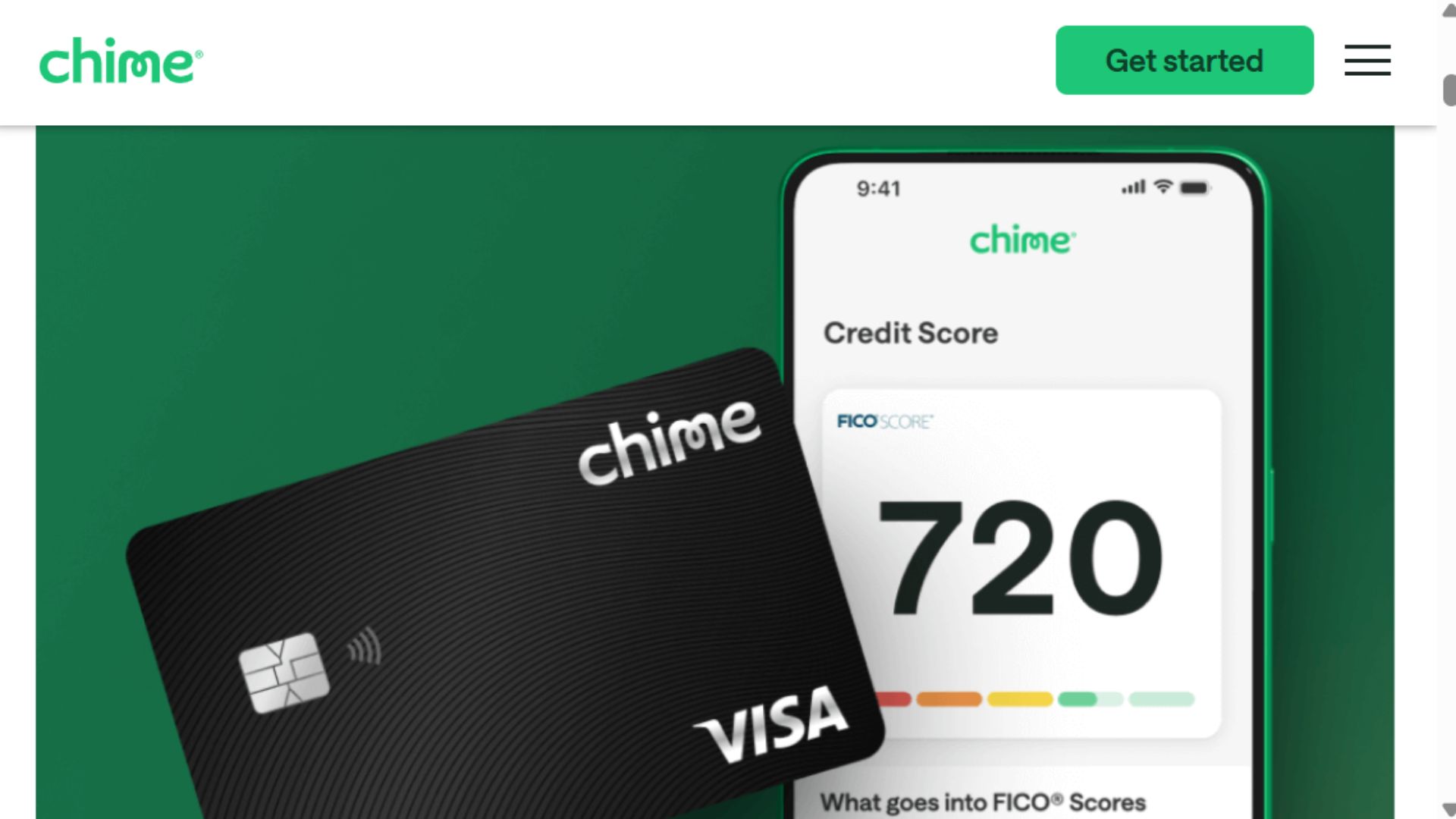
Best for: Anyone seeking guaranteed approval to build credit, regardless of credit history or score.
Pricing: No annual fee, no interest charges, no security deposit in the traditional sense. Requires Chime Checking Account (also free with no monthly fees or minimum balance requirements).
Key Features: The Chime Credit Builder card operates unlike any traditional credit card—it's technically a secured card, but instead of requiring an upfront deposit, you transfer money from your Chime Checking Account to your Credit Builder secured account, and that becomes your available credit. You can only spend what you've transferred, eliminating the risk of debt or interest charges. There's no credit check for approval, making it truly accessible to everyone, including those with poor credit, bankruptcy, or no credit history.
Every purchase you make and pay off counts toward building your credit, as Chime reports to all three major credit bureaus. The card offers two payment options: SafeCredit, which automatically pays your balance in full from your Checking Account each month, and monthly payments if you prefer manual control. Many users report seeing credit score improvements within three to six months. The Chime app provides real-time transaction notifications, spending insights, and easy money transfers between your checking and Credit Builder accounts.
Pros:
Guaranteed approval with no credit check required
No interest charges ever (pay only what you spend)
No annual fee or traditional security deposit upfront
Reports to all three major credit bureaus
SafeCredit option automates payments to prevent missed payments
Cons:
Requires opening Chime Checking Account
Can only spend what you transfer (not traditional credit)
No rewards or cash back
Limited to Chime ecosystem
Not useful for those who want to carry balances (though that's discouraged anyway)
5. OpenSky® Secured Visa® Credit Card – Best for Building Credit Without a Credit Check
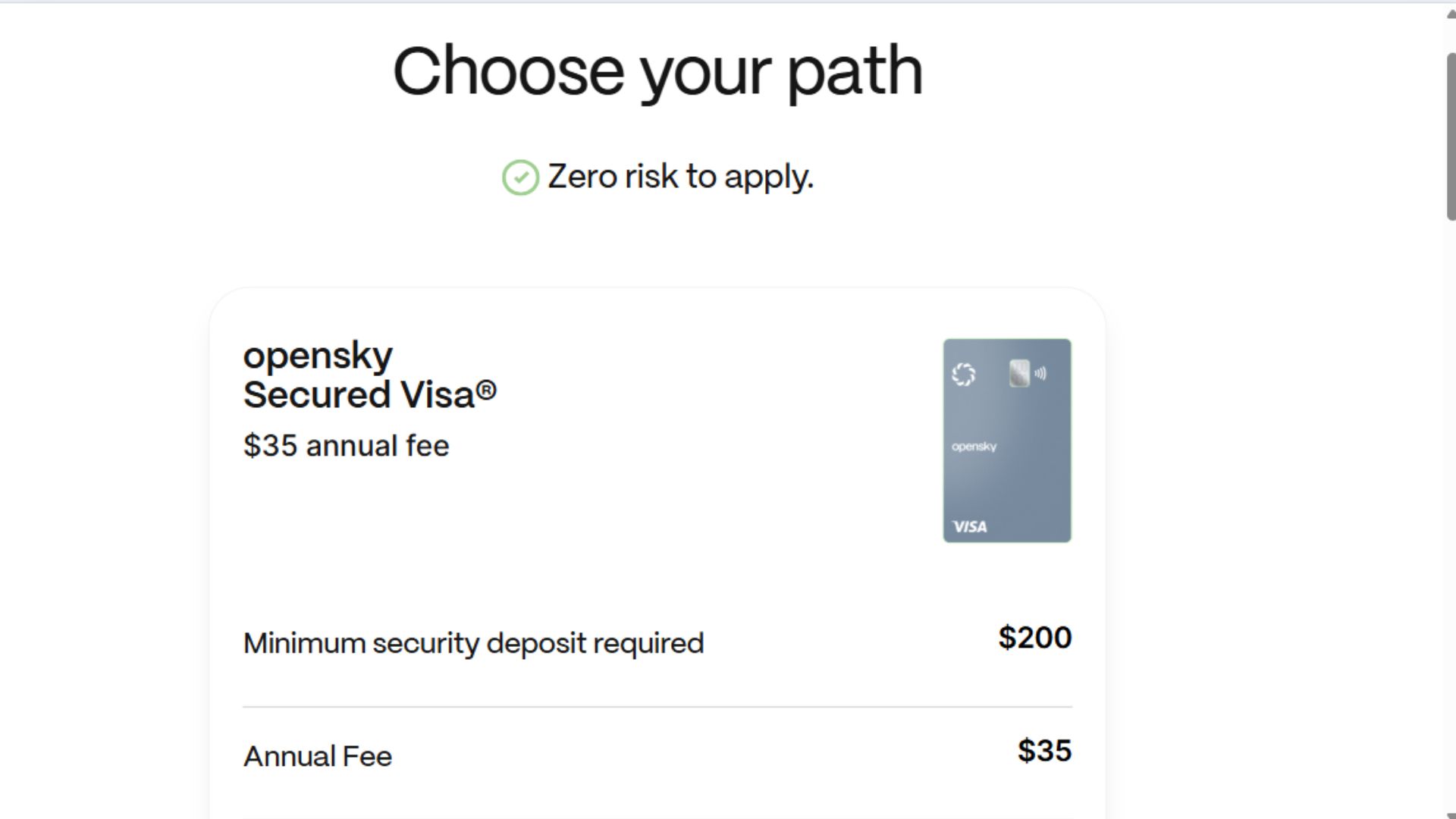
Best for: Individuals with poor credit, bankruptcy, or no credit who want to avoid credit inquiries.
Pricing: $35 annual fee. Security deposit required from $200-$3,000 (becomes your credit limit). No credit check during application.
Key Features: OpenSky's standout feature is that it requires no credit check for approval, meaning anyone can get this card regardless of their credit situation. This also means applying won't result in a hard inquiry on your credit report, which is beneficial if you're trying to minimize inquiries while rebuilding credit. Your security deposit can range from $200 to $3,000, and that amount becomes your credit limit. Unlike some secured cards, OpenSky doesn't require a bank account for approval, making it accessible to even more people.
The card reports to all three major credit bureaus monthly, allowing you to build positive payment history. OpenSky typically reports your credit limit to bureaus, which is important for credit utilization calculations—some secured cards report the card as "secured" without listing a limit, which doesn't help your credit as much. There's no path to upgrade to an unsecured card with OpenSky, so this is truly a stepping stone: use it to build credit for 12-18 months, then apply for better cards elsewhere. Customer service is available, though not as robust as larger issuers, and the mobile app functionality is basic but adequate for checking balances and making payments.
Pros:
No credit check required (no hard inquiry)
Accepts applicants with bad credit or bankruptcy
Reports credit limit to all three bureaus
No bank account required for approval
Flexible deposit amounts ($200-$3,000)
Cons:
$35 annual fee (one of the few cards on this list with this fee)
No rewards program
High APR (23.64% variable)
No upgrade path to unsecured card
Foreign transaction fee of 3%
6. Capital One QuicksilverOne Cash Rewards Credit Card – Best for Cash Back with Fair Credit
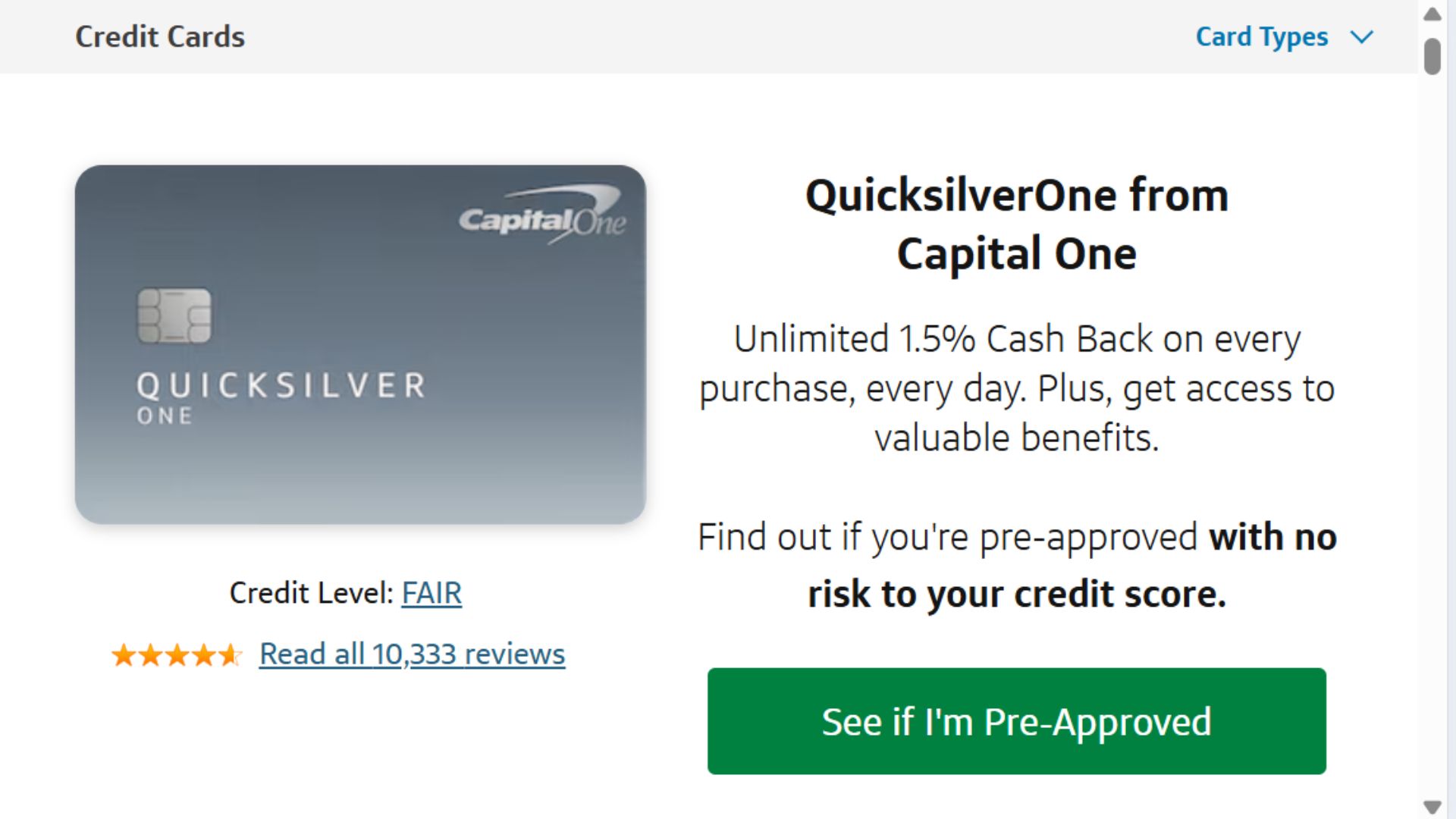
Best for: People with fair credit who want unlimited cash back while building credit.
Pricing: $39 annual fee (waived first year for some applicants). APR of 30.74% variable.
Key Features: The QuicksilverOne offers unlimited 1.5% cash back on every purchase with no categories to track or quarterly limits to remember. This makes it one of the better rewards cards accessible to those with fair credit. While the $39 annual fee is a downside, the value of cash back can easily offset this cost if you use the card regularly. Capital One reports to all three credit bureaus and typically offers credit line increases after six months of responsible use.
What makes this card particularly valuable for credit building is that it's a real unsecured credit card from a major issuer, which looks better on your credit report than secured cards. The card includes features typically reserved for prime credit cards, like extended warranty protection, travel accident insurance, and 24/7 concierge service. Capital One's CreditWise tool provides free credit monitoring and personalized tips for improving your score. After demonstrating good payment behavior, many users report being upgraded to the no-annual-fee Quicksilver card or receiving targeted offers for other premium Capital One products.
Pros:
Unlimited 1.5% cash back on all purchases
No rotating categories or spending caps
Access to Capital One's CreditWise credit monitoring
Extended warranty and travel protections included
Credit line increase potential after 6 months
Cons:
$39 annual fee (though sometimes waived first year)
High APR (30.74% variable) for those carrying balances
3% foreign transaction fee
Requires fair credit (may not approve those with very poor credit)
7. Credit One Bank® Platinum Visa® for Rebuilding Credit – Best for Credit Monitoring Features
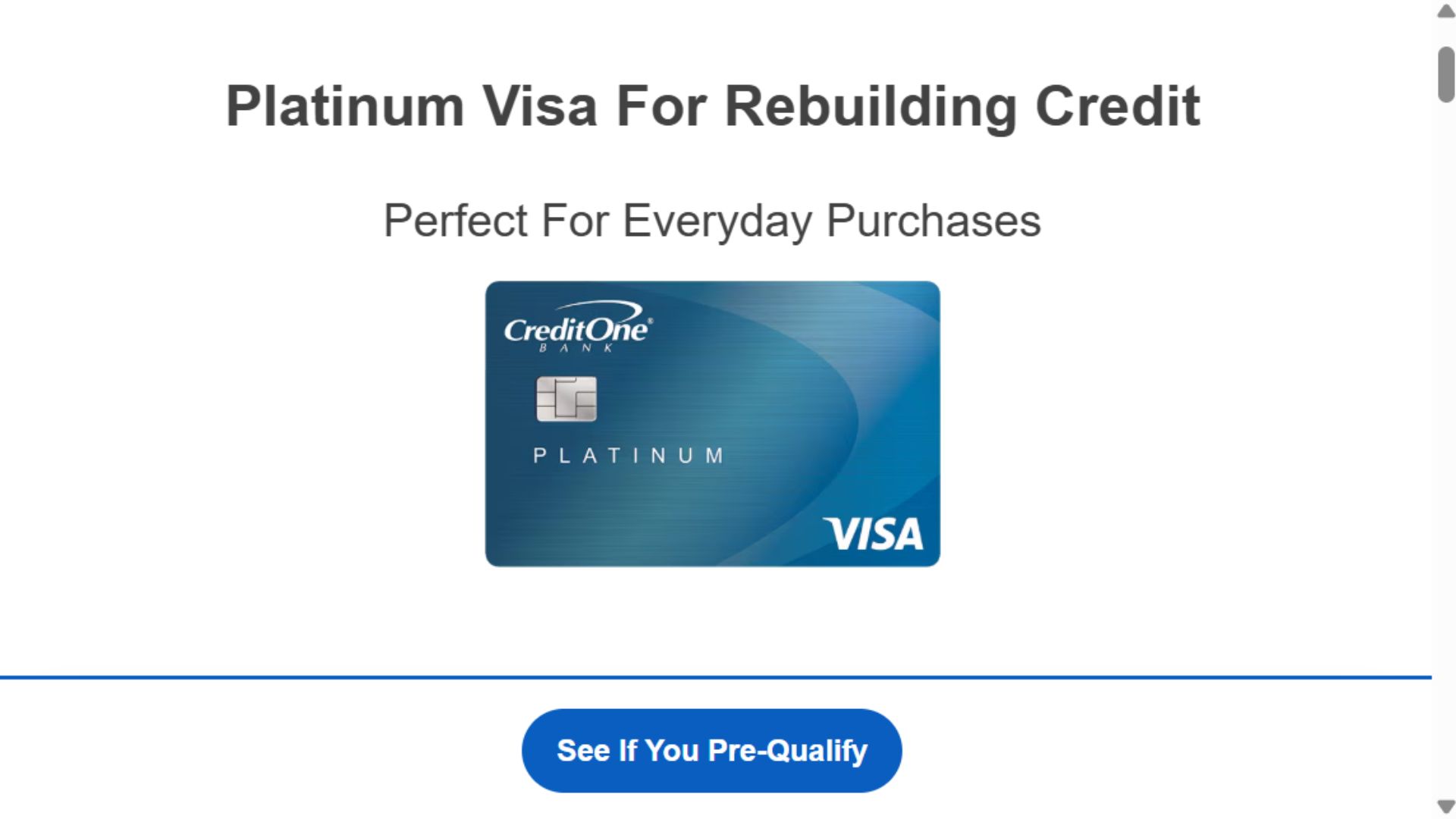
Best for: Individuals rebuilding credit who want free credit score monitoring and modest rewards.
Pricing: No annual fee on most versions (some versions have fees, so check carefully). APR ranges from 17.99% - 29.99% variable.
Key Features: Credit One Bank specializes in serving those with fair to poor credit, and their Platinum Visa includes several helpful features for credit building. You'll earn 1% cash back on eligible purchases (gas, groceries, and mobile phone/internet/cable/satellite TV services), and the card provides free access to your Experian credit score and credit report summary, updated monthly. This monitoring helps you track your progress as you rebuild your credit.
The card reports to all three major credit bureaus, and Credit One reviews accounts for credit line increases regularly—some users report increases within six months of opening. Pre-qualification is available without affecting your credit score, so you can check if you're likely to be approved before formally applying. The mobile app is functional and allows you to make payments, track rewards, and check your credit score. However, Credit One has a mixed reputation for customer service, and some cardholders report frustration with fee structures on certain card versions, so read the terms carefully before accepting any offer.
Pros:
Free monthly credit score monitoring (Experian VantageScore 3.0)
1% cash back on select categories (gas, groceries, utilities)
Pre-qualification available without credit impact
Regular credit limit increase reviews
Reports to all three major bureaus
Cons:
Some card versions have annual fees (verify your offer)
Customer service reviews are mixed
Lower rewards rate than premium cards
Higher APR range than prime credit cards
Foreign transaction fee of 3%
8. Secured Mastercard® from Citi – Best for Transitioning to Unsecured Credit

Best for: People who want a secured card from a major bank with a clear path to upgrading.
Pricing: No annual fee. Security deposit required from $200-$2,500 (becomes your credit limit). APR is 25.49% variable.
Key Features: Citi's Secured Mastercard provides the backing and reputation of one of the world's largest banks, which can be reassuring when you're rebuilding credit. The security deposit requirement is flexible, ranging from $200 to $2,500, and that amount determines your credit line. What sets this card apart is Citi's commitment to reviewing your account for potential upgrade to an unsecured card—they review monthly starting at 18 months, and when you qualify, they return your security deposit.
While the card doesn't offer rewards, it includes valuable security features like $0 liability on unauthorized charges and Citi's identity theft solutions if your information is compromised. The card reports to all three credit bureaus, building your credit with every on-time payment. As a Citi customer, you'll have access to their robust mobile app and customer service infrastructure, which is generally more developed than smaller credit-building card issuers. Many users appreciate the legitimacy of having a card from a major financial institution rather than a company known only for subprime credit products.
Pros:
Backed by major bank (Citi) with strong reputation
No annual fee for secured card
Monthly account reviews starting at 18 months for upgrade
$0 fraud liability protection
Reports to all three credit bureaus
Cons:
No rewards or cash back earned
Must wait at least 18 months for upgrade consideration
Relatively high APR (25.49% variable)
Foreign transaction fee of 3%
Minimum 18-month commitment before deposit return
9. Bank of America® Customized Cash Rewards Secured Credit Card – Best for Category Rewards on Secured Cards
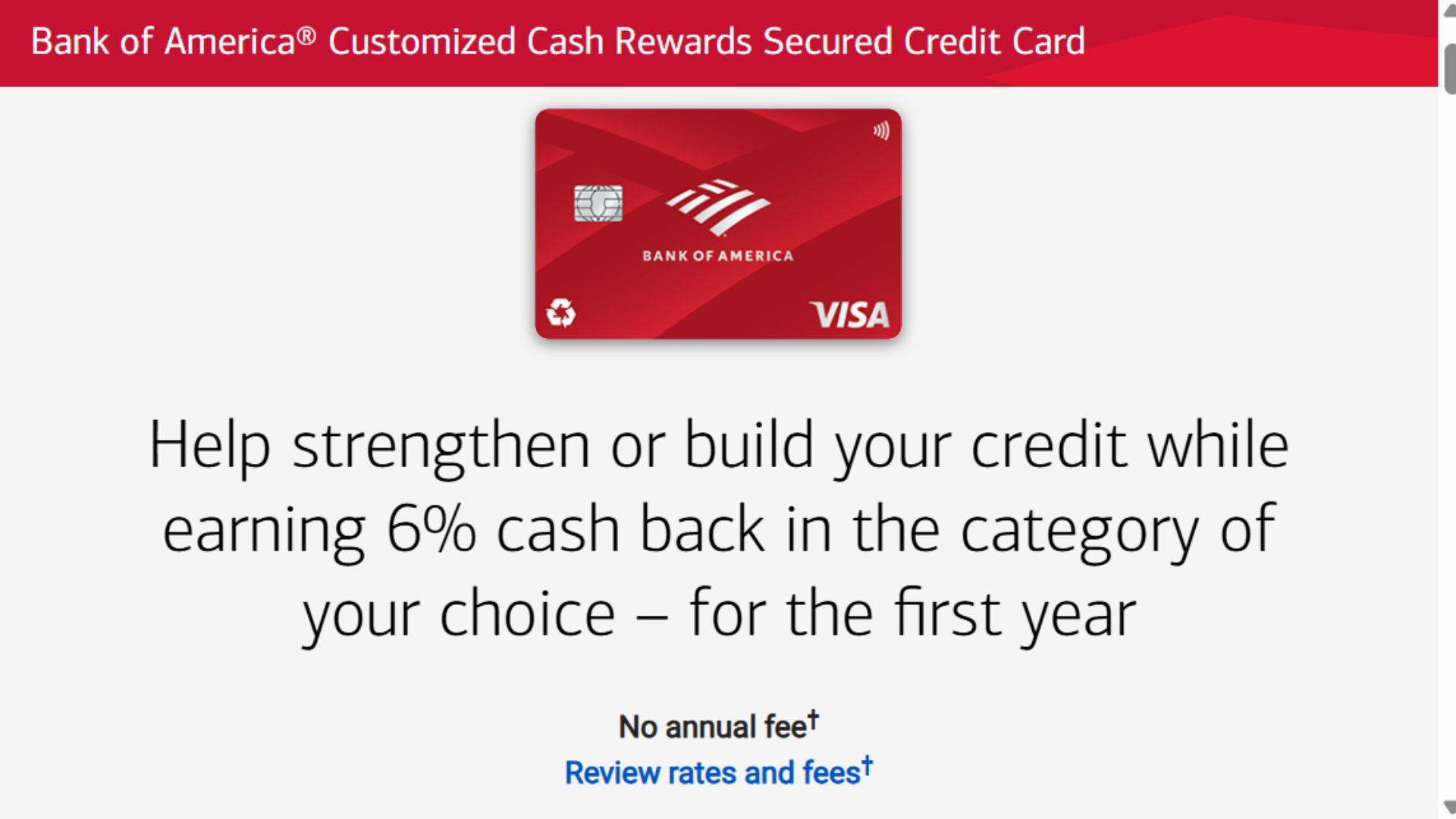
Best for: Credit builders who want to maximize rewards in specific spending categories while using a secured card.
Pricing: No annual fee. Security deposit required (minimum $1,000), which becomes your initial credit limit. APR is 28.99% variable.
Key Features: This unique secured card lets you choose where you earn 3% cash back from categories like gas, online shopping, dining, travel, drug stores, or home improvement/furnishings. You'll also earn 2% at grocery stores and wholesale clubs (on up to $2,500 in combined choice category/grocery store/wholesale club purchases each quarter), plus unlimited 1% on all other purchases. This rewards structure rivals many unsecured cards, making it exceptional for a secured card designed for credit building.
Bank of America's Preferred Rewards program members can boost their rewards by 25%-75% depending on their tier, potentially earning up to 5.25% in your choice category. The card reports to all three bureaus, and Bank of America reviews accounts for credit line increases and potential upgrades to unsecured cards. The higher minimum deposit requirement ($1,000) may be a barrier for some, but it also means you start with a higher credit limit, which can be beneficial for credit utilization ratios. Bank of America's mobile app is excellent, offering easy rewards tracking, spending insights, and security alerts.
Pros:
Customizable 3% cash back in your choice of category
2% at grocery stores and wholesale clubs
No annual fee on a rewards secured card
Preferred Rewards boost available (up to 5.25%)
Strong mobile app and bank integration
Cons:
Higher minimum deposit ($1,000 vs $200 for most secured cards)
Rewards capped at $2,500 in combined bonus categories per quarter
High APR (28.99% variable)
Foreign transaction fee of 3%
May require existing Bank of America relationship for approval
10. Mission Lane Visa® Credit Card – Best for Unsecured Credit with Limited History
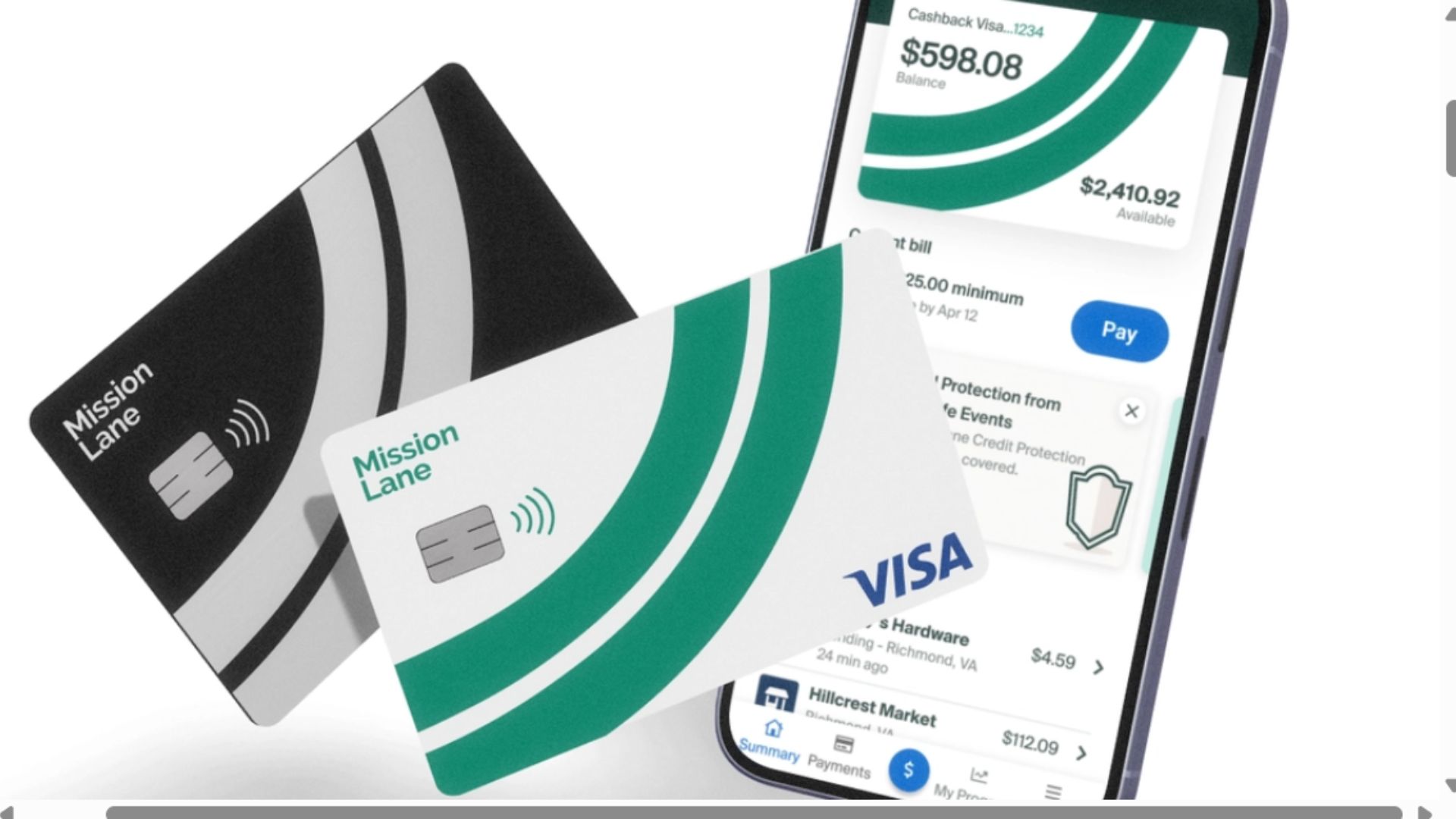
Best for: Applicants with limited or damaged credit history seeking an unsecured card with no deposit.
Pricing: No annual fee. APR ranges from 18.74% - 29.99% variable depending on creditworthiness.
Key Features: Mission Lane focuses on providing unsecured credit to those who typically can only qualify for secured cards. Using alternative underwriting that looks beyond traditional credit scores, they evaluate your overall financial picture to make approval decisions. This means no security deposit required, giving you immediate access to credit without tying up funds. The card reports to all three major credit bureaus, allowing you to build or rebuild your credit with every on-time payment.
The card offers 1% cash back on all purchases, making it one of the few no-annual-fee cards for fair credit that includes rewards. Mission Lane provides credit limit increases for responsible use and offers pre-qualification so you can check your likelihood of approval without a hard credit pull. The company emphasizes financial education, providing resources and tips through their app to help you improve your credit score. Their customer service has generally positive reviews, particularly regarding their willingness to work with customers during financial hardships.
Pros:
Unsecured credit with no security deposit
1% cash back on all purchases
No annual fee
Pre-qualification available without credit impact
Reports to all three major credit bureaus
Cons:
Higher APR range for those with lower credit scores
Initial credit limits tend to be low ($300-$1,000)
Not available in all states
Less established brand than major banks
Foreign transaction fee of 3%
Comparison Summary
When comparing these ten credit-building cards, the distinctions become clear across several dimensions. For pricing, the Discover it® Secured, Capital One Platinum, Petal 2, Chime Credit Builder, and Mission Lane offer no annual fees whatsoever, while OpenSky charges $35 annually and QuicksilverOne charges $39 (sometimes waived the first year). Security deposit requirements vary dramatically: secured cards like Discover it® Secured, OpenSky, Citi Secured, and Bank of America Secured require deposits (ranging from $200 to $2,500), while unsecured options like Capital One Platinum, Petal 2, QuicksilverOne, Credit One Platinum, and Mission Lane require no deposit at all.
For rewards potential, Discover it® Secured leads with 2% cash back in categories and 1% on everything else, plus a first-year match. Bank of America's secured card offers competitive 3%/2%/1% category rewards, while QuicksilverOne provides straightforward 1.5% unlimited cash back. Petal 2, Credit One Platinum, and Mission Lane offer 1% or category-specific rewards, while Capital One Platinum, Chime Credit Builder, OpenSky, and Citi Secured provide no rewards but focus purely on credit building.
The best choice depends entirely on your situation. Choose Discover it® Secured or Bank of America Secured if you can afford a deposit and want rewards while building credit. Opt for Capital One Platinum or Mission Lane if you want an unsecured card with no deposit and have fair credit. Select Petal 2 if you have limited credit history but steady income and banking history. Pick Chime Credit Builder if you want guaranteed approval and don't mind the spending restrictions. Consider OpenSky if you need guaranteed approval and can't qualify elsewhere. Choose QuicksilverOne if you have fair credit and want higher cash back rewards. The QuicksilverOne and Credit One cards work best for those with fair credit seeking rewards, while Citi's secured card appeals to those wanting a major bank relationship with a clear upgrade path.
Buying Guide: Who Needs Credit-Building Cards
Credit-building cards serve several specific audiences. First-time credit users, typically young adults with no credit history, need these cards to establish their credit file and begin building the payment history that comprises 35% of their FICO® score. People rebuilding after financial setbacks—whether from missed payments, collections, bankruptcy, or foreclosure—use these cards to demonstrate renewed financial responsibility. Recent immigrants to the United States often have no U.S. credit history despite good financial standing in their home countries, making credit-building cards their entry point to the American credit system.
These cards work through consistent, positive reporting to the three major credit bureaus: Equifax, Experian, and TransUnion. Each month you make an on-time payment, positive information gets reported to your credit file. Over time, this builds your payment history (35% of your score), establishes credit age (15% of your score), and demonstrates credit mix (10% of your score). For secured cards, your security deposit protects the issuer from risk, which is why they're easier to obtain. Your deposit doesn't make payments—you still receive a monthly bill and must pay it from your bank account. For unsecured cards with alternative underwriting, issuers look at factors like income, employment, banking history, and spending patterns rather than relying solely on credit scores.
When choosing a credit-building card, consider these features. Ensure the card reports to all three major credit bureaus—some less reputable cards only report to one or two, limiting their credit-building effectiveness. Look for reasonable fees, avoiding cards with excessive monthly maintenance fees, transaction fees, or application fees that quickly erode your finances. Evaluate whether a secured or unsecured card better fits your situation: secured cards are easier to get but require a deposit, while unsecured cards provide immediate credit access but have stricter approval requirements. Consider upgrade potential—cards that offer clear paths to unsecured products or credit limit increases provide better long-term value. Any rewards or cash back are bonuses, but shouldn't be the primary consideration when you're focused on credit building. Finally, prioritize strong customer service and user-friendly mobile apps, as you'll be interacting with these tools regularly as you build credit discipline.
Pricing Overview and Strategy
The true cost of credit-building cards extends beyond annual fees to include interest rates, late payment penalties, and opportunity costs. Cards with no annual fees (most on this list) provide the best long-term value, especially if you're building credit over 12-24 months. However, if you carry a balance, the APR matters significantly—rates on these cards typically range from 18% to 30% variable. A card with a $39 annual fee but 18% APR might cost less than a no-annual-fee card with 30% APR if you occasionally carry balances, though ideally, you should pay in full monthly to avoid interest entirely.
Security deposits for secured cards represent funds you'll eventually recover but remain tied up during your credit-building period. A $200 deposit costs nothing in fees but represents opportunity cost—that money can't earn interest in a savings account or be used for emergencies. Higher deposits ($500-$2,500) may provide higher credit limits, improving your credit utilization ratio, but only if you can afford to have those funds inaccessible. Most secured card issuers return deposits within 7-10 business days after closing accounts in good standing or upgrading to unsecured cards.
The DIY approach to building credit with these cards is straightforward and requires only discipline and time. Use your card for small, regular purchases like gas or groceries, pay the statement balance in full each month before the due date, keep your credit utilization below 30% (ideally below 10%), and never miss payments—set up automatic payments if necessary. This method costs nothing beyond any annual fees and works effectively over 6-12 months. The professional alternative would involve credit repair services or credit counseling, typically costing $50-$150 monthly. However, these services cannot legally do anything you can't do yourself, so they're generally unnecessary for simply building credit from scratch. Credit counseling makes sense only if you're dealing with significant debt, collections, or complex credit report errors beyond the scope of normal credit building.
Frequently Asked Questions
How long does it take to build credit with a credit card?
Most people see a credit score appear after about three to six months of using a credit card responsibly, assuming the card reports to all three major bureaus and you had no prior credit history. If you're rebuilding after negative marks, expect meaningful improvement in 6-12 months of perfect payment history. Significant score increases—moving from poor to fair or fair to good credit—typically take 12-24 months of consistent, responsible use. The key factors are making every payment on time, keeping balances low relative to your credit limit, and allowing time for positive history to accumulate and negative items to age off your report.
Should I get a secured or unsecured credit card to build credit?
Choose based on your current situation. If you have very poor credit (scores below 550), no credit history, or recent bankruptcy, you'll likely need to start with a secured card since unsecured cards won't approve you. If you have fair credit (scores 580-669) or limited history with some positive marks, you may qualify for unsecured options like Capital One Platinum, Petal 2, or Mission Lane, which don't require deposits. Secured cards aren't inferior for credit building—they report the same way and build credit just as effectively as unsecured cards. The deposit is simply risk mitigation for the issuer, not a reflection of the card's credit-building power.
How much should I use my credit card each month to build credit?
Use your card regularly for small purchases you'd make anyway, but keep your balance low relative to your credit limit. Credit utilization—the percentage of available credit you're using—accounts for 30% of your FICO® score. Aim to use no more than 30% of your limit at any given time, with under 10% being ideal. For example, if you have a $500 credit limit, try to keep your balance below $50. Use the card at least once per month to keep it active, pay the statement balance in full to avoid interest charges, and never charge more than you can afford to pay off. The goal is demonstrating responsible use, not maximizing spending.
Will applying for multiple credit cards hurt my credit score?
Each credit card application typically results in a hard inquiry on your credit report, which can temporarily lower your score by a few points. Multiple hard inquiries in a short period signal risk to lenders and can drop your score more significantly. However, many card issuers offer pre-qualification tools that use soft inquiries (which don't affect your score) to indicate your approval likelihood before you formally apply. Use these pre-qualification tools to gauge your chances, then apply for only one or two cards at most. Space applications at least three to six months apart to minimize impact. Once approved, focus on using that card responsibly rather than continuing to apply for multiple cards.
Can I upgrade from a secured card to an unsecured card, and how does that work?
Yes, many secured cards offer upgrade paths to unsecured cards after demonstrating responsible use. Discover it® Secured reviews accounts starting at eight months, Citi's Secured Mastercard reviews monthly after 18 months, and other issuers have varying timelines. When you upgrade, the issuer returns your security deposit, converts your card to an unsecured product (sometimes with rewards), and may increase your credit limit. This upgrade doesn't affect your credit age since it's the same account with modified terms, which is better than closing your secured card and opening a new unsecured one. If your issuer doesn't offer automatic reviews, you can proactively request an upgrade after 12 months of perfect payment history—the worst they can say is no, and you simply continue building credit until you qualify.