
Top 10 Best No-Fee Checking Accounts
Ally Bank Interest Checking – Best for earning interest on everyday balances
Charles Schwab Bank High Yield Investor Checking – Best for frequent travelers and ATM access
Chime Checking Account – Best for mobile-first banking and early direct deposit
Capital One 360 Checking – Best for nationwide accessibility and branch-free banking
Discover Cashback Debit – Best for earning rewards on debit purchases
Axos Bank Rewards Checking – Best for maximizing interest with high balances
LendingClub High-Yield Checking – Best for competitive APY with no requirements
NBKC Everything Account – Best for small business owners and freelancers
Alliant Credit Union High-Rate Checking – Best for combining checking and savings growth
SoFi Checking and Savings – Best for holistic financial management and perks
Our Methodology
We evaluated no-fee checking accounts based on five critical criteria. Fee structure was paramount—we verified that accounts truly have no monthly maintenance fees, no minimum balance requirements, and no hidden charges for standard transactions. Interest rates were assessed to identify accounts that help your money grow rather than stagnate. ATM access and reimbursement policies determined convenience for cash withdrawals nationwide and internationally.
Digital banking features including mobile app functionality, bill pay, mobile check deposit, and account alerts were tested for user experience and reliability. Finally, customer service quality and financial stability were evaluated through customer reviews, regulatory ratings, and the institution's track record for maintaining advertised terms without sudden policy changes.
Detailed Reviews
1. Ally Bank Interest Checking
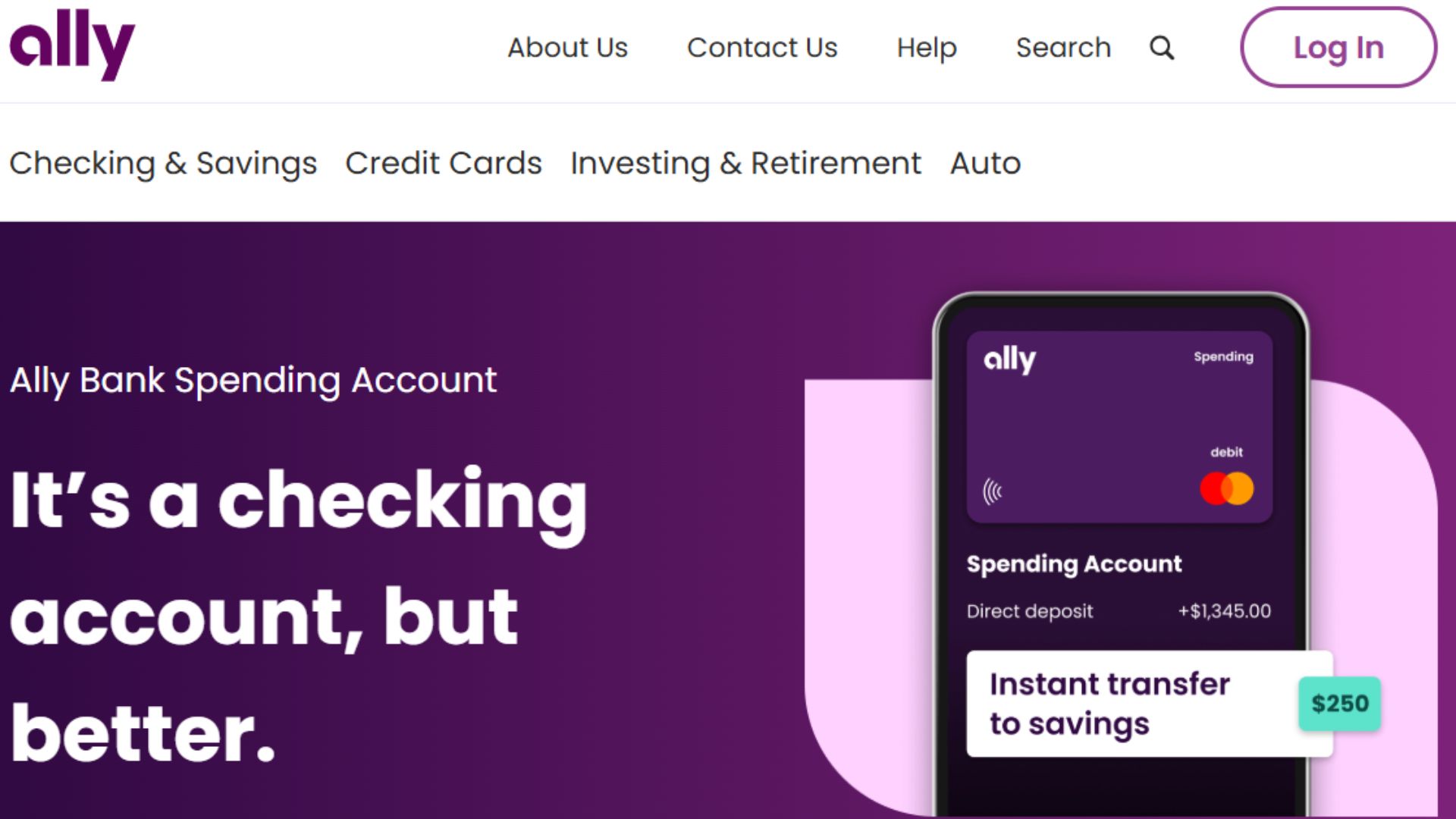
Best for: Earning interest on everyday balances
Pricing: $0 monthly fees, no minimum balance
Key Features: 0.25% APY, 80,000+ fee-free ATMs, unlimited ATM fee reimbursements worldwide
Ally Bank's Interest Checking account represents the gold standard for no-fee banking with the added benefit of competitive interest rates on your checking balance. Unlike traditional banks that reserve interest for savings accounts, Ally pays 0.25% APY on all checking balances regardless of amount. This means your everyday spending money actually grows while remaining readily accessible. The account includes unlimited reimbursements for ATM fees charged by other institutions, effectively giving you access to every ATM worldwide without penalty.
The digital banking experience is exceptionally polished, with a highly-rated mobile app that handles mobile check deposits, bill pay, person-to-person transfers via Zelle, and comprehensive budgeting tools. Ally's customer service operates 24/7 with live representatives, not automated systems, and consistently receives high satisfaction ratings. The bank has maintained its no-fee structure since its inception, demonstrating long-term commitment to the model rather than temporary promotional pricing.
One consideration is the lack of physical branches, which means cash deposits require workarounds like depositing to a local bank first and transferring electronically. However, for the vast majority of users who rarely deposit cash, Ally's comprehensive digital infrastructure more than compensates for this limitation.
Pros:
Competitive 0.25% APY on all checking balances
Unlimited worldwide ATM fee reimbursements
No monthly fees or minimum balance requirements
Excellent 24/7 customer service
Robust mobile banking platform
Cons:
No physical branches for in-person service
Cash deposits require alternative methods
Interest rate lower than high-yield savings accounts
2. Charles Schwab Bank High Yield Investor Checking

Best for: Frequent travelers and ATM access
Pricing: $0 monthly fees, no minimum balance
Key Features: Unlimited ATM fee rebates worldwide, no foreign transaction fees, linked brokerage account
Charles Schwab's checking account is unrivaled for international travelers and anyone who values unrestricted ATM access. The account reimburses all ATM fees worldwide with no limits—whether you withdraw $20 from a corner store ATM in rural America or 10,000 yen in Tokyo, you'll never pay a fee. Additionally, there are no foreign transaction fees, making it the optimal choice for international purchases or travel.
Opening the checking account requires simultaneously opening a Schwab brokerage account (which also has no fees or minimums), but you're not obligated to invest or maintain any balance in the brokerage account. This structure gives you access to Schwab's full suite of financial services if you choose to use them. The checking account comes with a Visa Platinum debit card that includes superior fraud protection and travel benefits uncommon for debit cards.
The mobile app and online banking platform are intuitive and secure, though the interface feels slightly more utilitarian than consumer-focused fintech competitors. Schwab's customer service is exceptional, with knowledgeable representatives available extended hours. The bank is financially stable as part of the larger Charles Schwab Corporation, providing confidence in long-term account security.
Pros:
Unlimited ATM fee rebates with no caps worldwide
Zero foreign transaction fees
Strong fraud protection and travel benefits
Excellent customer service reputation
No monthly fees or minimum requirements
Cons:
Requires opening a brokerage account (though no activity needed)
Interface less modern than fintech competitors
Limited physical branch access
3. Chime Checking Account
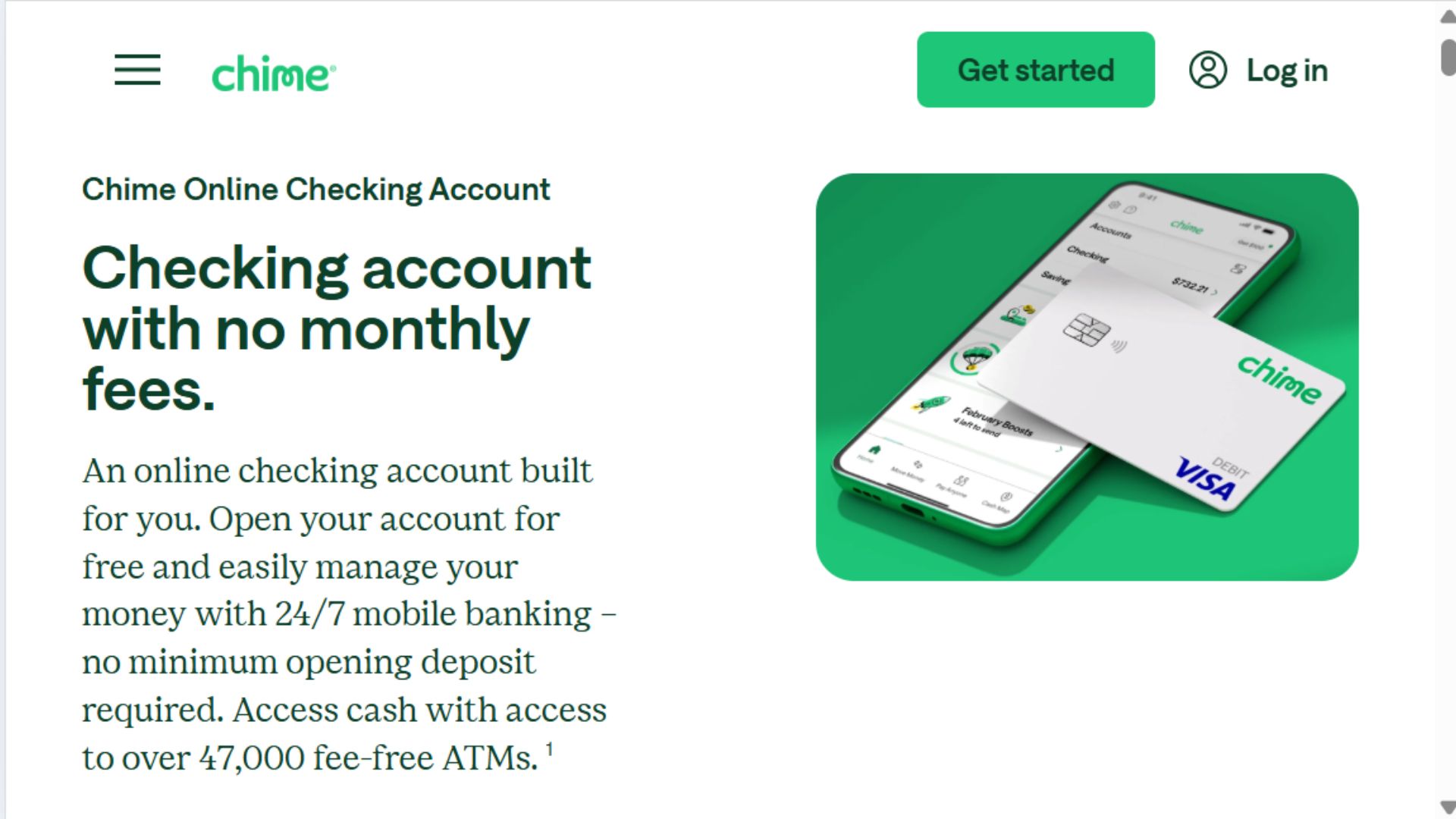
Best for: Mobile-first banking and early direct deposit
Pricing: $0 monthly fees, no minimum balance
Key Features: Get paid up to 2 days early, 60,000+ fee-free ATMs, automatic savings features
Chime has revolutionized mobile banking with a completely fee-free model that eliminates not just monthly charges but also overdraft fees through its SpotMe feature (up to $200 overdraft protection for eligible members). The account's standout feature is early direct deposit, which makes your paycheck available up to two days before your official payday. For many users living paycheck to paycheck, this timing difference meaningfully improves cash flow management.
The mobile app is exceptionally user-friendly with built-in savings tools like automatic round-ups on purchases and percentage-based automatic transfers from checking to savings. Chime provides access to 60,000+ fee-free ATMs through the MoneyPass and Visa Plus Alliance networks, covering most locations nationwide. The app includes real-time transaction notifications, spending categorization, and the ability to instantly disable your debit card if misplaced.
Chime operates entirely online through its mobile app and website, with no physical branches or phone-based customer service for routine matters (support is handled through in-app chat and email). The company is technically a financial technology company rather than a bank, partnering with FDIC-insured banks to hold deposits. While this structure is transparent and secure, some users prefer direct relationships with traditional banking institutions.
Pros:
No overdraft fees with SpotMe feature
Get paid up to 2 days early with direct deposit
Automatic savings and budgeting tools
60,000+ fee-free ATMs nationwide
Excellent mobile app experience
Cons:
No physical branches or phone support
Limited check-writing capabilities
Some merchants don't accept Chime cards
Customer service response times vary
4. Capital One 360 Checking
Best for: Nationwide accessibility and branch-free banking
Pricing: $0 monthly fees, no minimum balance
Key Features: 70,000+ fee-free ATMs, branches in select cities, high-yield savings integration
Capital One 360 Checking combines the convenience of digital banking with the security of a well-established national bank. The account offers access to over 70,000 fee-free ATMs nationwide, and unlike pure online banks, Capital One operates physical branches and Capital One Cafés in major cities where you can conduct banking transactions, get financial advice, or simply work remotely with free Wi-Fi.
The account integrates seamlessly with Capital One's high-yield savings accounts, allowing you to manage multiple savings goals alongside your checking account with easy transfers and unified dashboard views. The mobile app is modern and feature-rich, supporting mobile check deposit, Zelle integration, and detailed spending analysis. Capital One has a strong track record of customer service and financial stability, providing peace of mind that your account won't suddenly introduce fees or disappear.
One particularly valuable feature is the ability to withdraw cash from any Capital One ATM without a debit card using just your phone—helpful if you've left your wallet at home. The bank also offers robust fraud protection with zero liability for unauthorized transactions and immediate notification of suspicious activity.
Pros:
70,000+ fee-free ATMs across the country
Physical branches and cafés in major cities
Seamless integration with high-yield savings
Established bank with strong reputation
Cardless ATM access via mobile app
Cons:
No interest paid on checking balances
Limited branch locations outside major markets
International ATM fees apply
5. Discover Cashback Debit
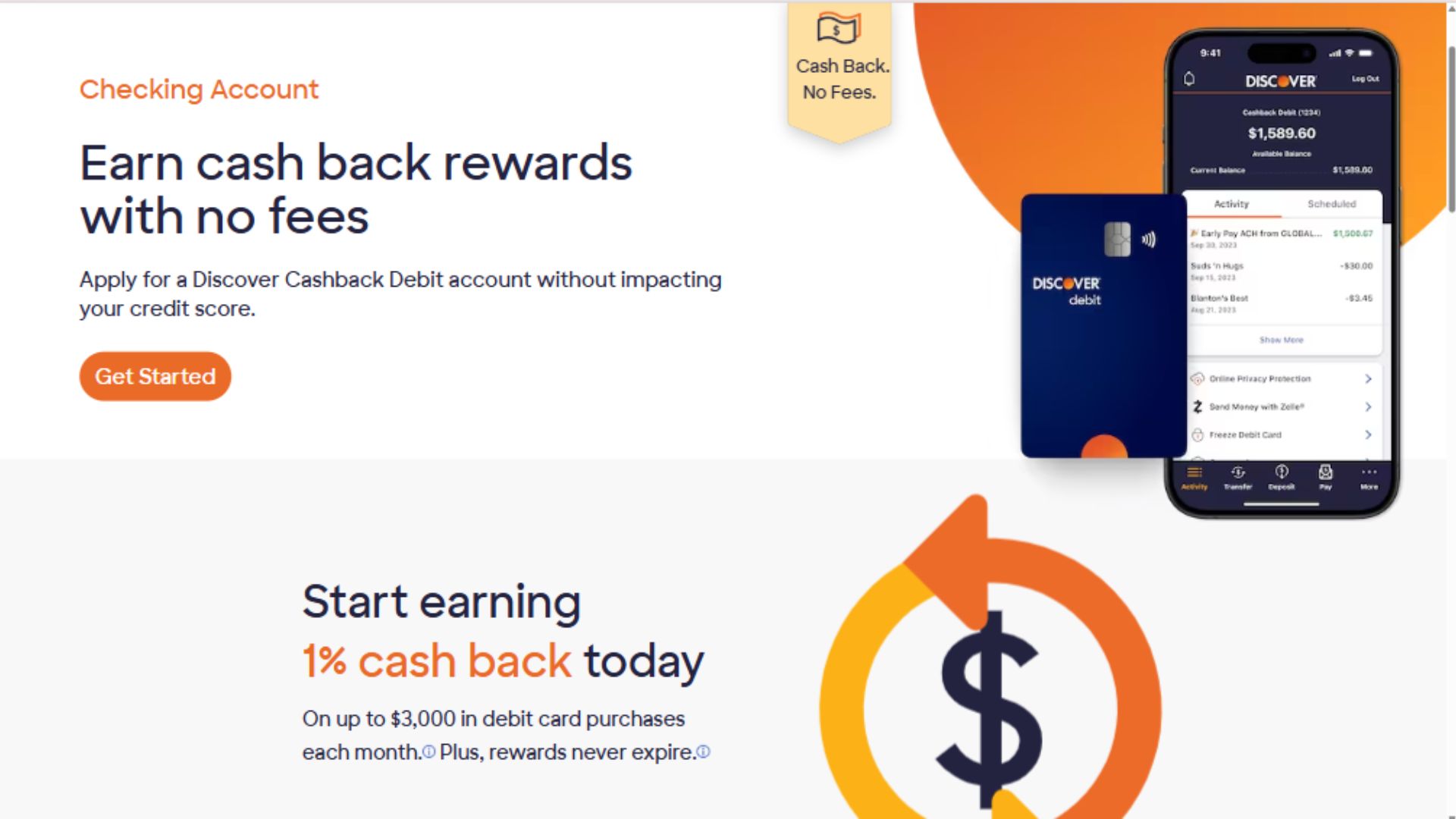
Best for: Earning rewards on debit purchases
Pricing: $0 monthly fees, no minimum balance
Key Features: 1% cashback on up to $3,000 in debit purchases monthly, 60,000+ fee-free ATMs
Discover applies its credit card rewards philosophy to checking accounts, offering 1% cashback on up to $3,000 in debit card purchases each month (earning up to $30 monthly or $360 annually). This is virtually unheard of in checking accounts and makes Discover an excellent choice for anyone who prefers using debit cards over credit cards for everyday purchases. The cashback posts to your account automatically each month without complicated redemption processes.
Beyond rewards, the account functions as a robust no-fee checking option with access to 60,000+ fee-free ATMs through the Allpoint network. Discover reimburses up to $30 per month in fees for out-of-network ATM usage, though you're unlikely to need this given the extensive fee-free network. The mobile app is well-designed with standard features including mobile check deposit, bill pay, and account alerts.
Customer service is a particular strength, with Discover consistently ranking among the highest in banking satisfaction surveys. Representatives are U.S.-based, available 24/7, and genuinely helpful rather than script-reading. As an established financial services company known for credit cards, Discover brings that same customer-centric approach to its banking products.
Pros:
1% cashback on up to $3,000 debit purchases monthly
60,000+ fee-free ATMs nationwide
Up to $30 monthly ATM fee reimbursements
Award-winning 24/7 customer service
No fees or minimum balance requirements
Cons:
No physical branches
Cashback capped at $3,000 monthly purchases
No interest earned on balances
Limited international banking features
6. Axos Bank Rewards Checking

Best for: Maximizing interest with high balances
Pricing: $0 monthly fees, no minimum balance
Key Features: Up to 3.30% APY with qualifying activities, unlimited ATM fee reimbursements
Axos Bank offers one of the highest interest rates available on a checking account, with rates up to 3.30% APY for customers who meet monthly qualifying activities. While the maximum rate requires completing numerous activities (direct deposit, monthly debit card purchases, online/mobile bill payments, and maintaining a high balance), even partial completion earns competitive rates starting at 0.40% APY. This tiered structure rewards engaged banking behaviors without penalty for those who don't maximize every category.
The account includes unlimited domestic ATM fee reimbursements, meaning you can use any ATM nationwide without concern for fees. Axos provides a comprehensive digital banking experience with an intuitive mobile app, extensive bill pay options, and robust security features including customizable transaction alerts. The bank is fully digital with no physical branches, which keeps operational costs low and allows for higher interest rates.
Account holders also gain access to optional add-on features like overdraft protection, cashier's checks, and wire transfers, some of which carry fees but are clearly disclosed upfront. Axos has been an innovator in online banking since 2000, demonstrating staying power and commitment to the digital banking model.
Pros:
Up to 3.30% APY with qualifying activities
Unlimited domestic ATM fee reimbursements
No monthly fees or minimum balance requirements
Competitive rates even without meeting all qualifications
Long-established online banking presence
Cons:
Maximum interest rate requires multiple monthly activities
No physical branches
Customer service limited to phone and email
Some advanced features carry fees
7. LendingClub High-Yield Checking

Best for: Competitive APY with no requirements
Pricing: $0 monthly fees, no minimum balance
Key Features: 4.80% APY on balances up to $2,500, unlimited ATM fee rebates
LendingClub offers an exceptional 4.80% APY on checking balances up to $2,500 with absolutely no qualifying activities required—no direct deposit, no minimum number of transactions, nothing. This straightforward structure makes it ideal for those who want their checking account to earn meaningful interest without jumping through hoops. Balances above $2,500 still earn interest, just at a lower rate, and you can maintain unlimited balances without fees or penalties.
The account includes unlimited nationwide ATM fee rebates, ensuring you never pay to access your money regardless of which ATM you use. LendingClub's mobile app provides standard digital banking features including mobile check deposit, bill pay, and Zelle integration for person-to-person payments. The interface is clean and modern, designed with user experience as a priority.
As a company that started in peer-to-peer lending before expanding to banking, LendingClub brings innovative thinking to traditional banking products. The bank is FDIC-insured and has grown substantially in the banking space, though it lacks the decades-long track record of traditional institutions. Customer service is available via phone, email, and secure messaging during extended business hours.
Pros:
4.80% APY on balances up to $2,500 with no requirements
Unlimited ATM fee reimbursements nationwide
No monthly fees or minimum balance
Simple, straightforward account structure
Modern mobile banking experience
Cons:
High APY only applies to first $2,500
No physical branch access
Relatively new to traditional banking services
Limited customer service hours compared to 24/7 competitors
8. NBKC Everything Account
Best for: Small business owners and freelancers
Pricing: $0 monthly fees, no minimum balance
Key Features: 1.75% APY, unlimited ATM fee refunds worldwide, free checks
NBKC's Everything Account lives up to its name by combining checking and savings features in one account while paying 1.75% APY on all balances. This hybrid structure is particularly beneficial for freelancers and small business owners who need to maintain higher checking balances for business expenses while still earning competitive interest. The account includes unlimited free ATM fee refunds worldwide, unlimited free checks, and free incoming and outgoing wire transfers—features that typically cost $15-$30 per transaction at traditional banks.
The Everything Account offers exceptional flexibility with no transaction limits, no minimum balance requirements, and comprehensive access to your funds through online banking, mobile app, ATMs, and limited branch locations in Kansas City. The mobile app supports mobile check deposit with high deposit limits and next-business-day availability for most checks, faster than many competitors.
NBKC operates primarily as a digital bank but maintains a small regional presence with physical branches. Customer service is available through phone, email, and online chat during business hours with generally responsive and knowledgeable representatives. The bank has operated for over 60 years, providing reassurance of stability and longevity despite its smaller national profile.
Pros:
1.75% APY on all balances with no requirements
Unlimited worldwide ATM fee refunds
Free checks, wire transfers, and cashier's checks
High mobile check deposit limits
Hybrid checking-savings account structure
Cons:
Limited physical branch access outside Kansas City
Customer service not available 24/7
Lesser-known brand compared to national banks
Mobile app less polished than fintech competitors
9. Alliant Credit Union High-Rate Checking
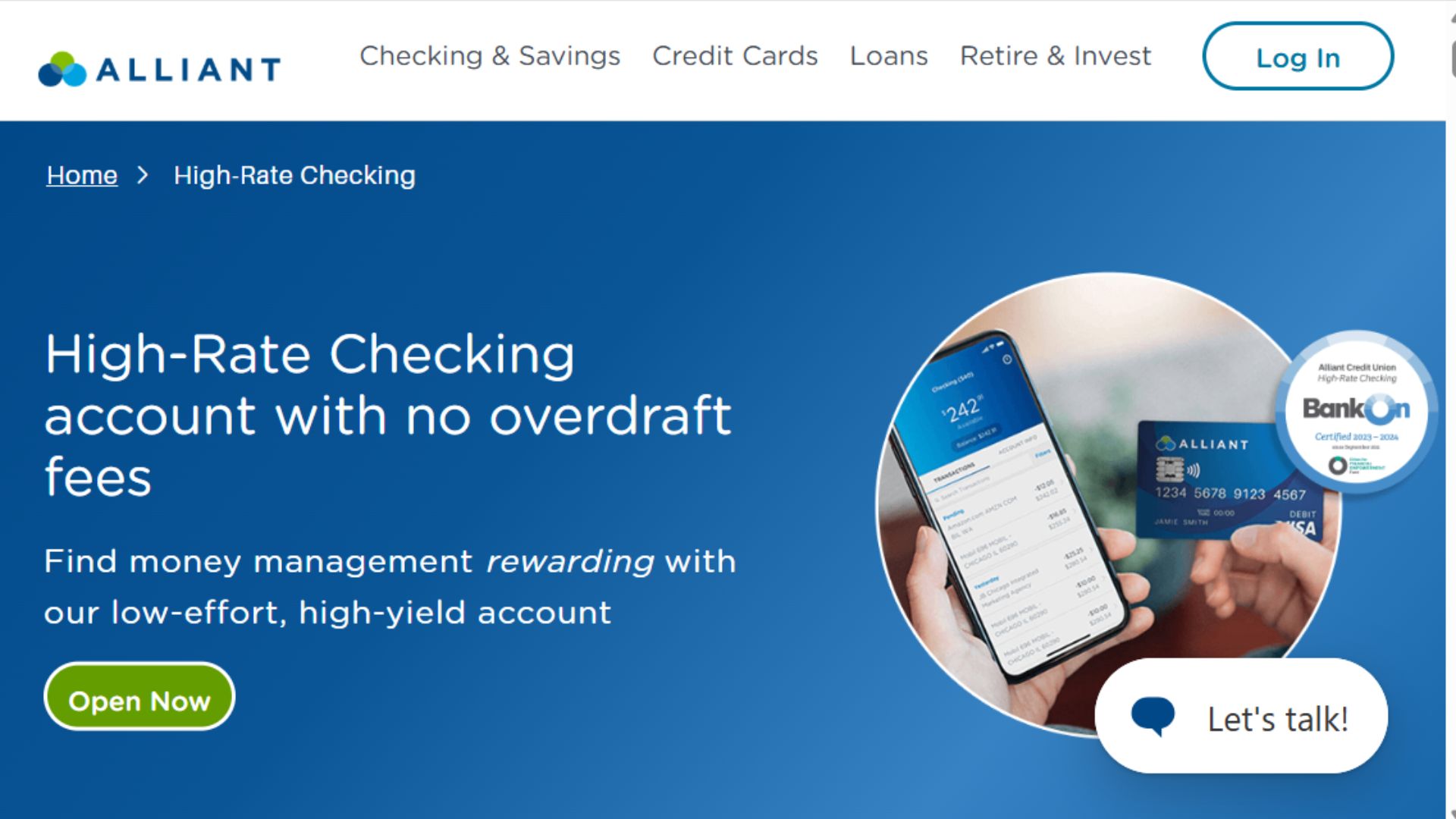
Best for: Combining checking and savings growth
Pricing: $0 monthly fees, no minimum balance
Key Features: 0.25% APY on checking, up to $20 monthly ATM fee rebates, member benefits
Alliant Credit Union offers one of the few checking accounts that pays meaningful interest (0.25% APY) while providing all standard checking features without fees or minimums. As a credit union, Alliant operates on a member-owned model, which means profits are returned to members through higher interest rates, lower fees, and enhanced benefits rather than distributed to external shareholders. This structure creates long-term alignment between the institution and account holders.
The account includes up to $20 monthly in ATM fee rebates (covering approximately 5-10 ATM transactions at typical fee rates) and access to 80,000+ fee-free ATMs nationwide through the Allpoint network. Alliant's mobile and online banking platforms are surprisingly modern for a credit union, with robust features including early direct deposit (up to 2 days early), mobile check deposit, and comprehensive bill pay. Members also gain access to Alliant's high-yield savings accounts with rates consistently among the top 1% nationally.
Joining Alliant requires a $5 deposit to a savings account and a small one-time membership fee (often waived through promotions or partner organizations), but once you're a member, you have access to all products with no ongoing requirements. Customer service is available seven days a week with generally positive reviews for helpfulness and knowledge.
Pros:
0.25% APY on checking balances
Up to $20 monthly ATM fee reimbursements
80,000+ fee-free ATMs nationwide
Member-owned credit union structure
High-yield savings options available
Cons:
Must qualify for credit union membership
ATM fee rebates capped at $20 monthly
Physical branches only in Chicago area
Some features require maintaining savings account
10. SoFi Checking and Savings
Best for: Holistic financial management and perks
Pricing: $0 monthly fees, no minimum balance
Key Features: 4.00% APY, unlimited ATM fee rebates, financial planning and career services
SoFi takes a comprehensive approach to banking by combining checking and savings in one account that pays 4.00% APY on all balances while providing extensive member benefits beyond basic banking. This hybrid account functions as both checking and savings, paying high interest on all funds regardless of how you use them. The account includes unlimited domestic ATM fee rebates and access to 55,000+ fee-free ATMs through the Allpoint network.
What distinguishes SoFi is the broader ecosystem of financial services and member benefits. Account holders gain access to free financial planning consultations, career coaching services, member discounts on insurance products, and networking events. For those pursuing holistic financial wellness rather than just transactional banking, this comprehensive approach provides meaningful value. The mobile app is exceptionally well-designed, integrating banking with investing, lending products, and credit monitoring in one seamless interface.
SoFi operates entirely online with no physical branches, focusing resources on technology and member services instead. Customer service is available seven days a week via phone, email, and in-app chat with generally positive response times and helpful representatives. The company has grown rapidly since expanding from student loan refinancing to full banking services, backed by substantial venture capital and a successful public offering.
Pros:
4.00% APY on all balances (checking and savings combined)
Unlimited ATM fee rebates and 55,000+ fee-free ATMs
Free financial planning and career services
Excellent mobile app with integrated financial tools
No fees or minimum balance requirements
Cons:
No physical branches or in-person service
Combined checking-savings structure may confuse some users
Relatively new to traditional banking (launched 2019)
Some members report inconsistent customer service quality
Comparison Summary
When comparing pricing, all ten accounts genuinely deliver on the no-fee promise with zero monthly maintenance fees, no minimum balance requirements, and no hidden charges for standard transactions. However, they differ significantly in additional features and value propositions.
For interest rates, LendingClub offers the highest APY on the first $2,500 (4.80%), followed by SoFi's 4.00% on all balances and Axos Bank's up to 3.30% with qualifying activities. Ally, Capital One, and Alliant offer modest 0.25% APY, while Discover and Chime pay no interest but compensate with rewards and early direct deposit respectively.
ATM access is strongest with Charles Schwab and Axos Bank offering unlimited worldwide fee rebates with no caps, followed by Ally and NBKC with unlimited domestic rebates. Most others provide extensive fee-free networks (55,000-80,000 ATMs) with limited rebates for out-of-network usage.
Setup complexity is minimal across all options, typically requiring 5-15 minutes online with instant account approval for most applicants. Alliant requires credit union membership qualification, and Charles Schwab requires opening a linked brokerage account, but neither adds meaningful friction.
Best for specific users: Travelers should choose Charles Schwab; high-balance accounts benefit from Axos Bank or SoFi; mobile-first users prefer Chime; those wanting rewards should select Discover; freelancers benefit from NBKC; and those seeking traditional bank stability with digital convenience should choose Capital One or Ally.
Buying Guide
Who Needs a No-Fee Checking Account?
Every banking consumer benefits from eliminating unnecessary fees, but no-fee checking accounts are particularly valuable for specific groups. Individuals living paycheck to paycheck cannot afford to lose $10-35 monthly to maintenance fees or $35 overdraft charges that can cascade into additional penalties. Young adults and students building financial independence benefit from accounts that don't penalize low balances while learning money management.
Frequent travelers need accounts without foreign transaction fees or ATM charges that can accumulate to hundreds of dollars annually. Freelancers and gig economy workers with irregular income patterns benefit from accounts without minimum balance requirements that might be difficult to maintain between payments. Finally, financially savvy consumers who maintain multiple accounts for specific purposes (emergency funds, bill payment, discretionary spending) need fee-free options to avoid paying maintenance charges on each account.
How No-Fee Checking Accounts Work
No-fee checking accounts operate identically to traditional checking accounts—they hold your money, provide debit card access, enable electronic transfers, and offer check-writing capabilities (where included). The difference lies in the business model: instead of generating revenue through customer fees, these accounts are supported by interchange fees (the small percentage merchants pay when you use your debit card), interest earned on deposits held in aggregate, and cross-selling opportunities for other financial products.
Many no-fee accounts are offered by online-only banks that have significantly lower operating costs without physical branch networks, employee overhead, and real estate expenses. This cost structure allows them to eliminate fees while often paying higher interest rates than traditional banks. Credit unions offer no-fee accounts as part of their member-owned cooperative structure, returning profits to members rather than external shareholders.
Some accounts achieve profitability through optional fee-based services like expedited transfers, paper statement fees (when electronic statements are free), or premium features like overdraft protection. The key is that standard checking account functionality remains completely free, with fees only applied to optional services clearly disclosed in advance.
Key Features to Consider
When evaluating no-fee checking accounts, start with fee verification—read the fee schedule carefully to confirm there are truly no monthly maintenance fees, minimum balance requirements, or charges for standard transactions like online bill pay or mobile deposits. Verify that "no-fee" doesn't exclude other charges like overdraft fees, paper statement fees, or stop payment fees.
ATM access is critical for anyone who regularly needs cash. Assess the size of the fee-free ATM network and whether the account reimburses out-of-network fees (and if so, whether there are limits or caps on reimbursements). For international travelers, check whether foreign transaction fees and international ATM fees apply.
Interest rates matter more than many people realize. On a $5,000 average checking balance, the difference between 0% and 4.00% APY equals $200 annually—enough to cover a monthly subscription, several restaurant meals, or contribute to an emergency fund. However, balance interest rate against other features, as the highest rate isn't valuable if the account lacks functionality you need.
Digital banking capabilities should include a reliable mobile app with mobile check deposit, bill pay, account alerts, and spending tracking tools. Assess whether the institution offers 24/7 customer service or at least extended hours matching your schedule. Finally, consider whether you need physical branch access—if so, online-only banks won't meet your needs regardless of other benefits.
Pricing Overview
No-fee checking accounts are genuinely free for standard use, with no monthly maintenance fees, no minimum balance requirements, and no charges for routine transactions like debit card purchases, ACH transfers, online bill pay, or mobile check deposits. Account holders pay zero dollars to maintain the account and access basic checking functions.
However, certain services may still carry fees that vary by institution. Common optional fees include overdraft charges ($0-35 per occurrence), wire transfer fees ($0-30 per transfer), expedited check delivery, paper statement fees ($1-5 monthly if you opt out of electronic statements), stop payment requests ($20-35 per request), and cashier's checks ($5-15 each). The key distinction is that these fees are entirely avoidable by using alternative services or simply not requesting optional features.
Out-of-network ATM fees also vary significantly. Some accounts (Charles Schwab, Axos Bank, Ally) reimburse all ATM fees with no caps, effectively making every ATM free. Others provide large networks of fee-free ATMs (60,000-80,000 locations) but reimburse out-of-network fees only up to a monthly cap ($20-30 typically) or don't reimburse them at all. International transactions may include foreign transaction fees (0-3% of purchase amount) depending on the account.
DIY Account Management vs. Professional Banking Assistance
No-fee checking accounts are designed for self-service through digital channels, making DIY account management straightforward for most users. The mobile apps and online banking platforms provide intuitive interfaces for checking balances, transferring money, paying bills, depositing checks via smartphone camera, and monitoring transactions. Financial tracking and budgeting tools are built into many apps, eliminating the need for separate software.
For those who prefer professional guidance, some no-fee checking accounts offer access to financial advisors, though the depth of service varies. SoFi provides complimentary financial planning consultations to members. Traditional banks like Capital One and Chase (if you qualify for their premium checking accounts) offer relationship managers for customers with substantial deposits. Credit unions like Alliant often provide personal financial counseling as a member benefit.
The choice between DIY and professional assistance depends on financial complexity and personal preference. For straightforward financial situations—regular paycheck, routine bills, basic savings goals—DIY management through mobile apps is efficient and sufficient. For more complex situations involving business income, investment coordination, estate planning, or significant wealth management, paying for dedicated financial advisory services (separate from the checking account itself) may prove valuable despite the additional cost.
Frequently Asked Questions
Are no-fee checking accounts really completely free?
Yes, for standard checking account functions, no-fee accounts are genuinely free with no monthly maintenance charges, no minimum balance requirements, and no fees for routine transactions like debit card purchases or mobile deposits. However, certain optional services may still carry fees: overdraft protection, wire transfers, expedited services, paper statements, or stop payments. The critical difference from traditional accounts is that you can use the core checking account functionality indefinitely without ever paying a fee, whereas traditional accounts charge monthly just for having the account open.
How do banks make money on no-fee checking accounts if they don't charge fees?
Banks earn revenue from no-fee checking accounts through several mechanisms that don't directly cost you. When you use your debit card, the merchant pays an interchange fee (typically 1-2% of the transaction) to the card network and issuing bank. Banks also earn interest on the aggregate deposits held across all accounts, even while paying you interest on your specific balance. Additionally, they benefit from cross-selling opportunities—customers who start with free checking may later add credit cards, mortgages, investment accounts, or other profitable products. Online-only banks eliminate expensive branch overhead, allowing profitable operation with lower revenue per customer.
Will my no-fee checking account always remain fee-free, or could the bank start charging fees later?
While banks can technically change their fee structures with proper notice (typically 30-60 days), the accounts listed here have maintained their no-fee commitments long-term because it's central to their business model and competitive positioning. Online banks and fintech companies in particular have built their entire brand identity around no-fee banking, making it extremely unlikely they'd reverse course. That said, always review any notifications about account changes, and if an institution does introduce fees, you can typically close the account and transfer to another no-fee option without penalty. We recommend reviewing your account terms annually and staying aware of any communication from your bank.
Can I deposit cash into a no-fee online checking account?
Cash deposits are the primary limitation of online-only banks that lack physical branches. However, several workarounds exist. Some online banks partner with retail locations (like CVS or 7-Eleven) where you can deposit cash for a small fee or sometimes free. Chime, for example, allows cash deposits at 90,000+ retail locations. Alternatively, you can deposit cash at a local bank or credit union account and then transfer electronically to your online checking account, though this adds extra steps. If you regularly receive cash income, you might keep a no-fee account at a local bank specifically for cash deposits while using an online account for primary banking.
Do no-fee checking accounts offer the same FDIC insurance protection as traditional bank accounts?
Yes, no-fee checking accounts at FDIC-insured banks provide identical protection to traditional checking accounts—up to $250,000 per depositor, per institution, per ownership category. Credit union accounts are similarly protected up to $250,000 through NCUA insurance. This means your deposits are guaranteed by the federal government even if the financial institution fails. Always verify that your chosen institution displays FDIC or NCUA insurance—most prominently display this information on their website and in account opening materials. Fintech companies like Chime partner with FDIC-insured banks to hold deposits, so your funds are protected even though Chime itself isn't a bank.