
The good news? Interest rates are more negotiable than most people realize. Lenders want to keep good customers, and they have more flexibility than their websites and call centers let on. We dug into the most effective, proven strategies consumers use to successfully lower their rates — and ranked the top ten so you know exactly where to start.
Top 10 at a Glance
Check and Improve Your Credit Score First – Best for borrowers who have time to prepare before negotiating
Call Your Lender and Ask Directly – Best for anyone who wants fast results with zero cost
Use a Competing Offer as Leverage – Best for borrowers who've already shopped around
Refinance With a New Lender – Best for those with improved credit since their original loan
Enroll in Autopay – Best for an easy, low-effort rate discount
Work With a Credit Union – Best for borrowers who want consistently lower rates overall
Hire a Nonprofit Credit Counselor – Best for consumers overwhelmed by high-interest debt
Offer a Lump-Sum Payment – Best for borrowers with savings who want to negotiate from strength
Add a Co-Signer – Best for borrowers whose credit alone isn't enough to qualify for a better rate
Time Your Request Strategically – Best for patient borrowers who want to maximize their leverage
1. Check and Improve Your Credit Score First
Know Your Number Before You Negotiate
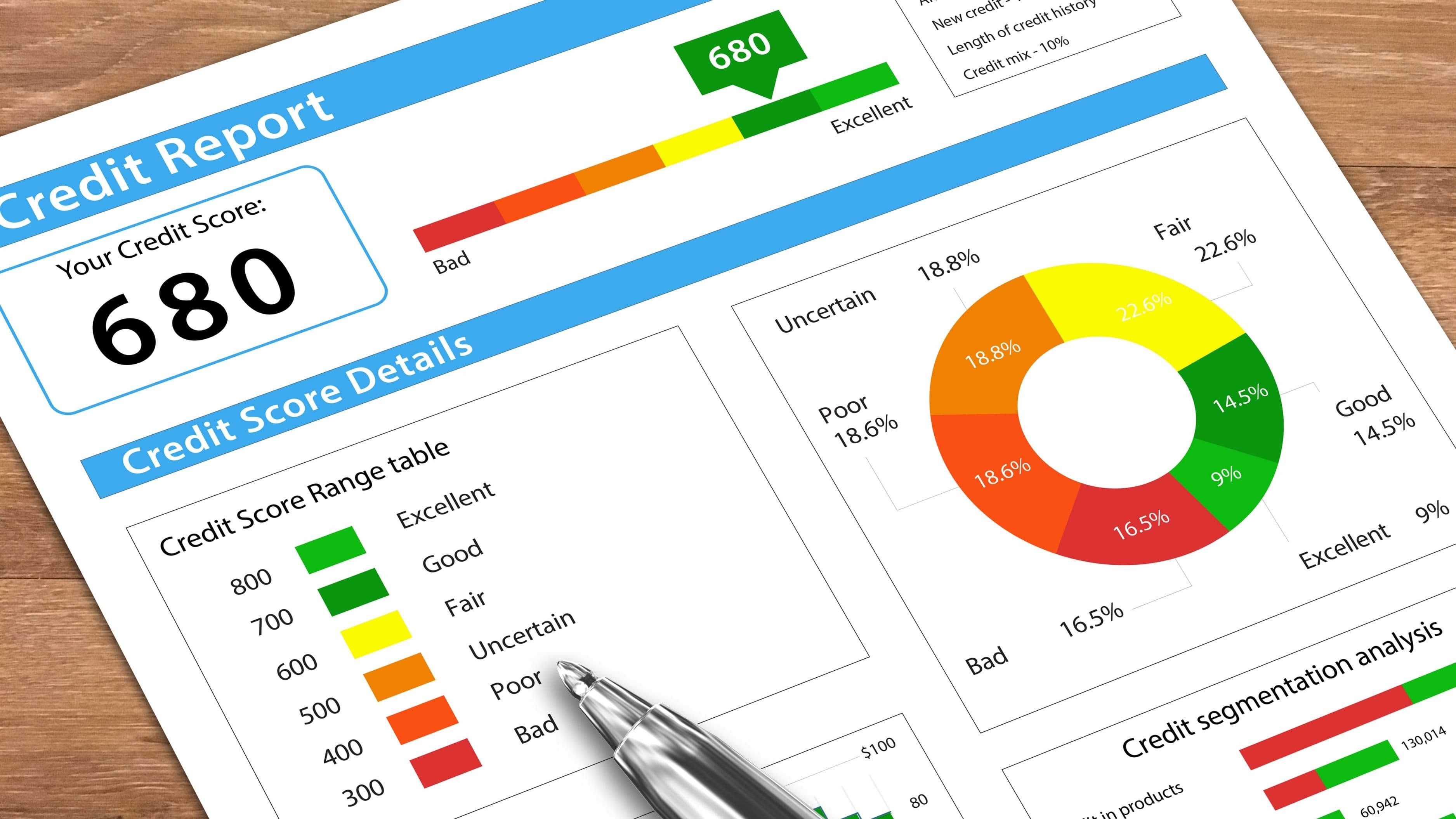
The great news is that checking your own score is free and takes about five minutes. Tools like Credit Karma, Experian's free dashboard, or your bank's built-in credit monitoring will show you your current score and, crucially, what's dragging it down. If your score has improved since you originally took out the loan — say, from 640 to 710 — that improvement alone gives you a legitimate, data-backed reason to ask for a rate reduction.
If your score needs work before you negotiate, the fastest improvements come from paying down credit card balances (which reduces your utilization ratio) and making sure there are no errors on your report. Even a 30-day sprint of financial discipline can move your score enough to change the conversation.
Best for: Anyone who hasn't checked their score recently and wants a strong foundation before negotiating.
Cost: Free with tools like Credit Karma, Experian Free, or your bank's app.
✅ Pros:
Gives you real data to back up your negotiation
Improving your score benefits every financial product you hold
Free and quick to check
Can reveal errors that are unfairly lowering your rate eligibility
❌ Cons:
Improving a score takes time — not ideal if you need a rate cut immediately
Free scores use VantageScore, which may differ slightly from the FICO score lenders use
Doesn't guarantee a rate reduction on its own
2. Call Your Lender and Simply Ask
The Most Underused Tactic in Personal Finance
This one sounds almost too simple, but it works more often than you'd expect — and virtually nobody does it. Studies show that a majority of consumers who call their lender and politely but directly ask for a lower interest rate receive some kind of concession, whether it's a rate reduction, a fee waiver, or an improved repayment structure. Lenders, especially credit card companies and personal loan servicers, have retention teams whose entire job is to keep you from leaving.
The key is knowing what to say. Don't just call and complain about your rate — come prepared. Mention your history of on-time payments, note any improvement in your credit score since the loan originated, and reference specific competing offers you've seen in the market. You're not begging; you're presenting a business case for why keeping you at a lower rate is better for them than losing you to a competitor.
If the first representative you reach says no, don't hang up. Ask to speak with the retention or loyalty department. These teams have more authority to approve rate reductions than standard customer service agents, and they're specifically motivated to find a solution that keeps your account open.
Best for: Any borrower, at any credit level, with any type of loan. This should be everyone's first call.
Cost: Completely free — just your time.
✅ Pros:
Zero cost and zero risk to try
Can produce results the same day
Works for credit cards, personal loans, and auto loans
Retention departments often have more flexibility than advertised
❌ Cons:
Requires some preparation and confidence on the call
Success depends heavily on your payment history and account standing
Won't work well if your credit has worsened since the loan originated
3. Use a Competing Offer as Leverage
Let the Market Do the Negotiating for You
One of the most powerful things you can bring to a rate negotiation is proof that someone else is willing to do better. When you've shopped around and received a pre-approval or rate quote from a competing lender, your current lender faces a real choice: match the offer or lose your business. That dynamic shifts the power balance dramatically in your favor.
Start by getting pre-qualified with two or three other lenders — this typically only triggers a soft inquiry and won't hurt your credit score. Once you have a legitimate competing offer in writing, call your current lender and present it clearly. Something as straightforward as "I've been offered a 7.2% rate from another lender, and I'd prefer to stay with you — can you match or beat it?" is often all it takes to get the conversation moving.
This tactic works especially well for auto loans, personal loans, and mortgages. Credit card issuers respond to it too, though they may be more likely to offer balance transfer promotions than direct rate reductions. Either way, having a competing offer turns your negotiation from a favor request into a business negotiation.
Best for: Borrowers who've already shopped around or are willing to spend an afternoon getting quotes.
Cost: Free — most pre-qualification checks are soft pulls that don't affect your score.
✅ Pros:
Puts you in a position of strength rather than asking for a favor
Forces lenders to compete for your business
Easy to execute — most lenders have quick online pre-qualification
Can result in a better offer from either your current lender or the new one
❌ Cons:
Requires time to shop and gather competing quotes
Hard inquiries (if you proceed with a full application) can temporarily lower your score
Your current lender may call your bluff and not budge
4. Refinance With a New Lender
Sometimes the Best Negotiation Is Simply Switching
If your current lender won't budge on your rate, the most effective move is often to stop negotiating and simply take your business elsewhere. Refinancing means taking out a new loan at a lower rate and using it to pay off your existing one. Done at the right time — when your credit score has improved, market interest rates have dropped, or both — refinancing can produce substantial savings without ever convincing your current lender of anything.
The ideal candidate for refinancing is someone whose financial profile has improved significantly since they originally borrowed. If you took out a car loan with a 650 credit score and you're now sitting at 720, there's a good chance you can refinance into a meaningfully lower rate. The same logic applies to personal loans and, most dramatically, mortgages — where a one-point rate reduction can save tens of thousands of dollars.
Pay attention to the math before you commit. Refinancing sometimes comes with origination fees, closing costs, or prepayment penalties on your existing loan. Make sure the long-term savings outweigh the short-term costs. Most lenders offer break-even calculators to help you figure out whether refinancing makes financial sense for your specific situation.
Best for: Borrowers whose credit has improved substantially, or those who took out loans during a period of higher market interest rates. Cost: Varies — origination fees of 1–5% of loan amount are common; some lenders offer no-fee refinancing.
✅ Pros:
Can produce the largest rate reductions of any strategy on this list
Opens access to a much wider pool of competitive offers
Can also reduce your monthly payment or shorten your loan term
Online lenders often offer significantly lower rates than traditional banks
❌ Cons:
Involves fees that must be factored into the cost-benefit analysis
Requires a new credit application and hard inquiry
Resets your loan term, which can mean paying more total interest if not managed carefully
5. Enroll in Autopay
The Easiest Rate Discount You're Probably Not Taking
This is the simplest, least confrontational rate reduction strategy on the entire list — and a surprising number of borrowers simply haven't done it yet. Many lenders, including most major personal loan providers, student loan servicers, and some auto lenders, offer a rate discount of 0.25% to 0.50% just for enrolling in automatic payments. That's free money left on the table if you're still paying manually.
Half a percent might not sound dramatic, but on a $20,000 loan over five years, that discount translates to a few hundred dollars in savings with literally zero effort required beyond a single enrollment step. Combined with other strategies on this list, it becomes one piece of a cumulative rate reduction approach that adds up meaningfully over time.
Check your loan servicer's website or call their customer service line to ask whether an autopay discount is available. If it is, enroll immediately. If it isn't, ask whether any loyalty discounts, relationship discounts (for holding multiple accounts), or other automatic rate reductions are available — many lenders offer these quietly without advertising them.
Best for: Anyone with a personal loan, student loan, or auto loan who isn't already enrolled in autopay.
Cost: Free — and you actually save money.
✅ Pros:
Requires almost no effort
Discount is typically automatic and permanent for the life of the loan
Eliminates the risk of accidentally missing a payment
Can be stacked on top of other negotiation strategies
❌ Cons:
Discount is usually modest (0.25–0.50%)
Requires maintaining sufficient funds in your bank account to avoid overdrafts
Not all lenders offer this benefit
6. Work With a Credit Union
Where Lower Rates Are the Default, Not the Exception
Credit unions operate differently from banks — they're nonprofit, member-owned financial cooperatives whose primary goal is to serve their members rather than generate profit for shareholders. That structural difference translates directly into better rates. According to the National Credit Union Administration, credit unions consistently offer lower average interest rates on auto loans, personal loans, and credit cards than commercial banks.
If you're currently carrying a loan with a traditional bank or online lender, it's worth checking whether your local credit union can beat the rate — either as a refinancing destination or as your primary lender going forward. Membership eligibility has expanded significantly in recent years; many credit unions serve broad geographic areas or professional communities, and some are open to virtually anyone. Joining typically requires a small one-time deposit, often just $5 to $25.
Beyond rates, credit unions tend to offer more personalized service and more flexibility in working with members who hit financial bumps. If you're trying to negotiate a rate reduction, a credit union loan officer often has more authority and willingness to work with you than a call center representative at a large national bank.
Best for: Borrowers who want structurally lower rates and a more relationship-driven lending experience.
Cost: Membership typically requires a $5–$25 deposit into a savings account; no ongoing fees.
✅ Pros:
Consistently lower rates than traditional banks on most loan types
More flexible underwriting and willingness to negotiate
Member-owned structure aligns the institution's interests with yours
Local branches mean you can meet face-to-face with decision makers
❌ Cons:
Membership eligibility requirements, though these have loosened significantly
Fewer branches and ATMs than major national banks
Online experience and mobile apps are sometimes less polished
7. Work With a Nonprofit Credit Counselor
Professional Help That Pays for Itself Many Times Over
If you're carrying multiple high-interest debts and feel overwhelmed by the negotiation process, a nonprofit credit counseling agency can be a genuine game-changer. Agencies certified by the National Foundation for Credit Counseling (NFCC) offer free or low-cost services that include reviewing your full debt picture, helping you understand your options, and — most powerfully — enrolling you in a Debt Management Plan (DMP) that can secure significantly reduced interest rates from your creditors.
Through a DMP, the credit counselor negotiates directly with your creditors on your behalf. Many major credit card issuers have pre-established hardship rate programs with NFCC-certified agencies, meaning they're willing to reduce rates from 24–29% down to 6–10% for enrolled clients. That kind of reduction can cut years off your payoff timeline and save thousands of dollars in interest. In exchange, you make one consolidated monthly payment to the agency, which distributes it to your creditors.
Be sure to use a nonprofit, NFCC-certified agency — the for-profit "debt settlement" industry uses similar-sounding language but very different (and often harmful) practices. A legitimate nonprofit counselor will never pressure you or charge fees before providing service.
Best for: Consumers juggling multiple high-interest credit card accounts who want professional help negotiating and managing repayment.
Cost: Free initial consultation; DMP enrollment fees are typically $25–$50/month, capped by state law.
✅ Pros:
Can secure dramatically lower rates (often 6–10%) on credit card debt
One consolidated monthly payment simplifies management
Creditors often waive late fees and over-limit fees upon enrollment
NFCC certification ensures you're working with a legitimate, regulated agency
❌ Cons:
DMP requires closing enrolled credit card accounts, which can affect your credit score temporarily
Typically takes 3–5 years to complete
Requires consistent monthly payments for the plan to remain active
8. Offer a Lump-Sum or Larger Payment
Leverage Your Savings Into a Better Deal
If you have savings available, you may be in a stronger negotiating position than you realize. Offering to make a significant lump-sum payment — reducing your principal balance in one shot — gives you something tangible to put on the table when asking for a rate reduction. Lenders care about risk, and a borrower who demonstrates both the willingness and ability to pay down principal aggressively is a lower-risk proposition worth rewarding with a better rate.
This tactic is particularly effective with smaller lenders, credit unions, and private loan servicers who have more flexibility to negotiate individual terms. With larger institutional lenders, the conversation may be harder, but it's still worth having — especially if you can combine a lump-sum offer with other leverage points like a competing refinance offer or an improved credit score.
Even if the lender won't reduce your interest rate in exchange for a lump sum, making the payment still benefits you significantly: a lower principal balance means less total interest charged, even at the same rate. It's a win whether or not the negotiation succeeds.
Best for: Borrowers who have accumulated savings and are willing to deploy them strategically to reduce their loan cost.
Cost: No fee — just requires having the available funds.
✅ Pros:
Demonstrates financial strength, which is compelling to lenders
Reduces principal even if rate negotiation fails
Works well with smaller, more flexible lenders
Can be combined with a refinancing negotiation for maximum effect
❌ Cons:
Not available to borrowers without savings
Large lenders may not have mechanisms to negotiate individual rate terms
Depletes cash reserves, which carries its own risk
9. Add a Co-Signer With Strong Credit
Borrow Their Score, Lower Your Rate
If your own credit profile isn't strong enough to command a lower interest rate, adding a co-signer who has excellent credit can change the equation significantly. A co-signer agrees to share legal responsibility for the loan, which means the lender is now evaluating the creditworthiness of two people rather than one. If your co-signer has a 780 credit score and a strong income, their profile can pull your effective rate down into a tier your own score wouldn't qualify for independently.
This strategy works particularly well for personal loans and auto loans, and it's commonly used by younger borrowers or those who are rebuilding credit after past difficulties. The co-signer doesn't need to contribute to the payments — their role is purely to provide credit backing — but they are fully liable if you default, so this is a favor that requires a high level of mutual trust.
From the lender's perspective, a strong co-signer meaningfully reduces default risk, and that reduction is typically passed on to the borrower in the form of a lower rate. Make sure the co-signer understands the full extent of their commitment, and consider removing them from the loan through refinancing once your credit improves sufficiently to qualify on your own.
Best for: Borrowers with limited credit history or recovering credit scores who have a trusted family member or friend willing to co-sign.
Cost: No direct cost — though the co-signer assumes risk, which has its own implications.
✅ Pros:
Can produce a significant rate reduction immediately
Helps the primary borrower build credit through on-time payments
No upfront cost or fee
Opens access to better loan products overall
❌ Cons:
Puts the co-signer's credit at risk if payments are missed
Can strain personal relationships if financial difficulties arise
Co-signer may have difficulty qualifying for their own credit while the loan is active
10. Time Your Request Strategically
Patience Can Be Worth Hundreds of Dollars
Timing your negotiation well can make a meaningful difference in the outcome. Lenders are more receptive to rate reduction requests at certain times: the end of a financial quarter (when teams are trying to hit retention metrics), during periods of falling market interest rates, shortly after you've made a large payment or hit a milestone (like 12 consecutive on-time payments), or when you've just received a significant credit score improvement notification.
Equally important is your own financial calendar. Don't reach out to negotiate when you're in the middle of a hardship, behind on payments, or in the process of applying for other credit. Lenders are far more likely to offer better terms to borrowers who appear to be managing their finances well and are negotiating from a position of strength — not desperation.
A small amount of strategic patience — waiting until your score has had time to reflect your improved habits, or until market rates have dropped — can make the difference between a lender saying no and a lender saying yes. Set a reminder three to six months out and revisit the conversation when the conditions are more favorable.
Best for: Patient borrowers who want to optimize the timing of their request for maximum effect.
Cost: Free — just requires planning and awareness.
✅ Pros:
Costs nothing and requires no financial action upfront
Can significantly improve the outcome of any of the other strategies on this list
Aligns your request with when lenders are most motivated to retain customers
Works well when combined with credit score improvements over time
❌ Cons:
Requires patience, which isn't always possible if you need relief immediately
Market timing is never perfectly predictable
Waiting too long can mean paying unnecessary interest in the interim
Your Quick Guide to Negotiating Lower Interest Rates
What It Is
Negotiating a lower interest rate means proactively reaching out to your lender — or finding a new one — to secure a reduced rate on your existing loan or debt. Unlike refinancing, which always involves a new lender and a new loan, rate negotiation can sometimes happen entirely within your existing account relationship.
Why It Matters
Interest rates determine a large portion of your total loan cost. On a $15,000 personal loan over four years, the difference between a 10% rate and a 7% rate is roughly $1,000 in total interest. On a $400,000 mortgage, a single percentage point difference is worth over $80,000 across the life of the loan. Most borrowers accept the rate they're given without realizing they have options.
What to Look for When Choosing Your Approach
Your credit profile: The stronger your credit, the more negotiating power you have. Start by knowing your score.
Your loan type: Credit cards, personal loans, and auto loans are typically the most negotiable. Mortgages benefit most from refinancing.
Your lender's flexibility: Credit unions and community banks are generally more negotiable than large national banks.
The effort-to-reward ratio: Quick wins like autopay discounts and direct phone calls should always come first. Save refinancing for when simpler options don't produce results.
The total cost of any strategy: Refinancing can save money long-term but cost money upfront. Always run the full math before committing.
FAQs
Will asking for a lower interest rate hurt my credit score? Simply calling your lender and asking for a rate reduction will not affect your credit score at all. It's only when a lender runs a hard inquiry — which happens if you apply to refinance with a new lender — that your score is temporarily affected. That impact is typically small (5 points or less) and fades within a few months.
What's the best thing to say when calling my lender to ask for a lower rate? Be direct and polite. Mention your on-time payment history, note any improvement in your credit score, and reference competing offers if you have them. Something like: "I've been a customer for three years with a perfect payment record, my credit score has improved significantly, and I've seen lower rates being offered elsewhere. I'd love to stay with you — is there anything you can do on my rate?" is a solid opening.
How much can I realistically expect to save? It depends on your starting rate and the strategy you use. A direct call to a credit card company can produce a 2–5 percentage point reduction for qualifying customers. Refinancing a personal loan or auto loan can save 1–4 points. Refinancing a mortgage with meaningfully improved credit can save 0.5–1.5 points — which translates to very large dollar amounts over time.
What if my lender says no? Don't give up. Thank them, hang up, and try again in 60 to 90 days — especially if your credit score or financial situation has improved. In the meantime, get competing offers from other lenders so you have real leverage the next time you call. A "no" today is not a permanent answer.