

Natural pain relief and joint health supplements offer a compelling alternative for millions seeking effective relief without the side effects and dependency risks of pharmaceutical options. We've evaluated dozens of natural supplement brands based on clinical research, ingredient quality, third-party testing, and verified customer results to identify those that genuinely work. From time-tested botanicals to innovative formulations backed by modern science, these supplements represent the most effective natural options for managing pain and supporting joint health. Here are the top 10 natural pain relief and joint health supplements that actually deliver results in 2026.
Top 10 Best Natural Pain Relief & Joint Health Supplements
Relief Factor – Best for comprehensive multi-ingredient pain relief formula
BiOptimizers Magnesium Breakthrough – Best for muscle pain and tension relief
Turmeric Curcumin Plus – Best for inflammation reduction with enhanced absorption
Move Free Advanced – Best for glucosamine-based joint support
Osteo Bi-Flex – Best for joint flexibility and mobility
Vital Proteins Collagen – Best for joint tissue repair and support
Nordic Naturals Omega-3 – Best for anti-inflammatory omega-3 support
Boswellia Extract – Best for natural anti-inflammatory relief
MSM (Methylsulfonylmethane) – Best for reducing joint inflammation and stiffness
Ginger Root Extract – Best for natural pain relief and inflammation
Our Methodology
We evaluated each natural pain relief and joint health supplement based on five critical factors to ensure genuine effectiveness and value:
Clinical research and scientific evidence: We prioritized ingredients and formulations backed by peer-reviewed studies, clinical trials demonstrating efficacy for pain relief or joint health, and mechanisms of action supported by established scientific literature rather than anecdotal claims alone.
Ingredient quality and bioavailability: We examined whether products use standardized extracts with verified potency, include absorption enhancers (like piperine with turmeric), provide therapeutic doses matching clinical research, and source high-quality raw materials with proper testing protocols.
Safety profile and side effects: We assessed the safety record of each ingredient, potential interactions with medications, contraindications for specific populations, and side effect profiles compared to conventional pain medications, prioritizing options with minimal adverse effects.
Third-party testing and quality certifications: We verified whether brands conduct independent testing for purity and potency, hold relevant certifications (GMP, NSF, USP), provide certificates of analysis to customers, and maintain transparent manufacturing standards.
Customer results and reviews: We analyzed thousands of verified customer reviews across multiple platforms, looking for patterns in effectiveness, time to results, side effects experienced, and long-term satisfaction beyond initial marketing impressions.
Detailed Reviews
1. Relief Factor – Best for Comprehensive Multi-Ingredient Pain Relief Formula
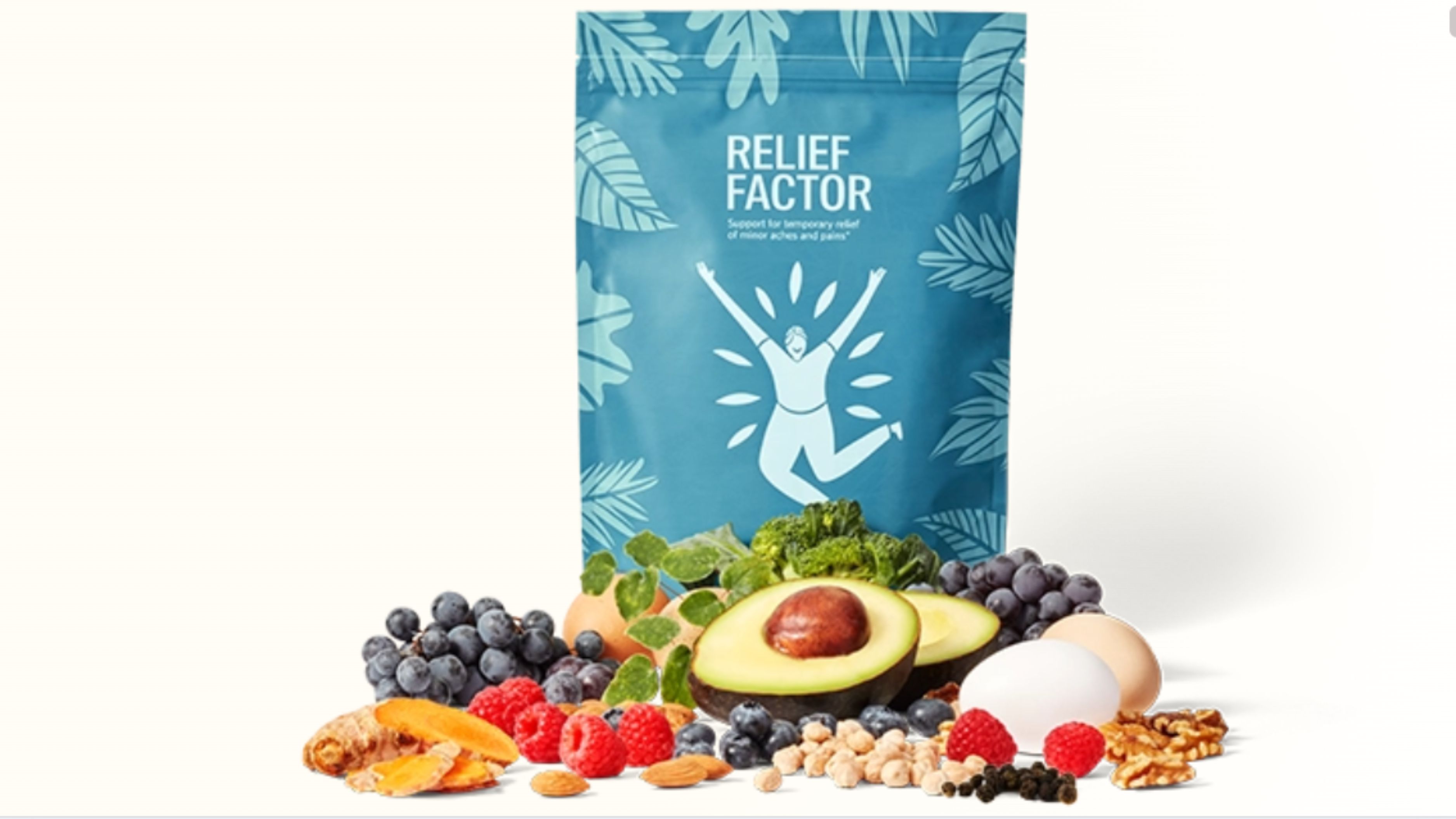
Best for: People with chronic pain seeking a multi-faceted natural approach
Pricing from: $79.95 for 30-day supply
Key features: Four-ingredient botanical blend, omega-3 fatty acids, drug-free formula, money-back guarantee
Relief Factor has gained significant attention through widespread marketing and testimonials from users experiencing relief from various types of chronic pain. The formula takes a comprehensive approach by combining four key ingredients that work through different anti-inflammatory pathways: fish oil (omega-3 EPA and DHA), turmeric, resveratrol, and a proprietary botanical blend including icariin.
What distinguishes Relief Factor is their multi-targeted strategy rather than relying on a single ingredient. The omega-3 fatty acids reduce inflammatory prostaglandins and cytokines, turmeric inhibits inflammatory enzymes and oxidative stress, resveratrol provides antioxidant and anti-inflammatory effects, and icariin may support nitric oxide production improving circulation to painful areas. This synergistic combination addresses inflammation through multiple biological pathways, potentially providing broader relief than single-ingredient supplements.
The company emphasizes a three-week trial period, acknowledging that natural anti-inflammatory supplements require consistent use before delivering noticeable results—a realistic expectation that distinguishes them from products promising immediate relief. They offer a 90-day money-back guarantee, demonstrating confidence in their formula. While the pricing is premium ($80/month), customers report that the comprehensive formula potentially replaces multiple separate supplements, improving convenience while addressing various pain sources simultaneously.
Pros:
Multi-ingredient formula targets multiple pain pathways
Backed by numerous customer testimonials
90-day money-back guarantee
Drug-free with minimal side effects
Comprehensive approach may replace multiple supplements
Cons:
Premium pricing at $80/month
Requires 2-3 weeks of consistent use for results
May interact with blood thinners (omega-3 and turmeric)
Marketing can feel aggressive
Results vary significantly between individuals
2. BiOptimizers Magnesium Breakthrough – Best for Muscle Pain and Tension Relief
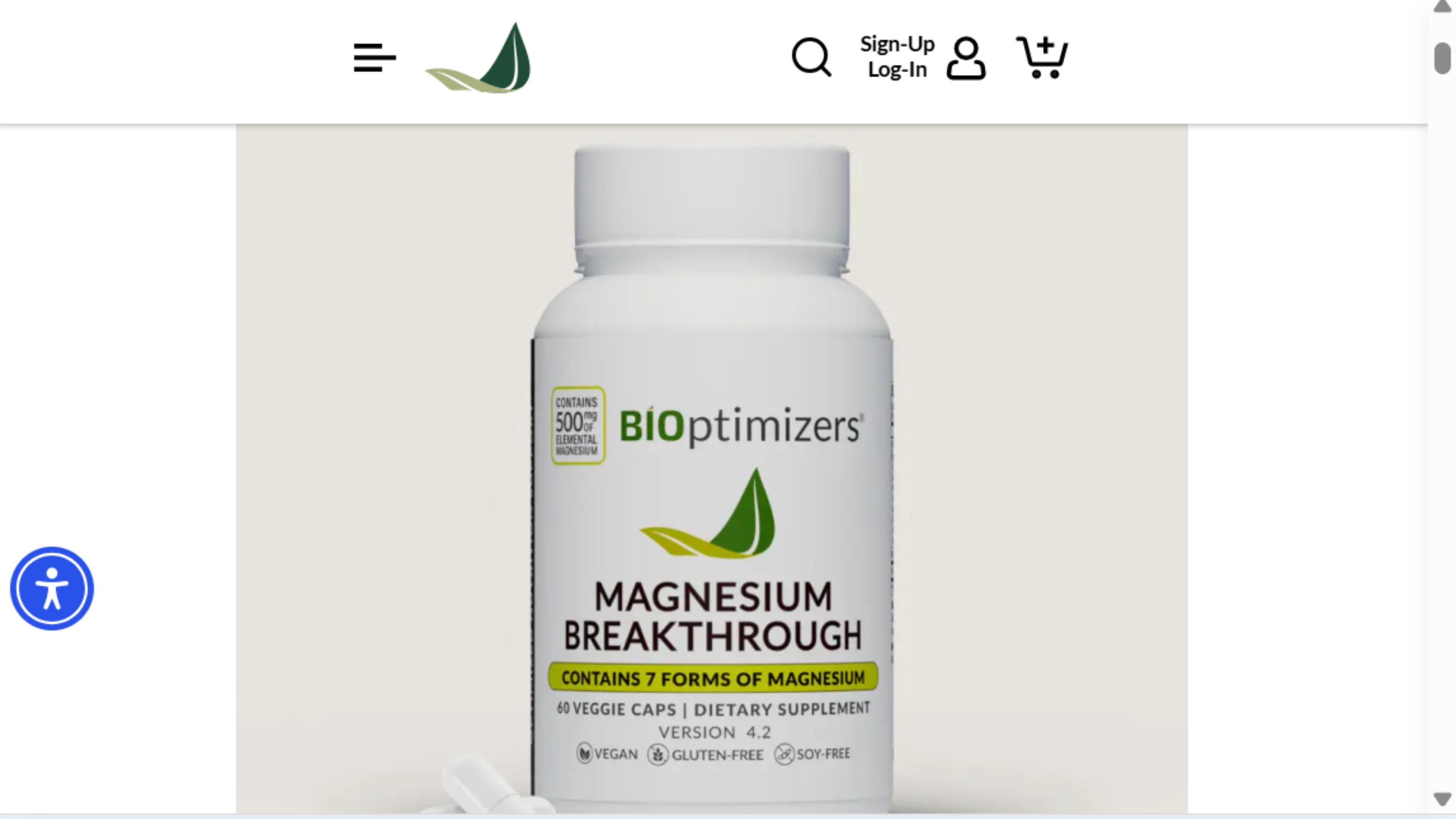
Best for: Muscle pain, tension, cramping, and stress-related discomfort
Pricing from: $40-45 for 30-day supply
Key features: Seven forms of magnesium, full-spectrum coverage, high bioavailability, sleep and recovery support
BiOptimizers Magnesium Breakthrough addresses a critical yet often overlooked contributor to pain and discomfort—magnesium deficiency. Studies show that approximately 50% of Americans don't get adequate magnesium from their diets, and this deficiency contributes to muscle pain, tension, cramping, headaches, and poor recovery from physical activity. Unlike single-form magnesium supplements, Magnesium Breakthrough provides all seven principal forms of supplemental magnesium, ensuring comprehensive coverage of the body's diverse magnesium needs.
The formula includes magnesium chelate (for muscle recovery and building), citrate (for overall health and arterial support), bisglycinate (for calming effects and sleep), malate (for energy production), aspartate (for cellular metabolism), taurate (for cardiovascular health), and orotate (for genetic repair and heart health). This full-spectrum approach recognizes that different magnesium forms serve different physiological functions—some are better for muscle relaxation, others for energy production or stress management.
BiOptimizers manufactures their products in FDA-registered, GMP-certified facilities and conducts third-party testing for purity and potency. Users report significant improvements in muscle pain, tension headaches, sleep quality, and overall recovery within 1-2 weeks of consistent use. The company provides detailed educational content about magnesium's roles in the body, demonstrating their commitment to informed supplementation. At $40-45 monthly, Magnesium Breakthrough represents good value considering it replaces multiple single-form magnesium products while addressing pain through a mechanism distinct from standard anti-inflammatory supplements.
Pros:
Seven forms of magnesium for comprehensive coverage
Addresses often-overlooked deficiency contributing to pain
Improves sleep quality and recovery
Quick results (1-2 weeks for many users)
High-quality manufacturing and testing standards
Cons:
More expensive than basic magnesium supplements
May cause digestive upset if taken on empty stomach
Not specifically anti-inflammatory (different mechanism)
Some people need to adjust dosing gradually
Requires consistent daily use for sustained benefits
3. Turmeric Curcumin Plus – Best for Inflammation Reduction with Enhanced Absorption

Best for: Inflammatory conditions including arthritis, joint pain, and systemic inflammation
Pricing from: $20-40 for 60-90 capsules
Key features: Standardized 95% curcuminoids, BioPerine for absorption, anti-inflammatory properties, antioxidant support
Turmeric has emerged as one of the most researched natural anti-inflammatory compounds, with over 3,000 publications examining curcumin's effects on various inflammatory conditions. Quality turmeric supplements provide standardized curcumin extracts that deliver consistent, therapeutic doses of the active compounds responsible for turmeric's benefits.
The challenge with curcumin is notoriously poor bioavailability—your body absorbs very little of standard curcumin supplements. Quality formulations address this through absorption enhancers, most commonly BioPerine (black pepper extract) which increases curcumin absorption by up to 2,000%. Other advanced formulations use liposomal delivery, curcumin bound to phospholipids, or specialized preparations like BCM-95 or Theracurmin that significantly improve absorption and tissue distribution.
Clinical studies demonstrate curcumin's effectiveness for osteoarthritis, with research showing comparable pain relief to NSAIDs like ibuprofen but with superior safety profiles. Curcumin works by inhibiting inflammatory enzymes (COX-2, LOX), reducing inflammatory cytokines, and providing powerful antioxidant effects that protect joint tissues from oxidative damage. For maximum benefit, look for supplements providing at least 500-1,000mg of standardized curcumin extract (95% curcuminoids) with absorption enhancers, taken 2-3 times daily with food.
Pros:
Extensive clinical research supporting effectiveness
Comparable pain relief to NSAIDs in studies
Excellent safety profile with minimal side effects
Additional antioxidant and systemic health benefits
Relatively affordable ($20-40/month)
Cons:
Poor absorption without enhancement technology
Requires consistent daily use for 4-8 weeks
May interact with blood thinners
Can cause digestive upset in some people
Quality and potency vary significantly between brands
4. Move Free Advanced – Best for Glucosamine-Based Joint Support
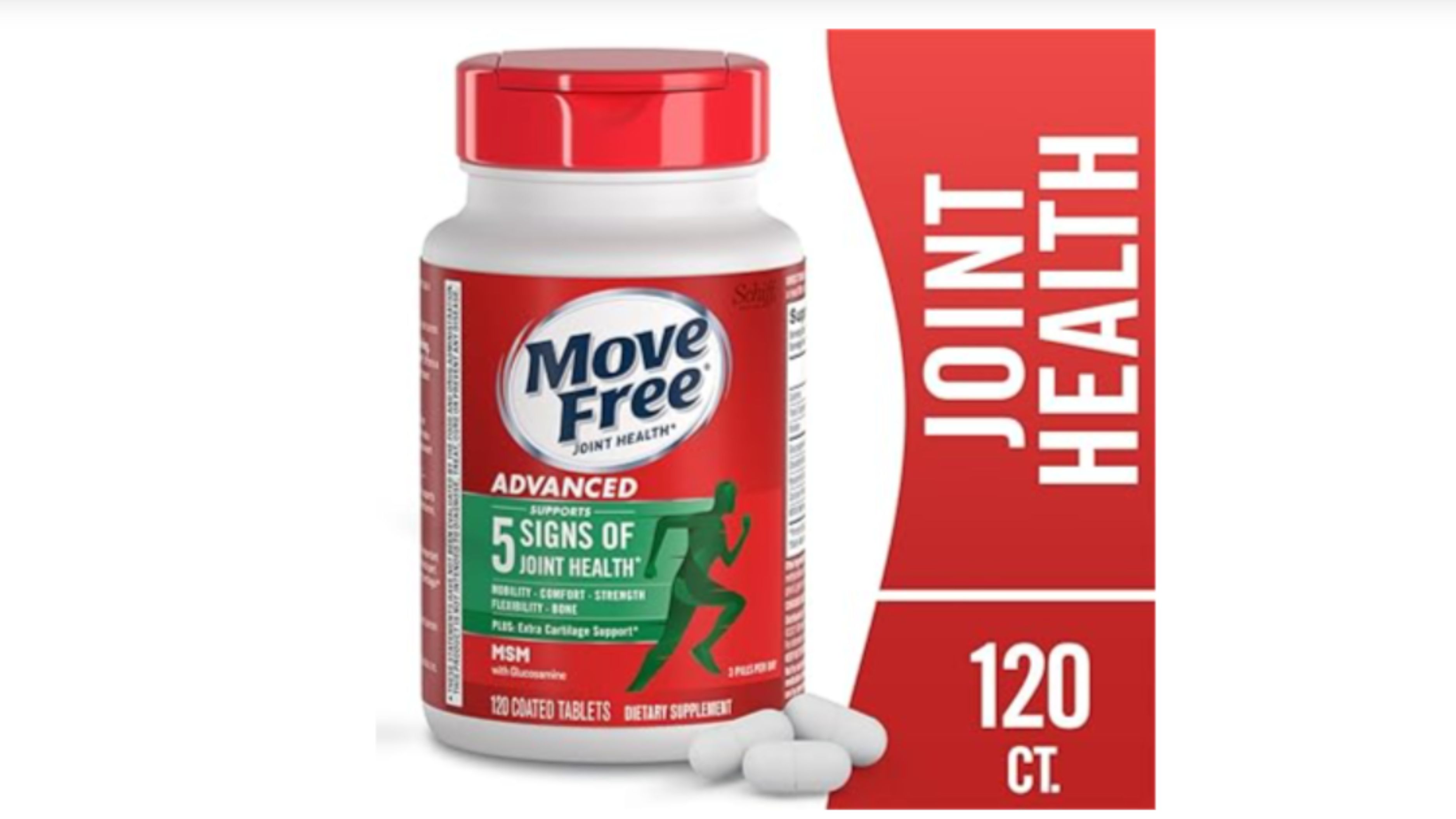
Best for: Osteoarthritis and age-related joint degeneration
Pricing from: $25-35 for 30-day supply
Key features: Glucosamine and chondroitin, hyaluronic acid, joint fluid support, clinically studied ingredients
Move Free Advanced represents the mainstream approach to joint health supplementation, combining glucosamine sulfate and chondroitin sulfate—two compounds that have been studied extensively for osteoarthritis treatment. These substances are natural components of healthy cartilage and joint fluid, and supplementation aims to provide building blocks for cartilage repair and maintenance while reducing inflammation.
Glucosamine sulfate has the strongest research backing among joint supplements, with multiple clinical trials showing modest but significant pain reduction and improved function in people with knee osteoarthritis. The compound appears to work by providing raw materials for cartilage synthesis, reducing inflammatory mediators, and potentially slowing cartilage breakdown. Chondroitin sulfate complements glucosamine by attracting water into cartilage tissue, improving shock absorption and nutrient delivery while inhibiting cartilage-degrading enzymes.
Move Free Advanced adds hyaluronic acid to their formulation, which naturally lubricates joints and maintains the viscosity of synovial fluid. While the evidence for oral hyaluronic acid is more limited than for glucosamine, some research suggests it may provide additional joint comfort benefits. The combination formula addresses joint health through multiple mechanisms—providing building blocks, reducing inflammation, and supporting joint lubrication. Results typically require 2-3 months of consistent use, and benefits are often maintenance-oriented (slowing progression) rather than dramatic pain elimination.
Pros:
Strong clinical research for glucosamine and chondroitin
Well-established safety profile
May slow osteoarthritis progression
Comprehensive formula addressing multiple joint needs
Widely available and moderately priced
Cons:
Results can take 2-3 months to appear
Effects are modest, not dramatic pain elimination
Less effective for inflammatory arthritis vs osteoarthritis
Shellfish-derived glucosamine (allergy concern)
Some studies show minimal benefit vs placebo
5. Osteo Bi-Flex – Best for Joint Flexibility and Mobility
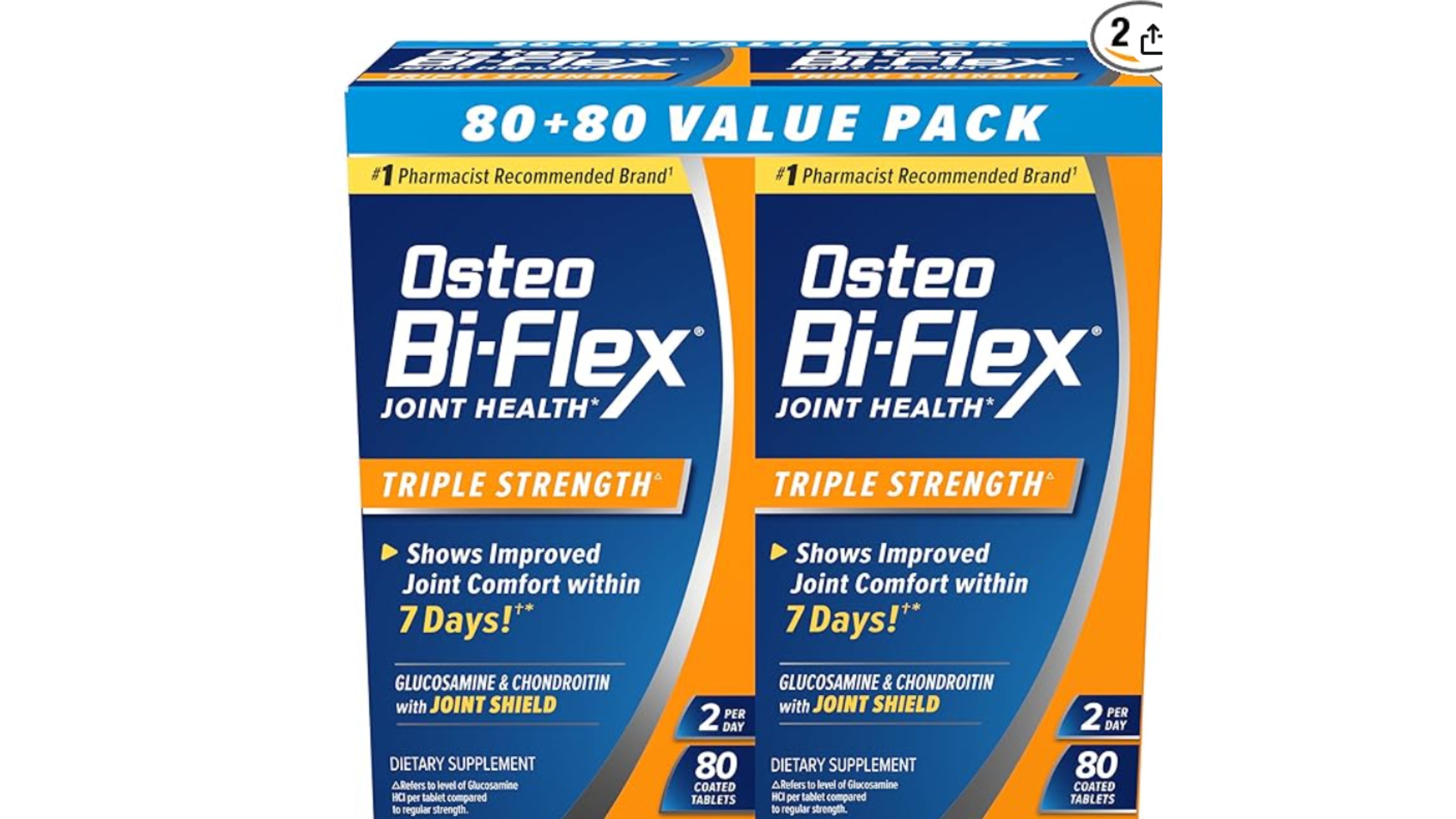
Best for: People experiencing stiffness and reduced range of motion
Pricing from: $20-40 for 30-60 day supply
Key features: Joint Shield proprietary blend, glucosamine, standardized ingredients, multiple formulation options
Osteo Bi-Flex has maintained market leadership in the joint health category for years by offering various formulations targeting different needs—from basic joint support to advanced formulas for severe discomfort. Their proprietary Joint Shield blend features a standardized botanical extract that they claim works quickly (within 7 days) to improve joint comfort, distinguishing their products from standard glucosamine formulations requiring months for results.
The core Osteo Bi-Flex formula combines glucosamine hydrochloride (not sulfate) with their Joint Shield blend and, in advanced formulas, additions like Vitamin D, MSM, or hyaluronic acid. The company has conducted some proprietary research showing their formulations improve joint comfort faster than glucosamine alone, though independent verification of these claims is limited. Their use of glucosamine hydrochloride rather than sulfate is controversial—some research suggests sulfate form is more effective, though hydrochloride is more concentrated and may be better tolerated.
Osteo Bi-Flex's strength lies in offering multiple formulation tiers allowing consumers to choose products matching their severity of symptoms and budget. Their Triple Strength formula provides higher doses for more significant issues, while their specialized formulations add ingredients targeting specific concerns like inflammation or bone health. The brand's longevity and widespread availability make it accessible, though some critics note that proprietary blends prevent full transparency about ingredient amounts.
Pros:
Multiple formulation options for different needs
Claims faster results than standard glucosamine (7 days)
Well-established brand with long market history
Widely available at competitive prices
Various strength levels available
Cons:
Proprietary blends limit ingredient transparency
Uses glucosamine HCl vs sulfate (debated effectiveness)
Independent verification of proprietary claims limited
Some formulations contain many ingredients at small doses
Results still variable between individuals
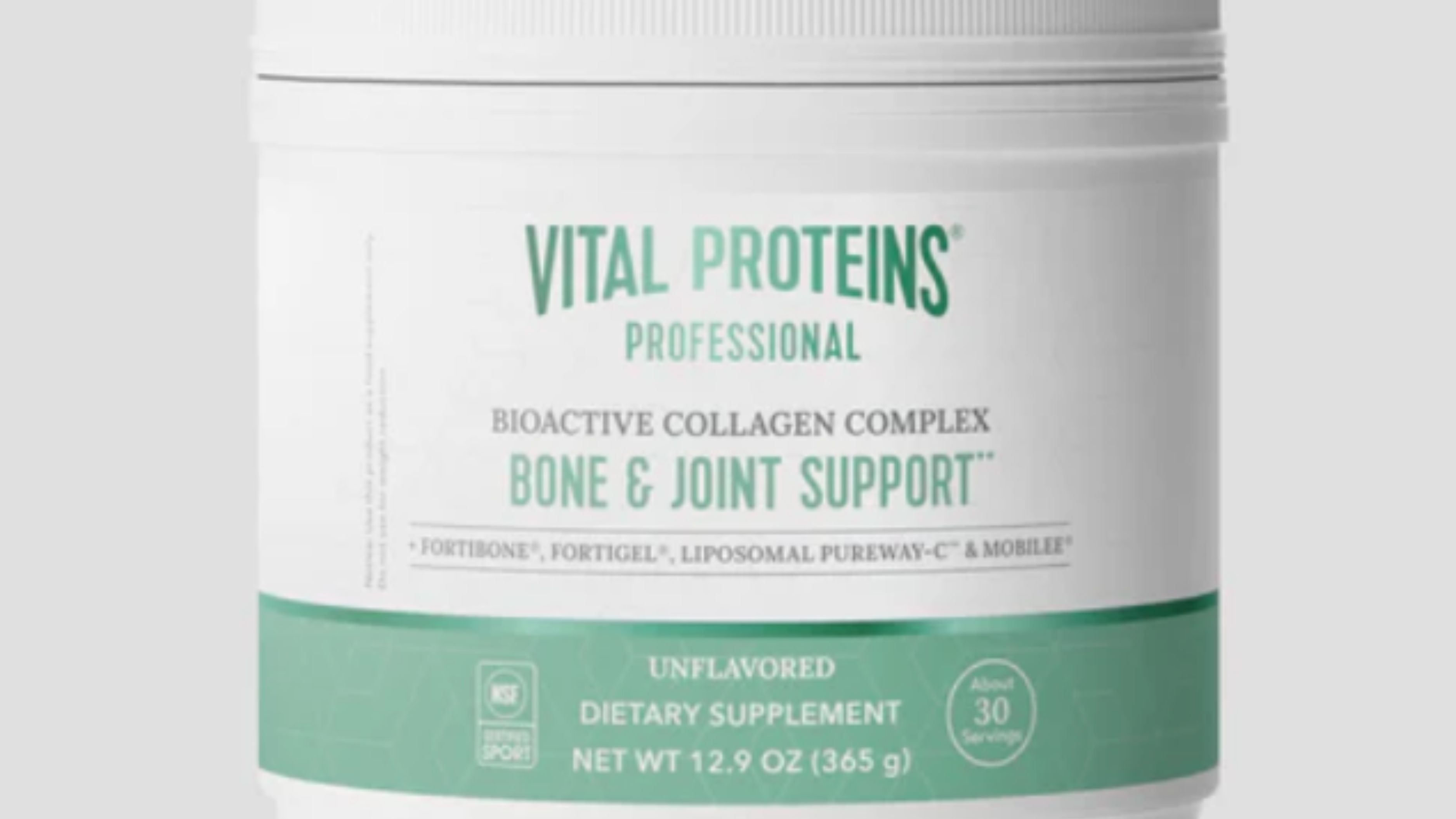
6. Vital Proteins Collagen – Best for Joint Tissue Repair and Support
Best for: Athletes and active individuals supporting joint tissues and connective health
Pricing from: $25-45 for 20-30 servings
Key features: Grass-fed collagen peptides, Type I and III collagen, high bioavailability, additional tissue support
Vital Proteins popularized collagen supplementation beyond beauty applications, with growing evidence supporting collagen's benefits for joint health, particularly for active individuals experiencing joint stress from training or sports. Collagen provides amino acids (particularly glycine, proline, and hydroxyproline) that serve as building blocks for cartilage, tendons, ligaments, and other connective tissues.
Clinical research shows collagen supplementation can reduce activity-related joint pain in athletes, with studies demonstrating improvements in joint discomfort during training and daily activities. The mechanism appears to involve collagen peptides stimulating chondrocyte activity (cartilage-producing cells), reducing inflammatory markers, and providing raw materials for tissue repair. Unlike glucosamine which primarily targets cartilage, collagen supports the broader joint structure including tendons and ligaments that contribute to joint stability and function.
Vital Proteins uses grass-fed, pasture-raised bovine collagen that's enzymatically hydrolyzed into small peptides for optimal absorption. Their unflavored collagen powder dissolves easily in hot or cold liquids, making daily supplementation convenient. While primarily providing Type I and III collagen (most abundant in the body), joint-specific benefits may be enhanced by Type II collagen which more closely matches cartilage composition. Typical effective doses range from 10-20 grams daily, with benefits appearing after 8-12 weeks of consistent use. For joint health specifically, combining collagen with vitamin C (necessary for collagen synthesis) enhances effectiveness.
Pros:
Growing clinical evidence for joint pain reduction
Supports multiple connective tissues beyond just cartilage
High bioavailability and easy to use
Grass-fed, quality sourcing
Additional benefits for skin, hair, nails
Cons:
Requires higher doses (10-20g) than pill supplements
Benefits take 2-3 months to appear
More expensive per serving than some alternatives
Bovine source (not suitable for vegetarians)
Type II collagen may be more joint-specific
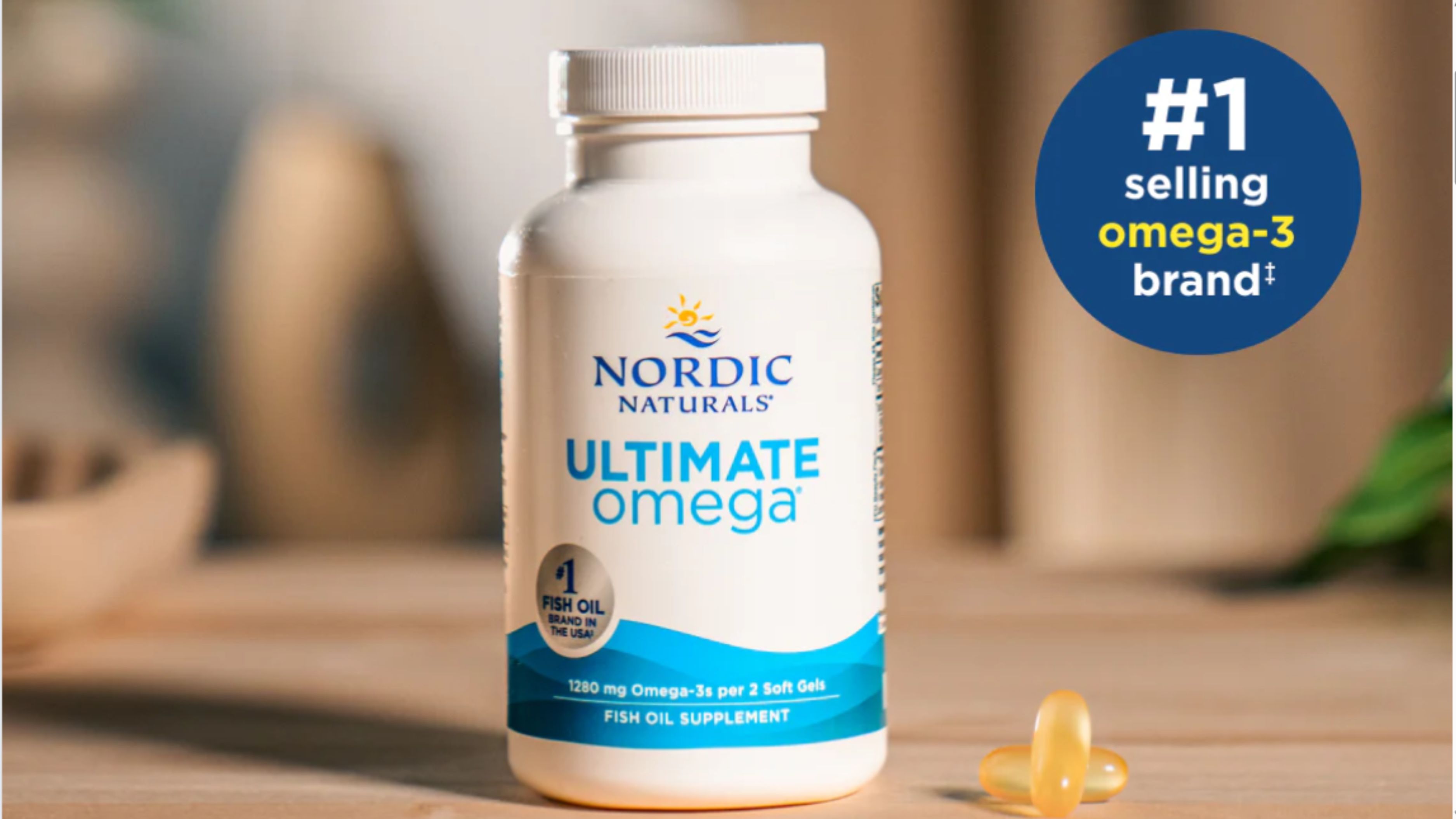
7. Nordic Naturals Omega-3 – Best for Anti-Inflammatory Omega-3 Support
Best for: Inflammatory conditions, rheumatoid arthritis, and systemic inflammation reduction
Pricing from: $28-70 depending on formula and size
Key features: Pharmaceutical-grade fish oil, high EPA/DHA content, triglyceride form, sustainable sourcing
While not marketed specifically as a pain relief supplement, high-quality omega-3 fish oil like Nordic Naturals provides potent anti-inflammatory effects that can significantly reduce joint pain, particularly in inflammatory arthritis conditions like rheumatoid arthritis. Omega-3 fatty acids EPA and DHA reduce production of inflammatory prostaglandins, cytokines, and leukotrienes that drive pain and tissue damage in inflammatory conditions.
Clinical studies demonstrate that omega-3 supplementation (particularly at doses of 2-3 grams daily of EPA/DHA) can reduce joint pain, morning stiffness, and the need for anti-inflammatory medications in rheumatoid arthritis patients. The effects extend beyond joints, reducing systemic inflammation that contributes to cardiovascular disease, cognitive decline, and other age-related conditions. Unlike supplements that specifically target joints, omega-3s provide broader anti-inflammatory benefits affecting multiple body systems simultaneously.
Nordic Naturals stands out in the crowded fish oil market through pharmaceutical-grade purity, fish oil in natural triglyceride form (superior absorption to cheaper ethyl ester forms), and sustainable sourcing with minimal environmental impact. Their products consistently test free of mercury, PCBs, and other contaminants that plague lower-quality fish oils. For joint health applications, their Ultimate Omega or ProOmega formulas provide concentrated EPA/DHA suitable for therapeutic dosing. Results typically appear within 2-3 months of consistent use, with best effects at higher doses (2,000-3,000mg combined EPA/DHA daily).
Pros:
Strong clinical evidence for inflammatory pain relief
Pharmaceutical-grade purity and testing
Broad anti-inflammatory benefits beyond joints
Sustainable, traceable sourcing
Natural triglyceride form for superior absorption
Cons:
Higher doses required for pain relief (expensive)
Benefits take 2-3 months to fully develop
May interact with blood thinners
Requires refrigeration after opening
Less effective for osteoarthritis vs inflammatory arthritis
8. Boswellia Extract – Best for Natural Anti-Inflammatory Relief

Best for: Osteoarthritis, rheumatoid arthritis, and inflammatory pain conditions
Pricing from: $15-30 for 60-90 capsules
Key features: Standardized boswellic acids, natural COX-2 inhibitor, minimal side effects, traditional medicine validation
Boswellia serrata, also known as Indian frankincense, has been used in Ayurvedic medicine for centuries to treat inflammatory conditions, and modern research increasingly validates this traditional use. Standardized boswellia extracts containing high concentrations of boswellic acids (the active compounds) demonstrate significant anti-inflammatory and pain-relieving properties comparable to some pharmaceutical options.
The mechanism of boswellia is particularly interesting—boswellic acids selectively inhibit 5-lipoxygenase (5-LOX), an enzyme producing inflammatory leukotrienes that contribute to pain, swelling, and tissue damage in arthritic conditions. This mechanism differs from NSAIDs (which inhibit COX enzymes) and may explain why boswellia can provide relief without the gastric side effects common with traditional pain medications. Clinical trials show boswellia extract significantly reduces pain and improves function in osteoarthritis, with some studies showing effects comparable to prescription medications.
Quality boswellia supplements provide standardized extracts containing at least 30-40% boswellic acids, with some premium extracts (like AprèsFlex or 5-Loxin) using specialized formulations that enhance absorption and potency. Typical effective doses range from 300-500mg of standardized extract taken 2-3 times daily. Boswellia is generally very well tolerated with minimal side effects, making it an excellent option for people who can't tolerate NSAIDs or want to avoid pharmaceutical options. Results typically appear within 2-4 weeks, faster than some other natural anti-inflammatories.
Pros:
Strong clinical evidence for arthritis pain relief
Unique anti-inflammatory mechanism (5-LOX inhibition)
Excellent safety profile with minimal side effects
Faster results than some natural alternatives (2-4 weeks)
Traditional medicine backing plus modern research
Cons:
Quality varies significantly between brands
Requires standardized extract for effectiveness
May interact with anti-inflammatory medications
Some people experience digestive upset
Less well-known than mainstream supplements
9. MSM (Methylsulfonylmethane) – Best for Reducing Joint Inflammation and Stiffness

Best for: Exercise-related joint pain, osteoarthritis, and muscle recovery
Pricing from: $15-25 for 120-200 capsules
Key features: Organic sulfur compound, anti-inflammatory properties, supports connective tissue, antioxidant effects
MSM is an organic sulfur compound naturally found in fruits, vegetables, and grains, though typically in amounts too small to provide therapeutic benefits. As a supplement, MSM has gained popularity for reducing joint pain and inflammation, particularly among athletes and active individuals experiencing exercise-related joint stress.
Research on MSM shows it reduces inflammatory markers, decreases oxidative stress, and may inhibit pain perception pathways. Clinical studies demonstrate that MSM supplementation (typically 3-6 grams daily) reduces pain and improves physical function in people with osteoarthritis, with effects becoming noticeable within 2-6 weeks. The sulfur in MSM is important for building and repairing connective tissue, including cartilage, tendons, and ligaments. MSM also appears to reduce muscle damage and soreness from exercise, making it valuable for active individuals experiencing joint stress from training.
MSM is remarkably safe with minimal side effects even at high doses, making it an excellent option for long-term use. It's often combined with glucosamine and chondroitin in joint health formulas, with some research suggesting synergistic effects. The compound has a slightly bitter taste when powdered, so many people prefer capsules. Quality is important—look for OptiMSM, a proprietary form manufactured to high purity standards, or ensure your chosen brand provides third-party testing documentation. MSM is also relatively affordable, making it accessible for long-term supplementation.
Pros:
Clinical evidence for pain and inflammation reduction
Excellent safety profile with minimal side effects
Supports multiple connective tissues
Helps with exercise-related joint stress
Very affordable ($15-25/month)
Cons:
Requires relatively high doses (3-6 grams daily)
Results take 2-6 weeks to appear
Quality varies between manufacturers
Some find taste unpleasant (if using powder)
Effects may be modest for severe arthritis
10. Ginger Root Extract – Best for Natural Pain Relief and Inflammation

Best for: Osteoarthritis, muscle pain, and general inflammatory discomfort
Pricing from: $12-25 for 60-120 capsules
Key features: Natural COX-2 inhibitor, anti-inflammatory gingerols, digestive benefits, traditional medicine backing
Ginger has been used medicinally for thousands of years, and modern research increasingly validates its effectiveness for pain and inflammation. Ginger contains bioactive compounds including gingerols, shogaols, and zingerone that provide anti-inflammatory and analgesic properties through multiple mechanisms including COX-2 inhibition (similar to pharmaceutical NSAIDs) and antioxidant effects.
Clinical trials demonstrate ginger extract's effectiveness for osteoarthritis pain, with several studies showing significant pain reduction and improved function comparable to NSAIDs in some cases. A meta-analysis of clinical trials concluded that ginger provides moderate but significant pain relief for osteoarthritis and other musculoskeletal conditions. The advantage of ginger over pharmaceutical options is an excellent safety profile—while NSAIDs can cause gastric ulcers and bleeding, ginger actually supports digestive health and has minimal side effects.
For pain relief, standardized ginger extracts are more effective than using culinary ginger, as they provide concentrated, consistent doses of active compounds. Effective doses typically range from 250-500mg of standardized extract (containing 5% gingerols) taken 2-3 times daily. Quality matters—look for supplements providing standardized extracts with verified gingerol content rather than simple ground ginger root. Ginger can also be consumed as fresh root or tea, though therapeutic doses are easier to achieve with concentrated extracts. Benefits typically appear within 1-4 weeks, faster than many natural anti-inflammatories.
Pros:
Clinical evidence for pain relief in arthritis
Excellent safety profile with digestive benefits
Natural COX-2 inhibitor without NSAID side effects
Affordable and widely available
Multiple consumption options (extract, fresh, tea)
Cons:
Effects are moderate, not dramatic pain elimination
Standardization and quality vary between products
May interact with blood thinners
Can cause heartburn in some people at higher doses
Less research than turmeric for anti-inflammatory effects
Product Comparison
When comparing natural pain relief and joint health supplements, several key distinctions help match each option to specific needs and conditions:
Mechanism and application: Glucosamine/chondroitin (Move Free, Osteo Bi-Flex) and collagen provide structural building blocks for cartilage repair, working preventatively and slowly. Anti-inflammatories (turmeric, boswellia, ginger, omega-3s, MSM) reduce inflammatory processes driving pain more directly. Relief Factor combines multiple mechanisms for comprehensive coverage. Magnesium addresses muscle tension and deficiency-related pain. Understanding your primary issue—structural degeneration vs inflammation vs muscle tension—guides selection.
Speed of results: Magnesium and ginger typically show effects within 1-2 weeks. Boswellia works within 2-4 weeks. Turmeric, MSM, and omega-3s require 4-8 weeks. Glucosamine/chondroitin and collagen need 2-3 months. Relief Factor suggests 3 weeks. Setting realistic expectations about timelines prevents premature discontinuation.
Condition specificity: Glucosamine/chondroitin works best for osteoarthritis, less so for inflammatory arthritis. Omega-3s excel for rheumatoid arthritis and inflammatory conditions. Boswellia and turmeric work for both osteoarthritis and inflammatory arthritis. Collagen benefits active individuals with exercise-related joint stress. MSM helps both arthritis and muscle-related pain. Magnesium targets muscle tension and deficiency-related discomfort. Matching supplements to your specific diagnosis optimizes results.
Safety and interactions: Most natural supplements have excellent safety profiles compared to NSAIDs or opioids. However, turmeric, omega-3s, ginger, and boswellia can interact with blood thinners. Glucosamine may affect blood sugar in diabetics. MSM and magnesium have minimal interactions. Always consult healthcare providers about interactions with your medications.
Cost considerations: Basic single-ingredient supplements (ginger, MSM) cost $12-25 monthly. Mid-range options (turmeric, glucosamine, magnesium) run $20-45. Premium products (Nordic Naturals omega-3s, quality collagen) cost $25-70. Comprehensive formulas (Relief Factor) reach $80+ monthly. Balancing effectiveness with budget sustainability matters for long-term management.
Buying Guide: Choosing Natural Pain Relief Supplements
Who Needs Natural Pain Relief and Joint Health Supplements?
Primary candidates include people with osteoarthritis experiencing joint pain and stiffness, individuals with rheumatoid arthritis or inflammatory conditions seeking NSAIDs alternatives, athletes and active individuals with exercise-related joint stress, aging adults wanting to maintain joint health and mobility, anyone experiencing chronic pain who wants to reduce or avoid pharmaceutical medications, and people with muscle tension, cramping, or magnesium deficiency.
People seeking prevention may benefit from joint health supplements even without current symptoms, particularly those with family history of arthritis, previous joint injuries, occupations or activities creating joint stress, or age-related changes beginning to affect mobility. Starting supplementation before significant damage occurs may help slow progression.
Those who may benefit less include people with acute injuries requiring medical intervention, individuals with severe advanced arthritis needing joint replacement, or those whose pain stems from non-inflammatory causes like neuropathy. However, even these individuals might gain some benefit from anti-inflammatory or magnesium support alongside primary treatments.
How Natural Pain Relief Supplements Work
Anti-inflammatory mechanisms: Many natural supplements (turmeric, boswellia, ginger, omega-3s) work by inhibiting inflammatory enzymes and reducing inflammatory mediators like prostaglandins, cytokines, and leukotrienes. This reduces the inflammatory cascade driving pain, swelling, and tissue damage. Unlike NSAIDs that completely block inflammatory pathways (causing side effects), natural anti-inflammatories modulate inflammation more gently.
Structural support: Glucosamine, chondroitin, and collagen provide building blocks for cartilage, joint fluid, and connective tissues. They support the body's natural repair processes, potentially slowing cartilage degradation and supporting tissue regeneration. These effects are gradual and preventative rather than providing immediate pain relief.
Mineral deficiency correction: Magnesium supplementation addresses widespread deficiency that contributes to muscle pain, tension, cramping, and poor recovery. Adequate magnesium supports muscle relaxation, energy production, and stress management—all factors affecting pain perception and physical comfort.
Antioxidant protection: Many compounds (turmeric curcumin, omega-3s, ginger) provide antioxidant effects that protect joint tissues from oxidative stress and free radical damage contributing to arthritis progression. This mechanism works alongside anti-inflammatory effects for comprehensive joint protection.
Synergistic effects: Combining supplements addressing different mechanisms (inflammation + structural support + mineral status) may provide superior results to single ingredients. This explains why multi-ingredient formulas like Relief Factor or combination products (glucosamine + MSM) are popular.
Key Features to Consider
Standardization and bioavailability: For botanical extracts (turmeric, boswellia, ginger), standardization ensuring consistent active compound levels is critical. Look for specific percentages (e.g., 95% curcuminoids, 30% boswellic acids). Absorption enhancers (BioPerine with turmeric, specialized formulations) significantly improve effectiveness.
Dosing and formulation: Therapeutic doses often differ significantly from token amounts in multi-ingredient supplements. Verify that your chosen product provides doses matching those used in clinical research. Consider whether you need high-dose single ingredients or moderate-dose combinations.
Form and delivery: Glucosamine comes as sulfate (more research) or hydrochloride (more concentrated). Omega-3s should be triglyceride form vs ethyl ester. Collagen should be hydrolyzed peptides. Magnesium should be highly bioavailable forms (glycinate, malate, etc.) not oxide. These details affect absorption and effectiveness.
Quality testing and certifications: Third-party testing (NSF, USP, ConsumerLab) verifies that products contain labeled ingredients without contaminants. GMP certification ensures manufacturing quality. Certificates of analysis should be available on request. For fish oil, purity testing for mercury and PCBs is essential.
Realistic expectations and patience: Natural supplements work gradually, not like pharmaceutical pain relievers. Most require 2-8 weeks of consistent use before noticeable improvements (though magnesium may work faster for deficiency-related issues). They typically reduce pain and improve function moderately rather than eliminating symptoms completely. Understanding these realistic outcomes prevents disappointment.
Pricing Overview and Considerations
Cost Analysis of Natural Pain Relief Options
Budget-friendly options ($12-25/month) include single-ingredient supplements like ginger extract, MSM, basic turmeric, or standard magnesium. These provide solid value for people targeting specific mechanisms or building their own supplement combinations. NOW Foods, Doctor's Best, and Nature Made offer quality budget options.
Mid-range products ($25-50/month) include quality turmeric with absorption enhancers, combination glucosamine/chondroitin formulas (Move Free, Osteo Bi-Flex), therapeutic-dose boswellia, quality collagen powders, or multi-form magnesium like BiOptimizers. This range offers enhanced formulations, better bioavailability, and more comprehensive approaches.
Premium supplements ($50-80+/month) include pharmaceutical-grade omega-3s like Nordic Naturals at therapeutic doses or comprehensive multi-ingredient formulas like Relief Factor. Higher costs should reflect genuine quality differences—superior testing, better absorption, clinical-grade ingredients.
Long-term cost considerations: Natural supplements require consistent long-term use for sustained benefits, unlike acute pain relievers taken as-needed. Calculate annual costs ($15/month = $180/year; $80/month = $960/year) to ensure sustainability. Sometimes higher-quality products providing better results justify costs by reducing need for additional treatments or medical interventions.
Cost Comparison with Conventional Treatments
Pharmaceutical alternatives: Over-the-counter NSAIDs (ibuprofen, naproxen) cost $5-15 monthly but carry gastric risks. Prescription NSAIDs (celecoxib) cost $20-50 with insurance, more without. Topical treatments (Voltaren gel) run $20-40 monthly. Injections (corticosteroids, hyaluronic acid) cost $100-300 per treatment every 3-6 months.
Medical treatments: Physical therapy costs $50-150 per session (typically 6-12 sessions = $300-1,800). Acupuncture runs $60-120 per session. Joint injections cost $100-500 each. Joint replacement surgery costs $35,000-50,000. Natural supplements at $15-80 monthly ($180-960 annually) represent cost-effective first-line or complementary approaches.
Value assessment: Consider total value including effectiveness, safety, side effect profile, and long-term health impacts. A $40/month supplement preventing or delaying joint replacement provides enormous value. Even if natural options work somewhat less effectively than pharmaceuticals for some people, their superior safety profiles may make them better long-term choices for managing chronic conditions.
Frequently Asked Questions
Do natural pain relief supplements really work or is it placebo?
Quality natural supplements do provide genuine therapeutic effects beyond placebo, though expectations must be realistic. Multiple systematic reviews and meta-analyses of randomized controlled trials (the gold standard of medical research) confirm that supplements like omega-3s, glucosamine, turmeric/curcumin, boswellia, magnesium, and ginger significantly reduce pain and improve function compared to placebo in people with arthritis or chronic pain. However, effects are typically moderate rather than dramatic—clinical trials show 20-30% pain reduction on average, compared to 40-50% with prescription NSAIDs. Individual responses vary considerably; some people experience substantial relief while others get minimal benefit. Natural supplements work best as part of comprehensive approaches including appropriate exercise, weight management, physical therapy, and lifestyle modifications rather than as standalone miracle cures. The key is using quality products at therapeutic doses for sufficient time (most require 2-8 weeks minimum, though magnesium may work faster) and understanding that they're managing chronic conditions, not curing them.
How long should I try a natural supplement before deciding if it works?
Minimum trial periods vary by supplement type based on their mechanisms of action: Fast-acting options (1-2 weeks) include magnesium for muscle tension and deficiency-related issues, which can work within days for some people. Medium-fast options (2-4 weeks) include ginger, boswellia, and potentially MSM. Medium-term supplements (4-8 weeks) include turmeric/curcumin, omega-3s, and MSM for full anti-inflammatory effects. Slow-acting structural supplements (2-3 months) include glucosamine/chondroitin and collagen, which work by supporting tissue repair requiring at least 8-12 weeks. For comprehensive formulas like Relief Factor, the company recommends a 3-week trial, though full effects may take longer. If you experience absolutely zero improvement after appropriate trial periods at correct doses with quality products, that particular supplement may not work for your specific condition. However, many people abandon supplements prematurely. Keep a pain diary tracking symptoms objectively rather than relying on memory, as gradual improvements can be difficult to notice.
Can I take natural supplements alongside prescription medications?
Generally yes, but with important caveats requiring medical supervision. Safe combinations with proper monitoring include glucosamine/chondroitin, collagen, and MSM alongside most medications with minimal interaction concerns. Magnesium can be taken with most medications but may affect absorption of some antibiotics or osteoporosis drugs (take several hours apart). Potential interactions requiring caution include turmeric, omega-3s, ginger, and boswellia with blood thinners (warfarin, aspirin, clopidogrel) as they may increase bleeding risk. These combinations aren't necessarily prohibited but require monitoring and possibly dose adjustments. Other considerations: Glucosamine may affect blood sugar requiring monitoring in diabetics. High-dose supplements can interact with chemotherapy. Always inform all your healthcare providers about supplements you're taking. Most interactions can be managed through timing, dose adjustments, or increased monitoring. Never stop prescription medications to replace them with supplements without medical guidance. The best approach often combines conventional and natural treatments synergistically under professional supervision.
Are there side effects from natural pain relief supplements?
Natural supplements generally have far fewer and less severe side effects than pharmaceutical pain medications, but they're not completely risk-free. Minimal side effect profiles: MSM, collagen, glucosamine/chondroitin, and most forms of magnesium have excellent safety records with side effects occurring rarely and mildly (typically digestive upset). Moderate considerations: Turmeric/curcumin, ginger, and boswellia can cause digestive upset (nausea, diarrhea, heartburn) in some people, usually at higher doses. Taking with food often resolves these issues. They may interact with blood thinners. Magnesium cautions: While generally safe, high doses can cause diarrhea (dose-dependent, varies by form). Some forms like citrate or oxide are more likely to cause loose stools than glycinate or malate. Omega-3 side effects include fishy burps/aftertaste and potential blood thinning effects. Compared to NSAIDs: Natural supplements rarely cause the serious side effects associated with regular NSAID use—gastric ulcers, bleeding, cardiovascular risks, kidney problems, or liver damage. This superior safety profile makes natural options particularly valuable for long-term management of chronic pain. Quality matters significantly—contaminants in low-quality supplements cause problems pure products don't.
Should I take one targeted supplement or a combination formula?
Both approaches have merits depending on your situation. Single-ingredient advantages: You can identify exactly what works for you, adjust doses precisely based on response, avoid paying for ingredients that don't help you personally, and build your own optimal combination targeting your specific condition type. This approach works well if you're systematic, willing to trial different options, and want to minimize costs. Start with addressing potential deficiencies (magnesium), then add targeted anti-inflammatories or structural support as needed. Combination formula advantages: Ingredients often work synergistically (turmeric + black pepper, glucosamine + chondroitin + MSM), convenience of taking one product vs multiple pills daily, comprehensive coverage of multiple pathways (like Relief Factor's multi-ingredient approach or BiOptimizers' multiple magnesium forms), and potentially lower cost than buying 4-5 quality ingredients separately. This approach suits people wanting simplicity or comprehensive coverage. Recommended strategy: Start with 1-2 targeted ingredients matching your primary issue (magnesium for muscle pain, omega-3s for inflammatory arthritis, glucosamine for osteoarthritis). Give adequate trial periods. If results are insufficient, consider adding complementary ingredients or trying comprehensive formulas. Avoid taking multiple combination products simultaneously as you'll get redundant ingredients at unclear total doses.