Whether you're a first-time festival-goer or a seasoned veteran looking to cross another legendary event off your bucket list, this guide breaks down the ten best music festivals in the world — what makes each one worth attending, what it costs, and who it's really built for.
🎪 Top 10 Best Music Festivals at a Glance
Glastonbury Festival – Best for the ultimate all-in-one festival experience
Coachella Valley Music and Arts Festival – Best for pop culture, fashion, and mainstream headliners
Tomorrowland – Best for electronic music fans seeking a fantasy-world atmosphere
Burning Man – Best for radical self-expression and countercultural immersion
Rock in Rio – Best for large-scale spectacle and South American cultural energy
Primavera Sound – Best for indie, alternative, and cutting-edge genre diversity
Fuji Rock Festival – Best for a serene, nature-immersed music experience in Asia
Lollapalooza – Best for urban festival-goers who want world-class lineups without camping
Montreux Jazz Festival – Best for sophisticated, genre-spanning performances in a stunning lakeside setting
Roskilde Festival – Best for community-driven, socially conscious festival culture in Europe
🔬 Methodology
To compile this list, we evaluated each festival across six key criteria:
Lineup quality & diversity – Caliber of headliners, genre range, and curation consistency year over year
Attendee experience – Crowd size, site layout, amenities, accessibility, and safety record
Cultural significance – Historical legacy, global influence, and unique identity
Value for money – Ticket pricing relative to what's offered, including camping, stages, and extras
Logistical accessibility – Ease of travel, accommodation options, and ticket availability
Reputation & reviews – Long-term attendee satisfaction, press coverage, and industry standing
Festivals were selected to represent geographic diversity, genre variety, and a range of budget levels and experience types.
🎶 Detailed Festival Reviews
1. Glastonbury Festival
📍 Pilton, Somerset, England | 📅 Late June | 💰 From ~$400 (ticket only)
Glastonbury is, by almost any measure, the most iconic music festival in the world. Held on Worthy Farm since 1970, it spans five days across more than 100 stages, hosting upwards of 200,000 attendees and featuring some of the most talked-about headline performances in live music history. The sheer scale of it is staggering — beyond music, Glastonbury encompasses theater, circus arts, healing fields, political activism, and a culture that's entirely its own.
What separates Glastonbury from every other festival is its sense of community and legacy. Getting a ticket requires registering months in advance, and even then, demand so dramatically outstrips supply that tickets sell out in under an hour each year. That scarcity has, paradoxically, become part of its mystique. If you manage to attend, you join a lineage stretching back over five decades.
Best for: Music lovers seeking the definitive, once-in-a-lifetime festival pilgrimage
Key features: 100+ stages, legendary Pyramid Stage, on-site camping, arts and activism programming
Pros:
Unmatched cultural weight and history
Extraordinary lineup depth across every genre
Camping is fully integrated into the experience
Strong commitment to sustainability and charity
Cons:
Notoriously difficult to get tickets
Unpredictable and often very muddy British weather
Large crowds can make navigation overwhelming
Limited luxury accommodation on-site
2. Coachella Valley Music and Arts Festival
📍 Indio, California, USA | 📅 Two weekends in April | 💰 From ~$500 (GA weekend pass)
Coachella is the most culturally visible music festival in America — arguably the world. Held across two back-to-back weekends in the California desert, it blends massive pop and hip-hop headliners with cutting-edge art installations, fashion moments, and a media presence unlike anything else in live music. It is simultaneously a music event, a fashion week, and a social media phenomenon, and it leans into all three unapologetically.
Beyond the spectacle, Coachella's production values are genuinely exceptional. The Sahara tent's electronic programming rivals dedicated EDM festivals; the Outdoor Theatre and Gobi tent offer deep cuts for alternative and indie fans. For those who can afford the upgrades, VIP and glamping packages transform the desert into something approaching a luxury resort experience.
Best for: Trend-focused attendees, pop and hip-hop fans, first-time U.S. festival-goers
Key features: Six stages, two-weekend format, world-class art installations, glamping options
Pros:
Elite production quality across every stage
Diverse lineup spanning virtually every mainstream genre
Strong food, beverage, and vendor experience
Iconic and highly shareable cultural moments
Cons:
Expensive when travel, hotels, and add-ons are factored in
Heavy commercialization can feel at odds with the music
Desert heat is genuinely challenging (often 95°F+)
Scalping and secondary market pricing is rampant
3. Tomorrowland
📍 Boom, Belgium | 📅 Late July (two weekends) | 💰 From ~$350 (day ticket) to ~$950 (full weekend)
Tomorrowland doesn't just host electronic music — it builds a world around it. Each year, the festival is constructed around a unique fairy-tale theme, complete with elaborate stage architecture, theatrical décor, pyrotechnics, and visual storytelling that transforms an otherwise ordinary Belgian town into a fantasy realm. The mainstage alone is widely regarded as the most visually spectacular structure in festival history.
The music programming matches the ambition. Tomorrowland draws the global elite of electronic music — from trance and techno to house, drum and bass, and beyond — across more than 20 stages. Its "DreamVille" campground is a curated village unto itself, with themed accommodations ranging from standard camping to premium chalets. For EDM fans, there is simply no comparable experience on the planet.
Best for: Electronic music enthusiasts, international festival travelers, visual experience seekers
Key features: 20+ stages, DreamVille camping village, immersive themed design, global artist roster
Pros:
Unrivaled visual and production design
World-class electronic music lineup every year
International crowd creates a genuinely global atmosphere
Tiered accommodation suits many budgets
Cons:
Among the most expensive festivals globally when all-in
Tickets sell out almost instantly — requires early planning
The fantasy aesthetic isn't for everyone
Travel to Boom, Belgium requires planning from most locations
4. Burning Man
📍 Black Rock Desert, Nevada, USA | 📅 Late August–Early September | 💰 From ~$575 (ticket) + significant survival costs
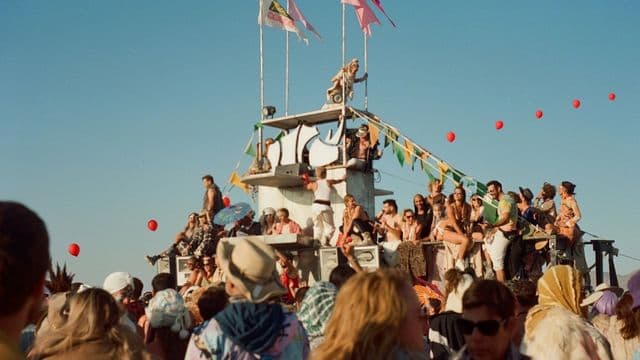
Burning Man defies easy categorization. It is not a music festival in the conventional sense — there are no stages, no headliners, no tickets to performances, and no vendors selling food. It is a temporary city of approximately 70,000 participants built entirely on principles of radical self-reliance, community, and gifting. Music — ranging from late-night techno camps to sunrise ambient sets — is simply one expression of a much larger experiment in communal living.
That said, the music at Burning Man is extraordinary. Camps like Robot Heart, Mayan Warrior, and Opulent Temple have launched and sustained the careers of some of the world's most respected electronic artists. If you attend expecting a curated music lineup, you'll be frustrated. If you attend open to an entirely different way of experiencing art, community, and sound, it can be genuinely life-changing.
Best for: Adventurous, self-sufficient travelers interested in art, community, and electronic music
Key features: 70,000-person temporary city, no scheduled programming, radical self-reliance ethos, iconic "The Burn" culminating event
Pros:
Truly one-of-a-kind experience with no real equivalent
Extraordinary art installations at massive scale
Deep sense of community and human connection
Electronic music programming that rivals any dedicated festival
Cons:
High survival cost beyond the ticket (gear, food, water, transport)
Harsh desert environment — extreme heat, dust storms, cold nights
Zero infrastructure: you bring everything yourself
The ethos requires significant psychological preparation
5. Rock in Rio
📍 Rio de Janeiro, Brazil | 📅 Biennial, typically September | 💰 From ~$100–$200 per day
Rock in Rio is the largest music festival in the world by attendance — its editions routinely draw over 700,000 people across multiple weekends, and the 1985 inaugural edition set a world record with 1.5 million attendees across its run. Born in Brazil's period of post-dictatorship cultural rebirth, it carries a weight of social and political meaning that few festivals can claim. Attending is less like going to a concert and more like participating in a national event.
Musically, Rock in Rio long ago outgrew its name — today its lineup spans pop, hip-hop, metal, and electronic music alongside rock. Its Cidade do Rock ("Rock City") site is a purpose-built entertainment district, and the production scale is jaw-dropping. A ticket also goes significantly further in terms of value than comparable North American or European festivals. For international travelers, it's one of the most rewarding festival destinations on earth.
Best for: Budget-conscious international travelers, fans of major mainstream artists, first-time South American visitors
Key features: Multiple stages, purpose-built festival city, diverse genre programming, exceptional value
Pros:
Exceptional value compared to European and U.S. equivalents
Massive, high-energy crowd atmosphere
Rio de Janeiro as a backdrop is unbeatable
Broad genre appeal across all major stages
Cons:
Biennial format means you may wait two years between editions
Requires international travel for most attendees
Very large crowds can be difficult to navigate
Infrastructure around the festival site can be strained
6. Primavera Sound
📍 Barcelona, Spain (+ Porto, Portugal and others) | 📅 Late May–Early June | 💰 From ~$300 (3-day pass)
Primavera Sound has quietly become the most critically respected music festival in Europe. What began as an indie and alternative showcase in Barcelona's Parc del Fòrum has evolved into a multi-city behemoth that books with remarkable taste and consistency — blending legacy acts (Nick Cave, Interpol, Pixies) with the most exciting emerging artists across indie rock, experimental, electronic, hip-hop, and global music. Its booking philosophy is genuinely curatorial in a way that few festivals of its size can claim.
The Barcelona setting is itself a major draw. The seaside Fòrum site is beautiful, the weather in late May is reliably excellent, and the city offers world-class dining, accommodation, and nightlife that complement the festival perfectly. Primavera has also expanded to Porto and other cities, giving fans multiple opportunities to attend. For the discerning music fan, it consistently delivers the most exciting and genre-diverse lineups in the world.
Best for: Music critics, indie and alternative fans, culturally curious international travelers
Key features: Multiple genre-spanning stages, Barcelona seaside location, critically acclaimed booking, multi-city editions
Pros:
Consistently adventurous and critically lauded lineups
Beautiful, well-managed festival site
Barcelona's food, culture, and nightlife as a bonus
Reasonable pricing relative to comparable festivals
Cons:
Can feel sprawling — the site is very large and spread out
Some stages have significant sound bleed
Expanded format has drawn some criticism for diluting the experience
Limited camping (most attendees stay in the city)
7. Fuji Rock Festival
📍 Naeba Ski Resort, Niigata, Japan | 📅 Late July | 💰 From ~$300 (3-day pass)
Fuji Rock is Japan's largest outdoor music event, held since 1997 in the forested mountains of the Naeba ski resort — a setting that is, quite literally, breathtaking. Stages are connected by forest paths, boardwalks, and rivers, giving the entire festival the feel of a musical journey through nature rather than a conventional festival layout. A small, illuminated forest stage called the "Field of Heaven" is widely cited as one of the most magical intimate venues in all of live music.
The lineup favors rock, alternative, and indie acts with a strong international focus, and the production quality is excellent. What truly sets Fuji Rock apart is the culture of its attendees — it is famously clean, safe, orderly, and warm. Lost wallets are routinely turned in. The communal respect among festival-goers is extraordinary and reflects broader Japanese cultural values. For international visitors, it offers a genuinely distinctive cross-cultural experience.
Best for: Rock and indie fans, travelers combining Japan tourism with festival attendance, nature lovers
Key features: Mountain/forest setting, multiple unique stage environments, renowned attendee culture, high production quality
Pros:
Extraordinary, one-of-a-kind natural setting
Among the safest and cleanest festivals in the world
Camping is beautiful and well-organized
Strong international lineup with Japanese cultural context
Cons:
Notoriously prone to heavy rain and humid conditions
Remote location requires significant travel within Japan
Smaller international profile than comparable festivals
Japanese language dominates signage and communication
8. Lollapalooza
📍 Chicago, Illinois, USA (+ global editions in Brazil, Chile, Argentina, Germany, France, Sweden, India) | 📅 Late July–Early August | 💰 From ~$135 (single day) to ~$400 (4-day pass)
Lollapalooza was one of the first festivals to prove that the American music festival model could work at urban scale. Held in Chicago's Grant Park since 2005, it draws approximately 400,000 people across four days without a single tent peg — the city itself serves as the campsite, with attendees staying in hotels, Airbnbs, and private homes. It's the ideal festival for those who want world-class music without the logistical demands of a camping event.
The lineup is intentionally broad — rock, pop, hip-hop, electronic, and Latin music all get dedicated stages — and Chicago's deep musical heritage adds an authenticity to the experience. Single-day tickets make it accessible for casual attendees, while the multi-day pass rewards those willing to explore the full depth of programming. Lollapalooza's global franchise model (with standalone editions in South America and Europe) has also made it the most internationally exported festival brand in history.
Best for: Urban travelers, families, casual festival-goers, those averse to camping
Key features: City park setting, no camping required, broad genre programming, single-day ticket option, global franchise editions
Pros:
No camping required — stay anywhere in the city
Single-day tickets offer flexible, lower-cost entry
Consistently strong and diverse headliner lineup
Chicago is an excellent travel destination in its own right
Cons:
No overnight atmosphere or campground community
Grant Park can feel congested at peak times
Commercialization has increased significantly in recent years
Premium viewing areas and VIP tiers are expensive
9. Montreux Jazz Festival
📍 Montreux, Switzerland | 📅 Early–Late July (two weeks) | 💰 Free (many outdoor events) to ~$150+ (ticketed indoor concerts)
Montreux Jazz Festival is among the oldest and most prestigious music events in the world, held annually since 1967 on the shores of Lake Geneva. Despite its name, the festival has long transcended jazz — its programming encompasses blues, soul, R&B, rock, pop, and classical music, with past headliners including Miles Davis, David Bowie, Prince, Nina Simone, and Carlos Santana. The setting — the Swiss Alps reflected in the lake, with the festival's iconic casino and concert halls — is simply unmatched in terms of elegance.
What makes Montreux particularly exceptional is its dual format: many lakeside outdoor stages are completely free to attend, making it surprisingly accessible for a festival of its stature, while premium ticketed concerts in the Casino and Auditorium Stravinski offer an intimate, high-fidelity listening experience. For those who want to experience live music at its most refined, Montreux is unlike anything else on this list.
Best for: Jazz and blues fans, sophisticated travelers, those seeking refinement over spectacle
Key features: Lakeside Swiss Alps setting, free outdoor stages, premium indoor venues, legendary historical programming
Pros:
Stunning, world-class location on Lake Geneva
Free outdoor programming makes it uniquely accessible
Two weeks of programming offers unmatched flexibility
Rich historical legacy and consistent quality
Cons:
Switzerland is among the most expensive countries to visit
Indoor ticketed shows sell out quickly
Smaller in scale than most festivals on this list
Jazz purists note the genre has become secondary to mainstream bookings
10. Roskilde Festival
📍 Roskilde, Denmark | 📅 Late June–Early July | 💰 From ~$400 (full festival pass, camping included)
Roskilde is Europe's largest North European music festival and one of its most admirable — a non-profit event run by a foundation that donates all surplus proceeds to humanitarian and cultural causes. Since its founding in 1971, it has contributed hundreds of millions of Danish kroner to charitable organizations worldwide. Attending Roskilde isn't just a music experience; it's participation in something actively good.
Musically, Roskilde is adventurous and eclectic — its Orange Stage is one of the most celebrated large stages in Europe, and its booking tends toward the bold, mixing legacy rock acts with African music, experimental electronic, hip-hop, and emerging global artists. The festival culture in Denmark is notably warm, egalitarian, and community-focused. Camping is central to the experience, and the atmosphere in the campground — especially in the days leading up to the music — is festive, creative, and uniquely Scandinavian.
Best for: Socially conscious festival-goers, European travelers, fans of eclectic and adventurous programming
Key features: Non-profit structure, Orange Stage, camping-forward culture, genre-diverse programming
Pros:
Ticket proceeds support humanitarian causes
Genuinely eclectic and adventurous lineup curation
Warm, community-driven festival culture
Camping and festival pass are bundled affordably
Cons:
Limited international profile outside Europe
Danish summer weather is unpredictable
Less polished production than some commercial counterparts
Requires travel to Denmark, which is expensive to visit
📊 Quick Comparison: How These Festivals Stack Up
Festival | Price Range | Camping | Genre Focus | Crowd Size | Best For |
Glastonbury | $$$ | Yes | All genres | ~200,000 | The iconic bucket-list experience |
Coachella | $$$$ | Optional | Pop/Hip-Hop/EDM | ~125,000 | Mainstream culture & spectacle |
Tomorrowland | $$$$ | Yes (DreamVille) | Electronic | ~400,000 | EDM fans & visual immersion |
Burning Man | $$$$ | Yes (required) | Electronic/Experimental | ~70,000 | Radical self-expression |
Rock in Rio | $ | No | All genres | ~700,000+ | Value & South American energy |
Primavera Sound | $$ | No (city stays) | Indie/Alt/Electronic | ~220,000 | Critically adventurous lineups |
Fuji Rock | $$ | Yes | Rock/Indie/Alt | ~100,000 | Nature & Japanese culture |
Lollapalooza | $–$$$ | No | All genres | ~400,000 | Urban, flexible, family-friendly |
Montreux Jazz | Free–$$$ | No | Jazz/Soul/Blues | ~250,000 | Refinement & elegance |
Roskilde | $$ | Yes | Eclectic/World | ~130,000 | Community & social values |
🧭 Buying Guide: How to Choose the Right Festival
Who Needs This Guide?
Anyone planning a major music festival trip — whether it's your first or your fifteenth. With ticket costs, international flights, accommodation, and gear factoring into total spend, a poor festival choice can cost $2,000–$5,000+ with little to show for it.
How Music Festivals Work
Festivals typically release lineups several months before the event and sell tickets in tiers — early bird pricing is the most affordable and sells out fastest. Most major festivals require pre-registration before ticket sales open. Once you have a ticket, you'll need to arrange accommodation (camping, hotels, or Airbnb depending on the festival), transportation to the site, and any gear or supplies required.
Key Features to Consider
Genre fit: Does the lineup consistently match your musical taste, or is it a compromise?
Location and travel cost: A $300 ticket to Brazil costs very differently than a $300 ticket to Chicago.
Camping vs. city-based: Camping festivals create community; city festivals offer comfort.
Festival size: Larger isn't always better — intimacy and discoverability often improve at mid-size events.
Cultural experience: Some festivals offer a genuine cultural layer (Japan, Brazil, Switzerland) that rewards broader travel planning.
Physical demands: Heat, mud, altitude, and distance between stages are real factors to assess honestly.
💰 Pricing Overview
Budget Level | Best Options | What to Expect |
Budget ($0–$200) | Montreux (outdoor stages), Rock in Rio | Strong lineups, fewer amenities, less premium feel |
Mid-range ($200–$500) | Roskilde, Primavera Sound, Fuji Rock, Lollapalooza | Full access, camping or city stays, solid value |
Premium ($500–$1,000) | Glastonbury, Tomorrowland, Coachella, Burning Man | Top-tier lineups, full experience, high production |
All-in (travel + ticket) | Any international festival | Budget $1,500–$5,000+ for a complete international trip |
DIY vs. Organized Festival Trips: Independent planning is almost always cheaper — book flights and accommodation early, buy tickets through official channels, and join fan community groups (Reddit, Facebook Groups) for tips. Organized festival travel packages (offered by companies like Festicket or travel agencies) offer convenience and bundled accommodation but typically cost 30–50% more than going independently.
❓ Frequently Asked Questions
Q: When should I buy festival tickets? A: As early as possible. Most major festivals — Glastonbury, Tomorrowland, Coachella — sell out within minutes of going on sale. Register for pre-sale alerts through official festival websites months in advance. For Glastonbury, registration is required before tickets even go on sale.
Q: Is camping at festivals safe? A: Generally yes, especially at well-established events. Glastonbury, Fuji Rock, Roskilde, and Tomorrowland all have strong safety records and well-organized campgrounds. Exercise standard precautions: secure valuables, attend with friends, and stay aware of your surroundings. Research the specific festival's safety record before attending.
Q: How much should I budget beyond the ticket price? A: For a domestic festival, budget 2–3x the ticket price for accommodation, food, transport, and gear. For an international festival, the total can easily reach $2,000–$5,000 depending on origin and destination. Montreux and Rock in Rio tend to offer the best overall value for international travelers.
Q: Can I attend these festivals solo? A: Absolutely. Solo festival attendance is common and widely reported as one of the best ways to meet new people. Camping festivals like Glastonbury, Roskilde, and Fuji Rock have particularly welcoming cultures for solo attendees. Joining online festival communities before you go can help you connect with other attendees in advance.
Q: Are any of these festivals suitable for families with children? A: Yes — Glastonbury has a dedicated Kids' Field and is notably family-friendly. Lollapalooza (no camping, city-based) and Montreux (free outdoor stages) are also strong family options. Burning Man and Tomorrowland are generally not recommended for young children.