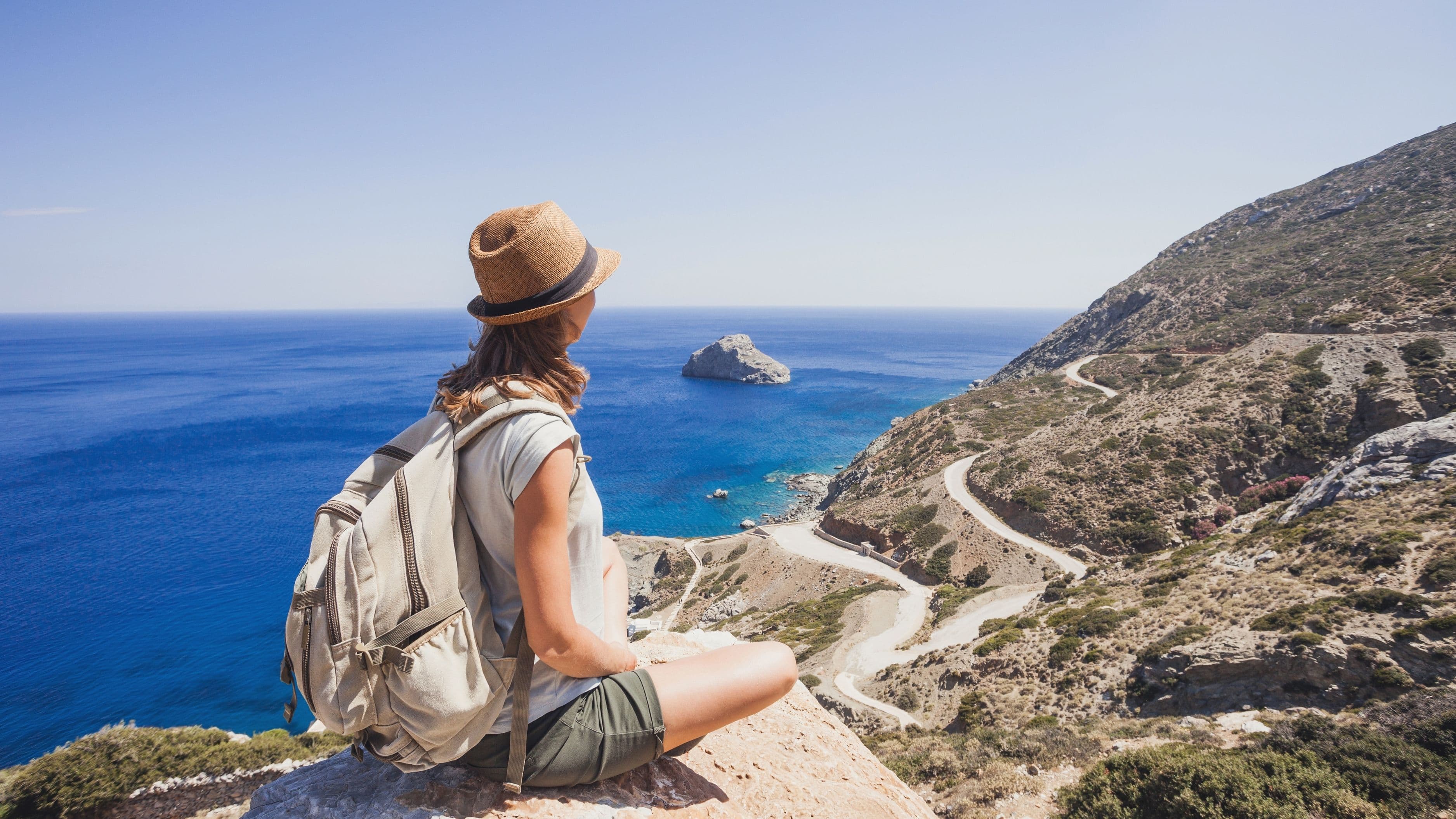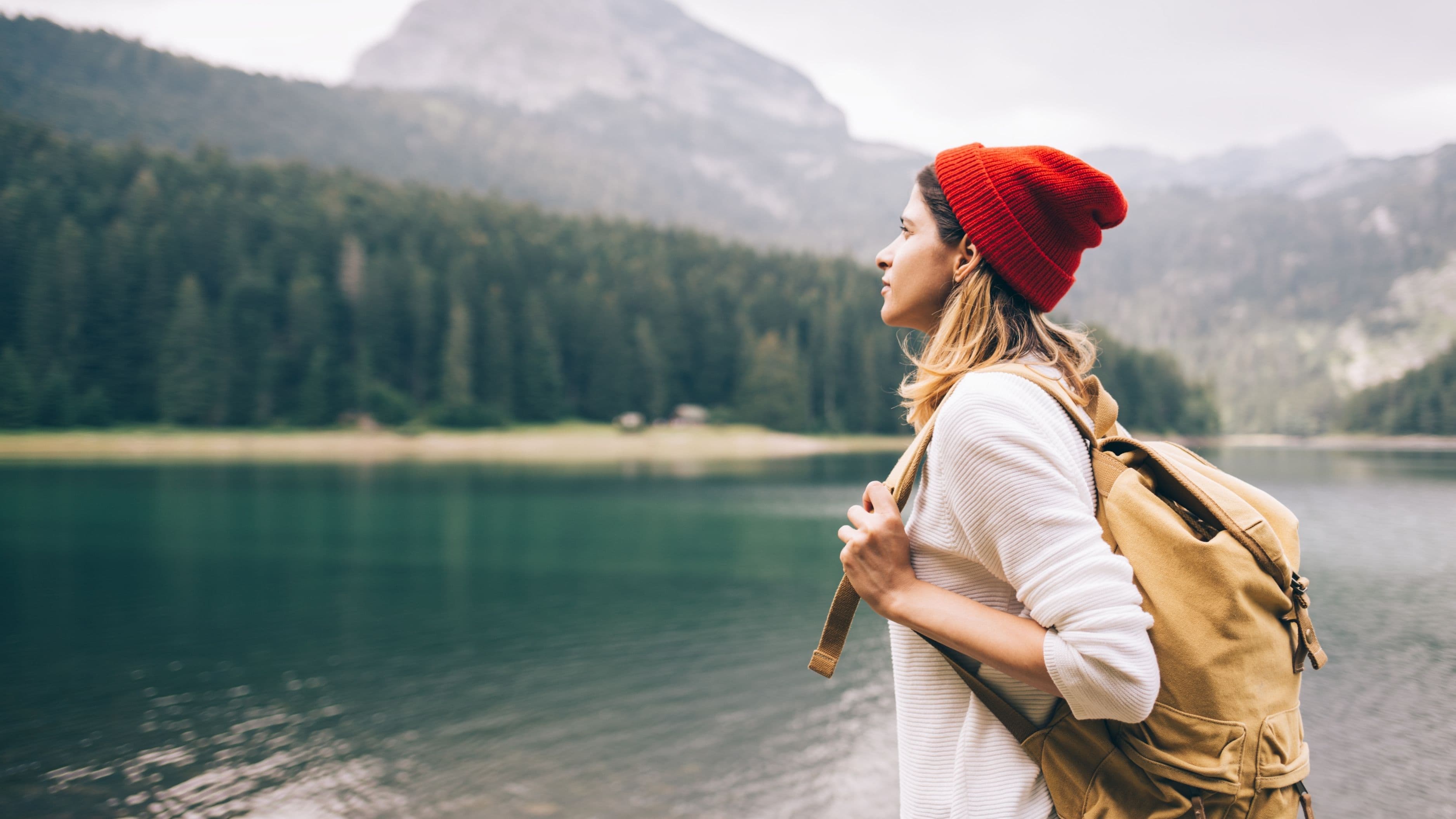
This list fixes that. Below are the 10 best mountain destinations for hiking on the planet, ranked and broken down with the practical details that matter – best season, difficulty range, signature trails, and who each one is really for. Whether you're planning your first serious hiking trip or your fifteenth, at least one of these belongs on your calendar.
Top 10 at a Glance
The Swiss Alps, Switzerland – best overall infrastructure and variety
Torres del Paine, Patagonia, Chile – best for dramatic, remote scenery
The Dolomites, Italy – best for scenery-per-effort and food
Banff and the Canadian Rockies, Canada – best for North American alpine lakes
Annapurna Region, Nepal – best for classic high-altitude trekking
Mount Fuji and the Japanese Alps, Japan – best for culture + hiking combo
Picos de Europa, Spain – best underrated European range
Glacier National Park, USA – best for wildlife and big wilderness
The Atlas Mountains, Morocco – best budget-friendly adventure
Mont Blanc Circuit, France/Italy/Switzerland – best multi-day classic
Now let's get into why each one earns its spot.
1. The Swiss Alps, Switzerland
The Swiss Alps are the gold standard of hiking destinations, and it's not just the scenery – it's the system. Switzerland maintains over 65,000 km of marked trails, connected by trains, cable cars, and mountain huts so reliable you can plan a week of hiking down to the minute. Few places on Earth let you hike beneath a 4,000-meter peak in the morning and catch a train back to a lakeside town for dinner.
The Zermatt region delivers the iconic Matterhorn views, with the 5-Seenweg (Five Lakes Walk) offering postcard reflections on a moderate half-day route. The Bernese Oberland around Grindelwald and Lauterbrunnen is arguably even better for pure hiking, with the Eiger Trail and the Männlichen-to-Kleine Scheidegg panorama walk suitable for almost any fitness level.
Best season: Mid-June to late September for high trails; lower valley routes open longer.
Difficulty range: Everything from stroller-friendly panorama paths to serious alpine scrambles.
Best for: Hikers who want maximum scenery with maximum convenience – and don't mind paying for it.
Tip: Switzerland is expensive, but the Half Fare Card cuts trains and cable cars by 50% and pays for itself within days.
2. Torres del Paine, Patagonia, Chile
If the Swiss Alps are refined, Patagonia is raw. Torres del Paine National Park serves up granite towers, electric-blue glaciers, and turquoise lakes in a landscape that feels genuinely wild. The famous W Trek (4–5 days, ~80 km) hits the park's three showpieces – the Torres base viewpoint, the French Valley, and Grey Glacier – while the full O Circuit (7–9 days) loops the entire massif for those who want solitude with their scenery.
The weather is the price of admission. Patagonian wind is legendary, and you can experience four seasons in an afternoon even in summer. That unpredictability filters out casual visitors and rewards prepared ones.
Best season: November to March (Southern Hemisphere summer); December–February is peak.
Difficulty range: Moderate to challenging – distances are long, terrain is rugged, weather adds difficulty.
Best for: Hikers who want a bucket-list multi-day trek and don't mind booking refugios or campsites months ahead.
Tip: Reservations for camps and refugios are mandatory and sell out early – book 4–6 months in advance for peak season.
3. The Dolomites, Italy
The Dolomites might offer the best scenery-to-effort ratio in the world. These pale limestone spires in northern Italy look like they were designed by a fantasy illustrator, and an extensive network of cable cars and rifugios (mountain huts serving genuinely excellent food) means you can reach jaw-dropping viewpoints without alpine suffering.
The Tre Cime di Lavaredo loop is the signature day hike – a 10 km circuit around three monolithic towers that's moderate enough for most reasonably fit hikers. The Alta Via 1 is the classic hut-to-hut route (8–12 days, sections doable individually), and the Seceda ridgeline above Val Gardena delivers one of the most photographed views in Europe for the price of a cable car ride and a short walk.
Best season: Mid-June to late September; late June brings wildflowers, September brings golden larches and thinner crowds.
Difficulty range: Easy panorama walks to via ferrata (cabled climbing routes) for the adventurous.
Best for: Hikers who believe a mountain day should end with pasta and local wine. Honestly, who doesn't?
Tip: Stay in Val Gardena or Cortina d'Ampezzo as a base – both access multiple valleys without daily repacking.
4. Banff and the Canadian Rockies, Canada
Banff National Park is North America's alpine showpiece: glacier-fed lakes in shades of turquoise that look edited (they're not – it's rock flour suspended in meltwater), framed by serrated peaks and genuine wilderness. Together with neighboring Yoho, Kootenay, and Jasper parks, this is one of the largest connected hiking playgrounds on the continent.
The Plain of Six Glaciers trail from Lake Louise combines lake views, glacier amphitheaters, and a historic teahouse serving fresh scones at 2,100 meters. Sentinel Pass via Larch Valley above Moraine Lake is the area's classic bigger day, especially in late September when the larches turn gold. For multi-day ambitions, the Skyline Trail in Jasper spends most of its 44 km above treeline.
Best season: July to mid-September for high routes; larch season peaks late September.
Difficulty range: Flat lakeshore strolls to demanding alpine passes.
Best for: Hikers who want big wilderness with town comforts nearby – and a real chance of seeing bears, elk, and bighorn sheep.
Tip: Moraine Lake is now closed to private vehicles – book the Parks Canada shuttle or a commercial transfer well in advance.
5. Annapurna Region, Nepal
No hiking list is honest without the Himalayas, and the Annapurna region is the most accessible way for regular hikers – not mountaineers – to walk among 8,000-meter giants. The trekking infrastructure here is unique: teahouse lodges line the routes, so you carry a daypack, sleep in a bed, and eat hot dal bhat every night while trekking through the highest mountain scenery on Earth.
The Annapurna Base Camp trek (7–11 days) ends in a glacial amphitheater ringed by peaks, while the Annapurna Circuit (12–18 days) crosses the 5,416-meter Thorong La pass on one of the world's great long walks. Shorter options like Poon Hill (3–4 days) deliver sunrise panoramas of Dhaulagiri and the Annapurna massif for hikers with less time.
Best season: October–November (clearest skies) and March–April (rhododendron bloom).
Difficulty range: Moderate trails, but altitude is the real challenge – acclimatization days are non-negotiable.
Best for: Hikers who want the biggest mountains on the planet and a cultural experience woven into every day.
Tip: Since 2023, Nepal requires foreign trekkers to hire a licensed guide in most regions – budget for it, and consider it a feature, not a cost.
6. Mount Fuji and the Japanese Alps, Japan
Japan offers something no other destination on this list does: world-class hiking fused with a culture that has revered mountains for over a thousand years. Climbing Mount Fuji (3,776 m) during the official July–early September season is less a wilderness experience than a pilgrimage – thousands ascend through the night to watch sunrise from the summit, and it's moving in a way solitude can't replicate.
For quieter, arguably better hiking, head to the Northern Japan Alps around Kamikochi. The Karasawa cirque blazes red in autumn, the Daikiretto ridge challenges experienced scramblers, and a network of mountain huts serves hot meals and even draft beer at altitude. Down south, the ancient Kumano Kodo pilgrimage trails wind through forested mountains and past shrines, offering a gentler, deeply atmospheric multi-day walk.
Best season: Fuji: July–early September only. Japanese Alps: July–October, with mid-October for autumn color.
Difficulty range: Gentle forest pilgrimages to exposed alpine ridges.
Best for: Hikers who want their trip to be about culture and cuisine as much as elevation gain.
Tip: Book Fuji mountain huts early and start the Yoshida Trail in the afternoon, sleep a few hours at the 8th station, and summit for sunrise – the "bullet climb" with no rest is the main cause of altitude sickness there.
7. Picos de Europa, Spain
The Picos de Europa are the best European range most hikers have never considered. Rising abruptly just 20 km from Spain's northern coast, these limestone peaks pack dramatic gorges, high pastures, and jagged summits into a compact area with a fraction of the Alps' crowds – and a fraction of the prices.
The Ruta del Cares is the signature walk: a 12 km gorge path carved into sheer cliff walls, mostly flat, endlessly dramatic. The Fuente Dé cable car lifts you 750 vertical meters into the central massif in four minutes, opening high routes around El Naranjo de Bulnes, the region's iconic rock tooth. Village-to-village routes connect stone hamlets where dinner means local blue cheese, fabada stew, and cider poured from a height.
Best season: June to September; July–August are warmest but busiest on the Cares route.
Difficulty range: Easy gorge and valley walks to serious high-mountain days.
Best for: Hikers who want Alps-quality scenery on a Spain-sized budget, plus a real food culture.
Tip: Pair a week here with the Asturian coast – you can hike a 2,000-meter massif and eat seafood by the Atlantic on the same day.
8. Glacier National Park, USA
Glacier National Park in Montana is the American hiking experience at its biggest: a million acres of carved valleys, turquoise lakes, and over 1,100 km of trails along the Continental Divide. This is grizzly country, and the sense of hiking through a genuinely wild ecosystem – not a managed landscape – is a defining part of the experience.
The Highline Trail is the headliner, traversing the Garden Wall ledges from Logan Pass with near-constant panoramas and frequent mountain goat encounters. Grinnell Glacier trail climbs past a string of impossibly colored lakes to one of the park's last accessible glaciers. Avalanche Lake offers a gentler forest-and-cirque payoff for easier days.
Best season: July to mid-September – the Going-to-the-Sun Road typically opens fully in late June or July depending on snowpack. Difficulty range: Boardwalk nature trails to strenuous high passes.
Best for: Hikers who want raw wilderness, wildlife, and classic American national park grandeur.
Tip: Carry bear spray and know how to use it – it's not optional gear here. Vehicle reservations are required for popular corridors in peak season, so check the park site before you plan.
9. The Atlas Mountains, Morocco
The High Atlas delivers something rare: genuine 4,000-meter mountain adventure within a short flight of Europe, at prices that make every other destination on this list look extravagant. Jebel Toubkal (4,167 m), North Africa's highest peak, is a non-technical two-day climb in summer that gives regular hikers a real summit achievement.
Beyond Toubkal, the appeal is cultural. Trekking routes link Berber villages of earthen houses stacked on hillsides, mule trains carry gear, and trail days end with mint tea and tagine in family-run gîtes. The Azzaden and Imlil valleys offer quieter circuits where you might not see another foreign hiker all day.
Best season: April–June and September–October are ideal; high summer is hot at low elevations, and Toubkal becomes a winter mountaineering objective with snow.
Difficulty range: Village-to-village valley walks to high-altitude summit days.
Best for: Budget-minded hikers who value cultural immersion as much as elevation, and anyone wanting a first "big summit."
Tip: A local guide is required for the Toubkal area and is inexpensive by Western standards – arrange one through a refuge or agency in Imlil rather than paying tour-operator markups from home.
10. Mont Blanc Circuit, France/Italy/Switzerland
The Tour du Mont Blanc (TMB) closes this list because it's the world's most complete multi-day hike: a 170 km loop around Western Europe's highest massif, crossing three countries, with around 10,000 meters of total ascent spread over 8–11 days. You climb high passes with glacier views by day and sleep in mountain refuges or village hotels by night – alpine adventure with a warm bed and a three-course dinner.
The route's genius is its flexibility. Cable cars and buses let you skip sections, and the loop breaks naturally into halves if you only have a long week. Each country adds its own flavor: French refuges and pastries, Italian valley towns around Courmayeur, and Swiss pastoral perfection through the Val Ferret.
Best season: Mid-June to mid-September; huts book out far ahead for July–August.
Difficulty range: Moderate-to-challenging sustained effort – no technical terrain, but big daily climbs.
Best for: Hikers ready to graduate from day hikes to a true long-distance classic without carrying camping gear.
Tip: Hike counterclockwise from Les Houches like most do for logistics, or clockwise to face fewer crowds head-on. Either way, book refuges by January for a summer start.
Quick Takeaway
If you want maximum scenery with minimum logistics, go Swiss Alps or Dolomites. For a life-list multi-day trek, it's Torres del Paine, Annapurna, or the Tour du Mont Blanc. On a budget, the Atlas Mountains and Picos de Europa massively over-deliver. And for wildlife and wilderness, Banff and Glacier are unmatched. There's no wrong answer here – only the right match for your time, budget, and legs.
FAQ
Which destination is best for beginner hikers? The Swiss Alps and the Dolomites. Both offer cable car access, easy-to-moderate marked trails, and the ability to bail out to a village at almost any point. The Ruta del Cares in the Picos de Europa is also a spectacular, mostly flat introduction.
Which one should I pick for my first multi-day trek? The Tour du Mont Blanc. The infrastructure is forgiving, navigation is simple, you carry only a light pack, and the scenery rewards every step. The W Trek in Torres del Paine is a strong second if you're comfortable with rougher weather.
When is the best time of year for most of these destinations? July to September covers the Northern Hemisphere alpine destinations (Alps, Dolomites, Rockies, Glacier, Japan Alps, TMB). Patagonia flips to December–February, while Nepal and Morocco are best in the spring and autumn shoulder seasons.
Do I need a guide for any of these? Nepal requires licensed guides for most trekking regions, and the Toubkal zone in Morocco requires one as well. Everywhere else on this list is self-guided friendly, though guided trips remove logistics stress for multi-day routes.
How fit do I need to be? For day-hike destinations, the ability to comfortably walk 4–6 hours with 500–800 meters of ascent opens up most classic trails. Multi-day treks and high-altitude routes demand more: train with back-to-back long walks and loaded-pack hill days for 8–12 weeks beforehand.
What's the most budget-friendly option? The Atlas Mountains, clearly – guides, gîtes, and meals cost a fraction of European prices. Nepal is also excellent value once you've covered the flight, since teahouse trekking keeps daily costs low.
Final Word
Great hiking trips aren't about collecting the most famous name – they're about matching a destination to the trip you actually want. Pick one from this list, lock in the right season, book the accommodation early (seriously – the good huts and refugios vanish months out), and start training now. The mountains will handle the rest.
📚 Sources
Switzerland Tourism – Hiking in Switzerland, trail network overview: https://www.myswitzerland.com/en/experiences/summer-autumn/hiking/
CONAF / Torres del Paine National Park – Official park information: https://www.parquetorresdelpaine.cl/en
Parks Canada – Banff National Park hiking and shuttle reservations: https://parks.canada.ca/pn-np/ab/banff/activ/randonee-hiking
Nepal Tourism Board – Trekking in Nepal and guide requirements: https://ntb.gov.np/en/trekking
Official Mount Fuji Climbing site – Trails, seasons, and safety: https://www.fujisan-climb.jp/en/
Spain Tourism – Picos de Europa National Park: https://www.spain.info/en/nature/picos-europa-national-park/
U.S. National Park Service – Glacier National Park trails and bear safety: https://www.nps.gov/glac/planyourvisit/hiking.htm
Autour du Mont-Blanc – Official Tour du Mont Blanc route and refuge booking: https://www.autourdumontblanc.com/en/