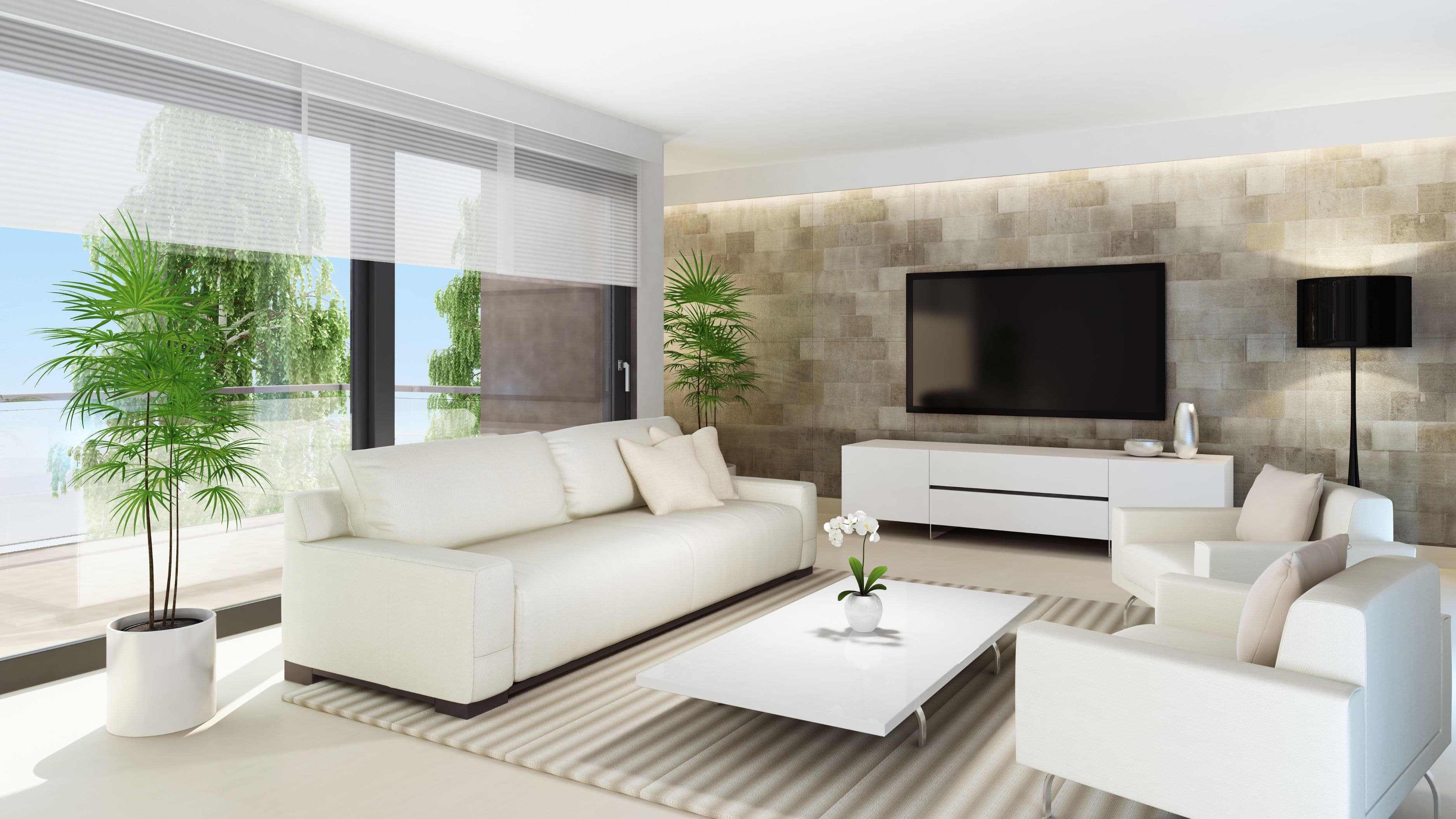
Here are ten ways to bring that quiet, expensive-feeling minimalism into your own space, without needing a designer's budget to pull it off.
Top 10 at a Glance
Commit to a tight, neutral color palette
Invest in fewer, higher-quality pieces
Prioritize texture over pattern
Use oversized, simple lighting as a focal point
Keep surfaces mostly clear
Choose one statement material and repeat it
Add warmth through natural materials
Use negative space intentionally
Curate art instead of decorating with it
Hide the clutter, don't just remove it
1. Commit to a Tight, Neutral Color Palette
Luxurious minimalist spaces almost always run on a restrained palette: warm whites, taupe, greige, soft charcoal, and the occasional deep, saturated accent like forest green or espresso brown. The discipline here isn't in the colors themselves, it's in how few of them you allow into one room.
Pick two to three tones maximum and let every element, walls, furniture, textiles, work within that range. This creates a sense of cohesion that instantly reads as expensive, because scattered, competing colors are what actually make a space look cluttered and cheap, regardless of how much you spent on individual pieces.
2. Invest in Fewer, Higher-Quality Pieces
Minimalism done well isn't about owning less for the sake of it, it's about owning better. A single well-made oak dining table will always outperform three mismatched pieces bought to fill space. Before adding anything new to a room, ask whether it's something you'd still want in five years, not just something that fills an empty corner today.
This mindset naturally slows down your buying decisions and results in a home built from pieces that feel deliberate rather than accumulated. Over time, this is also the more economical approach, since quality furniture holds up far longer than fast-furniture alternatives.
3. Prioritize Texture Over Pattern
Pattern draws the eye and adds visual noise, which works against the calm, expensive feeling minimalism is going for. Texture does the opposite: it adds depth and interest without competing for attention. A bouclé chair, a linen throw, a raw wood console, a nubby wool rug, all bring richness to a room while staying quiet.
Layering multiple textures within the same neutral palette is one of the most reliable ways designers create that "quietly expensive" look you see in high-end interiors, without needing a single bold pattern anywhere in the room.
4. Use Oversized, Simple Lighting as a Focal Point
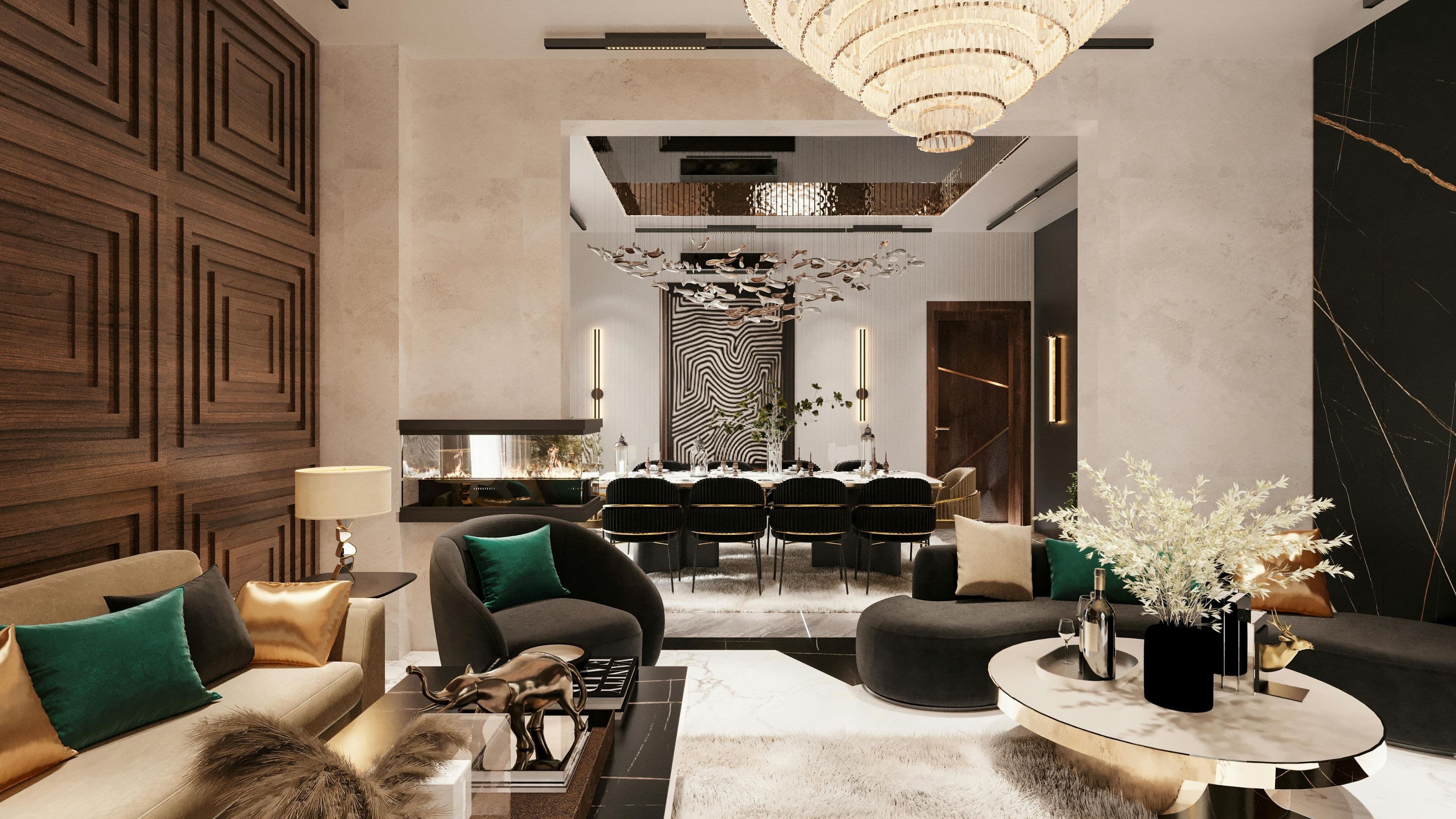
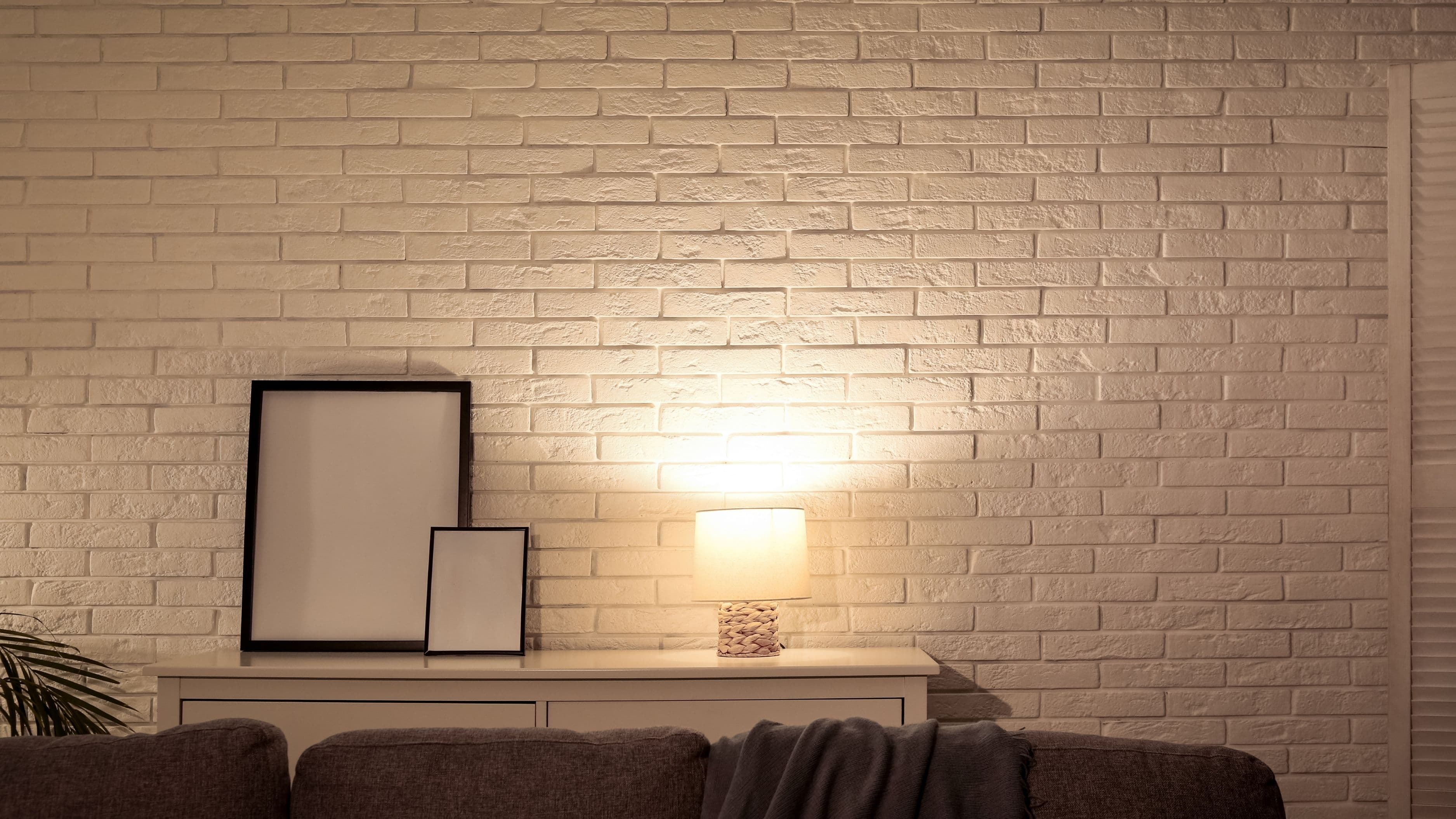
A single oversized pendant or a sculptural floor lamp does more for a room's perceived value than a dozen small decorative accessories. Minimalist spaces rely on a few strong, simple shapes rather than many small competing details, and lighting is one of the easiest places to make that statement.
Choose one striking fixture per room and let it do the visual heavy lifting. A well-placed statement light fixture over a dining table or in a living room corner can anchor the entire space's design language on its own.
5. Keep Surfaces Mostly Clear
Clutter is the fastest way to undercut a minimalist aesthetic, even in an otherwise beautifully designed room. Countertops, coffee tables, and console tops should have breathing room, not just visually but literally, since empty space itself reads as luxury in interior design.
This doesn't mean surfaces need to be completely bare. One or two considered objects, a ceramic vase, a stack of books, a single sculptural bowl, are enough. The goal is restraint, not emptiness.
6. Choose One Statement Material and Repeat It
Whether it's brushed brass, matte black metal, or natural stone, picking one distinctive material and repeating it across a few key pieces, hardware, light fixtures, a side table base, creates a cohesive thread throughout the space without adding visual clutter.
This repetition is a subtle trick used constantly in high-end interiors. It signals intentional design decisions rather than piecemeal furnishing, and it costs nothing extra beyond thinking through your material choices before you shop.
7. Add Warmth Through Natural Materials
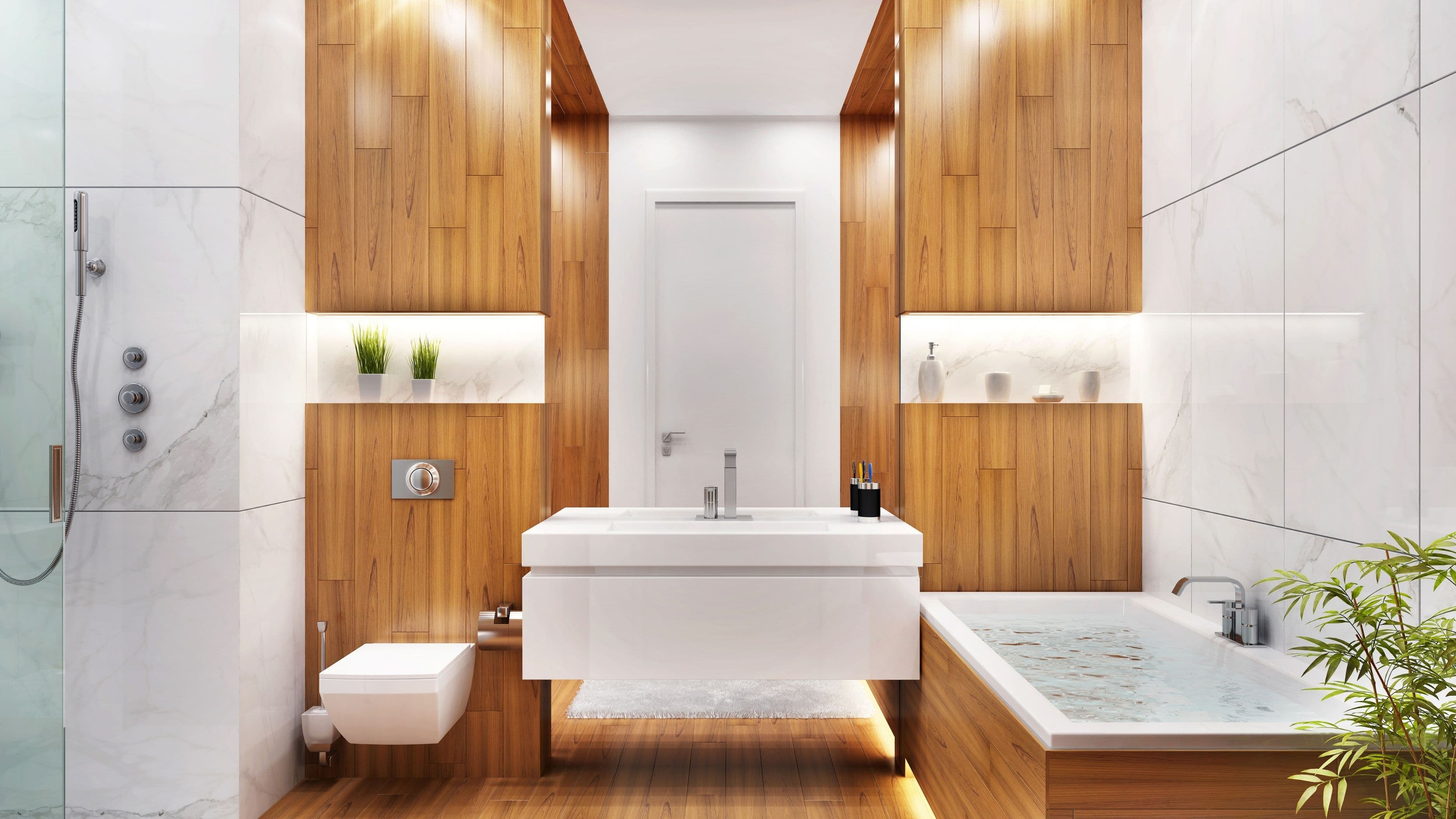
Minimalism can tip into feeling sterile if every surface is hard and cold. Counteract this by incorporating natural materials like wood, linen, wool, and stone, which bring warmth and tactility without adding visual noise. A wood dining table against white walls, or a linen sofa in a stone-floored room, keeps the palette calm while still feeling inviting rather than clinical.
This is often the missing piece in minimalist spaces that feel unwelcoming. Warmth doesn't require more objects, it requires the right materials doing the work.
8. Use Negative Space Intentionally
Empty wall space, uncluttered floor area, and open sightlines are design tools, not oversights. Luxurious minimalist rooms use negative space the way a well-edited sentence uses punctuation, it gives the eye somewhere to rest and makes the remaining elements feel more significant.
Resist the urge to fill every wall or corner. A single piece of art on an otherwise bare wall often makes a stronger visual statement than a gallery wall crowded with a dozen frames.
9. Curate Art Instead of Decorating With It
Art in a minimalist space should feel chosen, not purchased to match a color scheme. A single large-scale piece, whether a photograph, an abstract painting, or a textural fiber art piece, carries more visual weight and feels more intentional than several smaller, generic prints scattered across a room.
If budget is a concern, one well-framed piece from an independent artist or a high-quality print often reads as more considered than multiple mass-produced decor pieces, even at a similar total cost.
10. Hide the Clutter, Don't Just Remove It
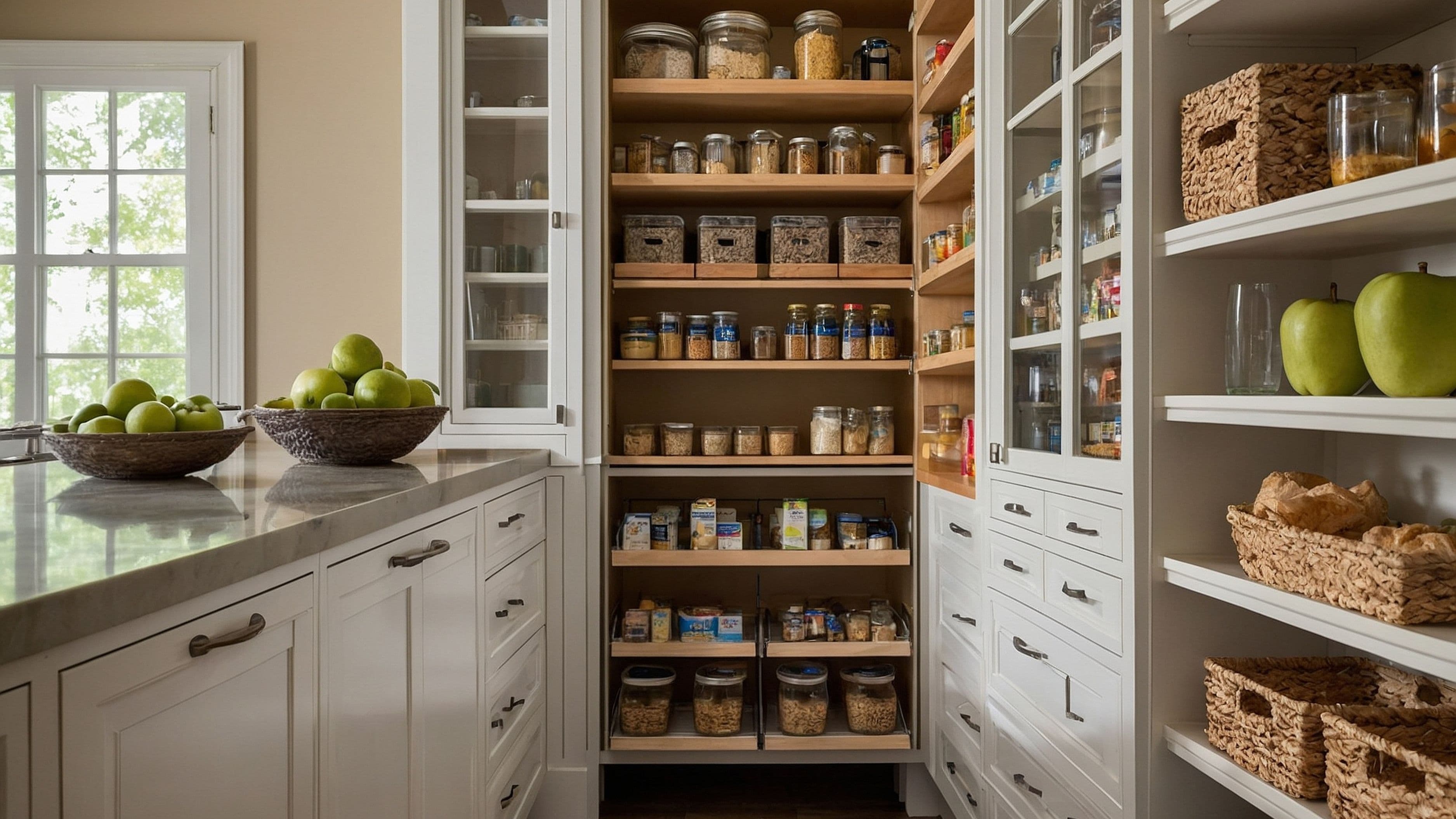
Real life still generates mail, chargers, remote controls, and mismatched everyday items, and a genuinely livable minimalist home accounts for this rather than pretending it doesn't exist. Built-in cabinetry, closed storage benches, and drawer organizers let the visible layer of your home stay calm while the practical clutter lives out of sight.
This is the difference between a minimalist home that looks good in photos but is unlivable, and one that actually functions for a busy household while still presenting a calm, curated face to anyone walking in.
Quick Takeaway
Luxurious minimalism isn't about having less for its own sake, it's about being deliberate with what stays visible. Restraint in color, material, and clutter creates the calm, expensive feeling people associate with high-end interiors, and none of it requires an unlimited budget, just a willingness to edit.
FAQ
Is minimalist decor more expensive than other styles? Not necessarily. It often costs less overall since it prioritizes fewer, better pieces over accumulating many decorative items, though individual quality pieces can carry a higher price tag.
How do I make a minimalist room feel warm instead of cold? Lean into natural materials like wood, linen, and wool, and avoid an all-white, all-hard-surface approach, which is usually what makes minimalist spaces feel sterile.
Can minimalist decor work in a small apartment? Yes, and it often works especially well in small spaces, since fewer pieces and clear surfaces make a small room feel larger and less chaotic.
Outro
Minimalism at its best isn't about restriction, it's about editing your home down to what actually deserves to be there. Start with color and clutter, then layer in texture and one strong material, and the luxurious feeling follows naturally.
📚 Sources
"The Principles of Minimalist Interior Design" – Architectural Digest, architecturaldigest.com
"How to Choose a Cohesive Color Palette for Your Home" – The Spruce, thespruce.com
"Natural Materials in Modern Interiors" – Elle Decor, elledecor.com