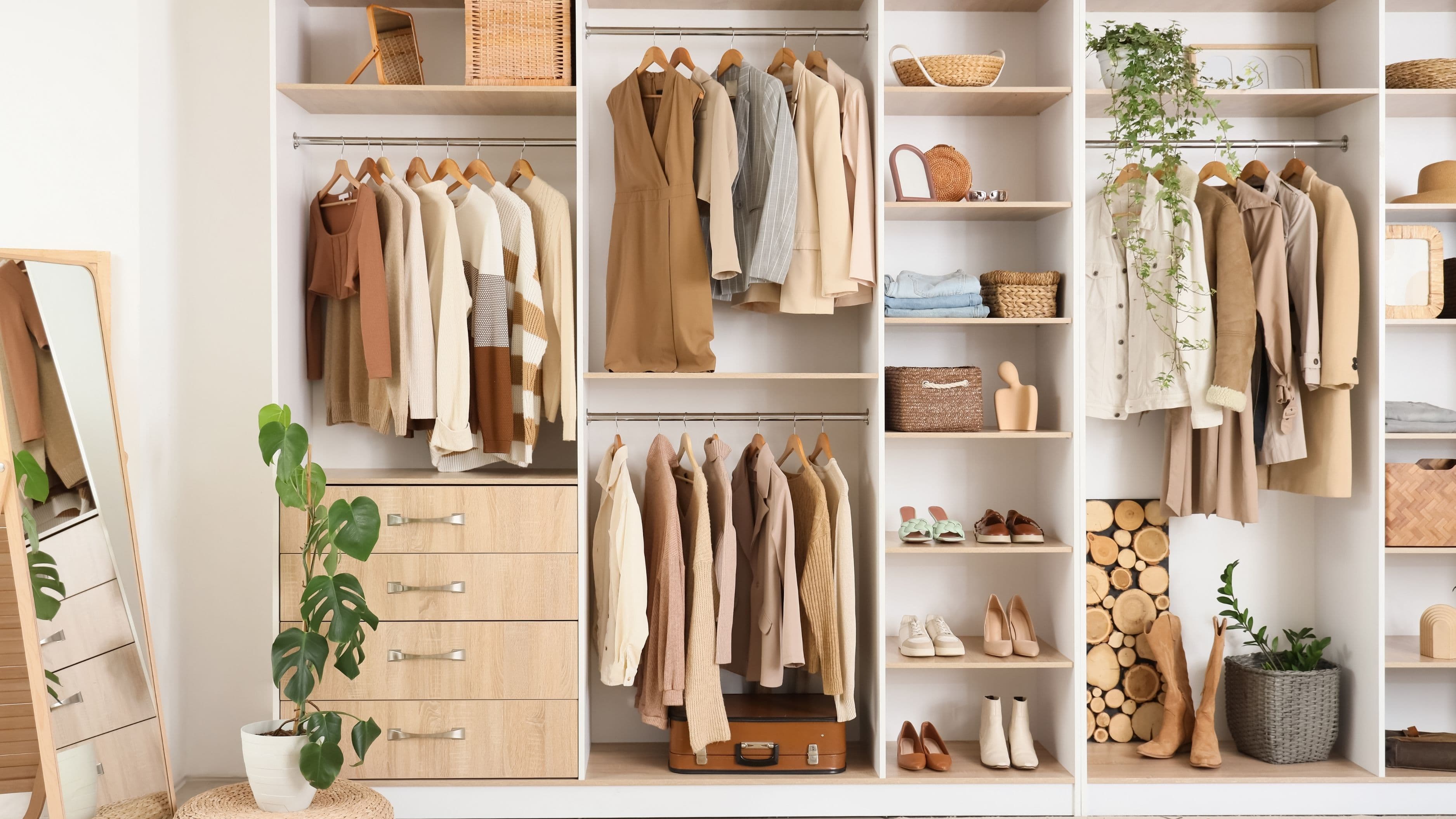

The problem? The word "minimalist" gets slapped on everything these days, including plenty of brands that are anything but. So this list cuts through the noise. These 10 brands have built their entire identity around clean aesthetics, thoughtful construction, and wardrobes you can actually build on. Whether you're starting from scratch or editing down what you already own, one of these will fit where you're headed.
Top 10 Minimalist Fashion Brands at a Glance
Everlane – Transparent basics done right
COS – High-design minimalism at accessible prices
Uniqlo – Everyday essentials with Japanese precision
Arket – Slow fashion with a Scandinavian backbone
A.P.C. – Understated French cool, built to last
Muji – Functional minimalism from every angle
Totême – Modern Swedish luxury without the flash
The Row – The gold standard for quiet luxury
Sunspel – Heritage quality, stripped to the essentials
Lemaire – Relaxed minimalism with a designer edge
1. Everlane – Transparent Basics Done Right
Best for: People building a minimalist wardrobe for the first time without a luxury budget
Everlane built its brand on two things: radical price transparency and clean, versatile basics. They publish the true cost of making each item alongside their retail price, which is either refreshing or gimmicky depending on your perspective — but the clothes themselves are genuinely good. Their classic chinos, oversized blazers, ponte pants, and crew-neck sweaters hit a sweet spot between quality and everyday wearability that's hard to beat at the price point.
The aesthetic skews contemporary American minimalism — nothing too avant-garde, nothing too corporate. Everything is designed to layer, mix, and last more than a season. Their denim in particular has developed a loyal following for fit and durability. If you want a clean foundation without committing to premium price tags, Everlane is the most practical entry point on this list.
Key benefit: Solid quality at mid-range prices with a transparent supply chain
Watch out for: Quality consistency has varied over the years — read recent reviews before buying new categories
2. COS – High-Design Minimalism at Accessible Prices
Best for: People who want considered, architectural design without paying designer prices
COS (Collection of Style) is part of the H&M Group but operates in an entirely different universe from its parent company. The brand has a distinct design language — oversized silhouettes, interesting cuts, tonal dressing, unexpected proportions — that feels genuinely art-directed rather than trend-reactive. Every season is thoughtfully put together, and the pieces often feel like they belong in a gallery before they belong in your closet (in a good way).
The price point sits comfortably between fast fashion and true luxury, which makes it one of the most accessible ways to dress with intention. A COS coat or trouser in a neutral will outlast five trend pieces from a high-street competitor. Their fabrics are a step above what most people expect at the price, and the fit engineering is far more deliberate than most brands in the range.
Key benefit: Designer-level aesthetic thinking at an accessible price
Watch out for: Sizing can run large and European — check the size guides carefully
3. Uniqlo – Everyday Essentials With Japanese Precision
Best for: Anyone who wants reliable, high-quality basics at honest prices — the ultimate foundation brand
Uniqlo doesn't try to be cool, and that's exactly why it works. The brand's philosophy is lifewear — clothing designed for daily function, maximum versatility, and longevity. Their cashmere sweaters, Oxford shirts, chinos, and HEATTECH base layers have become cult favorites not through hype but through consistently delivering exactly what they promise. Nothing is flashy. Everything fits into a clean wardrobe without effort.
What sets Uniqlo apart from other affordable basics brands is the quality engineering behind even the simplest pieces. Their fabric R&D — particularly the Supima cotton tees, the AIRism line, and the Ultra Light Down jacket — is genuinely impressive for the price. A Uniqlo round-neck tee in white or grey will look better and last longer than most branded alternatives at double the cost. If you're building a minimalist wardrobe from the ground up, Uniqlo is probably where you should start.
Key benefit: The best quality-to-price ratio for foundational wardrobe pieces
Watch out for: Very little in terms of design distinction — these are basics, not statement pieces
4. Arket – Slow Fashion With a Scandinavian Backbone
Best for: People who want minimalist design with a stronger ethical and environmental ethos
Arket is the other elevated brand to come out of the H&M Group, and it has a distinct identity: Scandinavian utility, a muted earthy palette, and a commitment to seasonless pieces that don't follow trend cycles. The brand positions itself as a "modern-day market" — a mix of clothing, homeware, and a Nordic café in select stores. That wide-angle lifestyle vision carries through to how the clothes are designed: considered, functional, and built to last.
The aesthetic leans into natural materials — linen, wool, cotton, leather — in tones that sit beautifully together. A lot of Arket pieces have a heritage quality to them without looking costume-y or overly rustic. Their knitwear is particularly strong, and the tailoring offers genuine structure without rigidity. The brand also maintains a permanent collection of timeless pieces that never get discontinued, which is a meaningful commitment in an industry that refreshes constantly.
Key benefit: A well-curated, slow-fashion approach with strong environmental commitments
Watch out for: Price point is higher than COS and Uniqlo — closer to premium than mid-range
5. A.P.C. – Understated French Cool, Built to Last
Best for: People who want a recognizable but subtle design identity with strong investment-piece potential
A.P.C. (Atelier de Production et de Création) has been making understated, well-constructed clothing since 1987, and its DNA hasn't shifted much since — which is the whole point. The brand's signature is a kind of effortless French minimalism: raw denim that molds to your body over time, clean jersey tees, structured wool coats, and leather goods that get better with use. There's an intellectual edge to A.P.C. without any of the pretension.
The denim is the most talked-about category, and for good reason. A.P.C.'s Petite New Standard and New Standard jeans have earned near-legendary status among denim enthusiasts for their quality raw selvedge construction and the way they develop character over years of wear. Beyond denim, the brand's ready-to-wear strikes a balance between casual and refined that very few brands manage at any price point. These are clothes worth saving up for.
Key benefit: Investment-quality pieces with a timeless French aesthetic
Watch out for: The raw denim sizing requires research — they're meant to be worn tight initially and will stretch
6. Muji – Functional Minimalism From Every Angle
Best for: People who want minimalism as a lifestyle, not just a wardrobe choice
Muji is famous for notebooks, storage solutions, and home goods — but its clothing line is an extension of the same brand philosophy: no-brand, no-logo, no-excess. "Muji" literally translates to "no-brand quality goods," and that ethos runs through every linen shirt, fleece, and organic cotton tee the brand makes. These are clothes that quietly do their job without asking for any attention.
The Muji clothing aesthetic is softer and more casual than most brands on this list — this isn't where you go for sharp tailoring or structured outerwear. But for everyday separates, lounge-worthy knitwear, and home-to-errand basics in natural fabrics, it's hard to compete with. The brand's natural linen range in particular is a warm-weather staple that washes and wears beautifully. Muji is also one of the few brands that genuinely extends its minimal philosophy to packaging, retail experience, and supply chain — the whole thing is consistent.
Key benefit: The purest expression of "no-brand" minimalism, in quality natural fabrics
Watch out for: The aesthetic is very casual — not the right fit for professional or evening contexts
7. Totême – Modern Swedish Luxury Without the Flash
Best for: People ready to invest in elevated, directional minimalism with a distinctly European sensibility
Totême launched in 2014 and quickly became one of the most referenced names in the quiet luxury conversation. The brand's Stockholm-born founders built it around the idea of a well-edited wardrobe — pieces that are elevated without being obvious, luxurious without being logo-driven. The signature wrapped coat, the scarf-collar outerwear, and the sleek knit constructions have all developed a following that goes well beyond trend cycles.
The price point is firmly in the luxury tier, but the quality justifies it. Fabrics are chosen carefully — a lot of wool, cashmere, and silk in the kind of rich, saturated neutrals (camel, ivory, black, chocolate) that work across all seasons. Totême pieces sit effortlessly in a capsule wardrobe because they're not designed to stand alone — they're designed to work with everything else. If you're looking for where minimalism meets genuine luxury without the brand noise, this is the destination.
Key benefit: Elevated minimalism with genuine luxury materials and directional design
Watch out for: High price point — treat these as long-term investment purchases, not casual buys
8. The Row – The Gold Standard for Quiet Luxury
Best for: People who want the absolute pinnacle of understated, logo-free luxury fashion
The Row, founded by Mary-Kate and Ashley Olsen in 2006, has become the defining brand of what's now called "quiet luxury" or "old money" aesthetic. There are no logos. There are no seasonal gimmicks. There are no collaborations designed to generate hype. There are only exquisitely constructed garments in the finest available fabrics, made with a level of craft attention that most luxury houses have abandoned in the race for revenue.
A The Row cashmere coat or silk blouse is the kind of piece that gets kept for decades — not because it's trendy, but because it's so well made that it simply outlasts everything else. The brand's silhouettes are relaxed but precise, with a nonchalant ease that looks completely effortless and takes an enormous amount of skill to achieve. This is genuinely the top of the minimalist fashion mountain. The price tags reflect that, but so does the longevity.
Key benefit: Uncompromising quality and craftsmanship — the ultimate investment in understated dressing
Watch out for: Prices are elite-tier; approach this brand as a long-game wardrobe investment
9. Sunspel – Heritage Quality, Stripped to the Essentials
Best for: People who want British heritage quality in their everyday basics, particularly for men
Sunspel has been making clothing in England since 1860, and its specialty is the absolute mastery of simple things: T-shirts, underwear, polos, and knitwear made from the finest long-staple cottons and wools. The brand doesn't try to be fashionable — it tries to be the best version of the basics you already wear. That focus pays off in a way that's hard to describe until you've felt the difference between a Sunspel Sea Island cotton tee and everything else in your drawer.
The aesthetic is quiet British precision — no decorative details, no branding beyond a small label, and silhouettes that fit cleanly without drama. The brand gained wider recognition when Daniel Craig wore their swim shorts in Casino Royale, but Sunspel's appeal long predates and outpaces that association. For men building a truly high-quality minimalist wardrobe, Sunspel's foundational pieces — a perfect white tee, a classic polo, a fine-knit crewneck — are worth every penny of the premium.
Key benefit: Possibly the finest basics in the world, with a 160-year heritage of quality
Watch out for: Limited range — Sunspel excels at what it does, but it's not a full-wardrobe brand
10. Lemaire – Relaxed Minimalism With a Designer Edge
Best for: People who want their minimalism to have a creative, slightly intellectual design identity
Christophe Lemaire and his partner Sarah-Linh Tran have built one of the most quietly influential fashion houses of the past decade. The brand's signature is a kind of soft, draped, slightly deconstructed minimalism that's immediately recognizable but never loud — relaxed silhouettes, natural tones, thoughtful layering, and fabrics that move beautifully. It's minimalism with depth, which sounds like a contradiction until you actually see it in person.
Lemaire collaborates with Uniqlo on an accessible sub-line (UNIQLO : C), which gives more people a way into the aesthetic without the full Lemaire price point. But the main line is where the vision lives fully — the hand-dyed tones, the artisanal details, the coats that seem to exist in their own gravitational field. If you want minimalist dressing that still feels creative and considered, Lemaire is the most compelling designer option on this list.
Key benefit: Designer-level creativity within a minimalist framework — the most artistically driven brand here
Watch out for: The relaxed silhouettes require thoughtful sizing — don't assume your usual size
How to Choose the Right Brand for You
Minimalist fashion is personal, and the right brand depends on where you are with your wardrobe and what you're actually trying to build.
If you're just starting out and want to establish a clean foundation without overspending, begin with Uniqlo for basics and COS or Everlane for slightly more considered pieces. You can build a genuinely excellent minimalist wardrobe from these two or three brands alone.
If you're editing and elevating an already-clean wardrobe, look at A.P.C. for denim and outerwear, Arket for knitwear and natural separates, and Sunspel for premium basics that replace what you've been wearing from less focused brands.
If you're investing in the long term, Totême, The Row, and Lemaire represent the upper tier — pieces you'll own for a decade or more and that will look better for it. These aren't impulse buys; they're wardrobe decisions.
The consistent thread across all ten brands is this: everything is designed to work together, last a long time, and ask nothing from you except that you wear it. That's the whole point of minimalist fashion.
FAQ
What is minimalist fashion? Minimalist fashion focuses on clean lines, neutral or muted color palettes, quality fabrics, and versatile pieces that can be combined in multiple ways. The emphasis is on fewer, better items rather than volume and variety.
Is minimalist fashion only for a specific body type? No. The brands on this list offer a wide range of fits, and many actively design for relaxed, draped, or oversized silhouettes that work across body types. The key is finding the cut that works for your proportions within each brand.
What's the difference between minimalist fashion and "quiet luxury"? They overlap significantly. Quiet luxury is a subset of minimalist fashion that specifically emphasizes expensive-looking understated dressing — high-quality fabrics, no visible logos, a kind of nonchalant wealth signaling. Brands like The Row and Totême sit in both categories. Minimalist fashion more broadly includes accessible brands like Uniqlo and Muji that share the aesthetic without the luxury price point.
How do I build a minimalist wardrobe on a budget? Start with Uniqlo and Everlane for foundational pieces — quality basics in neutral colors that layer well. Prioritize fit over brand. Buy less but buy better. Avoid trend pieces entirely for the first six months.
Are minimalist fashion brands sustainable? It varies significantly. Arket and Everlane have made public sustainability commitments. Muji emphasizes natural materials and minimal packaging. The Row and Lemaire use quality as a form of sustainability — items last longer. Always research a specific brand's supply chain practices before making a claim about their environmental impact.
Can minimalist fashion work for professional environments? Yes — in fact, it tends to excel there. COS, A.P.C., and Totême all offer pieces that work well in professional settings. The key is choosing structured pieces and slightly elevated fabrics rather than the more relaxed ends of each brand's range.
Quick Takeaway
The best minimalist fashion brands share one thing: they design clothes to be worn, not just bought. Whether you're starting with Uniqlo basics, building toward A.P.C. investment pieces, or eventually landing at The Row, the approach is the same — fewer choices, better quality, and a wardrobe that works every time you open the door.
Pick one brand from the list that fits your current budget. Start with one or two pieces. See how they fit into what you already own. That's how a real minimalist wardrobe is built — not all at once, but intentionally.
📚 Sources
Everlane – About Everlane: https://www.everlane.com/about
COS – About COS: https://www.cosstores.com/en_usd/editorial/about-cos.html
Uniqlo – LifeWear Concept: https://www.uniqlo.com/us/en/contents/lifewear/us/
Arket – About Arket: https://www.arket.com/en_usd/editorial/about.html
A.P.C. – About: https://www.apc.fr/wwuk/content/about-apc.html
Muji – About Muji: https://www.muji.com/us/feature/concept/
Totême – About: https://toteme-studio.com/pages/about
The Row – About: https://www.therow.com/en-us/the-row
Sunspel – Our Story: https://www.sunspel.com/uk/our-story
Lemaire – About: https://www.lemaire.fr/pages/about