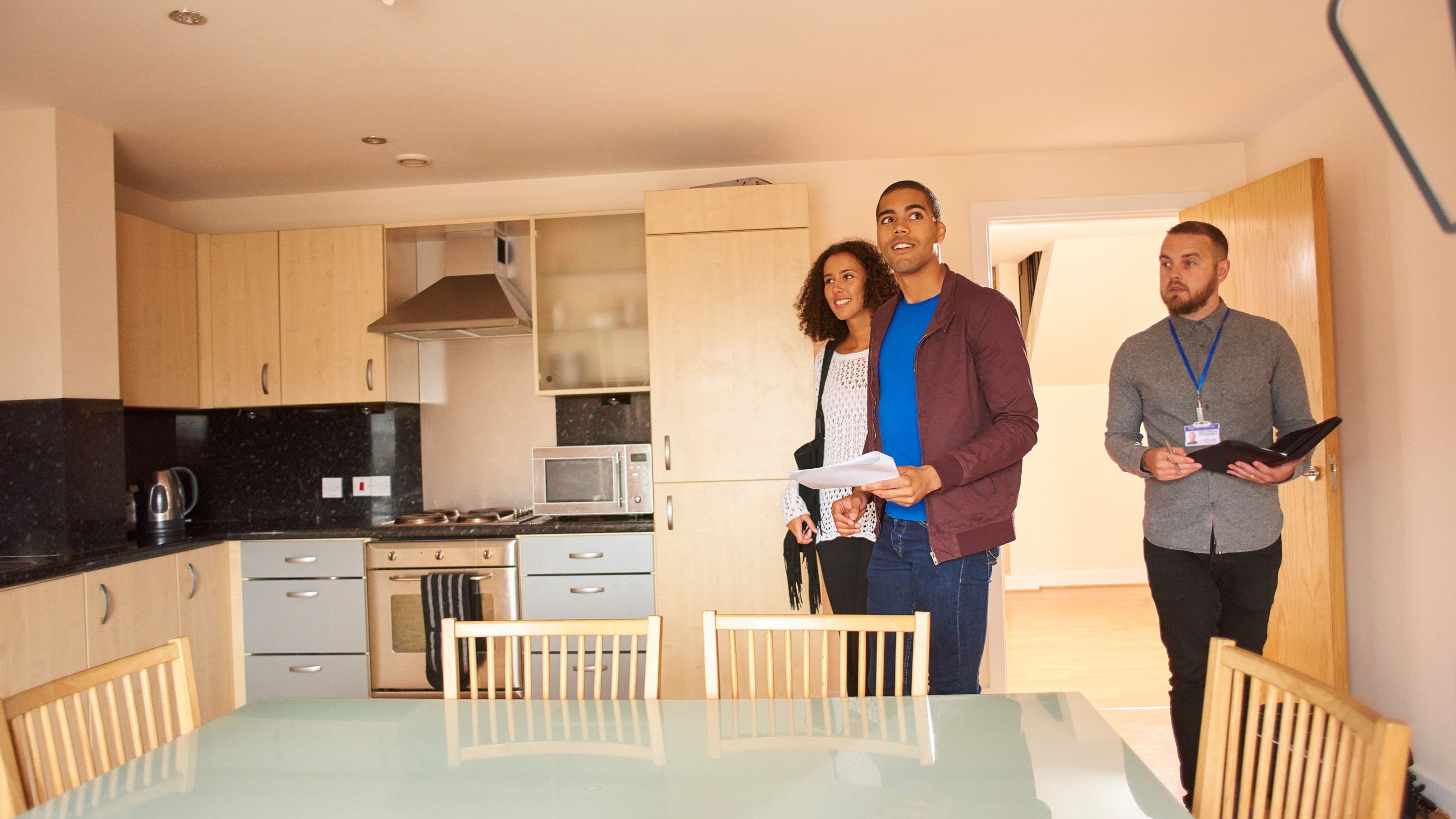
Whether you just moved in or you've been tolerating the same beige walls for two years, these 10 tips will help you turn any rental into a place that actually feels like yours.
Top 10 at a Glance
Layer rugs to define your space
Use removable wallpaper and peel-and-stick tiles
Upgrade your lighting
Add plants — lots of them
Invest in real furniture (not just whatever fits)
Style your walls without nails
Personalize with textiles and soft goods
Create intentional zones
Upgrade the small fixtures and hardware
Bring in scent and sound
1. Layer Rugs to Define Your Space
Nothing says "temporary apartment" quite like bare floors — and nothing fixes it faster than a well-placed rug. In most rentals, the flooring is whatever the landlord chose, and it's probably not what you'd pick yourself. A good rug covers a multitude of sins: scratched hardwood, dated tile, uninspiring carpet.
More than aesthetics, rugs create visual zones in open-plan layouts. In a studio apartment, a rug under the sofa signals "living room." A smaller rug under the dining table signals "dining area." That spatial definition makes even a small apartment feel intentional and designed rather than random. Layering two rugs — a flat-weave base with a textured or patterned rug on top — adds depth and warmth without looking overdone.
What to look for: Natural fibers like wool, jute, or cotton feel grounded and warm. Avoid cheap synthetic rugs that pill quickly or look flat. A larger rug is almost always the better choice — one of the most common decorating mistakes is going too small.
Best for: Anyone in a rental with bare or unappealing floors, especially studios and open-plan apartments.
2. Use Removable Wallpaper and Peel-and-Stick Tiles
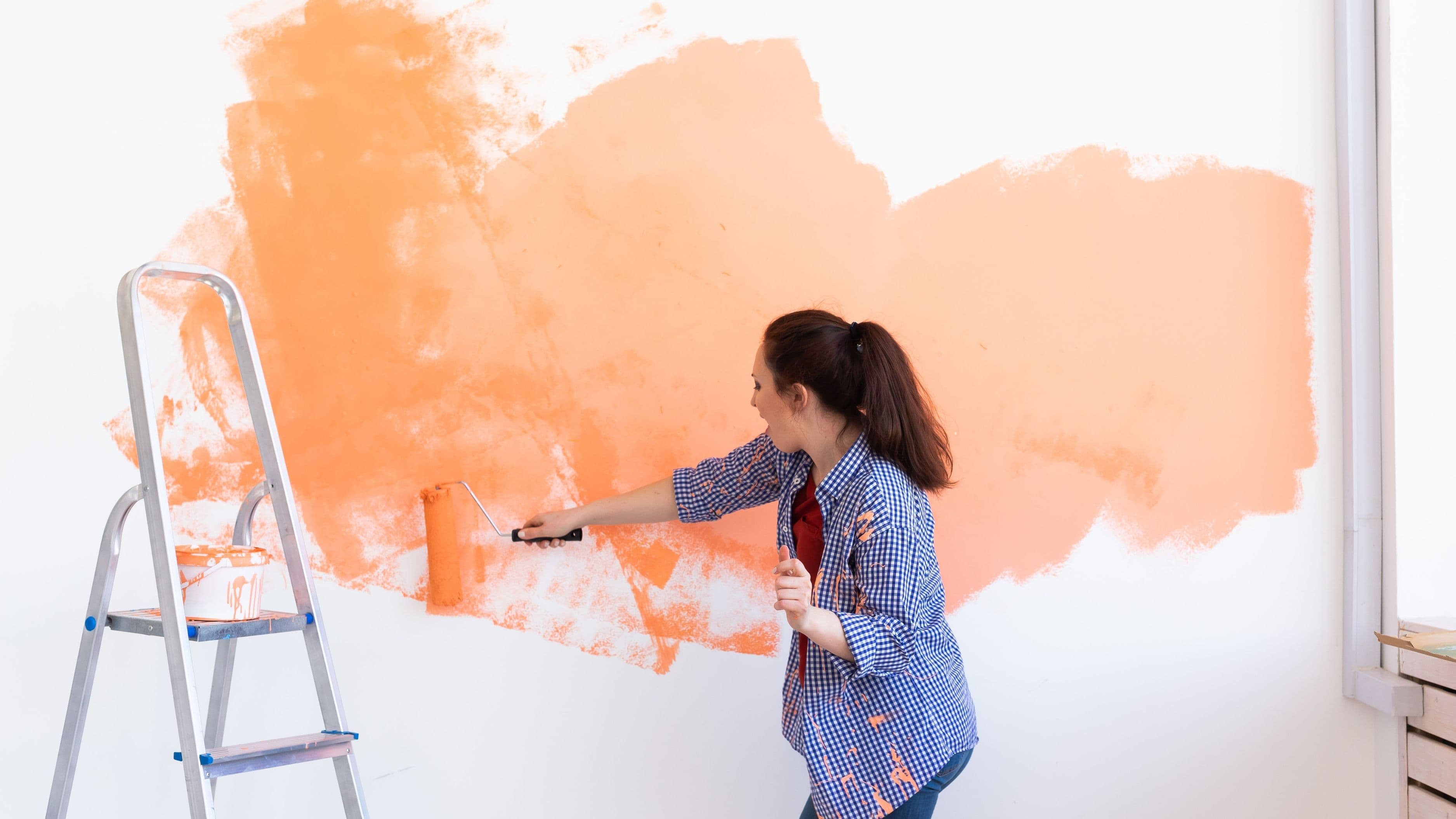
This is the single biggest game-changer for renters who want real visual impact without touching the walls permanently. Removable wallpaper has improved dramatically in quality over the last few years — it goes up smoothly, looks surprisingly close to traditional wallpaper, and comes off clean when you move out. Peel-and-stick tiles do the same for kitchens and bathrooms, transforming backsplashes and floors without a drop of adhesive.
A single accent wall with a bold pattern or textured design can make an entire room feel curated. A peel-and-stick tile backsplash can modernize a dated kitchen in an afternoon. These aren't "budget hacks that look cheap" anymore — brands like Tempaper, Chasing Paper, and NuWallpaper sell genuinely attractive designs that pass the eye test.
Pro tip: Always test a small section first to make sure the adhesive plays nicely with your specific wall paint. On older or already-peeling walls, even removable wallpaper can cause some issues.
Best for: Renters who want maximum visual impact, especially those dealing with white or beige walls and generic finishes.
3. Upgrade Your Lighting
The lighting in most rentals is terrible — a single overhead fixture in the middle of the ceiling that casts harsh, flat light and makes every room feel like a doctor's office. You can't always change the fixtures (though some landlords allow it with the originals stored and reinstalled on move-out), but you can work around them entirely.
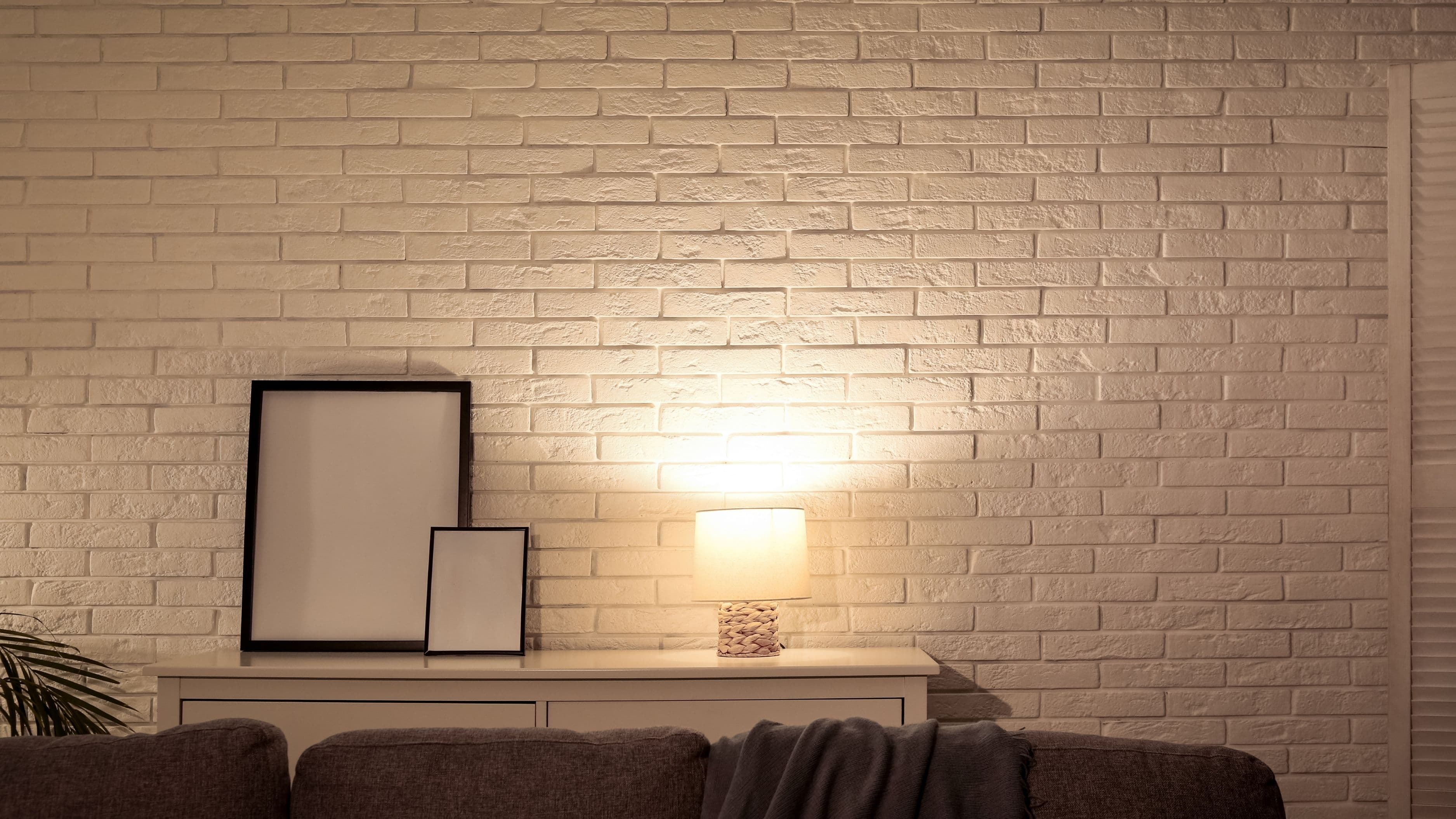
Floor lamps, table lamps, and LED strips added to shelving or behind furniture create layered, ambient light that changes a room's entire mood. Warm bulbs (2700K–3000K color temperature) feel cozy and residential rather than institutional. Plug-in pendant lights and sconce lights — hung with a Command hook or simple cord kit — can replace the need for hardwired fixtures and are completely renter-friendly.
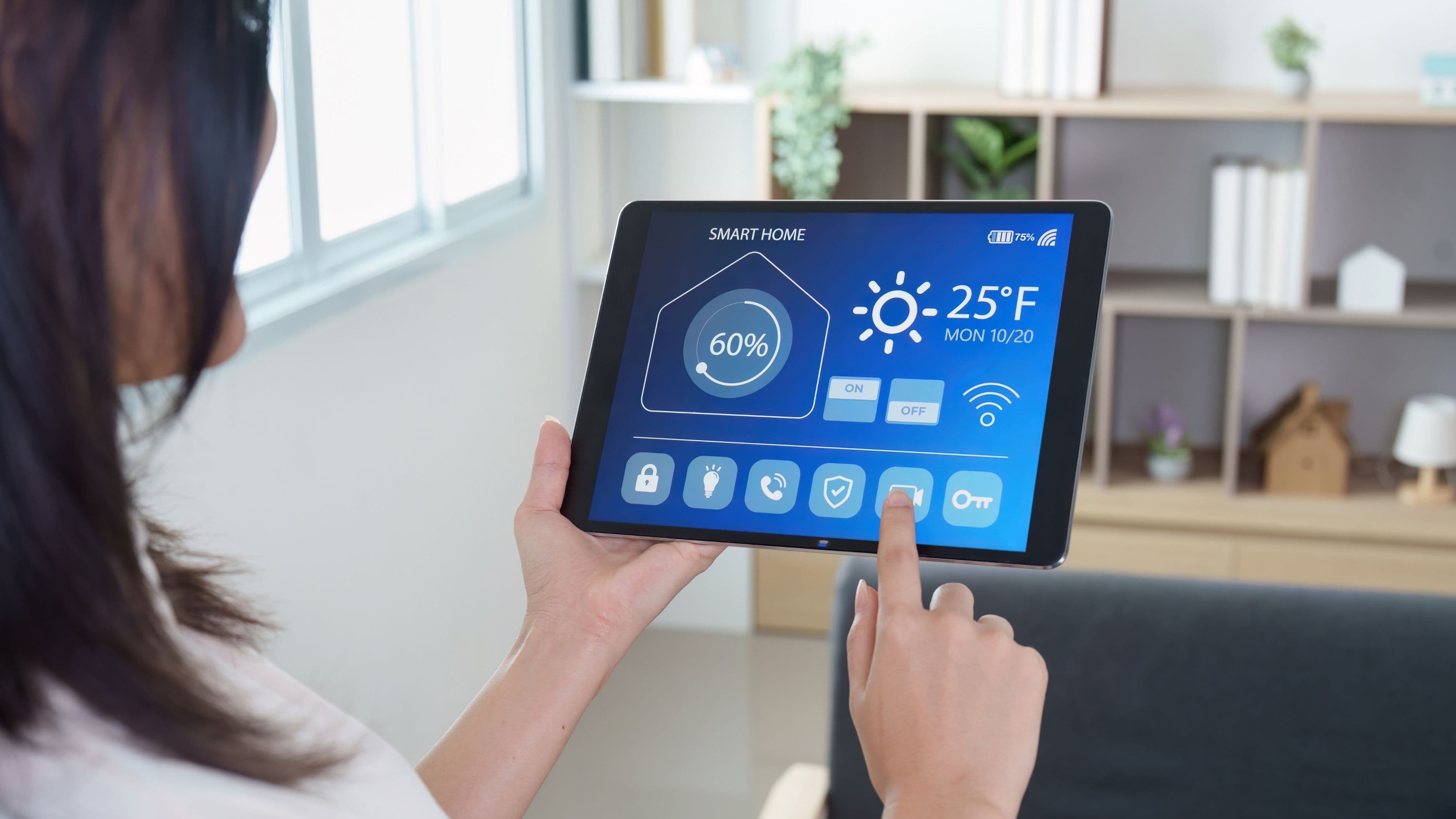
Smart bulbs like Philips Hue add a level of control that's hard to overstate: dim the lights in the evening, shift to warm tones after dark, or set scenes for different activities. The investment pays off quickly in how livable the space feels.
What to avoid: Leaving the overhead LED pancake light as your only source of light. Use it as a backup, not a primary.
Best for: Anyone in a rental that feels cold, clinical, or flat — which is most rentals.
4. Add Plants – Lots of Them
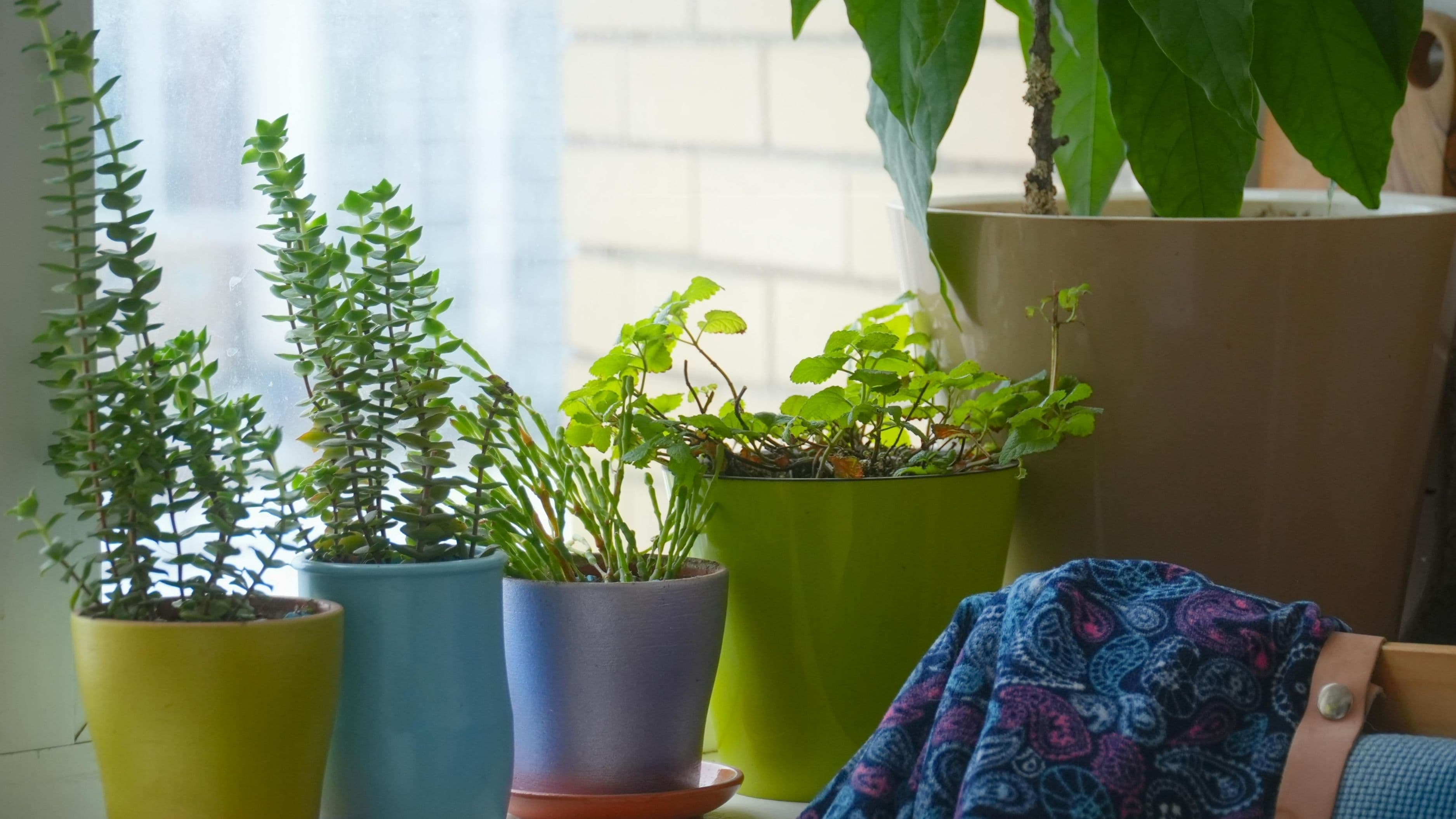
Plants do something to a space that no amount of furniture or decor can fully replicate. They add life — literal, breathing, growing life — and they soften hard edges, bring in color, and make a room feel inhabited rather than staged. A rental with several well-placed plants looks like someone actually lives there and cares about the space.
You don't need to be a plant expert. Some of the most impactful plants are also the hardest to kill: pothos, snake plants, ZZ plants, and rubber trees thrive in low-to-medium light and forgive inconsistent watering. For drama, a large fiddle leaf fig or monstera in a corner can anchor an entire room. For shelves and windowsills, trailing plants like heartleaf philodendrons or string of pearls add texture and movement.
Practical note: Think about light levels before buying. A north-facing apartment with limited natural light needs shade-tolerant plants. A sunny south-facing space opens up a lot more options.
Best for: Every renter, full stop. Even one or two plants make a measurable difference in how a space feels.
5. Invest in Real Furniture (Not Just Whatever Fits)
The trap a lot of renters fall into is treating furniture as temporary — buying the cheapest flat-pack option because "we might move soon." The result is a space filled with things that look like what they cost: flimsy, generic, and disposable. Over time, this quietly degrades how you feel in your own home.
Better furniture isn't about spending a lot. It's about buying things that have some visual weight, material quality, and longevity. A solid wood dining table, a sofa in a fabric that actually holds up, a bookshelf that doesn't wobble — these pieces travel with you from rental to rental and anchor the room they're in. Marketplaces like Facebook Marketplace, Craigslist, and OfferUp are full of quality secondhand furniture at a fraction of retail price.
The mindset shift: Stop thinking of furniture as apartment-specific and start thinking of it as your stuff that happens to be in this apartment right now.
Best for: Renters who've been in "temporary mode" for more than a year and keep putting off real investments.
6. Style Your Walls Without Nails
Most leases restrict nails, and even where they don't, large holes can cost you part of your deposit. But completely bare walls make a space feel like a waiting room. The good news: there are excellent options for mounting art, shelves, and decor without any real damage.
Command strips and hooks handle a surprising amount of weight when used correctly — always follow the weight limits and apply them properly (clean the surface with rubbing alcohol first, press firmly for 30 seconds, wait an hour before loading). Adhesive picture-hanging strips from brands like 3M hold frames securely and release cleanly. For heavier items like floating shelves, no-drill floating shelf systems that use tension or adhesive mounts work well on smooth walls.
Gallery walls made entirely with Command strips are completely doable. The key is planning the layout on the floor first so you're not sticking and resticking repeatedly (which weakens the adhesive).
Pro tip: Frame things that matter to you — travel photos, art prints, meaningful objects. Generic "wall art" from big-box stores doesn't make a space feel personal.
Best for: Renters in apartments with strict no-nail policies or anyone who values keeping their deposit intact.
7. Personalize With Textiles and Soft Goods
Textiles are one of the most underrated decorating levers in any space, and they're especially powerful in rentals because they're completely reversible and infinitely swappable. Throw pillows, blankets, curtains, duvet covers, and towels all add color, pattern, and softness that make a space feel less like a showroom and more like somewhere a specific person lives.
Curtains deserve special mention. Standard rental blinds are functional but flat. Replacing them with real curtains — mounted with tension rods or removable hooks — adds vertical drama and warmth that transforms a room. Hang them high (close to the ceiling) and wide (past the window frame on both sides) to make windows look larger and the ceiling feel taller.
Color strategy: If you want a cohesive look without overthinking it, pick two or three colors you love and repeat them across your textiles — a throw pillow that picks up the curtain color, a rug that echoes the bedding. Repetition creates cohesion.
Best for: Renters who want maximum impact with minimal effort and budget.
8. Create Intentional Zones
In a rental — especially a studio or a smaller one-bedroom — the space often lacks definition. Everything bleeds into everything else, and the result is a place that feels chaotic or cramped even when it isn't. Creating intentional zones fixes this by giving each area a clear purpose, which paradoxically makes the whole apartment feel larger.
Rugs are the most powerful zone-creator (see tip #1), but furniture arrangement, lighting, and shelving do the same work. A bookshelf used as a room divider between a living area and a home office. A specific lamp and chair tucked into a corner to create a reading nook. A console table behind the sofa to signal where the living area ends. These moves require no permanent changes and no extra square footage.
The test: Walk through your space and ask whether each area has a clear purpose. If the answer is "I guess it's just... an area," that zone needs definition.
Best for: Studio and open-plan apartment dwellers, or anyone whose space feels disorganized without obvious reason.
9. Upgrade the Small Fixtures and Hardware
This one gets overlooked constantly, but it's one of the highest-ROI moves in a rental. Cabinet knobs and drawer pulls, bathroom towel bars, toilet paper holders, shower curtain rings, switchplate covers — these are all typically renter-replaceable (keep the originals to reinstall before you leave) and they make an outsized difference in how finished a space looks.
Dated brass cabinet pulls in a kitchen can make the whole room feel stuck in the '90s. Swap them out for matte black or brushed nickel hardware, and suddenly the kitchen looks like it had a renovation. Same goes for a bathroom: a matching set of towel bar, toilet paper holder, and robe hook in a cohesive finish goes from "rented" to "designed" in under an hour.
Cost reality: Replacing hardware across an entire kitchen typically costs $30–$100 total, depending on how many cabinets you have. The visual impact is worth several times that.
Best for: Renters in slightly dated apartments who want a higher-end feel without any permanent changes.
10. Bring in Scent and Sound
The two most overlooked sensory dimensions of a home are how it smells and what it sounds like. A visually beautiful space that smells like nothing — or worse, like the previous tenant's cleaning products — doesn't fully feel like home. Neither does one that's silent except for street noise leaking through thin windows.
Scent is deeply tied to memory and emotion. A consistent, intentional scent — a candle you love, a reed diffuser, a linen spray on your bedding — signals to your brain that this is your space. It's one of the fastest psychological hacks for feeling settled somewhere. Similarly, sound: a Bluetooth speaker playing music or ambient sound while you cook or work makes a space feel alive in a way that silence doesn't.
What to avoid: Overpowering air fresheners that smell synthetic. Go for natural wax candles (soy or beeswax), quality reed diffusers, or essential oil diffusers for a cleaner, more sophisticated result.
Best for: Anyone who's decorated their apartment but still doesn't feel fully settled — this is often the missing layer.
Quick Takeaway
Making a rental feel like home doesn't require a big budget, permanent changes, or landlord permission. It requires intentionality. Pick two or three of these tips to start with — rugs, lighting, and plants will do more work faster than almost anything else — and build from there. Your space should work for you, not just be a place you're waiting to leave.
FAQ
Will any of these changes affect my security deposit? None of the tips in this list require permanent changes. Removable wallpaper, Command strips, peel-and-stick tiles, and hardware swaps (with originals stored and reinstalled) are all deposit-safe when done correctly. Always read your lease and keep originals for anything you replace.
What's the most affordable way to make a rental feel more like home? Lighting and textiles give the highest return on investment. A $30 floor lamp and $40 in throw pillows can change the feel of a room more dramatically than much more expensive interventions.
Can I hang curtains in a rental without drilling? Yes. Tension rods work well for lighter curtains inside the window frame. For drapes hung above and beyond the window (the better look), use adhesive hooks rated for the weight of your curtain rod, or magnetic rod brackets if you have metal door frames.
What plants work best for low-light rental apartments? Snake plants, pothos, ZZ plants, and peace lilies all thrive with minimal natural light and inconsistent watering — ideal for renters who travel or don't have a green thumb.
Is it worth upgrading a rental I might only live in for one year? Yes. Most of these upgrades travel with you. The furniture is yours. The rugs are yours. The lamps are yours. Even the hardware you swap out gets boxed up and goes to the next place. You're not investing in the apartment — you're investing in your living environment, which moves wherever you do.
📚 Sources
Apartment Therapy – How to Hang Things Without Nails – https://www.apartmenttherapy.com/how-to-hang-things-without-nails-37098
The Spruce – Best Indoor Plants for Low Light – https://www.thespruce.com/low-light-indoor-plants-4582264
Architectural Digest – Renter-Friendly Decorating Ideas – https://www.architecturaldigest.com/story/renter-friendly-decorating-ideas
Real Simple – How to Make a Rental Feel Like Home – https://www.realsimple.com/home-organizing/decorating/make-rental-feel-like-home
Better Homes & Gardens – How to Hang Curtains the Right Way – https://www.bhg.com/decorating/window-treatments/curtains/how-to-hang-curtains/
HGTV – Renter-Friendly Upgrades That Won't Lose Your Deposit – https://www.hgtv.com/design/decorating/design-101/renter-friendly-updates
Good Housekeeping – Best Indoor Plants for Apartments – https://www.goodhousekeeping.com/home/gardening/g32012625/best-indoor-plants-for-apartments/