
Top 10 at a Glance
Bundle Multiple Policies – Best for homeowners with multiple insurance needs
Raise Your Deductible – Best for those with emergency savings
Improve Your Credit Score – Best for long-term premium reduction
Install Safety and Security Features – Best for homeowners and vehicle owners
Ask About Discount Programs – Best for proactive savers
Review and Adjust Coverage Annually – Best for those whose circumstances change
Maintain Continuous Coverage – Best for building loyalty discounts
Take Defensive Driving or Safety Courses – Best for drivers of all ages
Pay Premiums Annually or Semi-Annually – Best for those who can afford upfront costs
Shop Around and Compare Quotes – Best for everyone seeking competitive rates
1. Bundle Multiple Policies

Policy bundling, also known as a multi-policy discount, involves purchasing multiple types of insurance from the same company—typically auto and home insurance together. This strategy is one of the easiest ways to unlock immediate savings, with most insurers offering discounts ranging from 15% to 25% on your combined premiums.
The beauty of bundling lies in its simplicity and the insurer's motivation to keep your business across multiple product lines. Beyond the financial savings, you'll also enjoy the convenience of dealing with a single company for claims, payments, and customer service. Some insurers even throw in additional perks like accident forgiveness or vanishing deductibles when you bundle.
Who it's best for: Homeowners or renters who also need auto insurance, or anyone juggling multiple insurance policies.
Typical savings: 15-25% on combined premiums
Pros:
Significant immediate discount on multiple policies
Simplified billing and customer service experience
May unlock additional loyalty benefits over time
Easier claims process when dealing with one company
Cons:
May not always offer the absolute cheapest rate for each individual policy
Less flexibility if you want to switch one policy type
Could miss out on specialized coverage from niche insurers
Potential for complacency in not shopping around
2. Raise Your Deductible

Your deductible is the amount you pay out-of-pocket before your insurance coverage kicks in. By voluntarily increasing this amount—say, from $500 to $1,000 or $2,000—you're essentially telling your insurer you'll shoulder more financial risk. In return, they reward you with lower monthly or annual premiums.
This strategy works particularly well if you're a safe driver, live in a secure area, or rarely file claims. The key is ensuring you have enough in savings to cover the higher deductible if something does happen. Calculate your potential savings over time; often, you'll recoup the difference in just a year or two of lower premiums, making this a smart long-term play.
Who it's best for: People with a solid emergency fund who rarely file claims.
Typical savings: 10-30% depending on how much you raise the deductible
Pros:
Immediate reduction in premium costs
Encourages building and maintaining emergency savings
Works across auto, home, and health insurance
Savings compound over time
Cons:
Requires having cash available for higher out-of-pocket costs
Risky if you frequently file claims
May not be suitable during financially tight periods
Need to carefully calculate break-even point
3. Improve Your Credit Score

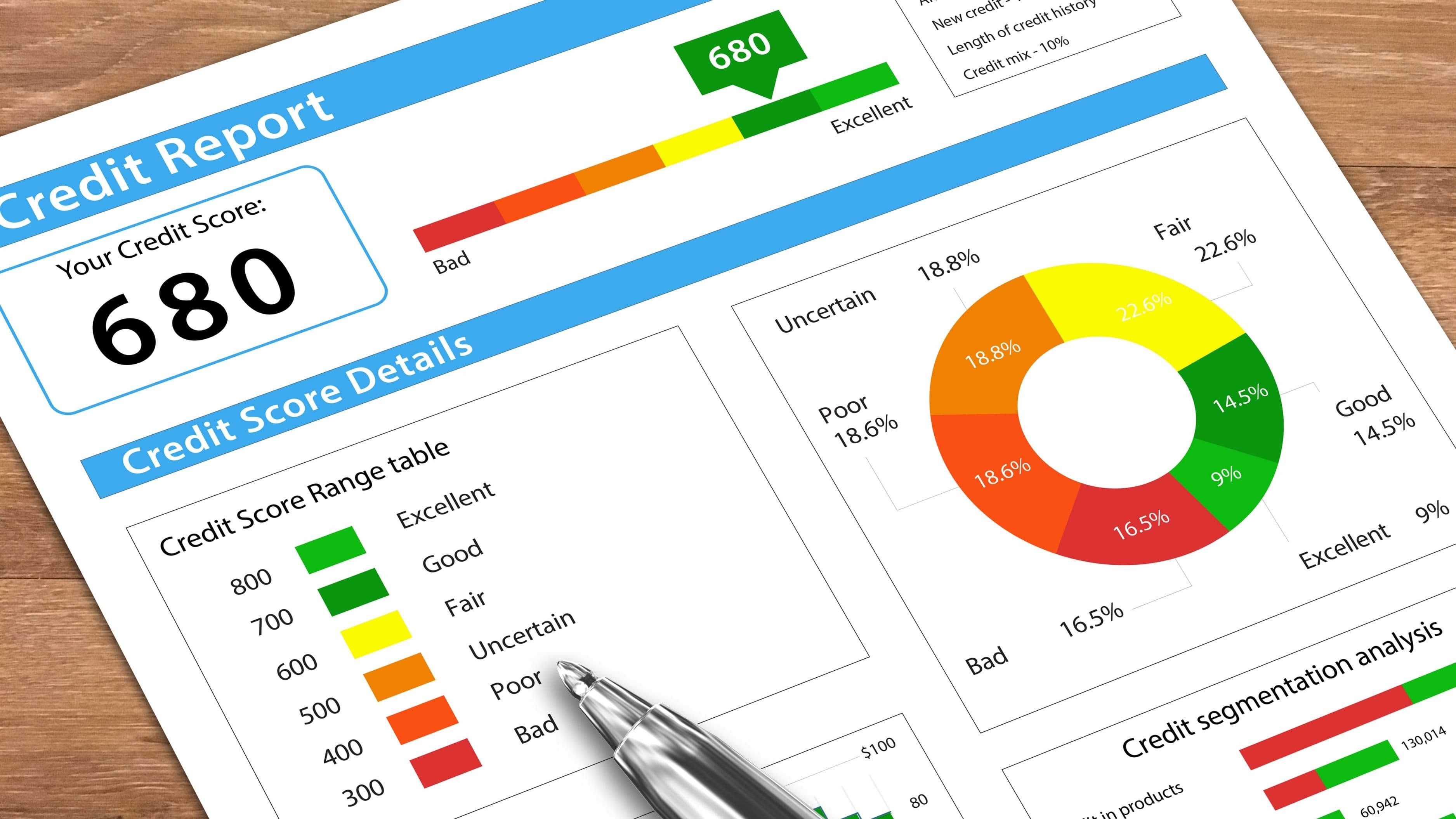
In most states, insurance companies use credit-based insurance scores to help determine your premiums. Studies show a correlation between credit responsibility and claims frequency, which is why improving your credit score can lead to substantial premium reductions. The difference between "poor" and "excellent" credit can mean hundreds of dollars in annual savings.
Boosting your credit takes time and discipline, but the insurance savings are just one of many financial benefits. Focus on paying bills on time, reducing credit card balances, disputing errors on your credit report, and keeping old accounts open to lengthen your credit history. Even moving from "fair" to "good" credit can trigger meaningful premium decreases.
Who it's best for: Anyone with room to improve their credit profile who's planning to stay insured long-term.
Typical savings: 10-50% depending on credit improvement
Pros:
Benefits extend beyond insurance to loans and interest rates
Permanent reduction in premiums once improved
No recurring costs to maintain
Insurers automatically reassess periodically
Cons:
Takes months or years to see significant improvement
Not a factor in California, Hawaii, or Massachusetts
Requires consistent financial discipline
May need professional help for serious credit issues
4. Install Safety and Security Features

Insurance companies love risk mitigation, and installing safety features demonstrates you're serious about preventing losses. For homeowners, this means security systems, smoke detectors, deadbolts, and water leak sensors. For vehicle owners, anti-theft devices, dash cams, and advanced safety features like automatic emergency braking can all qualify for discounts.
Modern smart home technology has made these upgrades more affordable and effective than ever. Many insurers have partnerships with security companies or offer specific discounts for monitored alarm systems. The initial investment often pays for itself through premium savings within a few years, plus you get the added peace of mind.
Who it's best for: Homeowners and vehicle owners willing to make upfront investments for long-term savings.
Typical savings: 5-20% depending on features installed
Pros:
Provides actual safety benefits beyond just savings
Can increase property value
Often qualifies for multiple discounts simultaneously
May reduce claims over time
Some smart devices pay for themselves quickly
Cons:
Requires upfront investment costs
May involve installation fees or monthly monitoring charges
Not all features qualify for discounts with every insurer
Technology can become outdated
5. Ask About Discount Programs

Insurance companies offer dozens of discount programs, but they rarely advertise them all prominently. From professional association memberships to alumni groups, military service, good student discounts, and low-mileage driving programs—there are savings opportunities hiding in plain sight. The catch? You have to ask about them.
Take an hour to call your insurer or review their website's discount section thoroughly. Bring documentation for any affiliations, degrees, or certifications you have. Many people qualify for multiple discounts they never knew existed. Some insurers even offer discounts for paperless billing, automatic payments, or being claim-free for several years.
Who it's best for: Proactive individuals who take time to research and document their qualifications.
Typical savings: 5-25% through multiple stacked discounts
Pros:
No lifestyle changes required for many discounts
Can stack multiple discounts together
Quick to implement once identified
May discover new programs regularly
Cons:
Requires time to research and provide documentation
Discounts vary significantly between insurers
Some require ongoing qualification (like good student status)
Easy to miss updates or new programs
6. Review and Adjust Coverage Annually

Your insurance needs change over time, but your policy might not reflect that unless you actively update it. That car you financed five years ago might now be paid off and worth far less, meaning you could drop collision coverage. Your home's replacement cost might be overstated, or you might have removed that trampoline from your backyard that was increasing your liability risk.
Schedule an annual policy review, ideally a month before renewal. Look at each coverage line item and ask yourself if it still makes sense. Consider life changes like paid-off mortgages, kids moving out, vehicles aging, or home improvements completed. This isn't about cutting necessary coverage—it's about right-sizing your policy to match your current situation.
Who it's best for: Anyone whose life circumstances, assets, or risks have changed over the past year.
Typical savings: Varies widely, often 10-20% by eliminating unnecessary coverage
Pros:
Ensures you're not paying for coverage you don't need
Opportunity to add new necessary coverage
Keeps policy aligned with current asset values
Good time to shop competitors' rates
Cons:
Requires annual time investment
Risk of accidentally reducing needed coverage
May reveal need for additional coverage
Can be complex to understand all policy details
7. Maintain Continuous Coverage

Insurance companies reward loyalty and consistency. Maintaining continuous coverage—meaning no lapses or cancellations—demonstrates you're a responsible customer and lower risk. Many insurers offer longevity discounts that increase the longer you stay with them, sometimes starting at three years and growing at five and ten-year marks.
Even if you're between vehicles or properties, consider keeping at least minimal coverage or non-owner policies to maintain your insurance history. A lapse in coverage, even for valid reasons, can result in significantly higher premiums when you restart coverage—sometimes 20-40% more than you'd pay with continuous coverage.
Who it's best for: Anyone planning to carry insurance long-term who values stability.
Typical savings: 5-20% through loyalty and continuous coverage discounts
Pros:
Rewards build over time automatically
No effort required beyond maintaining coverage
Protects against future premium increases from lapses
Often includes additional benefits like accident forgiveness
Cons:
May mean staying with a company that isn't cheapest initially
Savings take years to maximize
Must maintain payments even during tight financial periods
Loyalty doesn't always beat shopping around
8. Take Defensive Driving or Safety Courses

Completing an approved defensive driving, safe driving, or home safety course signals to insurers that you're committed to risk reduction. These courses, typically 4-8 hours long and often available online, refresh your knowledge of safe practices and can qualify you for premium discounts ranging from 5-15% on auto insurance and 5-10% on homeowners insurance.
Many states mandate that insurers offer these discounts, and some automatically reduce points on your driving record as well. The courses are particularly valuable for mature drivers (55+) who may face age-related premium increases, and for young drivers looking to offset their high-risk status. Best of all, the discount typically renews every three years after taking a brief refresher course.
Who it's best for: Drivers of all ages, especially mature drivers and those with recent violations.
Typical savings: 5-15% for 3 years on auto insurance
Pros:
Relatively quick time investment (4-8 hours)
Often available online at your convenience
Provides actual safety knowledge
Can remove points from driving record in some states
Good option for offsetting recent tickets
Cons:
Requires upfront course fee ($20-50 typically)
Must be renewed every 3 years in most cases
Not all courses are insurer-approved
Time commitment may not work for everyone
9. Pay Premiums Annually or Semi-Annually

While monthly payments seem convenient, they usually come with hidden costs. Insurance companies charge installment fees, processing charges, or simply build interest into monthly payment plans. By paying your entire premium annually or semi-annually upfront, you eliminate these fees and often receive an additional discount for doing so.
The savings might seem modest per policy—typically 3-10%—but they add up quickly when you consider multiple policies over many years. If cash flow is a concern, set aside money monthly in a separate savings account so the funds are ready when your policy renews. This way, you earn interest on that money throughout the year instead of paying extra fees to your insurer.
Who it's best for: Those with stable income who can budget for larger periodic expenses.
Typical savings: 3-10% by eliminating monthly fees and earning payment-in-full discounts
Pros:
Immediate discount on total premium
Eliminates monthly payment hassle
No risk of missed payments causing lapses
Can earn interest on saved funds before payment
Cons:
Requires larger sum available at once
Less flexibility if financial situation changes mid-term
Money is tied up and not earning interest once paid
May strain cash flow for some households
10. Shop Around and Compare Quotes

Insurance pricing is surprisingly variable between companies, with identical coverage sometimes differing by 30-50% or more. Each insurer uses different risk models, targets different customer segments, and weighs factors differently. What makes you expensive to one company might make you attractive to another, which is why shopping around is consistently the most effective way to save money.
Make it a habit to get quotes from at least three to five different insurers every 2-3 years, even if you're happy with your current provider. Use online comparison tools, work with independent insurance agents, and don't forget to check with smaller regional companies that might offer competitive rates. Just be sure to compare apples to apples—identical coverage limits and deductibles—to get a true price comparison.
Who it's best for: Everyone, regardless of current rates or satisfaction with their insurer.
Typical savings: 15-50% by switching to a better-priced competitor
Pros:
Often yields the largest single savings opportunity
Helps you understand market rates
Can discover better coverage options
No cost to get quotes from multiple companies
Cons:
Time-consuming to gather and compare multiple quotes
May lose loyalty discounts with current insurer
Need to ensure coverage is truly comparable
Must provide detailed information repeatedly
Understanding Insurance Premium Discounts
What Are Insurance Premium Discounts?
Insurance premium discounts are reductions in your insurance costs offered by insurers when you meet certain criteria or take specific actions that reduce their risk. These can be percentage-based reductions, flat-dollar credits, or waived fees that lower your total premium. Discounts exist across all insurance types—auto, home, renters, life, and health—and are based on the principle that lower-risk customers should pay less for coverage.
Benefits of Lowering Your Premiums
The most obvious benefit is keeping more money in your pocket—potentially hundreds to thousands of dollars annually. But the advantages go beyond immediate savings. Lower premiums free up cash for other financial goals like retirement savings, emergency funds, or debt reduction. You maintain the same level of protection while optimizing your spending, which is the cornerstone of smart financial management. Additionally, implementing these strategies often leads to safer behaviors (better credit, defensive driving, security systems) that reduce your actual risk of loss, creating a positive feedback loop of savings and protection.
What to Look for When Choosing Money-Saving Strategies
Not every premium-reduction strategy will be right for your situation. Consider your current financial stability—raising deductibles requires emergency savings, while paying annually requires cash flow. Evaluate your risk profile: frequent claim-filers shouldn't raise deductibles, while safe drivers benefit greatly from usage-based insurance programs. Think long-term versus short-term: credit improvement takes time but pays dividends for years, while shopping around yields immediate results.
Always prioritize maintaining adequate coverage over saving money. The cheapest policy that leaves you underinsured is a false economy. Focus on legitimate discounts and adjustments rather than reducing necessary coverage limits. Finally, consider the time investment required—some strategies take minutes (asking about discounts), while others demand ongoing effort (maintaining perfect credit).
Frequently Asked Questions
How often should I shop around for insurance quotes?
Most experts recommend comparing insurance rates every 2-3 years, even if you're satisfied with your current insurer. However, you should also shop around after major life changes like moving, getting married, buying a home, or having significant changes to your driving record. Life circumstances that change your risk profile may make you eligible for better rates with different companies.
Will filing a claim erase all my discount savings?
Not necessarily. While filing a claim may increase your premium at renewal, you won't typically lose discount eligibility (like for bundling or safety features) just from filing a claim. However, you might lose "claim-free" specific discounts. The key is to weigh the cost of small claims against your deductible and potential premium increases—sometimes it's better to pay minor repairs out-of-pocket to preserve your claim-free status.
Can I negotiate my insurance rates directly with my current insurer?
While insurance rates are regulated and based on underwriting criteria, you absolutely can advocate for yourself. If you receive a lower quote from a competitor, contact your current insurer and ask if they can match it or offer additional discounts you might qualify for. Many insurers have retention departments specifically designed to keep good customers from leaving. The worst they can say is no, but you might be surprised at the additional discounts they can "find" to keep your business.
Do insurance discounts stack, or can I only use one at a time?
Great news—most insurance discounts do stack! You can typically combine multiple discounts like bundling, claim-free status, security features, defensive driving courses, and payment method discounts all at once. However, some insurers cap total discounts at a certain percentage (commonly around 30-40%), and a few specific discounts might be mutually exclusive. Always ask your insurer about how their discounts combine to maximize your savings potential.