Top 10 at a Glance
A Broadway or West End flagship musical
Immersive theater with no fixed seating
A regional theater's world premiere play
Shakespeare performed outdoors in summer
A one-person show by a seasoned performer
Opera at a major house
A touring production of a beloved musical
Fringe festival theater
A play with a celebrated film or TV actor in the lead
Community or local theater in an intimate space
1. A Broadway or West End Flagship Musical
Shows like Hamilton, Wicked, or The Lion King represent the top tier of production value – live orchestras, elaborate sets, and performers doing eight shows a week at a level of precision that's genuinely hard to comprehend until you see it in person. The ticket price, often $150–$300 for good seats, reflects real production costs that a screen simply can't replicate: the physical presence of dozens of performers, a live pit orchestra, and staging built specifically for that room.
Why it's worth it: the sheer scale and craft on display. Best for: a special occasion, a first-time theatergoer who wants to understand what all the fuss is about, or musical theater fans who've been waiting years to see a specific show live.
What to know before you go: rush tickets, lottery systems, and standing room options exist for most major productions and can cut the price dramatically if you're willing to be flexible on seat location or show up early.
2. Immersive Theater With No Fixed Seating
Productions like Sleep No More or similar immersive experiences put you inside the story, letting you wander through a physical set and choose which scenes to follow. This format creates a genuinely unrepeatable experience – no two audience members see the same show, because you're each making different choices about where to walk and what to watch.
Why it's worth it: you cannot replicate this anywhere else, including at a traditional seated performance of the same story. Best for: theater fans who've seen enough traditional shows and want something that breaks the format entirely.
What to avoid: if you have mobility limitations or discomfort with crowds and low lighting, research the specific production's format carefully first, since immersive shows often involve significant walking and close physical proximity to other patrons.
3. A Regional Theater's World Premiere Play
Seeing a brand-new play in its very first production, often at a well-regarded regional theater, means watching something before critics, audiences, or even the playwright fully know how it will land. Tickets are usually far cheaper than Broadway, often $40–$90, while the writing and performances can rival anything running in a major theater district.
Why it's worth it: you're seeing the work at its rawest and most alive, often with the playwright in the building watching alongside you. Best for: theater fans who care more about new writing and ideas than spectacle.
4. Shakespeare Performed Outdoors in Summer
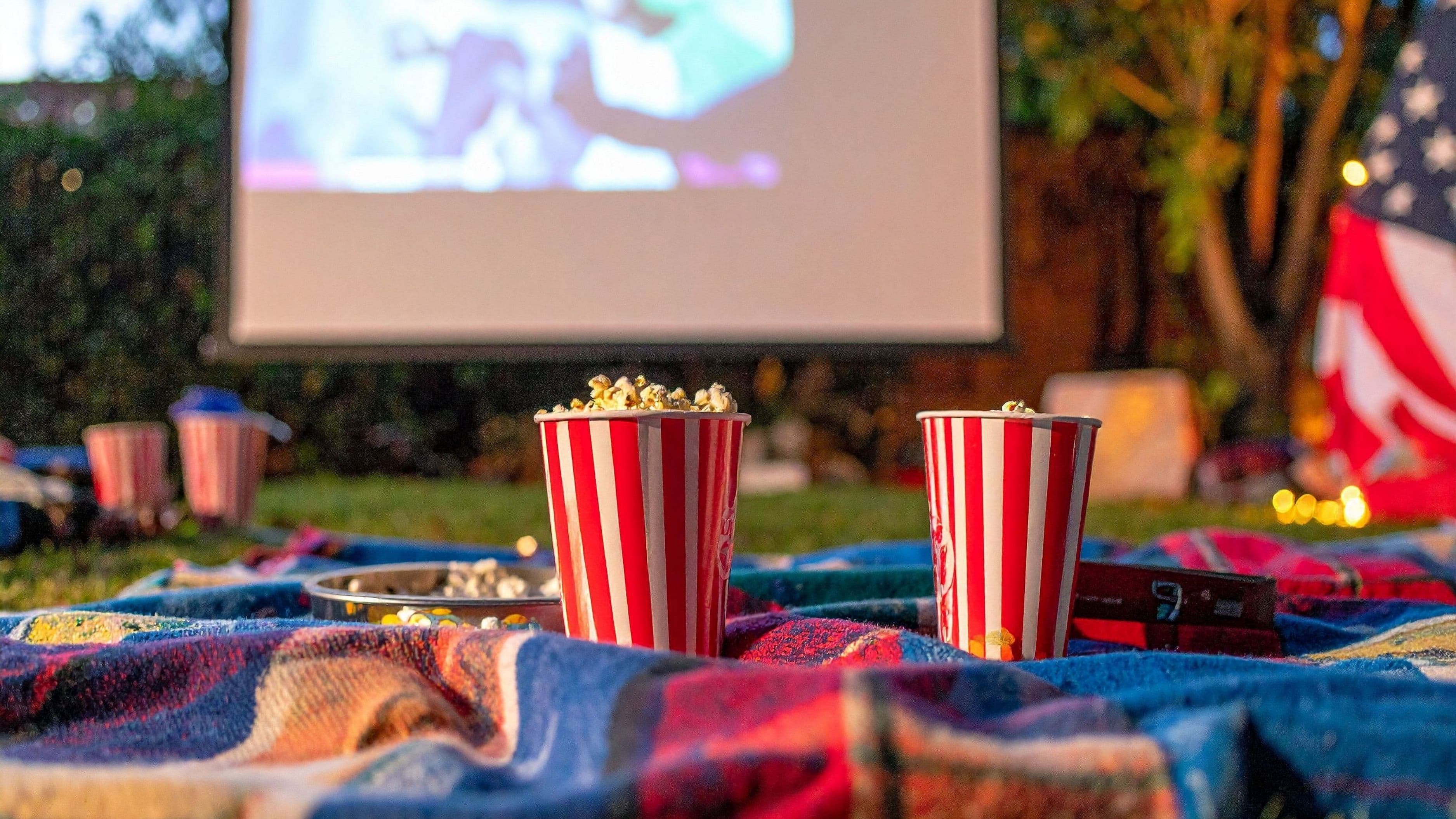
Free or low-cost outdoor Shakespeare festivals, common in parks across many cities during summer months, combine genuinely strong performances with a completely different atmosphere than an indoor theater. The setting changes how the language lands – a comedy under a summer sky feels different than the same lines delivered under stage lights.
Why it's worth it: often free or under $20, with production quality that frequently rivals paid indoor theater. Best for: budget-conscious theater fans, first dates, or families introducing kids to Shakespeare in a lower-pressure setting.
What to avoid: arrive early for good lawn or seating spots, and check weather policies, since outdoor performances can be affected by rain depending on the venue.
5. A One-Person Show by a Seasoned Performer
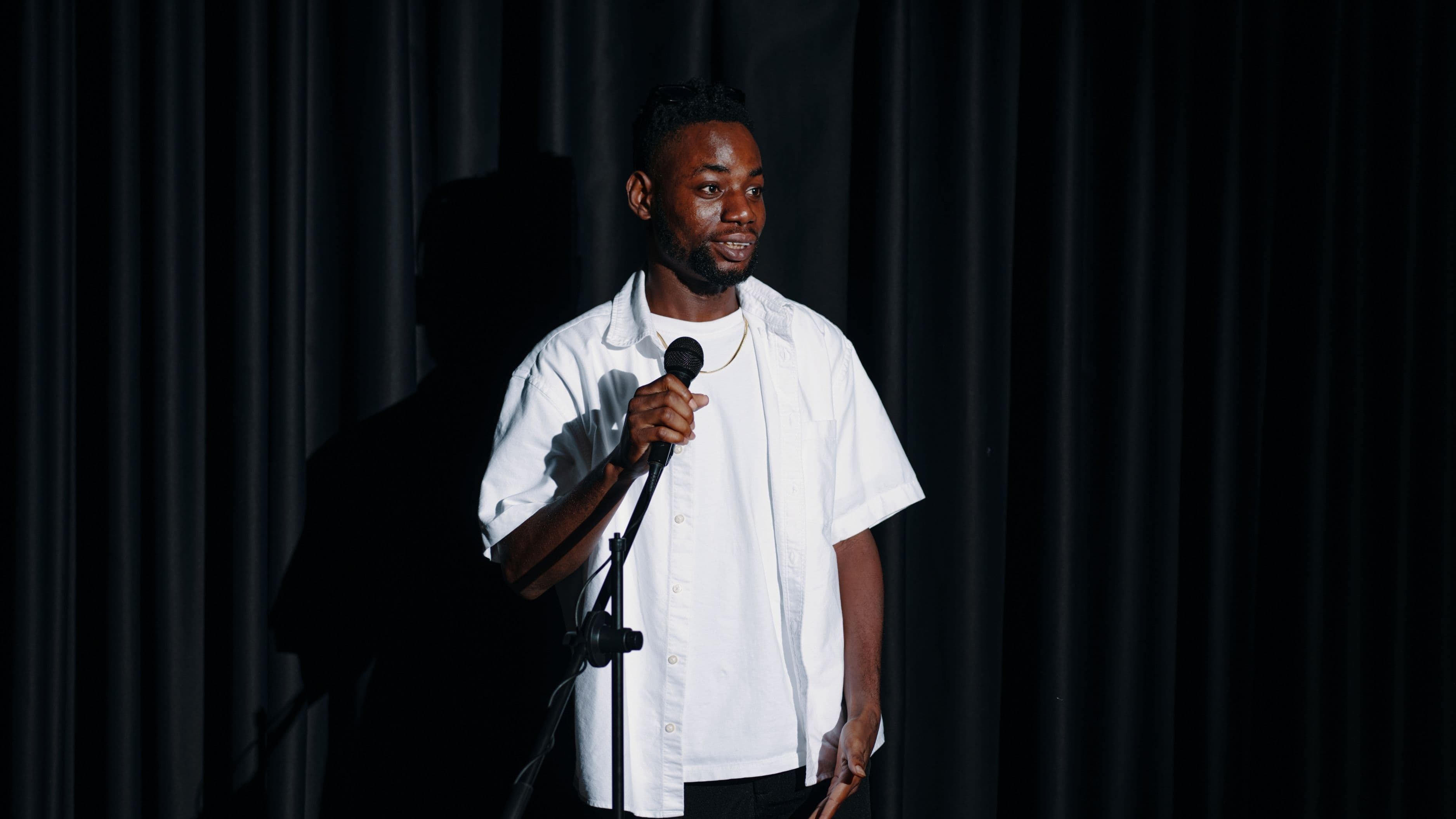
A skilled solo performer holding an audience's attention for ninety minutes with nothing but a story, timing, and presence is one of the purest tests of theatrical craft. These shows, whether autobiographical or a solo adaptation of a larger work, tend to be more intimate and often run in smaller venues where you're genuinely close to the performer.
Why it's worth it: the intimacy and skill on display rarely translate through a screen. Best for: audiences who want depth and craft over scale.
6. Opera at a Major House
Opera tickets can be intimidating in price, often ranging from $50 for upper balcony seats to several hundred for prime orchestra seating, but the experience of live, unamplified operatic voices filling a full house is something recordings genuinely cannot replicate. Most major houses now offer supertitles with translations, so language is far less of a barrier than people assume.
Why it's worth it: the raw power of live, unamplified vocal performance. Best for: anyone curious about opera who assumed it wasn't for them – cheaper seats and matinee performances are a low-risk way to find out.
7. A Touring Production of a Beloved Musical
Touring productions bring Broadway-caliber shows to cities without a permanent Broadway house, usually at a noticeably lower price point than the original New York or London run. Production quality varies show to show, but many touring casts are excellent, and the experience of seeing a beloved musical live, in your own city, still carries real weight.
Why it's worth it: significantly lower cost than the original run, often with strong production values intact. Best for: fans of a specific musical who can't easily travel to see the original production.
What to avoid: check reviews of the specific touring cast and production, since quality can vary more than with a resident Broadway company.
8. Fringe Festival Theater
Fringe festivals, held in cities around the world, showcase small, often experimental productions at low ticket prices, usually $10–$25. Quality varies wildly by design – that's part of the appeal – but the format means you can see multiple shows in a single day and stumble onto genuinely original work you'd never encounter through mainstream theater channels.
Why it's worth it: low financial risk per show and the chance to discover something genuinely unlike anything else you've seen. Best for: adventurous theatergoers who don't mind an uneven hit rate in exchange for discovering something new.
9. A Play With a Celebrated Film or TV Actor in the Lead
When a well-known screen actor takes on a stage role, ticket prices climb accordingly, but so does the chance to see genuine range from a performer you've only known through a camera lens. Live performance demands something different than film acting, and watching an actor you admire meet that challenge in real time is a distinct experience from watching their filmography.
Why it's worth it: seeing range and risk-taking from a performer you already admire, in a format that doesn't allow for retakes. Best for: fans of a specific actor curious to see stage work.
What to know: these shows sell out fast and often carry a significant price premium purely for the casting, so weigh whether the specific actor is worth that markup to you personally.
10. Community or Local Theater in an Intimate Space
Small local and community theaters, often running in spaces with fewer than 200 seats, offer some of the best value in live theater, with tickets frequently under $30. Production values are more modest, but the intimacy of a small room means you're often close enough to see every facial expression, and local companies frequently take creative risks bigger houses can't afford.
Why it's worth it: low cost, high intimacy, and genuine local talent that's often better than the modest ticket price suggests. Best for: budget-conscious theatergoers and anyone who wants to support their local arts scene directly.
How to Choose
If budget is your main constraint, start with outdoor Shakespeare, fringe festivals, or community theater – all deliver strong experiences for a fraction of major production prices. If you want the full spectacle experience at least once, a flagship musical is worth saving for, but look into rush tickets and lotteries first. If you're already a seasoned theatergoer looking for something you haven't experienced, immersive theater or a one-person show will feel the most different from what you've already seen.
What to Avoid
Avoid buying premium seats for your very first theater experience before you know whether you actually enjoy the format – start with a lower-cost option to find out first. Also be cautious with resale ticket sites, where markups can be extreme and authenticity isn't always guaranteed; buy directly from the venue or an official ticketing partner whenever possible.
FAQ
Is Broadway worth the price for a first-time theatergoer? It can be, but consider starting with a touring production or regional theater first to confirm you enjoy live theater before spending premium prices on a flagship show.
How can I find cheaper theater tickets? Rush tickets, day-of lotteries, student discounts, and matinee performances are the most reliable ways to reduce cost across nearly every category on this list.
Is immersive theater accessible for everyone? Not always – check specific accessibility information before buying, since many immersive productions involve significant walking, stairs, and low lighting.
Live theater earns its price tag when the format is doing something a screen simply cannot – scale, intimacy, unrepeatable choices, or raw human performance in the same room as you. Match the experience to what you're actually looking for, and the ticket price stops feeling like a gamble.
📚 Sources
Playbill: Broadway Ticket Pricing Guide – https://www.playbill.com/
TDF: Theatre Development Fund Discount Tickets – https://www.tdf.org/
The Metropolitan Opera: Ticket Information – https://www.metopera.org/tickets/