

We've tested dozens of alternative travel booking platforms to identify the ones that genuinely deliver value. From hidden flight consolidators to niche accommodation services, these platforms operate outside the mainstream but offer legitimate savings and unique advantages. Here are the top 10 lesser-known travel sites that could save you hundreds—or even thousands—on your next adventure.
Top 10 Best Lesser-Known Travel Sites
Alternative Airlines – Best for flexible payment options and niche carriers
Norwegian Cruise Line (NCL) – Best for cruise deals and free-at-sea perks
Ovago – Best for AI-powered flight and hotel comparisons
Travel-Code – Best for discount codes and promotional deals
Jettly – Best for private jet charters at competitive rates
Lookbyfare – Best for consolidator fares and international flights
Tourlane – Best for custom multi-destination itineraries
Scott's Cheap Flights (Going) – Best for flight deal alerts
Secret Flying – Best for error fares and flash deals
Hopper – Best for price prediction and booking optimization
Our Methodology
We evaluated each platform based on five critical criteria to ensure legitimate value and reliability:
Price competitiveness: We compared actual booking prices against mainstream competitors across multiple routes and destinations, measuring average savings and consistency of deals.
Ease of use: We assessed website navigation, mobile functionality, booking process simplicity, and overall user experience from search to confirmation.
Feature set: We examined unique offerings like flexible payment plans, price guarantees, deal alerts, customization options, and value-added services that differentiate each platform.
Customer support: We tested response times, support channel availability (phone, email, chat), problem resolution effectiveness, and refund/change policy flexibility.
User reviews and reputation: We analyzed thousands of customer reviews across Trustpilot, Google Reviews, and BBB ratings to identify patterns in satisfaction, complaints, and overall trustworthiness.
Detailed Reviews
1. Alternative Airlines – Best for Flexible Payment Options and Niche Carriers

Best for: Travelers who need flexible payment plans or want to book with smaller airlines not listed on major booking sites
Pricing from: Standard airline fares plus small booking fee
Key features: 600+ airlines, Buy Now Pay Later options, 160+ currencies, specialized routes
Alternative Airlines has quietly become one of the most valuable booking platforms for travelers who need flexibility or want access to airlines that don't appear on mainstream sites. The platform lists over 600 airlines—including many regional and international carriers that major OTAs overlook—giving you access to routes and pricing combinations that simply don't exist elsewhere.
What truly sets Alternative Airlines apart is their payment flexibility. They offer multiple Buy Now Pay Later options through partners like Affirm, Klarna, and Afterpay, allowing you to spread flight costs over several months with transparent terms. This is invaluable for expensive international flights or when you need to book immediately but prefer to pay over time. They also accept unconventional payment methods including PayPal Credit, Alipay, and even cryptocurrency.
The booking process is straightforward, with a clean interface that makes comparing multiple airlines simple. While you'll pay a small service fee (typically $10-$30 depending on the booking), the access to exclusive airlines and flexible payment options often more than compensates, especially for complex international itineraries.
Pros:
Access to 600+ airlines including niche carriers
Multiple Buy Now Pay Later payment options
Accepts 160+ currencies and alternative payment methods
Excellent for hard-to-find routes
Transparent pricing with no hidden fees
Cons:
Service fee added to all bookings
Not always the cheapest option for major carriers
Customer service can be slow during peak times
Limited hotel or package options
2. Norwegian Cruise Line (NCL) – Best for Cruise Deals and Free-at-Sea Perks
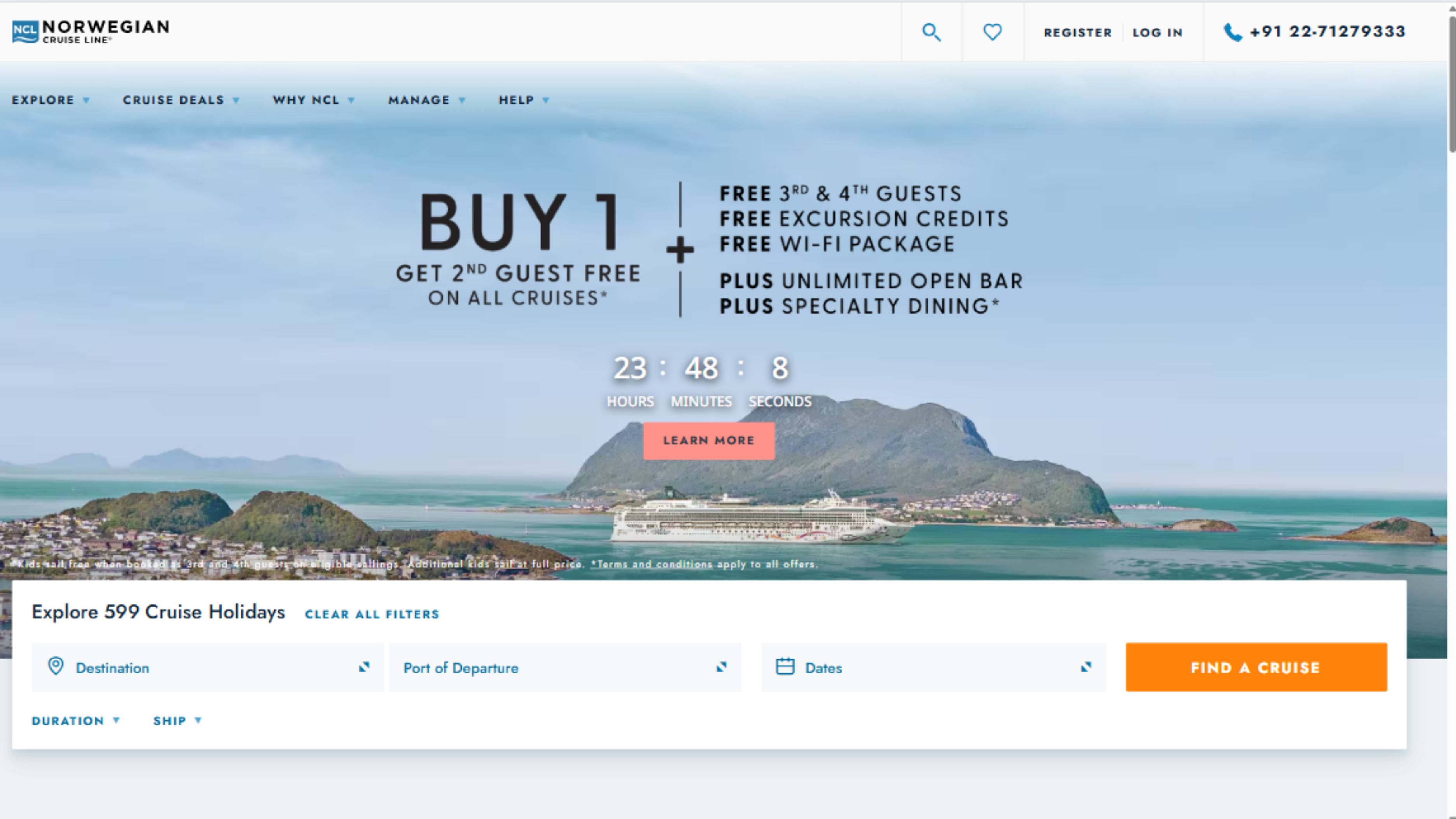
Best for: First-time cruisers and families seeking all-inclusive value
Pricing from: $299 per person for 3-night Caribbean cruises
Key features: Free-at-Sea promotion, flexible dining, 18 ships, diverse itineraries
While Norwegian Cruise Line is well-known in the cruise industry, many travelers don't realize that booking directly through NCL's website often yields better deals than using third-party cruise booking sites. NCL's signature "Free at Sea" promotion—offered throughout most of the year—includes valuable perks like free drink packages, specialty dining, shore excursions, or WiFi packages that can save $500-$1,000 per cabin.
NCL pioneered the "Freestyle Cruising" concept, eliminating rigid dining times and dress codes that make cruising more relaxed and family-friendly. Their ships range from intimate vessels carrying 2,000 passengers to mega-ships with extensive entertainment and dining options. Routes cover everything from Caribbean and Mediterranean classics to Alaska, Hawaii, and even world cruises.
The real value emerges when you book during promotional periods and take advantage of their perks. While base fares might seem comparable to competitors, the included extras (especially premium drink packages that would normally cost $100+ per person per day) make NCL bookings substantially more cost-effective than they initially appear.
Pros:
Free-at-Sea promotions add substantial value
No fixed dining times or formal night requirements
Excellent entertainment and onboard activities
Wide variety of itineraries and ship sizes
Strong loyalty program for repeat cruisers
Cons:
Gratuities and port fees add significantly to base price
Premium dining and activities still cost extra
Ships can feel crowded during peak season
WiFi packages often don't cover streaming
3. Ovago – Best for AI-Powered Flight and Hotel Comparisons
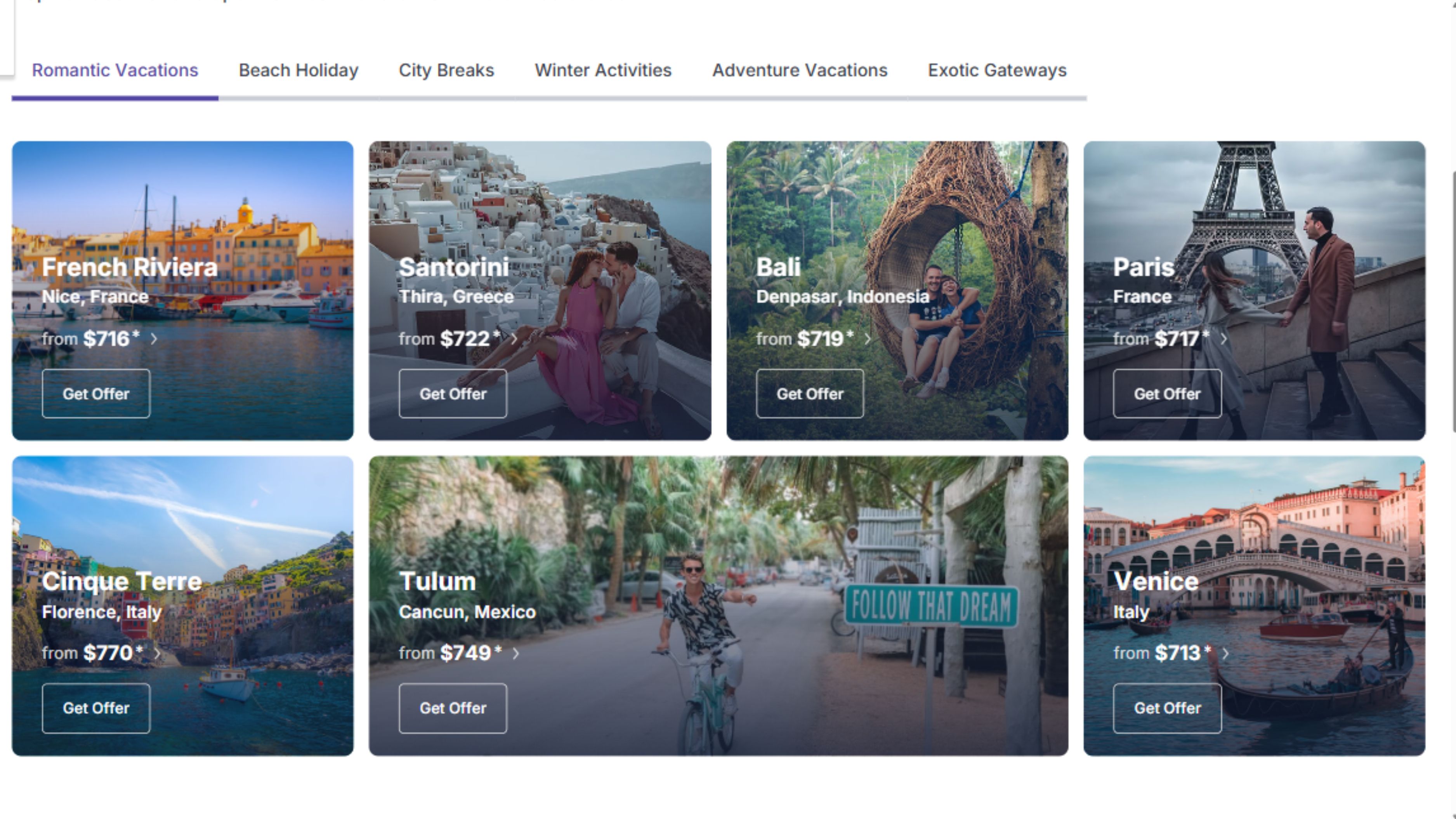
Best for: Tech-savvy travelers who want data-driven booking recommendations
Pricing from: Free to use; standard booking prices
Key features: AI price predictions, multi-platform comparison, personalized recommendations
Ovago represents the new generation of travel search engines, using artificial intelligence to analyze pricing patterns across hundreds of booking sites and predict the optimal time to book. Unlike simple metasearch engines that just show current prices, Ovago learns from billions of data points to forecast whether prices will rise or fall, helping you decide whether to book now or wait.
The platform aggregates results from major OTAs, airline websites, and lesser-known booking platforms, presenting everything in a clean, easy-to-compare interface. What makes Ovago particularly valuable is its personalized recommendation engine—after a few bookings, it learns your preferences (direct flights vs. savings, hotel amenities you value, preferred airlines) and prioritizes results accordingly.
Ovago doesn't charge booking fees; instead, they earn commissions from the platforms you ultimately book through. This means you get sophisticated search and prediction technology for free while still accessing competitive prices. The mobile app is particularly well-designed, making it easy to monitor prices and book on the go.
Pros:
Sophisticated AI price prediction technology
Compares hundreds of booking platforms simultaneously
No booking fees or hidden charges
Learns your preferences over time
Excellent mobile app experience
Cons:
Relatively new platform with smaller user base
AI predictions aren't always perfectly accurate
Redirects to other sites to complete bookings
Limited customer support options
4. Travel-Code – Best for Discount Codes and Promotional Deals
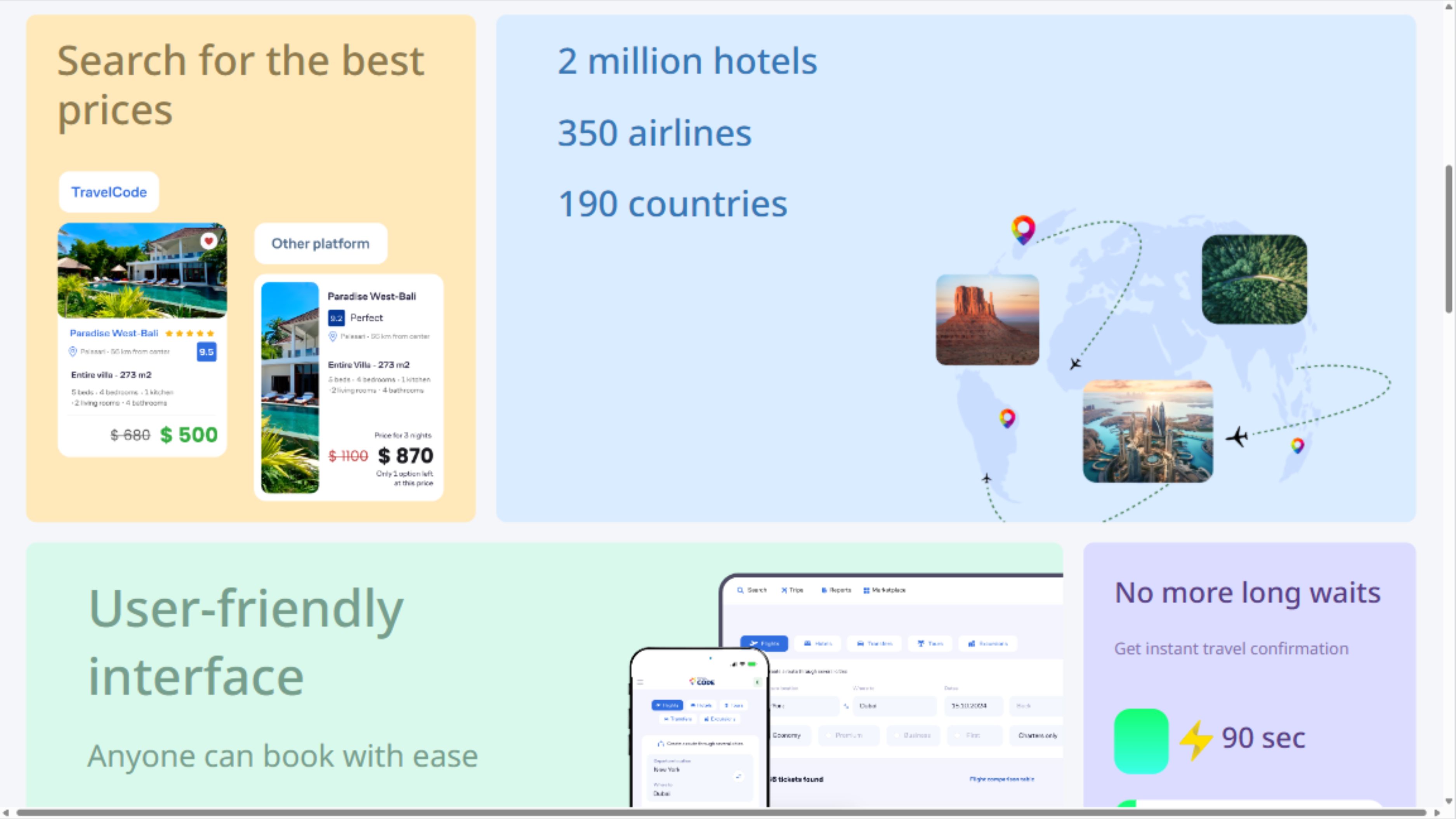
Best for: Deal hunters willing to spend time finding the best promotions
Pricing from: Free to use; savings vary by promotion
Key features: Aggregated discount codes, verified deals, cashback opportunities
Travel-Code operates like a specialized coupon site exclusively for travel bookings, aggregating promotional codes, flash sales, and limited-time offers from hundreds of travel companies. While finding and applying discount codes might seem trivial, Travel-Code's verification system ensures codes actually work, saving you the frustration of trying expired or invalid promotions at checkout.
The platform organizes deals by category—flights, hotels, car rentals, activities, travel gear—and includes user-submitted codes alongside official promotions. What makes Travel-Code particularly useful is their partnership with cashback services, allowing you to stack discount codes with cashback earnings for double savings. They also highlight lesser-known flash sales from smaller booking platforms that often fly under the radar.
Success with Travel-Code requires some patience and flexibility. The best deals often have restrictions like specific travel dates, advance booking requirements, or limited inventory. However, if you're willing to adjust your plans around available promotions, you can regularly find 10-30% discounts that aren't advertised elsewhere.
Pros:
Verified discount codes save time and frustration
Covers wide range of travel categories
Stack codes with cashback for maximum savings
Free to use with no membership required
User-submitted codes expand available deals
Cons:
Best deals often have restrictive terms
Requires flexibility in travel dates
Not all codes work for all users
Can be time-consuming to search through options
5. Jettly – Best for Private Jet Charters at Competitive Rates
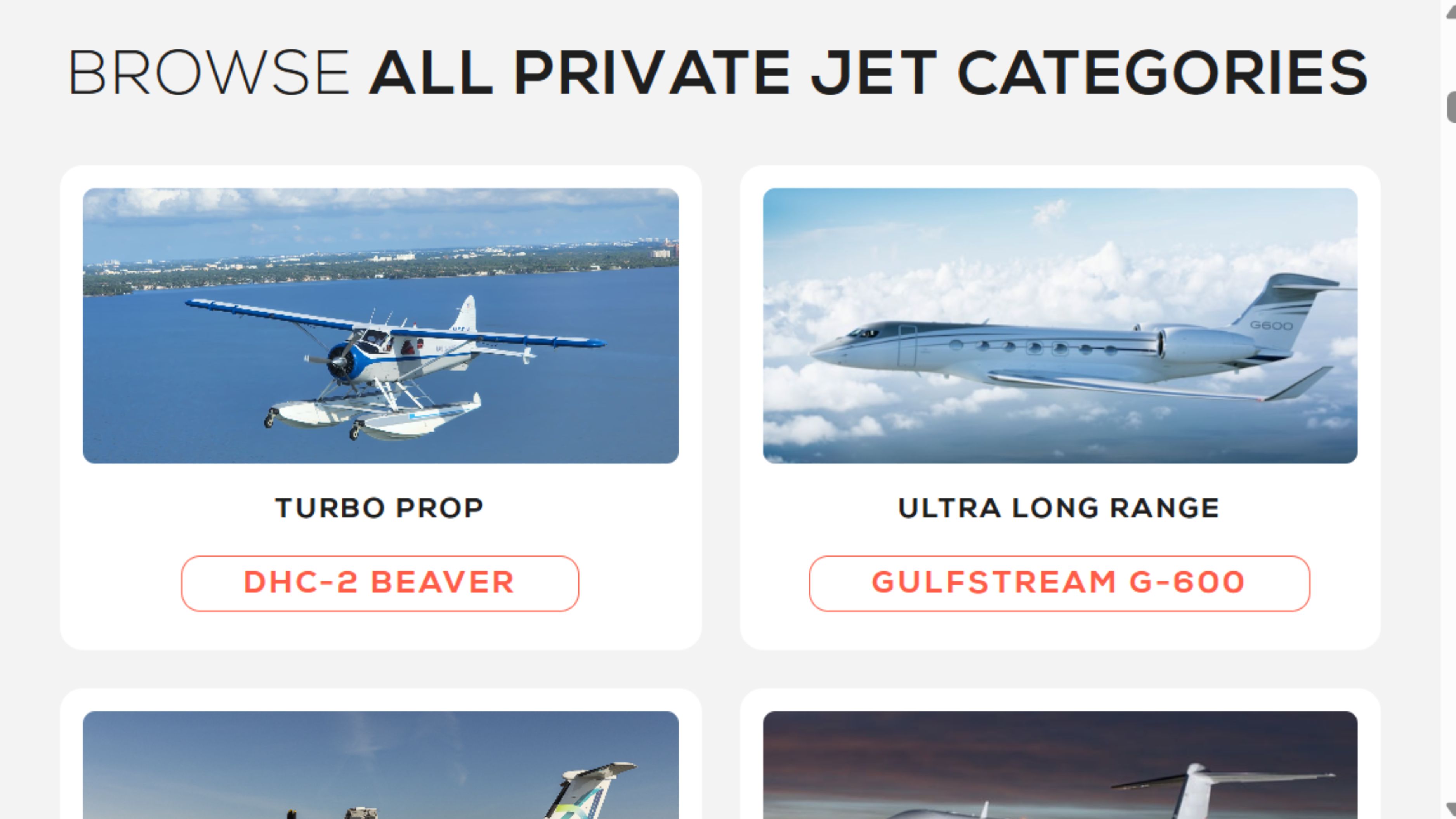
Best for: Groups, special occasions, or time-sensitive travel where private aviation makes sense
Pricing from: $3,000+ per flight hour depending on aircraft
Key features: Empty leg deals, instant booking, transparent pricing, 10,000+ aircraft
Jettly has democratized private aviation by creating a marketplace that connects travelers with available private jets, significantly reducing the traditional costs of chartering. While private flying will never be budget travel, Jettly's model makes it surprisingly accessible for groups, special occasions, or situations where commercial airline schedules simply don't work.
The platform's greatest value comes from "empty leg" flights—when a private jet needs to reposition to another city without passengers. These flights are often discounted 50-75% from regular charter prices, occasionally making private flying competitive with first-class commercial tickets, especially for groups. Jettly's transparent booking system shows real-time availability and pricing, eliminating the traditional back-and-forth of private charter negotiations.
Beyond just cost savings, Jettly provides genuine value for specific scenarios: corporate groups traveling to multiple cities in one day, families heading to destinations with limited commercial service, travelers with highly valuable time, or anyone who needs the ultimate scheduling flexibility. The ability to book instantly through their platform, rather than waiting for quotes and negotiations, is itself worth considerable value.
Pros:
Transparent pricing without negotiation hassles
Significant savings on empty leg flights
Instant booking for available aircraft
Access to 10,000+ aircraft worldwide
Excellent for group travel when cost is split
Cons:
Still expensive compared to commercial flights
Empty leg deals require schedule flexibility
Limited options for very remote destinations
Additional fees for catering, ground transport
6. Lookbyfare – Best for Consolidator Fares and International Flights
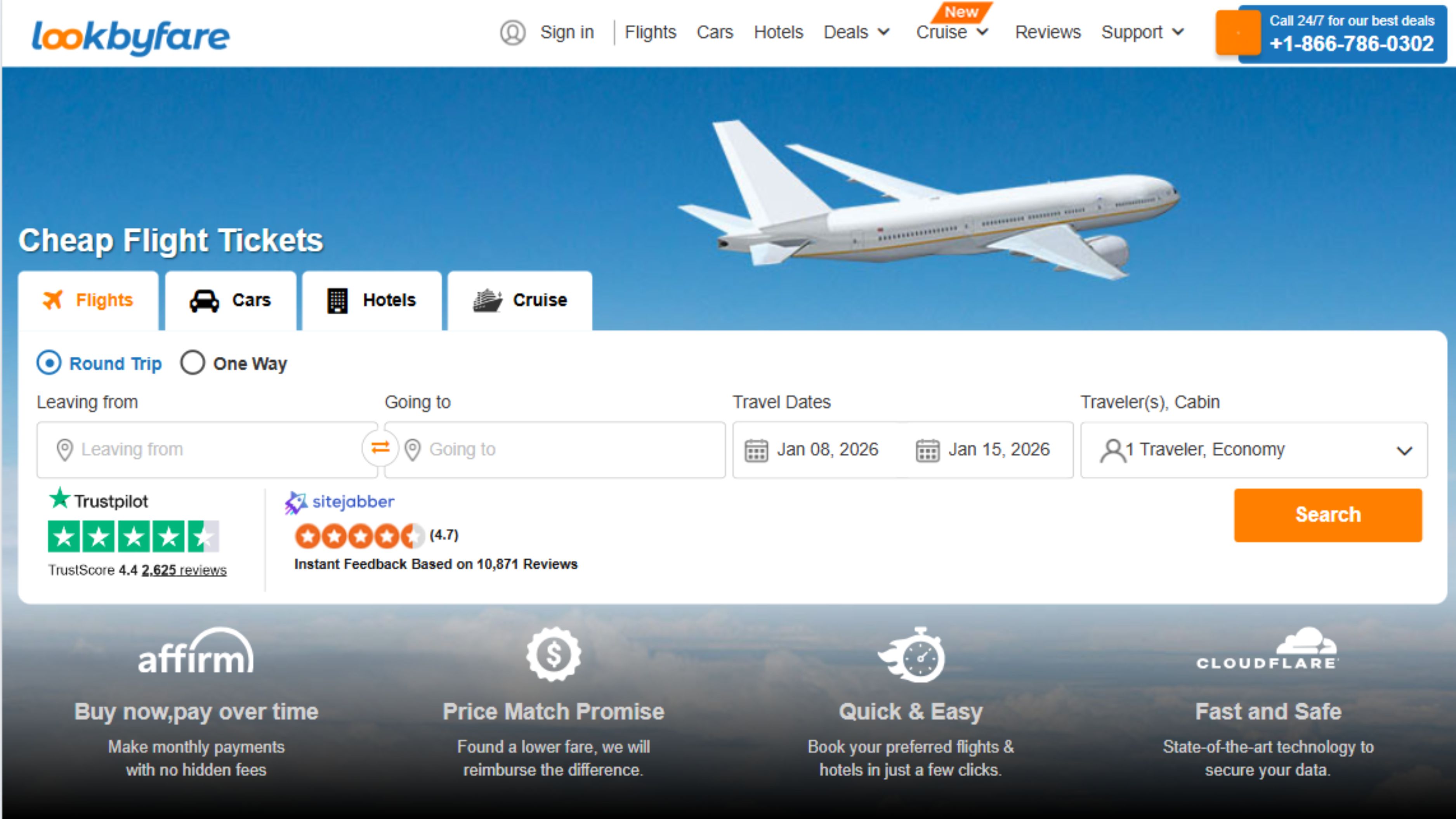
Best for: International travelers seeking unpublished fares and complex itineraries
Pricing from: Varies; often 10-30% below retail prices
Key features: Consolidator fares, 24/7 phone support, multi-city specialists
Lookbyfare operates in the less glamorous but highly effective world of flight consolidation, accessing bulk-purchased airline tickets and unpublished fares that aren't available through standard booking channels. This traditional travel agency model, enhanced with modern technology, consistently delivers savings on international flights that automated booking engines simply can't match.
The platform specializes in complex international itineraries, particularly for travelers visiting multiple countries or flying to destinations with limited direct service. Their travel agents have access to fare types and routing options that don't appear on consumer booking sites, plus they can often secure better pricing through direct airline relationships. While you'll work with an agent rather than booking instantly online, this human touch is valuable when planning complicated trips.
Lookbyfare's 24/7 phone support is particularly valuable for international travelers dealing with last-minute changes, missed connections, or booking complications. You're not navigating automated systems or waiting days for email responses—you can actually speak with someone who can solve problems immediately. For complex international travel, this peace of mind is worth the slightly less streamlined booking process.
Pros:
Access to unpublished consolidator fares
Excellent for complex multi-city itineraries
24/7 phone support with live agents
Strong expertise in international routing
Often beats online booking prices by 10-30%
Cons:
Booking process less instant than OTAs
Service fees apply to most bookings
Limited options for domestic flights
Refund and change policies can be restrictive
7. Tourlane – Best for Custom Multi-Destination Itineraries

Best for: Travelers planning complex trips to multiple countries who want expert guidance
Pricing from: Custom quotes; typically $2,000+ for comprehensive packages
Key features: Personal travel experts, customized itineraries, 24/7 trip support
Tourlane bridges the gap between DIY travel planning and traditional travel agencies by offering personalized multi-destination trip planning with modern technology and competitive pricing. Unlike package tour companies that offer fixed itineraries, Tourlane's travel experts work with you to design completely customized trips that match your interests, pace, and budget.
The platform specializes in complex international trips—think two weeks through Southeast Asia hitting five countries, or a grand tour of Europe covering multiple regions. Their travel experts have genuine destination knowledge and can recommend optimal routing, hidden gems, and realistic daily itineraries that independent planning often misses. They handle all bookings, transfers, and logistics, creating a seamless experience without the rigid structure of group tours.
Where Tourlane provides real value is in time savings and local expertise. Planning a complex multi-country trip independently can consume dozens of hours researching, comparing options, and coordinating logistics. Tourlane's experts compress that into a few conversations, often uncovering better hotel values, more efficient routing, and experiences you wouldn't have found independently. While their packages aren't budget-basement cheap, they typically cost less than booking the same components separately while providing substantially better quality and convenience.
Pros:
Completely customized itineraries
Expert destination knowledge and recommendations
Handles all logistics and bookings
24/7 support during your trip
Often more affordable than booking components separately
Cons:
Minimum spending thresholds for some destinations
Less suitable for simple, single-destination trips
Requires planning lead time (typically 2-4 weeks)
Limited flexibility once itinerary is finalized
8. Scott's Cheap Flights (Going) – Best for Flight Deal Alerts
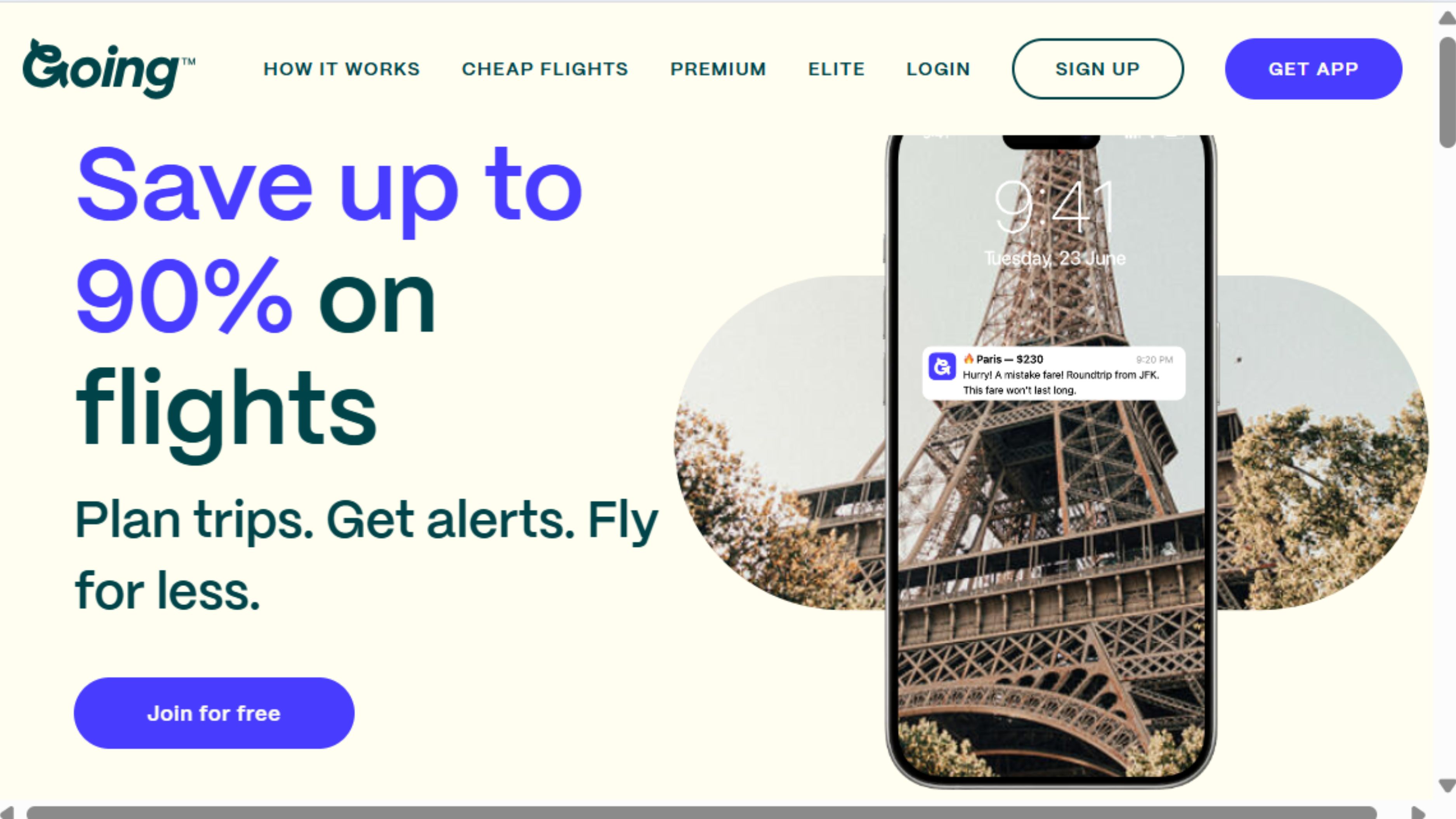
Best for: Flexible travelers who can book when deals appear
Pricing from: Free basic membership; Premium $49/year
Key features: Mistake fare alerts, international deal notifications, detailed deal analysis
Scott's Cheap Flights, recently rebranded as Going, has built a devoted following by doing one thing exceptionally well: finding genuinely cheap international flights and alerting subscribers before deals disappear. Unlike generic flight search engines, Going's team of experts actively hunts for pricing errors, flash sales, and unusual fare drops, then sends detailed alerts explaining each deal.
The free membership provides deal alerts for economy flights from your home airport, while premium membership ($49/year) adds business class deals, premium economy, and departure alerts from nearby airports. What makes Going valuable isn't just finding cheap flights—it's the context they provide. Each alert explains why the fare is special, typical prices for comparison, ideal booking windows, and potential catches to watch for.
Going's strength is also its limitation: you need flexibility to capitalize on deals. Sales might be for travel in October when you wanted July, or to Barcelona when you were thinking Paris. However, for travelers with flexible schedules or those willing to plan trips around exceptional deals, Going consistently delivers opportunities to fly internationally for $300-$500 round-trip when normal prices exceed $1,000.
Pros:
Consistently finds genuinely cheap international flights
Detailed deal analysis and booking guidance
Premium business class deals for affordable upgrade
Covers mistake fares before they disappear
Affordable annual membership
Cons:
Requires schedule and destination flexibility
Deals sell out quickly
Free version limited to economy and single airport
No actual booking; just alerts to deals
9. Secret Flying – Best for Error Fares and Flash Deals
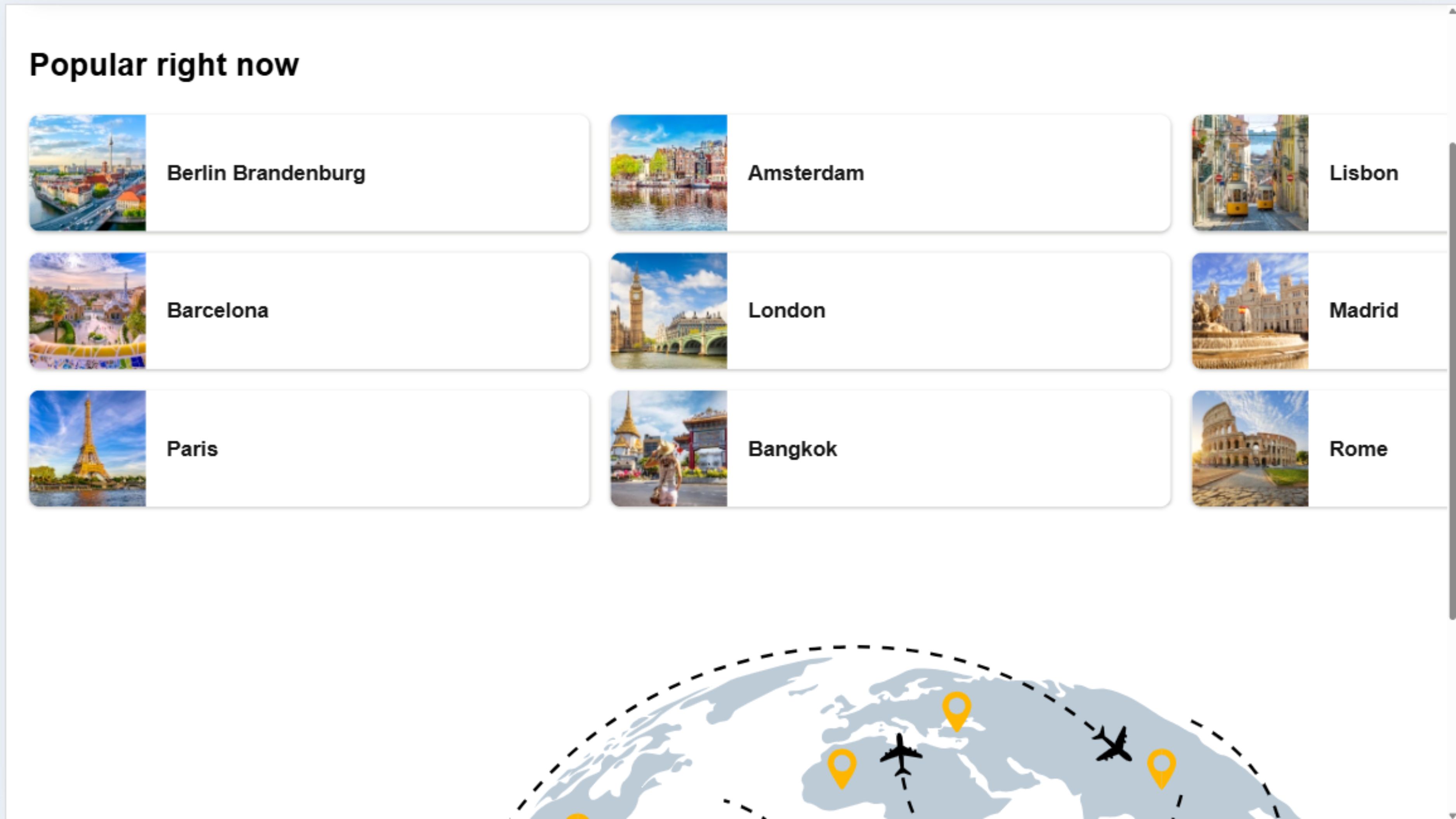
Best for: Ultra-flexible travelers chasing the absolute cheapest flights
Pricing from: Free to use; posts deals from various booking sites
Key features: Mistake fare alerts, flash deal notifications, multi-platform coverage
Secret Flying operates at the extreme end of flight deal hunting, specializing in error fares (pricing mistakes by airlines or booking systems) and ultra-short flash sales. These aren't typical "good deals"—they're absurd anomalies like $200 business class to Asia or $89 transatlantic flights that result from technical glitches or aggressive competitive pricing.
The platform posts deals publicly on their website and social media as they're discovered, creating a real-time feed of extraordinary opportunities. The catch? You need to act within minutes or hours, as error fares are corrected rapidly and flash sales have extremely limited inventory. You also need maximum flexibility—deals are to specific cities on specific dates, with little room for customization.
Secret Flying works best as a supplemental resource you check regularly rather than a primary booking strategy. Set up notifications, and when a deal appears that matches your flexibility, move fast. Some deals are honored by airlines even after pricing errors are discovered, while others are cancelled—Secret Flying can't guarantee outcomes, but they've helped thousands of travelers score once-in-a-lifetime fare prices.
Pros:
Posts genuinely extraordinary deal opportunities
Free to use with instant access
Covers multiple departure cities and destinations
Active community sharing deal details
Sometimes includes hotel and package deals
Cons:
Requires extreme flexibility and fast action
Many deals sell out within hours
Error fares may be cancelled by airlines
No customer support or booking assistance
Deal availability highly unpredictable
10. Hopper – Best for Price Prediction and Booking Optimization
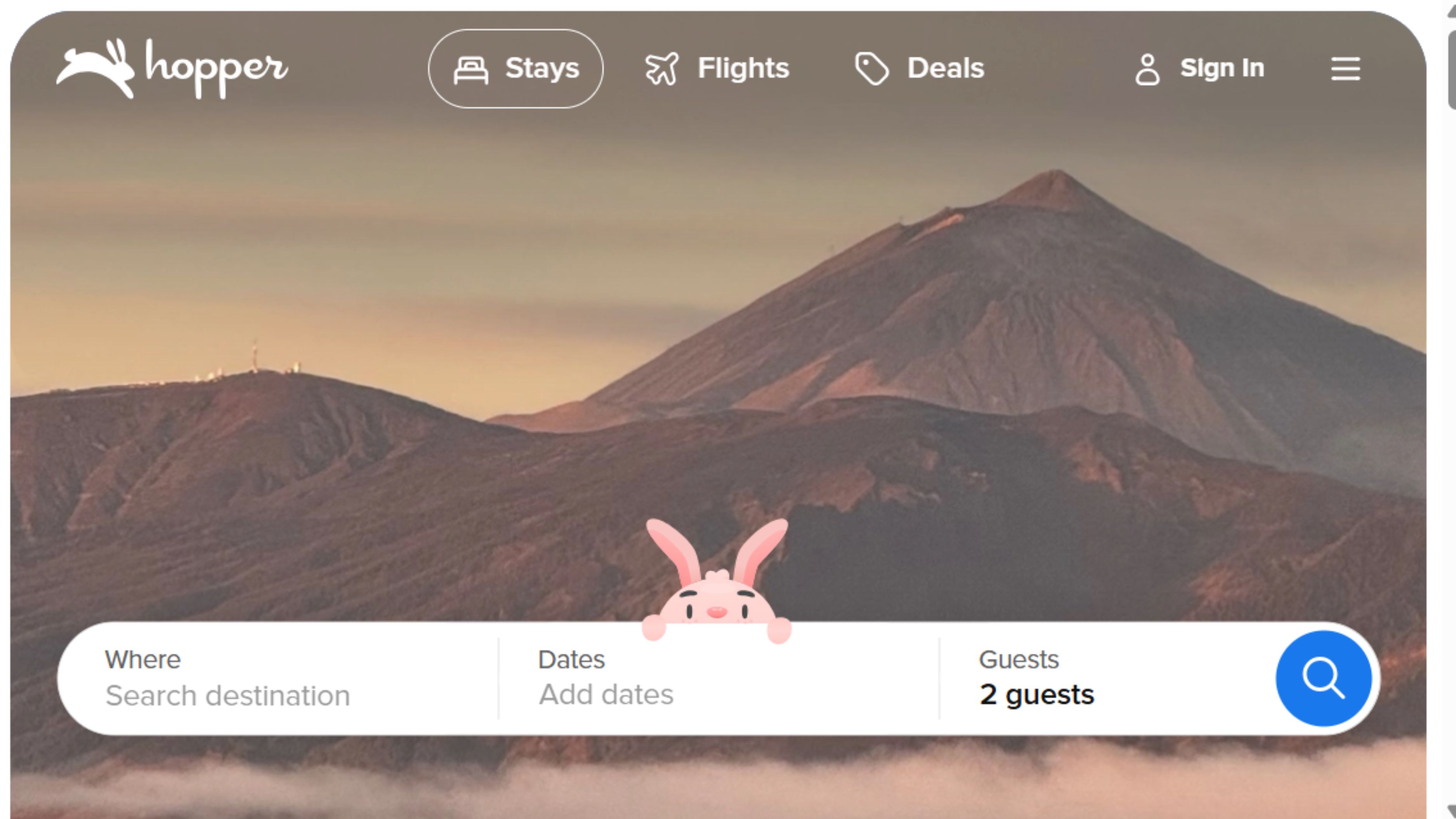
Best for: Planners who want data-driven booking recommendations
Pricing from: Free app; standard booking prices
Key features: Price prediction algorithm, freeze prices, flexible date search, savings alerts
Hopper has built one of travel's most sophisticated price prediction algorithms, analyzing billions of flight and hotel prices to forecast whether costs will rise or fall. The app doesn't just show current prices—it explicitly recommends whether to book now or wait, providing confidence percentages for its predictions and estimated savings for waiting.
The platform's "Price Freeze" feature allows you to lock in current prices for a small fee ($5-$40 depending on ticket cost), giving you days or weeks to finalize plans without risking price increases. If prices drop during the freeze period, you get the lower price; if they rise, you're protected. This feature alone can save hundreds on expensive international flights while providing planning flexibility.
Hopper's interface is exceptionally user-friendly, with flexible date calendars showing price variations across months, making it easy to identify the cheapest travel periods. Their notification system alerts you when your watched trips drop in price or reach predicted low points. While Hopper charges the same prices you'd find booking directly, their prediction and optimization tools help ensure you're booking at the right moment, which is where the real savings occur.
Pros:
Sophisticated price prediction algorithm
Price Freeze feature protects against increases
Excellent flexible date search interface
Clear recommendations on when to book
User-friendly mobile app
Cons:
Predictions not always perfectly accurate
Price Freeze feature costs extra
Limited to flights and hotels (no cars, activities)
App-only experience (no full website)
Platform Comparison
When comparing these lesser-known travel sites, several key differences emerge that help match each platform to specific traveler needs:
Price positioning: Lookbyfare and Alternative Airlines consistently deliver the lowest absolute prices on international flights through consolidator fares and niche airline access. NCL and Tourlane provide the best value for all-inclusive experiences where the total package matters more than rock-bottom pricing. Jettly offers competitive private aviation pricing but remains premium-tier.
Booking complexity: Ovago, Hopper, and Alternative Airlines offer streamlined online booking comparable to major OTAs. Lookbyfare and Tourlane require more interaction with agents, which takes longer but provides personalized service. Scott's Cheap Flights and Secret Flying don't handle bookings at all—they simply alert you to deals you book elsewhere.
Flexibility requirements: Secret Flying and Scott's Cheap Flights demand maximum flexibility to capitalize on unpredictable deals. Travel-Code offers more flexibility, with deals appearing regularly across various dates and destinations. Tourlane, NCL, and Jettly work best when you have specific dates and destinations in mind.
Best for different travelers: Budget backpackers and gap year travelers benefit most from Secret Flying, Scott's Cheap Flights, and Lookbyfare. Families and group travelers find value in NCL, Tourlane, and Jettly. Business travelers and time-conscious individuals appreciate Alternative Airlines' payment flexibility and Jettly's scheduling convenience. Deal hunters with patience love Travel-Code's promotional stacking opportunities.
Buying Guide: Choosing the Right Alternative Travel Site
Who Needs Alternative Travel Sites?
Alternative travel sites provide the most value for several traveler profiles: budget-conscious travelers willing to invest time researching to maximize savings; flexible travelers who can adjust dates and destinations to capture exceptional deals; complex itinerary planners visiting multiple countries or cities who need specialized routing; travelers seeking unique services like private aviation, cruise deals, or customized tours that mainstream OTAs don't emphasize; and deal hunters who enjoy the process of finding and capitalizing on flash sales and pricing errors.
If you're a once-a-year traveler booking straightforward trips during inflexible dates, mainstream booking sites might actually serve you better. But if you travel multiple times yearly, have any scheduling flexibility, or are planning complex international trips, alternative platforms can save substantial money.
How These Platforms Work
Most alternative travel sites fall into several categories that determine how they function: Metasearch engines (Ovago, Hopper) aggregate prices from multiple sources and use algorithms to recommend optimal booking times. Consolidators (Lookbyfare) purchase airline tickets in bulk at wholesale prices and resell them at discounts. Deal aggregators (Scott's Cheap Flights, Secret Flying) hunt for pricing anomalies and alert subscribers. Specialized marketplaces (Jettly, Alternative Airlines) connect travelers directly with providers in niche markets. Custom planners (Tourlane) provide personalized booking services with expert guidance.
Understanding which category each platform occupies helps set appropriate expectations. Metasearch engines and aggregators provide instant results but require you to evaluate options. Consolidators and custom planners involve more back-and-forth but provide personalized service. Specialized marketplaces offer access to inventory not available elsewhere.
Key Features to Consider
Price comparison breadth: The best platforms search hundreds of sources simultaneously, not just major OTAs. Check whether a platform includes smaller regional airlines, boutique hotels, or niche providers that expand your options.
Prediction and optimization tools: Platforms like Hopper and Ovago that forecast price movements help you time bookings optimally. Look for features like price tracking, historical data, and clear buy/wait recommendations.
Payment flexibility: Alternative Airlines' Buy Now Pay Later options and Jettly's transparent charter pricing demonstrate valuable payment innovation. Consider whether flexible payment terms would enable travel you couldn't otherwise afford.
Customer support quality: When using lesser-known platforms, strong customer service becomes crucial. Prioritize sites offering phone support, reasonable response times, and clear problem resolution processes.
User reviews and reputation: Check Trustpilot, Google Reviews, and BBB ratings before committing to unfamiliar platforms. Look for patterns in complaints—occasional negative reviews are normal, but repeated issues with refunds, customer service, or hidden fees are red flags.
Mobile functionality: Since many deals appear suddenly and require quick action, excellent mobile apps are essential for platforms like Secret Flying, Scott's Cheap Flights, and Hopper.
Pricing Overview and Strategy
Understanding Platform Pricing Models
Alternative travel sites use several revenue models that affect your final costs: Commission-based platforms (Ovago, Hopper) earn money from booking sites when you complete reservations, allowing them to offer free search services. Service fee models (Alternative Airlines, Lookbyfare) charge booking fees ($10-$50) in addition to travel costs, which can be worthwhile when accessing better fares or flexible payments. Subscription platforms (Scott's Cheap Flights premium) charge annual fees ($49-$199) for access to premium deals and alerts. Markup models (Tourlane, NCL) include profit margins in their package pricing but often still cost less than booking components separately.
Understanding these models helps you evaluate whether a platform's pricing truly saves money. A $30 booking fee is irrelevant if you're saving $200 on the flight. A $49 annual subscription pays for itself if you book even one international trip using their deals.
DIY vs. Service-Based Booking
Do-it-yourself approach: Platforms like Ovago, Hopper, Secret Flying, and Travel-Code empower you to research and book independently, maximizing control and minimizing service costs. This approach works best when you have time, enjoy the research process, and are comfortable evaluating complex options. Potential savings are highest, but so is time investment.
Service-based approach: Platforms like Tourlane, Lookbyfare, and NCL provide expertise and handle logistics for you, saving time and stress. This approach makes sense for complex international trips, group travel, or when you'd rather pay moderate fees than spend hours researching. You'll save time and access expert knowledge, though absolute rock-bottom prices might be slightly higher than perfect DIY research.
Hybrid strategy: The smartest approach often combines both methods. Use deal alert services (Scott's Cheap Flights, Secret Flying) to identify opportunities, then research specific bookings through metasearch engines (Ovago, Hopper), and use specialized services (Tourlane, Jettly) when their expertise adds clear value.
Frequently Asked Questions
Are lesser-known travel booking sites safe to use?
The platforms in our list are legitimate businesses with established track records, though they carry varying levels of risk compared to household names. To minimize risk: verify the company has real contact information and customer service, read recent customer reviews on independent sites like Trustpilot, use credit cards which provide purchase protection and dispute resolution, save all confirmation emails and booking references, and understand cancellation and refund policies before booking. The established platforms on our list (Hopper, NCL, Jettly) carry minimal additional risk, while newer services warrant extra due diligence. Avoid platforms with numerous recent complaints about non-existent bookings, inability to reach customer service, or systematic refund refusals.
Why are alternative travel sites often cheaper than major booking platforms?
Several factors enable alternative sites to offer better prices: consolidators like Lookbyfare purchase bulk tickets at wholesale prices, specialized platforms access niche inventory not listed on major OTAs, deal aggregators identify pricing errors and flash sales that disappear quickly, direct booking eliminates intermediary commissions that large OTAs charge, flexible payment options (Alternative Airlines) attract price-conscious customers airlines want to fill seats for, and smaller platforms have lower marketing costs allowing them to pass savings to customers. However, "cheaper" sometimes means fewer included services, stricter change policies, or more limited customer support—evaluate total value, not just ticket price.
How far in advance should I book to get the best deals on these platforms?
Optimal booking windows vary by platform type and travel category: Deal alert services (Scott's Cheap Flights, Secret Flying) require booking within hours or days when deals appear, regardless of departure date. Consolidators (Lookbyfare) often have best availability 2-6 months before international travel, though they can also excel at last-minute bookings. Prediction platforms (Hopper, Ovago) tell you explicitly when to book based on their price forecasts for specific routes. Cruise bookings (NCL) typically offer best value 6-12 months in advance, though wave season sales (January-March) and last-minute deals also provide savings. Private charters (Jettly) can be booked days before departure, especially for empty leg flights. As a general rule, maintain flexibility and use price tracking tools rather than assuming a single optimal booking window.
Can I trust price prediction tools like Hopper and Ovago?
Price prediction algorithms are sophisticated but not infallible—Hopper claims 95% accuracy, meaning they're occasionally wrong. These tools analyze billions of historical data points to identify patterns, which works well for established routes with consistent pricing trends. They're less reliable for brand-new routes, unusual travel dates, or unprecedented market conditions (like post-pandemic travel surges). Use price predictions as one data point rather than absolute certainty: if a tool says "prices will likely rise" with high confidence, that's valuable guidance, but not a guarantee. Most platforms' predictions are accurate enough to provide genuine value, especially when combined with price freeze features that protect you if predictions prove wrong. Cross-reference predictions across multiple platforms for additional confidence.
What happens if my booking through an alternative site gets cancelled?
Cancellation policies and protections vary significantly by platform: Metasearch engines (Ovago, Hopper) redirect you to other sites for final booking, so cancellation policies depend on the booking site, not the search platform. Consolidators (Lookbyfare) may have more restrictive change and refund policies than booking directly with airlines, though they should still honor involuntary cancellations. Direct bookings (Alternative Airlines, NCL) generally follow standard airline or cruise line policies. Service platforms (Tourlane) typically provide support for cancellations but may charge service fees. Always purchase travel insurance for expensive trips, use credit cards for booking (provides dispute resolution), save all confirmation details and communications, and understand your rights under DOT regulations (for US flights) or EU261 (for European flights). Contact both the platform and the actual travel provider (airline, hotel) if cancellation occurs—sometimes working with both yields better resolution.