We reviewed dozens of kitchen gadgets, appliances, and tools — sifting through real user feedback, professional kitchen insights, and hands-on testing data — to find the upgrades that deliver on their time-saving promises. No gimmicks, no single-use gadgets that gather dust. Just practical, proven upgrades that earn their counter space.
Here are our top 10 picks.
⚡ Top 10 at a Glance
# | Product | Best For |
1 | Instant Pot Duo | Hands-off, all-in-one weeknight cooking |
2 | Vitamix Ascent Series Blender | Fast, powerful blending with self-cleaning |
3 | OXO Good Grips 11-Piece POP Container Set | Pantry organization that speeds up meal prep |
4 | Breville Smart Oven Air Fryer Pro | Replacing multiple appliances with one |
5 | Misen Chef's Knife | Precision cutting that reduces prep time |
6 | KitchenAid Artisan Stand Mixer | Hands-free baking and mixing tasks |
7 | Ninja Foodi Coffee Maker | Fast, café-quality coffee without a barista |
8 | Prepara Herb Savor Pod | Keeping fresh herbs alive longer |
9 | Joseph Joseph DrawerStore Organizer | Finding utensils fast, every single time |
10 | GE Profile Opal Nugget Ice Maker | Eliminating ice tray refills forever |
🔍 The Full Reviews
1. Instant Pot Duo — Best for Hands-Off, All-in-One Weeknight Cooking
What it is & who it's best for: The Instant Pot Duo is the Swiss Army knife of kitchen appliances — a pressure cooker, slow cooker, rice cooker, steamer, sauté pan, and yogurt maker rolled into one. It's ideal for busy families, meal preppers, and anyone who wants dinner on the table without standing over a stove.
Key features & differentiators: What really sets the Instant Pot apart is how radically it compresses cook times. A pot roast that normally takes 3–4 hours in the oven is done in under an hour under pressure. The "set it and forget it" factor is huge — toss ingredients in, lock the lid, and walk away. The Duo model features 7-in-1 functionality, a 6-quart capacity (also available in 3-qt and 8-qt), and a delay-start timer so dinner can be ready exactly when you need it.
Pricing: Generally ranges from $80–$120 depending on size and retailer sales.
✅ Pros:
Dramatically cuts cook times for meats, beans, and grains
Replaces several appliances, saving counter and cabinet space
Easy to clean — inner pot is dishwasher safe
Delay start and keep-warm functions add major flexibility
Huge recipe community online for inspiration
❌ Cons:
Learning curve with pressure release valve for new users
Bulky footprint for smaller kitchens
Not ideal for quick, last-minute meals (requires pressure build-up time)
2. Vitamix Ascent Series Blender — Best for Fast, Powerful Blending with Self-Cleaning
What it is & who it's best for: The Vitamix Ascent Series isn't just a blender — it's a precision food processing machine. If you make smoothies, soups, nut butters, sauces, or baby food on a regular basis, this is the upgrade that will make you wonder how you ever managed without it. It's best for health-conscious cooks and anyone who uses a blender more than twice a week.
Key features & differentiators: The Ascent's motor is powerful enough to blend hot soup in under 6 minutes entirely from friction heat — no stovetop required. The self-cleaning feature is a true time-saver: add a drop of dish soap, fill with warm water, run for 60 seconds, and it's clean. The variable speed dial and pulse function give you precise control, and the built-in wireless connectivity lets it communicate with Vitamix's smart blending containers.
Pricing: Premium range, typically $400–$600 new, though certified reconditioned models are available for $200–$350.
✅ Pros:
10-year warranty backs up the investment
Self-cleaning takes under 60 seconds
Powerful enough to handle frozen fruit, ice, and whole vegetables
Makes hot soup without extra cooking steps
Compatible with food processor and personal cup attachments
❌ Cons:
Significant upfront cost
Loud motor — not ideal for early-morning use in small apartments
Large base takes up meaningful counter space
3. OXO Good Grips 11-Piece POP Container Set — Best for Pantry Organization That Speeds Up Meal Prep
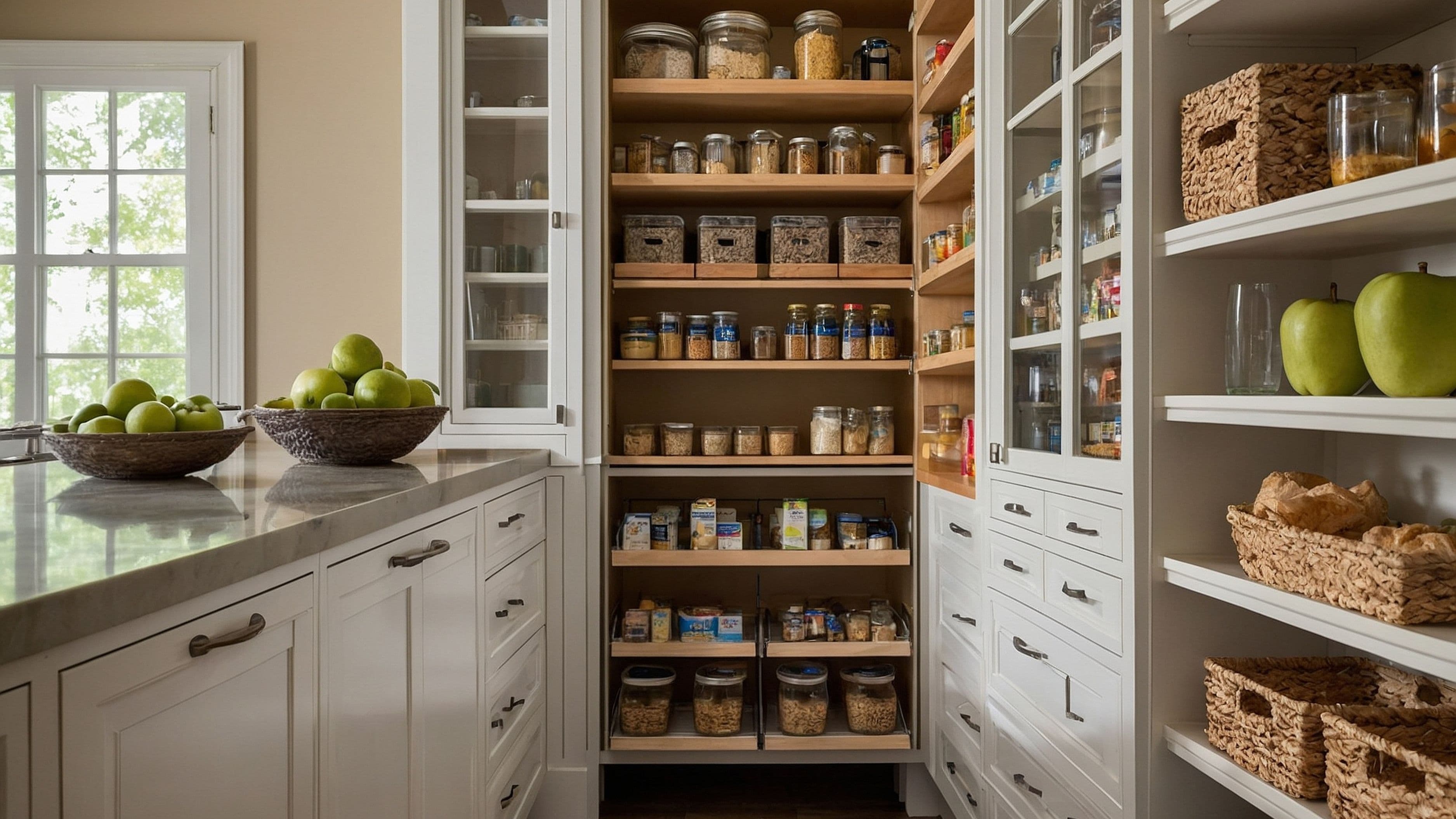
What it is & who it's best for: This might be the least glamorous entry on our list, but don't underestimate it. The OXO POP Container Set transforms a chaotic pantry into a streamlined meal-prep system. It's best for home cooks who lose time hunting for ingredients, dealing with stale goods, or fighting with poorly sealed bags and boxes.
Key features & differentiators: The signature one-push button lid creates an airtight seal with a single press and pops open just as easily. The rectangular and square shapes stack efficiently and maximize shelf space far better than round containers. Clear sides mean you can see exactly what you have at a glance — no digging. The modular sizing system means each piece works together predictably, so you always know what fits where.
Pricing: Sets typically range from $60–$100, with individual containers available for $10–$20 each.
✅ Pros:
Airtight seal keeps ingredients fresher, longer
Clear walls make inventory checks instant
Stackable design maximizes vertical pantry space
BPA-free and dishwasher safe (lids included)
Consistent sizing makes the system easy to expand
❌ Cons:
Higher price than basic storage containers
Button mechanism can be stiff when new
Not microwave safe
4. Breville Smart Oven Air Fryer Pro — Best for Replacing Multiple Appliances with One
What it is & who it's best for: The Breville Smart Oven Air Fryer Pro is a countertop convection oven, air fryer, broiler, dehydrator, slow cooker, and pizza oven combined into one sleek unit. It's best for households that want versatility without a kitchen full of single-purpose gadgets — and for anyone who hates preheating a full-size oven just to reheat leftovers.
Key features & differentiators: The 13 cooking functions cover virtually every technique you'd use regularly, and the Element IQ system directs heating power where it's actually needed based on the cooking mode. The large interior fits a 14-inch pizza or a 9x13 baking pan — significantly larger than most countertop competitors. Air frying function produces genuinely crispy results in a fraction of the time of a traditional oven, without the need for extra oil.
Pricing: Typically $300–$400 — a genuine investment, though it often replaces $600+ worth of individual appliances.
✅ Pros:
13 cooking functions in one footprint
Preheats dramatically faster than a full oven
Interior light and large window for easy monitoring
Non-stick interior is easy to wipe down
Produces excellent air-fried results without excess oil
❌ Cons:
Large countertop footprint
Premium price point
Learning which function to use can take time initially
5. Misen Chef's Knife — Best for Precision Cutting That Reduces Prep Time
What it is & who it's best for: A great chef's knife might be the single highest-return upgrade in any kitchen. The Misen Chef's Knife delivers professional-grade performance at a price that doesn't require a second mortgage. It's best for everyday home cooks who are tired of fighting a dull, cheap knife through every onion, carrot, and chicken breast.
Key features & differentiators: Misen uses Japanese AICHI steel and an 15-degree edge angle (compared to the 25-degree found on many Western knives), which produces a noticeably sharper, more precise cut. The full-tang construction and balanced weight distribution reduce hand fatigue during longer prep sessions. The blade geometry is designed for both push-cutting and the rocking motion, making it versatile across different prep styles. A sharper knife is statistically safer, too — less slipping, more control.
Pricing: Typically $65–$75 — genuinely impressive value for the quality tier.
✅ Pros:
Razor-sharp out of the box
Excellent balance and comfortable handle
Holds an edge well between sharpenings
Drastically speeds up vegetable and protein prep
Lifetime warranty with free sharpening program
❌ Cons:
Requires hand washing to maintain edge
Not dishwasher safe
May require some adjustment for cooks used to heavier German-style knives
6. KitchenAid Artisan Stand Mixer — Best for Hands-Free Baking and Mixing Tasks
What it is & who it's best for: The KitchenAid Artisan Stand Mixer is a baking institution for good reason. If you bake bread, cookies, cakes, or whip cream or egg whites regularly, this machine frees your hands entirely and does the job better than you could manually. It's best for bakers who want consistent results without the arm workout.
Key features & differentiators: The planetary mixing action — where the attachment rotates around the bowl while spinning — ensures thorough, even mixing that's impossible to replicate by hand. The 5-quart stainless steel bowl handles large batches, and the 10-speed motor powers through stiff bread doughs without complaint. What really elevates its time-saving value is the robust attachment ecosystem: pasta roller, meat grinder, food processor, and spiralizer all connect to the same power hub, turning one machine into a multi-station prep center.
Pricing: Typically $350–$500 depending on color and retailer; attachments sold separately at $40–$200 each.
✅ Pros:
Completely frees your hands during mixing
Attachments dramatically expand its functionality
Built like a tank — routinely lasts 10–20+ years
Consistent, reliable results every time
Available in a wide range of colors to match any kitchen aesthetic
❌ Cons:
Significant weight — not easy to move around
Attachments are an added expense
Bowl can be small for very large batches
7. Ninja Specialty Coffee Maker — Best for Fast, Café-Quality Coffee Without a Barista
What it is & who it's best for: The Ninja Specialty Coffee Maker bridges the gap between a basic drip machine and a full espresso setup. It's best for households where multiple people want different coffee drinks — lattes, cold brew, specialty brews, iced coffee — without running to a café every morning or investing in a $1,000+ espresso machine.
Key features & differentiators: The Ninja's standout feature is its built-in milk frother, which lets you pull a creamy latte or cappuccino directly from the machine in under five minutes. The Specialty Brew mode concentrates the coffee into a smaller, stronger pour designed specifically for mixing with milk or ice — a much better result than just running regular brew over ice. The fold-away frother and compact form factor mean it doesn't eat up permanent counter space, which is a genuine advantage over multi-component setups.
Pricing: Generally $130–$200 depending on model and retailer.
✅ Pros:
Built-in frother eliminates a separate appliance
Multiple brew sizes and styles from a single machine
Faster than waiting in a café line — by a lot
Easy-to-clean carafe and permanent filter
Auto-shutoff for safety
❌ Cons:
Not a true espresso machine — espresso purists may notice the difference
Frother requires more thorough cleaning than other parts
Carafe size is moderate — may not be enough for large households
8. Prepara Herb Savor Pod — Best for Keeping Fresh Herbs Alive Longer
What it is & who it's best for: Fresh herbs are one of the most frequent food-waste culprits in the American fridge — you buy a bunch of cilantro, use two sprigs, and watch the rest turn to mush within days. The Prepara Herb Savor Pod solves this quietly but powerfully. It's best for anyone who cooks with fresh herbs regularly and is tired of making an extra grocery run mid-week because their herbs died.
Key features & differentiators: The pod works by keeping herb stems submerged in a small reservoir of water while the enclosed lid slows moisture loss from the leaves — essentially a vase designed for your refrigerator door. It keeps herbs fresh for up to three weeks, compared to one to three days in a plastic bag. The time savings come not from speed but from eliminating the trip back to the store — and eliminating the decision paralysis that comes from "is this still good?" The compact design fits neatly in most fridge door shelves.
Pricing: Very accessible at $15–$25 per pod.
✅ Pros:
Extends herb life from days to weeks
Eliminates mid-week grocery runs for forgotten herbs
Reduces food waste and saves money over time
Compact and fridge-door friendly
Works for parsley, cilantro, basil, mint, and more
❌ Cons:
Requires refilling the water reservoir every few days
Doesn't work for every herb equally (basil prefers room temperature)
Small capacity — best for one bunch at a time
9. Joseph Joseph DrawerStore Organizer — Best for Finding Utensils Fast, Every Single Time
What it is & who it's best for: Kitchen drawer chaos is a silent time thief. The Joseph Joseph DrawerStore is a modular, tiered utensil organizer that fits most standard kitchen drawers and brings genuine order to the most-opened storage space in your kitchen. It's best for anyone who has ever muttered "where is the spatula?" while something burns on the stove.
Key features & differentiators: The tiered design is the key innovation here — taller utensils like ladles and whisks store in a raised back section, while smaller tools sit in the front tier, making everything visible and grabbable in one motion. The non-slip base keeps it from sliding around during drawer use, and the system is fully expandable with additional modules. It fits most standard 12-inch drawers and can be trimmed for non-standard sizes.
Pricing: Typically $25–$40 — a small investment with an outsized daily impact.
✅ Pros:
Tiered design makes every utensil immediately visible
Non-slip base prevents movement in the drawer
Modular — expand or reconfigure as needed
Frees up counter space by replacing bulky utensil crocks
Easy to remove and clean
❌ Cons:
May not fit unusually shallow drawers
Not ideal for very large collections — may need two units
Plastic construction feels premium but isn't indestructible
10. GE Profile Opal Nugget Ice Maker — Best for Eliminating Ice Tray Refills Forever
What it is & who it's best for: Nugget ice — the soft, chewable, drinks-friendly kind you get at Sonic or Chick-fil-A — is universally beloved, and the GE Opal brings it home. It's best for households where cold drinks are a daily ritual and ice tray management has quietly become everyone's least favorite chore.
Key features & differentiators: The Opal produces a pound of nugget ice per hour and stores up to 3 pounds in its bin — enough to keep up with a busy household without manual intervention. The side tank adds extra water capacity, reducing refill frequency, and the WiFi-enabled models let you schedule ice production from your phone. Unlike traditional countertop ice makers that produce bullet ice (hard and less enjoyable), the Opal's nugget ice is softer, cools drinks faster, and absorbs flavor — a genuinely superior ice experience.
Pricing: Typically $500–$550 — the premium pick on our list, but wildly popular among its owners.
✅ Pros:
Produces beloved, restaurant-quality nugget ice at home
Makes up to 24 lbs per day
Side tank reduces refill trips significantly
WiFi scheduling on newer models
Self-cleaning cycle makes maintenance simple
❌ Cons:
Highest price point on our list
Requires regular descaling in hard-water areas
Bulky — needs dedicated counter space and proximity to a drain
📖 A Short Guide to Kitchen Time-Saving Upgrades
What Are Kitchen Time-Saving Upgrades?
Kitchen time-saving upgrades are appliances, tools, or organizational systems that actively reduce the number of minutes — or decisions — required to plan, prepare, cook, and clean up a meal. They range from high-tech appliances like multi-cookers and smart coffee makers to low-tech solutions like better knife steel and smarter storage containers.
The key distinction between a gimmick and a genuine time-saver is frequency of use. A gadget that speeds up a task you do once a year isn't a time-saver. A tool that shaves five minutes off a task you perform every day saves you over 30 hours per year.
Benefits of Upgrading Your Kitchen
Fewer decisions and fewer steps mean meals come together more intuitively and quickly
Reduced food waste from better storage directly saves money and eliminates last-minute store runs
Multi-function appliances clear counter and cabinet clutter, making the whole kitchen easier to navigate
Better tools build better habits — a sharp knife and an organized pantry make you more likely to actually cook at home
Long-term health and financial benefits from cooking at home more consistently
What to Look For When Choosing
1. Frequency of use Will you actually use this weekly (or ideally daily)? A specialty gadget used once a month rarely justifies the space or cost.
2. Multi-functionality Appliances that do several jobs well (like the Instant Pot or Breville oven) deliver more value per square foot than single-use items.
3. Cleanup time A tool that saves 10 minutes of cooking but adds 20 minutes of cleaning is a net loss. Always consider the full cycle.
4. Durability and warranty Time-saving upgrades are investments. Look for brands that stand behind their products with solid warranties.
5. Counter and cabinet space Be honest about your kitchen's real estate before you buy. An appliance sitting in a closet saves no one any time.
6. Learning curve The best time-saving upgrade is one you'll actually use confidently from day one — or one with a learning curve short enough to clear quickly.
❓ Frequently Asked Questions
Q: What's the single best kitchen upgrade for saving time on weeknight dinners? A: If we had to pick just one, it's the Instant Pot. The ability to produce fully cooked meals from raw ingredients in 30–60 minutes — largely unattended — is the highest-impact change most home cooks can make to their weeknight routine.
Q: Are expensive kitchen gadgets always better time-savers than budget options? A: Not necessarily. The Prepara Herb Savor Pod and Joseph Joseph DrawerStore are both under $40 and deliver daily time savings that rival much pricier appliances. That said, where motor power or build quality matters (blenders, knives, stand mixers), spending more usually pays off in both performance and longevity.
Q: How do I avoid buying kitchen gadgets I'll never use? A: The most reliable test is the "once a week" rule — if you can't picture yourself using it at least once a week, skip it. Also be wary of gadgets that solve a problem you've never actually complained about. The best upgrades solve frustrations you feel right now.
Q: Can kitchen organization really save as much time as new appliances? A: Absolutely — and it's often underrated. Studies on kitchen efficiency consistently show that physical search time (finding a lid, locating an ingredient, hunting for a utensil) adds up to significant wasted time per meal. The OXO POP containers and Joseph Joseph organizer are proof that sometimes the best upgrade isn't an appliance at all.