These aren't just "open a window" suggestions. These are strategies that actually work, backed by how heat moves through a home and how to stop it before it builds up.
Top 10 Ways to Keep Your Home Cool – At a Glance
Block heat at the windows
Use fans strategically, not randomly
Cool yourself, not just the room
Switch to a whole-house fan
Manage heat-generating appliances
Cool your home at night
Use breathable bedding and sleepwear
Add thermal mass to your space
Insulate and seal against heat transfer
Use evaporative cooling where it works
1. Block Heat at the Windows
Up to 76% of sunlight that hits standard windows enters as heat according to the U.S. Department of Energy. On a hot day, that's the single biggest driver of indoor temperature – and the most impactful thing you can do is stop it before it gets in.
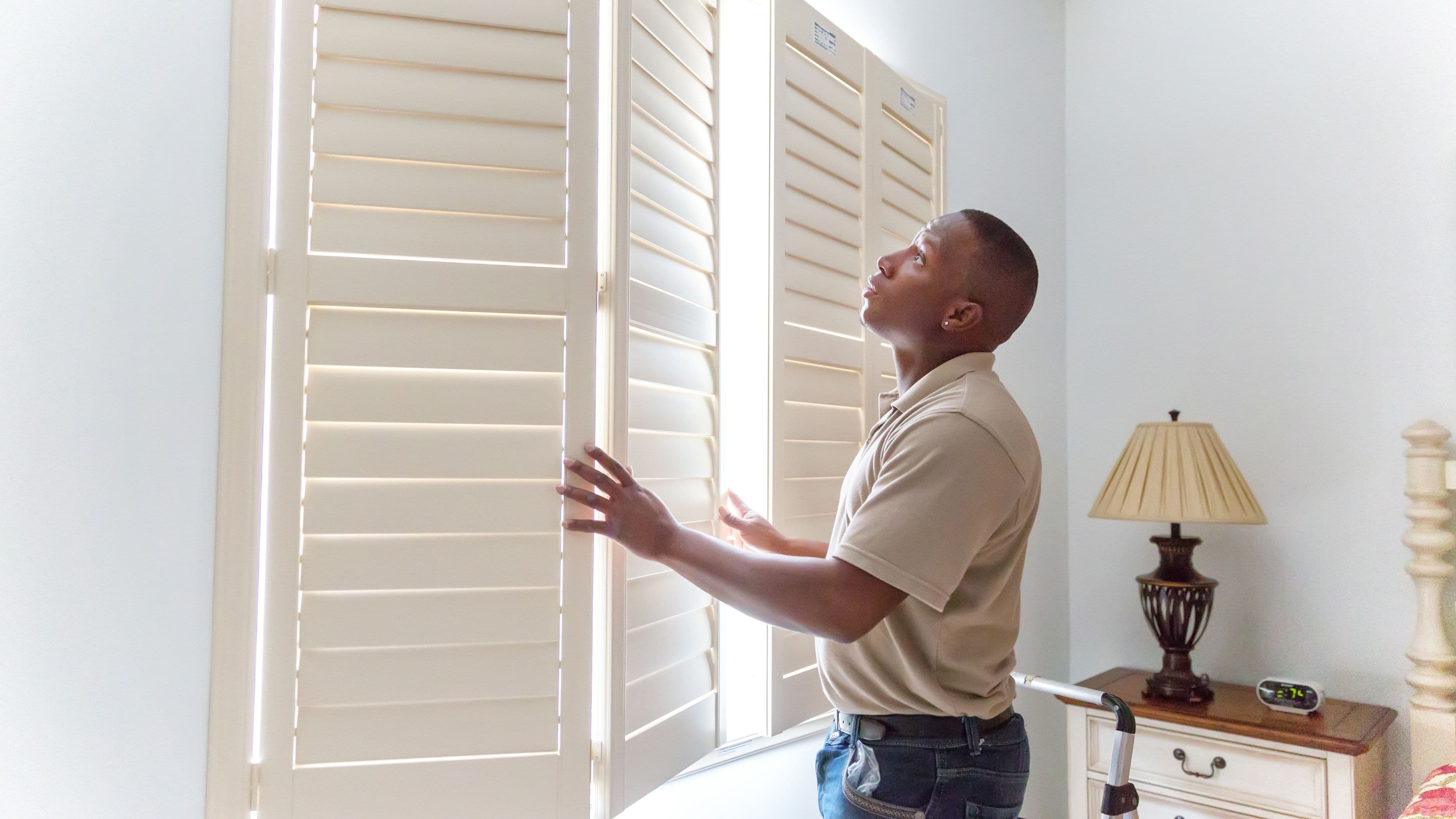
Exterior solutions work best: awnings, exterior shutters, or shade trees block solar radiation before it hits the glass. If exterior options aren't available, cellular shades, blackout curtains, or solar shades on south- and west-facing windows make a meaningful difference. Reflective window film is another strong option – it lets light in but bounces infrared radiation back out, reducing heat gain without darkening the room as much as blackout curtains.
The key detail: close window coverings on sun-facing windows before the heat builds, not after. Blocking incoming radiation is far more effective than trying to dissipate heat that's already inside.
Best for: Any home with significant south or west-facing window exposure.
Key benefit: Reduces the primary source of heat gain before it enters the space.
2. Use Fans Strategically, Not Randomly
A fan doesn't cool a room – it cools people by accelerating sweat evaporation. Running a fan in an empty room is pointless. But used correctly, fans are one of the most energy-efficient cooling tools available, using a fraction of the electricity of air conditioning.
The most effective setup is cross-ventilation: place a fan in a window on the shaded, cooler side of your home drawing air in, and open windows on the opposite side to let hot air out. At night, reverse the setup – intake from the coolest direction, exhaust on the other side. Ceiling fans should run counterclockwise in summer to push air straight down and create a wind-chill effect.
Tower and box fans positioned low pull in cooler floor-level air. A box fan facing outward in an upper-floor window actively exhausts hot air that accumulates at ceiling height. Combining these approaches – intake low on the cool side, exhaust high on the hot side – moves heat out of your home rather than just circulating it.
Best for: Any home with cross-ventilation potential and moderate outdoor temperatures.
Key benefit: Dramatically reduces perceived temperature at a fraction of the energy cost of AC.
3. Cool Yourself, Not Just the Room
This sounds obvious, but most people default to trying to cool the entire space when the goal is actually to stay comfortable. Cooling yourself directly is dramatically more efficient and effective, especially in larger spaces or multi-room homes.
A spray bottle with cold water on your wrists, neck, and face lowers your perceived temperature quickly. A damp cloth on the back of the neck or a cooling towel works similarly. Cold showers or brief dips in cool water lower your core body temperature directly – the effects last well beyond the shower itself.
Staying hydrated matters more than most people realize during heat. Dehydration raises your core temperature and reduces your body's ability to regulate heat through sweating. Electrolyte intake matters too, especially if you're sweating heavily – water alone without electrolytes can actually impair thermoregulation.
Loose, light-colored, breathable clothing in natural fibers like cotton or linen allows sweat to evaporate properly. Synthetic fabrics trap heat and moisture and make the same temperature feel significantly worse.
Best for: Individuals, anyone who doesn't need to cool an entire home, people working in specific rooms.
Key benefit: Immediate, personal cooling with zero energy cost.
4. Switch to a Whole-House Fan
A whole-house fan is one of the most underrated cooling solutions available. Installed in the ceiling between your living space and attic, it pulls cool outdoor air through open windows and exhausts hot attic air out through attic vents. On a cool evening or morning, it can drop indoor temperatures by 10–15°F in minutes.
The energy comparison is stark: a whole-house fan uses 200–700 watts, compared to 3,000–5,000 watts for a central AC system. For households in climates with hot days but cool nights – most of the American West, mountain regions, and many parts of the Midwest – a whole-house fan can effectively replace AC for a significant portion of the cooling season.
The limitation is climate-specific: whole-house fans work best when outdoor temperatures drop below indoor temperatures in the evening, typically below 70°F. In humid climates where nights stay warm and muggy, the benefit is reduced. But for the right climate, this is the single most impactful non-AC cooling upgrade you can make.
Best for: Dry climates with warm days and cool nights, single-family homes with attic access.
Key benefit: Rapidly exchanges hot indoor air for cool outdoor air at a fraction of AC energy cost.
5. Manage Heat-Generating Appliances
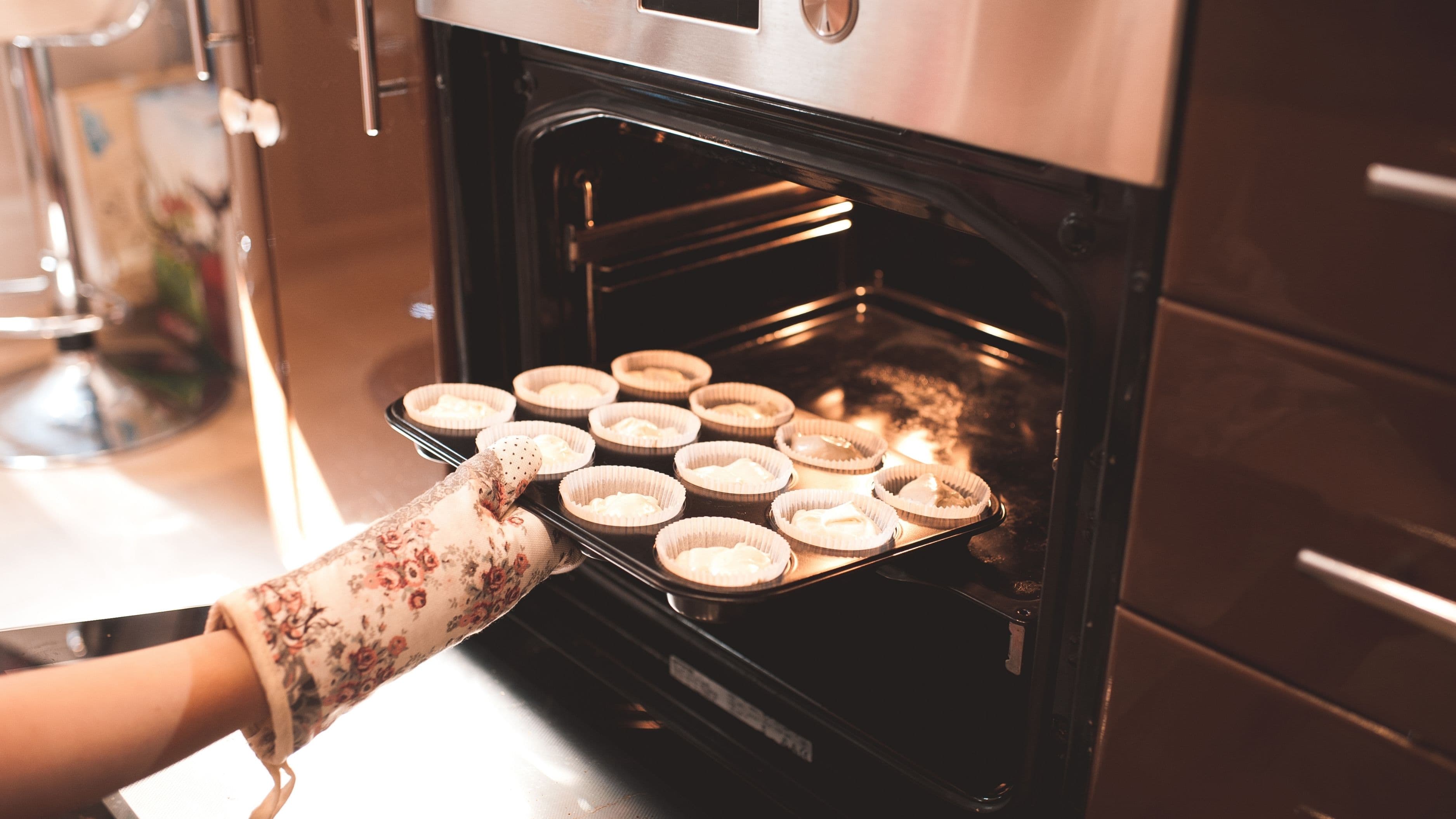
Your oven, stovetop, dishwasher, dryer, and even incandescent light bulbs generate meaningful amounts of heat inside your home. On a hot day, running these appliances during peak heat hours (typically 10am–6pm) actively works against every other cooling strategy you're using.
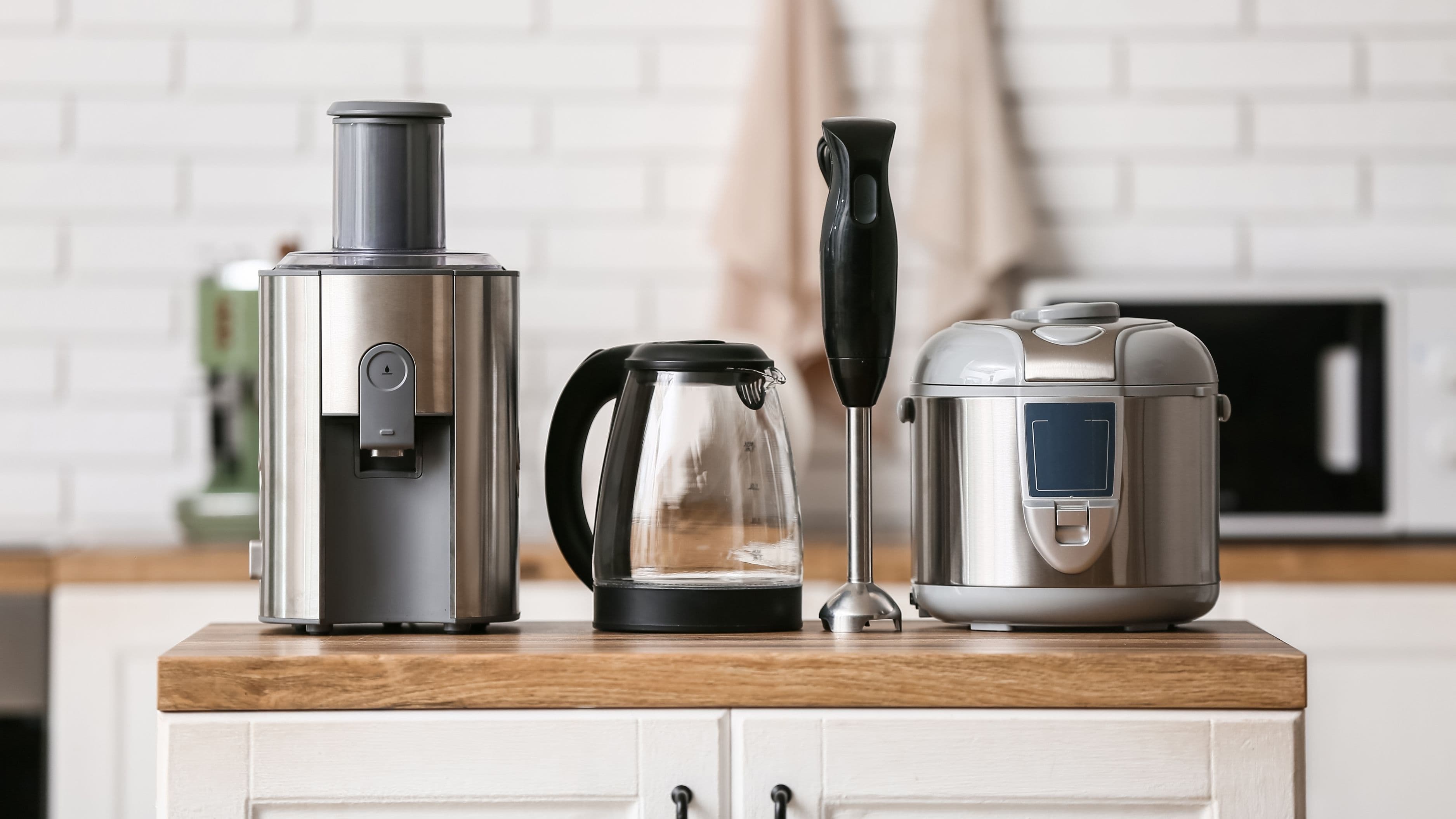
Shift heat-generating tasks to early morning or evening. Cook outside on a grill or use a microwave, slow cooker, or Instant Pot instead of the oven – these generate significantly less ambient heat. Run the dishwasher and dryer at night, or air-dry dishes and hang laundry outside. If you haven't switched to LED lighting yet, do it – incandescent bulbs convert only about 10% of energy to light and release the rest as heat.
Electronics also generate heat when left on standby. Computers, gaming consoles, and televisions left on or in standby mode add to the thermal load of your space. Shut them off completely when not in use during hot weather.
Best for: All households – this costs nothing to implement.
Key benefit: Reduces internal heat generation without any cooling equipment required.
6. Cool Your Home at Night
This strategy is simple but requires consistency: open windows and run fans aggressively at night to flush out accumulated heat and pull in cool air, then close everything up in the morning before outdoor temperatures rise above indoor temperatures.
Think of your home as a thermal battery. If you can get the indoor temperature down to 65–68°F overnight, that mass of cooled air and cooled building materials acts as a buffer against daytime heat for several hours. Homes with tile, concrete, or brick floors and walls hold this overnight cool particularly well.
The timing matters. In most climates, outdoor temperatures are lowest between 4am and 7am. Running a whole-house fan or multiple window fans during this window captures the coolest possible air. Close everything – windows, doors, and heavy curtains – before outdoor temperatures exceed indoor temperatures, usually by 9–10am depending on your location.
Best for: Any climate with meaningful overnight temperature drops (at least 15°F cooler than daytime highs).
Key benefit: Uses free overnight cooling to buffer against daytime heat buildup.
7. Use Breathable Bedding and Sleepwear
Sleep quality during hot weather is often the biggest complaint about not having AC – and it's also one of the most fixable. The right bedding setup makes a hot bedroom significantly more manageable.
Natural fiber bedding – cotton percale, linen, or bamboo – breathes and wicks moisture far better than synthetic options. Thread count is often misunderstood: a lower thread count (200–400) in a quality percale weave breathes better than a high thread count sateen, which feels smooth but traps heat. Linen is the most breathable option available and cools down quickly after warming up.
A buckwheat pillow is worth knowing about: unlike memory foam or down, buckwheat doesn't absorb and retain body heat, which is one of the main reasons people sleep hot. Elevating your sleeping position slightly also helps – heat rises, and even 6–12 inches of elevation keeps you out of the warmest air layer nearest the floor. A small fan directed across the bed from the side creates a wind-chill effect that can make sleeping comfortable even at higher room temperatures.
Best for: Anyone struggling with sleep quality during hot nights.
Key benefit: Significantly improves sleep comfort without any mechanical cooling.
8. Add Thermal Mass to Your Space
Thermal mass refers to materials that absorb and store heat during the day and release it slowly at night. It's a passive cooling principle used in architecture for thousands of years – and it's applicable at the household level even if you're not building from scratch.
Tile, stone, and concrete floors absorb heat during the day and keep a room cooler while doing so. If you have these materials in your home, keep them uncovered during the day rather than covering them with rugs. Large containers of water also act as thermal mass – an aquarium, a large stone countertop, or even jugs of water placed in sunlit areas absorb heat before it heats the air.
Houseplants contribute in two ways: they release moisture through transpiration (which has a mild cooling effect), and their soil and root mass absorbs some thermal energy. Clustering larger potted plants near windows provides a small but real buffering effect on heat gain, in addition to whatever aesthetic value they bring.
Best for: Homes with existing tile, stone, or concrete surfaces; anyone looking for passive cooling strategies.
Key benefit: Absorbs daytime heat before it heats room air, releasing it slowly overnight.
9. Insulate and Seal Against Heat Transfer
Most home insulation conversations focus on winter heat retention, but insulation works both ways – it keeps heat out in summer just as effectively as it keeps heat in during winter. If your attic is poorly insulated, it acts as a heat radiator, pushing thermal energy down into your living space throughout the day.
Attic insulation is the highest-impact improvement for most homes. The Department of Energy recommends R-38 to R-60 for attic insulation depending on climate zone. An attic that reaches 130–150°F on a hot day with poor insulation will warm your ceilings and upper floors regardless of what else you do. Adding insulation is a one-time investment that pays off every summer for decades.
Sealing air gaps matters too. Hot outdoor air infiltrating through gaps around doors, windows, outlets, and recessed lights adds to indoor heat load. Weatherstripping, door sweeps, and foam gaskets behind outlet covers on exterior walls are inexpensive fixes that reduce unwanted heat exchange. The same gaps that let cold air in during winter let hot air in during summer.
Best for: Homeowners with underinsulated attics or drafty older homes.
Key benefit: Long-term passive reduction in heat gain that improves comfort in every season.
10. Use Evaporative Cooling Where It Works
Evaporative coolers – also called swamp coolers – work on a simple principle: water absorbs heat as it evaporates, cooling the air it passes through. A quality evaporative cooler can drop air temperature by 15–40°F at a fraction of the energy cost of refrigerant-based air conditioning.
The critical limitation is humidity. Evaporative cooling works well when relative humidity is below 60% – ideally below 40%. In dry climates (the American Southwest, mountain regions, arid parts of the Midwest), evaporative coolers are highly effective and extremely common. In humid climates (the Southeast, coastal areas), they add moisture to already-humid air and provide little cooling benefit.
If you're in a dry climate and not using an evaporative cooler, you're missing one of the most cost-effective cooling options available. Portable swamp coolers require no installation and can be moved room to room. Whole-house evaporative systems are installed on the roof or side of the home and distribute cooled air through the home's ductwork, functioning similarly to central AC but at significantly lower operating cost.
Best for: Dry climates with low relative humidity, anywhere west of the 100th meridian.
Key benefit: AC-level cooling in the right climate at a fraction of the energy and cost.
Quick Takeaway
The most effective no-AC cooling strategy isn't a single tip – it's a layered approach. Block heat at the windows before it enters. Flush the home with cool night air and seal it in during the day. Use fans to move air over people, not just to circulate it. Eliminate internal heat sources during peak hours. And match your strategy to your climate – what works in Phoenix won't work the same way in Atlanta.
None of these require significant expense, and several cost nothing at all. The key is understanding how heat moves into and through your home, then systematically working against it.
FAQ
Do fans actually make a room cooler?
No – fans cool people by increasing sweat evaporation, but they don't lower room temperature. In fact, a fan's motor adds a small amount of heat to the room. A fan in an empty room is counterproductive. Use fans where people are sitting or sleeping.
What's the most cost-effective single upgrade for a hot home?
For most homes: attic insulation and window coverings on south- and west-facing windows. Both are one-time investments that reduce heat gain every summer. For renters, blackout curtains and a quality fan setup deliver the biggest improvement with no permanent installation required.
How much cooler can these methods realistically keep a home?
With layered strategies – night flushing, window blocking, fan management, and appliance control – most homes in moderate climates can stay 10–20°F cooler than the outdoor high. In a dry climate with a whole-house fan or evaporative cooler, the gap is larger.
Does closing doors between rooms help keep things cooler?
It depends on your ventilation strategy. If you're running cross-ventilation with fans, closing interior doors interrupts airflow and reduces effectiveness. If you're trying to keep a cooled room isolated (especially overnight), closing doors helps retain that cooler air.
At what outdoor humidity level does evaporative cooling stop working?
Above 60% relative humidity, evaporative cooling becomes significantly less effective. Above 70%, it provides minimal benefit and may make the space feel more uncomfortable by adding moisture. Check your region's average summer humidity before investing in an evaporative cooler.
📚 Sources
U.S. Department of Energy – "Energy Efficient Window Coverings" – energy.gov https://www.energy.gov/energysaver/energy-efficient-window-coverings
U.S. Department of Energy – "Whole-House Fans" – energy.gov https://www.energy.gov/energysaver/whole-house-fans
U.S. Department of Energy – "Evaporative Coolers" – energy.gov https://www.energy.gov/energysaver/evaporative-coolers
U.S. Department of Energy – "Insulation" – energy.gov https://www.energy.gov/energysaver/insulation
Lawrence Berkeley National Laboratory – "Residential Windows, Doors and Skylights" – energy.lbl.gov https://buildings.lbl.gov/sites/default/files/1994_AIA_windows.pdf
CDC – "Extreme Heat Prevention" – cdc.gov https://www.cdc.gov/extreme-heat/prevention/index.html
🔍 Explore Related Topics
How evaporative coolers work and where to use them