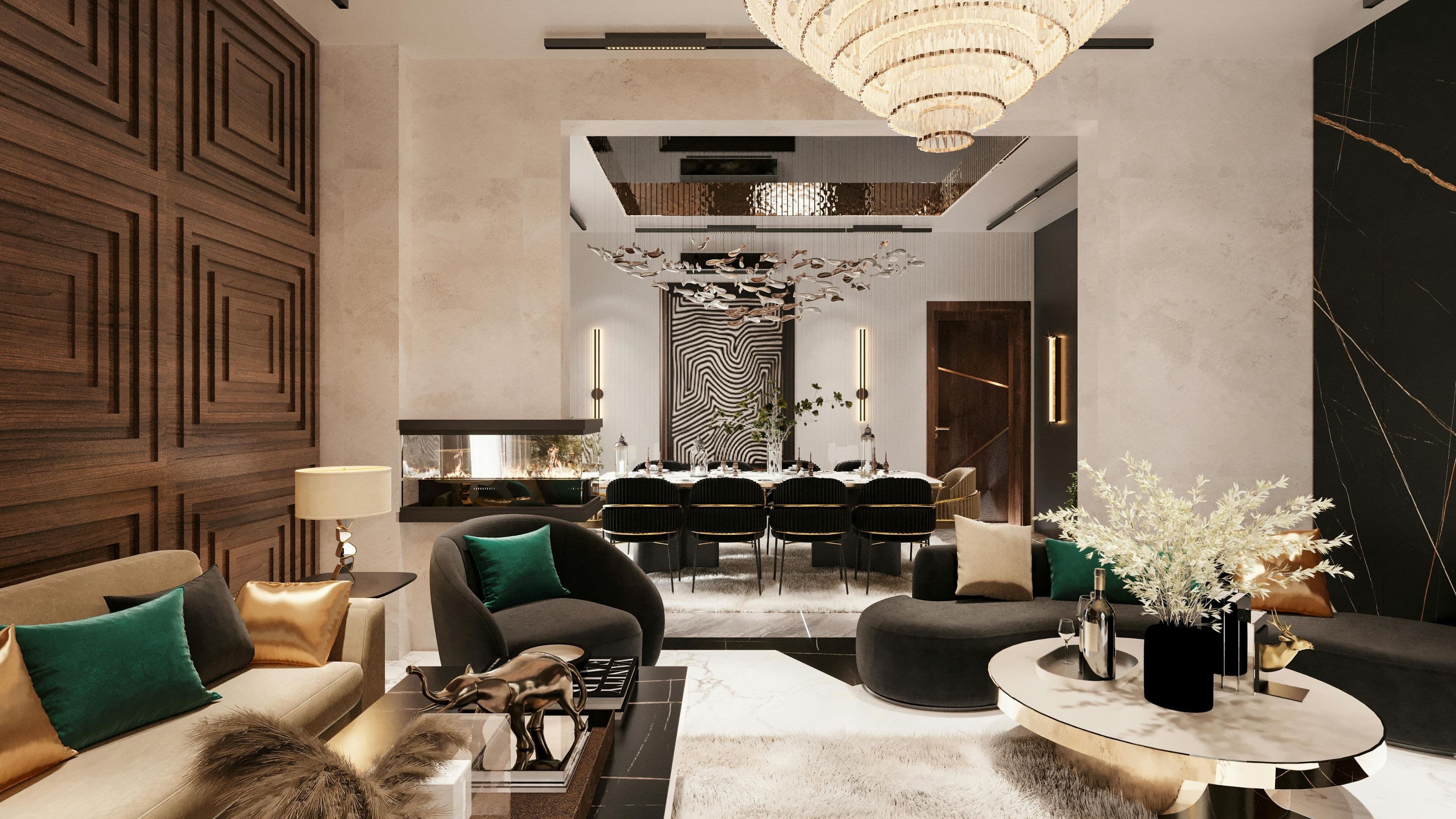
Interior design trends shift every few years, and right now there's a noticeable pull toward spaces that feel warm, personal, and a little less perfect than the ultra-minimal look that dominated the last decade. Whether you're planning a full renovation or just want to freshen up a room, these are the ten styles shaping homes right now, along with what each one actually looks like in practice.
Top 10 at a Glance
Japandi
Warm Minimalism
Modern Coastal
Maximalist Color Blocking
Cottagecore Revival
Industrial Loft 2.0
Biophilic Design
Art Deco Revival
Grandmillennial
Quiet Luxury
1. Japandi
Japandi blends Japanese minimalism with Scandinavian coziness, and it's become one of the most requested styles among designers because it manages to feel calm without feeling cold. Think low-profile furniture, natural wood tones, and a muted color palette built around beige, soft gray, and charcoal.
What makes this style stick is its focus on function paired with warmth. Every piece earns its place in the room, but the materials, like raw wood, linen, and stoneware, keep it from feeling sterile. It's especially well suited for smaller spaces where clutter shows fast, since Japandi's whole philosophy is about keeping only what you genuinely need and use.
If you're testing this style, start with lighting. Swap harsh overhead lighting for warm-toned lamps and let natural wood furniture do the heavy lifting instead of decorative accents.
2. Warm Minimalism
Warm minimalism is a direct response to the sterile, all-white minimalism that dominated design for years. It keeps the clean lines and lack of clutter but swaps stark whites for creams, terracottas, and warm neutrals that make a room feel lived-in rather than empty.
This style works because it solves minimalism's biggest complaint: that it can feel cold or impersonal. By layering in texture, like a chunky knit throw or a wood coffee table, warm minimalism keeps visual noise low while still feeling inviting.
The easiest entry point is your color palette. Swap bright white walls for a warm off-white or greige, then add texture through natural materials rather than more objects.
3. Modern Coastal
Modern coastal has moved past the nautical rope-and-anchor look of a decade ago into something more sophisticated: soft blues, sandy neutrals, and natural textures like rattan and linen, without the beach-themed knick-knacks.
This style appeals to people who want their home to feel light and airy year-round, not just in a beach house. The key is restraint, using coastal colors as a backdrop rather than the whole aesthetic, so the space doesn't tip into theme-park territory.
To try this look, focus on textiles first. Linen curtains, a woven rug, and a few blue-toned accent pillows can shift a room's whole feel without a single piece of new furniture.
4. Maximalist Color Blocking
On the opposite end of the spectrum, maximalist color blocking is having a real moment, especially among people tired of playing it safe with neutrals. This style uses bold, saturated color combinations, think emerald green paired with mustard yellow, in defined blocks rather than scattered accents.
What makes this trend work instead of feeling chaotic is intentional structure. Colors are usually blocked by wall, furniture piece, or zone rather than randomly mixed, which keeps the boldness from tipping into visual overwhelm.
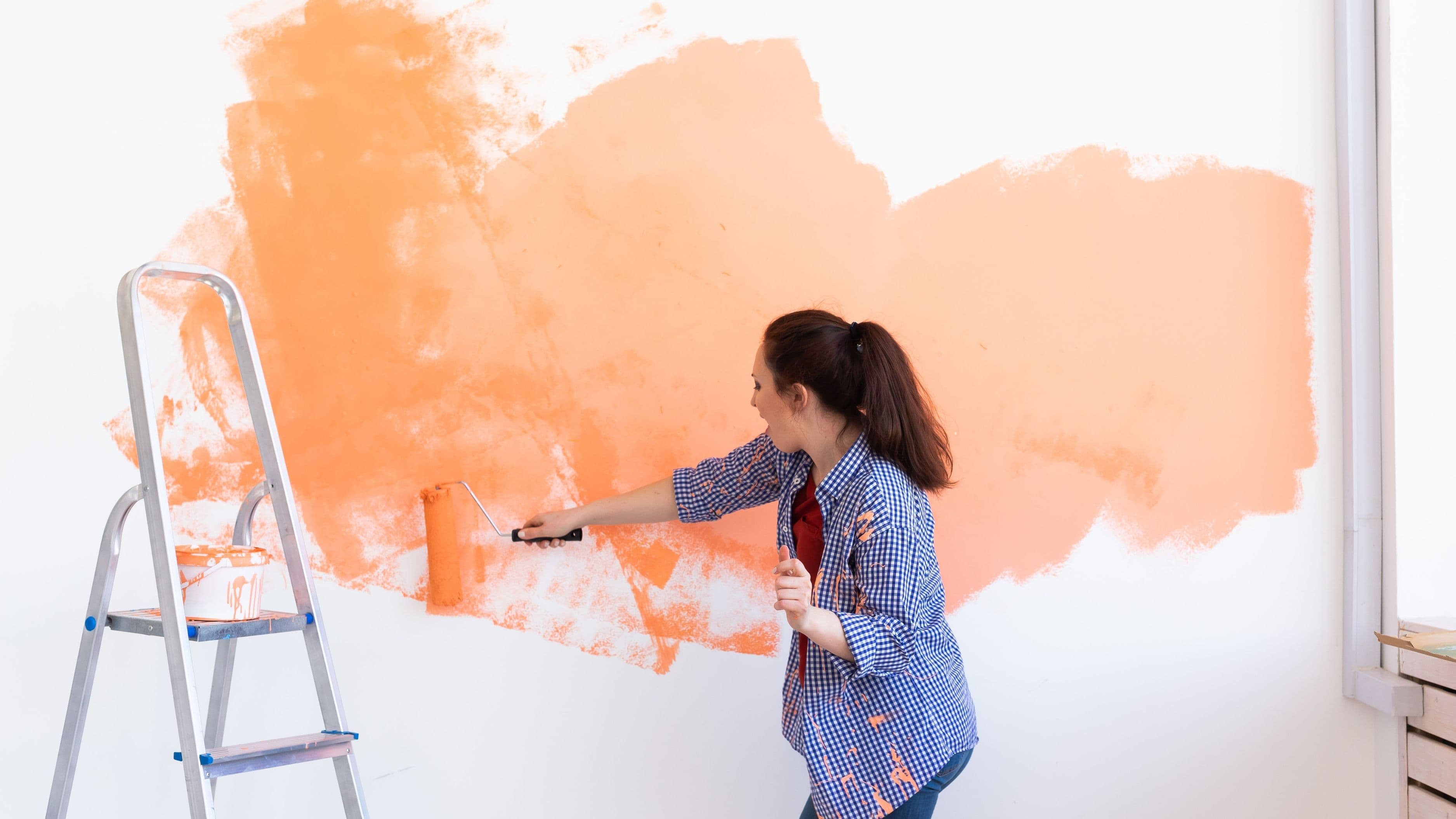
If you're curious but hesitant, start small: paint one accent wall in a saturated color and pair it with one or two furniture pieces in a complementary bold tone rather than redoing an entire room at once.
5. Cottagecore Revival
Cottagecore brings a romanticized, countryside-inspired look into everyday homes, with floral prints, vintage furniture, and a general sense of coziness that leans nostalgic rather than trendy. It's especially popular among people who want their home to feel like an escape from screens and hustle culture.
This style leans on layered textiles, mismatched vintage pieces, and natural materials like wicker and worn wood. The imperfection is part of the appeal; nothing needs to match perfectly, and a few well-chosen thrifted pieces often work better than anything brand new.
Try building this look around one statement vintage piece, like a dresser or armchair, and layer soft textiles and greenery around it.
6. Industrial Loft 2.0
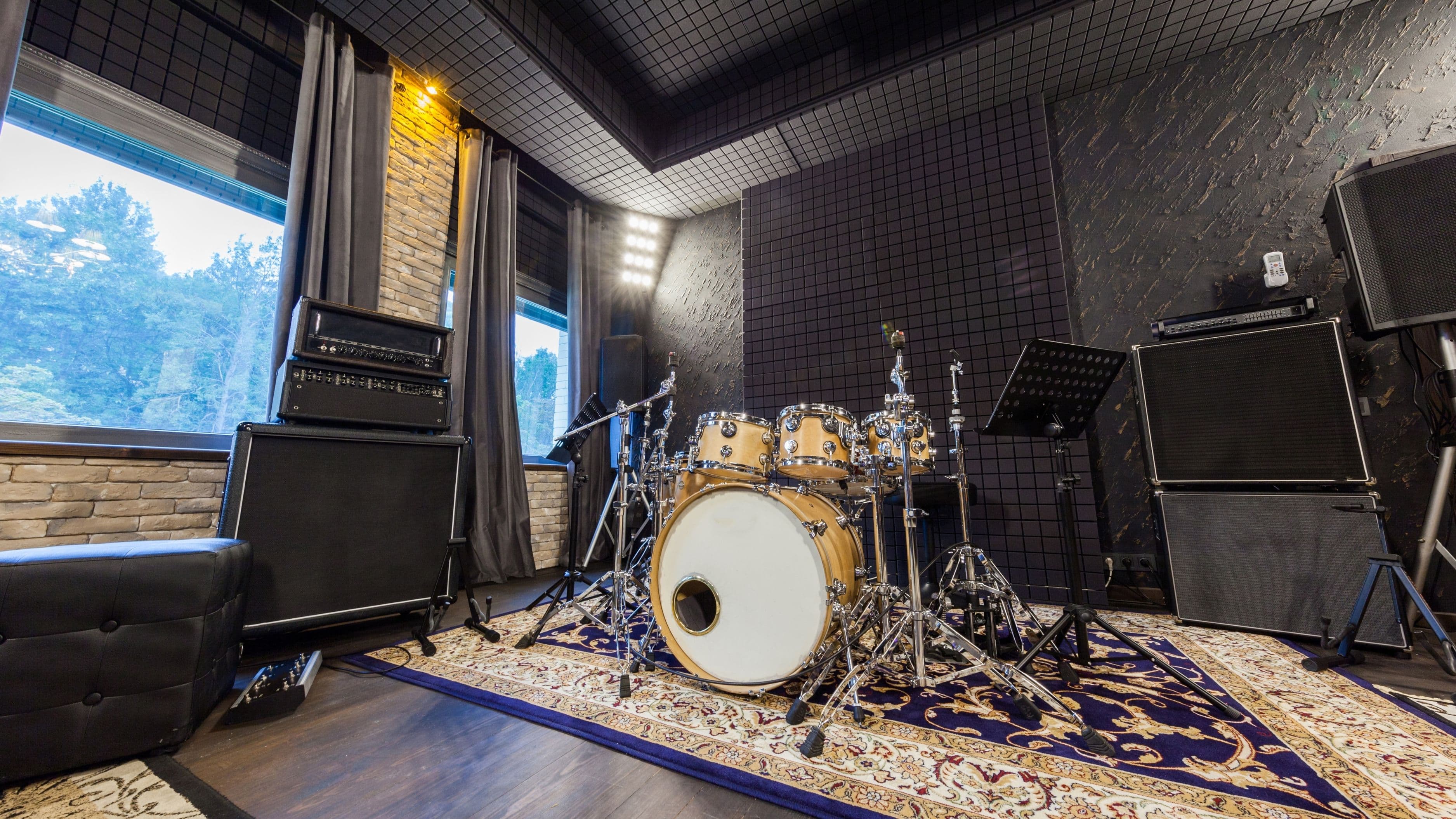
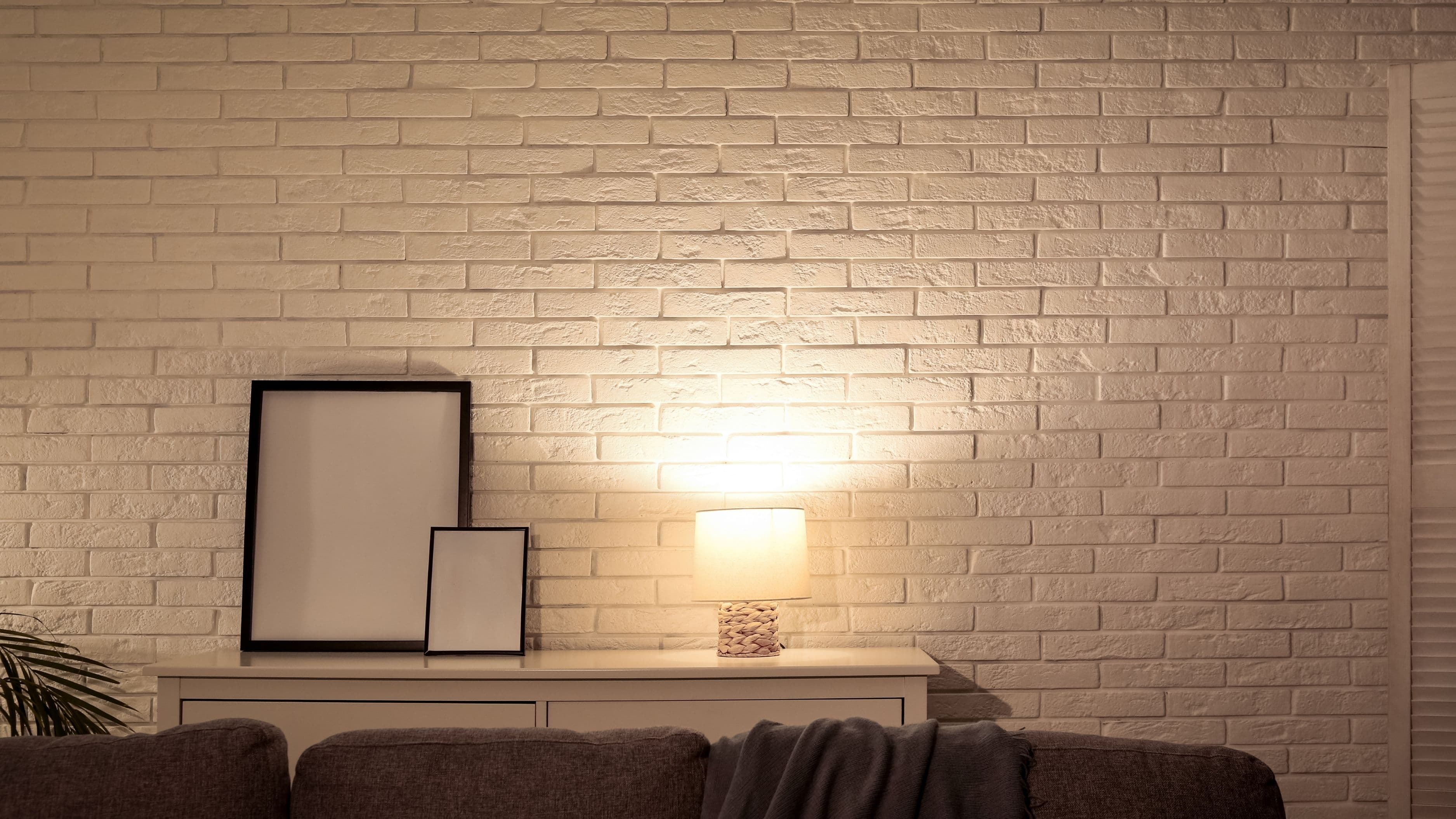
The original industrial trend of exposed brick and metal pipes has softened into something more livable. Industrial Loft 2.0 keeps the raw materials, like concrete, black metal, and exposed beams, but pairs them with warm wood tones and soft textiles to avoid feeling like an unfinished warehouse.
This updated version works particularly well in open-concept spaces or converted buildings where some industrial elements already exist structurally. The trick is balance: too much raw material feels cold, so warmth needs to come in through furniture, lighting, and textiles.
If your space has any exposed brick or ductwork, lean into it rather than covering it up, then soften the room with warm lighting and a few plush textiles.
7. Biophilic Design
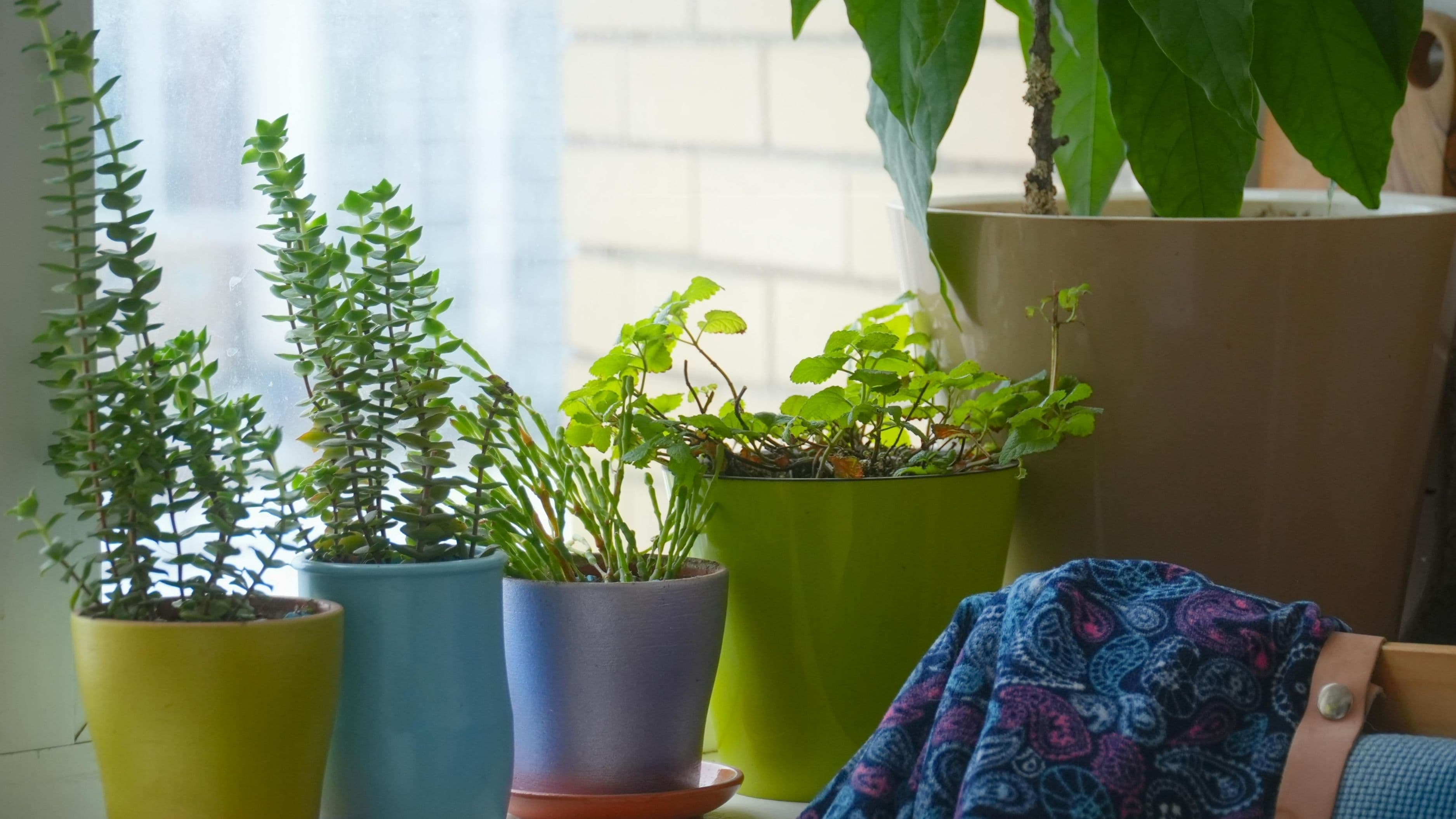
Biophilic design centers on bringing the outdoors in, not just with houseplants but through natural light, organic shapes, and materials that mimic nature, like stone, wood, and water elements. It's grown alongside increased awareness of how our environments affect mental well-being.
This style goes beyond decoration; it's about designing spaces that genuinely feel more calming and grounded. Curved furniture, natural materials, and maximizing natural light are all core to this approach, along with actual living plants rather than just plant-print decor.
Start by auditing your natural light. Move furniture to maximize what you already get, then add a few larger plants rather than several tiny ones scattered around.
8. Art Deco Revival
Art Deco's bold geometry, rich materials, and glamorous edge are making a comeback, especially in accent pieces like mirrors, lighting fixtures, and cabinetry. This style brings drama and sophistication through symmetry, metallic finishes, and jewel-toned colors.
Unlike some trends that require a full room overhaul, Art Deco revival works well as an accent style. A single statement piece, like a sunburst mirror or a geometric-patterned rug, can bring this aesthetic into an otherwise neutral room without overwhelming it.
If you want to try it, start with lighting fixtures, since they're one of the easiest ways to introduce Art Deco's signature geometric shapes and metallic finishes without committing to a full redesign.
9. Grandmillennial
Grandmillennial style takes traditional, sometimes "grandma-style" decor, like chintz, needlepoint, and antique furniture, and reworks it for a younger, more playful sensibility. It's a reaction against overly minimal spaces, embracing pattern, color, and a sense of personality that feels collected rather than purchased all at once.
This style thrives on mixing old and new: a vintage floral chair next to a modern lamp, or grandmother's china displayed in an otherwise contemporary kitchen. The result feels curated and personal rather than staged.
The easiest way in is through inherited or thrifted pieces. Rather than buying everything new, look for one or two vintage items with real character and build the room's palette around them.
10. Quiet Luxury
Quiet luxury translates the "old money" aesthetic into home design: high-quality materials, understated colors, and craftsmanship over logos or flashy statement pieces. It's less about visible wealth and more about investing in pieces that are built to last and feel genuinely good to use.
This trend appeals to people moving away from fast furniture toward fewer, better pieces. Think solid wood over particleboard, natural fibers over synthetic blends, and a neutral palette that won't feel dated in five years.
If you're working within a budget, apply this philosophy selectively: invest in the pieces you touch and see most, like a sofa or dining table, and save on lower-impact items like decorative accents.
How to Choose the Right Style for Your Home
Rather than picking a trend because it's popular, think about how you actually use your space day to day. A high-traffic household with kids might lean toward warm minimalism or modern coastal for durability and ease of cleaning, while someone who works from home and wants a calming environment might gravitate toward Japandi or biophilic design.
It also helps to look at your existing furniture and architecture before committing to a full style overhaul. Many of these trends can be introduced gradually through paint, textiles, and a few key pieces rather than requiring you to start from scratch.
Quick Takeaway
You don't need to fully commit to one style to update your space. Most of these trends can be layered in gradually through color, texture, and a few intentional pieces, letting your home evolve naturally rather than all at once.
What to Avoid
Don't chase every trend at once. Mixing too many bold styles without a unifying color palette or material choice usually reads as cluttered rather than curated.
Don't ignore your existing architecture. A style that photographs beautifully in a modern build might clash with a home that has very different bones, like low ceilings or heavy trim work.
FAQ
What's the easiest interior design trend to try on a budget? Warm minimalism and Japandi are both budget-friendly since they rely more on decluttering and swapping textiles than buying new furniture.
How do I know which style fits my home? Look at your existing architecture, natural light, and how you actually use the space, then choose a style that complements those factors rather than fighting against them.
Are these trends going to last, or will they feel dated soon? Styles built around natural materials and timeless proportions, like quiet luxury and Japandi, tend to age better than highly saturated or theme-heavy looks.
Conclusion
The best-designed homes right now aren't chasing perfection, they're chasing personality paired with comfort. Whichever style speaks to you, start small, layer changes gradually, and let your space reflect how you actually want to live in it.
📚 Sources
"What Is Japandi Style?" – Architectural Digest – https://www.architecturaldigest.com/story/what-is-japandi-style
"Biophilic Design: The Practice of Bringing Buildings to Life" – Terrapin Bright Green – https://www.terrapinbrightgreen.com/reports/14-patterns/
"Art Deco Design Movement Overview" – The Metropolitan Museum of Art – https://www.metmuseum.org/toah/hd/adec/hd_adec.htm